12 Best Things to Do in Saga, Japan in 2026
Plan things to do in Saga Prefecture with our 2026 guide to Karatsu Castle, Arita porcelain towns, Yoshinogari Park, onsen towns, and budget tips.
On this page
Our editors have crossed Saga Prefecture by local train more times than we can count, and it still surprises us. Unlike Tokyo or Kyoto, Saga is not one city; it's a patchwork of ceramic villages, castle towns, and onsen valleys. This guide to things to do in Saga groups the best stops by town, so you can build a route instead of hopping randomly. Last updated for 2026, it notes current prices and hours where they matter most.
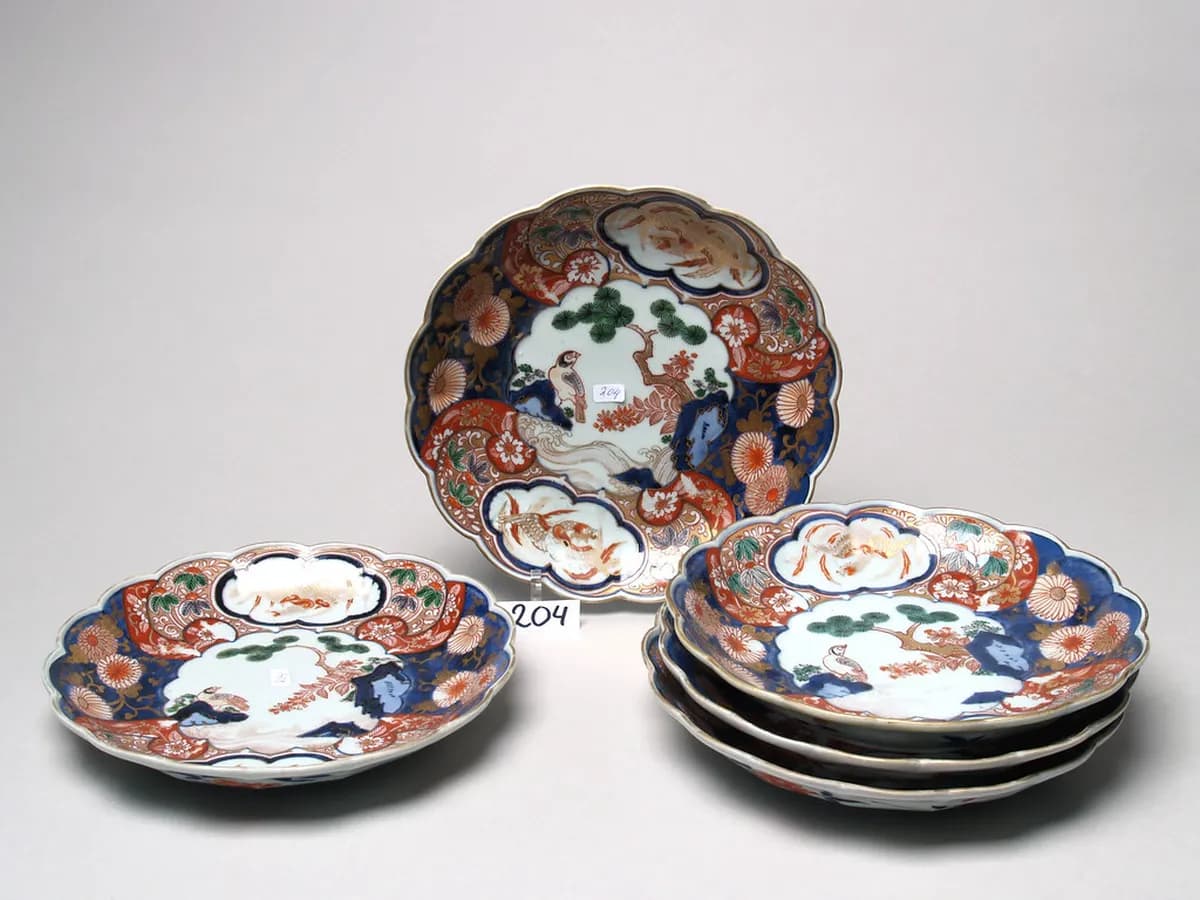
Saga's biggest draw is porcelain, since the towns of Arita and Imari have shipped blue-and-white wares to Europe since the 1600s. Karatsu adds a seaside castle and one of Kyushu's loudest autumn festivals, while Takeo and Ureshino soak sore feet in mineral-rich onsen. Add the Yoshinogari Historical Park's Yayoi-era ruins and the Saga International Balloon Fiesta, and a two- or three-day loop starts to make sense.
We built this list around real transit times and entrance fees, not just postcard views. Each stop below names its nearest station, typical cost, and the season that suits it best. Skip ahead to the planning section if you already know you want a slow, two-town trip rather than a rushed checklist.
Key Takeaways
- Best overall: Karatsu Castle paired with an Arita porcelain afternoon covers Saga's core in one day.
- Best for families: Yoshinogari Historical Park's hands-on Yayoi activities and Takeo City Library's kids' corner.
- Best rainy-day pick: Takeo City Library or the Kyushu Ceramic Museum, both fully indoors.
- Best free option: Tozan Shrine, Ōuo Shrine, and the Saga Prefectural Government observation deck cost nothing.
- Book ryokan in Ureshino or Takeo at least a month ahead during balloon fiesta week.
12 Best Things to Do in Saga Prefecture in 2026
The list below moves roughly west to east, starting in the ceramic heartland and ending near Saga City. We grouped iconic sights, gardens, museums, and one only-in-Saga experience so you are not just stacking temples. Distances between towns run 20 to 60 minutes by local train, so pick two or three neighbors rather than the whole prefecture.
Porcelain towns anchor the western half of the list, and Arita alone has produced hand-painted wares for more than four centuries. Our Arita and Imari porcelain guide goes deeper into individual kilns if ceramics are your main reason for visiting. For everyone else, the Kyushu Ceramic Museum below gives enough context in under an hour.
Entrance fees across the list mostly land between free and ¥600, and a few sights such as Tozan Shrine cost nothing at all. Check Asobo-Saga.jp, the prefecture's official tourism site, before you travel since a handful of hours shift with the season. We note operating days below wherever a Monday or holiday closure is common.
One quick warning: two commonly listed stops undersell themselves once you arrive, and we cover those in the What to Skip section below. With that said, here are the 12 places worth building a Saga itinerary around.
- Karatsu Castle and the Kunchi Festival Floats
- This rebuilt 17th-century castle crowns a hill above Karatsu Bay with sweeping harbor views.
- Climbing the five-story keep costs around ¥500 for adults and takes under an hour round trip.
- November's Karatsu Kunchi Festival parades fourteen lacquered floats weighing two to three tonnes each through town.
- Arrive near the 9am opening to beat tour groups arriving from Fukuoka.
- Arita and Imari Porcelain Towns
- Arita has shaped blue-and-white porcelain since stoneware clay turned up here in the early 1600s.
- The Kyushu Ceramic Museum near Arita Station displays historic wares free of charge until 4:30pm.
- Gen-emon Kiln, in the hills behind the station, lets visitors watch painters work on-site.
- Neighboring Imari's Okawachiyama village once supplied porcelain only to the shogun.
- Yoshinogari Historical Park's Yayoi Ruins
- This reconstructed Yayoi-period settlement sits on Japan's largest excavated site from around 400 BC.
- Elevated storehouses, watchtowers, and pit dwellings recreate a fortified village many visitors have never seen.
- Entry runs about ¥460 for adults, and the park stays open until 5pm in most seasons.
- Hands-on activities like fire-starting with a bow drill suit families with kids under twelve.
- Mifuneyama Rakuen Garden
- This 50-hectare garden at Mount Mifune's foot dates to 1845, built as a feudal lord's retreat.
- Spring brings roughly 5,000 cherry trees into bloom, while autumn turns the maples red and orange.
- Entry costs around ¥600, though fees have risen recently, so confirm the current rate.
- The garden sits an easy ride from Takeo-Onsen Station, simple to pair with a soak.
- Takeo City Library and Takeo Onsen
- Around 250,000 books curve through this award-winning modern library, built around an open café.
- Entry is free, and the library stays open into the evening most days.
- Next door, Takeo Onsen has soothed travelers for over 1,300 years in baths once reserved for lords.
- Day-use bathing at the historic Tonosama-yu bathhouse runs a few hundred yen to about ¥1,000.
- Ureshino Onsen Hot Springs Town
- Ureshino's alkaline waters are prized for softening skin, and around 60 ryokan line its streets.
- Day-trip bathing at inns like Warakuen typically costs ¥500 to ¥1,500 without an overnight stay.
- Try a tea bath, a genuine local specialty pairing green tea with mineral-rich onsen water.
- Free foot-bath stations dot the main street for anyone short on time or budget.
- Yutoku Inari Shrine's Vermilion Halls
- Ranked among Japan's three great Inari shrines, this complex draws roughly three million visitors yearly.
- The main shrine grounds are free, while the attached museum charges about ¥300 for adults.
- A tunnel of dark red torii gates climbs the hillside toward a mountain viewpoint.
- Reach it via JR Hizen-Kashima Station, about an hour from Fukuoka's Hakata Station.
- Saga International Balloon Fiesta
- Asia's largest hot-air balloon competition fills Saga City's skies for five days each fall.
- Pilots from dozens of countries compete, and admission to the riverbank grounds is free.
- Outside festival week, the Saga Balloon Museum near Saga Station shows flight simulators and history.
- Museum entry costs about ¥500, and it closes on Mondays and New Year holidays.
- Kashima's Sake Brewery Street
- Sakagura-dori in coastal Kashima has brewed sake since the Edo period.
- Three breweries, including Minematsu Shuzo and Fukuchiyo Shuzo, sit a few minutes apart.
- Tastings typically run a few hundred yen per pour, with limited English signage.
- Pair the walk with nearby Yutoku Inari Shrine, both close to Hizen-Kashima Station.
- Tozan Shrine's Porcelain Architecture
- This Arita shrine, also called Sueyama Shrine, builds its torii gates from blue-and-white porcelain.
- Entry is free and the shrine grounds stay open around the clock.
- The neighboring Tonbai Walls lane is built from discarded kiln bricks and pottery shards.
- Photographers get the best light in late afternoon, when the gates catch a warm glow.
- Ōuo Shrine's Floating Torii Gates
- In coastal Tara, these vermilion torii gates appear to float across the water at high tide.
- At low tide, the gates stand on exposed sand, so timing your visit matters.
- Entry is free, and the shrine sits a short walk from Tara Station.
- Check tide charts online before you go, since the wrong hour changes the whole photo.
- Saga Prefectural Government Observation Deck
- At just 50 meters, this is Saga City's tallest building, with a free observation floor.
- On clear days you can spot Mount Unzen, an active volcano across the water.
- It stays open until 10pm on weekdays, one of the few free sunset spots in town.
- It's a five-minute bus ride from Saga Station, or a brisk 20-minute walk.
Getting To and Around Saga's Scattered Towns
Saga Prefecture works on trains and buses, not on foot between towns, since Karatsu, Arita, and Ureshino sit 30 to 90 minutes apart. Most travelers arrive via Fukuoka's Hakata Station, then transfer onto JR lines heading southwest into Saga. The Limited Express Kamome connects Hakata to Saga City in roughly 40 to 50 minutes for about ¥1,970 one way.
If you plan to cover several towns, a multi-day JR Kyushu rail pass usually beats paying fare by fare. The Northern Kyushu pass covers Saga, Nagasaki, and northern Kumamoto for around ¥8,660 over three days. Our guide to getting to Saga breaks down which pass fits a two-town trip versus a full prefecture loop. Reserve seats online before peak weekends, especially around festival dates.
Saga also has its own small airport, Saga Airport, with limited routes to Tokyo, Taipei, Shanghai, and Seoul. Most international visitors still land at Fukuoka and connect onward by train. Within each town, expect to walk or take a short local bus, since taxis outside Saga City can be scarce late at night.
Where to Stay in Saga: Ryokan Towns vs. City Hotels
Saga rewards a two-base strategy rather than one central hotel, and the right base depends on what you came for. Ureshino and Takeo onsen towns suit travelers prioritizing hot springs, with ryokan rates from roughly ¥12,000 to ¥30,000 per person including dinner. Karatsu suits castle-and-coast days, and its business hotels run closer to ¥7,000 to ¥12,000 a night.
Choose an onsen ryokan if you want dinner included and a private bath, but expect earlier check-in windows and stricter meal times. Choose a Saga City or Karatsu business hotel if you want late arrivals, self-catering flexibility, and easy train access the next morning. Families traveling with young kids often do better in city hotels, since ryokan etiquette around shared baths can feel restrictive with toddlers.
Our guide to the best time to visit Saga flags which weeks fill up fastest for each base town. For train schedules and seasonal notes straight from the tourism board, Japan.travel keeps an official overview. Whichever base you choose, book at least a month ahead during balloon fiesta week or cherry blossom season.
Family-Friendly and Budget-Friendly Things to Do in Saga
Several of Saga's best stops cost nothing at all, which helps on longer Kyushu trips with a tight daily budget. Tozan Shrine, Ōuo Shrine, the government observation deck, and Ureshino's street-side foot baths are all free to visit. Watching the Saga Balloon Fiesta from the riverbank is also free, even though grandstand seating costs extra.
Yoshinogari Historical Park works especially well for families, since kids can try fire-starting and simple weaving demonstrations. Takeo City Library doubles as a rainy-day option, with a children's corner tucked beside the main reading arc. Both sit close enough to a train station that strollers and tired legs are not a major obstacle.
If shopping fits your budget trip, Tosu Premium Outlets near Tosu Station houses roughly 160 stores and a food court. It sits outside the main sightseeing loop, so treat it as a stop en route to or from Fukuoka, not a dedicated day. Bring cash for smaller food stalls, since some vendors at markets and festivals still don't accept cards.
How Many Days Do You Need in Saga?
Two full days cover Saga's highlights: one for Karatsu Castle and the porcelain towns, another for an onsen soak and Yoshinogari Park. Three or four days let you add Kashima's sake brewery street and still leave room for a slow afternoon at Mifuneyama Rakuen. Rushing all twelve stops into a single day means long transfers and almost no time inside any one place.
Saga also works well bolted onto a Nagasaki trip, since the Limited Express train links Saga City to Nagasaki Station in about 80 minutes. A one-day add-on lets you see Karatsu Castle in the morning and reach Nagasaki by early evening for around ¥3,420 one way. Travelers short on time sometimes skip Saga entirely between Fukuoka and Nagasaki, and this add-on route fills exactly that gap.
Timing shifts what you'll see most, since cherry blossoms peak in late March and the balloon fiesta lands in late October or November. For a ready-made day-by-day plan, our Saga itinerary guide covers both the two-day and four-day versions above. Either version leaves room to adjust if a shrine festival or sake tasting event lands during your trip.
What to Skip and How to Plan a Smooth Saga Day
The Zombie Land Saga anime pilgrimage spots get heavy online buzz, but most are just ordinary buildings unless you already know the show. We'd also skip a dedicated shopping trip to Tosu Premium Outlets unless it's genuinely on your route between Fukuoka and Saga City. Both eat up a half-day that porcelain towns or an onsen soak would use far better.
Buy IC cards like Suica or Nimoca before you leave Fukuoka, since rural Saga stations don't always sell them. Confirm bus timetables the night before, because rural routes to sights like Ōuo Shrine can run just once an hour. Pack cash in smaller bills, since card readers are inconsistent at kilns, shrines, and countryside food stalls.
Start early at whichever castle, shrine, or garden tops your list, since Saga's biggest sights get noticeably busier after 10am on weekends. For a broader read on visitor experiences before you commit to a route, Tripadvisor.com collects recent reviews by attraction. A slower, two-town day beats a rushed six-stop checklist almost every time.
Explore More Saga Guides
Plan a trip across Saga Prefecture — getting around, a suggested route, the best time to visit, and the Arita and Imari porcelain towns.
Going deeper on this theme? Our What to Eat in Saga Prefecture guide covers it in detail, with the practical planning this page leaves out.
Frequently Asked Questions
What is Saga Prefecture famous for?
Saga is best known for Arita and Imari porcelain, Karatsu Castle, and onsen towns like Ureshino and Takeo. It also hosts Asia's largest hot-air balloon competition each autumn, drawing pilots from dozens of countries. Saga beef, green tea, and fresh Ariake Sea seafood round out its food reputation.
How do I get from Fukuoka to Saga?
Take a JR train from Hakata Station to Saga Station on the Limited Express Kamome line. The trip takes roughly 40 to 50 minutes and costs about ¥1,970 one way. A JR Kyushu rail pass often saves money on longer, multi-town routes.
What island is Saga on?
Saga Prefecture sits on Kyushu, Japan's third-largest island, in the far southwest corner of the country. It borders Fukuoka to the northeast and Nagasaki to the southwest, which makes it an easy rail add-on. Kyushu's other prefectures include Kumamoto, Oita, Miyazaki, and Kagoshima.
Is Saga worth including on a short Kyushu itinerary?
Yes, even a single extra day between Fukuoka and Nagasaki fits Karatsu Castle or an Arita porcelain stop. Saga sits directly on that rail route, so it rewards travelers heading toward Nagasaki anyway. Two days let you add an onsen soak too.
Which things to do in Saga suit first-time visitors?
First-time visitors get the most from Karatsu Castle, Yutoku Inari Shrine, and an afternoon in Arita's porcelain shops. Yoshinogari Historical Park adds hands-on history that works well for families. Together, these four stops cover Saga's core identity in a single day trip.
Saga rewards travelers willing to swap one famous city for a string of smaller ones, each with its own specialty. Porcelain in Arita, castle views in Karatsu, and mineral baths in Ureshino add up to a fuller picture of Kyushu than any single stop. Build your route around two or three neighboring towns, confirm the season's events, and leave room for at least one slow afternoon.
For more Kyushu route ideas beyond Saga, browse our travel blog for nearby Fukuoka and Nagasaki guides. Whichever towns you pick, Saga still rewards travelers willing to slow down between Fukuoka and Nagasaki in 2026.
Exploring more of Kyushu? See our guides to Fukuoka and Nagasaki.
Free guide: Japan's Hidden Gems
12 under-the-radar places beyond Tokyo & Kyoto — with the best season to visit each and a local tip you won't find in the guidebooks.
You might also like

Continue reading
More guides you'll find useful