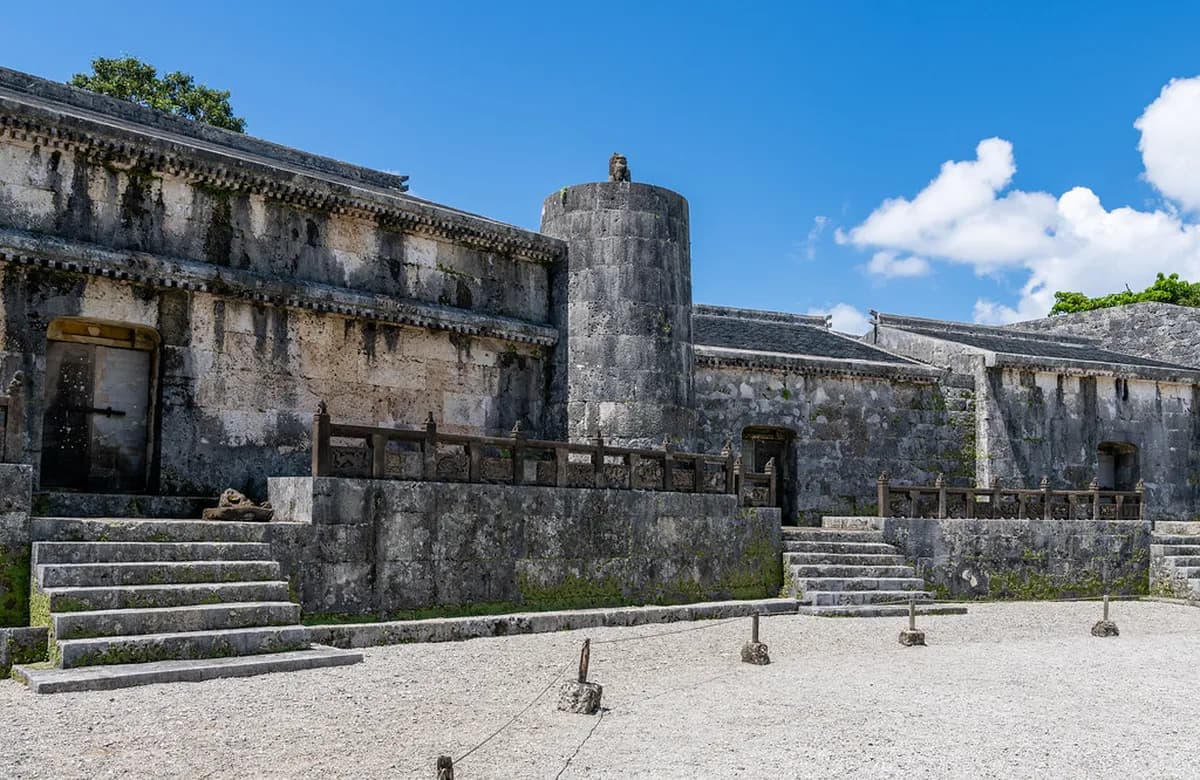
Tamaudun Royal Mausoleum is one of Naha's clearest links to the Ryukyu Kingdom. Built in 1501 for the Second Sho Dynasty, the stone tomb sits in the Shuri district only a short walk from Shuri Castle. It is quiet, compact, and best understood as a royal burial site rather than a castle ruin or museum-heavy attraction.
The appeal is in the details: coral limestone walls, three stone burial chambers, carved guardian figures, and a courtyard that still feels separate from the surrounding city. A 2026 visit works especially well for travelers who want meaningful history without committing half a day. Most people can see the museum room, courtyard, and main viewing areas in under an hour.
This guide keeps the practical side clear: how to get there, when to go, what your ticket includes, what to avoid, and how to pair Tamaudun with nearby Naha attractions. Ticket prices and opening hours are kept as verified source data, so use them as the baseline for planning.
Tamaudun Mausoleum on Map
Tamaudun Mausoleum is in Shuri, the historic highland district east of central Naha. The nearest Yui Rail station is Shuri Station, and the walk from the station usually takes about 15 minutes. The route is manageable, but it includes slopes and neighborhood streets, so comfortable shoes matter more than distance.
Bus access can be more direct if your route stops near Tamaudun-mae or Shurijo Castle. Check Transport Navi Okinawa before leaving, because local bus timing can change by route, day, and traffic. If you are starting from Kokusai Street, a bus or taxi can be more efficient than taking the monorail and walking uphill.
Drivers should treat Shuri as a tight historic neighborhood, not a suburban attraction zone. Nearby parking exists, but lots can fill on weekends, during Shuri Castle events, and around public holidays. For a low-stress first visit, use public transport or park once near Shuri Castle and walk between the heritage sites.
- Best public transport choice: Yui Rail to Shuri Station, then a 15-minute walk.
- Best low-walking choice: local bus to the Shuri Castle or Tamaudun area, then a shorter walk.
- Best driver strategy: arrive early, use coin parking, and avoid circling the narrow side streets.
- Common mistake: assuming the route is flat because the walking time looks short.
Cancellation Policy
Independent visitors usually do not need a cancellation policy because Tamaudun is a walk-in attraction. You buy admission at the site, enter the grounds, and continue at your own pace. The only planning risk is not a refund issue, but whether bad weather, maintenance, or a packed Shuri itinerary makes the visit less comfortable.
If you book a Shuri Castle and Royal Mausoleum guided tour, the cancellation terms belong to the tour operator, not the mausoleum. Check the cut-off time, whether entrance fees are included, and whether the guide continues in rain. This matters in Okinawa because sudden showers and typhoon-season schedule changes can affect outdoor walking routes.
For 2026 planning, keep Tamaudun flexible in your day rather than locking it to a narrow arrival time. It is close enough to Shuri Castle that you can swap the order if a tour group arrives, if the courtyard feels too hot, or if rain makes stone paths slippery.
What's Included
Admission covers the museum room and the outdoor mausoleum grounds. The museum gives essential context before you step into the courtyard, including displays that explain the Second Sho Dynasty, Ryukyuan burial customs, and the role of the three chambers. Seeing the exhibits first makes the stone structure easier to read.
The main experience is self-guided. You can view the facade, courtyard, stone gates, walls, and decorative carvings at your own pace. The burial chambers themselves are not entered by visitors, so do not expect an interior tomb tour. The value comes from understanding the exterior architecture and the royal function of each chamber.
What's not included: a private guide, transport to Shuri, food, luggage storage, and access inside the sealed tomb chambers. If you want deeper interpretation, pair the visit with a local heritage walk or read the museum panels carefully before photographing the exterior.
Festival & Events nearby
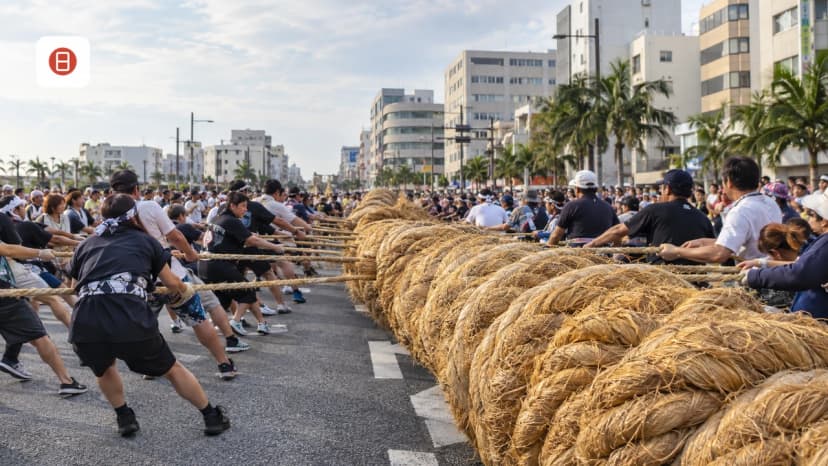
The Shuri area is most active during seasonal events connected to Shuri Castle and Ryukyuan court culture. Autumn events can bring processions, traditional costumes, dance performances, traffic controls, and heavier foot traffic around the castle park. These days can be memorable, but they are not the best choice if you want a quiet mausoleum visit.
New Year events around Shuri can also change the feel of the neighborhood. Visitors may see local ceremonies, performances, or family groups moving between historic sites. Dates and routes can change, so check local event information close to your travel date rather than relying on a fixed annual pattern.
If your priority is photography or reflection, choose a regular weekday morning. If your priority is cultural atmosphere, accept the extra crowds and build in more time for walking between Shuri Castle, Tamaudun, and nearby streets.
Travelers who viewed Tamaudun Mausoleum viewed also
Most travelers pair Tamaudun with Shuri Castle. The castle explains royal government and ceremony, while Tamaudun explains royal death, succession, and family memory. Together they make the strongest Shuri heritage route, and the walking distance between them is short.
Shikina-en Garden is the best second stop if you want another royal site with a softer landscape. It takes more effort to reach than Shuri Castle, but the villa garden adds a different view of how Ryukyuan royalty received guests and used space.
The Okinawa Prefectural Museum is the better follow-up for context. Choose it if you want artifacts, timelines, and broader Okinawan history after seeing the stone monuments. For a food-focused ending, continue later to Makishi Public Market.
Book your Flight Tickets and Rental Car for your Japan trip
Naha Airport is connected to central Naha by the Yui Rail, so Tamaudun can fit into either the first or last full day of an Okinawa trip. If you are staying near Kokusai Street or a monorail station, you do not need a rental car just for Shuri. The transit plus walking approach is usually simpler.
A rental car becomes useful when Tamaudun is part of a wider Okinawa route, such as southern war memorial sites, central Okinawa castle ruins, or northern beaches. For this specific attraction, the trade-off is clear: driving saves some walking, but parking and narrow roads add friction.
Japan Rail Pass planning is usually irrelevant for Okinawa because there is no mainland JR network on the island. Budget instead for flights, local buses, monorail fares, taxis, and car rental days only when your route leaves the Naha urban core.
Discover the mausoleum of the kings of the Ryukyu Kingdom
The mausoleum was commissioned by King Sho Shin in 1501 for the Second Sho Dynasty. It was built as a statement of royal authority as well as a burial place, which is why its architecture echoes Shuri Castle rather than a simple cemetery. It remains part of the UNESCO-listed Gusuku Sites and Related Properties of the Kingdom of Ryukyu.
The mausoleum has three chambers: the central chamber for temporary placement, the eastern chamber for kings and queens, and the western chamber for other royal family members. Understanding this layout before you arrive makes the stone facade much easier to read.
The structure has three chambers: a central chamber associated with temporary placement and purification, an eastern chamber for kings and queens, and a western chamber for other royal family members. This layout is one reason the site rewards a slower visit. The more you understand the chamber roles, the less it feels like a single stone facade.
Look closely at the decorative elements before leaving. The stone balustrades, guardian lion figures, dragon and phoenix motifs, lotus details, and inscribed stele all point to a Ryukyuan court culture shaped by local traditions and wider East Asian influence. These details are easy to miss if you treat Tamaudun as a quick add-on after Shuri Castle.
Become a Marriott Bonvoy member
The brief's hotel intent is really a "where to stay near Tamaudun Mausoleum" question. For most visitors, the best base is not directly beside the mausoleum, because Shuri is quieter at night and has fewer dining choices than central Naha. Staying near Kokusai Street, Kencho-mae, Asahibashi, or Omoromachi gives easier restaurant access while keeping Shuri reachable by transit or taxi.
Loyalty programs such as Marriott Bonvoy can be useful if they place you in a hotel with late check-out, larger rooms, or easy taxi access, but do not choose a hotel only because of the brand. For a short Naha stay, station access and luggage handling usually matter more than being closest to Tamaudun.
First-time visitors should choose accommodation based on the whole itinerary: central Naha for food and nightlife, Omoromachi for the museum and shopping, or a rental-car hotel if exploring beyond the city. Tamaudun itself is easy enough to visit from any of these bases.
Ticket Options ( 3 ) Options Available
Entry fees for the mausoleum are very affordable for most international travelers. Adult tickets currently cost 300 yen for a single entry to the grounds. You can purchase these at the automated machine or the small ticket window. Check the NAHA City: Tamaudun page for the latest pricing updates.
Children and students receive a significant discount on their admission tickets. Elementary and junior high students can enter for only 150 yen per person. Be sure to bring a student ID if you are traveling with older children. Toddlers and very young children can usually enter the site for free.
Group discounts are available for parties of twenty or more people. This is a great option for school groups or large family reunions. The price per person drops slightly when booking as a large group. Contact the management office in advance to arrange these specific ticket types.
Walking Tours in Naha, Japan
A good walking route starts with Shuri Castle, continues to Tamaudun, and then follows nearby stone-paved lanes before returning to transit. This keeps the history concentrated and avoids turning the day into a long urban walk. Add water, sun protection, and shoes with grip, especially from late spring through early autumn.
If you want a longer cultural route, continue later toward the Tsuboya Pottery District and Kokusai Street. This works best as a downhill or transit-assisted plan rather than a strict door-to-door walk. The mood changes from royal stone architecture to pottery lanes, shops, and food streets.
Accessibility is mixed. The museum and main viewing areas are more manageable than some surrounding historic lanes, but stone surfaces, slopes, heat, and rain can make the visit harder for wheelchair users or travelers with limited mobility. If accessibility is a priority, arrive early, ask staff for the smoothest route, and keep the Shuri Castle pairing flexible.
Other Things To Do Nearby
For a short itinerary, Tamaudun is worth including only if you are already visiting Shuri. It is not the best standalone attraction for a first hour in Naha, but it is one of the best add-ons for understanding royal history. A realistic short plan is Shuri Castle, Tamaudun, lunch or tea nearby, then central Naha.
Choose your next stop by traveler type. History-focused visitors should add Shuri Castle and the Okinawa Prefectural Museum. Garden-focused visitors should add Shikina-en. Food-focused visitors should finish around Makishi Public Market or Kokusai Street. Families with limited patience may prefer a shorter Tamaudun visit followed by a more open area.
The biggest planning mistake is stacking too many Naha attractions without accounting for heat, slopes, and transit transfers. Tamaudun is compact, but the Shuri district asks for slow walking. Two or three nearby stops will feel better than five rushed ones.
The stone paths inside the mausoleum courtyard can be extremely slippery in wet conditions, and the Shuri district streets are hilly. Avoid smooth-soled shoes and do not visit immediately after heavy rain without non-slip footwear.
Frequently Asked Questions
How do you get to Tamaudun Mausoleum?
Take the Yui Rail to Shuri Station and walk about 15 minutes, or use a local bus that stops near Shuri Castle or Tamaudun-mae. A taxi from central Naha is simpler if you want to avoid the uphill walk. Drivers should use nearby paid parking and expect narrow streets around the heritage area.
How much time should you plan for tamaudun royal mausoleum visitor guide?
Most visitors spend between 45 and 60 minutes exploring the site and museum. This allows enough time to read the displays and walk around the stone chambers. If you are a history enthusiast, you might want an extra thirty minutes for photos. Consider visiting the Makishi Public Market afterward for a local lunch.
When are the opening hours for the mausoleum?
The site typically opens at 9:00 AM and closes at 6:00 PM daily. The last entry is usually thirty minutes before the gates close for the evening. Some holiday schedules may vary, so check the official city website before your trip. Arriving early helps you avoid the midday heat and larger tour groups.
Is the Tamaudun Mausoleum accessible for travelers with disabilities?
The main museum area and the courtyard are generally accessible for visitors using wheelchairs. However, some of the older stone paths near the tombs can be uneven or steep. Staff members are available to assist with finding the smoothest routes through the historical grounds. Most of the primary viewing areas offer clear lines of sight from the paved sections.
What's not included with admission?
Admission does not include a private guide, transport, food, luggage storage, or entry inside the sealed burial chambers. The visit is mainly a self-guided museum and exterior grounds experience. Book a separate guided walk if you want deeper interpretation of Ryukyu Kingdom history.
Where should you stay near Tamaudun Mausoleum?
Most travelers are better off staying in central Naha rather than directly beside Tamaudun. Areas near Kokusai Street, Kencho-mae, Asahibashi, and Omoromachi offer better dining, transit, and hotel choice while keeping Shuri easy to reach. Stay in Shuri only if you specifically want a quieter heritage-focused base.
Which visit option fits first-time travelers?
First-time visitors should pair Tamaudun with Shuri Castle on the same morning or afternoon. Visit the museum room first, then the courtyard, then continue to the castle area or nearby stone lanes. A guided tour is useful if you want context, but independent visitors can still understand the site by reading the displays carefully.
What should travelers avoid when planning a visit?
Avoid visiting during the hottest part of the afternoon in the summer months. The stone structures reflect heat, making the courtyard feel much warmer than the surrounding streets. You should also avoid wearing high heels, as the ancient stone paving can be slippery. Plan your visit for early morning or late afternoon for the best lighting and comfort.
Is Tamaudun worth including on a short itinerary?
Yes, if your short itinerary already includes Shuri Castle. Tamaudun is close, affordable, and adds royal burial history that the castle alone does not cover. If you have only a few hours in Naha and are not going to Shuri, central food markets or the waterfront may be easier choices.
The Tamaudun Royal Mausoleum offers a quiet, compact look at the Ryukyu Kingdom's royal past. It works best as part of a Shuri heritage route with Shuri Castle, but it also rewards anyone interested in architecture, burial customs, and Okinawan identity.
For a smooth 2026 visit, arrive early or late in the day, read the museum displays before entering the courtyard, and keep your route realistic in hot or wet weather. The site is small, but its meaning is large when you give the stonework and chamber layout enough attention.
For more Naha planning, see our things to do in Naha, Naha itinerary, and Shuri Castle guide.
For official details, visit the Tamaudun Royal Mausoleum official site and Tamaudun Royal Mausoleum on Wikipedia.