Hakone Open-Air Museum
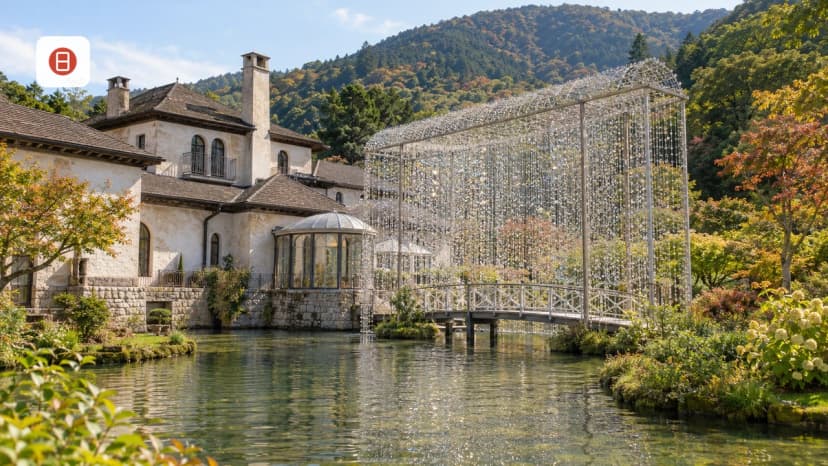
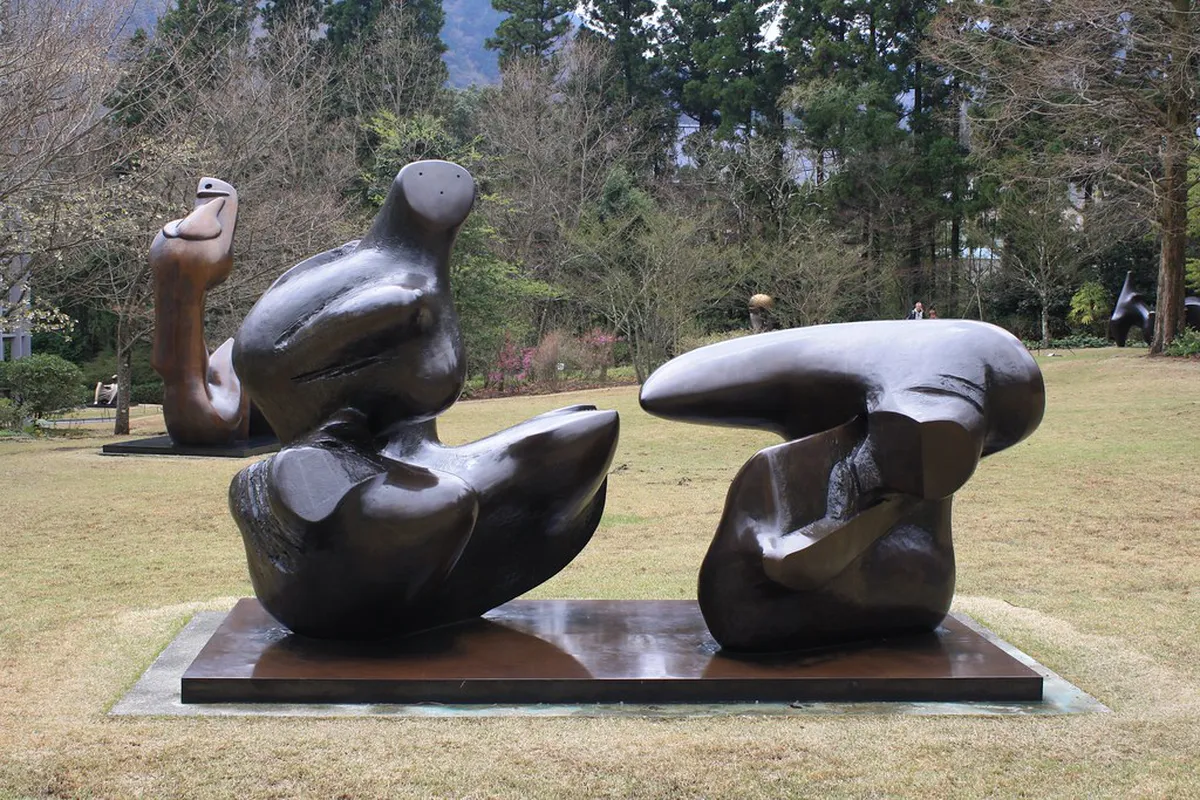
Japan's first open-air museum, opened in 1969 in Hakone, displaying over 1,000 works of art including about 120 outdoor sculptures across landscaped grounds with a Picasso pavilion and hot-spring footbath.
Visitor guide →
Hakone attractions and things to do in 2026 — Lake Ashi and Mt Fuji views, Owakudani, Hakone Shrine, art museums and the Hakone Loop, with prices, itineraries and the best time to visit.
Hakone is the onsen resort town that anchors the Mount Fuji region, a caldera of hot-spring valleys, art museums and mountain railways an easy 80–90 minutes from Tokyo. What makes Hakone's attractions special is how they string together: the famous Hakone Loop links a mountain railway, a cablecar, a ropeway over the steaming Owakudani volcano and a pirate-ship cruise across Lake Ashi into a single circular sightseeing route — so the transport is half the attraction. Along the way you get the postcard image of Hakone: the vermillion torii of Hakone Shrine standing in Lake Ashi with Mount Fuji framed behind it on a clear day.
Beyond the loop, Hakone packs in world-class culture. The Hakone Open-Air Museum scatters Henry Moore, Rodin and Miró sculptures across a hillside, the Pola Museum holds one of Japan's strongest Impressionist collections, and dozens of ryokan let you soak in volcanic hot springs after a day out. This 2026 guide covers Hakone's attractions by area and by category, sorts the free sights from the paid ones (using current verified prices), lays out 1- and 2-day itineraries, and explains how to get around with the Hakone Free Pass. We start with the four most-visited sights below — each card links to a full visitor guide with up-to-date hours and pricing — then widen out to everything else worth your time.
Planning a wider trip? See our Japan travel guide, the things to do in Hakone guide, and getting around Japan.
Japan's first open-air museum, opened in 1969 in Hakone, displaying over 1,000 works of art including about 120 outdoor sculptures across landscaped grounds with a Picasso pavilion and hot-spring footbath.
Visitor guide →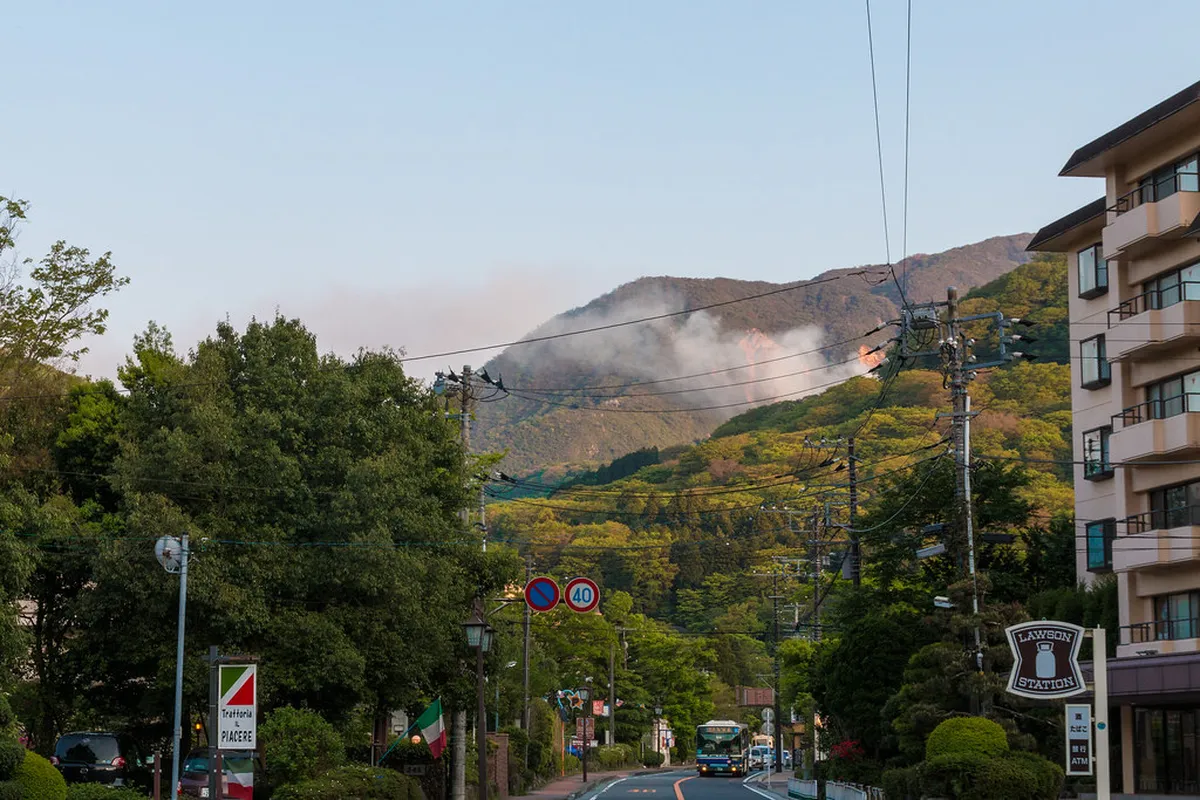
Owakudani is an active volcanic valley in Hakone famous for sulphur vents, fumaroles, hot springs and mountain views. The valley is free to enter; the only paid element is the Hakone Ropeway that accesses it. Its signature treat is kuro-tamago, black eggs boiled in the geothermal springs.
Visitor guide →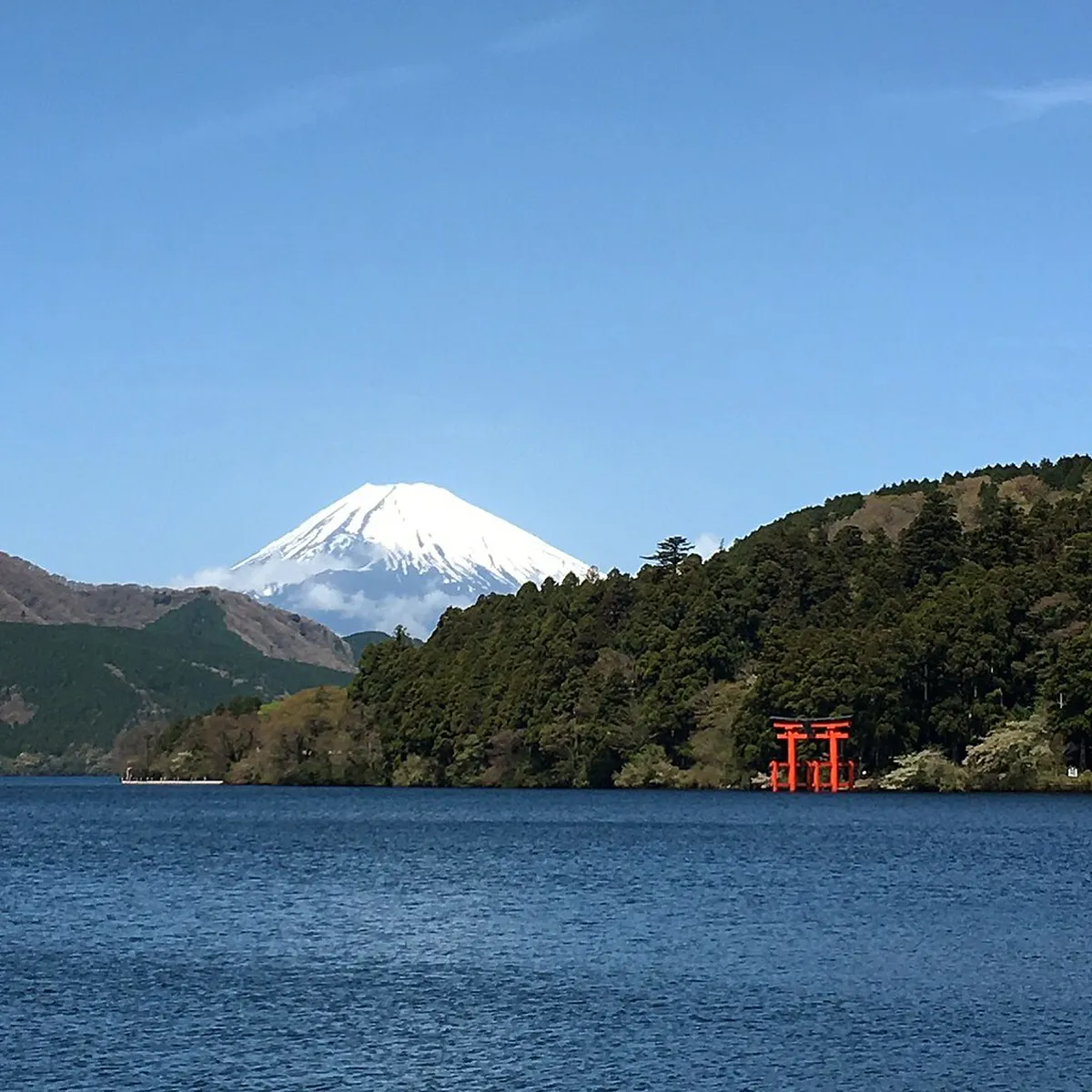
Lake Ashi (Ashinoko) is a crater lake in the caldera of Mount Hakone, formed by the volcano's last eruption around 3,000 years ago. A symbol of Hakone, it is famous for Mount Fuji views and the red lakeside torii of Hakone Shrine, best explored aboard the Hakone Sightseeing Cruise pirate ships.
Visitor guide →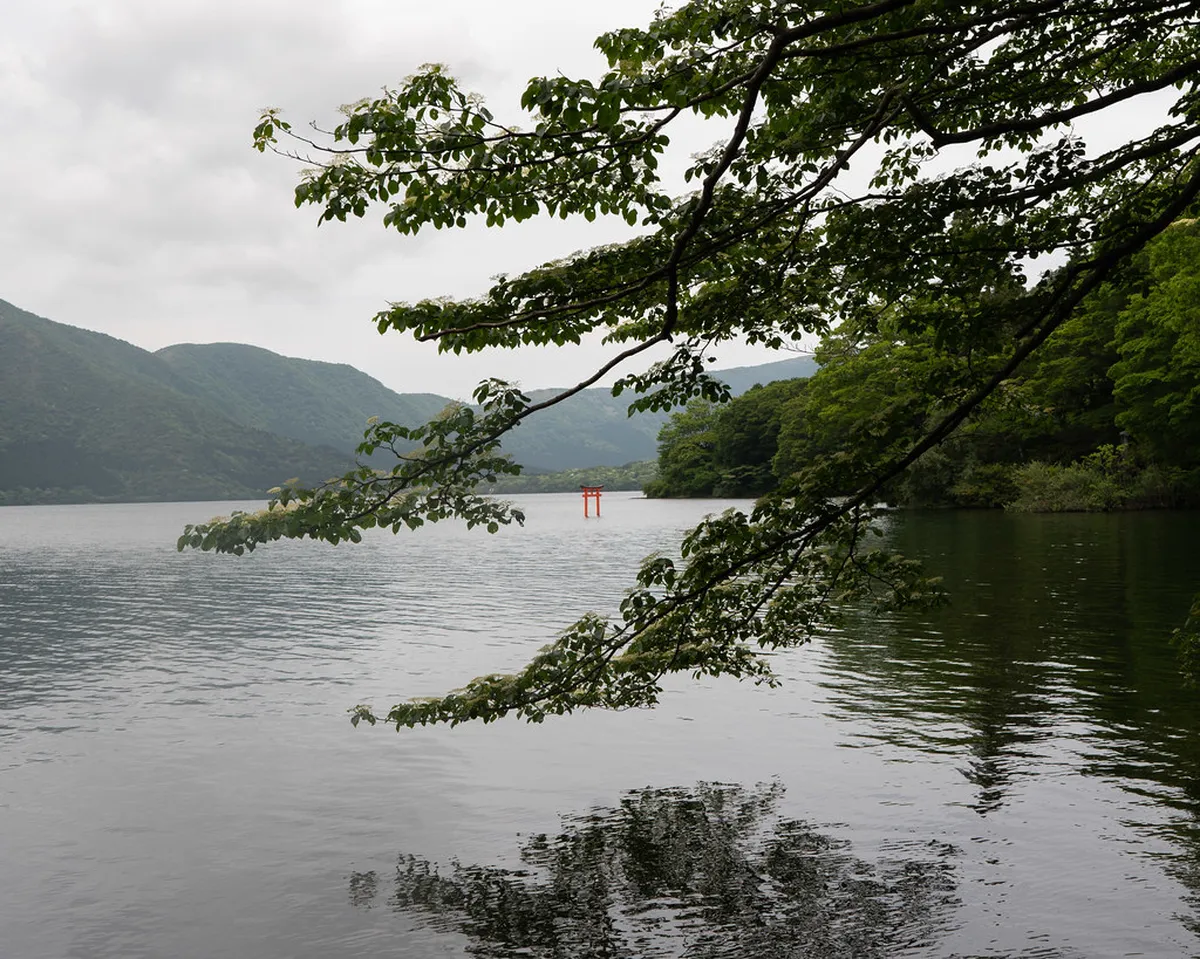
Hakone Shrine (Hakone-jinja) is a historic Shinto shrine on the forested shores of Lake Ashi. Its free-to-enter grounds and the vermillion Heiwa-no-Torii standing in the lake make it one of the Kanto region's most photographed power spots, with Mount Fuji often framed behind the gate.
Visitor guide →Hakone is not a single town centre but a loose ring of districts spread around a caldera. Knowing which sights cluster where is the key to a route that doesn't waste hours backtracking on the railway.
If you'd rather plan around interests than geography, Hakone's attractions fall into five clear buckets:
A surprising amount of Hakone's best scenery is free — the cost is mostly in the transport that connects it. Here's how the headline sights split, using current verified 2026 prices from our individual guides.
Free Hakone attractions:
Paid Hakone attractions:
The pattern is clear: if you only want viewpoints, the shrine and a lakeshore stroll, Hakone can be a near-free day. The moment you want to ride the loop, the transport adds up fast — which is exactly where the Free Pass earns its keep.
1-day Hakone Loop (classic first visit): Arrive at Hakone-Yumoto mid-morning and ride the Tozan railway up to Gora, pausing for the Open-Air Museum. Take the cablecar to Sounzan, then the ropeway over Owakudani — get off for the sulfur valley, the black eggs and Fuji views. Continue down to Togendai, board the pirate ship across Lake Ashi to Moto-Hakone, and finish with Hakone Shrine and its lakeside torii before a bus back to Hakone-Yumoto. It's a full day and the loop runs in either direction.
2-day Hakone with an onsen stay: Spread the same loop over two relaxed days and add a ryokan night. Day one: Hakone-Yumoto onsen town, the Tozan railway and the Gora museums (Open-Air plus the Pola or Venetian Glass Museum), then check into a hot-spring ryokan. Day two: cablecar and ropeway over Owakudani, the Lake Ashi cruise, Hakone Shrine, and time for the Old Tokaido cedar road or a second museum. Two days is the sweet spot most travellers recommend — a rushed day trip leaves no slack for weather delays or a proper soak.
Hakone's transport is a network of single-purpose links, and stitching them together is the whole experience:
Because the loop is one-way-friendly, you rarely retrace your steps — but services can pause for wind (the ropeway) or volcanic activity (Owakudani), so keep the bus network in mind as a backup. For the full breakdown, see our dedicated Hakone Free Pass guide.
Hakone is a year-round destination, but each season changes what you'll see:
Whatever the season, dodge the domestic-holiday peaks — Golden Week (late April to early May), Obon (mid-August) and New Year — when ropeway queues and ryokan prices spike. Weekday mornings are consistently the calmest time to ride the loop. More detail in our guide to the best time to see Mount Fuji.
Hakone can be an expensive day if you pay per ride, but a few moves cut the cost sharply:
One full day is enough to ride the Hakone Loop and see the headline attractions — Lake Ashi, Owakudani, Hakone Shrine and the Open-Air Museum. But two days is the sweet spot most travellers recommend, because it adds an onsen ryokan stay and leaves slack for weather delays or a second museum. A rushed day trip from Tokyo leaves little room for error.
Lake Ashi is the signature sight — a crater lake offering Hakone's classic view of Mount Fuji rising behind the vermillion torii of Hakone Shrine. Cruising it on a pirate ship and visiting the shrine on its shore are the two experiences almost every Hakone itinerary includes. Owakudani's volcanic valley is the close runner-up.
Several of the best are. Walking the grounds of Hakone Shrine, entering the Owakudani valley viewpoints and strolling the Lake Ashi shore are all free. The costs in Hakone come mostly from transport — the ropeway, cablecar and pirate-ship cruise — and from paid attractions like the Hakone Open-Air Museum (¥2,000 adult, same-day).
For a first visit doing the full loop, yes. Riding the Tozan railway, cablecar, ropeway and Lake Ashi cruise in individual fares easily exceeds the pass price, and the pass adds discounts at many attractions on top. If you only plan one short ride or want to walk the free sights, individual tickets may be cheaper — compare against your route first. See our Hakone Free Pass guide.
Autumn (around mid-November) brings the famous foliage but the largest crowds. Winter offers the clearest air and the best odds of seeing Mount Fuji from Lake Ashi and the ropeway. June lines the Tozan railway with hydrangeas. Weekday mornings are calmest year-round; avoid Golden Week, Obon and New Year.
Yes, on clear days. Hakone sits roughly 40–50 km from Mount Fuji, so you won't be at its base, but you get excellent views from Lake Ashi, the Hakone Ropeway over Owakudani and the western lakeshore near Hakone Shrine. Winter and crisp mornings give the best chance, as cloud and summer haze often hide the peak.
The simplest route is the Odakyu line from Shinjuku to Hakone-Yumoto — about 80–90 minutes, and faster on the direct Romancecar limited express. Alternatively, take the Tokaido Shinkansen to Odawara and transfer to the Tozan railway. From Hakone-Yumoto you connect straight into the Hakone Loop. See our Hakone day trip from Tokyo guide.
Yes — Hakone is one of the most popular day trips from Tokyo, and a single day is enough for the core loop if you start early. That said, most travellers find an overnight onsen stay turns a packed schedule into a relaxed one and protects against ropeway or weather closures. For a planned day, see our Hakone itinerary.
Ready to turn these attractions into a real schedule? Browse our complete things to do in Hakone guide, start with our full Hakone itinerary for day-by-day routing, then dig into the Hakone Free Pass guide to work out whether the loop ticket pays for itself on your trip. If you're soaking overnight, our roundup of the best onsen in Hakone and where to stay in Hakone will help you pick a base in the wider Mount Fuji region.