

10 Best Things to Do in the San'in Region (2026)
Discover the 10 best things to do in the San'in region, from Izumo Taisha to Tottori's sand dunes, with 2026 prices, hours, and travel tips.
On this page
We built this guide to things to do in the San'in region after driving every road between Matsue and Tottori. San'in sits on Japan's quiet west coast, far from the bullet-train crowds of Kyoto and Osaka. Locals call it the Japan Sea side, and it still feels like a region visitors are only beginning to discover.
Last updated July 2026, this guide covers Matsue and Izumo in Shimane Prefecture plus Tottori city in Tottori Prefecture. Each city anchors a different side of San'in: Izumo for shrines, Matsue for castles and lakes, and Tottori for dunes and cliffs. We link out to full itinerary, transport, and timing guides throughout, so treat this page as your regional starting point.
Below, we cover the ten best things to do in the San'in region, plus where to stay and how to get around. Every entry lists a real price range, typical hours, and a specific way to reach it, since this coastline runs on infrequent trains.
Key Takeaways
- Best overall pick: Izumo Taisha and Matsue Castle together cover San'in's two most iconic sights in one day.
- Best for families: the Tottori Sand Dunes, with free entry and space to run that keeps kids entertained.
- Best rainy-day pick: Adachi Museum of Art, where the garden is viewed through glass from indoor galleries.
- Best free stop: Yaegaki Shrine, with no entrance fee and a quiet forest setting outside Matsue.
- Plan three days minimum, since San'in's train gaps make same-day city-hopping harder than it looks.
San'in at a Glance: Matsue, Izumo, and Tottori
San'in is Japan's name for the coastal stretch of Shimane and Tottori prefectures, facing the Sea of Japan. The official San'in tourism office markets the region as Japan's least-visited corner, and the quiet crowds prove it.
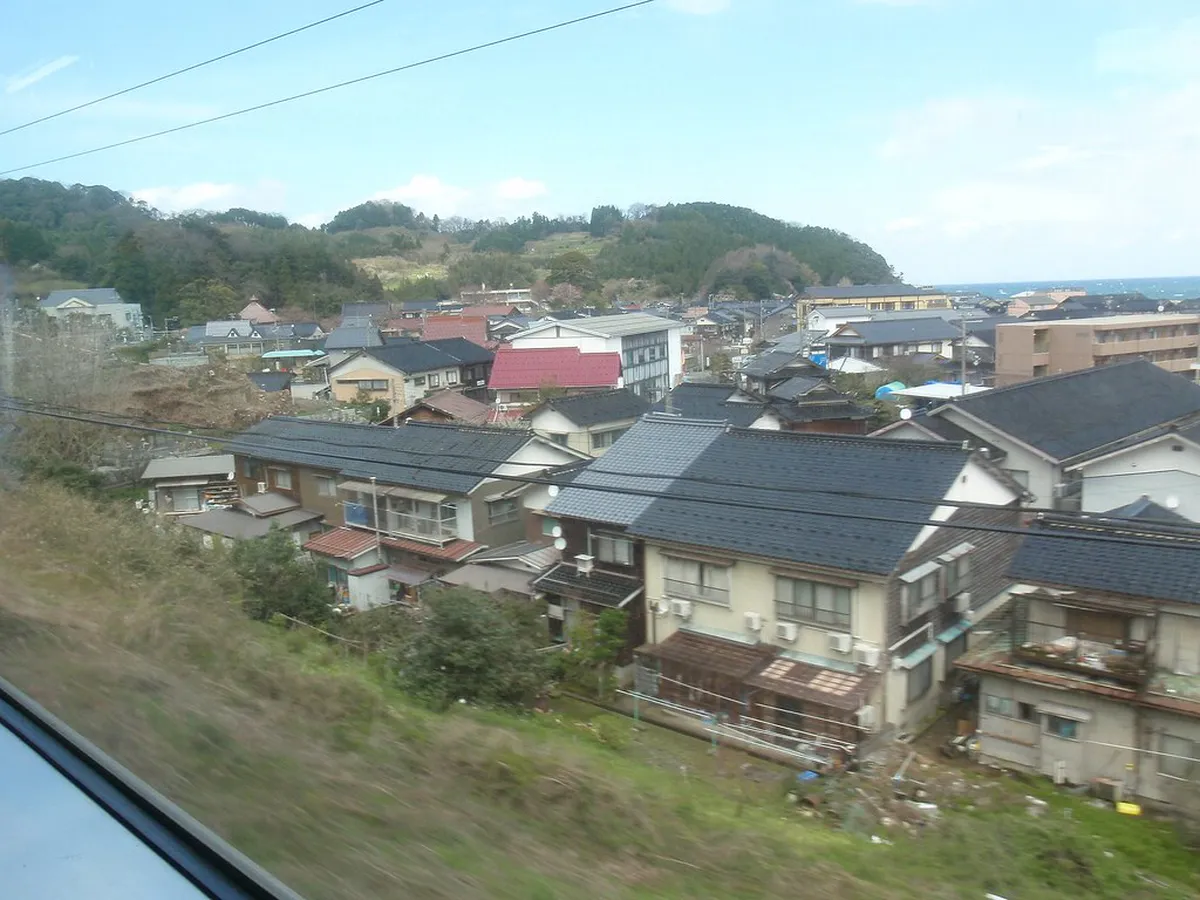
Matsue anchors the eastern side of San'in, built around Lake Shinji and one of Japan's twelve original castles. For a full rundown of the castle town's sights, see our guide to Matsue attractions before you plan your route. Most visitors base themselves here for two nights, since trains and buses to Izumo and Tottori both start from Matsue Station.
Izumo sits about 40 minutes west of Matsue by train and holds one of Shinto's oldest and most important shrines. Our Izumo attractions guide breaks down the shrine complex, soba shops, and the coastline beyond it. Plan a half day here at minimum, since the shrine grounds alone take close to two hours to see properly.
Tottori city sits about two hours east of Matsue and is best known for sand dunes the size of a small town. Beyond the dunes, our Tottori attractions guide covers cave temples, hot springs, and a coastal yokai-themed town. Renting a car here opens up sights a rail pass simply cannot reach.
| City | Known for | Min days |
|---|---|---|
| Matsue | One of Japan's 12 original castles; Lake Shinji; museums | 2 |
| Izumo | Shinto's oldest shrines (Izumo Taisha); soba restaurants | 1 |
| Tottori | Japan's largest sand dunes; coastal cliffs and caves | 1.5 |
Together the three cities and their surroundings hold what the region's own pass literature calls over 170 major tourist attractions. We narrowed that list down to ten stops worth building a trip around, listed next.
10 Best Things to Do in the San'in Region
We grouped these ten picks by what kind of traveler they suit, from first-time shrine visitors to hikers chasing coastal views. Every entry below includes a typical cost, hours, the nearest station or road, and one tip we would tell a friend. For a deeper dive into regional dishes like Izumo soba and Matsue's seven delicacies, see our San'in food guide.
Prices below are quoted in yen for one adult admission, and most sites also offer discounts for children and seniors. Hours shift by season at several sites, especially the sand dunes and temple hikes, so we note where to double-check.
The list mixes iconic landmarks with a few stops most guidebooks skip entirely, including one cliffside temple few day-trippers manage. Read through once, then match the picks to whichever leg of your trip, Matsue, Izumo, or Tottori, you are planning.
- Izumo Taisha Grand Shrine
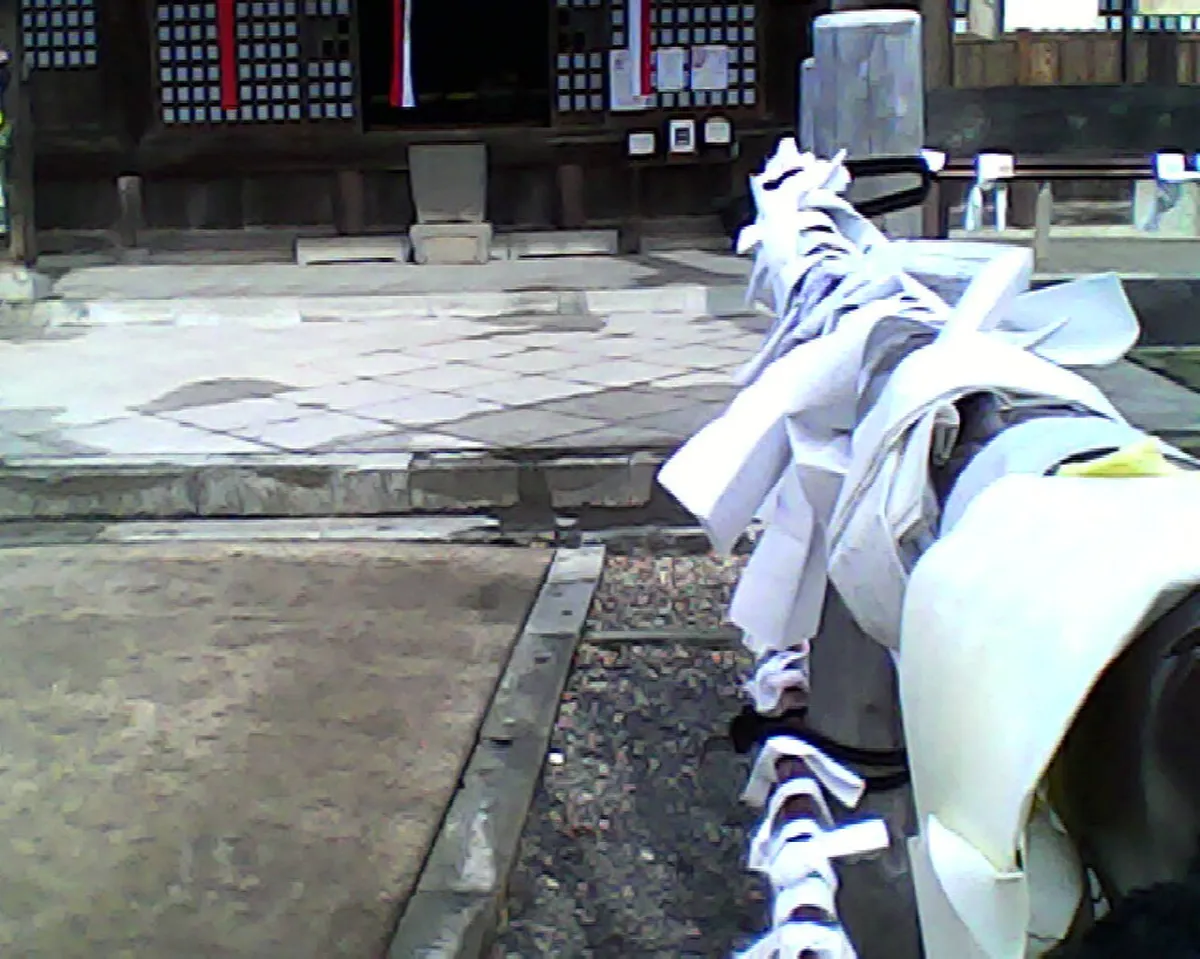
- Izumo Taisha is one of Japan's oldest Shinto shrines, said to house the god of marriage.
- Entry to the grounds is free, and the shrine opens daily from around 6am to 8pm.
- The current worship hall was rebuilt in 1744 and stands 24 meters tall, among Japan's tallest shrines.
- It sits a short walk from Izumo-taishamae Station, the end of the Ichibata Railway line from Matsue.
- Arrive before 9am on a weekday to see the huge rice-straw rope without a crowd in front.
- Matsue Castle and Horikawa Moat Boat Tour
- Matsue Castle is one of only twelve original castle keeps left standing in Japan, dating to 1611.
- General admission runs about ¥680 for adults, and the keep is open daily from 8:30am to 6:30pm.
- A 50-minute moat boat tour circles the castle for roughly ¥1,600 and passes under ten low stone bridges.
- The castle sits a 15-minute walk or short bus ride from JR Matsue Station.
- Boats duck so low at one bridge that the roof folds flat, so sit near the front.
- Adachi Museum of Art
- Adachi Museum of Art pairs a modern Japanese painting collection with what critics call Japan's best garden.
- Admission costs about ¥2,500 for adults, and the museum opens daily from 9am to 5pm, shorter in winter.
- It sits in Yasugi city, roughly 40 minutes from Matsue by a free shuttle bus from the station.
- Visitors view the garden only through windows framed like living paintings, a rule since 1970.
- Book the shuttle bus timing in advance during peak autumn foliage weeks, when seats fill fast.
- Tottori Sand Dunes Along the Coast
- Tottori Sand Dunes stretch about 16 kilometers along the Sea of Japan coast, Japan's largest dune system.
- Entry to the dunes themselves is free and open 24 hours, though the visitor center closes by evening.
- Camel rides and paragliding cost extra, typically ¥1,500 to ¥3,000 depending on the operator and season.
- The dunes sit a short bus ride from JR Tottori Station, about 20 minutes on the loop bus.
- Wind ripples form best at dawn after a windy night, so early risers get the cleanest patterns.
- Mitokusan Sanbutsuji Temple and Nageiredo Hall
- Mitokusan Sanbutsuji is a mountain temple complex near Misasa, famous for a hall wedged into a cliff face.
- Reaching the Nageiredo hall requires a steep climb of about two hours round trip, using chains and ropes.
- Entry to the mountain trail costs around ¥800, plus a straw-sandal rental many hikers pick up for grip.
- The trailhead sits about 15 minutes by taxi from Kurayoshi or Misasa Onsen, with no direct bus.
- Rangers close the trail after rain, so check conditions before driving out, since it reopens only once dry.
- Yaegaki Shrine Love Fortune Pond
- Yaegaki Shrine sits in a quiet forest outside Matsue and draws visitors hoping for good luck in love.
- Admission is free, and the shrine grounds stay open from dawn to dusk most of the year.
- Behind the main hall, a small pond called Kagami-no-Ike is used for a floating fortune-telling ritual.
- It sits about 20 minutes from Matsue by bus or a short taxi ride from the city center.
- Local legend says the paper sinks faster the sooner love will arrive, so locals watch closely.
- Shimane Art Museum on Lake Shinji
- Shimane Art Museum sits right on Lake Shinji's shore and times its closing hour to the sunset.
- Admission runs about ¥300 to ¥1,000 depending on the exhibit, and the permanent collection is often cheaper.
- It is a 10-minute walk from JR Matsue Station along the lakeside promenade.
- Rabbit-shaped bronze statues line the lawn outside and face the water, a popular photo spot at golden hour.
- Closing time shifts month to month with sunset, so check the day's posted hour before you go.
- Mizuki Shigeru Road in Sakaiminato
- Mizuki Shigeru Road is a covered shopping street in Sakaiminato lined with more than 170 bronze yokai statues.
- Walking the street is free, and most shops along it open around 9am and close by 5pm.
- It sits a short walk from JR Sakaiminato Station, the end of a branch line from Yonago.
- The statues depict characters from artist Shigeru Mizuki, who grew up in the town.
- Visit on a weekday morning, since the narrow street gets crowded with tour groups by early afternoon.
- Tamatsukuru Onsen Hot Spring Town
- Tamatsukuru Onsen is a hot spring town on the Tamayu River, called a beauty-skin bath in old poems.
- Day-use bathing at most ryokan here runs about ¥1,000 to ¥1,500 for a couple of hours.
- It sits about 20 minutes by train or car from central Matsue, on the Ichibata line.
- A small shrine bridge nearby has a wishing stone said to grant one wish, found only by touch.
- Book a day-use slot ahead on weekends, since the larger baths fill up by mid-afternoon.
- Uradome Coast Glass-Bottom Boat Cruise
- Uradome Coast is a jagged stretch of cliffs, sea caves, and coves east of Tottori city.
- Glass-bottom boat tours run about ¥1,500 for a 25-minute loop, operating roughly April through October.
- It sits about 30 minutes by car or bus from JR Tottori Station, near Iwami port.
- The water turns a deep turquoise on calm summer days, unusual for Japan's north coast.
- Boats often pause tours when wind picks up, so call ahead if the forecast looks rough.
Getting To and Around the San'in Region
Most travelers reach San'in by train from Osaka, a roughly two-and-a-half-hour ride on the Super Yakumo limited express to Yasugi or Matsue. Our full guide on how to get to San'in compares train, flight, and overnight bus options from Tokyo and Osaka. Flying into Izumo or Yonago airport can save half a day if you are coming from Tokyo or further afield.

Getting around once you arrive is the harder part, since San'in's train lines run on wide gaps between departures. We break down every option, from renting a car to timing local buses, in our guide to getting around San'in. A rental car from Tottori Station starts around ¥7,000 a day for a compact, and it is the fastest way between sights.
If you plan to cover both prefectures by rail, the region's own Discover Another Japan Pass bundles unlimited train and bus rides. It works out cheaper than single tickets if you are hopping between Matsue, Izumo, and Tottori over three or more days.
San'in's train lines run on wide gaps between departures, so most travelers rent a car (¥7,000/day from Tottori Station) or use the Discover Another Japan Pass for unlimited trains and buses.
Where to Stay in San'in: Matsue, Izumo, and Tottori
Matsue makes the best home base for most itineraries, with hotels clustered near the station and along Lake Shinji. Budget business hotels here run about ¥6,000 to ¥9,000 a night, while lakeside rooms with a sunset view push past ¥15,000. Staying near the station keeps you within walking distance of the castle and a short bus ride from the shrine towns.
Tamatsukuru Onsen and Kaike Onsen both make a relaxing overnight alternative if you want a hot-spring stay instead of a city hotel. Our San'in onsen guide compares ryokan across both towns, including which ones allow day-use bathing. Ryokan rates typically include two meals and run from about ¥15,000 to ¥30,000 per person for a standard room.
Tottori city has fewer high-end options but plenty of solid business hotels within walking distance of the station and dune bus stop. Book at least a month ahead if your dates overlap with the spring cherry blossom or autumn foliage weeks.
Entry to the Tottori Sand Dunes is free and open 24 hours. Wind ripples form best at dawn after a windy night, so early risers get the cleanest patterns.
How Many Days Do You Need in the San'in Region?
Three full days covers the highlights in Matsue, Izumo, and Tottori without feeling rushed between train connections. Our detailed breakdown in how many days you need in San'in walks through shorter and longer versions of this trip. Two days works if you pick just two of the three cities and skip the farther day trips.
Five to seven days lets you add the Oki Islands, Uradome Coast boat tour, and a slower onsen night without rushing. We map out a full route, day by day, in our San'in itinerary guide. That longer pace also gives weather delays room to move, since coastal boat tours cancel in wind.
Timing shapes the trip as much as duration, since a few sights close or shrink their hours by season. Check our best time to visit San'in guide before booking, especially for the sand dunes and mountain temple. Late April cherry blossoms and November foliage both draw the biggest weekend crowds of the year.
What to Skip in the San'in Region
Every top-10 list needs an honest section, so here is what we would skip on a first trip to San'in. The camel photo stand right at the Tottori Sand Dunes entrance charges around ¥1,300 for five minutes and a short walk. Walking ten minutes further into the dunes gives a better photo for free, without the queue.
Matsue Vogel Park shows up on many top-things-to-do lists, but it sits well outside the city center and needs a dedicated half day. Unless you specifically want a bird park, that half day is better spent at Yaegaki Shrine or the Shimane Art Museum instead. Neither of those alternatives needs a special detour, since both sit within Matsue's compact core.
Skipping these two lets you spend more time at the sights that actually reward the extra travel time. San'in rewards patience over checklist tourism, since its best moments happen at quiet, unhurried hours.
Explore More San'in Guides
Deep-dive guides for planning a San'in trip — itinerary, transport, timing and food — plus dedicated guides to each of the region's three main cities.
Plan Your San'in Trip
- San'in Region Itinerary: 4-Day Matsue–Izumo–Tottori Loop
- How Many Days in the San'in Region
- Getting Around the San'in Region
- How to Get to the San'in Region
- Best Time to Visit the San'in Region
- San'in Region Food Guide
- San'in Onsen Guide
Explore the Cities
Frequently Asked Questions
How many days do you need in the San'in region?
Plan on three full days to cover Matsue, Izumo, and Tottori without rushing between trains. Two days works if you focus on just two cities. Travelers adding the Oki Islands or a slower onsen stay should budget five to seven days instead.
What is the San'in region known for?
San'in is known for Izumo Taisha, one of Japan's oldest Shinto shrines, plus Matsue's original castle and the Tottori Sand Dunes. The region also holds hot-spring towns like Tamatsukuru Onsen, all set along the Sea of Japan away from the main bullet-train routes.
Is the San'in region worth visiting?
Yes, San'in is worth visiting if you want fewer crowds and lower prices than Kyoto or Osaka. The region packs an ancient shrine, an original castle, coastal dunes, and hot springs into a compact area. Most sights are reachable in three to four days by train or rental car.
What is the best way to get around the San'in region?
Renting a car is the fastest way to get around San'in, since train departures can run an hour or more apart. A compact car from Tottori Station starts around ¥7,000 a day. Travelers without a license can rely on trains between the main stations and local buses for shorter hops.
When is the best time to visit the San'in region?
Late April brings cherry blossoms and comfortable temperatures, while November delivers bright autumn color around the temples and gardens. Summer is hot and humid but good for beach and boat tours along Uradome Coast. Winter brings snow inland and fewer crowds at every major sight.
San'in rewards travelers willing to trade bullet-train convenience for quieter shrines, cleaner coastlines, and shorter lines. Start with the three or four picks that match your own interests, then build the rest of your route around them. Whether that means a sunrise walk across the dunes or a sunset ferry past Lake Shinji, San'in delivers it without the crowds of Kyoto.
Use this guide as your jumping-off point, then dig into our itinerary, transport, and timing guides for the specifics. Book your must-see items, like the moat boat tour or a temple hike, a few days ahead in peak seasons.
Free guide: Japan's Hidden Gems
12 under-the-radar places beyond Tokyo & Kyoto — with the best season to visit each and a local tip you won't find in the guidebooks.
You might also like


Continue reading
More guides you'll find useful


