10 Best Things to Do in Matsue, Japan (2026)
Discover the 10 best things to do in Matsue in 2026, from the original castle keep to Adachi Museum's garden and Lake Shinji sunsets. Plan your visit now.
On this page
Matsue rarely gets top billing on a first Japan itinerary, but this castle town on Lake Shinji rewards the detour. We've narrowed the best things to do in Matsue down to ten picks worth building a day or two around. Updated for 2026, the prices and hours below follow each attraction's official page where one exists.
Shimane Prefecture sits far enough from the bullet-train corridor that Matsue still feels unhurried compared with Kyoto or Osaka. The city centers on one of Japan's twelve surviving original castle keeps. A moat you can circle by boat, and a lake that turns pink and gold most evenings, complete the scene. Museums here lean toward single, focused collections rather than sprawling galleries, so a visit rarely feels rushed.
We'd budget a full day for the castle area and a second day for extras before booking anything else. The list below mixes an iconic sight, two gardens, and a nature park. It also includes a historic neighborhood and one boat ride we think earns a spot ahead of better-known options. Skip to the planning section if Matsue is already on your route and you just need timing and cost details.
Last updated July 2026.
Matsue Castle is one of only twelve Japanese castles with a keep that survives from its original 1611 construction, making it exceptionally rare in Japan. The government designated it a National Treasure in 2015—a distinction shared with just four other castles nationwide.
The Journal of Japanese Gardening has ranked the Adachi Museum's garden Japan's best for more than twenty consecutive years. Visit on a weekday morning to enjoy the raked gravel and pruned pines without crowds filling every photo opportunity.
10 Best Things to Do in Matsue Right Now
The picks below cover Matsue's castle, its most photographed garden, and a sunset spot most visitors stumble onto by accident. We grouped them roughly by type: one iconic landmark, three museums, a nature park, a historic neighborhood, and two low-key experiences. Every entry lists a typical cost and hours pattern, since several sights change opening times by season.
Matsue Castle anchors most itineraries, and everything else on this list sits within a twenty-minute walk or a short bus ride of its moat. The Adachi Museum of Art is the exception. It sits in neighboring Yasugi, roughly 40 minutes away by a free shuttle bus from JR Yasugi Station. We still include it here because most Matsue itineraries build a full day around that single garden.
A one-day, two-day, or half-day version of this list works, depending on whether you add the Adachi Museum or a day trip to Izumo. We flag the free or near-free options first if you're traveling on a tight budget. Combination tickets exist for several sights, and we note them where they trim the total cost.
- Matsue Castle's Original Keep
- This is one of only twelve Japanese castles with a keep still standing from the original construction, dating to 1611.
- The government designated it a National Treasure in 2015, one of just five castles nationwide with that status.
- Admission runs roughly ¥680 for adults, or about ¥950 on a combo ticket with the Buke Yashiki samurai residence.
- Hours generally run 8:30am to 6:30pm from April through September and close an hour earlier in winter.
- Climb to the top floor for a view over the moat and Lake Shinji, and wear socks since shoes come off inside.
- Shiomi Nawate Samurai District Walk
- This preserved street along the castle's north moat once housed samurai families serving the Matsue domain.
- Walking the full lane costs nothing, though the Buke Yashiki residence museum charges around ¥300 to step inside.
- It sits a five-minute walk from Matsue Castle, making it an easy add-on rather than a separate trip.
- Lafcadio Hearn's former residence sits on the same street, so history fans can combine both stops in under an hour.
- Adachi Museum of Art Garden
- The Journal of Japanese Gardening has ranked this garden Japan's best for more than twenty consecutive years.
- It sits in Yasugi, about 40 minutes from Matsue on a free shuttle bus from JR Yasugi Station.
- Adult admission runs around ¥2,300, and the garden is viewed only through windows, never walked through.
- Hours run roughly 9am to 5:30pm in warmer months and close half an hour earlier in winter.
- Go on a weekday morning if you want the raked gravel and pruned pines without a crowd in every photo.
- Lafcadio Hearn Memorial Museum
- The museum covers the Greek-Irish writer who settled in Matsue in 1890 and wrote some of the West's earliest accounts of Japanese folklore.
- Admission runs around ¥400 to ¥500, and it sits next to his former residence on Shiomi Nawate.
- Most collections rotate manuscripts and personal items, so a repeat visit a year later can look different.
- Budget 30 to 45 minutes unless you read both the Japanese and English placards closely.
- Lake Shinji Sunset at Shinjiko Yuhi Park
- Lake Shinji made a well-known list of Japan's hundred best sunset spots, and locals still time evening walks around it.
- The lakefront path near Shimane Art Museum costs nothing to visit and stays open around the clock.
- Sunset timing shifts by season, so check a current local table before planning a specific evening.
- Bring a jacket even in summer, since wind off the lake cools down fast once the sun drops.
- Matsue Vogel Park Aviary and Gardens
- This greenhouse park pairs begonia and fuchsia gardens with falconry shows and a walk-through owl enclosure.
- Adult admission runs close to ¥1,500, with hours generally 9am to 5pm and slightly shorter in winter.
- It connects directly to Matsue Vogel Park Station on the Ichibata Railway, about 30 minutes from central Matsue.
- Time your visit around the daily falconry demonstration, since the birds fly closest to the crowd right then.
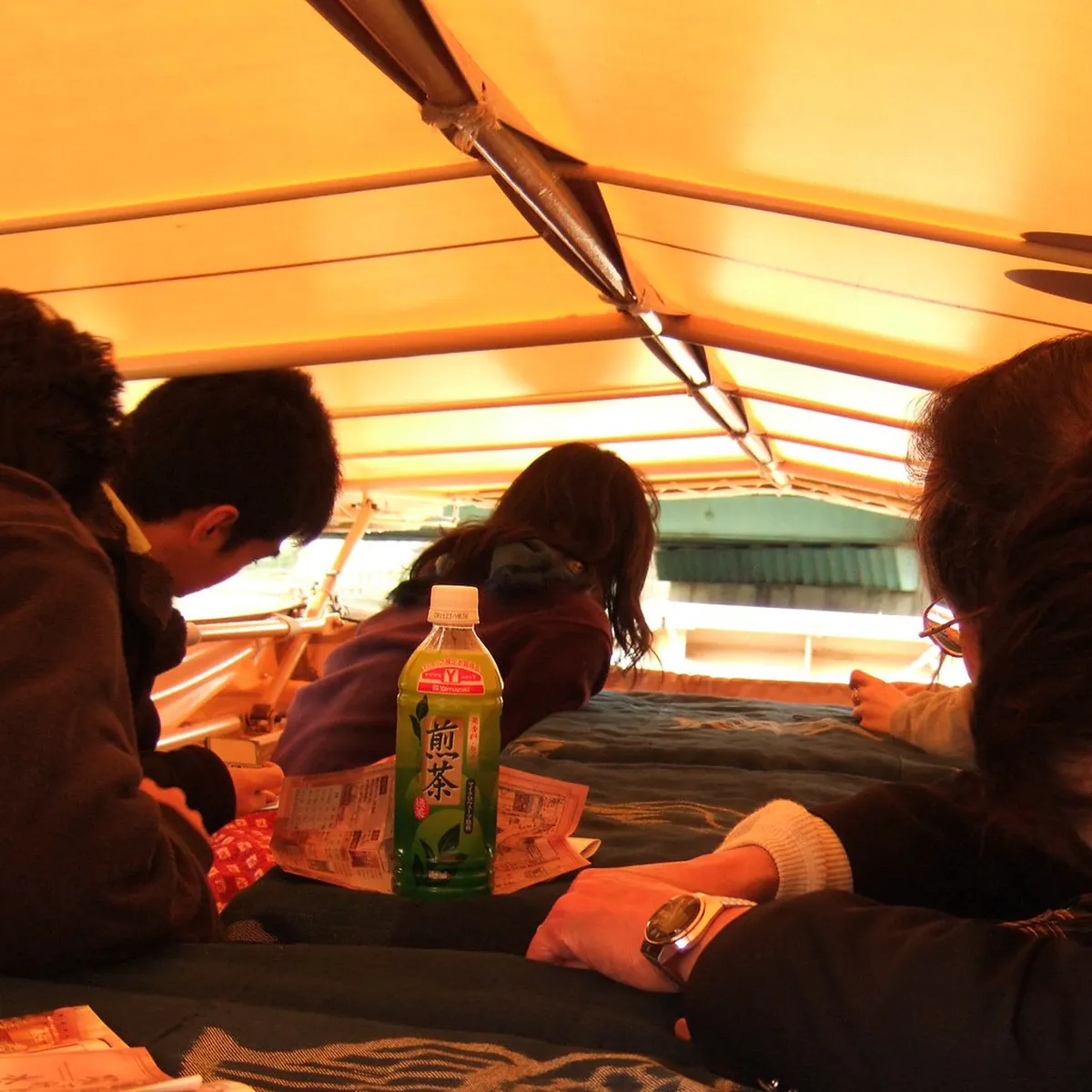
- Matsue Horikawa Sightseeing Boat Ride
- Flat-bottomed boats circle roughly 3.7 kilometers of the castle's moat in about 50 minutes.
- Tickets run around ¥1,600 to ¥2,000 for adults, and boats depart every 15 to 20 minutes.
- Winter boats swap in low kotatsu-style heated seating, and the roof folds down to clear several low bridges.
- Buy tickets at the boarding dock rather than online, since same-day availability is rarely an issue outside peak leaf season.
- Gesshoji Temple and Its Stone Turtle
- This is the Matsudaira clan's family temple, holding the graves of nine generations of Matsue's feudal lords.
- A car-sized stone turtle monument marks one grave and is the temple's best-known photo spot.
- Around 3,300 hydrangea bushes bloom here in June, drawing crowds locals call ajisai season.
- Admission runs roughly ¥300 to ¥500, and the grounds stay open into early evening most of the year.
- Shimane Art Museum's Lakeside Terrace
- This museum sits directly on Lake Shinji, and its lawn terrace is arguably the best free sunset vantage point in the city.
- Paid exhibition galleries run roughly ¥300 to ¥1,000 depending on the show, but the terrace and rabbit statues cost nothing.
- Closing time is tied to sunset; the museum stays open until 30 minutes after dusk, so hours shift through the year.
- It sits a 10-minute walk from JR Matsue Station, making it an easy last stop before dinner.
- Matsue History Museum Near the Castle
- Housed in a renovated 1903 building near the castle's Otemae gate, this museum covers Matsue's feudal and merchant history.
- Admission runs around ¥510 for adults, with hours close to 8:30am to 6:30pm in summer and shorter in winter.
- It closes on the third Thursday of most months, so check before building it into a tight schedule.
- The on-site cafe serves wagashi sweets modeled on ones once served to the region's tea-loving former lords.
Family-Friendly and Budget-Friendly Options in Matsue
Families tend to gravitate toward Matsue Vogel Park first, since the falconry shows and hand-feeding areas keep younger kids engaged for a full morning. The Horikawa boat ride is a close second; sitting still for 50 minutes appeals to tired legs more than another temple staircase. Both sit outside the free-admission group but rarely feel like a splurge at typical Japan travel prices. Check Visit Matsue's official site for seasonal family events before locking in your dates.
Budget travelers can string together a full day without spending much beyond transport and one museum ticket. The Shiomi Nawate walk, the Lake Shinji sunset path, and Gesshoji's outer grounds all cost nothing to enter. Combo tickets covering the castle, Buke Yashiki, and the Meimei-an teahouse trim a few hundred yen off visiting all three separately. Check the official Matsue Castle site before your trip, since combo pricing changes from time to time.
We'd skip paying for entry to every single museum on this list in one visit. The Lafcadio Hearn Memorial Museum and the Matsue History Museum cover overlapping ground on the city's feudal-era history. Pick whichever fits your route better rather than doing both back to back on a short trip.
How Many Days Do You Need for Matsue Attractions?
A single busy day covers Matsue Castle, the samurai district, and either the Adachi Museum or a Lake Shinji sunset, not both. Two days let you add the Horikawa boat ride, Gesshoji Temple, and a slower pace through the museums without doubling back. Our San'in region day-count guide breaks down how Matsue fits alongside Izumo and Tottori.
Most visitors arrive by train, and the overnight Sunrise Izumo sleeper from Tokyo is worth planning around if you want that experience. Regional buses and the JR San'in Line connect Matsue to Izumo, Yasugi, and Yonago airport within an hour or two. Our guide to reaching the San'in region covers train passes and flight options in more detail.
Izumo Taisha is one of Japan's oldest and most important Shinto shrines. It sits roughly 30 to 40 minutes from Matsue by the Ichibata Railway or JR trains. Most competitor guides mention Izumo only in passing, but it pairs naturally with a second Matsue day since trains run at least hourly. See our Izumo attractions guide for what to prioritize if you only have a few hours there.
Within Matsue itself, most sights cluster close enough to walk, and taxis cover the last mile easily once it gets dark. There's no metro or tram network in Matsue, unlike Kyoto or Osaka, so plan around walking and the Ichibata Railway rather than subway lines. Our San'in getting-around guide covers bus passes and rail options if you're combining Matsue with Izumo or Tottori.
What's the Best Time of Year to Visit Matsue?
Spring and autumn are the most comfortable windows for walking between the castle, the samurai district, and the lake. Summer humidity in Shimane can make the moat-side walk feel longer than it is, so mornings work best. Our San'in seasonal guide breaks down month-by-month weather and crowd patterns for the wider region.
Lake Shinji's sunset shifts by nearly two hours between June and December, so check a current sunset table rather than assuming a fixed time. Winter visitors get the Horikawa boat's heated kotatsu seating, a detail most first-time visitors don't expect to find in Japan. Snow rarely settles for long in Matsue, but the castle keep gets noticeably colder inside than the mild exterior might suggest.
We'd avoid late June and early July if crowds bother you, since Gesshoji Temple's hydrangea season draws tour groups on weekends. Weekday mornings work best year-round for the Adachi Museum, before shuttle buses fill up with day-trip groups from Matsue. Autumn color usually peaks in mid-November around the castle moat, roughly two to three weeks behind Kyoto's foliage season.
Where to Stay Near Matsue's Top Attractions
JR Matsue Station is the most convenient base if you're arriving by train or heading onward to Izumo or Yonago airport. Business hotels here run roughly ¥6,000 to ¥12,000 a night and put you a 15-minute walk or short bus ride from the castle.
Staying near the castle's Otemae gate cuts the walk to the keep, the samurai district, and the history museum down to a few minutes. Rooms in this area cost somewhat more, typically ¥9,000 to ¥18,000, and book up faster during hydrangea and foliage season.
Matsue Shinjikoonsen, on the lake's edge, is the pick for anyone who wants an onsen soak with a sunset view built in. Ryokan and hot-spring hotels here range widely, often ¥12,000 to ¥30,000 per person with dinner included. Our San'in onsen guide covers which lakeside hotels have public baths open to day visitors, too.
Day Trip to Sakaiminato's Mizuki Shigeru Road
Sakaiminato, just over the prefectural line in Tottori, is the hometown of manga artist Shigeru Mizuki, creator of the yokai series GeGeGe no Kitaro. Mizuki Shigeru Road runs from Sakaiminato Station toward the harbor and is lined with more than 100 bronze yokai statues; walking the full street costs nothing.
Getting there means one train change: take the JR San'in Line from Matsue Station to Yonago, then switch to the JR Sakai Line for Sakaiminato. Several Sakai Line cars run as themed "Kitaro trains," and the platform at Sakaiminato Station is decorated with yokai figures too. Budget roughly 70 to 90 minutes each way once you account for the transfer.
The Mizuki Shigeru Museum near the station goes deeper into the artist's life and work; adult admission runs roughly ¥700 to ¥1,000. We'd treat this as a half-day add-on paired with a morning at Matsue Castle rather than stacking it onto the same day as the Adachi Museum.
Browse every attraction in depth — prices, hours and maps — on our Matsue attractions hub.
Going deeper on this theme? Our What to Eat in Matsue guide covers it in detail, with the practical planning this page leaves out.
Frequently Asked Questions
Is Matsue worth visiting?
Yes. Matsue holds one of Japan's twelve original castle keeps, a highly ranked garden nearby, and a lakeside sunset locals still plan evenings around. It suits travelers who want fewer crowds than Kyoto, plus enough history, gardens, and scenery to fill a relaxed two-day visit.
How many days do you need in Matsue?
One full day covers Matsue Castle, the samurai district, and either the Adachi Museum or a lake sunset. Two days add the Horikawa boat ride and Gesshoji Temple at a relaxed pace. Our San'in itinerary guide shows how Matsue fits into a longer regional trip.
What is Matsue Castle famous for?
Matsue Castle is one of only twelve Japanese castles with a keep that survives from its original construction, dating to 1611. Japan designated it a National Treasure in 2015, a status shared with just four other castles. Its top floor gives a wide view over the moat and Lake Shinji.
What's the best time of year to visit Matsue?
Spring and autumn offer the most comfortable walking weather between the castle, the samurai district, and the lake. June adds hydrangea blooms at Gesshoji Temple but also the rainiest stretch of the year. Winter brings heated seating on the Horikawa boat tour, a small but memorable perk.
Matsue rewards a slower pace than most Japan itineraries allow, and the sights above hold up whether you have one day or three. Start at the castle, let the samurai district set the pace, and save the lake for whichever evening looks clearest. The Adachi Museum and Izumo Taisha are the two additions worth extending your trip for, if time allows.
Prices and hours shift by season, so we'd double-check the official sites linked above before finalizing a same-day plan. Beyond that, Matsue is forgiving to plan around; most of what matters sits within a short walk or one train ride of the castle.
Free guide: Japan's Hidden Gems
12 under-the-radar places beyond Tokyo & Kyoto — with the best season to visit each and a local tip you won't find in the guidebooks.
You might also like

Continue reading
More guides you'll find useful