How Many Days in the San'in Region (3-Day Guide)
Wondering how many days in the San'in region you need? Compare 2, 3, and 4-5 day plans for Matsue, Izumo, and Tottori before you book your trip.
On this page
San'in sits on Japan's quieter west coast, far from the crowds of Kyoto and Osaka. Most travelers land here with one real question: how many days in the San'in region actually cover it well? This guide breaks the region into three honest options: two days, three days, or four to five.
We wrote this for first-timers weighing San'in against Kyoto, and for repeat visitors chasing quieter Japan. Last updated July 2026, with current train times and entry fees for Matsue, Izumo, and Tottori. Each plan below names the towns, the trains, and the trade-offs, no filler.
The official San'in tourism site covers the wider Shimane and Tottori area we cover here. Three days is our default recommendation, but your route depends on where you're coming from. If you're still sorting out flights and trains, start with our guide to getting to San'in.
San'in in 3 Days: At a Glance
Three days is the sweet spot for San'in: enough time for Matsue, Izumo, and Tottori without a rental car. You'll move between three train stations, sleep in one or two towns, and still see the region's three biggest draws. This pace works for most first-time visitors and skips only the farthest coastal detours.
The table below shows each day's shape before the full logistics further down. Morning, afternoon, and evening blocks keep each day realistic, not rushed. Matsue anchors the trip, since trains to both Izumo and Tottori run from there.
Most guides list San'in sights without saying which town to sleep in each night. We recommend basing in Matsue for all three nights and day-tripping out, since it cuts packing and re-checking into hotels. That single choice saves roughly an hour of transfers over the three days.
- Day 1: Matsue Castle and Lake Shinji
- Morning: Matsue Castle grounds and Jozan Park
- Afternoon: Samurai district and moat boat cruise
- Evening: Lake Shinji sunset from Otemae Park
- Day 2: Izumo Taisha Shrine and Soba
- Morning: Izumo Taisha shrine grounds and prayer hall
- Afternoon: Izumo soba lunch near the approach
- Evening: Return train to Matsue for dinner
- Day 3: Tottori Sand Dunes Finale
- Morning: Early train to Tottori Sand Dunes
- Afternoon: Camel ride or sandboarding on dunes
- Evening: Kaike Onsen soak before departure
Basing in Matsue for all three nights and day-tripping to Izumo and Tottori saves roughly an hour of transfers over three days. You'll avoid packing and re-checking into multiple hotels while keeping the same excellent train connections.
3-Day San'in Itinerary: Matsue to Izumo to Tottori
This plan assumes you're already in San'in, whether by train from Okayama or by flying into Yonago. For the full rundown on trains, buses, and rental cars, see our guide to getting around San'in. Each day below includes typical costs and hours so you can budget before you go.
Day 1 starts in Matsue, where the 1611 castle keep is one of only twelve original structures left in Japan. Entry runs about ¥470, and the keep opens at 7am from April to September. Most tour buses arrive by mid-morning, so an early start keeps the keep nearly empty. For more stops nearby, browse our Matsue attractions guide.
Matsue Castle opens at 7am April through September. Starting here early before tour buses arrive mid-morning lets you explore the castle grounds and Jozan Park in near-solitude, then move to the samurai district and moat boat cruise later in the day.
Day 2 moves to Izumo Taisha, one of Japan's oldest and most important Shinto shrines. The shrine grounds are free to enter, and the JR Ichibata Line reaches Izumo in about 25 minutes. Weekday mornings stay calm outside the October Kamiari Festival, when deities are said to gather here. See our Izumo attractions guide for the soba shops worth the detour.
Day 3 ends at the free, 24-hour Tottori Sand Dunes, about two hours from Matsue by train. Camel rides and sandboarding cost extra, but walking the dunes themselves is free. Tour buses from Osaka tend to land by late morning, so a late-afternoon visit trims the crowds. Full details live in our Tottori attractions guide.
- Day 1: Matsue Castle Town and Lake Shinji
- Morning: Matsue Castle grounds and Jozan Park
- Afternoon: Samurai district and moat boat cruise
- Evening: Lake Shinji sunset from Otemae Park
- Time: Full day, five to six hours
- Logistics: Base overnight in central Matsue
- Optional: Skip the boat cruise in rain
- Day 2: Izumo Taisha and Sacred Shrine Grounds
- Morning: Izumo Taisha shrine and prayer hall
- Afternoon: Izumo soba lunch near the approach
- Evening: Return train to Matsue for dinner
- Time: Twenty-five minutes by train each way
- Logistics: JR Ichibata Line links both towns
- Optional: Add Inasa Beach for coastal views
- Day 3: Tottori Sand Dunes and Coastal Trails
- Morning: Early train toward Tottori Sand Dunes
- Afternoon: Camel ride or sandboarding on dunes
- Evening: Kaike Onsen soak before you leave
- Time: About two hours from Matsue
- Logistics: Store luggage at Tottori Station lockers
- Optional: Swap dunes for Uradome Coast kayaking
| Days | What you fit in | Best for |
|---|---|---|
| 2 | Matsue Castle, Izumo Taisha, samurai district | Tight itineraries; travelers connecting to Hiroshima, Okayama, or Osaka |
| 3 | Matsue, Izumo, Tottori Sand Dunes, Lake Shinji sunset | First-time visitors; good pace without rushing; most travelers |
| 4–5 | All of above plus Adachi Museum of Art and Kaike Onsen overnight | Slower pace; travelers who enjoy art and traditional onsen; rental-car trips |
Is 2 Days in San'in Enough?
Two days works if San'in is a short detour from a bigger Kansai or Chugoku trip. In two days, stick to Matsue and Izumo and skip Tottori entirely. The math is simple: Tottori adds roughly four hours of round-trip travel you don't have.
Day 1 covers Matsue Castle, the samurai district, and a sunset by Lake Shinji. Day 2 covers Izumo Taisha and a soba lunch before you head back toward Okayama or Hiroshima. This tighter version still delivers San'in's two headline sights without the extra travel day.
Two days fits best if you're connecting onward to Hiroshima, Okayama, or back to Osaka. It's a poor fit if sand dunes and camel rides are the reason you came. If dunes matter to you, budget the extra day instead of cutting Izumo.
Should You Spend 4-5 Days in San'in?
Four to five days makes sense if you want San'in at a slower pace, not just the highlights. The extra time goes toward the Adachi Museum of Art near Yasugi and the Uradome Coast east of Tottori. Both reward unhurried mornings that a tight three-day plan can't fit in.
The Adachi Museum's garden is ranked among Japan's finest year after year by garden journals. Plan a half-day here; the walk-through galleries and garden viewing windows take real time to enjoy. It sits about 30 minutes from Matsue by local train, then a short shuttle.
A longer trip also earns you a proper onsen night instead of a rushed day visit. Kaike Onsen near Tottori and Tamatsukuri Onsen near Matsue both suit an overnight stay. Our San'in onsen guide compares the ryokan options in both towns.
This length fits travelers who'd rather rent a car than chase train timetables. It's overkill if San'in is one stop on a longer, faster Japan itinerary. Budget an extra ¥8,000 to ¥15,000 for a rental car and one more hotel night.
Book in Advance: San'in Tickets & Reservations
Most of San'in doesn't require advance booking, which is part of its appeal. A handful of experiences do fill up, though, especially around cherry blossom season and Golden Week. The list below covers what's worth reserving before you land.
The Discover Another Japan Pass is worth buying before your first stop, not after. Three-day, five-day, and seven-day versions start around ¥6,000 and run through a phone app. Buy it the moment you land, since it covers a lot more than one attraction.
It covers over 170 major tourist attractions across San'in and the wider Chugoku region. That includes museum entries, boat rides, and even bicycle rentals at some JR stations. For a three-day trip hitting four or five paid sights, it usually pays for itself.
Set up a prepaid eSIM for Japan before you land, since data helps most with train transfers here. Rural stretches between Matsue, Izumo, and Tottori have patchier signal than central Tokyo or Osaka. A local SIM works too, but eSIMs save you a stop at the airport counter.
- Adachi Museum of Art Near Yasugi
- Reserve a morning slot online about two weeks ahead for calmer views.
- The garden closes early, around five thirty, so plan your visit before lunch.
- Matsue Castle Moat Boat Cruise
- Buy same-day tickets at the boat dock since weekend seats fill fast.
- Cruises pause during heavy rain, so keep a backup afternoon plan ready.
- Discover Another Japan Regional Pass
- Buy the pass through the official app before your very first attraction.
- Three-day passes sell out less often than express train seats in spring.
- Ryokan Rooms in Matsue or Izumo
- Book traditional ryokan rooms two to three months ahead for cherry blossom weekends.
Extra Day-Trip Ideas Beyond San'in
If San'in is part of a longer Chugoku loop, two extensions are worth the extra time. Both connect easily by train and don't require backtracking through Matsue. Neither needs more than a half-day, so they slot neatly onto either end of your trip.
Hiroshima and Miyajima sit about two hours from Tottori by train and shinkansen. The Peace Memorial Museum takes roughly two hours to visit properly, so budget accordingly. Miyajima's floating torii gate looks best at high tide, so check the tide chart first.
Okayama's Kurashiki canal district is a shorter add-on, about 90 minutes from Tottori by train. It suits travelers who want one more town without another overnight stay. Skip it if you're already tight on days after the core three-day San'in plan.
- Hiroshima and Miyajima Half-Day Extension
- About two hours from Tottori by train and shinkansen combined.
- Best for travelers heading west toward Fukuoka or Kyushu next.
- Okayama and Kurashiki Canal Town
- About ninety minutes from Tottori, no overnight stay required.
- Best as a half-day stop between San'in and Osaka.
Where to Stay in San'in: Matsue, Izumo, or Yonago
Matsue is the easiest base for a San'in trip: it sits on the train line to both Izumo and Tottori, and it has the region's widest hotel selection near the station and castle. Budget business hotels run roughly ¥6,000 to ¥9,000 a night, mid-range hotels near Matsue Castle or Lake Shinji run ¥12,000 to ¥18,000, and a ryokan with a kaiseki dinner starts around ¥20,000 per person. Booking two to three months ahead matters most around cherry blossom season and Golden Week, when the best rooms go first.
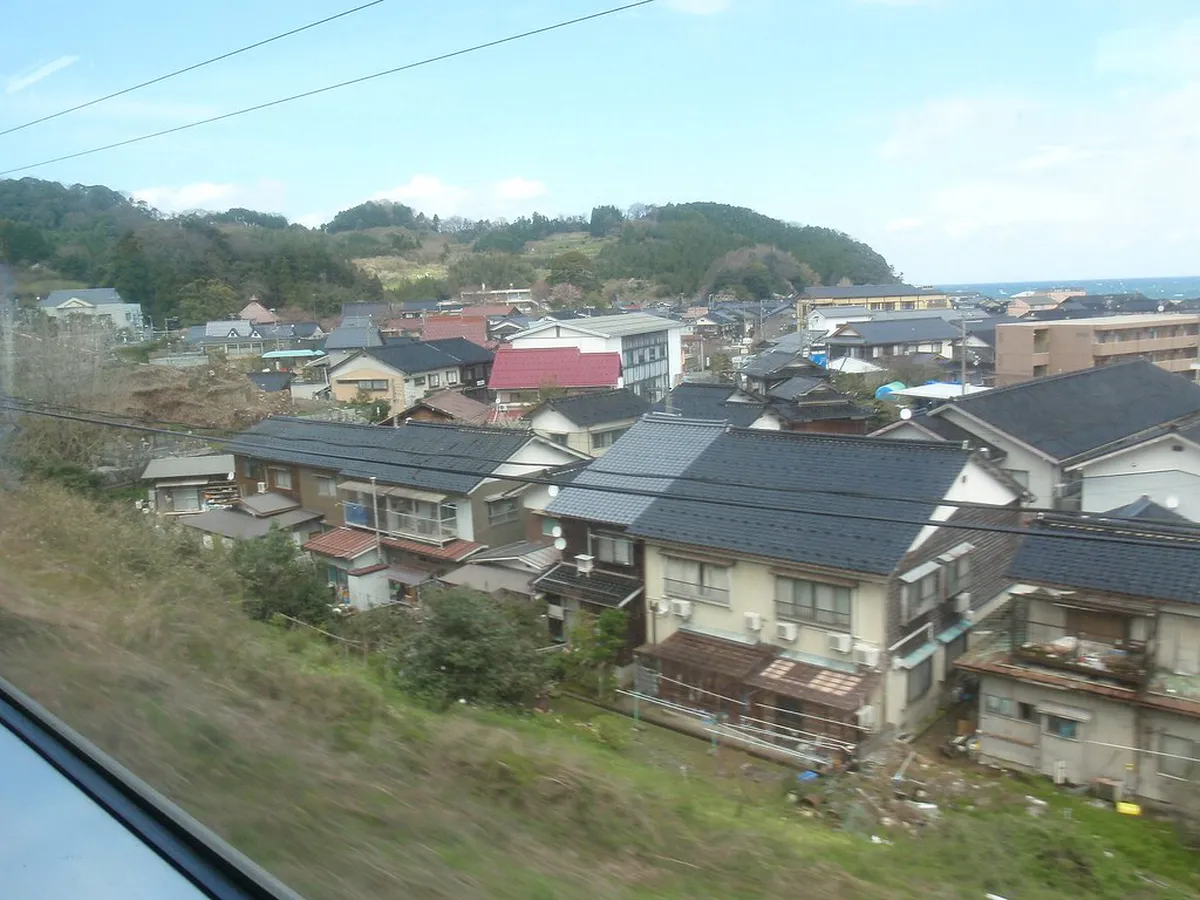
Izumo has far fewer rooms than Matsue, mostly business hotels near Izumoshi Station, so book early if you'd rather sleep near the shrine than train back each evening. Yonago, close to the airport, only makes sense as a base if your flight lands or leaves from there; it sits roughly midway between Matsue and the Tottori Sand Dunes. For a three-day trip, we'd still stick with one base in Matsue rather than splitting nights across towns.
See our San'in region attractions guide for the broader overview.
Frequently Asked Questions
How many days do you need in San'in?
Three days is the sweet spot for Matsue Castle, Izumo Taisha, and the Tottori Sand Dunes. Two days works if you skip Tottori, and four to five days adds the Adachi Museum and an onsen night. None of the three options need a rental car to work well.
Is Izumo Taisha worth visiting?
Yes, Izumo Taisha is one of Japan's oldest and most important Shinto shrines, with free entry year-round. It sits about 25 minutes from Matsue on the JR Ichibata Line, making it an easy half-day trip. Weekday mornings outside major festivals stay pleasantly uncrowded.
Can you visit San'in as a day trip from Kyoto or Osaka?
Technically yes, but it's a long day: Tottori alone is roughly two and a half hours from Osaka by train. Add Matsue or Izumo and you're looking at six or more hours of travel round trip. We'd recommend at least one overnight in Matsue instead of a rushed round trip.
Do you need a car in San'in?
No, a three-day Matsue-Izumo-Tottori loop works fine using trains and local buses alone. A car helps most if you're staying four or five days and adding the Uradome Coast or rural onsen towns. Without a car, just build in slightly more transfer time.
When is the best time to visit San'in?
Late March to early April brings cherry blossoms around Matsue Castle, while fall keeps crowds lower. Summer is hot and humid, and winter brings snow to the Tottori dunes. See our best time to visit San'in guide for month-by-month detail.
How many days in the San'in region you need comes down to what else is on your itinerary. Two days covers Matsue and Izumo; three adds Tottori's dunes; four to five adds art and onsen time. We'd pick three days for most first-time visitors and stretch to five if you already love a slower pace.
Book your Discover Another Japan Pass and any ryokan nights before you land, then let the rest stay flexible. San'in rewards travelers who don't over-schedule it, and three focused days prove that point well.
Free guide: Japan's Hidden Gems
12 under-the-radar places beyond Tokyo & Kyoto — with the best season to visit each and a local tip you won't find in the guidebooks.
You might also like


Continue reading
More guides you'll find useful