
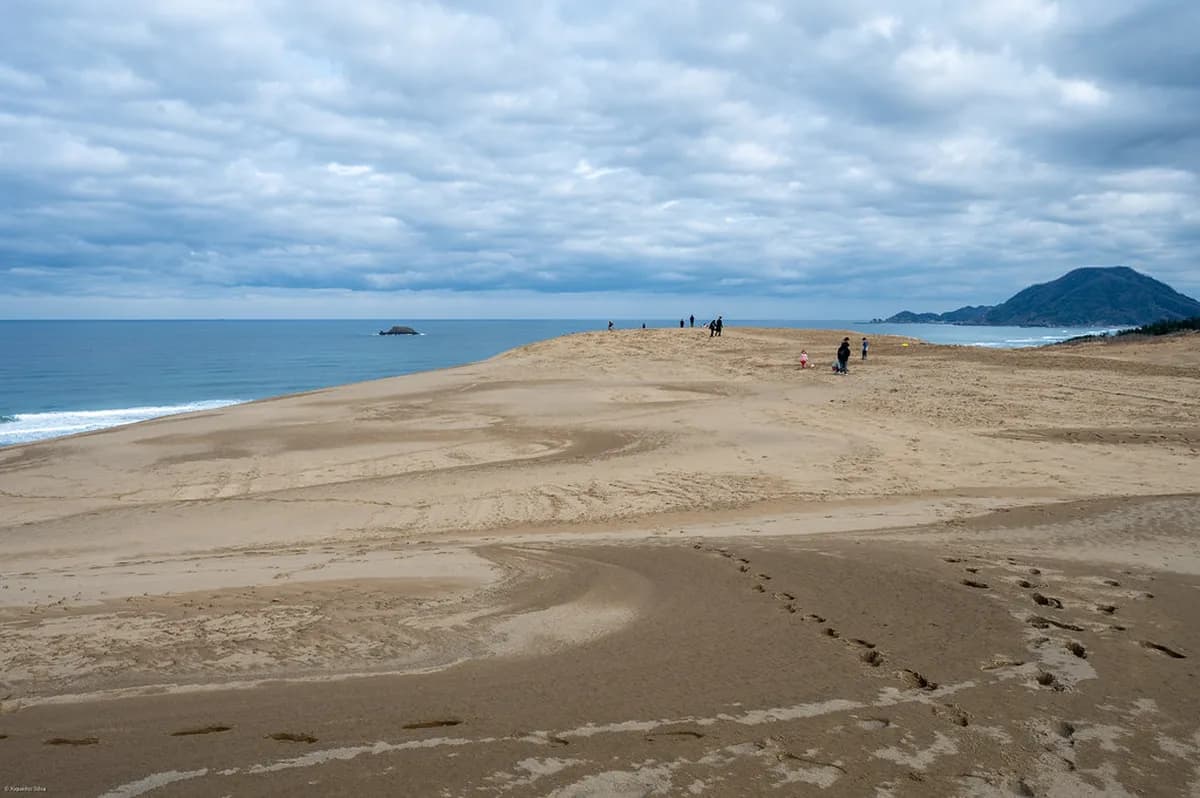
Exploring the Tottori Sand Dunes offers a unique desert-like experience along the Sea of Japan coastline. This natural wonder attracts thousands of visitors who come to climb the massive slopes and enjoy coastal views. Our tottori sand dunes visitor guide provides all the logistics you need for a successful 2026 trip. From camel rides to accessibility tips, we cover the essential details for every type of traveler.
Geological Overview of the Tottori Sand Dunes
The Tottori Sand Dunes are a massive natural formation stretching 16km (10 miles) along the coast. These dunes reach widths of up to 2km (1.2 miles) and heights of 50m (164ft) at their peak. Sediment from the Sendai River and strong winds from the Sea of Japan created this landscape over 100,000 years. It remains the most significant dune system in Japan and is a protected part of the San'inkaigan National Park (National Park Info).
Visitors often marvel at the 'fukon' or wind ripples that decorate the sand's surface each morning. These patterns change constantly based on the weather and the strength of the coastal breeze. The dunes offer a stark contrast to the lush green mountains typically found throughout the rest of the country. Preserving this environment is a priority for local authorities who monitor the shifting sands carefully.
Walking to the top of the highest dune, known as 'Umanose' or the horse's back, is a popular challenge. From this vantage point, you can see the deep blue ocean meeting the golden horizon. The steep climb requires some physical effort but rewards you with panoramic views of the entire Uradome Coast region. Geology enthusiasts will find the various layers of volcanic ash and sand fascinating to study during their hike.
Tottori Sand Dunes Visitor Center Amenities
The Tottori Sand Dunes Visitor Center (Official Visitor Center) serves as the primary hub for information and history. It is open year-round from 9:00 a.m. to 5:00 p.m. and offers free admission to all guests. Inside, you will find interactive exhibits that explain the delicate ecosystem and the flora that survives here. Staff members are available to answer questions about daily conditions and recommended walking paths.
One of the most practical features of the center is the outdoor foot shower station. These showers allow you to wash off fine sand before heading back to your car or the bus. Many travelers find this facility essential after spending a few hours trekking through the deep dunes. The station is clearly marked and located conveniently near the main entrance for easy access.
The facility also provides lockers for storing heavy bags while you explore the sandy terrain. You can find clean restrooms and nursing rooms that make the site more family-friendly for those with small children. Browsing the gift shop allows you to pick up local snacks and unique souvenirs related to the dunes. If you need a break from the sun, the air-conditioned theater shows high-definition films about the area's seasonal changes.
Top Activities: Camel Rides and Sandboarding
Riding a camel is one of the most iconic experiences available at the Tottori Sand Dunes. The camel station operates from 9:30 a.m. to 4:00 p.m. during the peak season from March to November. Winter hours are slightly shorter, typically running from 10:00 a.m. until 4:00 p.m. between December and February. You should arrive early in the day to secure a spot, as these rides are very popular with tourists.
For those seeking more adrenaline, sandboarding and paragliding are excellent ways to enjoy the steep slopes. Local instructors offer lessons for beginners who want to glide down the dunes toward the ocean. You can also book a paragliding session to see the vast landscape from a bird's-eye perspective. These activities often require advance booking, especially during weekends and national holidays in Tottori City.
Photography is another major draw for visitors looking to capture the desert-like atmosphere. The best shadows and wind patterns usually appear in the early morning or late afternoon. Avoid the midday sun if you want to photograph the ripples without harsh glare or heavy crowds. Pairing your visit with a trip to the nearby Tottori Sand Museum provides even more artistic inspiration.
- Camel Ride Pricing and Details
- Single rider: 1,500 yen
- Two riders: 2,600 yen
- Photos: Included with ride
- Availability: Weather dependent
- Sandboarding and Paragliding Options
- Sandboarding: 3,500 yen approx.
- Paragliding: 8,000 yen approx.
- Duration: 2 hours per session
- Booking: Online reservations recommended
Accessibility: Sand-Capable Wheelchair Rentals
The Tottori Sand Dunes strive to be accessible to all travelers regardless of their mobility levels. The Visitor Center offers two distinct types of wheelchairs for guests to use during their visit. Standard indoor wheelchairs are available for navigating the museum and the paved areas around the center. For the sand itself, you can rent specialized wheelchairs with wide, balloon-like tires designed for soft terrain.
The sand-capable wheelchairs allow users to reach the base of the dunes and enjoy the unique environment. Staff members at the Visitor Center handle the rental process and can assist with basic instructions. While these chairs are free to use, they are available on a first-come, first-served basis each day. It is wise to call ahead or visit the center early to ensure a chair is ready for your arrival.
There is also a wooden boardwalk and a paved viewing platform for those who prefer not to enter the deep sand. These paths provide excellent views of the 'Umanose' dune and the Sea of Japan without any climbing. Accessible restrooms and elevators within the main buildings ensure a comfortable experience for everyone. The commitment to inclusivity makes this one of the most accessible natural landmarks in the Tottori area.
Practical Logistics: Hours, Fees, and Timing
Entering the Tottori Sand Dunes is free, making it a budget-friendly destination for all travelers. The dunes never close, but most facilities like the Visitor Center and camel rides operate on a 9-to-5 schedule. Visiting during the early morning helps you avoid the heat and the largest crowds of the day. Sunset is also a spectacular time to visit, though you should bring a flashlight for the walk back.
Your choice of footwear is the most important part of your footwear strategy for the dunes. In the summer, the sand temperature can reach over 50°C (122°F), making barefoot walking dangerous. Rental shoe covers are available at nearby shops to keep sand out of your sneakers and protect your feet. Many locals prefer wearing high boots or even going barefoot during the cooler spring and autumn months.
Winter visits offer a completely different look as snow occasionally blankets the golden sand. If you visit in January or February, wear waterproof boots with good grip for the slippery slopes. Check the local weather forecast before heading out, as high winds can make the sand quite abrasive. Always carry water and sunscreen, as the reflection of the sun off the sand can be very intense.
Getting There: Transport from Tottori Station
Reaching the dunes from Tottori Station is straightforward and takes about 20 minutes by bus. Look for the bus bound for 'Tottori Sakyu' at platform number 0 outside the station's north exit. On weekends and holidays, the Kirin Jishi Loop Bus provides a convenient way to reach major tourist spots. The fare is affordable, and the buses run frequently throughout the day for easy planning.
Taxi services are also available at the station for those who prefer a direct and faster trip. A one-way taxi ride usually costs around 2,500 yen depending on traffic and the specific drop-off point. Drivers can take you directly to the Visitor Center or the entrance of the Sand Museum. This is a great option for groups or travelers with limited time to explore Tottori Castle Ruins and other city sites.
If you are driving, there is a large parking lot located right next to the Visitor Center. Parking fees are generally low, and some nearby shops offer free parking if you purchase souvenirs or meals. The roads are well-marked in both Japanese and English, making navigation simple for international drivers. Be aware that the parking lots can fill up quickly during the 'Golden Week' holiday in early May.
Where to Stay: Nearby Hotel Recommendations
Staying near Tottori Station is the most convenient choice for travelers using public transportation. Hotels in this area provide easy access to the bus lines that head directly to the sand dunes. You will also be close to local restaurants that serve fresh seafood from the Sea of Japan. Business hotels offer affordable rates and modern amenities for short stays in the city center.
For a more traditional experience, consider staying at a ryokan in the surrounding prefecture. Kansuitei Kozeniya is a popular choice that features hot spring baths and traditional multi-course meals. These traditional inns allow you to relax after a long day of hiking through the sandy hills. Booking your accommodation several months in advance is recommended for the peak spring and autumn seasons.
Travelers looking for unique views might enjoy the HOTEL Hoshitori Terrace Sekigane or similar mountain retreats. These locations offer a quieter atmosphere away from the bustle of the city center. You can enjoy the starry skies that Tottori is famous for, as the area has very low light pollution. Regardless of where you stay, the hospitality in this region is known for being warm and welcoming.
Planning a wider trip? See our things to do in Tottori guide and the full San'in region travel guide.
Frequently Asked Questions
What is the best time of day to visit the Tottori Sand Dunes?
The best time to visit is early morning or late afternoon to avoid the midday heat and crowds. These times also provide the best lighting for photography and highlight the beautiful wind ripples on the sand. During summer, morning visits are safer as the sand can become extremely hot by noon.
Are the Tottori Sand Dunes free to enter?
Yes, admission to the Tottori Sand Dunes is free for all visitors. The Tottori Sand Dunes Visitor Center also offers free entry to its exhibits and facilities. You only need to pay for specific activities like sand museum tickets, camel rides, or equipment rentals.
Can you ride camels at the Tottori Sand Dunes?
Yes, camel rides are a signature activity at the dunes. Rides typically cost 1,500 yen for a single person or 2,600 yen for a tandem ride. They operate daily from roughly 9:30 a.m. to 4:00 p.m., though hours may vary slightly depending on the season and weather conditions.
What should I wear to the Tottori Sand Dunes?
Wear comfortable clothing and choose your footwear based on the season. In summer, sandals or rental shoe covers are necessary because the sand gets very hot. During cooler months, sneakers or boots work well. Bring a hat, sunscreen, and plenty of water as there is very little shade on the dunes.
Is the Tottori Sand Museum near the dunes?
The Tottori Sand Museum is located just a short walk from the main entrance of the dunes. It is the world's first indoor museum dedicated to sand sculptures and changes its theme annually. Combining the two attractions makes for a perfect day trip in Tottori City.
The Tottori Sand Dunes are a must-see destination that showcases a different side of Japan's natural beauty. Whether you are riding a camel or trekking to the top of Umanose, the experience is truly unforgettable. By using this tottori sand dunes visitor guide, you can navigate the logistics and activities with ease. Pair this with our San'in region guide to see how the dunes fit into the broader San'in itinerary. Plan your visit today to witness the shifting sands and stunning coastal views of Tottori.