15 Best Matsumoto Attractions (2026 Guide)
Explore 15 top Matsumoto attractions with verified 2026 castle tickets, museum hours, Kamikochi access, seasonal events, and practical trip tips.
On this page
The best Matsumoto attractions combine a walkable castle town with art, mountain scenery, hot springs, and easy access to the Japanese Alps. First-time visitors should prioritize Matsumoto Castle, Nakamachi Street, the Matsumoto City Museum of Art, and Former Kaichi School; add Kamikochi if you have a full extra day during its open season.
Most central sights fit into one or two days. Use our Matsumoto itinerary to connect them efficiently, and check the 2026 events calendar if you are visiting during a festival. The prices, opening hours, and access details below were checked against official sources on July 20, 2026.
Matsumoto Castle uses timed admission. In 2026, adult entry costs ¥1,200 with an online e-ticket or ¥1,300 at the ticket office. The original keep has steep stairs and is not wheelchair accessible.
Kamikochi officially opened for the 2026 season on April 27. Private cars cannot enter; travel by train and reserved bus via Shin-Shimashima, a direct seasonal bus, or taxi. Check the final return before leaving Matsumoto.
1. Marvel at the Majestic Matsumoto Castle
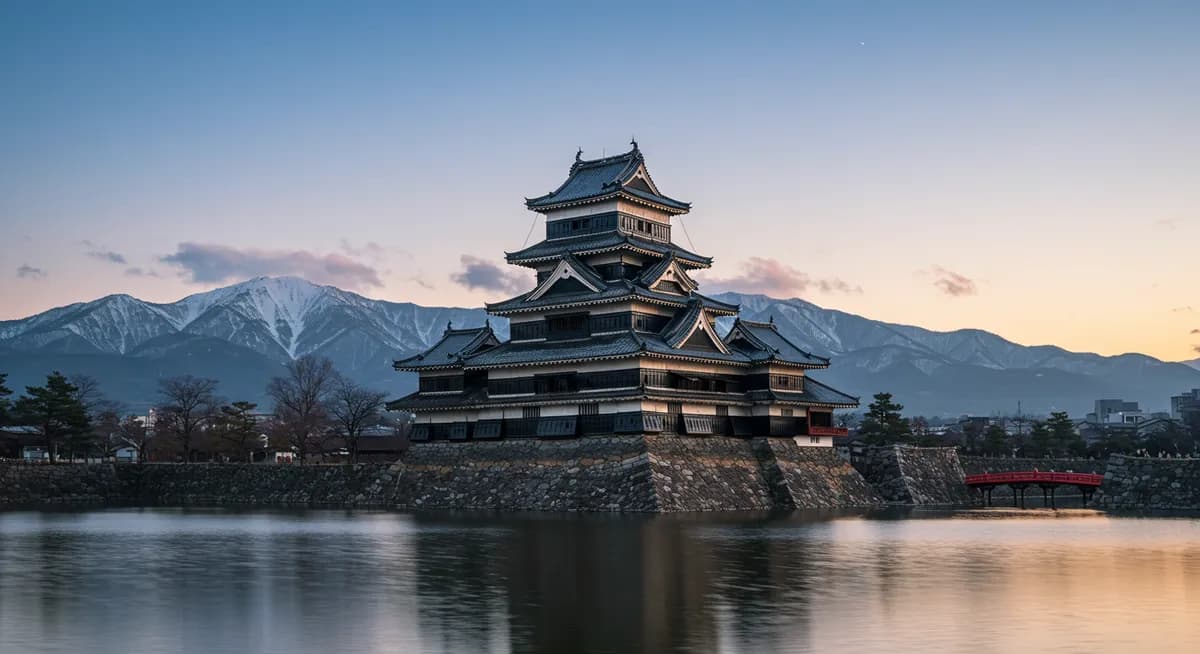
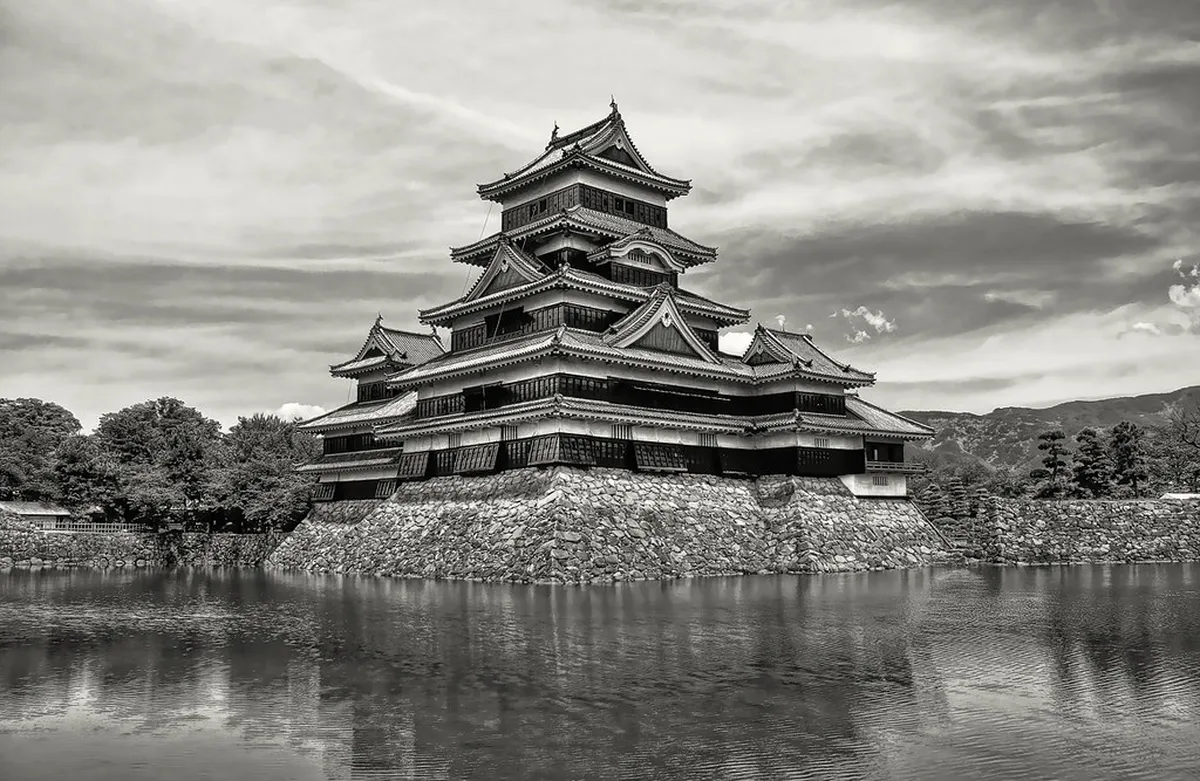
Matsumoto Castle is the city's essential sight and one of Japan's surviving original castle keeps. The black-and-white complex dates largely from the late 16th and early 17th centuries. Visitors remove their shoes and climb narrow wooden staircases inside, so the interior is challenging for anyone with limited mobility; the surrounding park and moat remain worthwhile without entering the keep.
The official castle guide lists regular hours of 08:30–17:00, with last entry at 16:30. Adult timed e-tickets cost ¥1,200 and on-site paper tickets ¥1,300. Allow 45–60 minutes inside and book ahead for Golden Week, summer holidays, and peak blossom dates.
2. Immerse Yourself in the Beauty of Kamikochi Alpine Valley
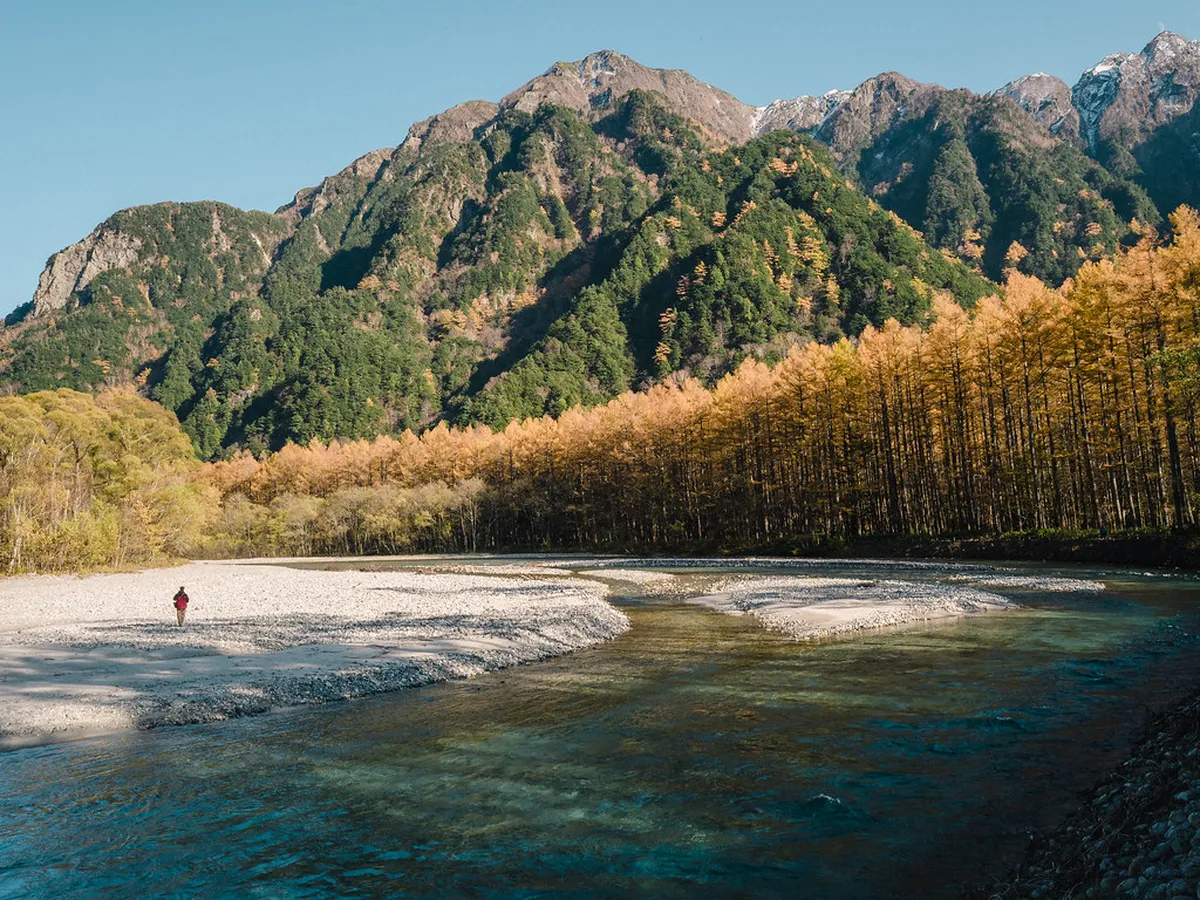
Kamikochi is a high-alpine valley of clear rivers, forest trails, and mountain views within Chubu-Sangaku National Park. A simple first visit can link Taisho Pond, Tashiro Marsh, and Kappa Bridge; longer routes continue toward Myojin. Treat it as a full-day excursion rather than a quick city attraction.
The official Kamikochi site confirms an April 27 opening for the 2026 season. From Matsumoto, the standard route uses the Kamikochi Line train to Shin-Shimashima and a connecting bus. Direct National Park Liner services and all return buses toward Shin-Shimashima/Matsumoto require reservations; confirm the final departure because mountain schedules change by season.
3. Wander Through the Historic Nakamachi District
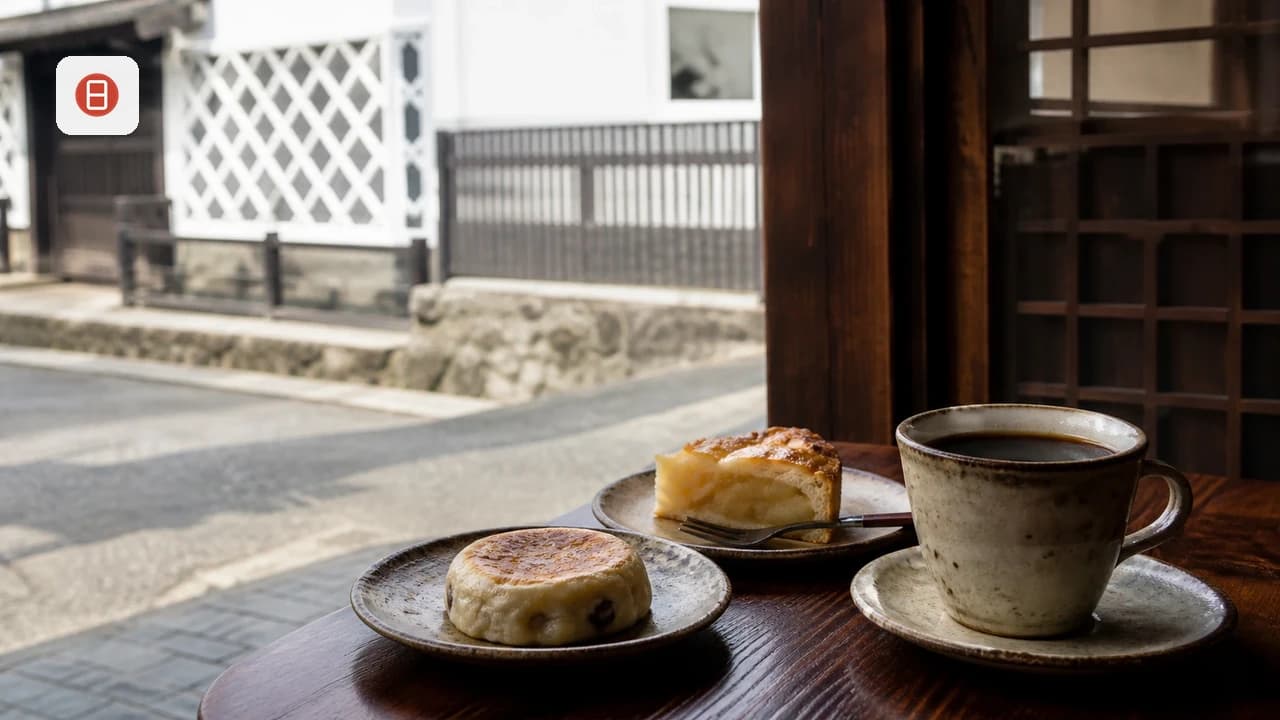
Nakamachi Street preserves former merchant buildings distinguished by black-and-white namako-kabe plaster-and-tile walls. Today the storehouses contain craft shops, galleries, cafés, and small museums. It is a natural walking route between Matsumoto Castle and the City Museum of Art.
Continue across the Metoba River to Nawate Street for snacks and small shops, then return to Nakamachi's quieter lanes. Morning is best for architecture and photographs; many stores open closer to 10:00, so return later if shopping is the priority.
4. Take a Nakasendo Day Trip to Narai-juku
The Nakasendo once linked Kyoto and Edo, and Narai-juku is the most practical post-town excursion from Matsumoto. Its long street preserves wooden inns, shops, and residences against a mountain backdrop. Use our Narai-juku day-trip guide for train and walking details.
Magome and Tsumago are also famous Nakasendo towns, but they are farther south and should not be described as nearby Matsumoto attractions. Narai fits more comfortably into a half- or full-day trip by JR Chuo Line. Check the return timetable before exploring side streets because local services are less frequent than urban trains.
5. Taste Matsumoto's Sake and Craft Beer
Matsumoto has local sake breweries, craft-beer taprooms, and restaurants serving mountain-region specialties, but there is no single formal “brewery district.” Explore responsibly around Nakamachi, Nawate Street, and the station area, where specialist shops can explain local labels and seasonal releases.
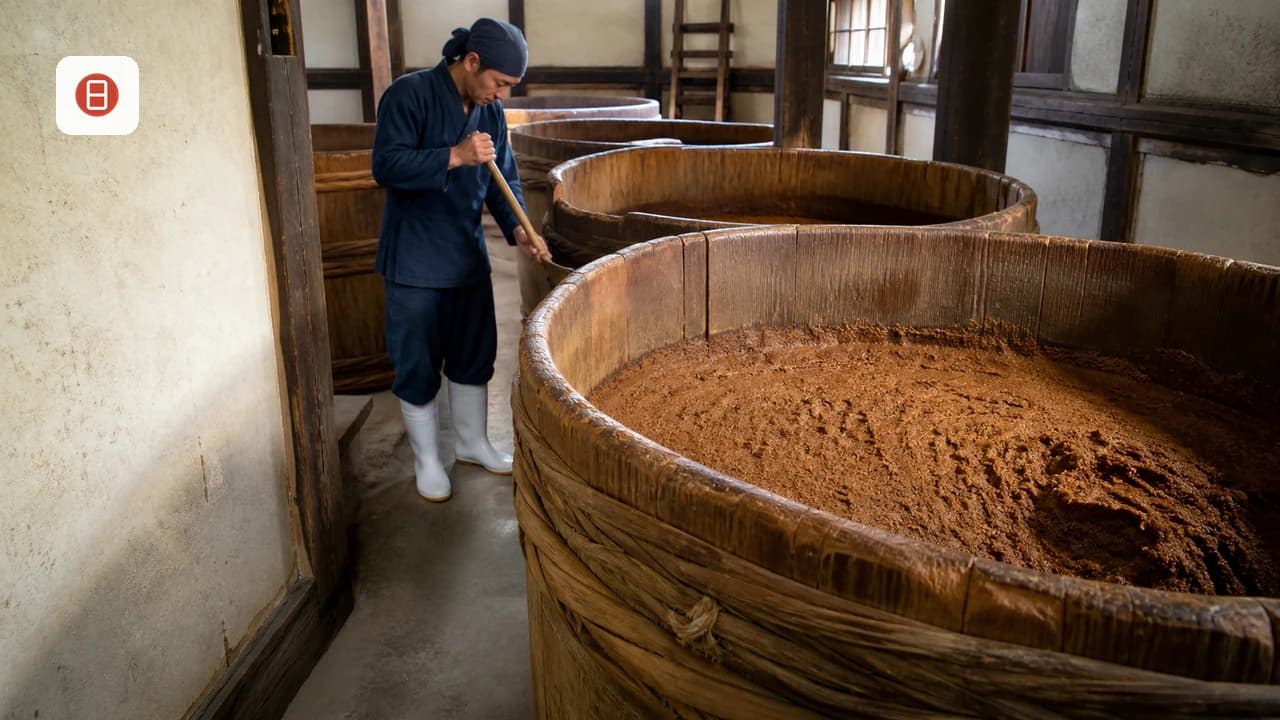
Pair tastings with shinshu soba, miso dishes, or regional vegetables. Brewery tours are not automatically available, so contact an individual producer before visiting rather than arriving unannounced. Our Matsumoto food guide has broader dining suggestions.
6. Explore the Artistic Side of Matsumoto City Museum of Art
The Matsumoto City Museum of Art is essential for Yayoi Kusama fans: the Matsumoto-born artist's work anchors the permanent collection, beginning with the monumental flowers outside. Other galleries cover local artists and changing special exhibitions.
The official museum site lists hours of 09:00–17:00, with entry until 16:30. Permanent-collection admission is ¥700 online or ¥800 at the desk for adults; special exhibitions cost extra. The museum normally closes Monday or the next business day when Monday is a holiday.
7. Discover Serenity at Yohashira Shrine
Yohashira Shrine sits beside Nawate Street and makes an easy, free stop between the station and castle. Its name refers to the four deities enshrined here. Visit quietly, follow the purification and prayer customs shown on site, and avoid presenting folk “power spot” claims as guaranteed outcomes.
The grounds are open enough for a short early-morning visit, while festival days create a livelier atmosphere. Combine the shrine with the Metoba River and Nakamachi rather than treating it as a separate cross-city journey.
8. Experience Rural Charm at the Japan Ukiyo-e Museum
The Japan Ukiyo-e Museum displays selections from a woodblock-print collection assembled by five generations of the local Sakai family. Exhibitions rotate, so the compact galleries reward visitors interested in printmaking more than travelers expecting the entire collection at once.
Matsumoto's official tourism listing gives 2026 hours of 10:00–17:00, last entry at 16:30, and adult admission of ¥1,000. It normally closes Monday. The bus from Matsumoto Station's Alps Exit takes about 25 minutes but does not run on Sundays or public holidays, so verify transport before going.
9. Stroll Along the Metoba River
The Metoba River is not a destination that needs a separate block of time; it is the scenic thread connecting Nawate Street, Yohashira Shrine, and Nakamachi. Walk a short section while moving between those sights and pause at the bridges for castle-town views.
Early morning is quiet, while late afternoon is better for combining the river with cafés and shops. Respect railings and private property, especially when taking photographs near narrow lanes.
10. Relax in the Natural Hot Springs of Asama Onsen
Asama Onsen is a hot-spring neighborhood northeast of central Matsumoto, suited to an overnight ryokan stay or a day-use bath. Facilities set their own admission hours, tattoo rules, and private-bath policies, so confirm directly before traveling.
An overnight stay adds a slower counterpoint to the castle and museums, often with dinner and breakfast included. Day visitors should carry a small towel and follow bathing etiquette; soap and towel rental availability differs by bathhouse.
11. Uncover History at the Matsumoto Folkcraft Museum
The Matsumoto Folkcraft Museum presents pottery, textiles, baskets, woodwork, and other everyday objects selected for their usefulness and beauty. Its quieter suburban setting suits visitors who want depth beyond the central art museum.
Opening days can be limited compared with the major city museums, so confirm the current calendar before making the trip. Pair it with an eastern Matsumoto outing rather than assuming it sits beside Nakamachi.
12. Tour the National Treasure Former Kaichi School
Former Kaichi School, a five-minute walk north of Matsumoto Castle, is a National Treasure completed in 1876. Its giyofu design blends Western-inspired windows and an octagonal tower with Japanese carvings, roof forms, and construction techniques. Exhibits explain early modern education inside the preserved classrooms.
The official Matsumoto listing gives hours of 09:00–17:00, with last entry at 16:30. Adult admission is ¥600 online or ¥700 at the desk. From March through November it normally closes on the third Tuesday; winter has weekly Tuesday closures. Only stairs connect the two visitor floors.
13. Visit the Alps Park for Panoramic Views
Matsumoto Alps Park spreads across hills northwest of the center, with broad views toward the Northern Alps, walking paths, lawns, and family areas. It is most rewarding on a clear day; low cloud can hide the mountains entirely.
The park is less convenient than the central attractions without a car, so check current bus times and allow a half day. Bring food and water outside peak season when concessions may be limited.
14. Attend the Vibrant Matsumoto Bon Bon Festival
Matsumoto Bon Bon fills the city-center streets with coordinated dance groups and the festival's signature song. The 2026 event is confirmed for August 1 from 17:30 to 19:18, with a pedestrian zone from 17:00 to 19:50. Road closures and bus diversions affect the castle and station area.
Use trains or walk rather than driving, and follow the organizer's spectator and waste rules. The official tourism event page carries the current route and traffic information.
15. Discover Local Crafts at the Matsumoto Craft Fair
Crafts Fair Matsumoto brings makers of ceramics, textiles, glass, wood, leather, and metalwork to Agatanomori Park each May. The 2026 fair took place May 30–31 with 262 exhibitors, so travelers arriving later in the year should treat this as seasonal planning information rather than an everyday market.
Entry is focused on browsing and buying directly from makers; arrive early for popular work and use public transport because the surrounding area becomes busy. Check the official Craft Fair website for the next edition rather than assuming the same weekend annually.
Matsumoto works best when the compact castle-town sights and longer mountain excursions are planned separately. Spend the city day walking between the castle, Kaichi School, Nakamachi, and the art museum; reserve another day for Kamikochi or Narai-juku. For a neighboring urban stop, compare these things to do in Nagano City.
Building the rest of the trip? Our Matsumoto attractions guide covers the sights, districts and logistics around this guide.
Explore attractions in other cities
Matsumoto Attractions FAQ
What are the must-see attractions in Matsumoto?
For a first visit, prioritize Matsumoto Castle, Nakamachi Street, Matsumoto City Museum of Art, and Former Kaichi School. Add Kamikochi only if you have a separate full day during its operating season.
How many days do you need in Matsumoto?
One full day covers the central highlights, while two days allow a slower museum visit and Asama Onsen or Alps Park. Add a third day if you want Kamikochi or a Nakasendo excursion to Narai-juku.
Should you reserve Matsumoto Castle tickets?
Reserve a timed e-ticket for weekends, public holidays, cherry-blossom season, Golden Week, and summer holidays. In 2026, adult e-tickets cost ¥1,200 versus ¥1,300 for a paper ticket bought on site.
Is Kamikochi in central Matsumoto?
No. Kamikochi lies in the mountains west of the city and requires a seasonal train-and-bus or direct-bus journey. Allow a full day, reserve required bus legs, and confirm the final return service.
Is Matsumoto easy to explore without a car?
Yes. Matsumoto Castle, Nakamachi, Nawate Street, Yohashira Shrine, the art museum, and Former Kaichi School are walkable or served by local buses. A car is unnecessary for Kamikochi because private vehicles cannot enter.
Explore More Matsumoto Guides
Deep-dive guides for every part of a Matsumoto trip — how long to stay, where to sleep, what to eat, when to come, and which Japanese Alps day trips are worth it.
Plan Your Trip
- How Many Days to Spend in Matsumoto
- Matsumoto Itinerary Guide
- One Day in Matsumoto Itinerary
- Is 2 Days Enough in Matsumoto?
- Best Time to Visit Matsumoto
- Matsumoto Weather by Month
- Matsumoto Cherry Blossom Guide
- Matsumoto Events Calendar 2026
- Matsumoto Travel Tips
Getting There
Top Attractions & Things to Do
- Matsumoto Castle: Complete Guide
- Matsumoto Hidden Gems
- Free Things to Do in Matsumoto
- Rainy Day Things to Do in Matsumoto
- Romantic Things to Do in Matsumoto
- Matsumoto with Kids
Day Trips from Matsumoto
- Best Day Trips from Matsumoto
- Day Trip to Kamikochi
- Narai-juku Post Town Day Trip
- Azumino Wasabi Country Day Trip
Food & Drink
Where to Stay
- Where to Stay in Matsumoto
- Best Hotels in Matsumoto
- Budget Hotels in Matsumoto
- Best Family Hotels in Matsumoto
Nightlife
Plan Your Japan Trip
- Japan Travel Guide: Itineraries, Transport, Money & Tips
- Getting Around Japan: Trains, Buses & IC Cards
- Japan Money & IC Card Guide
- 9 Essential Stops for an Azumino Day Trip from Matsumoto
- 8 Best Family Hotels in Matsumoto
- 11 Best Hotels in Matsumoto for Every Traveler
- 12 Best Restaurants in Matsumoto (2026)
- Best Soba in Matsumoto
- Best Time to Visit Matsumoto
- 10 Best Budget Hotels in Matsumoto
- 10 Best Day Trips From Matsumoto
- 12 Best Free Things to Do in Matsumoto
- How Many Days in Matsumoto
- How to Get to Matsumoto from Tokyo
- Is 2 Days Enough In Matsumoto Travel Guide
- Ukiyo-e Museum Matsumoto
- Matsumoto Castle Guide
- 12 Best Spots for Matsumoto Cherry Blossoms
- Matsumoto Events Calendar 2026
- 10 Matsumoto Hidden Gems and Local Travel Tips
- Matsumoto Itinerary for First-Timers
- Matsumoto Nights
- Matsumoto Station Guide
- Matsumoto to Kamikochi Day Trip
- Matsumoto to Takayama Bus Tips 2026
- Matsumoto Travel Tips
- Matsumoto Weather By Month
- 10 Best Things to Do in Matsumoto with Kids
- Narai Juku Day Trip From Matsumoto
- One Day In Matsumoto Itinerary
- 13 Best Rainy Day Things To Do In Matsumoto
- 10 Best Romantic Things to Do in Matsumoto
- Matsumoto to Shirahone Onsen
- Where to Stay in Matsumoto
Browse the Matsumoto attraction directory for individual visitor guides, access details, and practical tips.
Free: The Matsumoto Essentials guide
Top things to do, where to stay, a perfect day plan, getting around, and the best time to go — a Matsumoto mini-guide you can take offline.
You might also like


Continue reading
More guides you'll find useful