Matsumoto Castle Guide: 10 Essential Tips and Attractions
Plan your visit with our Matsumoto Castle guide. Includes ticket prices, how to book free volunteer guides, transport from Tokyo, and 10 essential visitor tips.
On this page
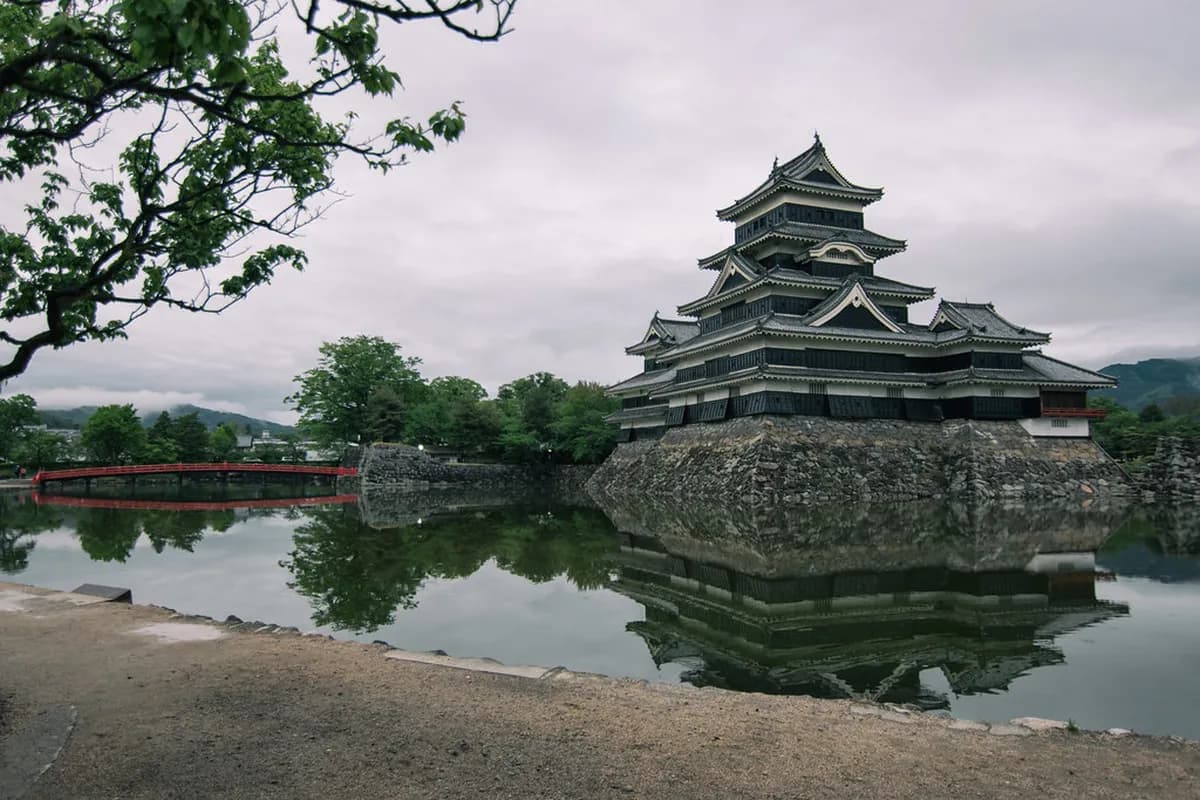
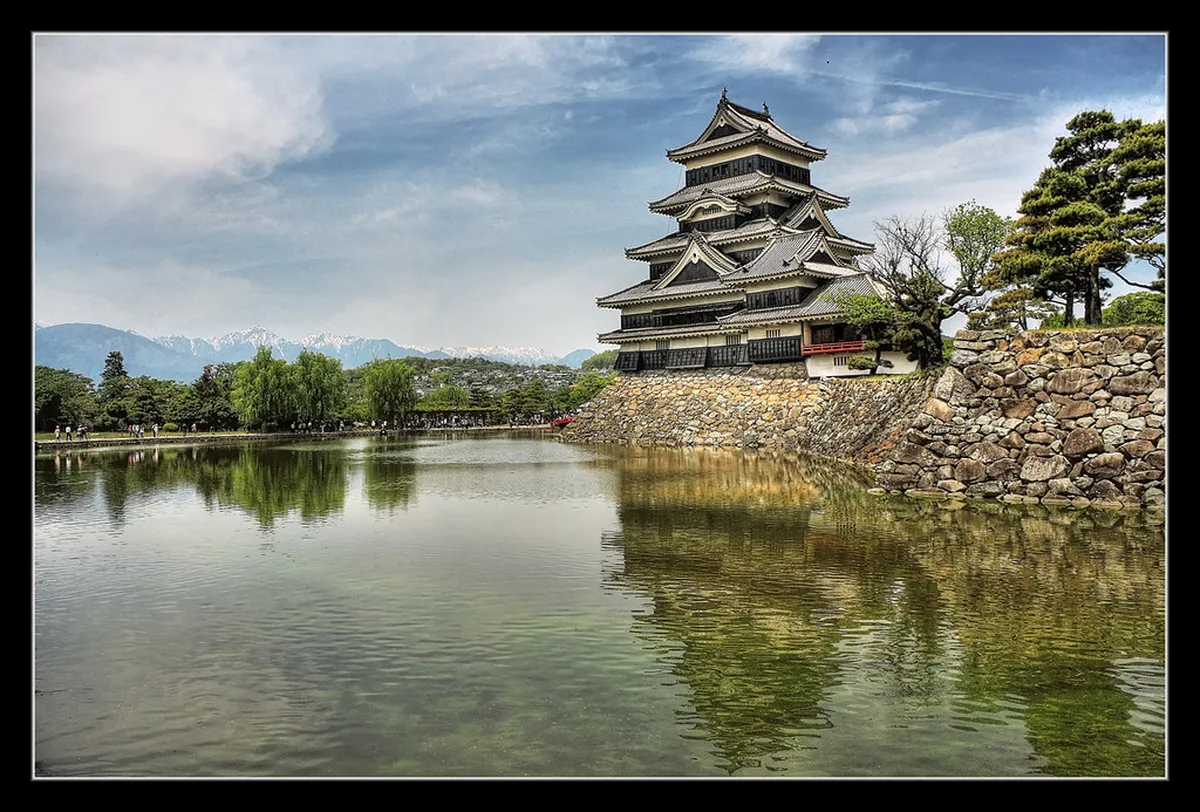
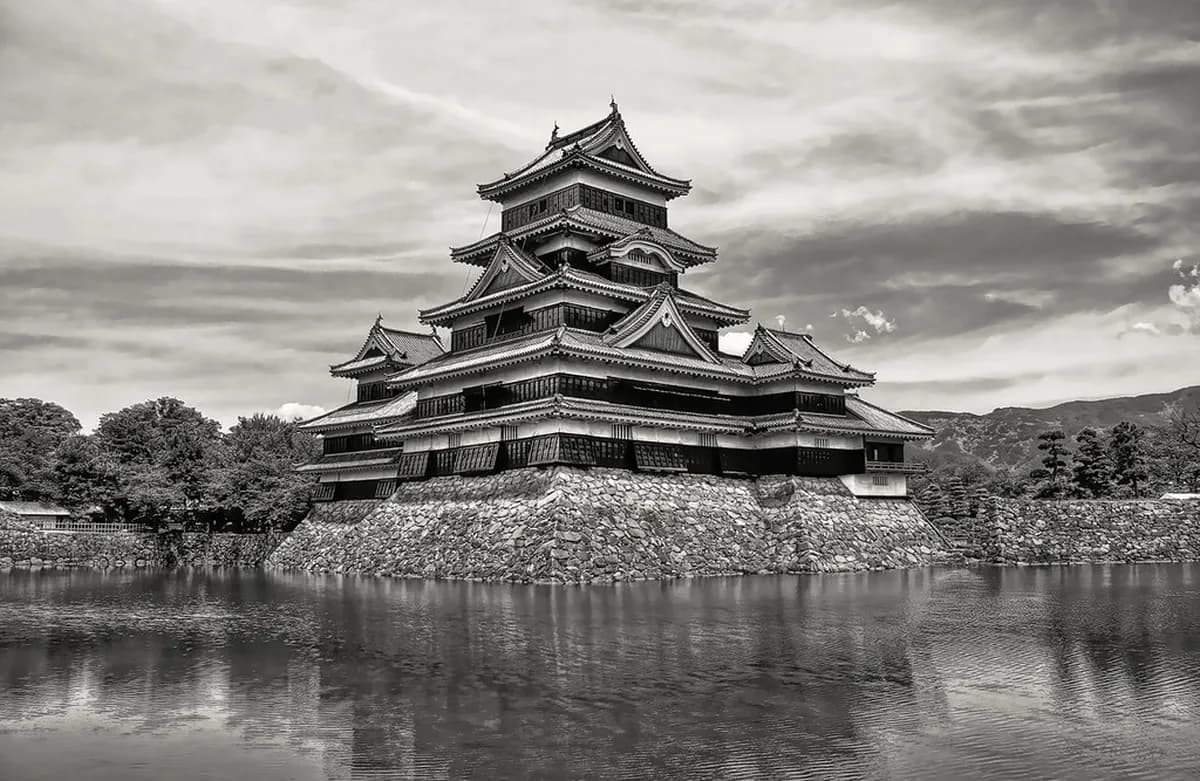
Matsumoto Castle is one of Japan's best preserved original castles and the main reason many travelers add Matsumoto to a Nagano itinerary. Known as the Crow Castle, its black-and-white keep rises above a broad moat with the Japanese Alps behind it. This guide covers the 2026 essentials: tickets, hours, transport, volunteer guides, interior stairs, photo spots, and timing.
History and Significance of the "Crow Castle" (National Treasure)
Matsumoto Castle is one of Japan's twelve surviving original castle keeps and one of the country's designated National Treasure castles. The main keep dates to the late 16th century, when feudal lords were still building for war rather than ceremony. Unlike mountain castles, Matsumoto sits on a flat plain, so its moat, stone walls, and layered towers did the defensive work.
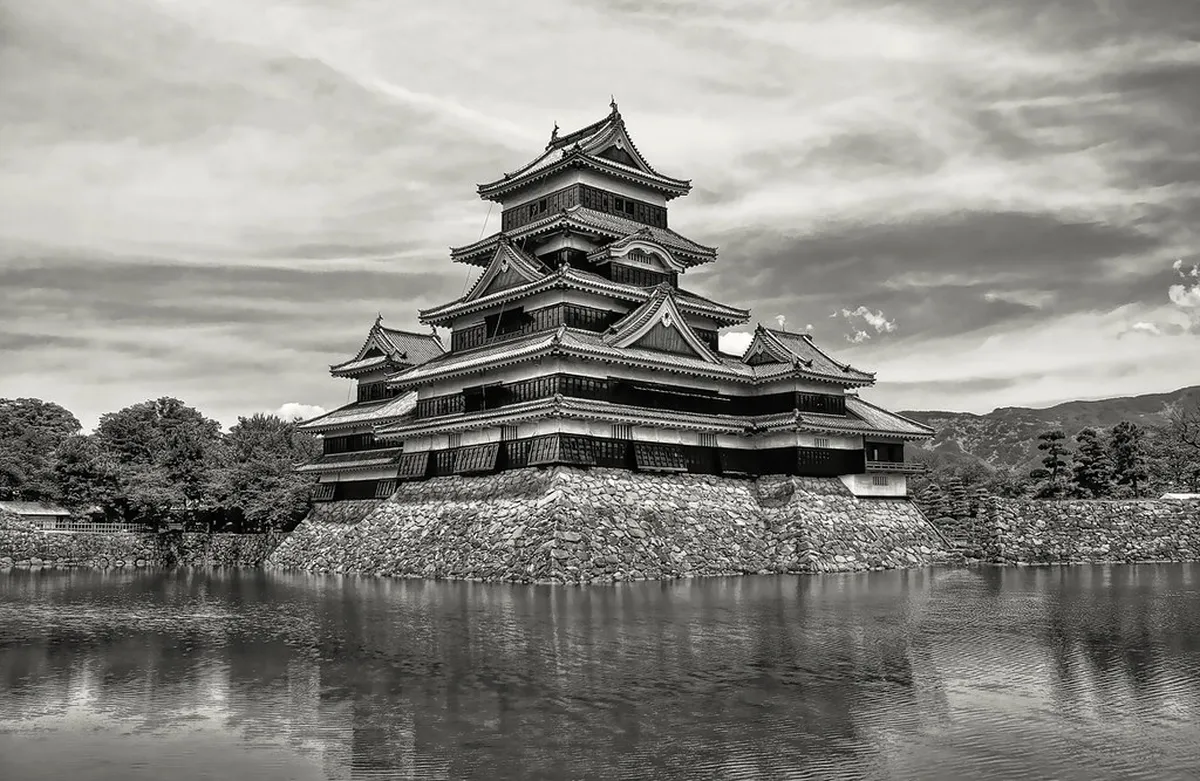
The nickname Crow Castle comes from the dark wooden siding that gives the keep its sharp silhouette. The exterior looks elegant from the park, but the interior is plain, steep, and practical. Narrow windows, hidden floors, weapon displays, and low beams make it feel more like a working fortress than a reconstructed museum.
That authenticity is the main reason to visit. Many famous Japanese castles were rebuilt in concrete after fires or war damage, but Matsumoto keeps its original wooden structure. Pair the castle with the wider Matsumoto attractions around the old merchant streets to see why the city works as a one- or two-night stop.
Essential Visitor Information: Tickets, Hours, and Entry Fees
Adult e-tickets are ¥1,200 with timed entry. Buy online for cherry blossom season, Golden Week, and Obon weekends — walk-up queues slow significantly when the wooden keep reaches capacity.
For 2026, regular opening hours are 08:30-17:00, with last entry at 16:30. Matsumoto Castle is open year-round except December 29-31. Golden Week and Obon can have extended hours, but check dates before you book because crowd controls may change the flow through the Honmaru Garden.
Admission has changed from older guidebook prices. Adult e-tickets are ¥1,200 with timed entry, while same-day paper tickets are ¥1,300. Children aged 6-15 are ¥400, and children aged 5 and under enter free. Online combo tickets can help if you are adding nearby museums.
Buy an e-ticket for cherry blossom season, Golden Week, Obon, or an autumn weekend. Walk-up tickets are simpler on quiet weekdays, but the queue can move slowly because the wooden keep has capacity limits. The official site is the safest place to confirm current prices, hours, and restrictions.
- Use the south-side Kuromon Gate as the paid entrance to the castle grounds.
- Allow extra time if you want both the keep and the nearby museum on the same ticket.
- Visitors with disability certificates and one caregiver can enter free, but the keep itself is not wheelchair accessible.
- Bring a small bag for your shoes inside the keep; staff usually provide a plastic bag, but your own tote is easier to carry.
How to Get to Matsumoto Castle from Tokyo (Train vs. Bus)
The easiest Tokyo route is the Limited Express Azusa from Shinjuku Station to Matsumoto Station. It is direct, covered by many JR pass products, and usually takes about 2 hours 40 minutes. From Matsumoto Station, walk about 15 minutes to the castle or take the Town Sneaker bus to the Matsumotojo-Shiyakushomae stop.
The faster-looking Shinkansen route only makes sense in specific cases. You can ride the Hokuriku Shinkansen from Tokyo to Nagano, then transfer to the Shinonoi Line or Limited Express Shinano toward Matsumoto. This is useful if you are already visiting Nagano city, but it usually costs more and involves a transfer.
Highway buses from Busta Shinjuku are the budget option. They usually take around 3 hours 20 minutes depending on traffic and cost less than the train. For platform details, ticket windows, and luggage notes, use the full Tokyo to Matsumoto guide.
Tokyo to Matsumoto Transport Cost Comparison
Choose your route based on where you start, whether you hold a rail pass, and how much you dislike transfers. The Azusa is the cleanest first-time choice because it starts in central Tokyo and ends in Matsumoto. The bus is slower but can be the best value if you are paying cash.
| Route | Typical Time | Typical One-Way Cost | Best Use |
|---|---|---|---|
| Limited Express Azusa from Shinjuku | About 2 hr 40 min | About ¥6,600 | Most travelers, especially with JR coverage |
| Hokuriku Shinkansen to Nagano, then local or limited express train | About 2 hr 40 min to 3 hr | About ¥9,000 or more | Travelers already routing through Nagano |
| Highway bus from Busta Shinjuku | About 3 hr 20 min | Often ¥3,800-¥5,000 | Budget travelers without a rail pass |
If Matsumoto Castle is a day trip from Tokyo, take the earliest Azusa you can comfortably board and reserve seats for the return. If you are building a longer Nagano route, arrive by Shinkansen through Nagano and leave by Azusa to avoid backtracking. That loop also works well if you continue toward Kamikochi, Takayama, or the Nakasendo towns.
Navigating the Castle Grounds: Must-See Matsumoto Attractions
Start with the moat loop before you enter the keep. The classic photo angle is near Uzumi Bridge, the red bridge on the west side of the castle grounds. The bridge itself is not the main entrance, but the nearby bank gives you the best chance of catching the black keep, red bridge, moat reflection, and mountains in one frame.
Inside the paid area, slow down around the Honmaru Garden. The castle looks different from each corner, and the garden is often where queues form during peak periods. Staff may route visitors along a set path when the keep reaches capacity, so take your exterior photos before joining the entry line if the grounds are crowded.
The keep is the main attraction, but the approach is part of the experience. Look for the stone base, narrow defensive windows, and weapon exhibits as you climb. If you are traveling with children, read Matsumoto with kids before deciding whether everyone should attempt the top floors. The castle also works as a basefor free things to do in Matsumoto, since the moat and castle park are entirely free to explore.
What to Wear Inside the Castle Keep
The steepest staircase inside the keep is about 61 degrees. Strollers must stay outside, and the castle has no elevator. Visitors with mobility concerns can still enjoy the moat, garden, and exterior views without entering the keep.
The most common first-timer mistake is treating the interior like a normal museum. You must remove your shoes before entering, and the original wooden floors can be cold even when the park feels mild. In winter, wear thick socks; in summer, avoid slippery socks.
The steepest staircase is about 61 degrees, and the keep has roughly 140 steps in total. Use both hands, keep backpacks close to your body, and let faster visitors pass where staff allow. Photography is restricted around some stair areas for safety, so do not try to take photos while climbing.
Travel light if you plan to enter the tower. A small crossbody bag is easier than a large backpack, and loose clothing can be awkward on the steep sections. Visitors with knee, balance, or mobility concerns can still enjoy the moat, garden, gates, and exterior views.
How to Book Matsumoto’s Volunteer Guides (ALSA)
Free volunteer guiding is one of the best reasons to avoid rushing your visit. The Alps Language Service Association, usually shortened to ALSA, offers tours in English and several other languages. Ask at the Guide Station near the castle park entrance, or check the Visit Matsumoto Volunteer Services page if you want to request a guide in advance.
ALSA is not the only local group. Matsumoto also has Japanese-language castle guides and city walking guides who can include Nakamachi-dori and Nawate-dori. Some services require advance notice, and ALSA is usually unavailable from August 11-17 and December 26-January 9, so do not assume a same-day guide will always be available.
Do not offer cash tips. The better etiquette is a small packaged gift from your home country, sometimes described by Filipino travelers as pasalubong. Individually wrapped snacks, tea, or a light souvenir are easier for volunteers to accept than money and feel more personal than a rushed thank-you.
Best Time to Visit: Matsumoto Castle through the Seasons
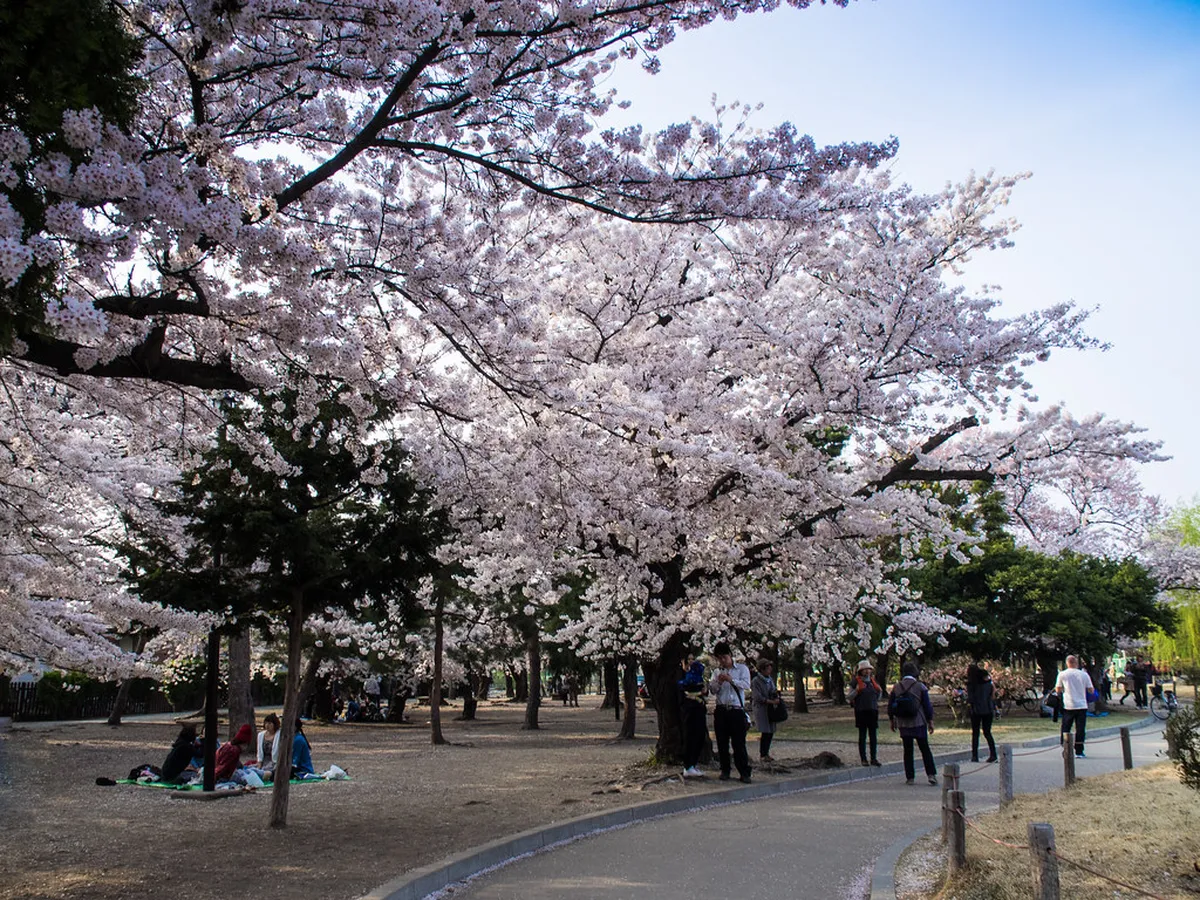
Spring is the headline season because cherry blossoms ring the moat and frame the black keep. Bloom timing changes each year, but early to mid-April is often the planning window. This is also one of the busiest times to enter the keep, so book timed tickets and arrive before the largest tour groups.
Autumn brings red and gold leaves, crisp air, and clearer mountain views. Late October into November is a strong choice if you care more about photography than festivals. Winter is quieter and can be spectacular after snow, but temperatures inside the wooden keep feel colder than the forecast suggests.
Summer gives you lush greenery, long daylight, and access to alpine side trips, though the castle grounds can feel hot in the afternoon. For seasonal trade-offs, event timing, and weather planning, compare this stop with the broader best time to visit Matsumoto guide, and check the cherry blossom dates if spring is your target.
How Long to Spend at Matsumoto Castle
Plan on 2-3 hours if this is your first visit. The keep itself often takes 45-60 minutes, but the moat loop, ticketing, shoe removal, stair bottlenecks, and photos add real time. During cherry blossom season, Golden Week, and Obon, the queue can add another hour or more.
A tight one-hour visit is possible if you only photograph the exterior and skip the keep. A half day is better if you want a volunteer guide, the museum, lunch nearby, and time on Nawate or Nakamachi streets. If you are coming from Tokyo for the day, build your schedule around your return train rather than assuming you can improvise late in the afternoon.
Overnight visitors have the easiest timing. See the castle in morning light, return after dinner for illuminated exterior views, and keep the middle of the day for food, shopping, or museums. A two-day stay also leaves room for Narai-juku, Azumino, or Kamikochi.
Is Matsumoto Castle Worth Visiting? (Pros and Cons)
Matsumoto Castle is worth visiting if you care about original architecture, mountain scenery, or a calmer alternative to Japan's biggest tourist cities. The keep feels different from reconstructed castles because the floors, beams, stairs, and defensive features are part of the original building. The view across the moat is also one of the most photogenic castle scenes in Japan.
The main drawback is accessibility. The park and exterior views are easy to enjoy, but the keep has steep stairs, low beams, no elevator, and narrow passing points. Travelers with limited mobility may prefer to skip the interior and spend more time on the moat loop, museum, and nearby streets.
For most visitors, Matsumoto works better as an overnight stop than a rushed Tokyo day trip. One full day covers the castle, Nakamachi, Nawate, dinner, and an evening view of the illuminated keep. Two days let you add a countryside side trip without turning the visit into a transport exercise.
Where to Stay in Matsumoto: Top Hotel Recommendations
Stay between Matsumoto Station and the castle if this is your first visit. That area keeps the Azusa train, restaurants, Nakamachi, Nawate, and the castle within easy walking distance. It also makes luggage handling simpler if you arrive from Tokyo and leave for Kamikochi, Takayama, or Nagano the next morning.
Iroha Grand Hotel Matsumoto Eki-Mae is a practical central choice, while Tabino Hotel lit Matsumoto is popular with travelers who want modern rooms and a public bath. For a more distinctive stay, Matsumoto Jujo in Asama Onsen pairs hot springs with design-focused lodging outside the city center. It works best if you are comfortable taking taxis or local buses.
The biggest reason to stay overnight is timing. You can see the castle before day-trippers arrive, then return after sunset for exterior photos without paying another entry fee. For neighborhood-by-neighborhood trade-offs, use the full Matsumoto hotel guide.
Beyond the Castle: Museums, Art, and Culture in Matsumoto
The castle is the anchor, but Matsumoto is strongest when you give the city a few extra hours. Nawate Shopping Street runs near the Metoba River and is known for snacks, small shops, and frog-themed souvenirs. Nakamachi-dori has white-walled kura storehouses that now hold cafes, craft shops, ceramics stores, and restaurants.
The Matsumoto City Museum of Art is the other major cultural stop, especially for Yayoi Kusama fans. Her polka-dot works make the museum an easy contrast to the castle's samurai-era architecture. If you want a simple route, walk castle to Nawate, cross toward Nakamachi, then continue to the museum before dinner.
Food is part of the city experience. Try local soba, oyaki dumplings, wasabi-flavored snacks, and craft beer at Matsumoto Brewery Taproom or Bacca Brewing. For a focused eating route after the castle, use the Matsumoto food guide instead of treating dinner as an afterthought.
Best Day Trips from Matsumoto: Narai-juku and Daio Wasabi Farm
Matsumoto is a strong base because the castle pairs easily with countryside trips. Narai-juku is the best historic option: a preserved Nakasendo post town with wooden inns, craft shops, and a quiet mountain setting. The train trip usually takes about one hour, and the Narai-juku guide explains the simple route via Shiojiri.
Daio Wasabi Farm in Azumino is better for scenery, food, and families. You can walk beside clear wasabi fields, see water wheels, and try wasabi soft serve or wasabi soba. The farm is easiest by taxi, rental bike, or a planned route from Hotaka Station, so check the Azumino day trip guide before relying on local buses.
If you have more time, add Kamikochi for alpine scenery or the Matsumoto-to-Takayama bus route for a cross-mountain onward journey. Those trips need earlier starts than Narai-juku or Azumino. Keep the castle on your first morning if the forecast is clear, then use the afternoon or following day for the wider Nagano region.
Frequently Asked Questions
Is Matsumoto Castle worth visiting?
Yes, it is absolutely worth visiting as one of Japan's few original wooden castles. The authentic interior and stunning mountain views offer a unique historical experience. It is a National Treasure that showcases genuine samurai architecture and defense strategy.
How do I get from Tokyo to Matsumoto?
The best way is taking the Limited Express Azusa train from Shinjuku Station. The journey takes about 2.5 hours and is covered by the JR Pass. You can also take a highway bus for a more affordable travel option.
Are the volunteer guides at Matsumoto Castle free?
Yes, the Alps Language Service Association (ALSA) provides free English-speaking guides. They are located near the main gate and offer deep historical insights. While free, small non-cash gifts like snacks are a polite gesture of thanks.
How much time do you need at Matsumoto Castle?
You should plan for at least two to three hours to explore the castle and grounds. This allows enough time to climb the steep stairs and visit the museum. Peak seasons may require extra time due to entry queues.
Matsumoto Castle is a must-see destination for anyone traveling through central Japan. Its combination of authentic history and stunning natural beauty is truly rare. Use this guide to plan your transport, booking, and photography for a smooth trip. Enjoy your journey to the historic Crow Castle and the charming city of Matsumoto.
Free: The Matsumoto Essentials guide
Top things to do, where to stay, a perfect day plan, getting around, and the best time to go — a Matsumoto mini-guide you can take offline.
You might also like


Continue reading
More guides you'll find useful