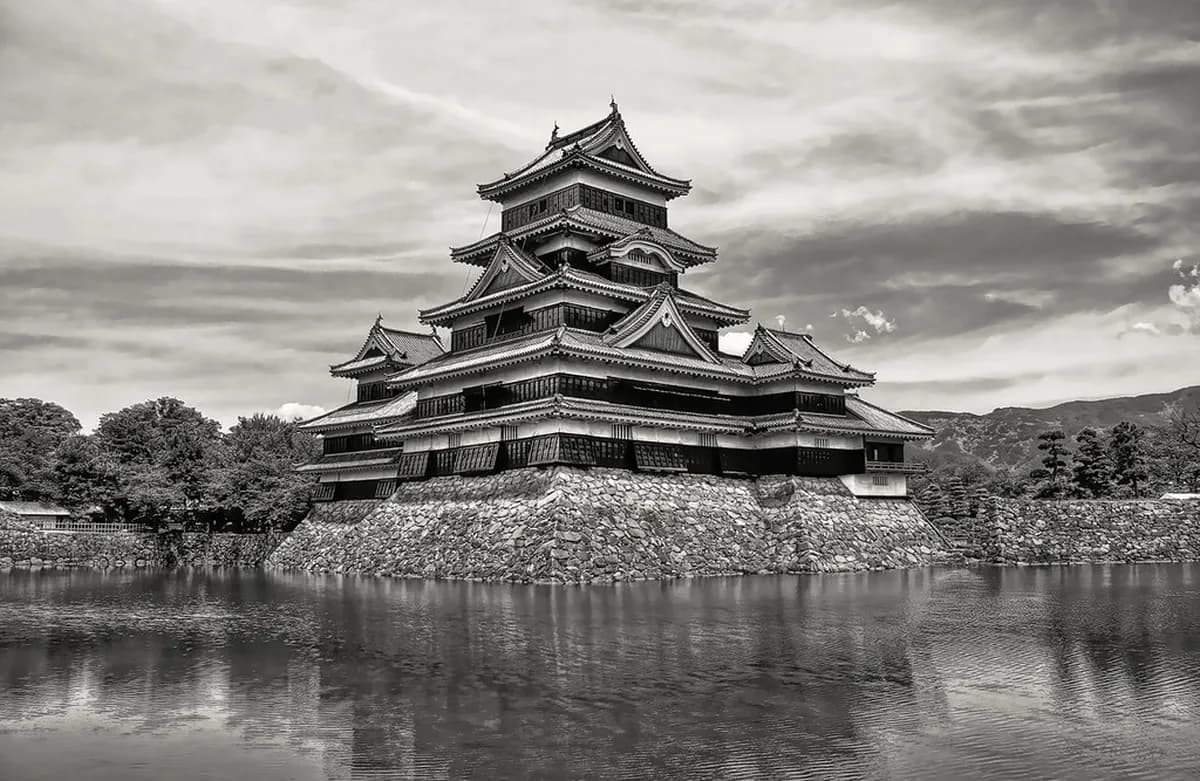
How to Get to Matsumoto from Tokyo: 9 Essential Travel Tips
Discover the fastest and cheapest ways to get to Matsumoto from Tokyo. Includes step-by-step Shinjuku Station navigation, JR Pass tips, and Mt. Fuji viewing advice.
On this page
The easiest way to get to Matsumoto from Tokyo in 2026 is the direct Limited Express Azusa from Shinjuku Station. It takes about 2 hours 40 minutes, costs around ¥6,620 (about €40), and avoids transfers. The best budget option is the Keio Highway Bus from Busta Shinjuku to Matsumoto Bus Terminal, which usually takes about 3 hours 15 minutes and costs from around ¥3,800 (about €23). For a broader regional view, also check the Takayama itinerary if you want to extend into the Japanese Alps.
Matsumoto is the main rail gateway to Matsumoto Castle, Kamikochi, the North Japan Alps, and the art museums around central Nagano Prefecture. The right route depends on whether you want speed, a lower fare, a Nagano stopover, or a rental car for mountain side trips. Build in extra time at Shinjuku, because the station is huge and the Azusa platforms are easy to miss if you arrive at the wrong gate.
Price the hybrid explicitly with the Tokyo–Matsumoto car vs train calculator: rail can win for the long leg while a station-area rental unlocks the wider Alps.
For most first-time visitors, the simplest plan is to reserve an Azusa seat, enter Shinjuku Station through the Lumine 2 side, follow signs for Platform 10, and walk or take the Town Sneaker bus after arriving at Matsumoto Station. If you are continuing to Kamikochi, Takayama, or Azumino, check onward bus times before choosing your Tokyo departure.
Which Route Should You Choose?
The Azusa train is the best default choice because it is direct, frequent, and covered by the Japan Rail Pass. The highway bus is slower but usually cheaper, especially if you are traveling outside peak holidays. The Shinkansen via Nagano is useful only when you want to include Nagano City or when the direct Azusa is sold out.
| Route | Typical time | Typical one-way fare | Best fit |
|---|---|---|---|
| Limited Express Azusa from Shinjuku | About 2 hours 40 minutes | About ¥6,620 / €40 | Fastest direct route and easiest with a JR Pass |
| Keio Highway Bus from Busta Shinjuku | About 3 hours 15 minutes | From about ¥3,800 / €23 | Lowest fare and simple arrival at Matsumoto Bus Terminal |
| Hokuriku Shinkansen to Nagano, then Shinano | About 3 hours or more | About ¥11,000 / €66 | Nagano stopovers or backup when Azusa seats are full |
| Rental car via Chuo Expressway | About 3 to 4 hours before stops | Tolls, fuel, and rental fees vary | Groups visiting mountain areas beyond the city |
If you are choosing by comfort, the train wins because you can stand up, use station facilities before boarding, and avoid highway traffic. If you are choosing by total trip cost, the bus is usually the better value. For a same-day return to Tokyo, choose the Azusa and book both directions early.
The Limited Express Azusa: Fastest Direct Route
The Japan Rail Pass covers the Limited Express Azusa in full, and seat reservations are free for pass holders. Book your reserved seat at a JR ticket office before boarding — seats in the unreserved cars fill quickly on weekends and during cherry-blossom or autumn-foliage weeks.
The Limited Express Azusa runs from Shinjuku Station to Matsumoto Station on the JR Chuo Honsen Line. It is the primary direct rail link between Tokyo and Matsumoto, with regular daytime departures and no change of trains. The ride usually takes about 2 hours 40 minutes, though exact timing varies by service.
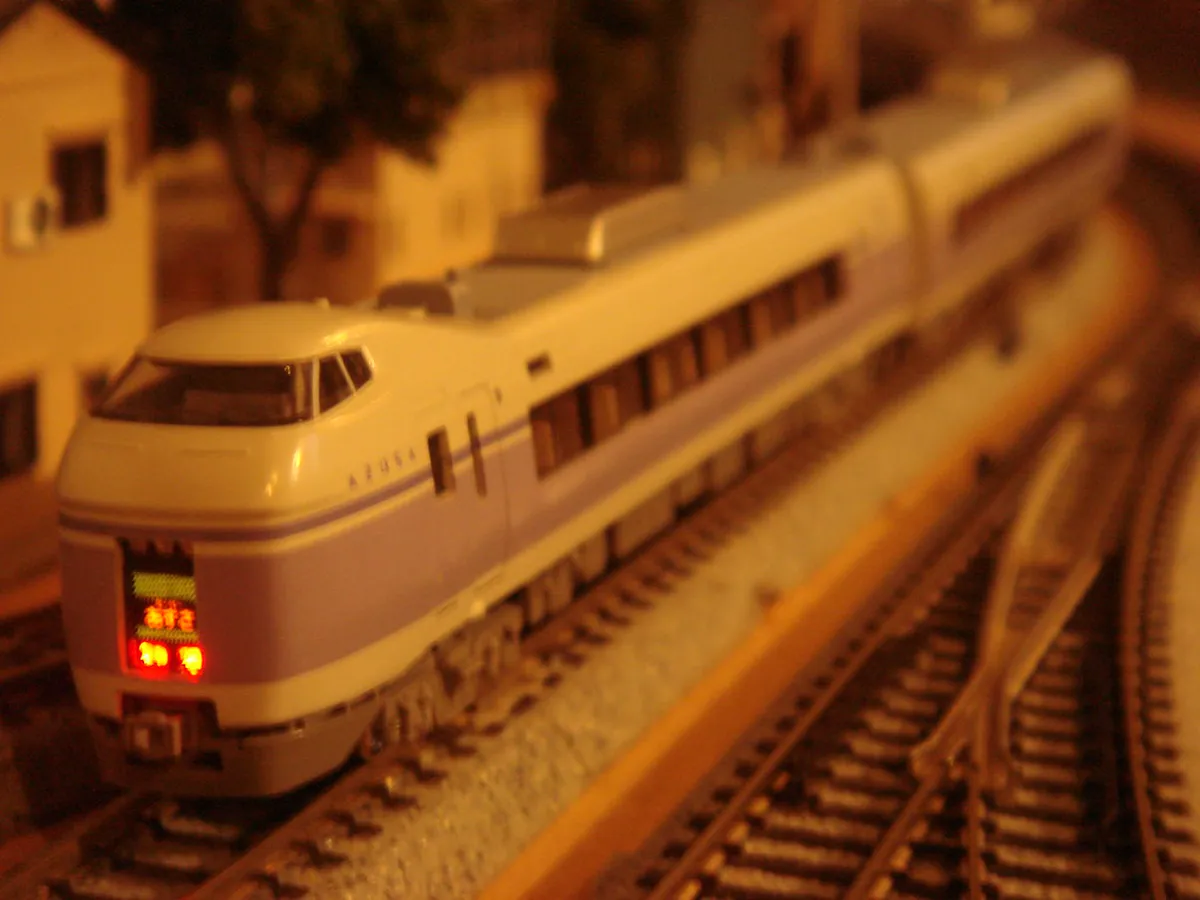
Reserve a seat if you are traveling on a weekend, during cherry blossom season, around Golden Week, during Obon, or in the autumn foliage period. Ordinary reserved seats are comfortable enough for the full ride, and Green Car seats are available on some services if you want more space. Keep your ticket handy because you may need both the base fare and limited express ticket when entering or exiting.
For the best scenery, book a seat on the left side when leaving Tokyo. On clear days, you may see Mount Fuji before the line turns deeper into Yamanashi and Nagano. Later in the trip, the valley scenery becomes the bigger attraction as the train climbs toward the Japanese Alps.
Navigating Shinjuku Station: Finding Platform 10
Shinjuku Station is the part of this journey where most mistakes happen. The practical shortcut is to use the Lumine 2 entrance on the south side of the station, near the bus terminal side of the complex. From the street, look for the Lumine 2 building signs, enter by the JR ticket gates, and avoid crossing the whole station from the west or east exits.
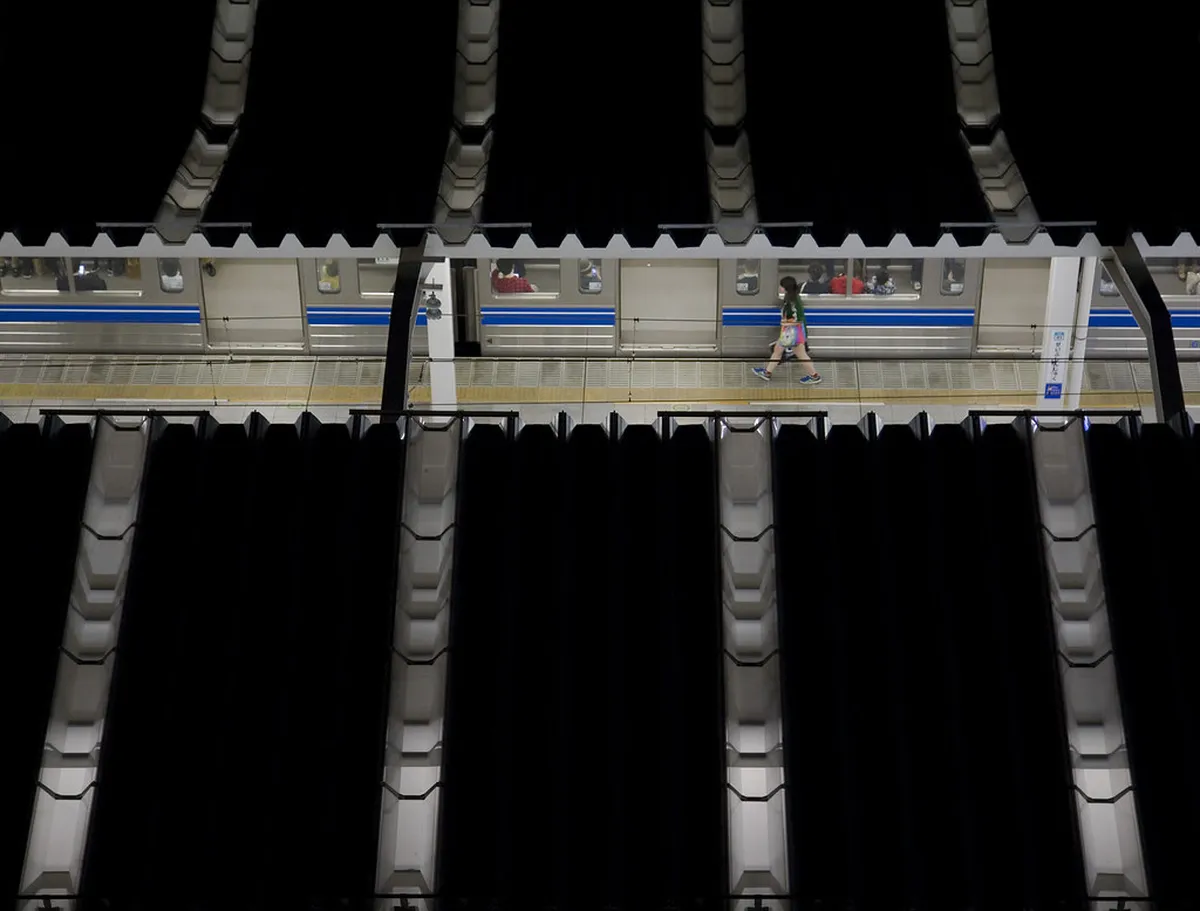
The Azusa usually departs from Platform 10, but always confirm on the overhead departure board before going down to the platform. The train name should show as Azusa, and the destination should be Matsumoto or a stop beyond it on the same service. Platform changes are uncommon but possible, especially during disruptions.
Arrive at Shinjuku at least 20 to 30 minutes before departure if you already have tickets, and earlier if you still need to buy or collect them. After the gates, follow the signs for the Chuo Line Limited Express area, find your car number on the floor markings, and wait behind the yellow line. Matsumoto is the terminal station for many Azusa services, so the arrival is straightforward once you are on board.
- Use Lumine 2 if you want the least confusing approach to the JR gates.
- Check the board for Platform 10, departure time, train name, and car number.
- Buy snacks before boarding; the platform kiosks are useful but can be crowded near departure.
- Store large luggage in end-of-car racks when available, and keep valuables at your seat.
Highway Buses: The Best Budget-Friendly Option
The Keio and Alpico highway buses from Shinjuku are the strongest budget alternative to the train. They usually depart from Busta Shinjuku, the express bus terminal above the south side of Shinjuku Station, and arrive at Matsumoto Bus Terminal beside Matsumoto Station. The ride is commonly around 3 hours 15 minutes, though traffic can add time on Fridays, Sundays, and holiday periods.
Fares often start around ¥3,800 (about €23), making the bus much cheaper than the Azusa for travelers without a rail pass. Seats are reserved, luggage goes in the hold, and many buses have reclining seats and charging points. Book ahead if you are traveling to Matsumoto for castle events, summer mountain access, or autumn weekends.
The bus works well when your hotel is near the station or when you want to connect onward by Alpico bus. It is less ideal for tight same-day sightseeing because highway delays can eat into your castle or museum time. Check Alpico Bus Timetables if Matsumoto is your transfer point for Kamikochi or the North Alps.
The Shinkansen Route: Traveling via Nagano
There is no direct bullet train from Tokyo to Matsumoto. The Shinkansen route means taking the Hokuriku Shinkansen from Tokyo Station or Ueno Station to Nagano Station, then changing to the Limited Express Shinano for Matsumoto. The total trip usually takes about 3 hours or a little longer once transfer time is included.
This route costs roughly ¥11,000 (about €66), so it is not the best value for a simple Tokyo-to-Matsumoto transfer. It becomes useful if you want to visit Nagano City, connect from the Hokuriku side of Japan, or avoid Shinjuku during a disruption. The transfer at Nagano Station is clear, with shops and bento stands if you have a longer wait.
If you choose this route with oversized luggage, read the current JR Luggage Rules before departure. Some Shinkansen oversized luggage spaces require advance reservation, and the rules are stricter than on the Azusa. For ordinary suitcases, the Azusa is usually simpler because you avoid the bullet train luggage reservation issue altogether.
Driving from Tokyo: Routes and Rental Tips
Driving from Tokyo to Matsumoto makes sense if you are traveling as a group or heading to rural areas that are awkward by train. The normal route uses the Chuo Expressway through Yamanashi and Nagano, with a driving time of about 3 to 4 hours before rest stops. Tolls, fuel, and rental costs usually make it more expensive than the bus or train for solo travelers.
You need a valid International Driving Permit or an accepted Japanese translation of your license, depending on your country. Winter driving can be difficult around Nagano, and some mountain roads require snow tires or chains. If your plan includes Kamikochi, remember that private cars are restricted on the final access road during the main season, so you still need to use a bus or taxi from the designated transfer points.
For city sightseeing only, do not rent a car. Matsumoto Castle, Nawate Street, Nakamachi Street, and central restaurants are easy on foot from the station. Use a car only when the route includes day trips from Matsumoto such as Azumino, rural onsen, trailheads, or multiple family stops outside the compact city center.
How to Buy Tickets and Use the JR Pass
You can buy Azusa tickets at JR reserved-seat ticket machines, JR ticket offices, or through official online JR booking channels where available. At the machine, switch to English, choose a limited express train from Shinjuku to Matsumoto, and select reserved or unreserved seating if both are offered for your service. A full one-way journey normally includes a base fare plus a limited express supplement.
The Japan Rail Pass covers the Limited Express Azusa, so pass holders should reserve a seat before boarding. Seat reservations are free with the pass, but you still need the reservation record or ticket. Carry your passport because staff may ask to confirm pass eligibility.
IC cards such as Suica and Pasmo are useful around Tokyo and for some local payments, but do not treat them as a complete replacement for a limited express ticket to Matsumoto. For buses, book through the highway bus operator or terminal counter and arrive early enough to find the correct bay at Busta Shinjuku. If you are building a wider route, compare this trip with the main Matsumoto attractions guide before locking your schedule.
- Reserve Azusa seats at least one day ahead during busy travel weeks.
- Keep both your base fare and limited express ticket until you exit Matsumoto Station.
- Charge your IC card with at least ¥2,000 for local buses, lockers, and small purchases.
- Save your hotel address in Japanese so station or taxi staff can help quickly.
Local Transport in Matsumoto: Castle, Museums, and Buses
Matsumoto Station is much easier to navigate than Shinjuku. After you leave the platforms, go upstairs to the central exit area. The Castle Exit points toward Matsumoto Castle, central hotels, restaurants, Nawate Street, and Nakamachi Street, while the Alps Exit is better for some bus and taxi connections.
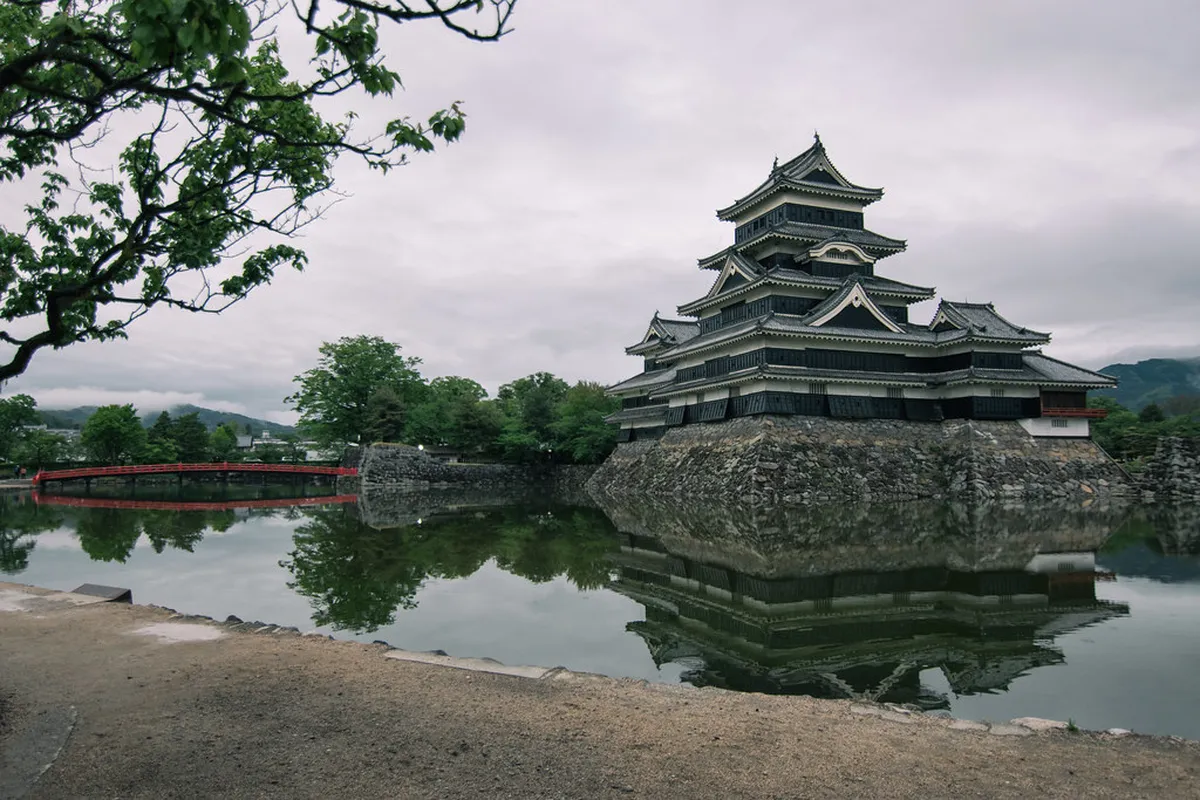
Matsumoto Castle is about a 15 to 20 minute walk from the station, and the route is signposted in English. If you are short on time or traveling with children, take the Town Sneaker loop bus instead. The castle is the key arrival landmark, so use our Matsumoto Castle guide to plan entry timing before you commit to a day-trip schedule.
The Town Sneaker buses also help with museums and neighborhoods beyond the immediate station area. A day pass can be good value if you plan multiple short hops, while a taxi is easier for late evenings or heavy luggage. For a fuller arrival plan, pair this transport guide with a Matsumoto itinerary that groups sights by walking distance.
Local Culture: Museums and Yayoi Kusama’s Art
Matsumoto is the birthplace of Yayoi Kusama, and that matters even if your main goal is transport. The Matsumoto City Museum of Art displays her work, and some local Town Sneaker buses use bold dot patterns that echo her visual style. This makes the bus more than a shuttle; it connects the station, the museum, and the city's identity in one simple loop.
Use the museum as a second anchor after the castle if you arrive before lunch. The walk from the station is manageable, but the bus saves energy when the weather is hot, rainy, or snowy. Families often find this easier than trying to cover every central sight on foot.
Leave time for local food near Nawate Street, Nakamachi Street, or the station before heading back to Tokyo. Soba is the classic Nagano choice, but the city also has cafes, craft beer, and casual izakaya within a short walk of the Castle Exit. For specific meals, use our Matsumoto food guide after you choose your train home.
Last Trains, Luggage, and Onward Alpico Connections
Last Azusa departure times vary by date and season — confirm the final return train at Matsumoto Station before you leave the station area. If you plan dinner before heading back to Tokyo, reserve your return seat first and work backward from that departure time.
The most common day-trip mistake is planning the castle, dinner, and return train without checking the final departures. Last Azusa times can change by date, so confirm the schedule at Matsumoto Station before you leave the station area. If you want dinner before returning to Tokyo, reserve your return seat first and work backward from that time.
Coin lockers are available around major stations, but large lockers can fill during holidays and event weekends. If you are staying overnight, dropping bags at your hotel is usually easier than dragging them through the castle approach. For meeting points or guided tours, the JR office and Starbucks area inside Matsumoto Station is a common landmark, and Matsumoto Experience meeting point details can help you orient yourself.
If Matsumoto is only a transfer stop, study Alpico schedules before you leave Tokyo. Kamikochi access usually requires a train or bus connection through Shin-Shimashima, and seasonal mountain buses do not run like city buses. A day trip to Kamikochi is very doable, but it works best when your Tokyo arrival, lockers, and onward bus times are planned together.
Travelers staying overnight have more room for mistakes and better access to early mountain departures. That is especially useful for Kamikochi, Norikura, Azumino, or a later bus toward Takayama. Compare neighborhoods in where to stay in Matsumoto if you want to use the city as a base instead of a quick stop.
Frequently Asked Questions
What is the fastest way to get from Tokyo to Matsumoto?
The Limited Express Azusa is the fastest way to reach the city. It takes 2.5 hours and goes directly from Shinjuku Station. A one-way ticket costs ¥6,620 / ~$45.
Does the JR Pass cover the Limited Express Azusa?
Yes, the JR Pass covers the full cost of the Azusa train. You must visit a ticket office to reserve your seat. This reservation is free for pass holders.
Is there a direct bullet train from Tokyo to Matsumoto?
There is no direct bullet train to the city. You must take the Shinkansen to Nagano and then transfer. Most travelers prefer the direct Azusa train instead.
Getting to Matsumoto is a straightforward journey with the right planning. The Limited Express Azusa offers the best balance of speed and comfort. I hope these tips help you enjoy your time in the mountains. Safe travels on your upcoming trip to this beautiful historic city.
Free: The Matsumoto Essentials guide
Top things to do, where to stay, a perfect day plan, getting around, and the best time to go — a Matsumoto mini-guide you can take offline.
You might also like


Continue reading
More guides you'll find useful