

Matsumoto to Kamikochi Day Trip: 8 Essential Tips & Bus Times
Private cars can't enter Kamikochi, so sort transport first: Alpico train, Shin-shimashima bus, return-bus timing, Seiriken tickets and bear safety.
On this page
A Matsumoto to Kamikochi day trip works best when you solve the transport first and build the hiking plan around the return bus. Kamikochi sits inside Chubu Sangaku National Park, and private cars cannot drive into the valley. For planning how many days in Matsumoto you'll need, factor in this adventure—most independent travelers use Alpico's Matsumoto train and Shin-shimashima bus connection.
For 2026, the winning plan is simple: leave Matsumoto early, get off at Taisho Pond, walk north along the Azusa River, and secure your return bus seat before you relax at Kappa Bridge. This guide focuses on the details that prevent a stranded or rushed day. Pair it with this Matsumoto itinerary if you are arranging two or three nights in the city.
Master the Logistics: Getting to Kamikochi from Matsumoto
The standard route is Matsumoto Station to Shin-shimashima Station by Alpico Kamikochi Line train, then Shin-shimashima to Kamikochi by bus. The train takes about 30 minutes and the mountain bus takes about 60 to 65 minutes. The full one-way trip usually lands near two hours with ticketing and the transfer.
The JR Pass does not cover the Alpico Kamikochi Line or the mountain buses — buy a separate round-trip ticket at Matsumoto Station. The train-plus-bus route (Track 7) is non-reserved outbound and gives more schedule flexibility than the direct reservation-only coach.
Buy the round-ticket for the Kamikochi Line at Matsumoto Station or the Alpico Plaza counter before boarding. The official guidance is to buy the full round-ticket in Matsumoto because separate segment tickets are slower and can cost more. The JR Pass does not cover this route because Alpico operates it.
There are two ways to do the trip. The direct Matsumoto to Kamikochi bus is reservation-only, easier with luggage, and less flexible if you miss the booked departure. The train-plus-bus route is non-reserved outbound, uses Track 7 at Matsumoto Station, and gives day trippers more chances to recover from a late start.
Check the Timetables for trains and buses the week you travel because Kamikochi opens seasonally from mid-April to mid-November. Summer holidays and October foliage days change the crowd picture quickly. If you also want the castle, keep it for a separate day and use this Matsumoto Castle guide before or after your mountain day.
Navigate the Transfer at Shin-shimashima Station
Shin-shimashima is the end of the Alpico Line, so you cannot miss the stop. The station is small, and the bus stands are directly outside the train exit. On busy mornings, staff usually guide passengers toward the Kamikochi queue.
The transfer window often looks tight on paper, sometimes only 5 to 15 minutes, but it is designed around the arriving train. Keep your ticket ready, skip the restroom unless the line is empty, and follow the crowd to the bus bays. If you travel with children or older relatives, stand near the train door before arrival.
Sit near the front if winding roads make you carsick. The road climbs through tunnels and forest before reaching the valley, and traffic can slow near Sawando on peak weekends. The most useful safety margin is on the return, when everyone leaves in the same late-afternoon window.
Follow the Ideal 1-Day Hiking Itinerary
| Time | Segment | Notes |
|---|---|---|
| 6:30–7:15 | Matsumoto → Shin-shimashima (train) | ~30 min; Alpico Kamikochi Line, Track 7 |
| 7:15–8:20 | Shin-shimashima → Taisho Pond (bus) | ~60–65 min; keep ticket ready |
| 8:30–12:00 | Taisho Pond → Kappa Bridge (walk) | ~2–3 hr with photo stops |
| 12:00–13:00 | Lunch near Kappa Bridge | Pre-packed bento or on-site cafe |
| 13:00–15:30 | Kappa Bridge → Myojin Pond (optional) | +2 hr if you arrived early |
| 16:00–18:30 | Return bus → Matsumoto | Collect seiriken on arrival; leave 1 hr buffer |
A strong day starts with a train around 6:30 to 7:15 and reaches Kamikochi before the heaviest tour bus arrivals. Get off at Taisho Pond instead of riding all the way to Kamikochi Bus Terminal. This puts the Hotaka Mountain Range and Azusa River in front of you.
Plan the morning for Taisho Pond, Tashiro Pond, Tashiro Bridge, and the flat walk to Kappa Bridge. A steady walker can reach Kappa Bridge in about two hours, but photo stops can stretch that closer to three. Use the Official Kamikochi Trail Map before leaving Matsumoto so you know which side trails are realistic.
After lunch, decide whether to continue to Myojin Pond or stay near Kappa Bridge and the bus terminal. Myojin Pond and Hotaka Shrine add roughly two hours of walking plus the shrine entry fee, so they are best if you arrived early and already collected your return boarding ticket. If clouds drop over the peaks, the riverside around Kappa Bridge is still a complete day trip.
- 6:30 to 9:15: Matsumoto to Taisho Pond by train and bus.
- 9:30 to 12:00: Walk Taisho Pond, Tashiro Pond, Tashiro Bridge, and Kappa Bridge.
- 12:00 to 13:00: Lunch near Kappa Bridge or beside the Azusa River.
- 13:00 to 15:30: Continue to Myojin Pond or relax near the central valley.
- 16:00 to 18:30: Return to Matsumoto with one hour of buffer.
Explore the Best Trails from Taisho Pond to Kappa Bridge
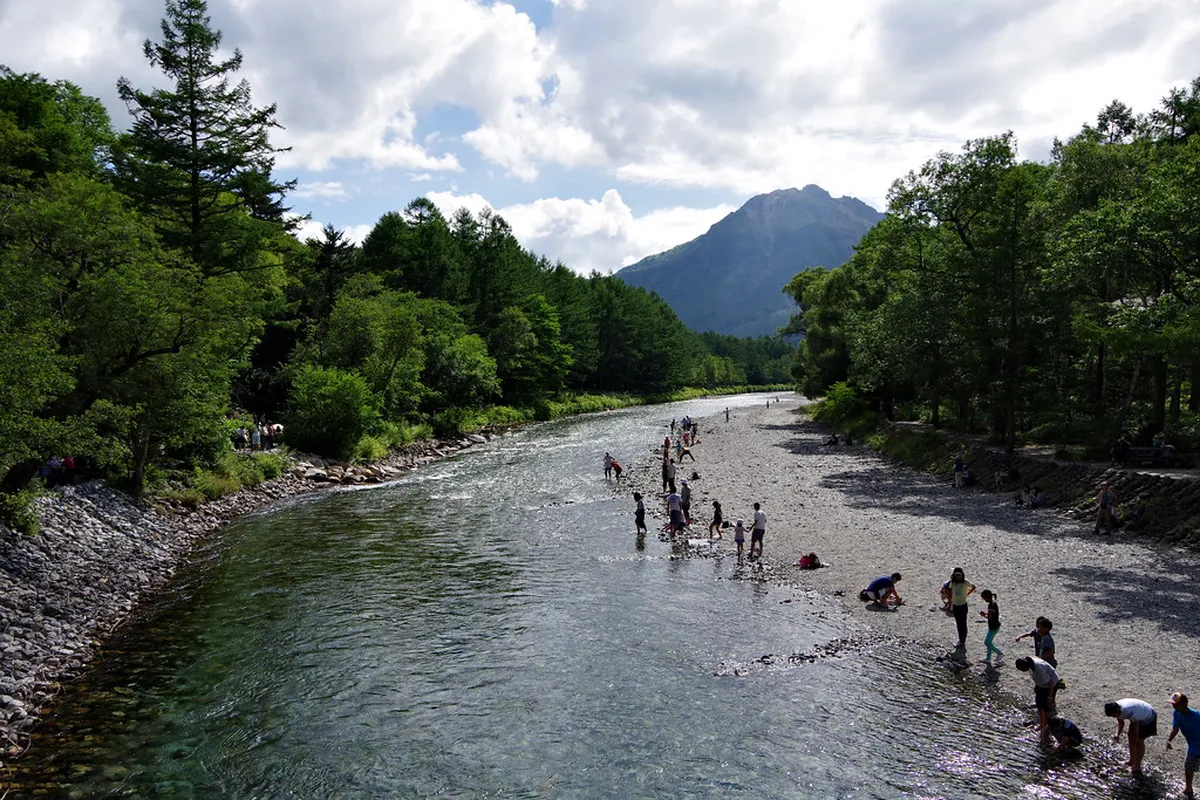
The classic nature walk begins at Taisho Pond, which was formed after the 1915 eruption of Mt. Yakedake. On calm mornings, the pond reflects the Hotaka Peaks and dead tree trunks standing in the water. From there, the trail passes forest, boardwalk, and open river views before reaching Tashiro Bridge.
The path from Taisho Pond to Kappa Bridge is beginner-friendly but not perfectly paved. Expect gravel, damp boards, exposed roots, and occasional muddy sections after rain. Sneakers with grip are enough for the main valley, but sandals are a poor choice even in July.
Kappa Bridge is the busiest point because it sits close to hotels, cafes, shops, and Kamikochi Bus Terminal. Treat it as a navigation anchor rather than the whole destination. If you want a quieter walk, cross the river and continue toward Myojin Bridge, where the crowds thin and the forest feels more alpine.
Prepare for the Elements: Bear Safety and Gear
Kamikochi is about 1,500 meters above sea level, so the temperature can feel much cooler than Matsumoto even on a summer day—check the Matsumoto weather by month and add 10°C buffer. Weather changes quickly when cloud builds around the Hotaka ridge. Bring layers rather than trusting the city forecast.
Bear sightings are a normal part of Kamikochi safety information, especially around quieter forest sections and the Myojin area. Walk in daylight, stay on marked trails, ring the large trail bells when you pass them, and consider carrying a small bear bell. Do not eat while walking through dense forest, and never approach macaques or other wildlife for photos.
- Pack a light rain shell, a warm layer, water, and a compact towel.
- Wear covered walking shoes with decent grip for gravel, boardwalks, and wet roots.
- Bring cash for shrine entry, snacks, and small food counters that may not accept cards.
- Use sunscreen and a hat because open river sections can be bright even when the air feels cool.
- Check seasonal opening dates because public access normally stops from mid-November until mid-April.
Plan Your Meals: Taking Lunch at Kamikochi
The easiest lunch strategy is to buy a bento, onigiri, or bakery items at Matsumoto Station before you board the Alpico Line. Restaurants around Kappa Bridge are useful in bad weather, but they are limited, expensive, and busiest from about 11:30 to 13:30. A picnic gives you more control over the hiking schedule.
If you do eat in the valley, aim for an early lunch or a late lunch after the first rush. Hotel cafes near Kappa Bridge often have curry, soba, sweets, and coffee, while smaller counters near Myojin may close earlier or sell out. Carry your rubbish back out unless a facility clearly accepts it.
Water is available around the central facilities, but you should start with a full bottle. This matters if you continue beyond Kappa Bridge because services thin out as the trail moves toward Myojin. The best budget move is simple: breakfast in Matsumoto, packed lunch in the valley, dinner back in the city.
Secure Your Return: Numbered Boarding Tickets (Seiriken)
Collect your numbered return boarding ticket (seiriken) from the Kamikochi Sight Seeing Center window as soon as you arrive. If you miss the last bus, accommodation in the valley is limited, often fully booked, and much more expensive than Matsumoto.
The return bus is the part of the day most first-time visitors underestimate. When you arrive at Kamikochi Bus Terminal, go to the Kamikochi Sight Seeing Center window and ask for a numbered boarding ticket, or seiriken. This paper assigns you to a return bus time and helps staff control boarding when the valley empties out.
Think of the seiriken as your return seat claim, separate from the fare ticket you bought in Matsumoto. Keep both pieces of paper dry and easy to reach. Arrive back at the terminal at least 10 minutes before departure, and earlier on October weekends when queues form before staff start calling numbers.
Choose your return time by season, not by optimism. On summer weekdays, a 16:00 to 16:30 return usually gives enough daylight for Taisho Pond, Kappa Bridge, and a relaxed central walk. During autumn foliage, holidays, or rainy days when everyone leaves early, choose a bus one hour before your absolute latest acceptable departure.
If you miss the final bus, the problem is expensive rather than merely inconvenient. Accommodation in Kamikochi is limited, often booked well in advance, and much pricier than Matsumoto. For budget travelers, this is the single strongest reason to collect the seiriken immediately on arrival.
Manage Luggage and Ticket Value Before You Board
The least discussed day-trip problem is luggage. Matsumoto Station is the better place to store suitcases because lockers are easier to find before the morning rush and you avoid loading bags onto a crowded mountain bus. Kamikochi Bus Terminal has baggage storage, but travelers should not count on coin lockers there.
If you are changing hotels the same day, leave large bags in Matsumoto and carry only a day pack. A 20-liter pack is enough for layers, lunch, water, and valuables. Families should keep hands free for the Shin-shimashima transfer and the first walk from Taisho Pond, where paths can be narrow.
For tickets, the normal round-ticket is best for a simple Matsumoto to Kamikochi day trip. The Alpico 2-day Free Passport starts making sense when you add Norikura, Shirahone Onsen, or another covered bus route within the pass window. If your only plan is Kamikochi and back, put the savings toward food or an extra night in Matsumoto.
Decide Your Base: Matsumoto vs. Takayama
Matsumoto is the better base if you are coming from Tokyo, Nagoya, or central Nagano and want a clean day trip. The city has more evening food options, easier luggage storage, and fast access to the Alpico Line. Staying in town also lets you recover after the hike instead of crossing the mountains late in the day.
Takayama makes more sense if your route is moving through Gifu, Shirakawa-go, Kanazawa, or Toyama. Do not assume a Matsumoto-to-Takayama highway bus will stop at Kamikochi, because many intercity buses do not. If you want to visit Kamikochi while crossing the Alps, plan separate tickets into and out of the valley.
For most first-time travelers, Matsumoto plus a day trip is enough. Book accommodation near the station if the Kamikochi day is your priority, then use this where to stay in Matsumoto guide to choose a practical base. If you still have another day, compare seasons with the best time to visit Matsumoto guide before adding Azumino, Narai-juku, or Norikura.
A Matsumoto to Kamikochi day trip is easy when you treat transport as part of the itinerary instead of an afterthought. Start early, use the Shin-shimashima transfer with confidence, collect the seiriken on arrival, and keep a one-hour buffer for the return. That gives you enough time for Taisho Pond, Kappa Bridge, and the Azusa River without gambling on the last bus. The route pairs well with broader trips through Nagoya and Tokyo.
See our Matsumoto attractions guide for the broader city overview.
Frequently Asked Questions
What is the best month for a Kamikochi day trip?
Late May and mid-October are the best times to visit for scenery. I recommend checking the Matsumoto food guide for seasonal specialties during these months. The weather is mild and the colors are vibrant.
Do I need hiking boots for the valley trails?
Standard sneakers are fine for the main paths near the river. If you plan to hike toward the higher peaks, sturdy boots are necessary. Most valley trails consist of flat gravel or wooden boardwalks.
Can I use my JR Pass for the trip to Kamikochi?
No, the Alpico Line and the buses are private transport companies. You must purchase a separate ticket at the Matsumoto Station machines. The JR Pass only covers travel to and from Matsumoto city.
Free: The Matsumoto Essentials guide
Top things to do, where to stay, a perfect day plan, getting around, and the best time to go — a Matsumoto mini-guide you can take offline.
You might also like


Continue reading
More guides you'll find useful


