Best Time to Visit Matsumoto: Seasonal Guide & Travel Tips
Discover the best time to visit Matsumoto for cherry blossoms, autumn leaves, and snow. Includes seasonal weather charts, castle highlights, and local travel tips.
On this page
The best time to visit Matsumoto is mid-April for cherry blossoms, late May to early June for mild weather, or October to early November for clear skies and autumn color. Winter is quieter and beautiful when snow settles on Matsumoto Castle, but Alpine day trips become limited. Updated for 2026 with ease-of-access tips from Tokyo, this guide focuses on the city, the castle, and the day trips that actually change your timing decision. Compared to Osaka, Kanazawa offers a cooler mountain feel year-round.
Matsumoto sits in Nagano Prefecture at the edge of the Japanese Alps, so it feels cooler and drier than Tokyo in many months. The city itself is compact, walkable, and easy to enjoy in one or two days. The wider region is the reason many travelers stay longer, especially for Kamikochi, Narai-juku, Azumino, and seasonal hiking.
Best Time to Visit Matsumoto by Season
Spring is best for photography and mild weather. Cherry blossoms around Matsumoto Castle usually peak in early to mid-April, with the exact week shifting by winter temperatures. The Kurumatsunagi no Sakura near the castle is the specific tree to look for if you want the classic black keep, pink blossom, and moat composition. For broader seasonal context, the official seasonal guide covers weather and packing by month.
Summer is best for Alpine access. June brings rain, but July and August open the strongest options for Kamikochi and higher mountain routes. The National Treasure Matsumoto Castle Taiko Drum Festival is usually held in late July, and summer evenings stay more comfortable here than in Tokyo or Kyoto.
Autumn is best for clear skies, soba, and day trips. City foliage usually improves through October, while nearby valleys and post towns can stay colorful into November. This is the most reliable season for a Narai-juku day trip from Matsumoto, because the weather is crisp without the blossom-season crowd pressure.
Winter is best for low crowds and snow scenery. The city is cold, often around -5 to 7°C / 23 to 45°F, but Matsumoto Castle looks dramatic after snowfall. The castle ice sculpture festival normally falls in January or February, while Kamikochi and many high mountain lodges remain closed until spring.
Crowd vs. Weather Comparison
The best weather and the easiest travel months are not always the quietest months. April and October are the safest recommendations for first-time visitors, but they bring higher hotel demand and busier castle grounds. Late May and early June are the practical compromise if you want green scenery, lighter crowds, and less risk of cold nights.
Golden Week in late April and early May is the main date range to avoid if you dislike crowds. Weekends during blossom and foliage periods also push up room rates, especially near the station and castle. Winter has the best value, but it is only a good trade if your plan is city sightseeing rather than high-altitude hiking.
| Season | Weather | Crowds | Prices | Events | Best for |
|---|---|---|---|---|---|
| Spring (April-May) | 10–20°C / 50–68°F | High | High | Cherry Blossoms | Photography |
| Summer (June-Aug) | 20–30°C / 68–86°F | Moderate | Moderate | Taiko Festival | Hiking |
| Fall (Sept-Nov) | 10–21°C / 50–70°F | High | Moderate | Soba Festival | Fall Foliage |
| Winter (Dec-Mar) | -5 to 7°C / 23–45°F | Low | Low | Ice Sculptures | Snow Scenery |
Matsumoto Castle: A Four-Season Highlight Guide
Cherry blossoms at Matsumoto Castle peak in early to mid-April. The Kurumatsunagi no Sakura tree near the moat is the classic spot for the black-keep-and-blossom composition. October is the second-best window for clear Alpine views and autumn color.
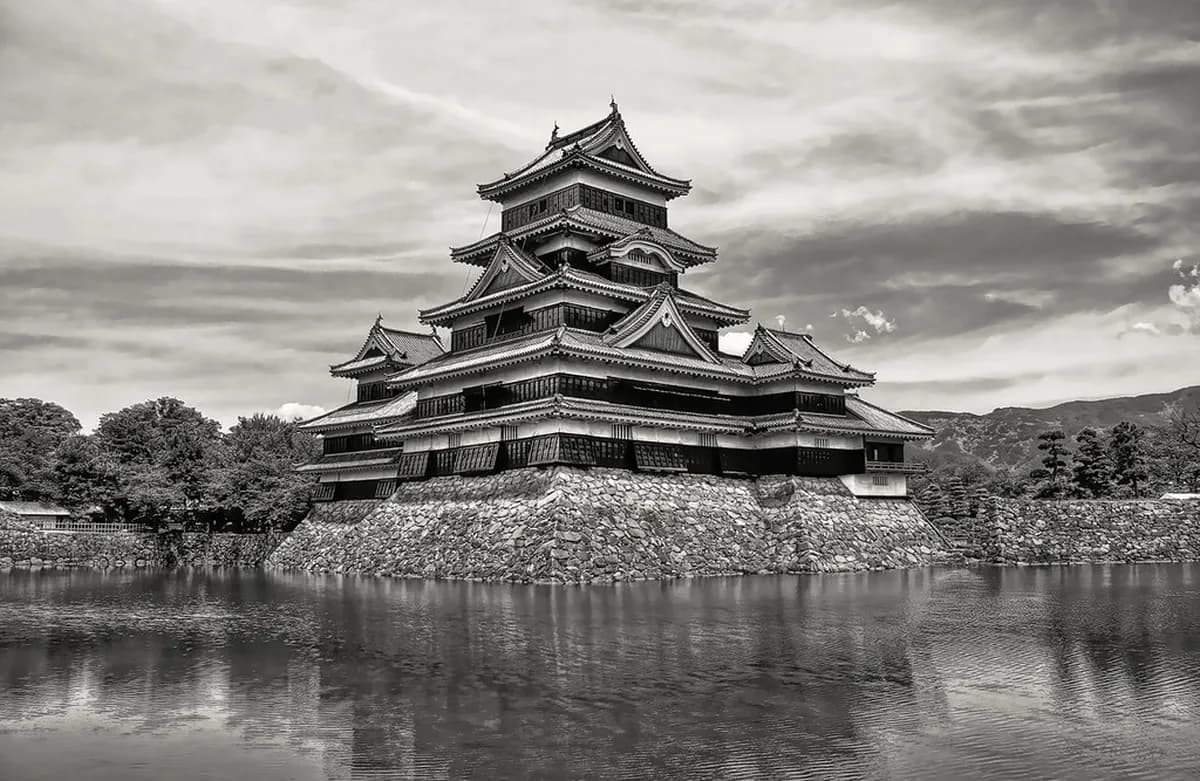
Matsumoto Castle is the reason many travelers choose the city over Nagano for a short stop. It is one of Japan's remaining original wooden castle keeps, with black siding that gives it the popular Crow Castle nickname. The best photo light is usually morning from the moat side, while sunset works well from elevated spots near the city center if the Alps are clear. The official castle page is the best place to check access and opening details.
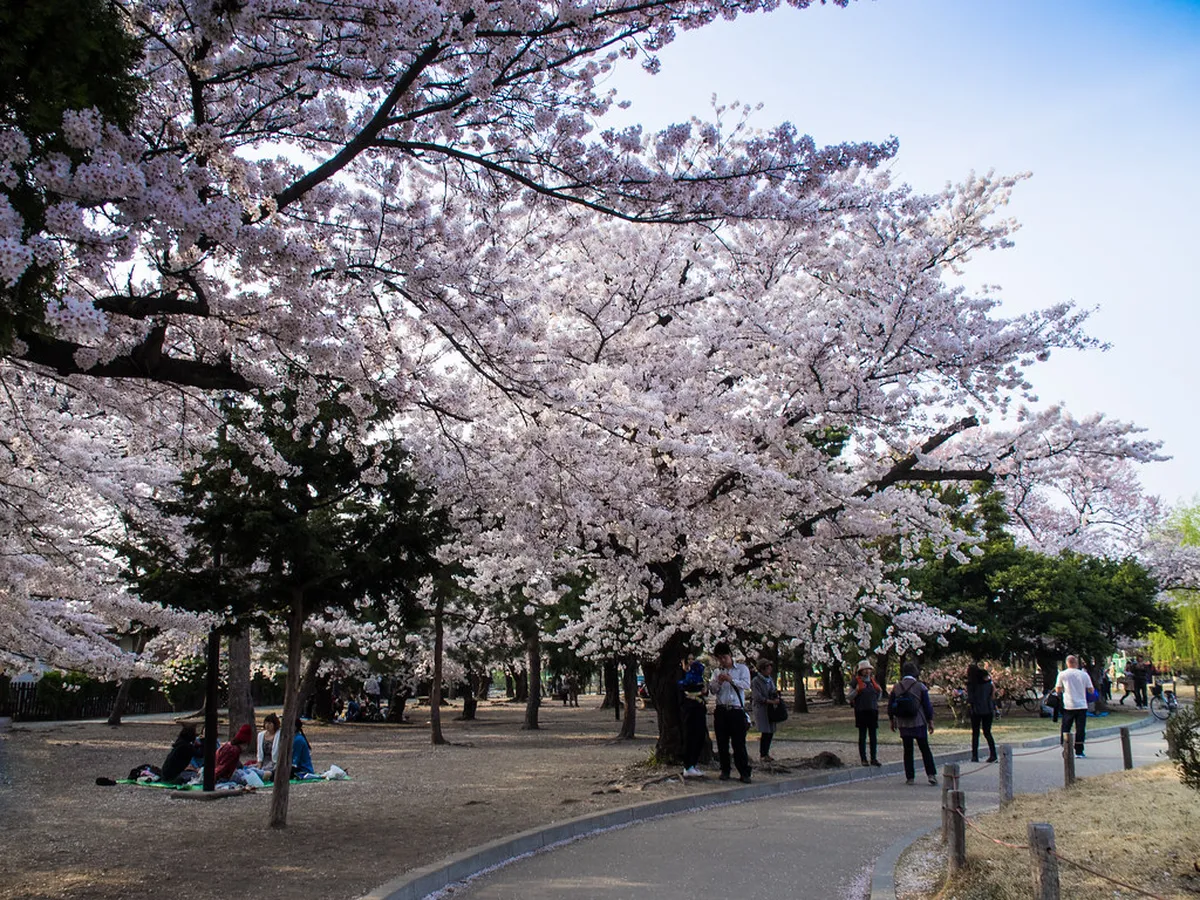
In spring, the castle's blossom events often begin a few days after the official bloom declaration and run for about a week. In summer, the castle becomes a backdrop for drum performances and evening events. In autumn, the moat, maples, and blue skies create the cleanest color contrast; in winter, the best snow photos are often early morning before foot traffic marks the paths.
Is Matsumoto Worth Visiting?
Matsumoto is worth visiting if you want an easy, smaller-city break between Tokyo, the Japanese Alps, and central Japan. The city is not a long checklist destination, but it does its core job very well: castle, art, food streets, mountain views, and practical access to regional day trips. It feels calmer than Kyoto and easier to navigate than Nagano if your focus is westward travel. The route to Takayama is particularly scenic in autumn.
The strongest reason to stay overnight is timing and flexibility for spending the right number of days in Matsumoto. Day trippers can see the castle and streets, but they miss the quieter morning moat, evening brewery scene, and flexible starts for Kamikochi or Azumino. Use the Matsumoto itinerary if you want to turn those pieces into a route rather than a loose list.
Top Things to Do in Matsumoto
Start with Matsumoto Castle, then walk south to Nawate-dori and Nakamachi-dori. Nawate-dori is the frog-themed pedestrian street beside the Metoba River, while Nakamachi-dori has storehouses, craft shops, cafes, and brewery stops. The Matsumoto City Museum of Art is also essential if you want the Yayoi Kusama connection rather than another temple or shrine stop.
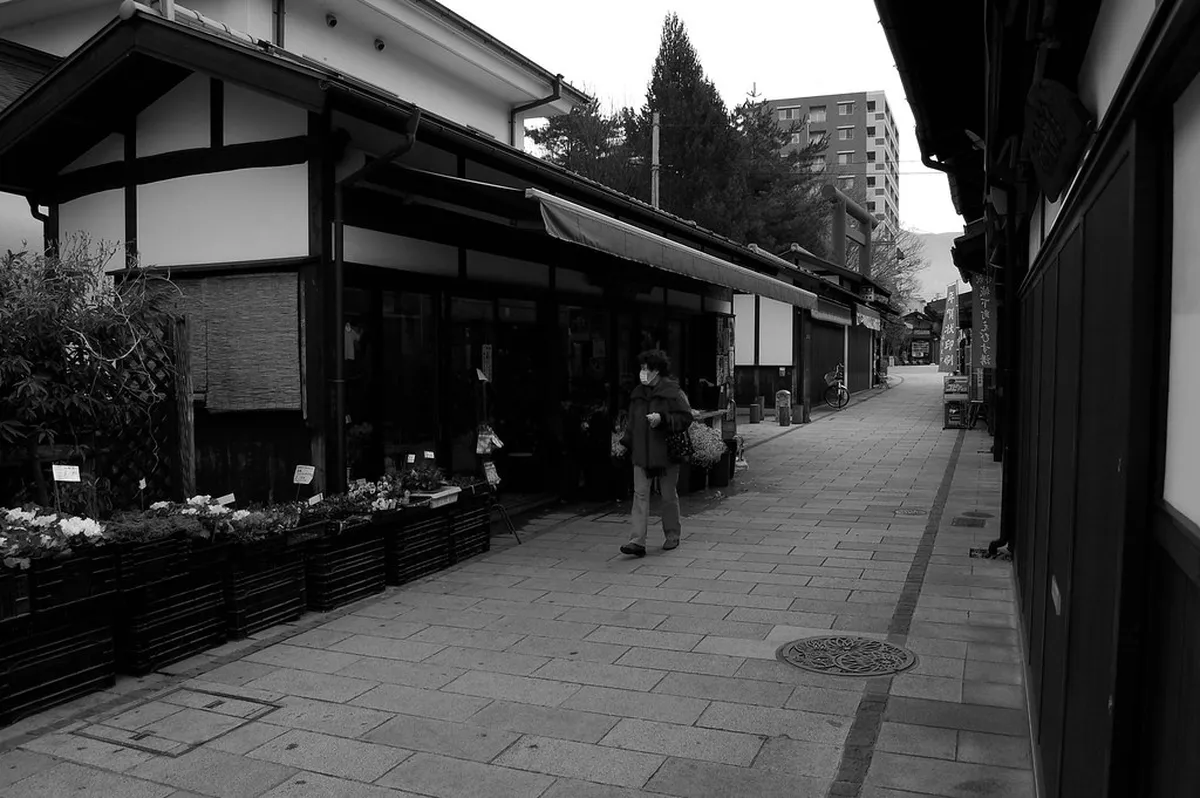
Food is part of the timing decision. Autumn is excellent for Shinshu soba, while summer is better for cold noodles, local beer, and long evenings outside. For a practical dinner plan, pair this article with the Matsumoto food guide and keep one evening unplanned for Nakamachi-dori.
Where to Stay in Matsumoto
Station-proximate hotels are the best choice for most first-time visitors. They make early buses, luggage storage, and one-night stays easier, especially if you are arriving from Tokyo or leaving for Takayama. The trade-off is atmosphere: the station area is convenient, but the castle side feels more historic and better for evening walks.
Luxury travelers should look beyond standard business hotels. Hoshino Resorts KAI Matsumoto is the ryokan-style option to consider for onsen culture, local wine, and a slower evening after sightseeing. It works best for couples or travelers who want the accommodation to be part of the trip, not just a base.
If you are deciding where to stay in Matsumoto, book early for April, October, and festival weekends. Winter has better rates, but confirm shuttle, bus, and dinner arrangements before choosing an onsen property outside the center.
What's Closed in Low Season
Kamikochi closes from around November 15 until mid-April — buses do not run into the valley during this period. Avoid Golden Week (late April–early May) if you dislike crowds; hotel demand is extreme and queues at the castle form early.
The high-altitude gateway to Kamikochi usually closes from November 15 until mid-April. During this winter period, local buses do not run into the valley and many mountain lodges shut down. Planning a day trip to Kamikochi requires checking the current season schedule before you book rooms in Matsumoto. The official Kamikochi page keeps those dates current.
Matsumoto Castle, the art museum, Nawate-dori, and Nakamachi-dori remain usable in winter, but smaller restaurants may shorten hours. You should check the Matsumoto Castle Official site for current event dates and opening notices. Snow rarely shuts the city down for long, but icy mornings can slow walks around the moat.
How to Get to Matsumoto from Tokyo
The easiest route from Tokyo is the Limited Express Azusa from Shinjuku to Matsumoto. It usually takes about 2.5 to 3 hours and avoids transfers, which makes it the simplest choice for a short visit. See the full how to get to Matsumoto from Tokyo guide if you need platform, ticket, and luggage details.
The highway bus from Shinjuku is usually cheaper but slower, so it suits overnight visitors more than day trippers. The Shinkansen via Nagano is fastest for travelers already using a rail pass or combining Matsumoto with Nagano, but it adds a transfer onto the Shinonoi Line. For a pure Tokyo-to-Matsumoto round trip, the Azusa is normally the cleanest option.
How Many Days Do You Need in Matsumoto?
One day is enough for the castle, Nawate-dori, Nakamachi-dori, and the art museum if you arrive early. This is the right plan for travelers using Matsumoto as a focused stop rather than a regional base. It can work as a day trip from Tokyo, but the train time makes it a long day.
Two days is the best default. Spend the first day in the city, then use the second morning for Azumino or Narai-juku before returning for dinner. Three or more days make sense when you add Kamikochi, Shin-etsu Trail hiking, Takayama, or a slower onsen stay.
- Choose 1 day if the castle is your main goal and you are comfortable with a fast pace.
- Choose 2 days if you want the city plus one nearby half-day trip.
- Choose 3 or more days if you want Alpine scenery, Nakasendo towns, or regional hiking.
Best Day Trips from Matsumoto
Narai-juku is the easiest historic day trip and a strong autumn choice. The preserved Nakasendo post town is compact, atmospheric, and reachable by train through Shiojiri. Go early if you want quiet photos before shops open and tour groups arrive.
Azumino and Daio Wasabi Farm are better for a relaxed half day, especially from spring through autumn. The best practical move is to arrive early in the morning, before bus groups fill the paths and food counters. This Azumino day trip from Matsumoto works well on a two-day itinerary because it does not require a full Alpine travel day.
Kamikochi is the premium nature trip from late April to mid-November. The valley is easy compared with serious mountain hikes, but weather still matters and buses sell out on peak dates. Shin-etsu Trail sections are more demanding and seasonal, so treat them as hiking plans rather than casual sightseeing.
Japan's Golden Route: Integrating Matsumoto into Your Trip
Matsumoto fits best as a detour between Tokyo and central Japan, not as a replacement for Kyoto or Osaka. A simple route is Tokyo to Matsumoto by Limited Express Azusa, then onward by bus to Takayama, with optional connections toward Shirakawa-go and Kanazawa. This works especially well in autumn, when mountain roads and old post towns are at their most photogenic.
If you are staying on the classic Tokyo-Kyoto axis, Matsumoto adds the Japanese Alps without forcing a full rural itinerary. Build in at least one night so you are not spending the whole visit on trains. Travelers continuing west should compare onward bus schedules early, especially on weekends and during foliage season.
Practical Travel Tips and Local Guide Insights
The free Sui Sui rental bikes are useful for flat city hops, but they are not a substitute for guided cycling into the outskirts. Use them for the castle, Nawate-dori, Nakamachi-dori, and quick cafe stops. Choose an organized cycling tour if you want rural roads, wasabi fields, or local commentary without navigating traffic and train connections yourself.
Pack for temperature swings, not just the city forecast. Spring and autumn need light layers, summer needs rain gear and sun protection, and winter needs gloves, thermals, and shoes with grip. For sunset, the Matsumoto Brewery Taproom rooftop is one of the easiest city-center viewpoints when the Alps are visible.
Combine this with our main Matsumoto attractions guide for a fuller itinerary.
Frequently Asked Questions
What is the best month to visit Matsumoto Castle?
Mid-April is the best month to visit for cherry blossoms. The trees around the moat create a stunning reflection. October is also excellent for clear skies and autumn colors.
Is Matsumoto a day trip from Tokyo?
Yes, you can visit Matsumoto as a day trip using the Limited Express Azusa. The journey takes about 2.5 to 3 hours each way. An overnight stay is better to see more sights.
Does it snow a lot in Matsumoto?
Matsumoto receives moderate snow from December to March. The castle looks beautiful under a white blanket. However, the city streets are usually cleared quickly for travelers.
For most travelers, April and October are the best months to visit Matsumoto, while late May and early June offer the best balance of weather, price, and crowds. Choose summer if Kamikochi or hiking is central to your trip, and choose winter if you want quiet streets and snow around the castle. I suggest booking your stay at Matsumoto Kagetsu if you want a historic base near the main sights.
The key is to separate Matsumoto City from the wider Alpine region. The city works year-round, but the best day trips are seasonal. Confirm transport, book peak dates early, and give yourself at least one morning in Matsumoto before moving on.
Free: The Matsumoto Essentials guide
Top things to do, where to stay, a perfect day plan, getting around, and the best time to go — a Matsumoto mini-guide you can take offline.
You might also like


Continue reading
More guides you'll find useful