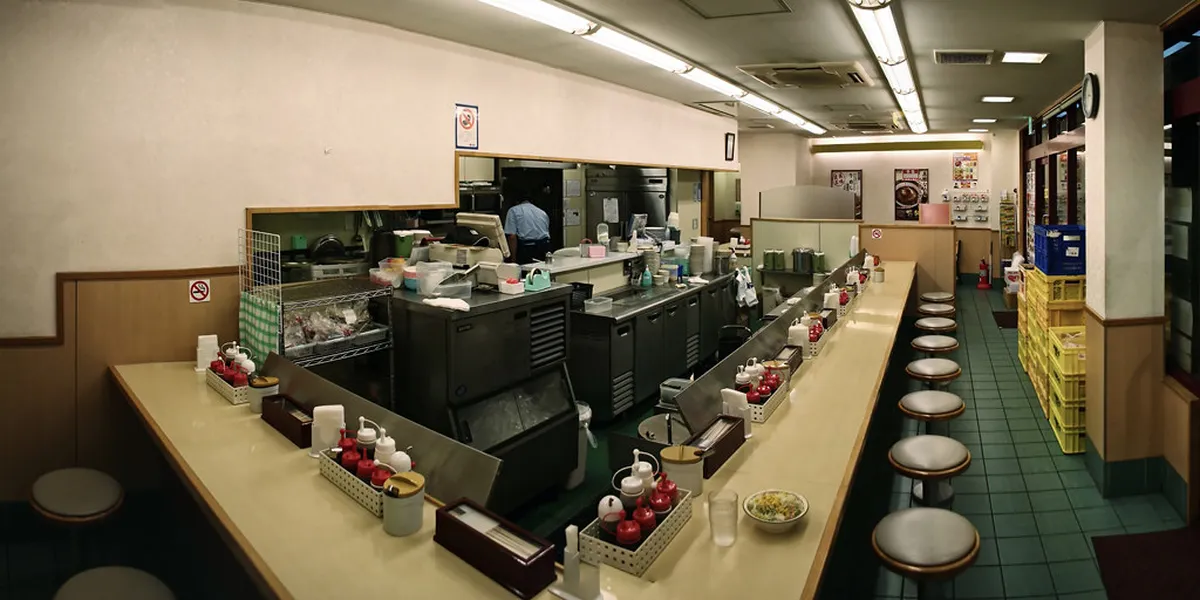
8 Essential Restaurants in Kanazawa (2026)
Discover the best restaurants in Kanazawa, from Omicho Market kaisendon to traditional Kaga cuisine. Includes 2026 travel updates and booking tips.
On this page
Kanazawa is Japan's most underrated culinary city. While travelers debate Osaka versus Tokyo for street food supremacy, Kanazawa quietly serves some of the country's finest seafood, most refined kaiseki, and freshest morning market bowls. This guide covers the essential restaurants in Kanazawa for 2026, with practical details on what to order, how to book, and when to show up.
Planning a comprehensive Kanazawa itinerary means grouping your meals by district. Most of the restaurants below sit within a 20-minute walk of each other, spread across three zones: the station area, Omicho Market, and the Higashi Chaya geisha district.
Kanazawa in 2026: Post-Earthquake Status
The Noto Peninsula was struck by a 7.6 magnitude earthquake in January 2024 — the strongest to hit Ishikawa Prefecture since 1885. The Noto Peninsula itself remains in active recovery and is not ready for tourism. Kanazawa, located about 70 km south of the epicenter, was largely unaffected and is fully open.
During visits to Kanazawa in 2024 and 2025, travelers consistently report all major restaurants operating at normal hours, no infrastructure disruptions, and no restrictions on transportation via the Hokuriku Shinkansen from Tokyo. The city's hospitality culture remains intact. By dining at local establishments in 2026, you directly support the fishing communities and artisans whose livelihoods were disrupted by the wider regional impact.
You can check the Kanazawa location and access map for current transport routes from Tokyo. The bullet train takes approximately 2.5 hours from Tokyo Station via the Hokuriku Shinkansen.
Amatsubo: Kaisendon and Kanazawa Oden
Amatsubo has served Kanazawa for more than 50 years and remains the city's most-discussed single restaurant. It sits in the Korinbo district and specializes in two Kanazawa classics: kaisendon (seafood rice bowl) and oden. The kaisendon arrives with sweet shrimp, snow crab, yellowtail, and fresh catches from the Hokuriku Coast, topped with your choice of uni and optional gold leaf flakes.
What sets Amatsubo apart from the market competitors is its dinner service. Most kaisendon spots in the city shut by mid-afternoon when stock runs out. Amatsubo stays open from 11:30 to 22:00, making it one of the only places to get a proper seafood bowl after a late Shinkansen arrival. Budget ¥2,500–¥5,500 depending on toppings.
The oden here uses a soy-dashi broth developed over decades and is distinct from what you'll find at convenience stores or even other local shops. Order the konnyaku, daikon, and fishcake combination as a starter before the main bowl. Address: 38-1 Shimotsutsumicho. Phone: +81 76-208-3571.
Ikiikitei: The Omicho Market Breakfast Counter
Ikiikitei inside Omicho Market is closed every Thursday — a detail consistently missed by first-time visitors who plan a Thursday morning market trip and find it shuttered. Always confirm the day before you visit.
Ikiikitei is a ten-seat counter buried inside Omicho Market, run by a mother and her son. It opens at 07:00 and routinely sells out of its best ingredients by mid-morning. A clipboard sign-in sheet sits outside the entrance — arriving at 07:15 often means you're already the tenth name on the list.
The classic kaisendon (¥2,200–¥3,500) is the draw, but the standout dish is buri daikon: fatty yellowtail simmered for hours with daikon radish in a deeply umami broth. The daikon absorbs the broth completely and the fish collapses off the bone. No other stall in the market replicates this preparation. Sea urchin is also available but comes at a premium and quality varies by season.
One critical operational note: Ikiikitei is closed on Thursdays. This is consistently missed by first-time visitors who plan a Thursday morning market trip and find it shuttered. Check this before building your itinerary. Address: 88 Aokusamachi, Kanazawa.
Omicho Market: The Kitchen of Kanazawa
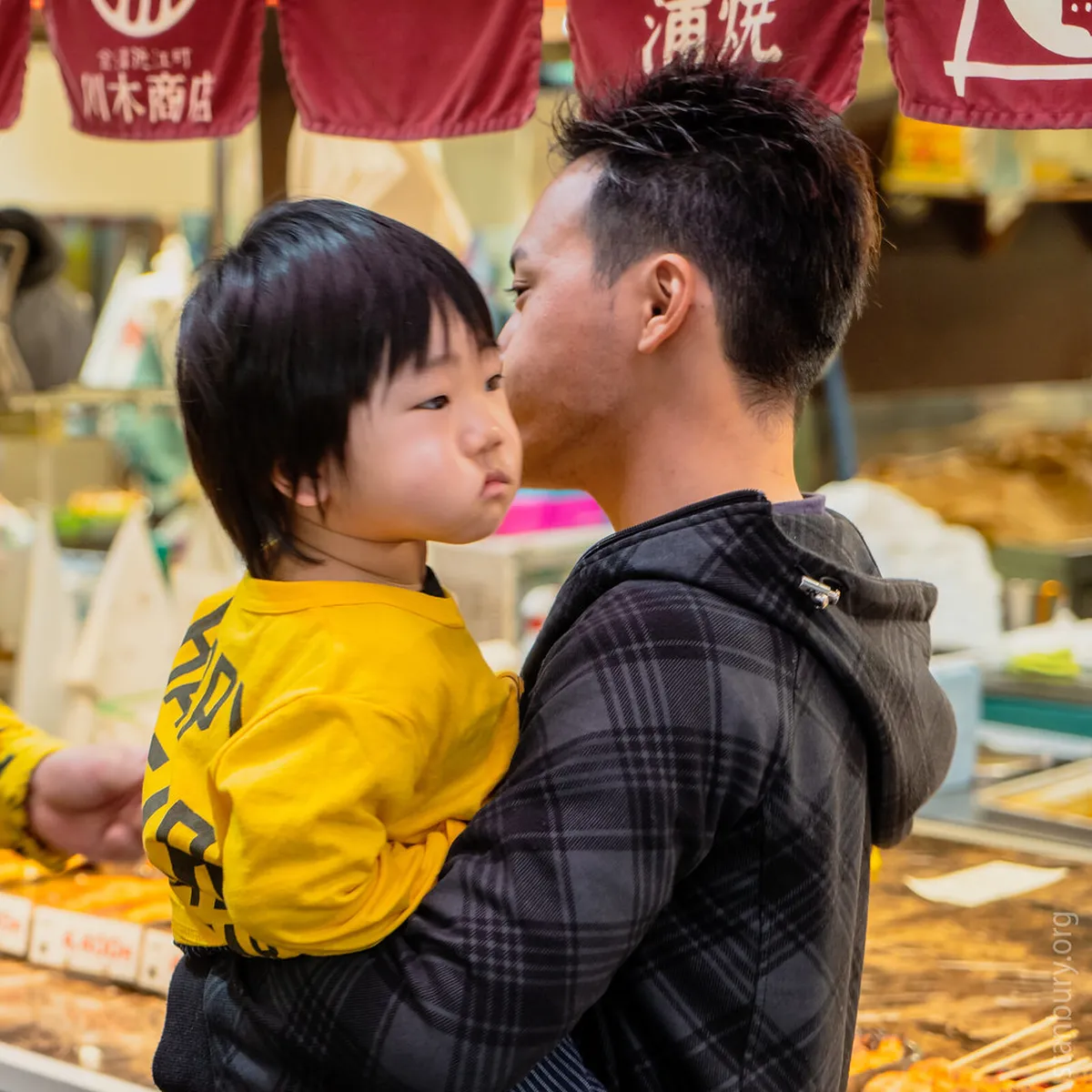
Omicho Market has operated since the Edo period and holds more than 200 stalls across two floors. Ground level is dominated by fresh produce vendors: live tanks of snow crab, trays of sweet shrimp, and whole yellowtail. The upper floor hosts restaurants where you can eat what you see below. The market is liveliest between 09:00 and 14:00. Most stalls close by 17:00.
The best walk-and-eat items at the market stalls are: grilled scallops on the shell (¥500–¥800 each), raw oysters that dwarf anything you'd find in Tokyo (¥1,000–¥1,500, but extraordinary in size and brininess), and unagi skewers. One standout that competitors consistently underreport is Noto beef nigiri. Noto beef comes from a specific strain of Japanese black cattle bred in Ishikawa Prefecture. It is characterized by a high oleic acid ratio and exceptional marbling. Vendors in the market typically serve it two ways: with local soy sauce and grated ginger, or with bamboo charcoal salt and wasabi. At ¥600–¥1,200 per piece, it compares favorably to Kobe beef in tenderness but has a more herbaceous finish.
Follow the Omicho Market food guide to locate the best seasonal stalls hidden in the side alleys, away from the main tourist path. The Kenrokuen Garden is a 15-minute walk from the market, making a morning market visit combined with an afternoon garden stroll a natural half-day pairing.
Maimon Sushi: High-Quality Sushi at Kanazawa Station
Maimon Sushi at Kanazawa Station seats only 12 customers and functions as both an arrival meal and a departure ritual. It is a branch of the larger Maimon Sushi Honten that locals use regularly. The chef is visible throughout service and the menu features sushi sets (¥1,800–¥6,000) built around whatever was landed that morning. Look for the gold leaf sushi option, which is a genuine Kanazawa signature rather than a tourist gimmick here. Kanazawa's top sushi restaurants on Tabelog consistently highlight the technical execution that makes even station locations competitive here.
The counter seats are best for watching the preparation of nodoguro (rosy seabass), a fatty deep-water fish from the Sea of Japan that rivals the quality of top-tier Tokyo sushi bars. Kanazawa station as a whole offers reliable options beyond Maimon — ramen, tempura, and casual curry joints fill the Forus and Anto food hall areas. This makes the station a practical fallback on days when markets are crowded or specific restaurants are closed.
Open daily 11:00–21:30. Walk-ins accepted but expect a short wait during lunch hours. No reservation required for groups of two or less.
Kaiseki Tsuruko: A Masterclass in Kaga Cuisine
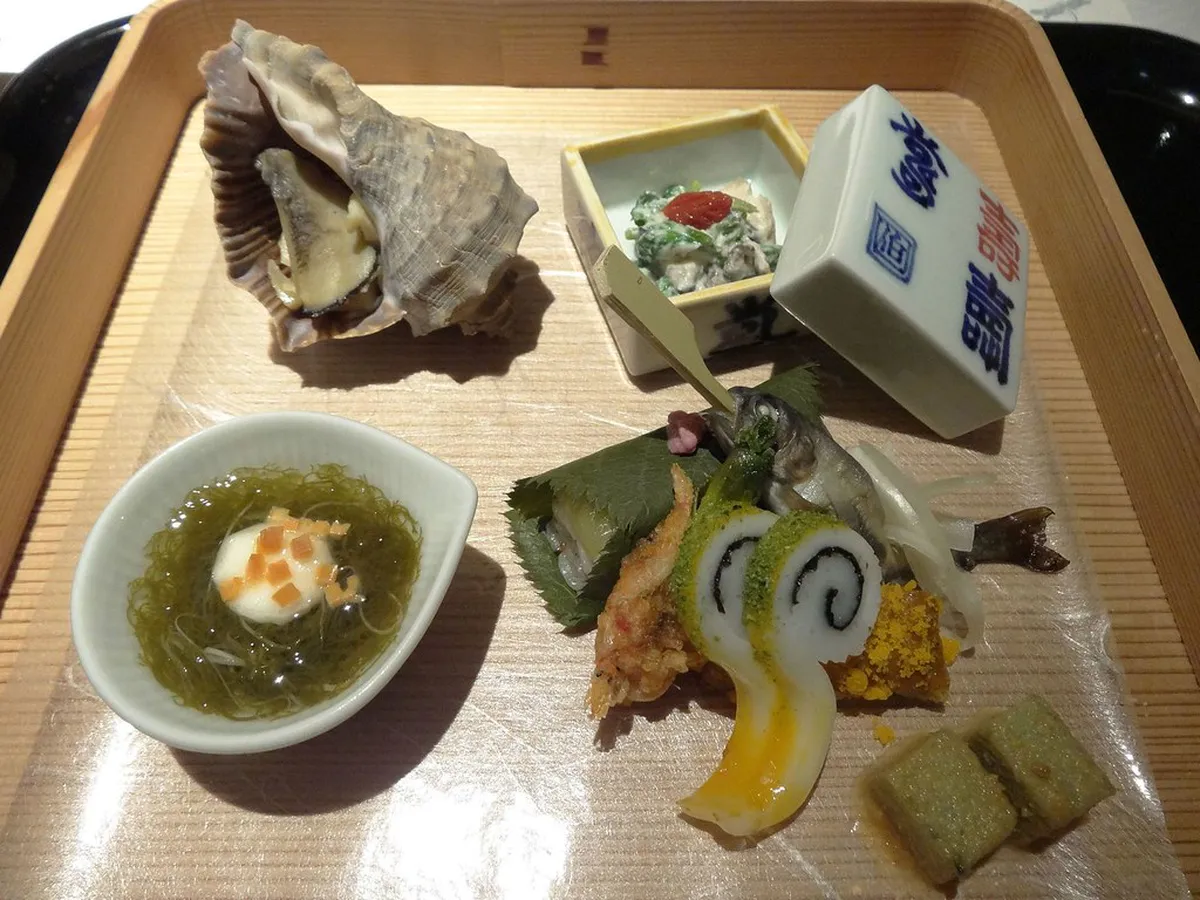
Kaiseki Tsuruko is Kanazawa's benchmark for traditional Kaga cuisine — the multi-course cooking style rooted in the Kaga Clan's samurai-era food culture. According to the official Kaga Cuisine Overview, this tradition places equal emphasis on presentation and seasonal ingredients sourced from local mountains and sea. Tsuruko executes both without compromise.
The signature dish is jibuni: duck braised in a thick, starchy gravy with seasonal vegetables and wheat gluten. This preparation exists almost nowhere outside Kanazawa. Each bowl is textured differently from any standard braised duck you've encountered — the starch gives the sauce a coating quality that makes every component taste richer. Lunch kaiseki starts at around ¥12,000 per person; dinner kaiseki runs ¥25,000–¥35,000.
Reservations are essential and must be made 2–3 months in advance for dinner. Your hotel concierge can handle the booking in Japanese — attempting online booking through English-language platforms often fails because the restaurant's own site is entirely in Japanese. Lunch sets are sometimes available on shorter notice (3–4 weeks) and offer substantially better value for first-time kaiseki visitors.
Le Musee de H: Modern Pastries and Station Sweets
Le Musee de H is the patisserie of world-renowned pastry chef Hironobu Tsujiguchi. The main cafe sits inside the Prefectural Museum of Art and serves classic French-style cakes with Japanese seasonal twists: houjicha rolls, sweet potato mont blanc, and seasonal fruit entremets. A cake and tea set costs ¥1,500–¥2,500. Open 10:00–19:00. Request a window seat for garden views.
The most accessible option is the omiyage shop at Kanazawa Station (look for store 18 in the station's shopping floor). The gold-dusted choux puffs sold here — crunchy, light, filled with airy cream — are arguably the best single bite available at the station. A box of three costs around ¥1,500. The starch-free pastry shell is notably crunchier than French-style choux, and the cream is lighter than it looks. This is the shop to visit if you're short on time before your Shinkansen departure.
The cafe at the museum offers more than 20 cake varieties on any given day. Visiting multiple days in a row will not repeat the full lineup. This is the rare patisserie in Japan where the French technique is not diluted for local preference — it is genuinely executed at a level comparable to Paris arrondissement-level shops.
Higashi Chaya District: Tea Houses and Gold Leaf Snacks
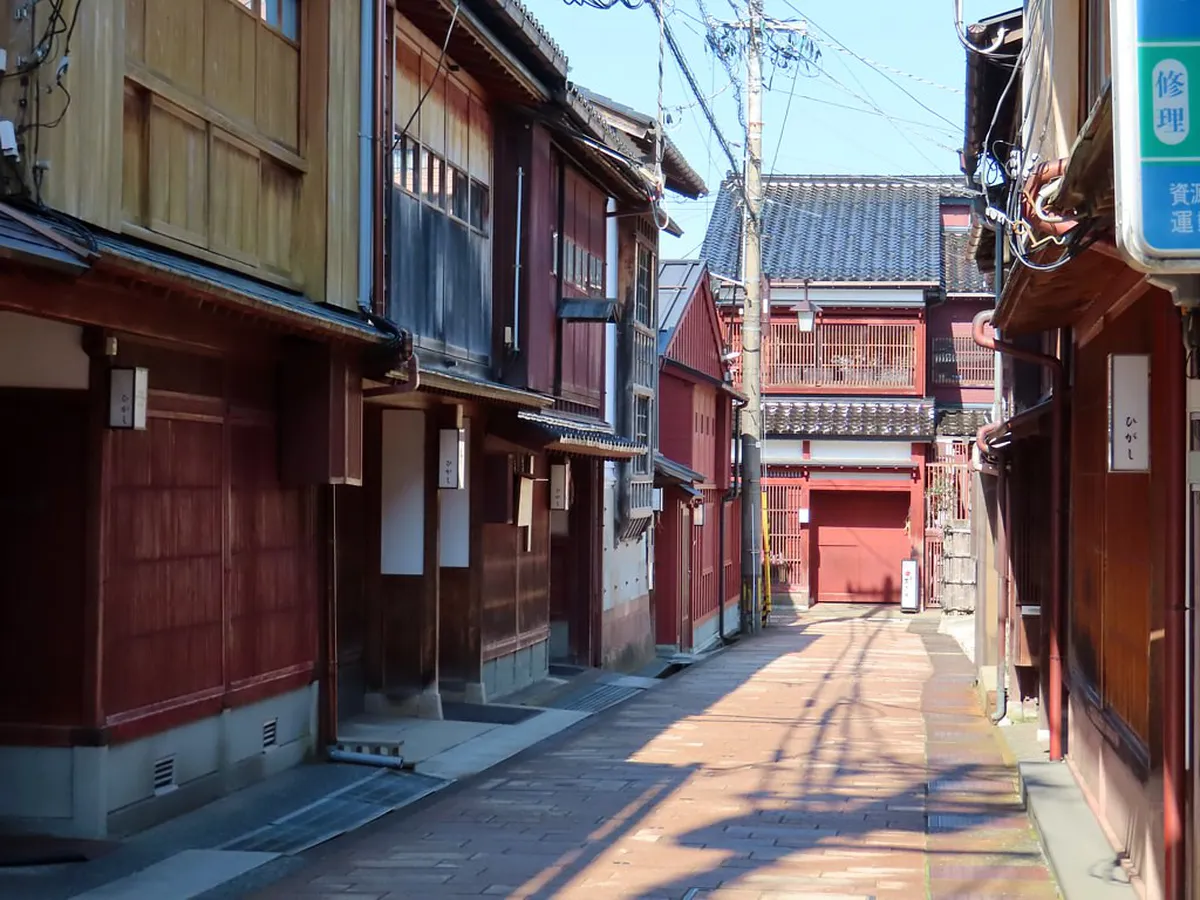
The Higashi Chaya geisha district is Kanazawa's answer to Kyoto's Gion — preserved wooden machiya facades, no exterior signage, and a concentration of tea houses and sweet shops along a single preserved street. For food, the district rewards slow exploration over a checklist approach. The best time to visit is either 09:00–10:30 (before tour groups) or 16:30–17:30 when the light turns golden and most larger crowds have moved on.
Roku Musubi is the standout hidden food stop: an onigiri counter tucked inside a machiya with only an a-frame sign marking its presence. The soy-cured egg yolk onigiri is exceptional — warm rice surrounding a slow-cured yolk that oozes through the filling. Portions are substantially larger than convenience store onigiri, so one piece is a proper snack. Address: 1-26-16 Higashiyama. Phone: +81 76-204-8688.
Gold leaf ice cream is available from multiple vendors in the district and at Horaido Cafe inside Kenroku-en Garden (1-18 Kenrokumachi). The gold leaf adds no flavor — it is purely visual. The base soft serve quality varies significantly between vendors. Horaido's matcha soft serve has the most consistent reviews. A cone costs ¥400–¥600. Eating while walking is considered impolite in Japan; sit at the bench provided outside the shop. The Higashi Chaya district guide covers the full neighborhood itinerary including the best temple walks and non-food stops.
The New Wave: Modern Izakayas Between Casual and Kaiseki
No competitor in the current SERP adequately covers a tier of dining that has emerged strongly in Kanazawa over the last decade: the modern izakaya run by chefs with serious international pedigrees. These restaurants cost a fraction of Kaiseki Tsuruko but offer creative, ingredient-driven cooking that rivals it in ambition.
Fuwari is the prime example. Chef Ippei Matsumura spent a decade at Nobu NYC before returning to Kanazawa. The restaurant occupies a restored machiya in the Owaricho area and seats diners at a counter where Matsumura cooks in full view. The English menu covers only a subset of what is available — pointing at dishes or asking for omakase-style guidance works better. Every plate uses local Ishikawa ingredients reframed through a Japanese-international lens. Dinner per person runs ¥5,000–¥10,000 including sake. Reservation required: +81-76-207-3417, 2 Chome-6-57 Owaricho.
Itaru Honten in the Katamachi nightlife area operates as the traditional end of this tier: a local izakaya where the Okoke sashimi platter features the morning's catch from local boats. Dinner runs ¥4,000–¥7,000 per person and service begins at 17:30 and closes around 23:00. The sake list here draws heavily from Ishikawa breweries that do not export. For visitors who want to combine fresh seafood with Kanazawa's nightlife district, Katamachi makes this the natural first stop of the evening.
Seasonal Seafood Calendar: What to Eat When
| Season | Star ingredient | Where to eat it | Notes |
|---|---|---|---|
| Winter (Nov–Feb) | Kano-gani snow crab | Omicho Market restaurants | ¥8,000–¥20,000 per crab set; peak exclusivity |
| Spring (Mar–May) | Firefly squid (hotaru-ika) + sansai | Market stalls, kaiseki | Lightly vinegared sashimi or tempura |
| Summer (Jun–Aug) | Rock oyster + abalone | Omicho grill stalls | Grilled with butter and soy at peak sweetness |
| Autumn (Sep–Oct) | Buri (yellowtail) | Any market or izakaya | Richest fish available on the coast |
| Year-round (peak Oct–Mar) | Ama-ebi sweet shrimp | Kaisendon counters | Most flavorful in cold water months |
The flavor profile of Kanazawa's cuisine shifts more dramatically with the seasons than almost anywhere else in Japan. The Sea of Japan's currents drive this variation, delivering different species at peak condition throughout the year. Winter (November–February) is the most prestigious window: Kano-gani (male snow crab) are harvested exclusively during this period and command prices that reflect their scarcity. A single crab set at a market restaurant can cost ¥8,000–¥20,000.
Spring (March–May) brings sansai mountain vegetables and firefly squid (hotaru-ika), which appear briefly and are typically served as tempura or lightly vinegared sashimi. Summer (June–August) is rock oyster and abalone season — both are at peak sweetness and are often grilled simply with butter and soy at Omicho stalls. Autumn (September–October) marks the arrival of buri (yellowtail), celebrated locally as one of the richest fish available anywhere on the coast. Ama-ebi (sweet shrimp) are available almost year-round but are most flavorful from October through March when cold water concentrates their natural sweetness.
Always check the daily specials board at market restaurants before ordering. Local chefs regard a menu that never changes as a sign of low standards, not consistency. If a restaurant has the same dishes in June and January, that is a reliable indicator that the kitchen is not sourcing locally.
Reservations, Logistics, and Practical Tips
Lunch is the better value at almost every tier in Kanazawa: kaiseki sets run ¥12,000 at lunch versus ¥30,000+ at dinner. Premium sushi sets are ¥3,000–¥5,000 at lunch versus ¥10,000+ for omakase dinner. If budget is a concern, always target the lunch service.
High-end kaiseki restaurants require 2–3 months of advance booking and almost always require a Japanese-language reservation call or concierge intermediary. The hotel concierge is not optional here — it is genuinely the most reliable channel. Online booking platforms like TableAll and Omakase sometimes list a small number of Kanazawa kaiseki seats, but availability is limited and prices carry a service markup of 10–15%.
For mid-range restaurants, Tabelog's Kanazawa rankings are a better research tool than TripAdvisor for Kanazawa specifically. Tabelog's ratings skew toward technical execution rather than service warmth, which makes it more reliable for seafood and sushi quality assessments. Sushi Mitsukawa, for instance, consistently ranks in the top ten Kanazawa sushi-ya on Tabelog — a signal that does not always appear on English-language recommendation sites.
Lunch is the better value at almost every tier: kaiseki sets at ¥12,000 for lunch versus ¥30,000+ for dinner; premium sushi sets at ¥3,000–¥5,000 at lunch versus ¥10,000+ for omakase dinner. Most kitchens close their last orders by 21:00–22:00. Cash is necessary for market stalls and some traditional restaurants; larger establishments and station restaurants accept major international credit cards. The city center is compact — a loop bus connects the station, Omicho, Kenroku-en, and the Chaya districts for ¥200 per ride.
See our Kanazawa attractions guide for the broader city overview.
Frequently Asked Questions
What is the most famous food in Kanazawa?
Kanazawa is most famous for its fresh Sea of Japan seafood and traditional Kaga cuisine. You should specifically try the snow crab and the local Kanazawa oden. These dishes reflect the city's rich history and coastal location.
Do I need reservations for restaurants in Kanazawa?
High-end Kaiseki and sushi restaurants require reservations several weeks or months in advance. However, casual market stalls and station sushi spots usually operate on a first-come, first-served basis. Always use a concierge for formal bookings.
Is Omicho Market open for dinner?
Most stalls and restaurants in Omicho Market close by 5:00 pm as the fresh seafood sells out. A few specialized restaurants stay open later, but it is primarily a breakfast and lunch destination. Plan to visit before mid-afternoon.
Kanazawa remains a premier destination for anyone seeking the pinnacle of Japanese culinary craft and coastal freshness. From the bustling stalls of Omicho to the quiet elegance of a Kaga tea house, the city offers endless flavor discoveries. I hope this guide helps you navigate the best restaurants in Kanazawa for an unforgettable 2026 trip.
Remember to respect local dining etiquette and always prioritize seasonal specials whenever they are offered on the menu. Supporting these local businesses is the best way to enjoy the region while contributing to its ongoing cultural vitality.
Free: The Kanazawa Essentials guide
Top things to do, where to stay, a perfect day plan, getting around, and the best time to go — a Kanazawa mini-guide you can take offline.
You might also like


Continue reading
More guides you'll find useful