

9 Essential Stops for an Azumino Day Trip from Matsumoto
Plan your Azumino day trip from Matsumoto with our guide. Discover the Daio Wasabi Farm, Hotaka Shrine, and scenic bike routes with full costs and timing.
On this page
An Azumino day trip from Matsumoto works because the valley is close, flat, and packed with clear stops. In 2026, the easiest independent plan is still the JR Oito Line to Hotaka Station, then an electric bike or taxi for the last few kilometers. The route pairs well with a wider Matsumoto itinerary and is one of the best day trips from Matsumoto because it adds countryside, spring water, and Northern Alps views without requiring a hotel change.
Daio Wasabi Farm is the anchor, but it should not be the whole day. Hotaka Shrine, Rokuzan Art Museum, Chihiro Art Museum, the Tensan Wild Silk Center, Alps Azumino National Government Park, Azumino Winery, and Swiss Village all fill different gaps.
How to Get to Azumino from Matsumoto
Take the JR Oito Line from Matsumoto Station to Hotaka Station. The local train usually takes about 30 minutes and costs around 330 yen each way, so it is the simplest choice for travelers without a car. From Hotaka Station, Daio Wasabi Farm is about 3 km away.
The last mile is the part to plan carefully. Electric bikes from Shinano-an near Hotaka Station give you the best freedom, especially if you want to stop for Dosojin statues, rice-field views, or museums. The Azumino Loop Bus can help in season, but departures are limited enough that it can shape your whole day.
Electric bike rentals at Hotaka Station (¥1,000–¥2,500/day) can sell out on sunny weekends and public holidays. If the Loop Bus is your backup plan, check the 2026 timetable in advance — some routes run only 2–3 times per day.
| Option | Best Use | Tradeoff |
|---|---|---|
| Train plus electric bike | Independent travelers who want Daio Wasabi Farm, Hotaka Shrine, and museums | Weather matters, and popular bikes can sell out on sunny weekends |
| Train plus taxi | Families, winter visitors, or anyone short on time | Convenient but less flexible for roadside stops |
| Rental car | Winery, Chihiro Art Museum, and Alps Azumino National Government Park in one day | Parking is easy, but the driver misses wine tastings |
| Loop bus | Budget travelers staying near its route | Check the 2026 timetable before relying on it |
Where is Daio Wasabi Farm Located?
Daio Wasabi Farm sits at 3640 Hotaka in Azumino City, Nagano Prefecture.
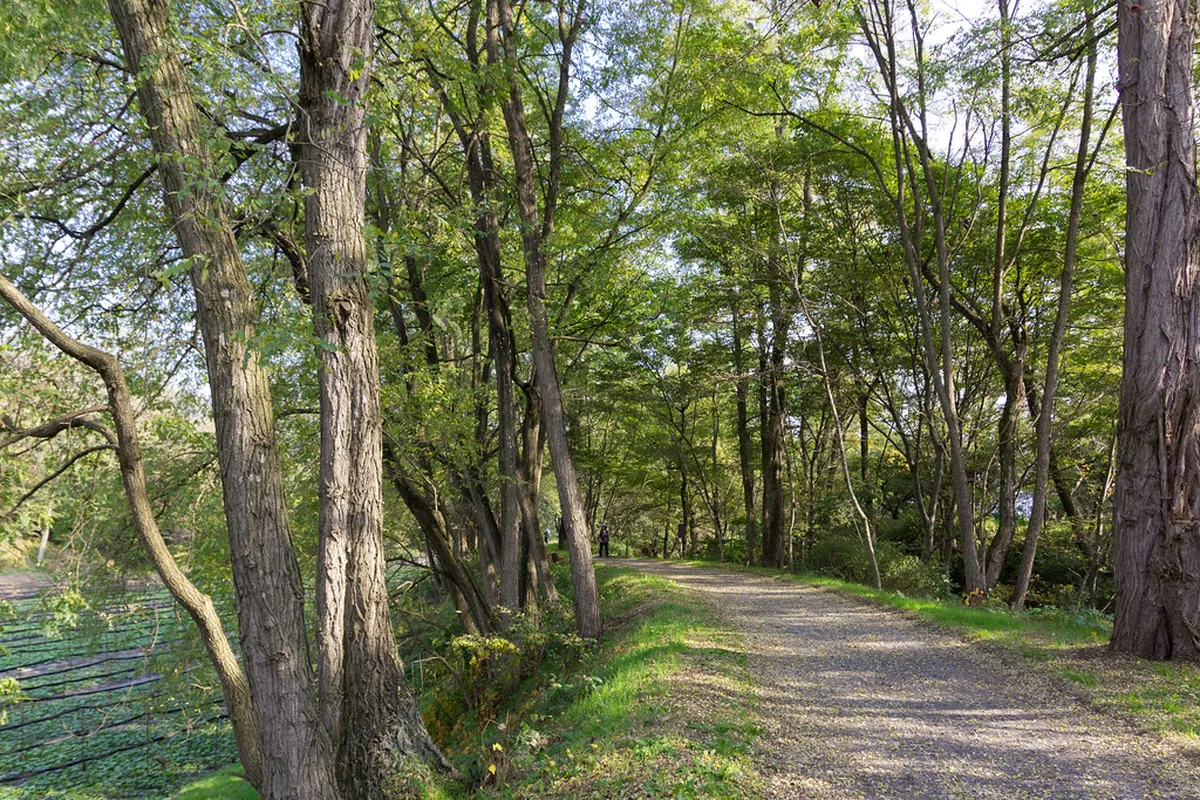
By train, use Hotaka Station as your base rather than searching for an Azumino Station transfer. Hotaka puts you close to the farm, Hotaka Shrine, Rokuzan Art Museum, and bike rental shops.
Daio Wasabi Farm: Japan's Largest Wasabi Plantation
Daio Wasabi Farm is a working wasabi plantation and the main reason many people visit Azumino. The fields are fed by cold, clear spring water from the Northern Alps, which is why wasabi grows well here. Admission is usually free, and the grounds are easy to explore on paved walking paths.
Start with the waterways and the covered wasabi beds, then walk toward the famous waterwheels. Those waterwheels appear in Akira Kurosawa's film Dreams, and they photograph best before 10:30 when the light is lower and tour groups are thinner. You can also BOOK A TOUR OF DAIO WASABI FARM if you want guide commentary rather than a self-guided visit.
The iconic Daio Wasabi Farm waterwheels — featured in Akira Kurosawa's film Dreams — photograph best before 10:30 AM when light angles are lower and the first tour buses haven't yet arrived. Admission to the farm is free; arrive early to get the fields and waterwheels to yourself.
Save time for the shop and snack stands. Wasabi soft-serve is mild and more herbal than hot, while wasabi croquettes, wasabi soba, wasabi salt, and fresh roots are better choices if you want the flavor to stand out.
Real Wasabi and Waterwheel Timing
Fresh wasabi is not the same as the green paste served in many overseas restaurants. Real wasabi comes from Wasabia japonica, while most supermarket paste is dyed horseradish with mustard powder and a small amount of wasabi, if any. Freshly grated wasabi is aromatic, slightly sweet, and fades quickly, so it is best eaten within about 15 minutes.
For photos, the waterwheel area is most attractive in spring, early summer, and autumn when the greens and water are vivid. In hotter months, parts of the wasabi beds may be covered with black shade cloth to protect the plants, which is practical but less scenic.
Hotaka Shrine: Spiritual Heart of the Azumi Clan
Hotaka Shrine is only a short ride or walk from Hotaka Station, so it fits well at the beginning or end of the day. The shrine is connected with the Azumi clan and the mountain faith of the region, giving the countryside scenery a deeper cultural frame. The cedar shade also makes it a calm reset after the train ride.
Watch for Dosojin stone statues on the roads around the shrine and farm. These small guardian figures often show a couple and were placed to protect travelers, village boundaries, and children. Azumino has an unusually high concentration of them, so biking gives you a better chance of spotting details a taxi would miss.
Rokuzan Art Museum: Christian Architecture in Nagano
Rokuzan Art Museum is close enough to Hotaka Station to pair with the shrine.
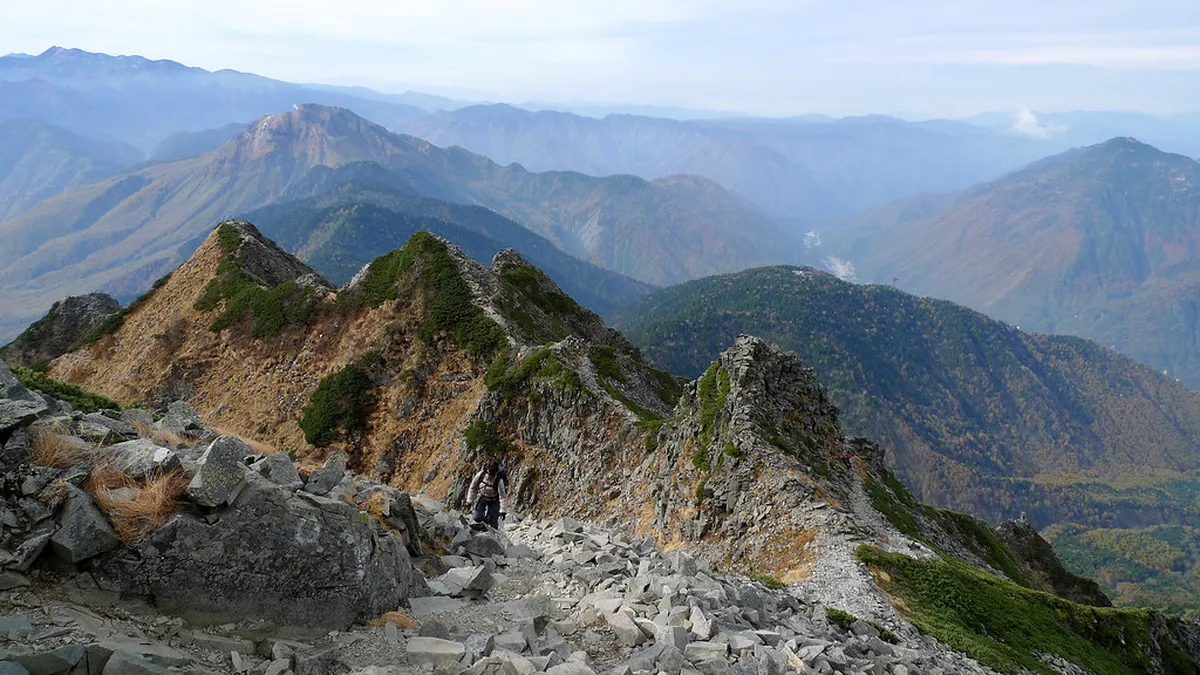
Allow 35 to 50 minutes if you enjoy sculpture or architecture. The museum is usually closed on Mondays, so check before planning a museum-heavy Monday route.
Chihiro Art Museum: Celebrating Picture Book Art
Chihiro Art Museum sits farther from Hotaka than the shrine and Rokuzan, so it works best with a car, taxi, or electric bike on a full-day rental. The museum is dedicated to picture-book artist Iwasaki Chihiro and also exhibits international children's book art. Its spacious park setting makes it more than a quick gallery stop.
This is the best Azumino attraction for families who want a quieter afternoon after Daio Wasabi Farm. Check the 2026 calendar because seasonal closures and special exhibitions can affect opening days.
Tensan Wild Silk Center: Rare Green Silk Traditions
The Tensan Wild Silk Center is Azumino's most unusual craft stop. Tensan silk comes from wild oak silkworms rather than the domesticated silkworms used for most silk production. The finished thread has a natural pale green tone, which makes it different from typical tourist silk displays.
Go here if you want something distinctly local rather than another broad regional museum. Exhibits cover tools, textiles, and the long process behind this rare material. Hands-on experiences may require advance booking, so confirm availability before building the day around it.
Alps Azumino National Government Park: Seasonal Nature
Nature lovers should make time for the Alps Azumino National Government Park. The Horigane-Hotaka zone is the easiest side for a day trip, with flower gardens, lawns, play areas, and views toward Mt. Jonen and Mt. Ariake. Adult admission is usually around 450 yen.
Spring brings tulips and fresh green fields, summer is good for families using the water play areas, autumn has color, and winter often brings illumination events. It is larger than it looks on a map, so treat it as a main afternoon stop rather than a 20-minute add-on. Closing times vary by season.
Azumino Winery and Swiss Village: Tastings, Souvenirs, and Snacks
Azumino Winery is a good final stop for travelers using a car or taxi. The vineyards sit against the Northern Alps, and tastings usually include local Shinshu wines made from grapes grown in Nagano's dry inland climate. Skip the tasting if you are driving.
Azumino Swiss Village is less about sightseeing and more about practical shopping. It is useful for local snacks, fruit products, wasabi souvenirs, and an easy rest stop before returning to Matsumoto. If you are collecting food ideas for later, pair this with the Matsumoto food guide.
A Complete 1-Day Azumino Itinerary and Planning Guide
For a balanced first visit, leave Matsumoto around 08:30
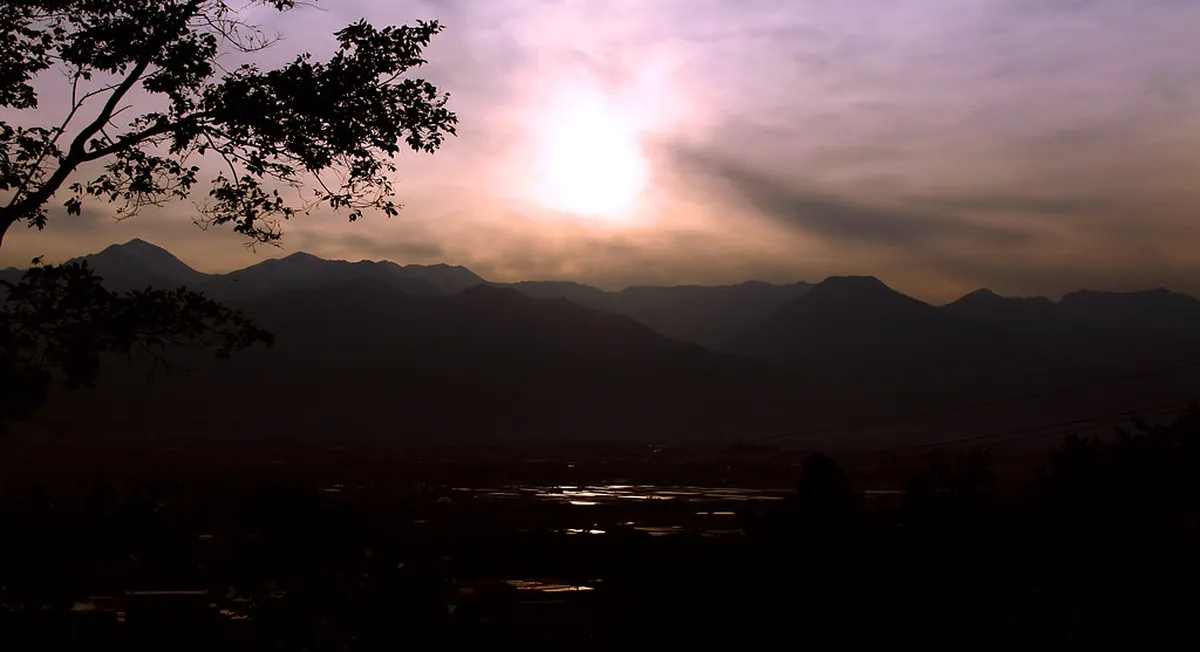
Use the afternoon for Hotaka Shrine, Rokuzan Art Museum, and one larger add-on based on your interests. Choose Chihiro Art Museum for families and illustration, Tensan Wild Silk Center for craft culture, Alps Azumino National Government Park for flowers and open space, or Azumino Winery for a slow finish. Trying to do all four usually turns the day into transit instead of travel.
- 08:30: Depart Matsumoto Station on the JR Oito Line.
- 09:15: Rent an electric bike at Hotaka Station.
- 09:45 to 11:45: Visit Daio Wasabi Farm and the waterwheels.
- 12:00 to 13:00: Eat soba, wasabi snacks, or a simple farm lunch.
- 13:15 to 14:15: Visit Hotaka Shrine and look for Dosojin statues.
- 14:30 to 16:30: Add one museum, the national park, or the winery.
- 17:00: Return the bike and take the train back to Matsumoto.
What to Eat and Buy in Azumino
Azumino's food is shaped by cold spring water, buckwheat, apples, grapes, and wasabi. Lunch is easiest around Daio Wasabi Farm or Hotaka, especially if you want soba before cycling farther out. Many smaller restaurants are strongest from 11:30 to 14:00 and may close before dinner.
- Try wasabi soba if you want the cleanest match between local buckwheat and fresh wasabi.
- Choose wasabi soft-serve for a mild snack that works even if you dislike strong heat.
- Buy wasabi salt, pickles, or snacks if fresh roots are impractical for your luggage.
- Look for apple juice, grape products, Shinshu wine, and local miso at larger shops.
Add an Extra Day Near Matsumoto
If you have more time, consider a Matsumoto to Kamikochi day trip, which offers flexibility in your stay duration. Kamikochi is more alpine, with river walks and mountain trails, while Azumino is gentler and more rural.
Another strong option is a Narai-juku day trip from Matsumoto. Narai-juku focuses on Edo-period townscape rather than farms and fields, so it balances Azumino well. A hotel near Matsumoto Station keeps these day trips simple; the where to stay in Matsumoto guide covers the best base areas.
Is an Azumino Day Trip from Matsumoto Worth It?
Yes, Azumino is worth it if you want an easy rural day without giving up the convenience of Matsumoto. The train fare, bike rental, farm admission, and a simple lunch can keep the day reasonably priced. The scenery feels different from the city even though the ride from Matsumoto is short.
It is especially good after visiting Matsumoto Castle, because the contrast is immediate. The castle shows the region's feudal history, while Azumino shows the water, farming, craft, and mountain culture around it. On a clear day, the bike ride between rice fields may be the part you remember most.
For the wider city context, see our complete Matsumoto attractions guide.
Frequently Asked Questions
How do I get from Matsumoto to Azumino?
Take the JR Oito Line from Matsumoto Station to Hotaka Station. The trip takes 30 minutes and costs 330 yen. Trains usually run once per hour throughout the day.
Can you rent bicycles in Azumino?
Yes, several shops offer rentals right outside Hotaka Station. Shinano-an is the most popular choice for electric bikes. Expect to pay between 1,000 and 2,500 yen for a day.
Is Daio Wasabi Farm worth visiting?
It is absolutely worth visiting for the unique scenery and free admission. The iconic waterwheels and fresh wasabi snacks are highlights of the region. I recommend going early to avoid crowds.
An Azumino day trip from Matsumoto is at its best when you keep the route simple. Prioritize Daio Wasabi Farm, Hotaka Shrine, one museum or nature stop, and enough time to enjoy the bike ride itself. That pacing gives you the wasabi fields, waterwheels, Dosojin statues, and Northern Alps views without turning the day into a checklist.
Free: The Matsumoto Essentials guide
Top things to do, where to stay, a perfect day plan, getting around, and the best time to go — a Matsumoto mini-guide you can take offline.
You might also like


Continue reading
More guides you'll find useful


