Matsumoto Itinerary for First-Timers (2026 Guide)
Discover the ultimate Matsumoto itinerary for 2026. A complete 3-day guide with costs, transport times, and a day-by-day plan. Start planning your trip now!
On this page
Planning a trip to Matsumoto and looking for the perfect Matsumoto itinerary? Nestled in the heart of Nagano Prefecture at the foot of the Japanese Alps, Matsumoto is one of Japan's most rewarding yet underrated destinations in 2026. Home to one of only five National Treasure castles, over 200 natural spring water wells, and a direct gateway to the Kamikochi alpine valley, this compact city packs an extraordinary amount into a short visit.
This comprehensive guide provides a detailed 3-day itinerary with specific costs, opening hours, and transit times so you can plan with confidence. Whether you want to explore feudal-era castles, hike ancient post-town trails, or stand on a bridge above a crystal-clear alpine river, this Matsumoto itinerary covers it all. For a broader look at what this city offers, explore our guide to things to do in Matsumoto and browse the top Matsumoto landmarks.
1. How to Get to Matsumoto
Getting to Matsumoto is straightforward from most major Japanese cities. The city sits roughly 2.5 hours from Tokyo and 3 hours from Osaka, making it an easy addition to any Japan trip. Here is a breakdown of every transport option with 2026 prices and journey times.
By Train: The Most Popular Option
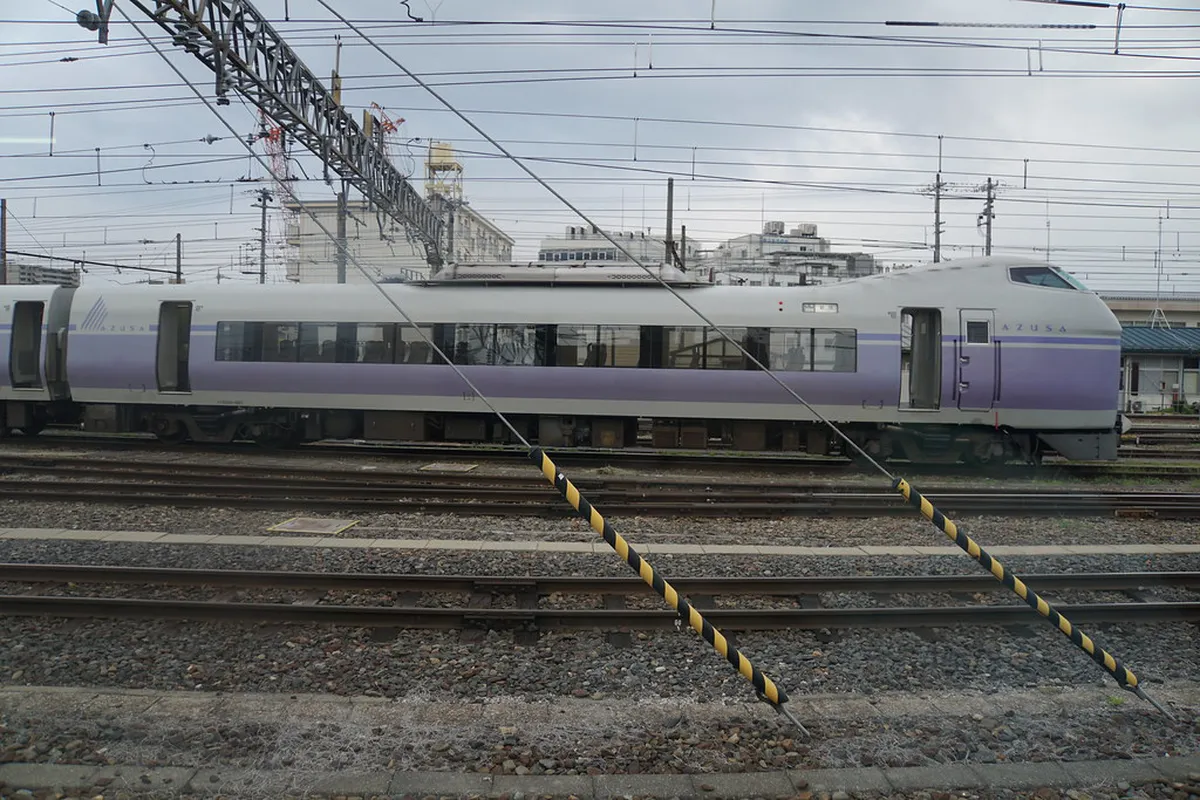
The fastest direct route from Tokyo is the JR Azusa Limited Express from Shinjuku Station to Matsumoto Station. The journey takes approximately 2 hours 40 minutes and costs around 6,620 JPY one way (covered by the Japan Rail Pass). From Nagoya, take the JR Limited Express Shinano for a comfortable 2-hour ride at roughly 6,230 JPY. From Osaka or Kyoto, take the Shinkansen to Nagoya and transfer to the Shinano; total travel time is about 3 to 3.5 hours. Reserve seats in advance during peak travel seasons to guarantee a spot.
By Bus: A Budget-Friendly Alternative
Highway buses from Tokyo's Shinjuku Expressway Bus Terminal reach Matsumoto in about 3 to 3.5 hours, with one-way fares starting around 3,500 JPY. Overnight buses from Osaka take approximately 5.5 hours and cost from 4,500 JPY, saving you a night of accommodation. Several operators run these routes, including Alpico and Keio, so compare schedules and book ahead for weekends and holidays.
By Car: For the Adventurous Souls
Matsumoto is connected via the Chuo Expressway from Tokyo (roughly 2.5 hours) and the Nagano Expressway from the north. Expect highway tolls of approximately 4,000-5,000 JPY each way from Tokyo. Parking near the castle area costs around 200-300 JPY per hour, and many hotels offer guest parking. A rental car is particularly useful if you plan to explore surrounding areas like Daio Wasabi Farm or hot spring towns independently.
Flying into Matsumoto Airport
Shinshu-Matsumoto Airport (MMJ) serves limited domestic routes, primarily from Fukuoka and Sapporo. From the airport, a bus or taxi reaches the city center in about 30 minutes (around 600 JPY by bus). Most international visitors fly into Tokyo Narita or Haneda and connect by train or bus. If arriving via Chubu Centrair (Nagoya), the train connection to Matsumoto takes about 2.5 hours total.
Insider Tips
Purchase a Japan Rail Pass if you plan three or more long-distance train journeys. The JR East Nagano-Niigata Area Pass (18,000 JPY for 5 consecutive days) covers unlimited travel including the Azusa line. For bus travel, Alpico offers discount return tickets on the Tokyo-Matsumoto route. Always check the latest schedules on Hyperdia or Japan Transit Planner before departure.
2. How to Get Around Matsumoto
The Town Sneaker One-Day Pass costs ¥500 and includes unlimited city bus rides plus discounted admission at Matsumoto Castle and several museums — it pays for itself if you use it for two bus trips and a castle visit.
Matsumoto is a compact, walkable city. Most major attractions sit within a 1.5 km radius of Matsumoto Station, making it easy to explore on foot. Here are the best ways to navigate the city in 2026.
The Town Sneaker bus is the most convenient local transport option. This inner-city loop bus connects the station to Matsumoto Castle, Nakamachi Street, and other key stops. A One-Day Pass costs 500 JPY and includes unlimited rides plus discounts at Matsumoto Castle and several museums. Individual rides cost 200 JPY. Four color-coded routes cover the north, east, south, and west areas of the city.
Bicycle rentals are available at several locations near the station, typically costing 300-500 JPY per day. Cycling is ideal for reaching slightly further attractions like the Former Kaichi School or Yohashira Shrine. For day trips to Kamikochi or Narai-juku, use the Alpico bus or JR train lines. Taxis are available but charge roughly 730 JPY for the first 1.3 km, so they are best reserved for late-night returns. For more transport tips and local navigation ideas, check our Matsumoto activities guide.
3. Where to Stay in Matsumoto
Choosing the right accommodation sets the tone for your entire Matsumoto itinerary. The city offers options for every budget, from traditional ryokans to modern business hotels. Staying near Matsumoto Station provides the best access to transport and attractions within a 10-minute walk.
For a truly immersive experience, book a night at a traditional ryokan with tatami-mat rooms, futon beds, and in-house onsen (hot springs). Expect to pay 12,000-25,000 JPY per person including dinner and breakfast. Popular options include Marumo Ryokan, located in a converted Meiji-era storehouse on Nakamachi Street.
Business hotels near the station, such as Dormy Inn Matsumoto and Richmond Hotel Matsumoto, offer reliable comfort at 7,000-12,000 JPY per night. Many include natural hot spring baths on the top floor with views of the Japanese Alps. Budget travelers can find guesthouses and hostels for 3,000-5,000 JPY per night.
When choosing your base, consider proximity to Matsumoto Castle (a 15-minute walk from the station) and Nakamachi Street. Some hotels on the east side of the station offer mountain views at lower rates. For extended stays, the area around Asama Onsen (a 20-minute bus ride from the center) provides a quieter hot spring village atmosphere. Browse our Matsumoto attractions guide to plan which sights are closest to your hotel.
4. When to Visit Matsumoto
The last bus from Kamikochi to Matsumoto departs around 17:00–17:15. Missing it is expensive — accommodation on the island is limited and much pricier than staying in Matsumoto. Always confirm the final departure time at the Kamikochi bus terminal on arrival.
Matsumoto rewards visitors year-round, but each season offers a distinctly different experience. Here is a seasonal breakdown to help you decide.
Spring (March-May): Cherry blossoms frame Matsumoto Castle from late March to mid-April, creating one of the most photographed scenes in Nagano. Average daytime temperatures sit around 12-20 C. The annual Matsumoto Castle Cherry Blossom Festival runs for roughly two weeks with evening illuminations. Book accommodation at least a month ahead during this peak period.
Summer (June-August): Daytime highs reach 28-32 C, but Matsumoto's 592 m elevation keeps it cooler than Tokyo. This is prime season for hiking in Kamikochi (open mid-April to mid-November). The Matsumoto Bon Bon Festival in early August fills the streets with thousands of dancers. Check out our Matsumoto events guide for the latest 2026 festival dates.
Autumn (September-November): Arguably the most scenic season. Foliage peaks in late October around the castle moat and in Kamikochi. Temperatures range from 8-20 C, ideal for walking. The autumn harvest brings seasonal specialties like shinano-gumi apples and new-crop soba noodles to local restaurants.
Winter (December-February): Cold but atmospheric, with temperatures dipping to -5 C overnight. Snow-dusted Matsumoto Castle is strikingly beautiful. The surrounding mountains offer skiing and snowboarding at resorts like Norikura Kogen. Winter illumination events light up the castle grounds through January. Pack thermal layers and waterproof boots.
5. How Many Days in Matsumoto is Ideal?
The ideal length depends on your interests, but 2 to 3 days lets you experience both the city and the surrounding natural highlights without feeling rushed.
One Day in Matsumoto
With a single day, focus on the essentials: Matsumoto Castle (allow 1-1.5 hours), a walk through Nawate Street and Nakamachi Street (1-2 hours), and the Matsumoto City Museum of Art (1 hour). This covers the core Matsumoto highlights and gives you a solid feel for the city.
Two Days in Matsumoto
A second day lets you add the Former Kaichi School, Yohashira Shrine, and a deeper exploration of the city's craft breweries and soba restaurants. Alternatively, take a half-day trip to Narai-juku on the Nakasendo Trail (35 minutes by train). Two days is ideal if Matsumoto is part of a larger Japan itinerary.
Three Days in Matsumoto
Three days allows a full day trip to Kamikochi or the Nakasendo Trail plus unhurried city exploration. You can also fit in a visit to Daio Wasabi Farm (30 minutes by bus) or a morning at Ishii Miso Brewery. This is the recommended length for first-time visitors who want the complete experience. Book Matsumoto adventures to fill your extra time with guided experiences.
Day 1: Explore Matsumoto Castle and Its Surroundings
Morning: Discovering Matsumoto Castle
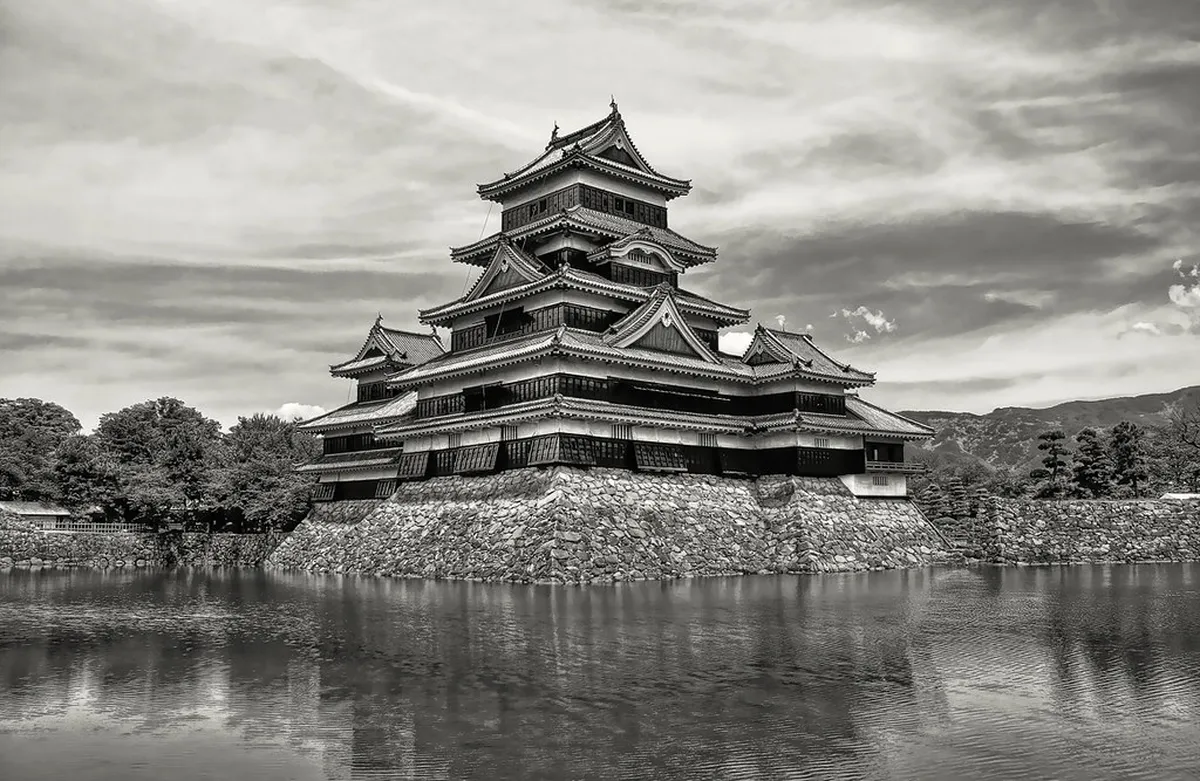
Begin your Matsumoto itinerary at the iconic Matsumoto Castle, a designated National Treasure and one of only five such castles remaining in Japan. Known as the "Crow Castle" (Karasu-jo) for its striking black lacquered exterior, the current keep dates to 1593-1594, making it one of the oldest surviving castle towers in the country. Arrive when gates open at 8:30 AM to beat the crowds. Admission costs 700 JPY for adults, 300 JPY for children (as of 2026).
Climb the six interior levels via steep wooden stairs to reach the top floor, where panoramic views of the city and the snow-capped Northern Alps await. The castle grounds are free to enter and particularly photogenic during cherry blossom season. Allow 1.5 to 2 hours for the full castle experience, including the adjacent Matsumoto City Museum (included in the castle ticket).
Late Morning: Yohashira Shrine and Spring Water Wells
From the castle, walk 10 minutes southeast to Yohashira Shrine, a peaceful Shinto shrine surrounded by towering cedar trees. This local gem is rarely crowded and offers a contemplative start to the day. Matsumoto is famous for its 200+ natural spring water wells fed by snowmelt from the Japanese Alps. Several wells are marked along the streets between the castle and Nakamachi; look for small stone basins with drinkable spring water. The Genchi Well near Nawate Street is one of the most accessible.
Midday: Nawate Street and Nakamachi Street
Walk to Nawate Street, locally called "Frog Street" for the whimsical frog statues lining the path along the Metoba River. Browse traditional craft shops, pick up handmade pottery, and grab a quick snack like taiyaki (fish-shaped pastry, around 200 JPY). Then cross to Nakamachi Street, a beautifully preserved merchant district of white-walled namako-kabe storehouses converted into cafes, galleries, and shops.
For lunch, try hand-cut Shinshu soba noodles, the region's signature dish. A set meal at a local soba shop typically costs 900-1,500 JPY. Highly regarded options include Kobayashi Soba and Nomuriya, both on or near Nakamachi Street. Soba made from locally grown buckwheat and served with fresh wasabi is a must-try experience in any Matsumoto itinerary.
Afternoon: Matsumoto City Museum of Art and Former Kaichi School
After lunch, visit the Matsumoto City Museum of Art (410 JPY admission), home to a permanent collection of works by Yayoi Kusama, the globally celebrated contemporary artist born in Matsumoto. Her giant polka-dot pumpkin sculpture greets you at the entrance. Allow 1 to 1.5 hours for the museum.
If time permits, continue to the Former Kaichi School (Kaichi Gakko), a National Treasure designated in 2019. This striking Western-style building opened in 1876 as one of Japan's first modern elementary schools. Admission is 400 JPY, and the interior showcases Meiji-era educational artifacts. It is a 15-minute walk northwest of the castle. For more cultural stops, browse our Matsumoto culture guide.
Evening: Dinner and Local Craft Beer
Matsumoto's dining scene punches above its weight. Beyond soba, try basashi (horse sashimi, a Nagano specialty), oyaki (stuffed buckwheat dumplings, 200-350 JPY each), and Shinshu salmon. For craft beer, head to Matsumoto Brewery Taproom on the rooftop near the station or Bacca Brewing in the Nakamachi area. A pint costs around 700-900 JPY. Sake lovers should sample local junmai varieties from Nagano breweries; many izakayas offer tasting flights for 1,000-1,500 JPY. Explore more options in our Matsumoto nightlife guide.
Day 1 Insider Tips
Start at the castle by 8:30 AM, especially on weekends, when queues can reach 30-60 minutes by midmorning. The Town Sneaker One-Day Pass (500 JPY) covers bus rides plus discounted castle and museum admission. Wear comfortable shoes with socks you can easily remove, as shoes must come off inside the castle. If visiting during cherry blossom season, the castle grounds host evening illuminations from 5:30 PM to 9:00 PM, free of charge.
Day 2: Step Back in Time on the Nakasendo Trail
Morning: Journey to Narai-juku
Begin your second day with a train ride to Narai-juku, one of the best-preserved Edo-period post towns along the historic Nakasendo Trail. From Matsumoto Station, take the JR Chuo Line to Narai Station; the journey takes about 35 minutes and costs around 590 JPY each way. Once known as "Narai of a Thousand Houses," this kilometer-long street is lined with original wooden merchant buildings dating back over 300 years. Wander the quiet lanes, peek into former inns, and visit the Nakamura House, a preserved merchant residence that offers a window into Edo-era daily life. This is one of the finest Matsumoto experiences for history enthusiasts.
Midday: Walking the Nakasendo Trail
After exploring Narai-juku, lace up your walking shoes and hike a section of the Nakasendo Trail toward Torii Pass. This well-maintained forest path climbs gently through cedar and cypress groves, with informative markers along the way. The Narai-juku to Torii Pass section takes roughly 1 to 1.5 hours one way and is manageable for most fitness levels. Pack a light lunch or grab onigiri from a convenience store before departing; there are few food options on the trail itself. The views from Torii Pass looking down into the Kiso Valley are worth the climb.
Afternoon: Discovering Tsumago-juku (Optional Extension)
If your schedule allows, continue from Torii Pass to Tsumago-juku (an additional 2 hours of walking), another exceptionally preserved post town. Tsumago bans cars from its main street, creating a remarkably authentic atmosphere. If hiking the full route is too ambitious, return to Narai and take the train one stop south to Kiso-Fukushima, another charming Nakasendo town with a historic checkpoint site and riverside walking paths.
Evening: Relaxing Back in Matsumoto
Return to Matsumoto by late afternoon. After a day of walking, treat yourself to a soak at Asama Onsen, a hot spring area 20 minutes by bus from the station. Day-use onsen facilities charge around 500-700 JPY. Follow with dinner at a local izakaya; try nozawana pickles, grilled river fish (iwana), and Shinshu pork. For after-dinner atmosphere, check out our nightlife and bars in Matsumoto picks.
Day 2 Insider Tips
Check train times carefully; the Narai line runs roughly once per hour. Wear sturdy walking shoes with good grip for the forest trail. Spring and autumn provide the most comfortable hiking weather. Carry cash, as many Narai-juku shops do not accept credit cards. If visiting on a weekday, you may have the trail nearly to yourself.
Day 3: Discover the Alpine Beauty of Kamikochi
Morning: Arrival and Kappa Bridge
Start early for a full day in Kamikochi, one of Japan's most spectacular alpine valleys. From Matsumoto, take the Alpico bus from the bus terminal (adjacent to the station) to Kamikochi; the ride takes approximately 1 hour 30 minutes and costs about 2,600 JPY one way (round-trip tickets available for 4,650 JPY). Kamikochi is open to visitors from mid-April to mid-November; private cars are prohibited, so the bus is your only option.
Upon arrival, head straight to the iconic Kappa Bridge, a wooden suspension bridge spanning the crystal-clear Azusa River. The views of the Hotaka Mountain Range (3,190 m) reflected in the turquoise water are extraordinary. Arrive before 10:00 AM for the clearest mountain views and smallest crowds. This is a signature photo spot for any Matsumoto itinerary.
Midday: Taisho Pond and Nature Trails
From Kappa Bridge, follow the flat, well-maintained boardwalk trail south to Taisho Pond (approximately 60 minutes walking). This hauntingly beautiful pond was formed by a volcanic eruption of Mount Yake in 1915; the ghostly standing dead trees submerged in the water create an otherworldly landscape. The trail passes through old-growth forest alive with birdsong. Watch for Japanese macaques, which are commonly spotted along this stretch. Pack a bento lunch or eat at the Taisho Pond bus stop rest house before continuing.
Afternoon: Myojin Pond and Shrine
Head upstream from Kappa Bridge (about 60 minutes walking) to reach Myojin Pond, a sacred site with waters so clear you can see the bottom several meters down. The Hotaka Shrine inner sanctuary sits at the pond's edge; entry to the shrine grounds costs 300 JPY. The combination of the turquoise pond, surrounding birch forest, and towering peaks makes Myojin one of the most serene spots in all of Japan. Allow 30-45 minutes here before heading back toward Kappa Bridge to catch your return bus.
Evening: Return Journey and Farewell Dinner
The last bus from Kamikochi to Matsumoto typically departs around 5:00-5:15 PM (confirm current schedules at the Kamikochi bus terminal). Arriving back in Matsumoto by early evening, enjoy a farewell dinner featuring the best of Shinshu cuisine. Consider a multi-course meal at a local restaurant showcasing seasonal mountain vegetables, handmade soba, and local sake. Reflect on three days of castles, forest trails, and alpine peaks. Explore more dining and entertainment ideas in our Matsumoto highlights guide.
Day 3 Insider Tips
Book the earliest bus (departing around 5:30 AM in peak season) for the best mountain visibility and fewer crowds. Bring layers: Kamikochi sits at 1,500 m elevation, and temperatures can be 10 C cooler than Matsumoto even in summer. Rain gear is essential as afternoon showers are common. Bear bells are sold at the bus terminal gift shop if you plan to hike quieter trails. No camping or fires are allowed outside designated areas.
Bonus: Hidden Gems to Add to Your Matsumoto Itinerary
If you have extra time or want to swap out a section, these lesser-known attractions are well worth a detour.
Daio Wasabi Farm: Japan's largest wasabi farm sits 30 minutes north of Matsumoto by bus. Entry is free. Wander the sprawling wasabi fields fed by crystal-clear spring water, taste wasabi ice cream (350 JPY), and try fresh wasabi soba at the on-site restaurant. Visit in spring when the waterwheel area is particularly scenic.
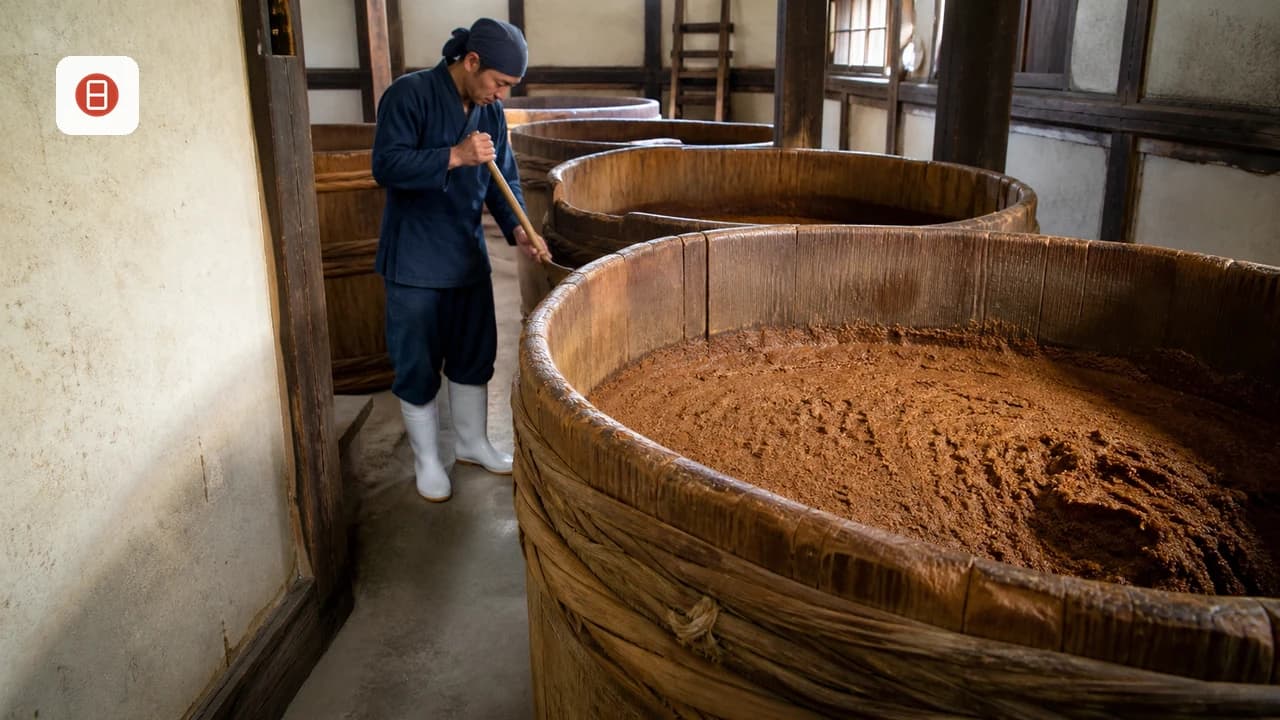
Ishii Miso Brewery: Founded in 1868, this traditional miso producer offers free guided tours of their historic brewing facility. Sample miso soup and miso soft serve, and browse the attached shop. Located a 15-minute walk east of the station.
Japan Ukiyo-e Museum: Housing over 100,000 woodblock prints collected by a single Matsumoto family over five generations, this is one of the world's finest ukiyo-e collections. Admission is 1,000 JPY. Located about 20 minutes by car from the city center; take a taxi or the Town Sneaker bus.
For even more off-the-beaten-path ideas, browse our full list of Matsumoto activities and upcoming Matsumoto events for 2026.
Matsumoto Itinerary Budget Breakdown (2026)
Here is a quick cost summary for a 3-day Matsumoto itinerary per person, based on mid-range spending.
Transport (Tokyo round trip): 13,240 JPY (train) or 7,000 JPY (bus)
Local transport (3 days): 1,500-3,000 JPY (Town Sneaker passes + Kamikochi bus)
Accommodation (2 nights): 14,000-50,000 JPY (hotel to ryokan range)
Attractions: 2,500-4,000 JPY (castle, museums, shrine entries)
Food (3 days): 6,000-15,000 JPY (casual to mid-range dining)
Estimated total: 37,000-85,000 JPY (approximately 250-570 USD at 2026 exchange rates), depending on your accommodation and dining preferences.
Frequently Asked Questions About Matsumoto
Is Matsumoto worth visiting in 2026?
Matsumoto is absolutely worth visiting in 2026. It offers a National Treasure castle, pristine alpine scenery at Kamikochi, Edo-period post towns on the Nakasendo Trail, and world-class art by Yayoi Kusama. Unlike crowded tourist hubs such as Kyoto, Matsumoto remains relatively uncrowded, giving you a more authentic Japanese travel experience.
How many days do you need in Matsumoto?
Most visitors find 2 to 3 days ideal. One day covers the castle, Nakamachi Street, and the art museum. Two days allow a Nakasendo Trail excursion. Three days let you add a full day in Kamikochi. Even a single day trip from Tokyo is worthwhile if time is limited.
What is the best way to get from Tokyo to Matsumoto?
The JR Azusa Limited Express from Shinjuku Station is the most convenient option, taking 2 hours 40 minutes at a cost of 6,620 JPY one way. Highway buses are cheaper at 3,500 JPY but take 3 to 3.5 hours. Both options are covered by their respective rail or bus passes.
What food is Matsumoto famous for?
Matsumoto is famous for Shinshu soba noodles made from locally grown buckwheat, oyaki (stuffed buckwheat dumplings), basashi (horse sashimi), and wasabi-based dishes thanks to the nearby Daio Wasabi Farm. The region also produces excellent sake, craft beer, and Shinshu apples harvested in autumn.
Can you visit Kamikochi as a day trip from Matsumoto?
Yes. Kamikochi is a popular day trip from Matsumoto, reachable by Alpico bus in about 1 hour 30 minutes each way. A round-trip ticket costs approximately 4,650 JPY. The valley is open from mid-April to mid-November. Private cars are banned, so the bus is the standard transport option.
Is a Japan Rail Pass worth it for Matsumoto?
A nationwide Japan Rail Pass is worth it if you are making three or more long-distance train trips during your Japan visit. For Matsumoto specifically, the JR East Nagano-Niigata Area Pass (18,000 JPY for 5 days) covers the Azusa line and offers strong value if you are also visiting nearby Nagano City, Karuizawa, or Niigata.
What is the best season to visit Matsumoto?
Spring (cherry blossoms in early April) and autumn (foliage in late October) are the most popular seasons. Summer is best for Kamikochi hiking, while winter offers snow-dusted castle views and nearby skiing. Each season provides a distinct experience, so the best time depends on your interests.
Following this 3-day Matsumoto itinerary ensures you experience the best of this remarkable city in 2026. From the black walls of Crow Castle to the alpine peaks of Kamikochi, Matsumoto blends history, nature, and culinary excellence into one unforgettable destination. Start planning your trip today, and discover why this Japanese Alps gateway deserves a place on every Japan travel itinerary.
Free: The Matsumoto Essentials guide
Top things to do, where to stay, a perfect day plan, getting around, and the best time to go — a Matsumoto mini-guide you can take offline.
You might also like


Continue reading
More guides you'll find useful