Kamakura Day Trip Itinerary: 10 Best Sightseeing Stops & Guide
Plan the perfect Kamakura day trip with our 2025 guide. Includes a 10-step itinerary, transport tips from Tokyo, and the best temples and gardens.
On this page
Kamakura offers a perfect escape for travelers seeking history and coastal beauty near Tokyo. This **kamakura day trip itinerary and sightseeing guide** helps you navigate the ancient samurai capital with ease. Visitors often call this seaside city the "Little Kyoto" of eastern Japan due to its many temples. You will find everything from massive bronze statues to quiet bamboo groves along the walking paths.
Planning a visit to Japan requires careful timing to see the best spots without the crowds. Kamakura sits just an hour south of the capital and provides a refreshing change of pace. The city blends mountainous hiking trails with a relaxed beach culture facing the Pacific Ocean. Exploring these diverse landscapes is simple when you understand the local transport network.
How to Get from Tokyo to Kamakura
Reaching Kamakura from central Tokyo is straightforward thanks to the efficient Japanese rail system. The **JR Yokosuka Line** provides a direct connection from Tokyo Station and Shinagawa Station in about 60 minutes. Travelers can use the JAPAN RAIL PASS Official Site to cover this specific route. This line is often the fastest choice for those staying on the eastern side of the city.
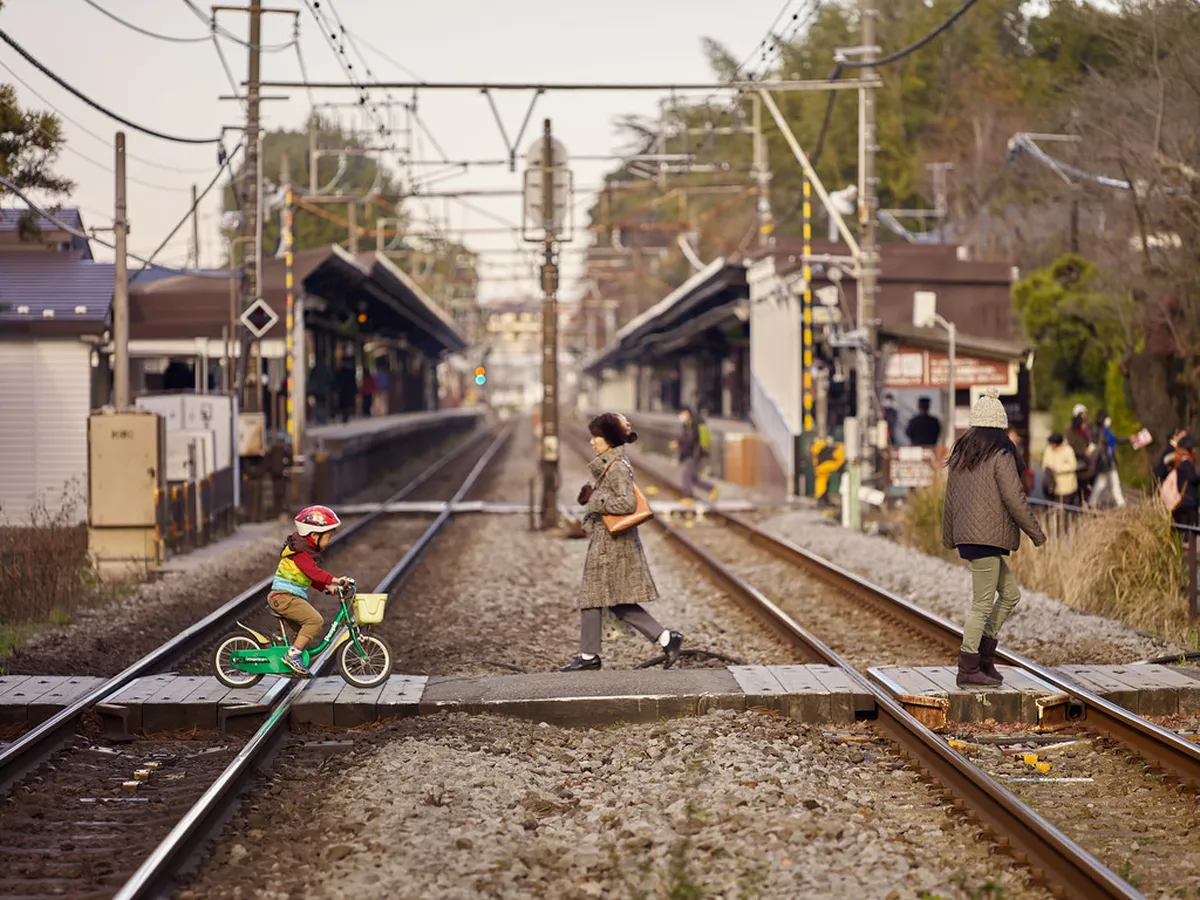
If you are starting from Shinjuku or Shibuya, the **JR Shonan-Shinjuku Line** is your best bet. Check the JR East website for the latest schedules and platform numbers. Most trains heading toward Zushi or Kurihama will stop at Kamakura Station without requiring a transfer. Always confirm the train destination on the electronic signs before boarding to avoid heading toward Odawara.
Budget-conscious travelers should consider the Odakyu Railway Free Pass Info for a cheaper alternative. This pass includes a round-trip from Shinjuku to Fujisawa plus unlimited rides on the local Enoden Line. While the journey takes slightly longer, the cost savings are significant for a full day of exploring. The Odakyu route also makes it very easy to visit the nearby island of Enoshima.
Getting Around Kamakura: Enoden vs. Walking
Navigating the city requires a choice between scenic train rides and traditional walking paths. The **Enoden Line** is a charming, narrow-gauge railway that runs along the coast toward Enoshima. It connects major sites like the Great Buddha and Hasedera Temple with the main station area. Riding these green vintage trains offers some of the most iconic views of the Sagami Bay.
Walking is often the most rewarding way to experience the quiet backstreets and hidden shrines. Many seasoned travelers recommend starting your journey at **Kita-Kamakura Station** to avoid the crowds. This strategy allows you to walk downhill toward the city center while visiting major Zen temples. You will save energy by moving with the natural slope of the valley instead of climbing.
Using a Suica or Pasmo IC card makes hopping on and off local buses and trains seamless. These cards work on the Enoden and all JR lines serving the coastal area. You can also use them to pay for snacks at many small shops near the stations. Keep your card topped up to avoid waiting in ticket machine lines during peak hours.
Weekdays are significantly quieter than weekends. Most tour groups arrive at the Great Buddha between 11:00 AM and 2:00 PM — plan your visit outside those hours for better photos and less stress.
Must-See Kamakura Attractions (The Big Buddha & Beyond)
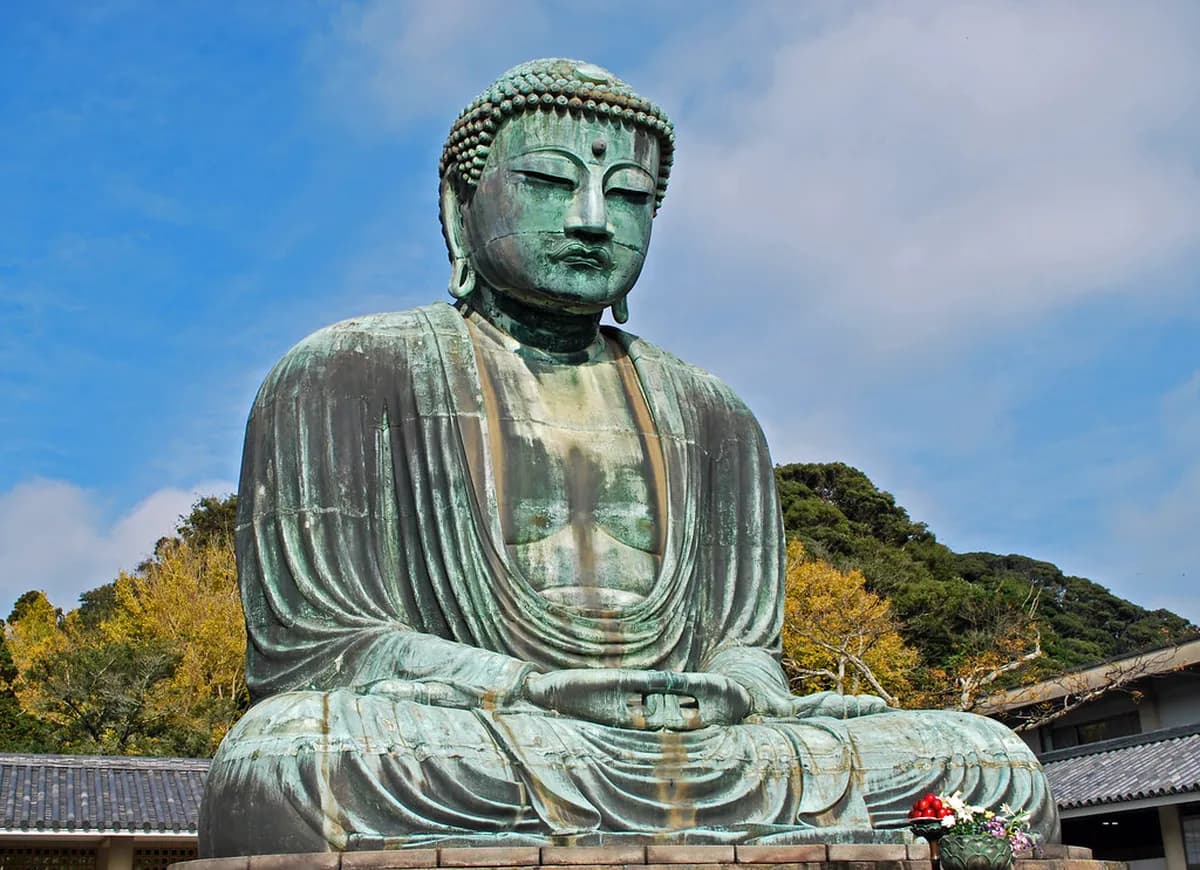
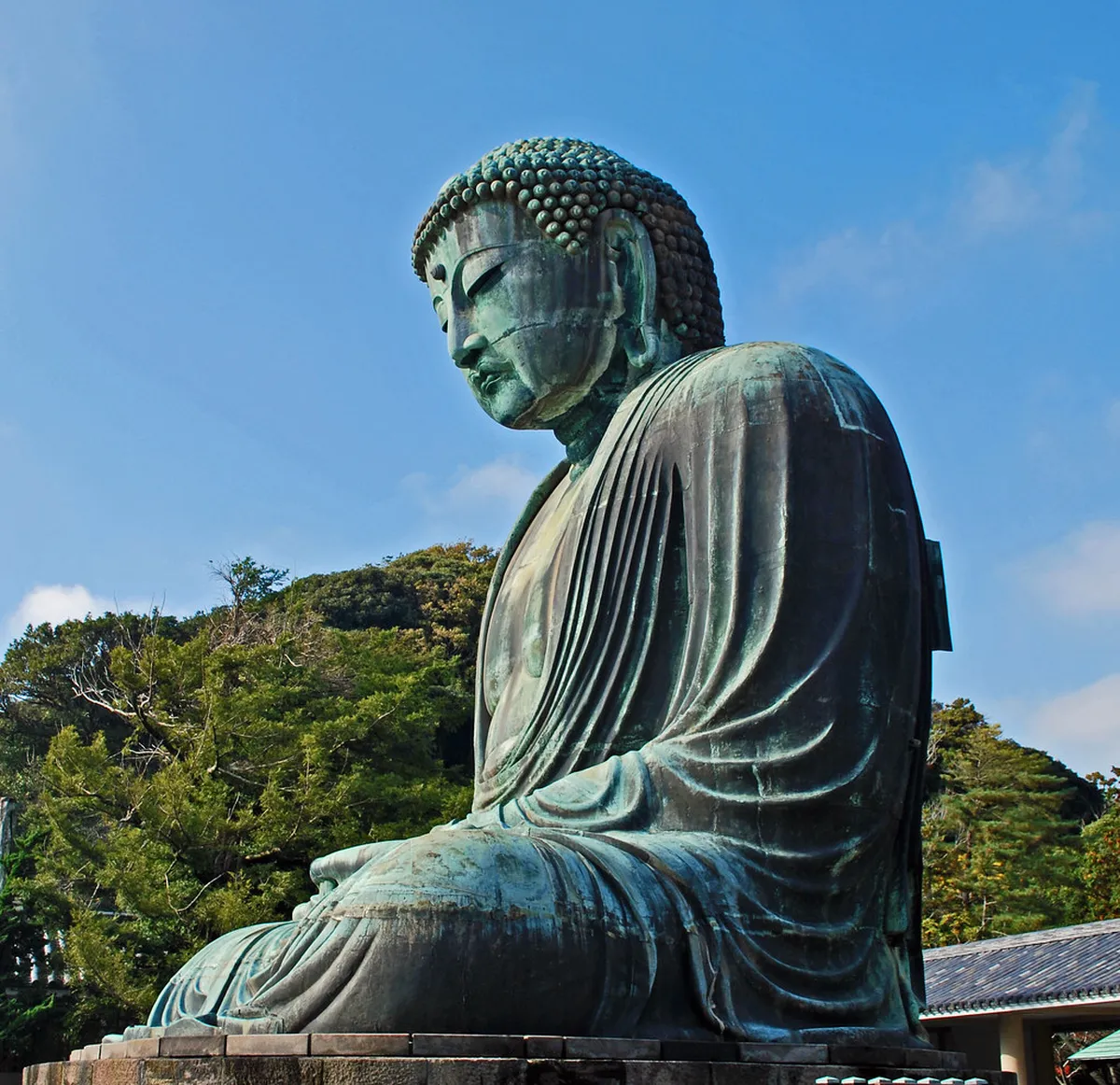
The most famous landmark in the city is the **Kotoku-in Great Buddha**, a massive bronze statue. It has survived typhoons and tsunamis since the 13th century while sitting in the open air. You can find more details about this and other kamakura attractions on our dedicated guide. Arriving before 10 AM is the best way to beat the large tour bus groups.
**Hasedera Temple** is another essential stop known for its beautiful gardens and coastal overlooks. The temple houses a massive wooden statue of Kannon, the goddess of mercy, with eleven heads. Visitors enjoy the panoramic views of the ocean from the upper terrace during the afternoon. The grounds are especially famous for hydrangeas in June and colorful maple leaves in autumn.
For a peaceful experience, head to **Hokokuji**, which is famous for its dense bamboo forest. You can enjoy a cup of matcha tea while sitting among the towering green stalks. The sound of the wind through the bamboo creates a serene atmosphere far from the city noise. This temple is a short bus ride or a twenty-minute walk from the main station area.
Kamakura Day Trip Itinerary: A Step-by-Step 10-Hour Plan
A well-structured day ensures you see the highlights without feeling rushed or exhausted. Begin your morning at 8:30 AM at **Kita-Kamakura Station** to visit **Engakuji Temple** first. This early start lets you enjoy the Zen architecture before the midday heat and crowds arrive. Walk south toward the city center to reach **Tsurugaoka Hachimangu Shrine** by late morning.
Lunchtime is best spent exploring the vibrant food stalls along **Komachi-dori Street** near the station. Try local specialties like **Shirasu** (whitebait) bowls or giant rice crackers sold by street vendors. This area is perfect for souvenir shopping and people-watching during the busiest part of the day. Many cafes here offer traditional Japanese sweets that provide a quick energy boost.
Spend your afternoon taking the Enoden Line to Hase Station for the Great Buddha and Hasedera. Finish your trip by watching the sunset at **Yuigahama Beach** or heading to Enoshima Island. The coastal views as the sun dips below the horizon are truly unforgettable for photographers. Head back to Kamakura Station by 6:00 PM to catch a direct train to Tokyo.
- Morning Zen Start
- Location: Engakuji Temple
- Time: 8:30 AM
- Activity: Zen garden walk
- Cost: 500 yen
- Samurai History Visit
- Location: Tsurugaoka Hachimangu
- Time: 10:30 AM
- Activity: Shrine exploration
- Cost: Free entry
- Local Culinary Experience
- Location: Komachi-dori Street
- Time: 12:30 PM
- Activity: Street food lunch
- Cost: 1000-2000 yen
- Iconic Landmark Tour
- Location: Kotoku-in Buddha
- Time: 2:30 PM
- Activity: Statue photography
- Cost: 300 yen
- Coastal Garden Walk
- Location: Hasedera Temple
- Time: 4:00 PM
- Activity: Ocean view terrace
- Cost: 400 yen
| Stop | Time | Entry fee | Highlight |
|---|---|---|---|
| Engakuji Temple | 8:30 AM | 500 yen | Zen garden & Sanmon gate |
| Tsurugaoka Hachimangu | 10:30 AM | Free | Samurai shrine & lotus ponds |
| Komachi-dori Street | 12:30 PM | Free | Shirasu street food |
| Kotoku-in (Great Buddha) | 2:30 PM | 300 yen | 13-metre bronze Daibutsu |
| Hasedera Temple | 4:00 PM | 400 yen | Ocean panorama & Kannon statue |
Komachi-dori local etiquette in 2025 discourages eating while walking. Most shops provide a small standing area — look for it before heading back into the crowd.
Practical Tips for Kamakura in 2025
Traveling in 2025 requires awareness of new transport options and local environmental initiatives. The **Kamakura Free Environment Ticket** is a great choice for eco-conscious travelers using local buses. It costs around 700 yen and helps reduce traffic congestion in the narrow temple districts. Consult the Official Kamakura City Tourism Association for updated event schedules.
Crowd mitigation is essential if you plan to visit during weekends or public holidays. Most tour groups arrive at the Great Buddha between 11:00 AM and 2:00 PM each day. Planning your visit outside these peak hours will result in much better photos and less stress. Weekdays are significantly quieter and offer a more authentic atmosphere in the smaller shrines.
Always carry some cash as many smaller temples and food stalls do not accept cards. While major stations and convenience stores are digital-friendly, local traditions often remain cash-based. You will need coins if you wish to participate in traditional temple offerings or fortunes. Small bills are also helpful for paying the entry fees at the various historical sites.
Recommended Accommodation and Hotel Availability
Staying overnight allows you to experience the city after the day-trippers have returned to Tokyo. The atmosphere changes completely in the evening as the temple bells ring across the quiet valley. You can find a variety of options on Booking.com Kamakura Stays for different budgets. Early morning walks through the empty streets are a highlight for many overnight guests.
For those on a budget, the Iza Kamakura Hostel & Bar offers a social and affordable environment. It is located near the beach and provides easy access to the Enoden Line stations. Hostels in this area often fill up quickly during the summer surfing season and autumn festivals. Booking at least a month in advance is recommended for peak travel periods.
Luxury travelers might prefer a traditional ryokan stay to experience authentic Japanese hospitality. These inns often include multi-course kaiseki meals featuring fresh seafood from the local bay. Waking up to a view of the ocean or a private Zen garden is a truly unique experience. Check availability early as high-end ryokans in Kamakura have very limited room counts.
Continue planning with Kamakura Day Trip From Tokyo: Train, Pass & Itinerary (2026 Guide).
Frequently Asked Questions
Is the Enoshima Kamakura Free Pass worth it?
Yes, the pass is worth it if you plan to visit both Enoshima and Kamakura in one day. It covers your round-trip from Tokyo and unlimited Enoden rides. You can find more details on Kamakura transport options to see if it fits your specific route.
How much time should you plan for a Kamakura day trip?
You should plan for at least 8 to 10 hours to see the main highlights comfortably. This allows time for travel from Tokyo, visiting three major temples, and enjoying a local lunch. Starting early at Kita-Kamakura Station helps maximize your sightseeing time before evening.
Can you see Mount Fuji from Kamakura?
Yes, Mount Fuji is visible from several spots in Kamakura on clear days, especially during winter. The best views are found at Yuigahama Beach or from the observation deck at Enoshima Island. Early morning offers the highest chance of seeing the peak before clouds move in.
Why is Kamakura called the "Kyoto of the East"?
Kamakura earned this nickname because it served as the political center of Japan during the Kamakura Period. Like Kyoto, it is filled with ancient Zen temples, historic shrines, and traditional gardens. The city preserves a samurai-era atmosphere that is rare to find so close to modern Tokyo.
Kamakura remains one of the most rewarding day trips for anyone visiting the Tokyo metropolitan area. Following this **kamakura day trip itinerary and sightseeing guide** ensures you experience the best of the city. From the towering Great Buddha to the peaceful bamboo groves, the variety of sites is truly impressive. Take your time to explore the hidden corners and enjoy the fresh sea breeze along the coast.
Remember to check train schedules and book your accommodation early for the best possible experience. This ancient capital offers a unique window into Japan's samurai past and its spiritual traditions. Whether you are a history buff or a nature lover, Kamakura will surely leave a lasting impression. Safe travels as you discover the many wonders of this beautiful seaside destination.
Free: The Kamakura Essentials guide
Top things to do, where to stay, a perfect day plan, getting around, and the best time to go — a Kamakura mini-guide you can take offline.
You might also like


Continue reading
More guides you'll find useful