
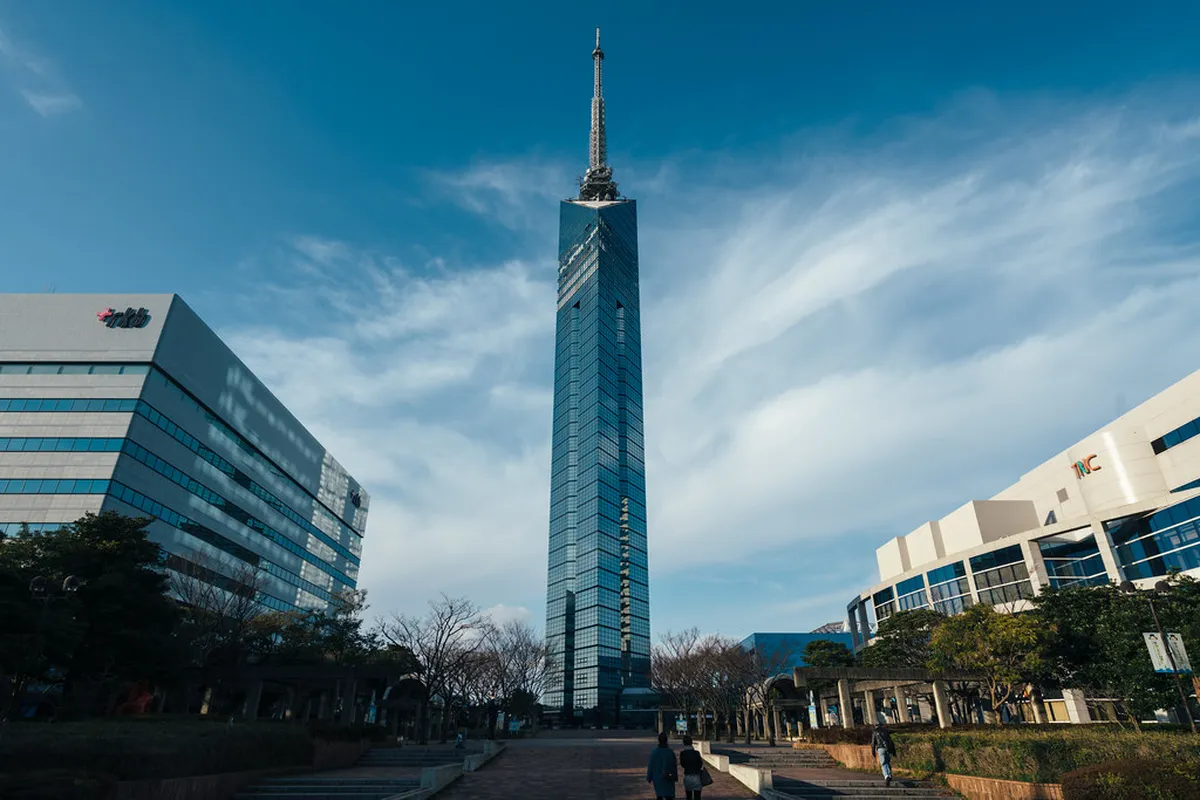
Fukuoka Tower
Fukuoka Tower is a 234-metre seaside observation tower in Momochihama, the tallest of its kind in Japan, offering panoramic views over Hakata Bay and the city skyline.
Visitor guide →
The 14 best Fukuoka attractions for 2026 — verified ticket prices, opening hours, neighborhood maps, free vs paid picks, and ready-to-use 1, 2 and 3-day itineraries.
Fukuoka is Kyushu's largest city and the friendliest gateway to southern Japan — a compact, walkable port where 1,200-year-old shrines sit five subway stops from a 234-metre seaside observation tower, and where the ramen capital of the world serves dinner from roughly 100 lantern-lit yatai carts along the Naka River. Most first-time visitors are surprised by how much fits inside a 2-3 day stay: Hakata's temple loop, Tenjin's shopping arcades, Momochi's bayfront, a sumo-tournament shrine, beaches and a flower island both 30 minutes from downtown, and a 1,100-year-old plum-blossom shrine in Dazaifu just a 25-minute train ride south.
This 2026 guide narrows the city's attraction map down to 14 sights that consistently reward the time and ticket price for international travelers. Each card below links to a dedicated visitor guide with verified opening hours, current entry fees, and the practical tips that don't make it into the official site's FAQ — recently re-checked for 2026 (entry prices, festival dates, transit-pass coverage). After the grid you'll find Fukuoka's attractions sorted by neighborhood and by category, a free-vs-paid breakdown, 1, 2 and 3-day itineraries, transport guidance, the best months to visit, and a money-saving section built around the FUKUOKA TOURIST CITY PASS. Bookmark this page as your starting point — every link below is a self-contained, bookable visit plan.
Planning a wider trip? See our Japan travel guide, the things to do in Fukuoka guide, and getting around Japan.
Fukuoka Tower is a 234-metre seaside observation tower in Momochihama, the tallest of its kind in Japan, offering panoramic views over Hakata Bay and the city skyline.
Visitor guide →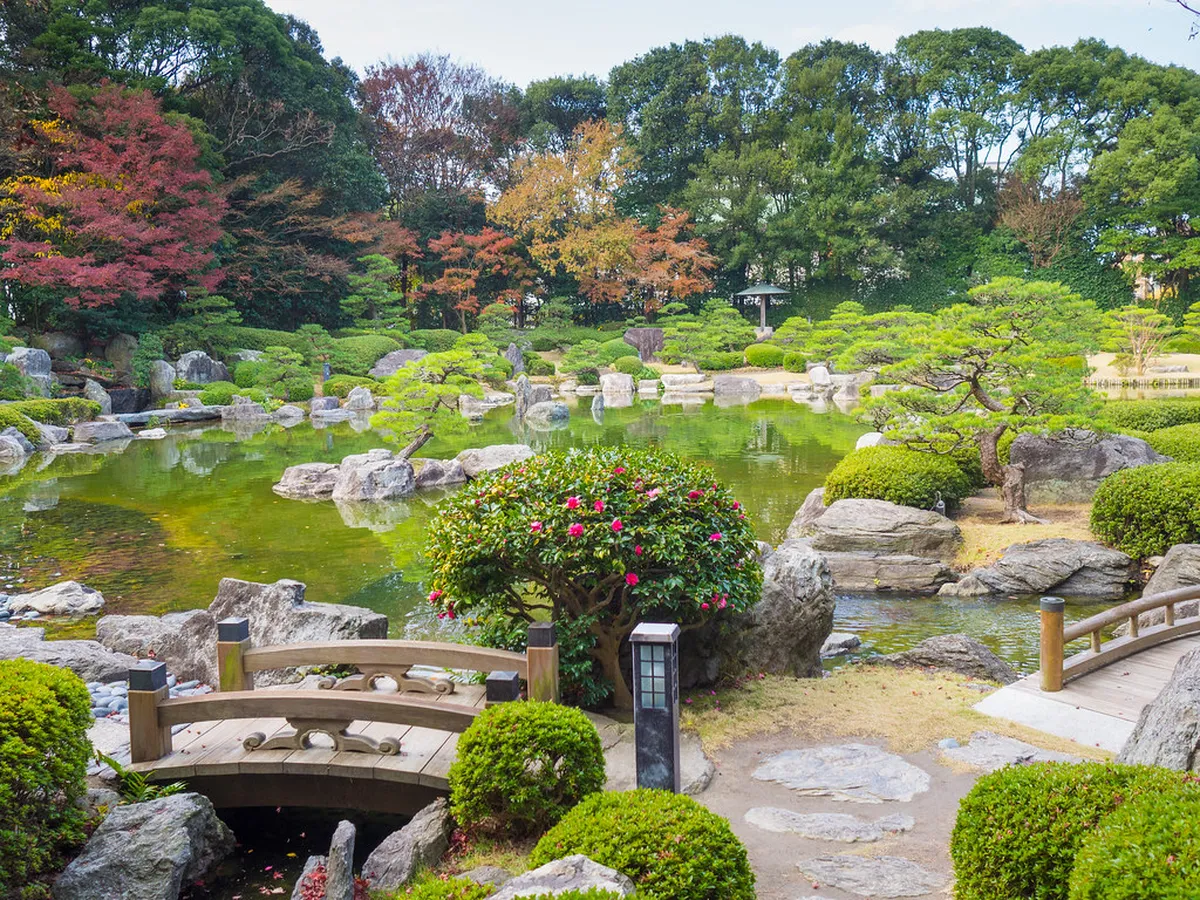
Ohori Park is a large urban park in central Fukuoka built around a former castle moat, with a 2 km waterside loop, a traditional Japanese garden, and an art museum.
Visitor guide →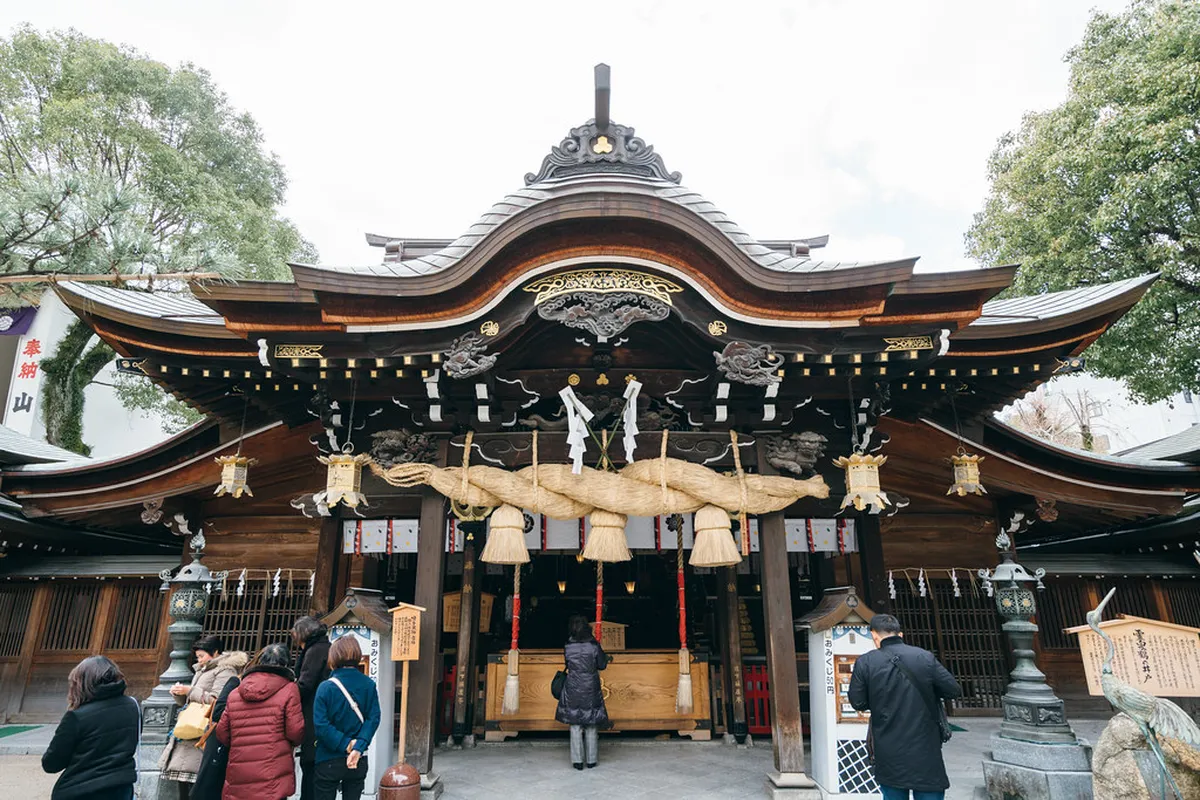
Kushida Shrine is the tutelary Shinto shrine of Hakata, founded in 757 AD and home to the famous Hakata Gion Yamakasa festival.
Visitor guide →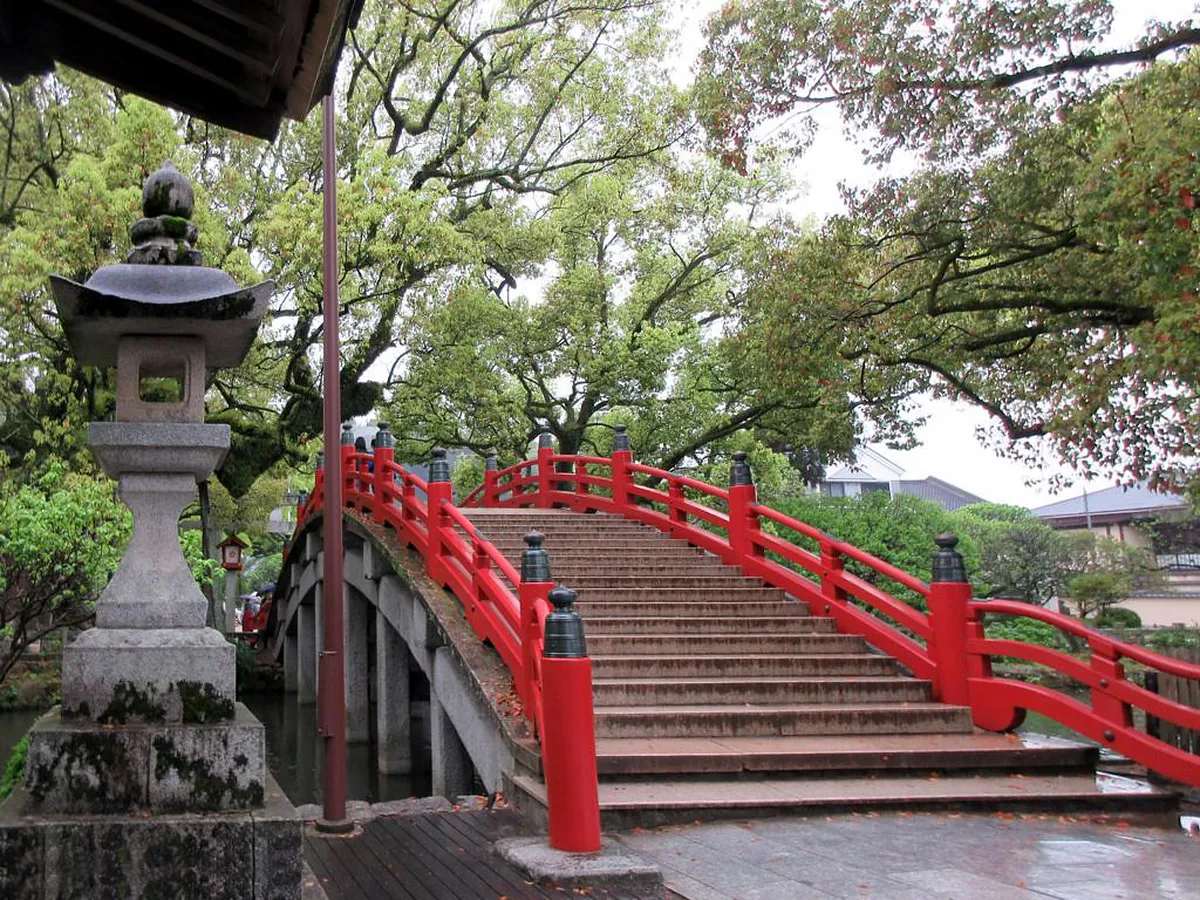
Dazaifu Tenmangu is a historic Shinto shrine south of Fukuoka dedicated to Tenjin, the god of learning, famed for thousands of plum trees and centuries of imperial patronage.
Visitor guide →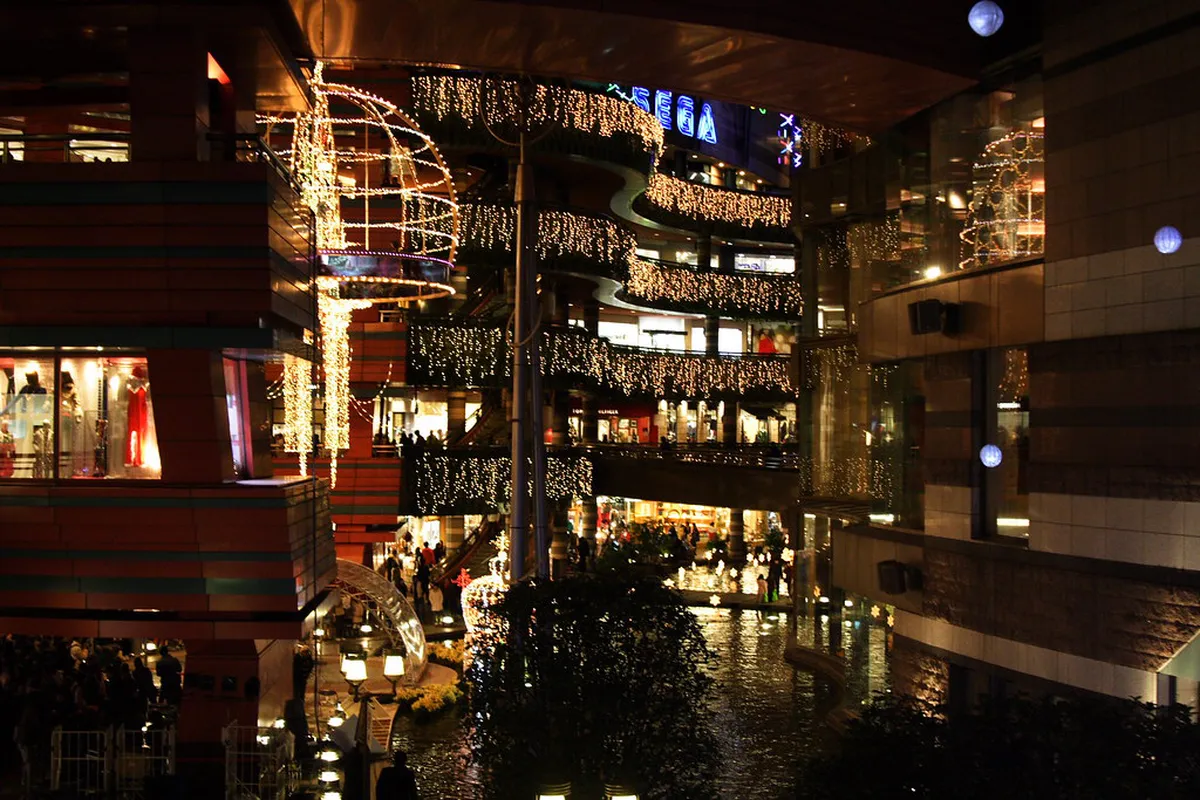
Canal City Hakata is a landmark shopping, dining, and entertainment complex in central Fukuoka built around a 180-metre artificial canal with hourly fountain shows.
Visitor guide →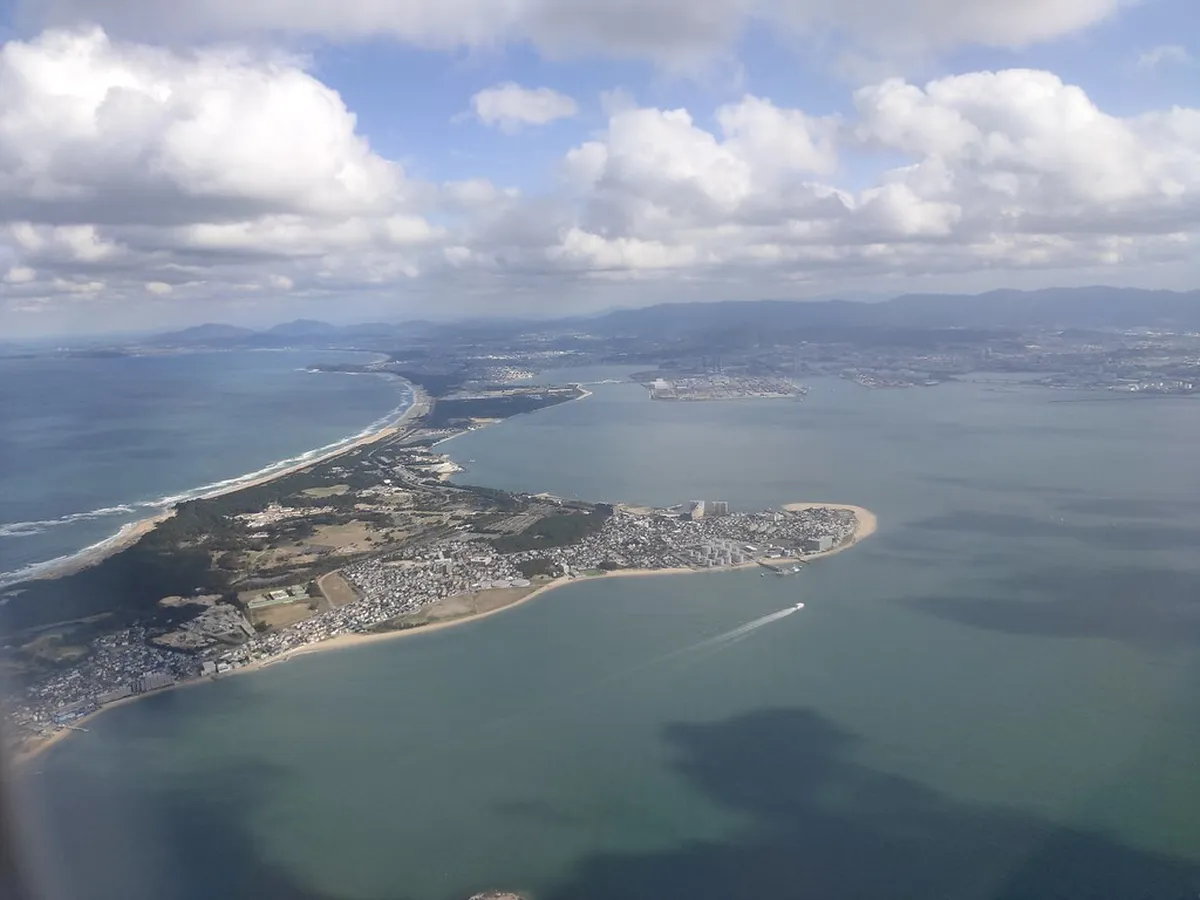
Hakata Old Town is the historic temple district of Fukuoka, packed with centuries-old Buddhist temples, Shinto shrines, and traditional machiya townhouses within an easy walking loop.
Visitor guide →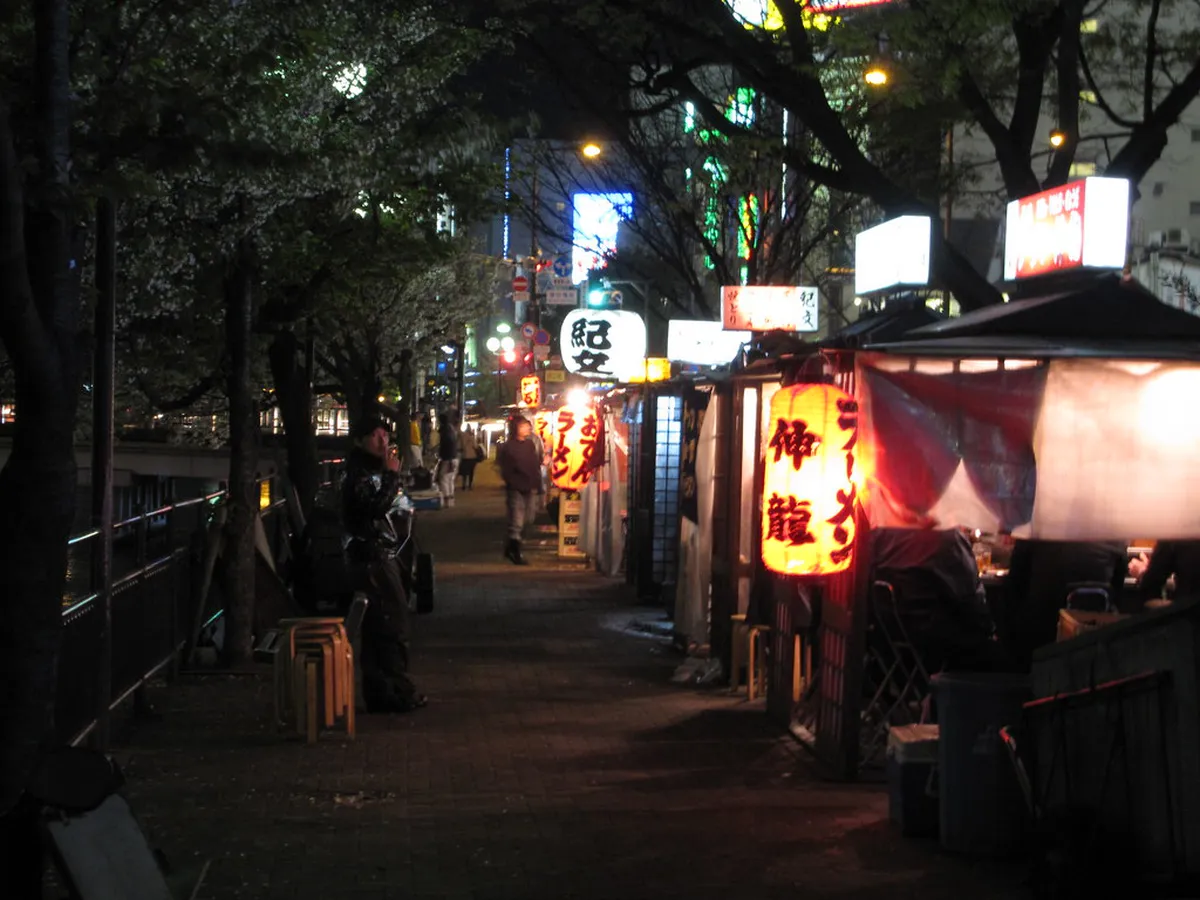
Nakasu yatai are Fukuoka's celebrated riverside food stalls, around 100 mobile carts that set up nightly along the Naka River serving ramen, yakitori, and drinks under lantern light.
Visitor guide →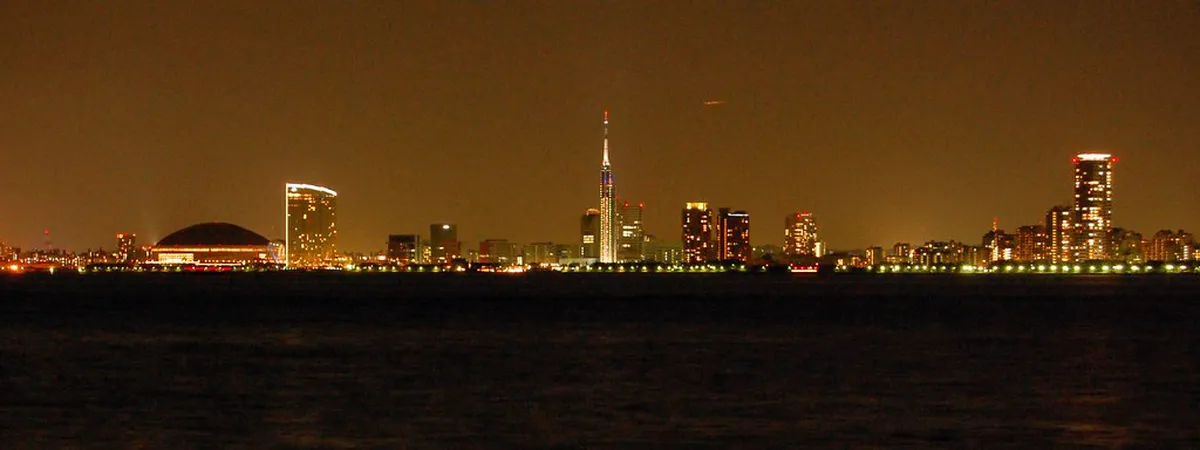
Nokonoshima is a small flower-covered island in Hakata Bay reached by a 10-minute ferry from Fukuoka, famous for the hilltop Island Park's seasonal blooms and sweeping sea views.
Visitor guide →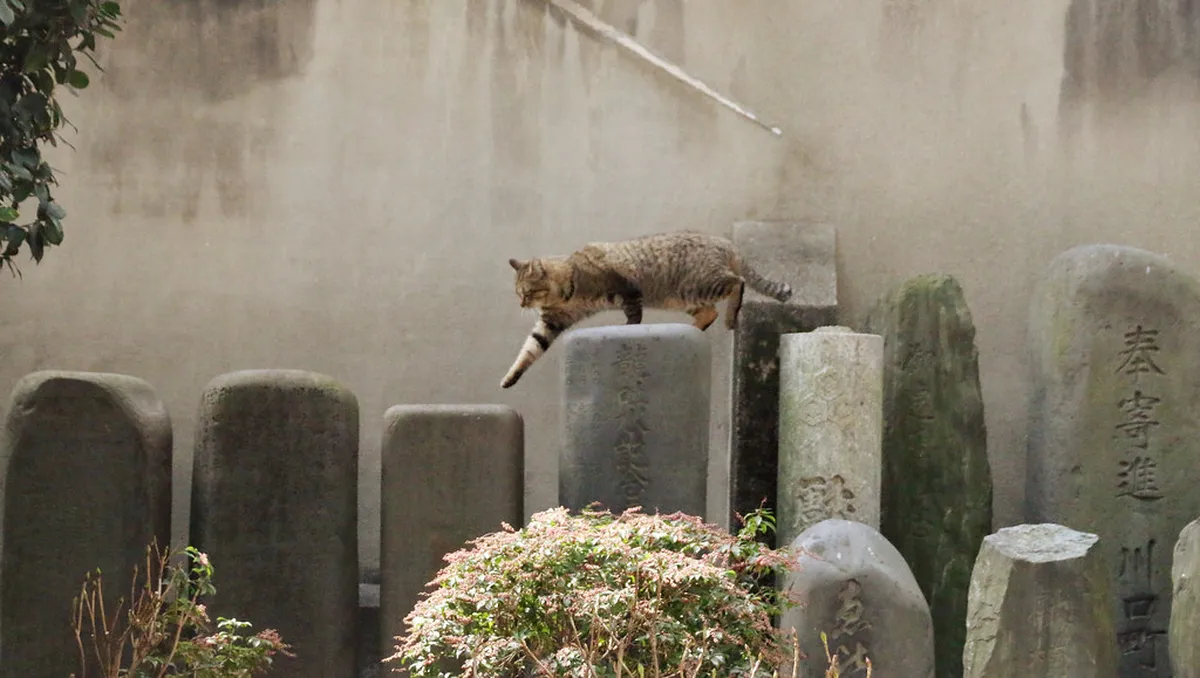
Tochoji is a 9th-century Shingon Buddhist temple in Hakata, founded by Kukai in 806 AD and home to a 10.8-metre wooden Buddha — the oldest Shingon temple in Kyushu.
Visitor guide →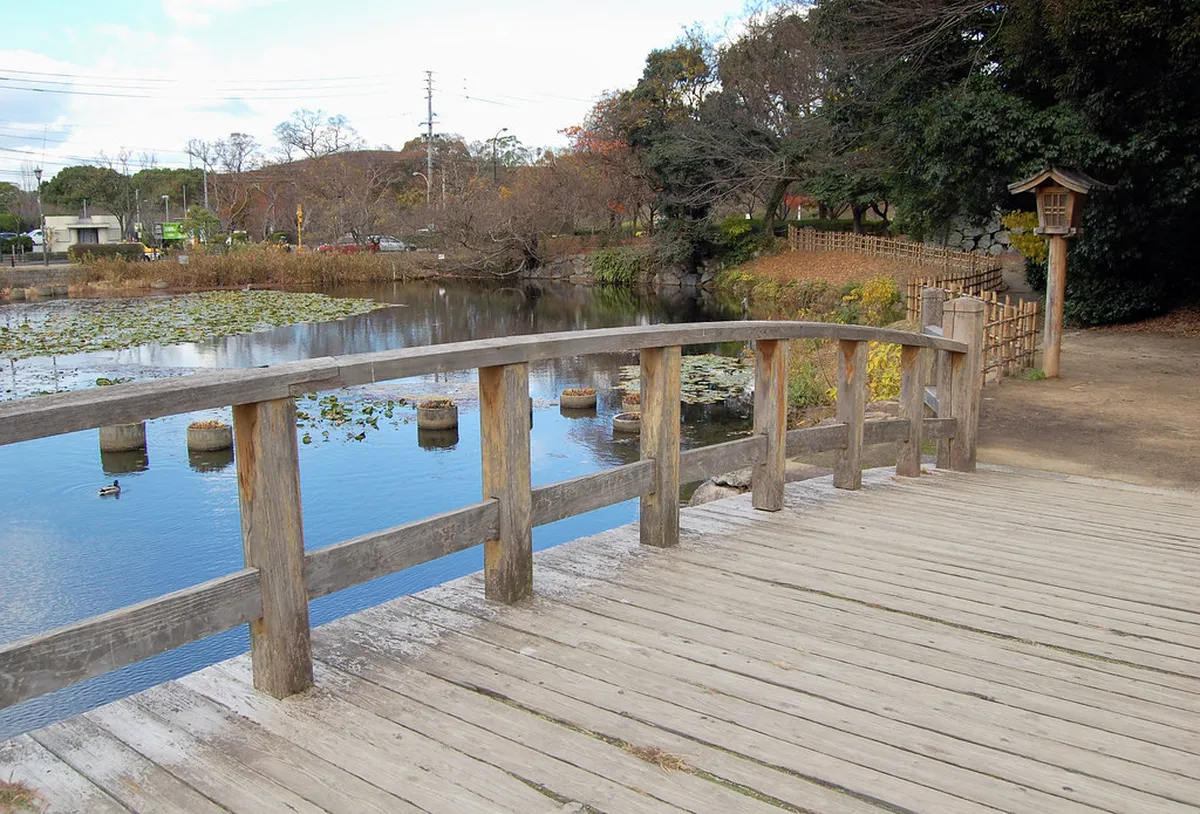
Fukuoka Castle Ruins, set inside Maizuru Park, are the imposing stone-wall remains of a 17th-century Kuroda-clan castle, free to explore and famed for spring cherry blossoms.
Visitor guide →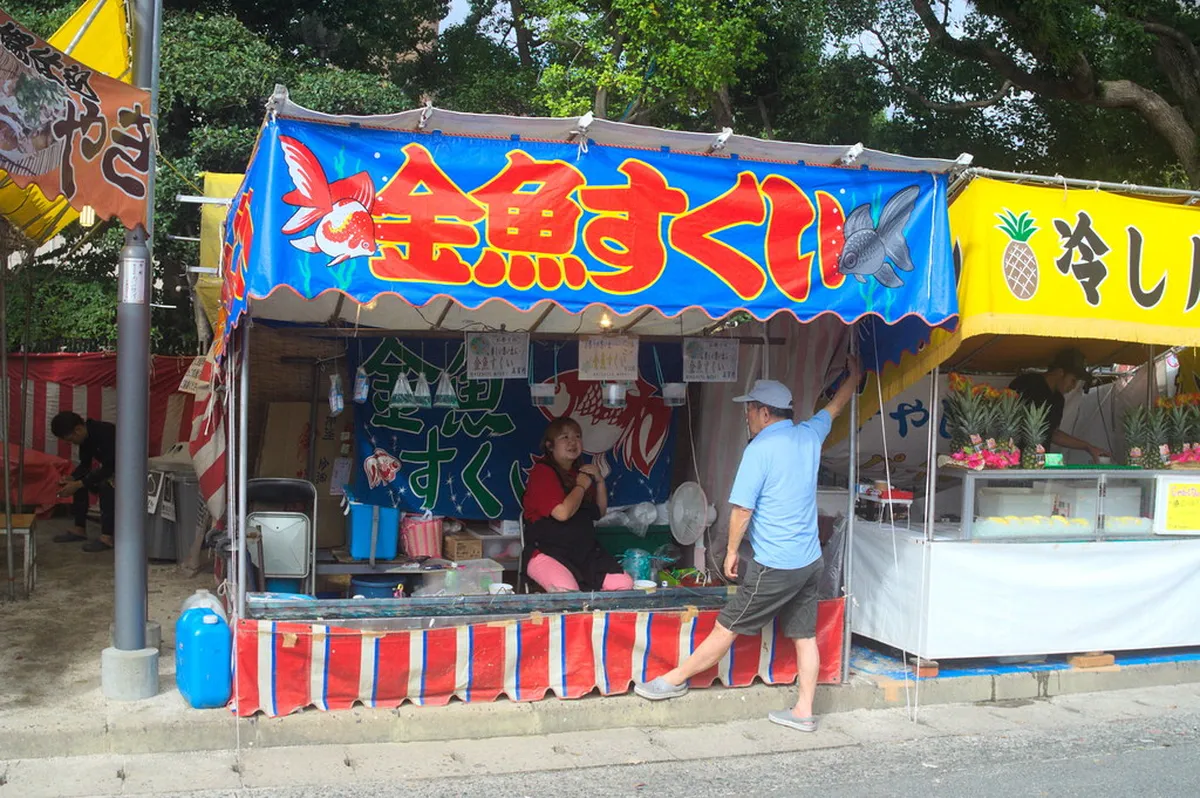
Hakozaki Shrine is one of Japan's three great Hachiman shrines, founded in 923, free to visit and famed for the January Tamaseseri ritual and the September Hojoya Festival.
Visitor guide →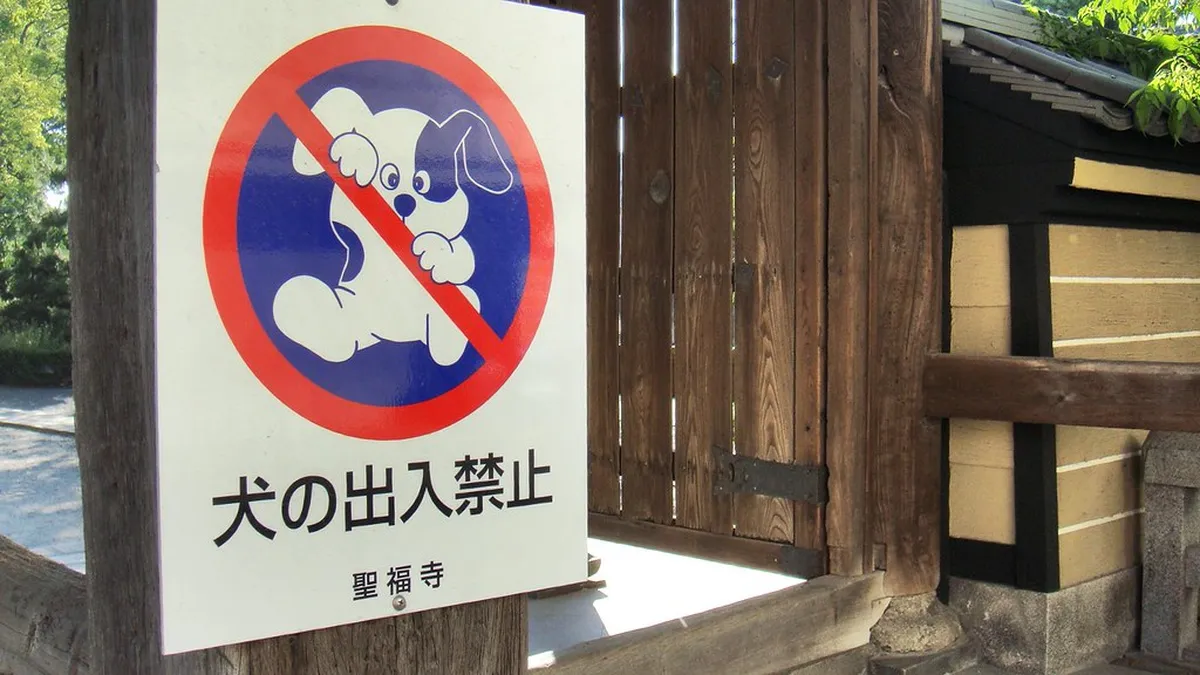
Shofukuji is regarded as Japan's first Zen temple, founded in 1195 by Eisai in Hakata, with free-to-walk grounds, a historic Sanmon Gate and preserved Hakata-bei walls.
Visitor guide →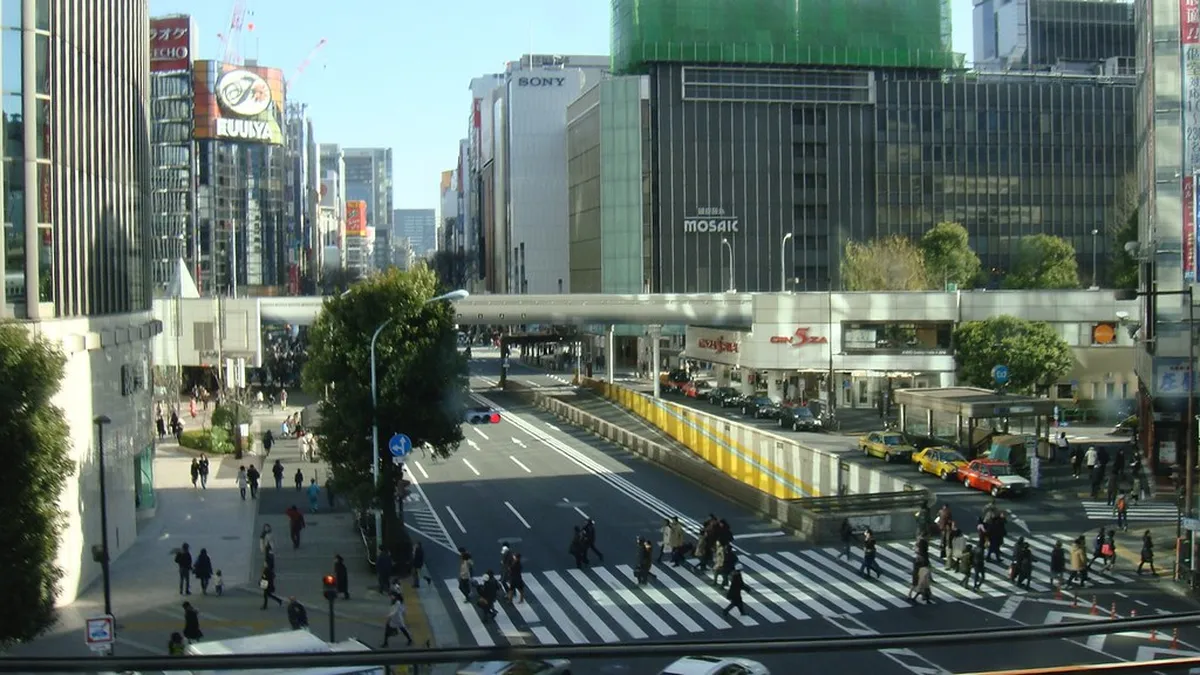
Fukuoka City Museum displays the Gold Seal of the King of Na, a National Treasure from the Yayoi period, across 11 permanent exhibition sections in the Momochihama waterfront district.
Visitor guide →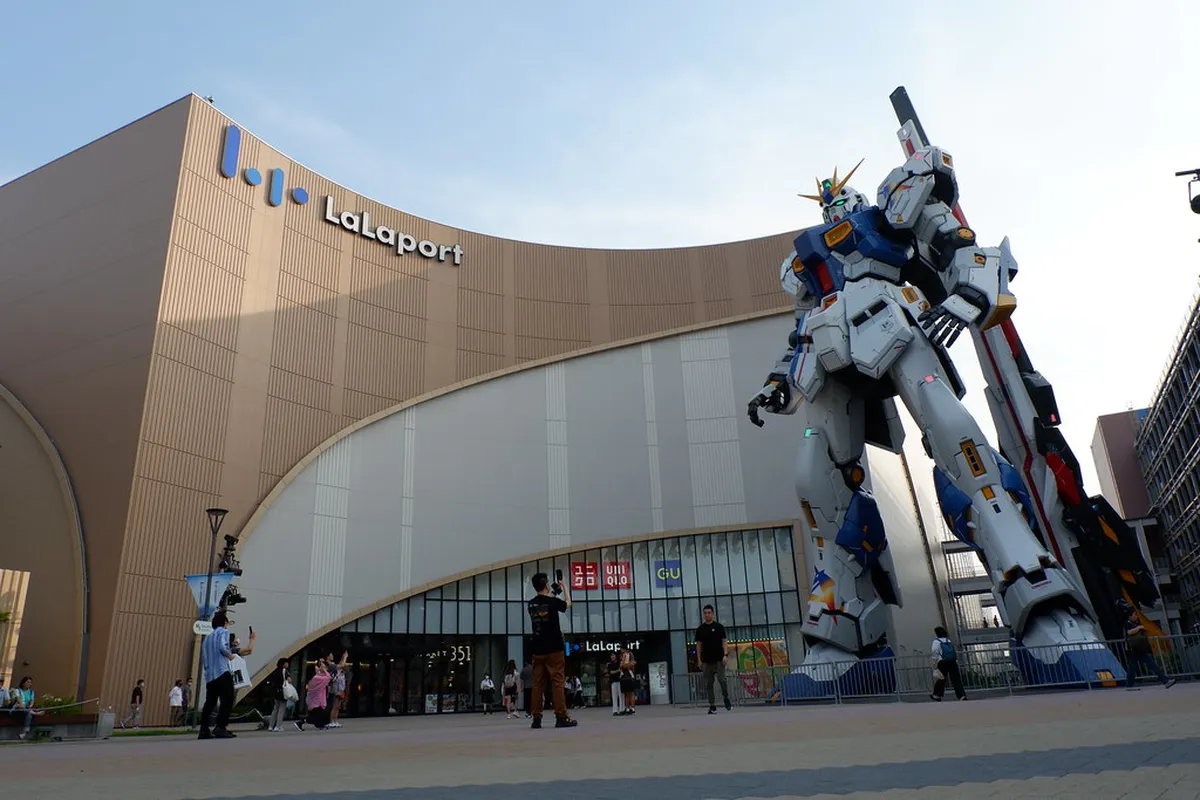
The RX-93ff Nu Gundam at LaLaport Fukuoka is the tallest life-sized Gundam in Japan at 24.8 m, free to view, with hourly daytime sound shows and nighttime light-up performances.
Visitor guide →Fukuoka's sights cluster into five compact zones, all connected by the 3-line city subway and by 15-20 minute Nishitetsu bus rides. Grouping attractions by district is the single biggest time-saver for a 2-3 day trip — you avoid backtracking and can build half-day loops on foot.
If you're choosing by interest rather than location, this is the quickest way to scan the 10 entities above plus their day-trip extensions.
Momochi's bayfront has more than Fukuoka Tower — two professional sports venues sit on the same subway network and pair easily with a tower or museum visit.
Neither venue needs the advance planning shrines do — same-week ticket availability is normal outside marquee matchups — but pairing a Hawks game with Fukuoka Tower turns Momochi into a full afternoon-to-evening loop.
Fukuoka is genuinely one of Japan's cheapest major-city itineraries because most of its headline sights are shrines, temples and parks with no entry fee. Use this split to keep daily spend low and concentrate budget where it actually buys something extra.
A realistic free-only day in Fukuoka — Kushida → Tochoji → Hakata Old Town → Ohori Park → Maizuru Park sunset — costs nothing beyond transit and meals.
These routes pair the 10 attractions above into walkable half-day clusters with built-in food breaks. Travel times assume the city subway.
Morning: Kushida Shrine → Tochoji Temple → Hakata Old Town loop (on foot, ~2 hrs). Lunch: Hakata tonkotsu ramen near Gion station. Afternoon: Subway to Tenjin, then Canal City Hakata for a fountain show. Evening: Nakasu yatai for dinner and drinks.
Day 1: the 1-day route above. Day 2 morning: Ohori subway → Ohori Park loop and Japanese garden → walk 10 min to Fukuoka Castle Ruins. Afternoon: bus to Momochi for Fukuoka Tower and the bayfront promenade; stay for sunset from the observation deck.
Add a day trip on Day 3. Option A (history and plum blossom): Nishitetsu train to Dazaifu Tenmangu (full morning), Kyushu National Museum, return for an early dinner in Tenjin. Option B (nature): subway to Meinohama → 10-min ferry to Nokonoshima Island Park for the seasonal flower fields. Both options return to central Fukuoka before 17:00.
The FUKUOKA TOURIST CITY PASS (¥1,800/day) covers unlimited city subway, bus, and selected trains. It breaks even at just 3 rides and most visitors make 5–7 in a day — the single best transit purchase for a 1–2 day trip.
Fukuoka is one of the easiest Japanese cities to navigate without a car. The compact downtown means most attractions are 5-15 minutes apart by subway, and Hakata Station, Tenjin and Fukuoka Airport all sit on the same Kuko subway line — the airport is only two stops (5 minutes) from Hakata.
| Pass / option | Cost | Covers | Best for |
|---|---|---|---|
| City Subway single fare | ¥210–¥260 | One subway ride | 1–2 rides per day |
| 1-day subway pass | ¥640 | Unlimited city subway | Subway-heavy day |
| 1-day city bus pass | ¥1,100 | Unlimited Nishitetsu bus | Momochi / bayfront |
| FUKUOKA TOURIST CITY PASS | ¥1,800 | Subway + bus + selected JR + Nishitetsu | Most 1–2 day visitors |
| JR Kyushu Rail Pass (N. Kyushu, 3-day) | ¥10,000 | Yanagawa, Beppu, Yufuin + local JR | Day-trip heavy itinerary |
Fukuoka enjoys a milder climate than Tokyo or Osaka, with shorter winters and a longer shoulder season. These are the windows that meaningfully change which attractions are at their best.
During Golden Week (April 29 – May 5) and Obon (mid-August) hotel rates double and day-trip ferry and train seats sell out. Book accommodation at least 6 weeks ahead for cherry-blossom season (late March – early April) and Hakata Gion Yamakasa festival (July 1–15).
Fukuoka's festival calendar decides more about trip timing than most guides admit — several of the shrines above transform completely on their event days, and city-center accommodation fills up weeks ahead. These are the five dates worth planning a visit around.
Book accommodation at least two months ahead if your trip overlaps Dontaku or Yamakasa — both push hotel rates up citywide, not just near the festival route.
Fukuoka is already inexpensive by Japanese-city standards. Three habits keep a day's attraction spend well under ¥3,000 per person.
Two to three days covers the 10 attractions in this guide at a comfortable pace. One day is enough for a Hakata + Nakasu sampler (Kushida, Tochoji, Canal City, yatai dinner). Two days adds Ohori Park, Maizuru Park castle ruins and Fukuoka Tower. Three days lets you add either Dazaifu Tenmangu or Nokonoshima as a day trip without rushing.
Kushida Shrine is the city's most-cited single attraction — 8th-century origins, host of the UNESCO-listed Hakata Gion Yamakasa festival, and free to enter. Combined with the surrounding Hakata Old Town temple loop it's the densest concentration of cultural sites in central Fukuoka.
Most of them, yes. Kushida Shrine, Tochoji Temple, Dazaifu Tenmangu's main precinct, Ohori Park, Maizuru Park (Fukuoka Castle Ruins) and the Hakata Old Town temple loop are all free. Paid attractions are limited to Fukuoka Tower (~¥800), Nokonoshima Island Park (~¥1,200 + ferry), Ohori Japanese Garden (~¥250), and special exhibitions at Dazaifu Tenmangu (¥400-¥1,000).
For the 10 attractions in this guide, no — all are walk-up. Booking is only required for specialty experiences (teamLab Forest Fukuoka, sumo tournament tickets, Yanagawa canal cruises during cherry-blossom season). During Hakata Gion Yamakasa (July 1-15) and cherry-blossom week (late March), book accommodation 6+ weeks ahead.
October to November is the all-round sweet spot — 15-22°C, low humidity, autumn foliage. Late March to early April is best for cherry blossoms at Maizuru and Ohori parks, and late February to mid-March for plum blossoms at Dazaifu Tenmangu. Avoid Golden Week (late April / early May) and Obon (mid-August) when domestic tourism peaks.
Fukuoka is among the cheapest major Japanese cities for tourists. Most attractions are free; a yatai dinner averages ¥1,500-¥2,000; the FUKUOKA TOURIST CITY PASS caps daily transit at ¥1,800. A reasonable daily budget excluding accommodation is ¥6,000-¥8,000 per person — roughly 25-30% lower than Tokyo or Kyoto.
You can hit the headline four — Kushida Shrine, Hakata Old Town, Canal City Hakata, and Nakasu yatai for dinner — in a single full day on foot and one subway ride, ending around 22:00. To add Fukuoka Tower or Ohori Park you need a second day; for Dazaifu or Nokonoshima you need a third.
The 3-line Fukuoka City Subway plus the FUKUOKA TOURIST CITY PASS (¥1,800/day, unlimited subway + bus + selected trains) is the most efficient combination. Hakata Old Town is walkable end-to-end; use the subway for jumps to Tenjin, Ohori and Tojinmachi (Fukuoka Tower); Nishitetsu trains handle the Dazaifu day trip.
Use this hub page to choose which attractions match your trip length, then click into each guide above for verified 2026 ticket prices, hours and on-the-ground tips. When you're ready to pin dates and a base, our wider Fukuoka planning content covers the rest of the trip:


