
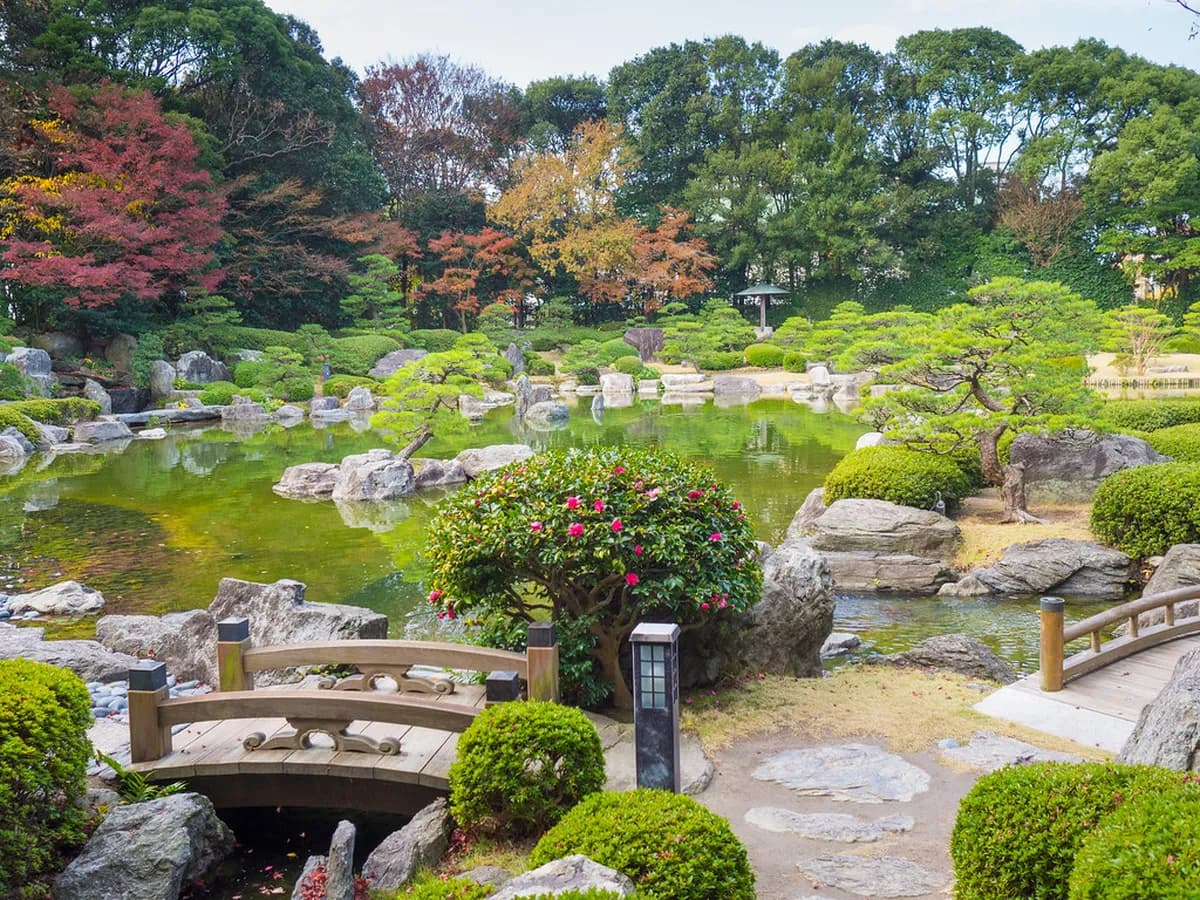
Ohori Park is one of the easiest places in Fukuoka to recommend because it works for many travel styles: a free morning walk, a family boat ride, a museum stop, or a calm break between busier city sights. The large pond, island bridges, Japanese Garden, art museum, and neighboring castle ruins all sit close enough to combine without complicated transit.
This 2026 visitor guide focuses on the practical choices that first-time visitors usually need to make. It covers how long to spend, whether to use subway or bus, what to do with children, when to visit for better photos, and what mistakes to avoid around closures, heat, and weekend crowds. The main park is simple to enjoy, but the best visit comes from knowing which nearby sights fit your time and energy.
Use Ohori Park as a flexible anchor rather than a rigid itinerary. A short visit can be a 45-minute loop around the water. A deeper visit can include the Fukuoka Castle Ruins, the Fukuoka Art Museum, the Japanese Garden, and a lakeside cafe break before heading back toward Tenjin, Hakata, or the coast.
Ohori Park Opening Hours and Exceptions
Ohori Park itself is free and the official site lists no gate hours for the lake paths. The paid Japanese Garden is open 9:00–18:00 from May to September and 9:00–17:00 from October to April, closed on Mondays (Tuesday when Monday is a holiday) and December 29–January 3.
| Place | Regular hours | Exception dates | Hours on those dates | Why |
|---|---|---|---|---|
| Park grounds and lake paths | No hours listed; free | n/a | n/a | Public park |
| Nakanoshima island light-up | Every day 18:00–22:00 | n/a | n/a | Year-round lighting of the island trees |
| Japanese Garden | May–Sep 9:00–18:00 (last entry 17:45); Oct–Apr 9:00–17:00 (last entry 16:45) | Every Monday (the next day if Monday is a public holiday) | Closed | Regular closing day |
| Japanese Garden | As above | December 29 – January 3 | Closed | New Year holidays |
| Japanese Garden night event “SEKAI” | Evenings only; 19:30–22:00 (last entry 21:30) through September 30, 2026 | August 1 – December 31, 2026; closed most Mondays | October–December start times: check the event site | Paid night art event in the garden |
| Rental boats (Boathouse Ohori Park) | Apr–Aug: weekdays 11:00–18:00, weekends and holidays 10:00–18:00 (last rental 17:30) | Sep–Mar | Weekdays from 11:00, weekends and holidays from 10:00; last rental about one hour before sunset | Shorter daylight; boats may stop in rain or wind |
| Ohori pay parking (north side) | May–Sep 5:00–23:00; Oct–Apr 7:00–23:00 | n/a | No cars in or out outside these hours | Parking rules |
The park website gives the boat season as March to early November. Verified against Ohori Park official site, Ohori Park Japanese Garden (including its July 23, 2026 notice), SEKAI event site and Boathouse Ohori Park: rental boats.
Ohori Park Prices and Admission Fees
Walking in Ohori Park is free. You pay only for the Japanese Garden (¥250 for adults, ¥120 for children under 15), the boats, and events such as SEKAI.
| Ticket / product | Adult price | Child price | Currency | Price valid from | Where to buy |
|---|---|---|---|---|---|
| Park grounds | Free | Free | JPY | Current as of September 29, 2026 | No ticket needed |
| Japanese Garden, individual | ¥250 | ¥120 (under 15); free under 6 | JPY | Current as of September 29, 2026 | Garden entrance (Kabukimon gate on the art museum side or the west gate on the Ohori Terrace side) |
| Japanese Garden, group of 30 or more | ¥200 | ¥100 | JPY | Current as of September 29, 2026 | Garden entrance; overseas visitors showing the “Fukuoka City Visitor’s Guide” booklet also get this rate |
| Japanese Garden, age 65+ or with a disability (plus one carer) | Free | Free | JPY | Current as of September 29, 2026 | Garden entrance; show ID or a disability certificate |
| Matcha and sweets in the tea ceremony building (third Tuesday of the month) | ¥1,000 (plus garden admission) | n/a | JPY | Current as of September 29, 2026 | At the garden |
| SEKAI night event (to December 31, 2026) | ¥1,800 advance; ¥2,300 on the day | ¥1,300 / ¥1,800 (junior high and high school); ¥900 / ¥1,400 (elementary); preschool free | JPY | From August 1, 2026 | Advance online via the event site; on-the-day at the garden ticket office |
| Rowing boat (up to 2 adults and 1 child) | ¥800 per 30 minutes; ¥200 per extra 10 minutes | Same (price is per boat) | JPY | Current as of September 29, 2026 | Boathouse Ohori Park counter |
| Swan boat, small (up to 2 adults and 1 child) | ¥1,200 per 30 minutes; ¥400 per extra 10 minutes | Same (price is per boat) | JPY | Current as of September 29, 2026 | Boathouse Ohori Park counter |
| Swan boat, large (up to 4 adults and 1 small child) | ¥1,800 per 30 minutes; ¥500 per extra 10 minutes | Same (price is per boat) | JPY | From April 1, 2025 | Boathouse Ohori Park counter |
Pay parking on the north side costs ¥220 for the first two hours, then ¥170 per 30 minutes for regular cars. Verified against Ohori Park Japanese Garden: user guide, SEKAI event site, Boathouse Ohori Park: rental boats and Ohori Park official site.
Ohori Park at a Glance
The central pond is the park's main landmark, and the flat loop around it is about 2 kilometers. Most visitors take 30 to 45 minutes for a relaxed circuit, or 90 minutes if they cross the bridges, stop for photos, and sit by the water. Plan two to three hours if you want to add the Japanese Garden or Fukuoka Art Museum.
Ohori Park is especially useful on short Fukuoka itineraries because it is central, free to enter, and easy to pair with adjacent sights. The castle ruins and Maizuru Park sit directly beside the western side, while the museum and garden are within the park area. You can keep the day low-cost or add paid cultural stops depending on the weather.
- Best first-time route: Ohorikoen Station, lake loop, island bridges, Ukimi-do Pavilion, Fukuoka Art Museum or Japanese Garden, then Maizuru Park.
- Best short visit: one lake loop plus a coffee or bench break, usually 45 to 75 minutes.
- Best family option: playground time, swan or rowing boats when operating, and a picnic on the lawn.
- Best budget option: lake loop, bridges, birdwatching, castle ruins, and sunset photos without paid admissions.
Must-See Ohori Attractions
Start with the pond bridges rather than only walking the outer path. The connected islands give better water-level views, and the red Ukimi-do Pavilion is the classic photo subject. The bridge route also helps you understand why the park feels different from a standard city garden: the water, islands, and former moat shape do most of the visual work.
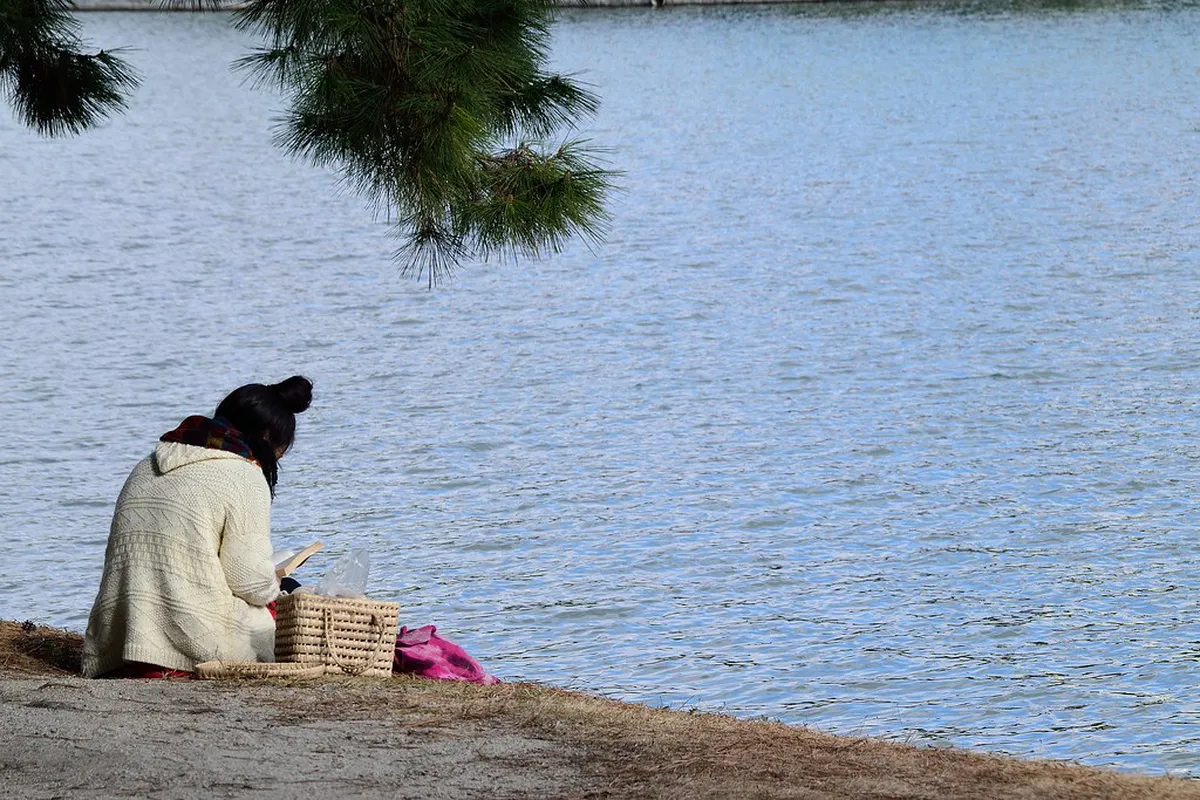
The Manyo Kahi stone on Matsu-jima island is a small but worthwhile stop for travelers who like historical details. It marks a poem connected with the old coastal landscape around Aratsu, before this area became today's inland park. Many visitors pass it without noticing, so it is a good quiet counterpoint to the busier pavilion and cafe areas.
For history, cross into Maizuru Park and the Fukuoka Castle Ruins. The walk takes only a few minutes, and the old stone walls add context to the park's origin as part of the castle's moat system. If you have limited time, the pond loop plus the castle viewpoint is the strongest no-ticket combination.
How to Get to Ohori Park: Subway vs Bus
The main park and lake loop are free and open 24 hours. The Japanese Garden costs ¥250 (adult) and the Fukuoka Art Museum ~¥200. Early morning visits are quieter and much cooler in summer — the lake loop takes 30–45 minutes at a relaxed pace.
The simplest route is the Kuko Line to Ohorikoen Station. From Hakata or Tenjin, the subway is usually the best choice because it is frequent, direct, and not affected by surface traffic. Use it when you are carrying luggage, visiting before a timed museum plan, or trying to fit Ohori Park into a short city day.
Buses are useful if your hotel or previous stop is not near a subway station. They can also be more scenic, especially if you are coming through Tenjin, but they slow down during commuter hours and rainy weekends. For most first-time visitors, choose the subway for reliability and save buses for onward travel toward the coast or Fukuoka Tower.
- Subway: fastest and most predictable, especially from Hakata, Tenjin, and the airport line corridor.
- Bus: useful for door-to-door routing, but allow extra time in rush hour or bad weather.
- Walking: practical from Akasaka, Daimyo, and some Nishijin stays if you want cafe stops along the way.
- Accessibility: the lake loop is mostly flat, and the broad paths work well for strollers and wheelchairs; castle ruin areas have more slopes and uneven stone sections.
Museums, Art, and Culture in Ohori
The Fukuoka Art Museum is a must-visit spot. It sits right on the edge of the lake water. The collection features both modern art and ancient Buddhist statues. Expect to pay about 200 yen for general admission tickets.
The museum is a good weather backup because it turns a park visit into a half-day cultural stop. The museum is generally open from 9:30 AM to 5:30 PM. Please note that it is closed on most Mondays. Check the official calendar if a special exhibition is the main reason for your visit, since those can require separate tickets or different crowd planning.
Nearby, the Ohori Park Japanese Garden offers a quiet retreat. This garden was built to celebrate the park's 50th anniversary. Entry costs 250 yen; the teahouse can be used only by reservation for a separate fee. It is a compact stop, but it feels much calmer than the open lake path and is especially good for autumn color, photos, and a slower pace.
Parks, Gardens, and Outdoor Spots in Ohori
Ohori Park works best when you treat the outdoor space as a sequence of smaller stops. Walk the main loop for the lake views, cross the islands for photos, then choose either the Japanese Garden for a paid quiet break or Maizuru Park for a free historical walk. This keeps the visit varied without adding transit.
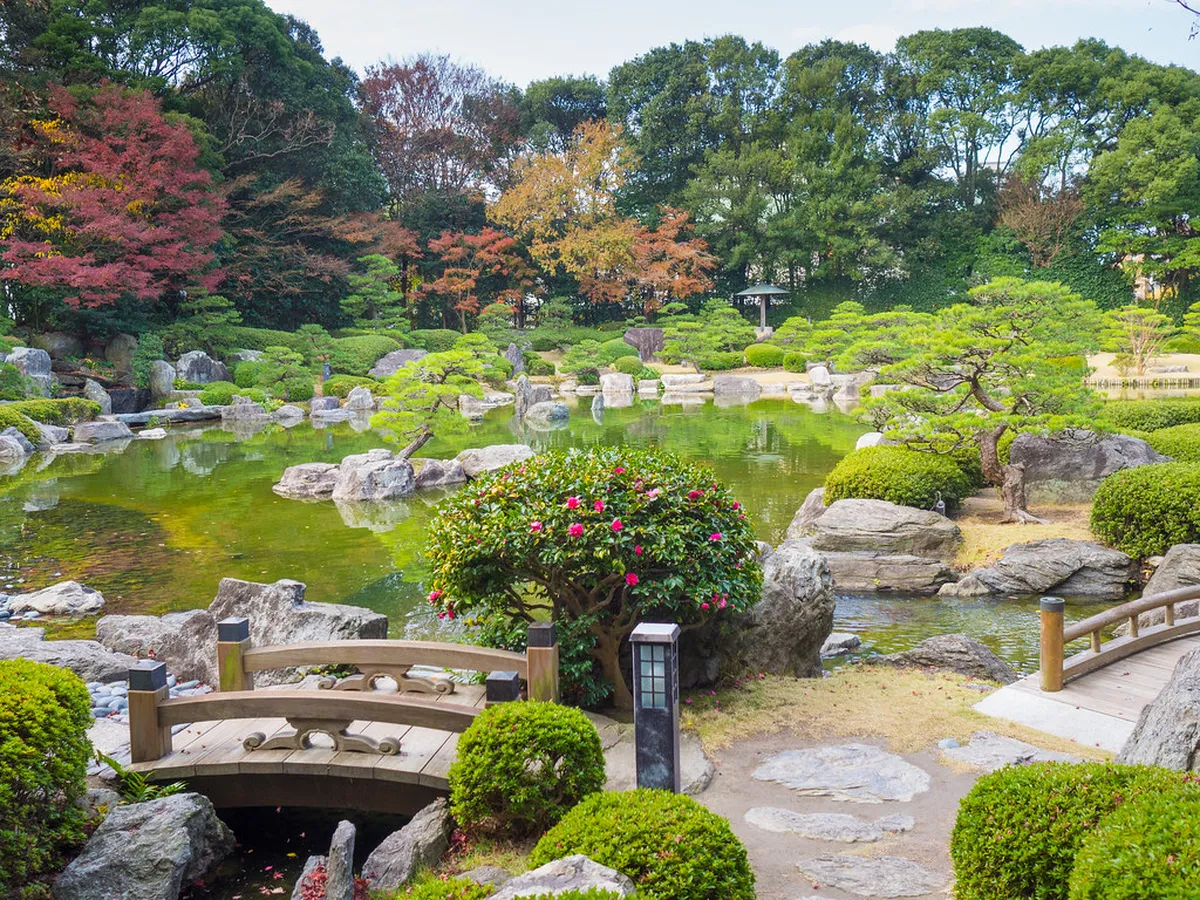
Spring brings cherry blossom crowds to nearby Maizuru Park, while early morning is the best year-round time for runners, birdwatchers, and photographers. In summer, start early and use the museum or shaded cafe time during the hottest hours. Autumn is ideal for the Japanese Garden, and winter is quiet enough that the lake path feels almost local.
Boats are a memorable add-on when they are operating, especially for families or couples who want a different view of the islands. Weather, season, and crowding can affect rentals, so do not make them the only reason for visiting. Consider them a bonus activity after the walk rather than the core plan.
Family-Friendly and Budget-Friendly Options in Ohori
Families should prioritize the flat lake loop, playground areas, restrooms, and flexible snack stops. The paths are wide enough for strollers, and the pond edge is easy to navigate with children as long as you keep younger kids close near bridges and busier sections. The park is also a gentle choice for mixed-age groups because people can sit by the water while others continue walking.
Budget travelers can build a strong visit without paid admissions. Walk the lake loop, photograph Ukimi-do Pavilion, look for the Manyo Kahi stone, continue into the castle ruins, and finish at sunset. Add convenience-store food or a bakery stop nearby if you want a low-cost picnic instead of a sit-down lunch.
If you do want to spend a little, choose based on the group. The Japanese Garden is better for quiet photos and traditional scenery, the art museum is better for poor weather and longer cultural time, and boat rentals are better for children or a lighthearted date. First-time visitors with only one paid add-on should choose the one that solves the day's biggest constraint: heat, rain, or keeping kids engaged.
How to Plan a Smooth Ohori Day
A practical half-day plan starts at Ohorikoen Station in the morning, follows the pond clockwise or counterclockwise, crosses the islands, and then chooses one cultural stop. This avoids backtracking and keeps the walking simple. If you are adding castle ruins, do them before lunch while energy is still high.
For a full day around the area, combine Ohori Park, the castle ruins, Gokoku Shrine, and either the art museum or Japanese Garden. In the evening, shift to Nakasu Yatai for food stalls, or head west toward Fukuoka Tower if skyline views matter more than dinner atmosphere. Do not try to force both a slow museum visit and multiple distant neighborhoods into the same afternoon.
| Time available | What to cover | Paid stops |
|---|---|---|
| ~1 hour | Lake loop, island bridges, Ukimi-do Pavilion photos | None (free) |
| 2–3 hours | Lake loop + Japanese Garden or Fukuoka Art Museum | ¥250 garden / ¥200 museum |
| Half day | Lake loop, castle ruins, one cultural stop, cafe/picnic | ¥200–¥250 |
| Full day | All above + Gokoku Shrine, Maizuru Park, evening food stalls or Fukuoka Tower | Optional |
- One hour: lake loop, bridge crossing, quick pavilion photos.
- Two to three hours: lake loop plus Japanese Garden or Fukuoka Art Museum.
- Half day: lake loop, castle ruins, one paid cultural stop, cafe or picnic break.
- Full day nearby: add Gokoku Shrine, Maizuru Park, and evening food or tower views.
Common Visitor Mistakes to Avoid
The Japanese Garden, Fukuoka Art Museum, and theater are closed on Mondays. Plan an outdoor-only visit if Monday is your only option. In summer, bridge and island sections are exposed to full sun — start before 10:00 AM or after 4:00 PM.
The biggest mistake is arriving at midday in summer and expecting the lake loop to feel shaded. Several of the prettiest bridge and island sections are exposed, so start early, carry water, and use indoor or shaded stops during the hottest part of the day. Rain also changes the plan quickly, making the museum a better anchor than boats or long photography sessions.
The second mistake is forgetting Monday closures for cultural facilities. The main park remains useful, but a Monday visit can disappoint travelers who expected the garden, museum, or theater-related stops to carry the day. If Monday is unavoidable, focus on the lake, castle ruins, exterior photos, and nearby cafes.
The third mistake is treating Ohori Park as isolated from the rest of the city. It is an easy link in a wider Fukuoka route. For extra days, pair the city center with Dazaifu Tenmangu for shrine history or Nokonoshima Island for flowers and coastal views.
Quick Planning Questions
Are there boat rentals at Ohori Park? Yes, boat rentals operate on the central pond in suitable seasons and weather, but availability can change. Treat boating as an optional add-on rather than the reason to schedule the whole visit.
Which Ohori Park visitor guide options fit first-time visitors? The best first-time route is the lake loop, island bridges, Ukimi-do Pavilion, Fukuoka Art Museum or Japanese Garden, then a short walk toward the castle ruins. It gives you the park's nature, culture, and history without needing a second transit leg.
How much time should you plan for Ohori Park? Plan 45 to 75 minutes for a quick visit, two to three hours for a comfortable park-and-culture visit, and half a day if you also want the castle ruins, shrine, and a relaxed meal. The park is worth including even on a short itinerary because it sits directly on the subway line and does not require advance booking.
Frequently Asked Questions
Is Ohori Park free to enter?
Yes, the main park and lake area are free to enter. You only pay for specific attractions like the Japanese Garden or boat rentals. The park is open 24 hours a day.
How long does it take to walk around Ohori Park?
The main loop around the lake is about 2 kilometers long. Most visitors take 30 to 45 minutes to complete a leisurely walk. It is a flat and easy path.
Can I visit Fukuoka Castle ruins from Ohori Park?
Yes, the Fukuoka Castle Ruins are located directly adjacent to the park. You can walk between them in less than five minutes. Both are part of the same green space.
Ohori Park is one of the most useful anchors for a Fukuoka visit because it combines open water, free walking paths, nearby history, and low-pressure cultural stops in one compact area. Visit early for the calmest lake loop, check Monday closures before committing to museum or garden plans, and leave room for the castle ruins if you want the clearest sense of place.
For a short itinerary, the park is worth including because it adds nature without pulling you far from the city center. For a slower day, it can stretch into a full neighborhood route with art, gardens, shrine grounds, and an evening move toward food stalls or coastal views.
For more Fukuoka planning, see our Fukuoka travel guide, Fukuoka attractions.
For official details, visit the Ohori Park official site and Ohori Park on Wikipedia.


