

Exploring the historic grounds of the Fukuoka Castle ruins offers a unique window into the samurai legacy of Kyushu. This expansive site remains a peaceful green escape located right in the heart of a bustling modern city.
Many travelers know the area as Maizuru Park because of its beautiful seasonal flowers and popular walking paths. Understanding the layout and history will help you make the most of your Fukuoka itinerary in 2026.
The ruins tell a story of power and architectural skill that once defined the entire Chikuzen Province during the Edo period. You can easily spend several hours wandering through the massive stone gates, elevated lookout points, and nearby archaeological sites.
Fukuoka Castle Ruins Opening Hours and Exceptions
The castle ruins sit inside Maizuru Park, and the official sites list no gate hours for the grounds: entry is free (except paid event areas). Opening hours apply to the indoor facilities, most of which run 9:00–17:00 and close December 29–January 3. Note two current closures: the keep foundation (tenshudai) until the end of December 2026, and the Korokan Ruins Exhibition Hall from October 1, 2026 to late March 2027.
| Place | Regular hours | Exception dates | Hours on those dates | Why |
|---|---|---|---|---|
| Park grounds and castle ruins (Maizuru Park) | No hours listed; free entry | October 30, 2026 – January 11, 2027 (evenings) | Night event 18:15/18:30–22:00, last entry 21:30; event area needs a ticket (adults ¥2,300–¥2,500) | teamLab Fukuoka Castle Ruins light festival |
| Keep foundation (tenshudai) | Free, no set hours listed | May 26 – end of December 2026 (planned) | No entry | Archaeological excavation |
| Kanamono Yagura stone wall area | Free, no set hours listed | November 11, 2025 – March 2027 (planned) | Area fenced off | Stone wall rebuilding |
| Korokan Ruins Exhibition Hall | 9:00–17:00, last entry 16:30; free | October 1, 2026 – late March 2027 (planned) | Closed | Exhibition renewal work; reopening date to be announced |
| Korokan Ruins Exhibition Hall | 9:00–17:00, last entry 16:30; free | December 29 – January 3 | Closed | New Year holidays |
| Fukuoka Castle Mukashi Tanbokan (castle history centre) | 9:00–17:00; free | December 29 – January 3 | Closed | New Year holidays |
| Sannomaru Square (Fukuoka Castle and Korokan guidance centre) | 9:00–17:00, last entry 16:30; free | December 29 – January 3 | Closed | New Year holidays |
| Shiomi Yagura turret (first floor) | 10:00–16:00; free | Every Monday; the next weekday if Monday is a public holiday | Closed | Regular closing day |
| Shiomi Yagura free guided tours | Wed, Sat, Sun and holidays at 10:00 and 13:00 | Since June 29, 2026 | Paused for summer; planned to restart in October 2026 | Summer season |
| Maiyu no Yakata kimono experience (in Sannomaru Square) | 10:00–16:00, bookings until 15:00 | Mondays; August 13–15; December 30 – January 4 | Closed | Regular closing days |
The Korokan Ruins Exhibition Hall entrance has also moved while restoration work continues on the Korokan site. Verified against Fukuoka Castle and Korokan official site (facility pages and notices 24803, 24704, 24604), the Shiomi Yagura page and Yokanavi: teamLab Fukuoka Castle Ruins.
What Are the Fukuoka Castle Ruins? (History & Significance)
Entry to the castle ruins and Maizuru Park is free all year round. The Korokan Ruins Museum directly below the castle grounds is also free and open 09:00–17:00 (last entry 16:30; closed December 29–January 3), but it is closed for renovation from October 1, 2026 to late March 2027.
Kuroda Nagamasa began building this massive fortress in 1601 after receiving the Chikuzen Province for his service in battle. It took seven years of intensive labor to complete the structures that once dominated the Fukuoka skyline.
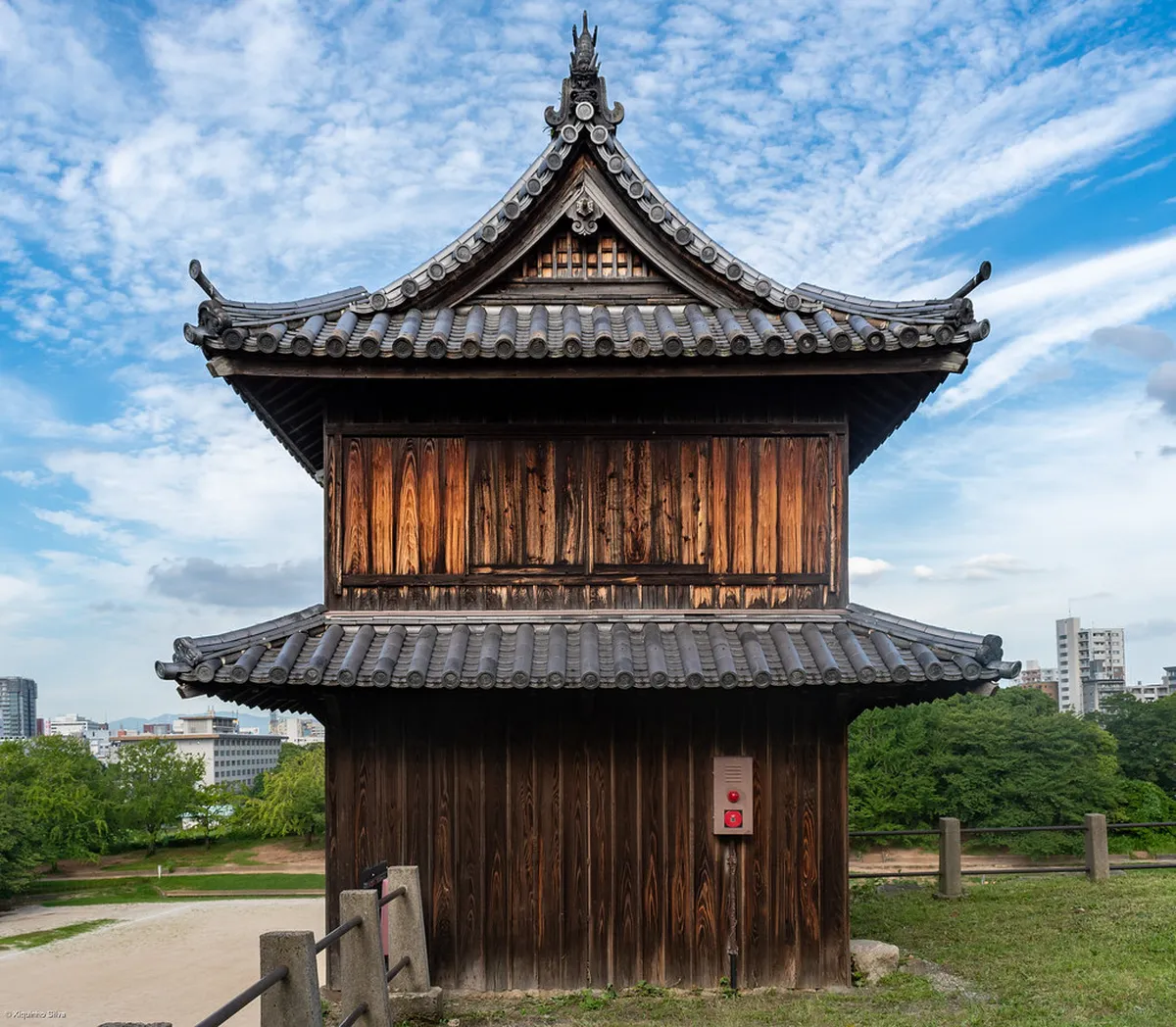
The castle earned the nickname Stone Castle because of its impressive and extensive defensive stone walls and forty-seven original watchtowers. This massive scale made it one of the largest castle complexes found anywhere in Japan during that era.
Historians still debate whether a five-story main keep ever stood atop the highest stone foundation within the inner castle grounds. While many buildings were dismantled during the Meiji Restoration, the site remains a designated National Historic Site today.
Visiting this area provides a similar historical depth to exploring the Hakata Old Town district located just a few kilometers away. You will feel the connection between the ruling samurai class and the merchant culture of old Fukuoka.
How to Get to Fukuoka Castle (Access & Transport)
Getting to the ruins is very simple for anyone staying near the main transportation hubs of Hakata or Tenjin. Most visitors find the city subway system to be the most efficient way to reach the park entrance.
The best route from Hakata Station is the Kuko Subway Line to Akasaka Station. Use Exit 5, then walk north toward Maizuru Park for the most direct approach to the main castle gates and stone walls.
Ohorikoen Station is the better choice if you want to start with the lake at nearby Ohori Park and enter the ruins from the west. This creates a natural walking loop through the park, the castle foundations, and the Fukuoka city center attractions.
Local buses also run from Hakata Station and stop near Heiwadai Korokan-mae. This option can be convenient if your hotel is closer to a bus stop, but first-time visitors usually find the subway easier to navigate.
- Fastest first visit: Kuko Line from Hakata Station to Akasaka Station, then Exit 5 and a short walk to the ruins.
- Best scenic loop: Kuko Line to Ohorikoen Station, walk around part of Ohori Park, then continue into Maizuru Park.
- Best from Tenjin: Walk west along Meiji-dori if the weather is good, or ride one subway stop to Akasaka Station.
- Common mistake: Entering from the wrong side of the park when you have limited time. Use Akasaka for the castle ruins first and Ohorikoen for the lake-first route.
| Starting point | Best route | Approx. time | Best for |
|---|---|---|---|
| Hakata Station | Kuko Line → Akasaka Station (Exit 5) | ~15 min | Castle ruins first |
| Tenjin | Walk west along Meiji-dori or 1 stop to Akasaka | ~10 min | Flexible start |
| Tenjin | Kuko Line → Ohorikoen Station | ~8 min | Lake-first scenic loop |
| Hakata (bus) | Direct bus, stop Heiwadai Korokan-mae | ~20 min | Avoids subway transfer |
What to See: Surviving Turrets and Stone Walls
The Tamon Turret stands as the most significant surviving original structure and is designated as a National Important Cultural Property. Its long white walls and defensive windows offer a clear look at 17th-century military engineering.
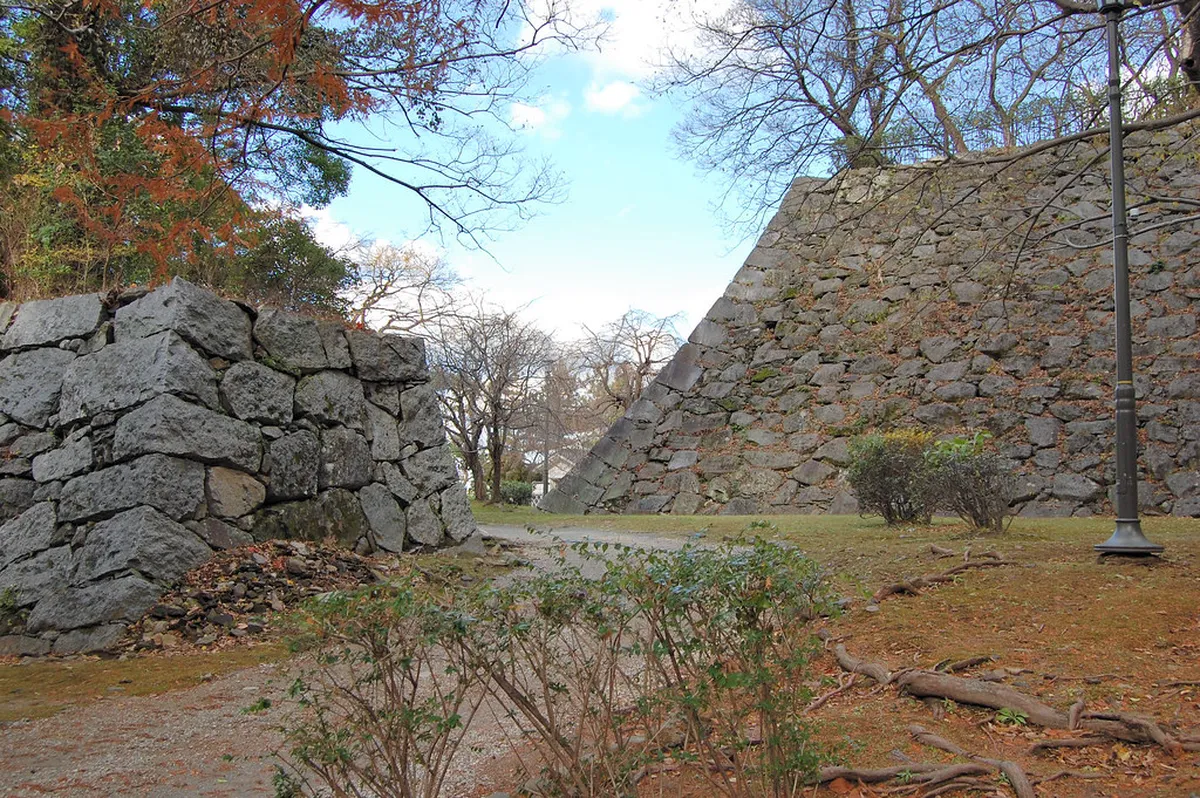
You can walk along the massive stone foundations that once supported the inner palace and the primary defensive towers. These walls were built using various stone-stacking techniques that have survived centuries of weather and seismic activity.
The Shiomi Turret was moved back to its original location and serves as another striking example of castle architecture. Many visitors enjoy photographing these white structures against the backdrop of modern skyscrapers in the distance.
Climbing to the top of the main keep foundation provides the best panoramic views of the entire park and city (it is closed for excavation until the end of December 2026). This elevated platform allows you to visualize where the grand wooden towers once stood high above the surrounding moats.
Maizuru Park: Seasonal Beauty and Modern Life
Maizuru Park serves as the modern name for the grounds encompassing the castle ruins and surrounding athletic facilities. It is a vibrant community hub where locals gather for exercise, picnics, and seasonal celebrations throughout the year.
The park features wide open lawns and shaded paths that are perfect for a relaxing afternoon away from the city noise. You will often see groups of friends and families enjoying the peaceful atmosphere under the ancient stone walls.
Planners designed the park to balance historical preservation with active public use for the residents of Fukuoka city. This dual purpose makes the site feel alive rather than just serving as a static museum of the past.
During the summer months, the lotus flowers in the outer moats create a stunning display of pink and white blooms. This natural beauty complements the rugged gray stones of the castle foundations in a very photogenic way.
Best Time to Visit: Cherry Blossoms and Beyond
During cherry blossom season (late March – early April) the park draws very large crowds. Arrive before 9:00 AM or after 5:00 PM for the most comfortable experience, and expect long queues at nearby food stalls on weekends.
The most popular time to visit the ruins is during the annual cherry blossom season which usually occurs from late March to early April. Over one thousand cherry trees bloom across the park, creating a sea of pink petals against the stone walls.
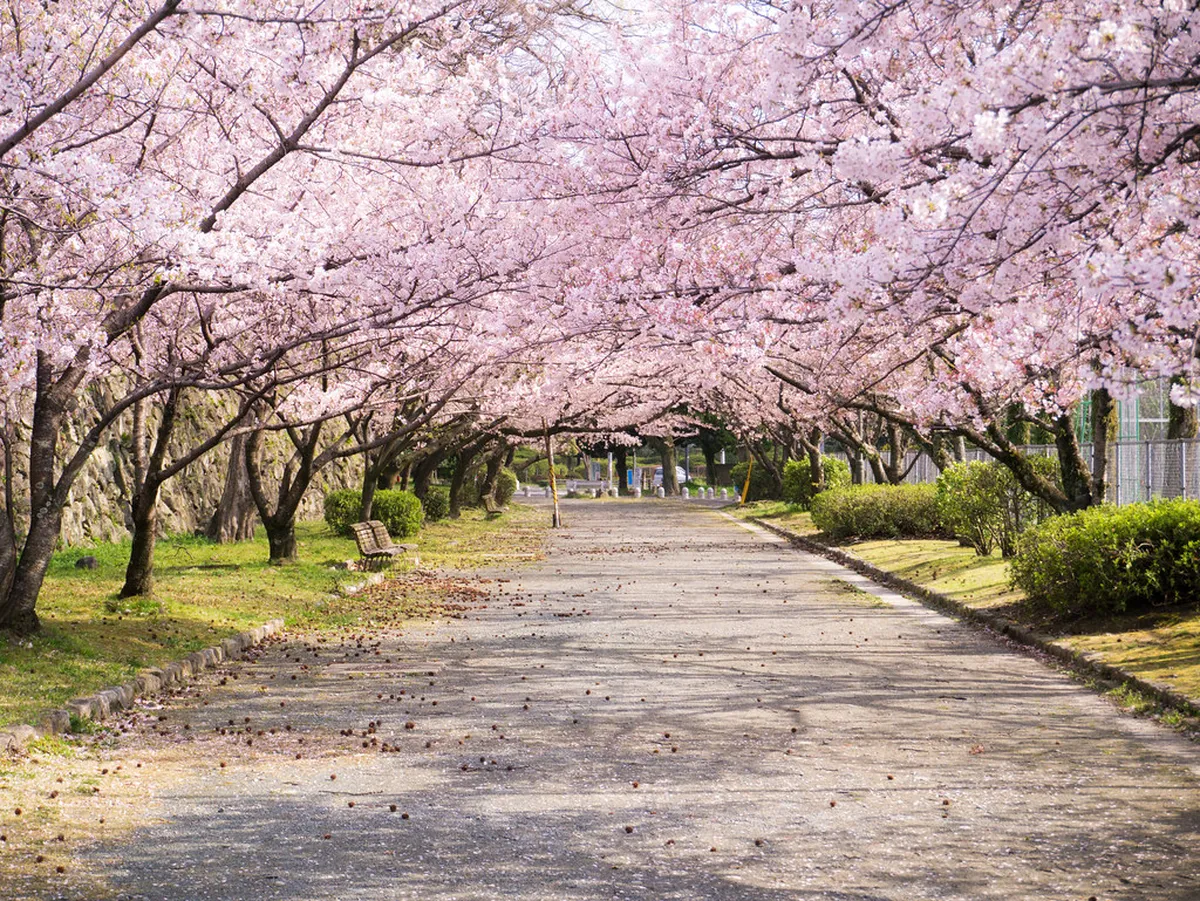
In 2026, peak bloom periods are expected to draw large crowds, so arriving early in the morning is highly recommended. The park often hosts night illumination events where the blossoms and ruins are lit up with colorful spotlights.
Autumn offers another spectacular window for visiting as the maple and ginkgo trees turn vibrant shades of red and gold. The cooler temperatures in November make exploring the expansive grounds much more comfortable for long walking tours.
Summer can be rewarding because lotus flowers bloom in the moats, but humidity makes timing important. Aim for morning or late afternoon, bring water, and save the steepest climb to the keep foundation for the coolest part of your visit.
Winter visitors can enjoy a quieter experience with fewer tourists and clear views of the city skyline from the keep foundation. While the trees are bare, the stark beauty of the stone architecture becomes the primary focus for photographers.
Practical Tips for Your Visit (Entry, Facilities, & Time)
Entry to the majority of Maizuru Park and the castle ruins is free for all visitors throughout the year. A focused walk around the main gates, stone walls, and keep foundation usually takes one to two hours.
You should stop by the Fukuoka Castle Visitor Center to watch the high-quality CG movie about the castle's history. This film is especially useful because it helps you visualize the missing towers and the debated five-story keep before you walk up to the present-day foundation.
Collectors can obtain the official Gojoin castle seal and the 100 Famous Castles stamp at the visitor center desk. Stop there early in your visit rather than leaving it until the end, especially if you are combining the ruins with Ohori Park or the Korokan Ruins Museum.
Most outdoor areas are open to visitors, but not every part of the ruins is equally accessible. The upper stone paths and main keep foundation involve slopes, stairs, and uneven surfaces, while lower areas near the moats, gates, and park paths are easier for strollers and visitors who prefer flatter walking.
Interior access to restored structures can also be limited by preservation work, events, or seasonal opening schedules. The simplest 2026 plan is to treat the outdoor ruins as the core visit and check the Official Fukuoka Castle Website before you go if you specifically want to enter a building or collect stamps.
The visitor center is located at 1-1 Jonai, Chuo Ward, Fukuoka, 810-0043, Japan for easy navigation. Wear comfortable shoes because the distance is modest but the best viewpoints require walking over old stonework.
Explore Nearby: Ohori Park and Korokan Ruins
A visit to the castle ruins is perfectly paired with a walk around the adjacent Ohori Park and its large central lake. This neighboring park was once part of the castle's outer moat system and remains a top city landmark.
Directly beneath the castle grounds lies the Korokan Ruins, which date back to the 7th century as a guesthouse for foreign envoys. This archaeological site reveals a layer of history much older than the samurai castle built on top of it.
You can visit the Korokan Ruins Museum to see excavated foundations and artifacts from ancient trade with China and Korea. This unique site is one of the few places in Japan where multiple eras of history are physically layered together, from ancient diplomacy to Edo-period military power.
A practical half-day route is to start at Akasaka Station, explore the castle walls and visitor center, continue through the Korokan area, and finish with a lakeside walk in Ohori Park. Reverse the order if you want a gentler start with cafe stops and flat paths before climbing into the ruins.
If you have more time, consider visiting the Kushida Shrine to see more of the local cultural heritage. Combining these sites provides a comprehensive understanding of how Fukuoka evolved from an ancient port into a samurai stronghold.
Is Fukuoka Castle Worth Visiting?
The Fukuoka Castle ruins are absolutely worth visiting for anyone interested in Japanese history, architecture, or scenic city parks. Even though many original buildings are gone, the massive scale of the stone walls remains truly impressive.
Photography enthusiasts will find endless angles to capture the contrast between ancient ruins and the modern Fukuoka skyline. The site offers some of the best free views in the city from the elevated keep foundation area.
Families and casual walkers will appreciate the wide paths and peaceful atmosphere that Maizuru Park provides throughout the seasons. It is a convenient and low-cost activity that fits easily into any 2026 travel schedule in central Kyushu.
The main mistake is expecting a fully reconstructed castle tower like those in Osaka or Kumamoto. Fukuoka Castle is best understood as a large-scale ruins walk, with the visitor center, CG reconstruction, Korokan exhibits, and surviving stonework filling in the missing architecture.
The historical depth provided by the Korokan ruins and the castle visitor center makes this a meaningful educational experience. You will leave with a much deeper appreciation for the strategic importance of this coastal city in Japanese history.
Frequently Asked Questions
Is Fukuoka Castle ruins free to enter?
Yes, the majority of the Fukuoka Castle ruins and Maizuru Park grounds are free to enter. Some specific buildings like the Tamon Turret may have small fees during special interior openings. You can explore the stone walls and viewpoints without spending any money.
How long does a visit to Fukuoka Castle ruins take?
A standard visit usually takes between one and two hours depending on your walking pace. If you include the Korokan Ruins Museum and Ohori Park, plan for a half-day excursion. History buffs may want extra time at the Official Fukuoka Castle Website listed visitor center.
When is cherry blossom season at Fukuoka Castle ruins?
Cherry blossom season typically peaks between late March and early April in Fukuoka. This is the most popular time for visitors due to the stunning floral displays. Night illuminations often occur during this period to highlight the blossoms against the stone ruins.
The Fukuoka Castle ruins and Maizuru Park offer a perfect blend of historical exploration and natural beauty. Whether you come for the samurai history or the cherry blossoms, the site provides a memorable experience for every traveler.
Make sure to check the local weather and event schedules before you head out to the park. This guide should help you navigate the ruins and discover the many layers of history hidden within the stone walls.
Enjoy your time exploring one of the most significant landmarks in Kyushu during your next visit to Fukuoka. The combination of ancient ruins and modern park life creates a unique atmosphere that you will likely never forget.
For more Fukuoka planning, see our Fukuoka travel guide, Fukuoka attractions, Fukuoka cherry blossom and festival calendar 2026.
For the latest official information, see the Fukuoka Castle Ruins (Maizuru Park) official site and Fukuoka Castle Ruins (Maizuru Park) on Wikipedia.


