This Hakata Old Town visitor guide is for travelers who want Fukuoka's historic core without losing the day to transit. The district sits around Gion, Reisenmachi, and the approach to Nakasu, so temples, shrines, craft displays, and food stops fit into a compact walking loop. Last refreshed for 2026 after a spring visit to the Gion area.
Hakata is the oldest part of Fukuoka and still carries the city's merchant, temple, and festival identity. First-time visitors should start early, keep the route short, and treat the district as an attraction cluster rather than one single ticketed sight.
At a Glance: 1-Day Hakata Old Town Itinerary
This quick overview helps you decide how much time to give the old town. The smoothest route starts near Gion Station, moves through the temple district, then ends toward Nakasu for dinner.
- Day 1: Ancient temples and traditional crafts
- Morning: Visit Kushida and Tochoji Temples before group tours arrive
- Midday: Add Shofukuji's outer grounds and a lunch stop near Kawabata
- Afternoon: Explore Machiya Folk Museum and craft displays
- Evening: Dine at Nakasu Yatai stalls or continue to Canal City Hakata
1-Day Hakata Old Town Visitor Guide Itinerary
Your journey begins at the iconic Kushida Shrine, the city's most important Shinto site. I hit the shrine at 9:30 AM and walked past the 11:00 AM queue. The shrine grounds are free and open daily from early morning until late evening. Check the impressive Yamakasa floats kept on display here throughout the entire year.
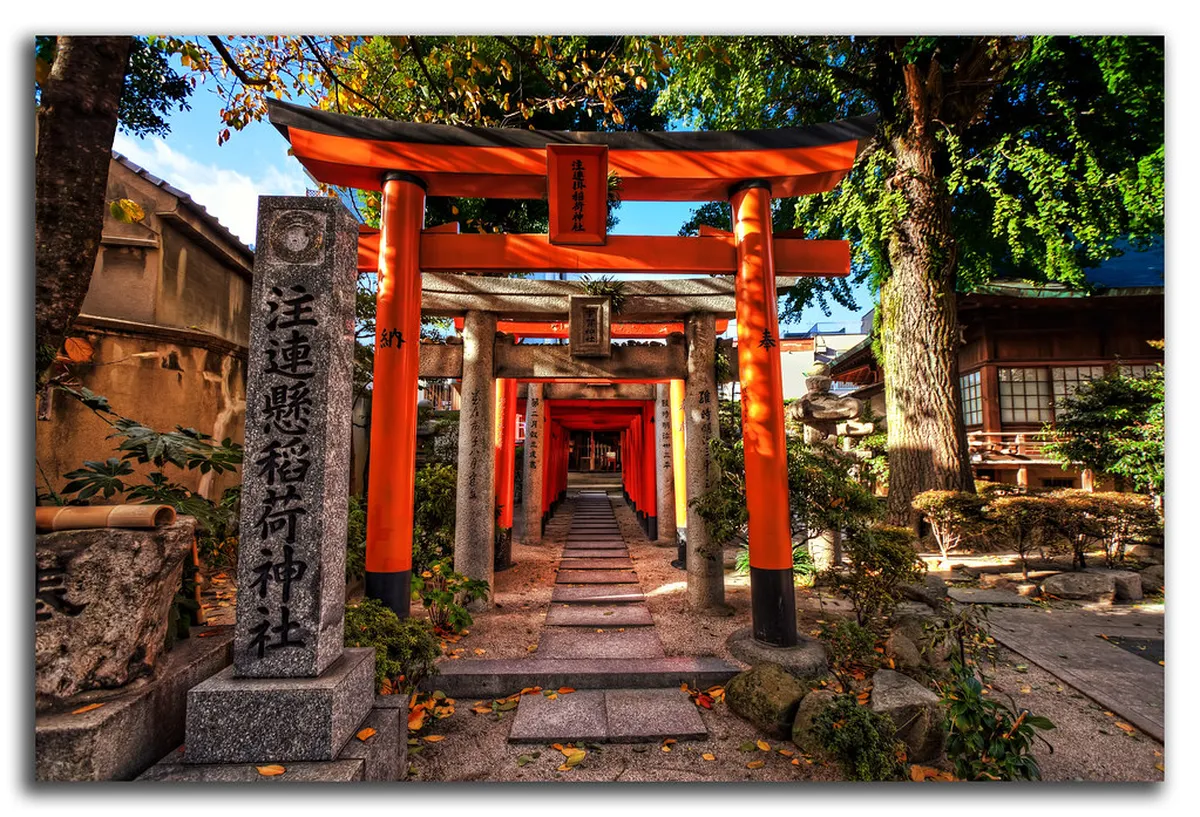
Next, walk five minutes to Tochoji Temple to see the Great Buddha. The temple grounds are free, but the Buddha statue entry costs about 50 yen. We found the 'Hell to Heaven' walk under the statue to be quite memorable. Most visitors spend about 45 minutes exploring the pagoda and the main hall.
End your day with a short walk to the Nakasu Yatai food stalls. These open-air kitchens serve delicious ramen and grilled skewers starting around 6:00 PM. Expect to pay between $10 and $20 for a full meal and drink. I suggest arriving early to secure a stool at the most popular riverside stalls.
| Time | Stop | Duration | Notes |
|---|---|---|---|
| 9:00 – 12:00 | Kushida Shrine → Tochoji Temple → Shofukuji | ~3 hrs | Temple hopping; arrive early to beat tour groups |
| 12:00 – 13:00 | Lunch near Kawabata shopping arcade | ~1 hr | Hakata ramen or bowl meals |
| 13:00 – 16:30 | Hakata Machiya Folk Museum + craft displays | ~3.5 hrs | ¥200 entry; live weaving demos |
| 18:00 – 21:00 | Nakasu Yatai food stalls | ~3 hrs | Open-air ramen and yakitori from ~6 PM |
- Day 1: Exploring the historic heart of Hakata
- Morning: 9:00 AM - 12:00 PM, Temple hopping
- Afternoon: 1:00 PM - 4:30 PM, Cultural museums
- Evening: 6:00 PM - 9:00 PM, Riverside dining
- Time: ~8 hours total, or 2-4 hours for a shortened loop
- Logistics: Fully walkable within Gion area, with Gion Station as the easiest subway access point
- Optional: Swap museum for Canal City Hakata shopping if the weather turns wet
How to Get to Hakata Old Town
Gion Station (1 stop from Hakata) is the best entry point — it puts you right at Tochoji Temple and Shofukuji. From Hakata Station the whole old-town area is a 10–15 minute walk on flat streets.
Gion Station is the cleanest starting point because it drops you close to Tochoji Temple, Shofukuji, and the main old-town streets. From Hakata Station, the walk usually takes 10 to 15 minutes. For accessibility, plan around station elevators and fewer temple interiors, because individual sites can include steps, gravel, narrow gates, and uneven stone surfaces.
Book in Advance for Your Hakata Trip
While many temples are free, some experiences require planning before you arrive. Guided tours often fill up weeks in advance during the peak cherry blossom season, festival periods, and busy weekends. I recommend checking a Tripadvisor.com review for current tour availability. Booking early ensures you get a guide who speaks your preferred language fluently.
Tea ceremonies and traditional craft workshops also have very limited daily capacity. Most local workshops require at least three days of notice for English sessions. You should also reserve a table for high-end kaiseki dining in the old town. Verify the latest booking rules on the official attraction websites before your flight.
Hakata Oldtown Walking Tour Options
A guided walk is the best way to uncover hidden merchant stories if you do not speak Japanese or want more than photo stops. Many visitors choose a tour from activities.Marriott.com for professional historical insights. These tours often include access to private gardens not open to the public. We noticed that guides provide context that plaques and signs often miss.
The Hakata Guide Association also offers local volunteer services for a small fee. These tours typically last three hours and cover the main Gion district temples. You can request a personalized route if you have specific cultural interests. Make sure to submit your application at least one week before your visit.
- First-time visitors: choose a 3-hour Hakata Oldtown Walking Tour focused on Kushida Shrine, Tochoji Temple, Shofukuji, and the machiya streets.
- Food-focused travelers: pair the loop with a Fukuoka Yatai stall hopping tour, but keep dinner flexible because stall seating is limited.
- Repeat visitors: personalize the route around craft shops, temple gardens, or festival history instead of repeating only the main gates.
What's Included, What's Not Included
Most walking tours include guide time, route planning, and local interpretation of temples, merchant culture, and the Hakata Gion Yamakasa festival. Do not assume temple donations, museum admission, food, taxi fares, or personal shopping are covered unless the booking page lists them clearly. If a listing asks "When are you traveling?" or "When?", choose the date first because July, spring weekends, and rainy-season afternoons all change the best route.
Best Time to Visit Hakata Old Town
The best daily timing is early morning for shrines and temples, then late afternoon for craft stops and dinner. Spring and autumn are easiest for walking. July is more culturally distinctive because of the Hakata Gion Yamakasa atmosphere, but it is also busier and warmer.
Is One Day Enough for Hakata Old Town?
One full day is usually enough to see the primary historic highlights. The old town area is compact and very easy to navigate on foot. You can visit three temples and two museums without feeling too rushed. I found that six hours covers the essential 'Old Town' experience perfectly.
If you love deep history, you might want to add a second day. This allows for longer museum visits and more time for traditional tea. You could also spend more time exploring the modern side of Hakata. Most travelers find the one-day pace to be the most rewarding balance.
Must-See Hakata Attractions and Museums
The Hakata Machiya Folk Museum is a vital stop for any visitor. It showcases how local merchants lived during the Meiji and Taisho eras. Admission is typically 200 yen, and they are open from 10:00 AM daily. We enjoyed watching the live demonstrations of traditional Hakata-ori weaving here.
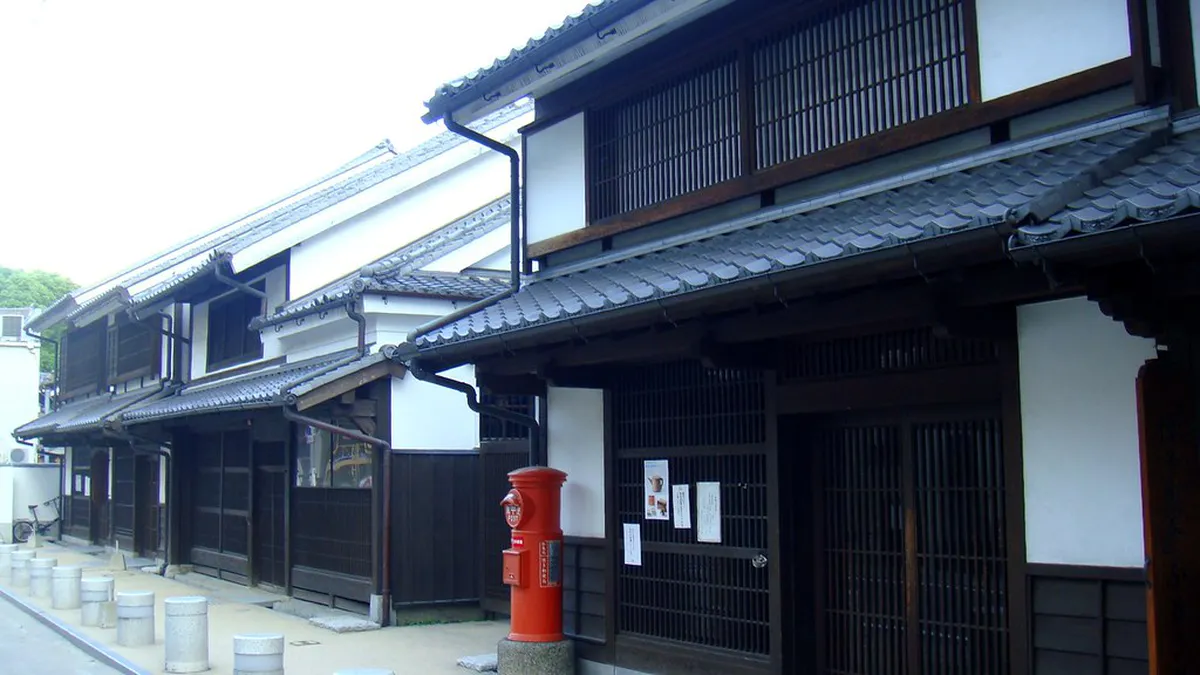
Do not miss the Hakata Traditional Craft and Design Museum nearby. It features beautiful dolls and textiles that represent the region's artistic heritage. Entry is free, making it a great budget-friendly stop on your walking route. The museum usually closes on Mondays, so plan your week accordingly.
For outdoor breathing room, add the quiet edges of Shofukuji or a short walk toward Reisen Park instead of stacking another indoor stop.
Common Mistakes to Avoid
Do not start at noon in summer — humidity makes temple-hopping uncomfortable. Not every temple interior is open or step-free. Arrive early (by 9:30 AM) and keep the pace loose; rushing the district defeats the point of visiting.
The biggest mistake is treating Hakata Old Town as a checklist of separate attractions. The district works better as a paced walk with two or three anchors, a food break, and time to notice side streets.
- Do not start at noon in summer unless you are prioritizing museums and covered arcades.
- Do not assume every temple interior is open, photo-friendly, or step-free.
- Do not book a full-day Fukuoka city tour if your only goal is old-town history; a half-day route is usually enough.
- Do not leave yatai dining too late on weekends, when the most convenient stools fill quickly.
Cancellation Policy for Hakata Tours
Always check the specific cancellation rules before booking a guided walking tour. Most suppliers offer a full refund if you cancel 24 hours in advance. Some private tours might require a 48-hour notice for a complete refund. We recommend reading the fine print on your booking confirmation very carefully.
Weather-related cancellations are handled differently by each tour operator or supplier. Light rain usually does not stop the tours, so bring an umbrella along. If a tour is cancelled by the guide, you should receive a full refund. Contact your provider directly if you need to change your scheduled time.
Add an Extra Day: Beyond the Old Town
If you have extra time, head to Dazaifu Tenmangu for a half-day trip. This grand shrine is about 30 minutes away by train from Hakata Station. It is famous for its plum trees and beautiful ponds with arched bridges. The surrounding village offers excellent local snacks like grilled mochi cakes.
For modern views, visit the Fukuoka Tower in the seaside Momochi district. It offers a 360-degree view of the city and the Hakata Bay. The tower is about 20 minutes by bus from the downtown Tenjin area. I suggest visiting at sunset for the best photos of the coastline.
Yanagawa river cruising and Dazaifu Tenmangu work better as a separate day than an add-on after Hakata Old Town. Broader Fukuoka highlights tours are useful if you want a driver or wide city introduction, but they trade old-town depth for coverage. You can find more ideas in a comprehensive Fukuoka travel guide online.
Planning Questions for Hakata Old Town
First-time visitors should choose either a self-guided 2-4 hour loop or a 3-hour guided walk. A self-guided loop works for photos, free temple grounds, and flexible food stops; a guided route is better for festival history and merchant context.
Hakata Old Town is worth including on a short itinerary if you are staying near Hakata Station or want a low-transit cultural stop before dinner. To personalize the visit, history-focused travelers should keep Shofukuji and Tochoji, food-focused travelers should save energy for Nakasu, and families should add covered shopping streets instead of a tightly timed full-day route.
Frequently Asked Questions
What is the best time to visit Hakata Old Town?
Spring and autumn offer the most pleasant weather for walking between temples. Most sites open at 9:00 AM, so arrive early to beat the crowds. The Gion Yamakasa festival in July is also a spectacular time to visit.
Are the temples in Hakata free to enter?
Most temple grounds, like Kushida and Tochoji, are free for the public. Some specific attractions, like the Great Buddha statue, require a small fee of about 50 yen. Museums in the area usually charge between 200 and 600 yen.
How do I get to Hakata Old Town?
Take the subway to Gion Station, which is only one stop from Hakata Station. You can also walk from Hakata Station in about 10 to 15 minutes. The area is very compact and best explored on foot.
Hakata Old Town is a beautiful window into the ancient merchant history of Fukuoka. By following this guide, you can experience the best temples and crafts in one day. I hope you enjoy the peaceful shrines and the lively food stalls as much as we did.
For more Fukuoka planning, see our Fukuoka travel guide, Fukuoka attractions, 7 must-visit attractions in Hakata Old Town.
For authoritative information, refer to the Hakata Old Town official site and Hakata Old Town on Wikipedia.