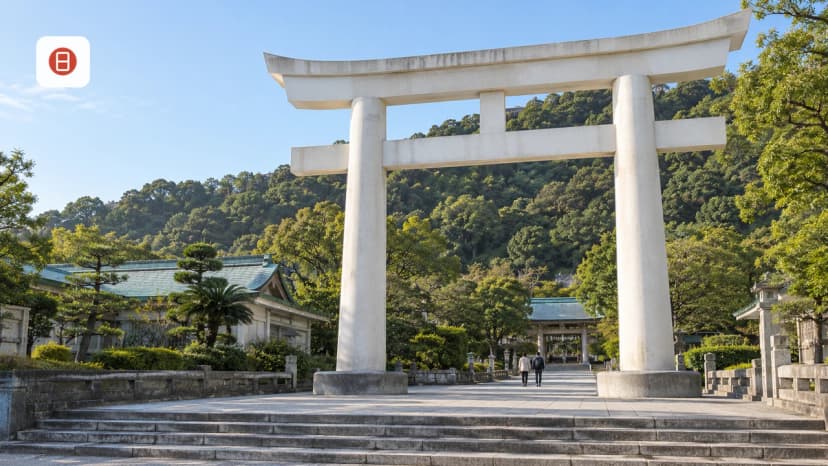
Kagoshima sits at the southern tip of Kyushu and is the most volcanic city in Japan — the smoking 1,117-meter cone of Sakurajima rises directly across the bay from downtown, and ash falls on the city often enough that residents keep yellow disposal bags by the curb. That single feature defines the trip: a 15-minute, ¥200 ferry shuttles between the city and an active stratovolcano you can hike beside, soak under, and photograph from a dozen free observatories.
But Kagoshima is more than the volcano. This was the seat of the powerful Satsuma Domain under the Shimazu clan, the samurai region that drove the 1868 Meiji Restoration. That heritage survives at Sengan-en — a 17th-century landscape garden listed under UNESCO's Sites of Japan's Meiji Industrial Revolution — and at Chiran, a remarkably intact Edo-period samurai street 90 minutes south. Chiran also holds the sobering Peace Museum for the 1,036 kamikaze pilots who flew from its airfield in 1945.
Add in the geothermal black-sand baths of Ibusuki, the cedar-shaded shrine of Kirishima Jingu, the whale sharks of Io World aquarium, and the shochu bars of Tenmonkan, and you have a city that rewards 2–4 days of slow travel rather than a single day-trip. This 2026 guide covers the 10 attractions that consistently justify the time and ticket price — each card links to a full visitor guide with verified hours, current prices, and the practical tips (best ferry, best photo angle, where the queues form) that the official sites don't mention.
Planning a wider trip? See our Japan travel guide, the things to do in Kagoshima guide, and getting around Japan.
Top 10 attractions in Kagoshima
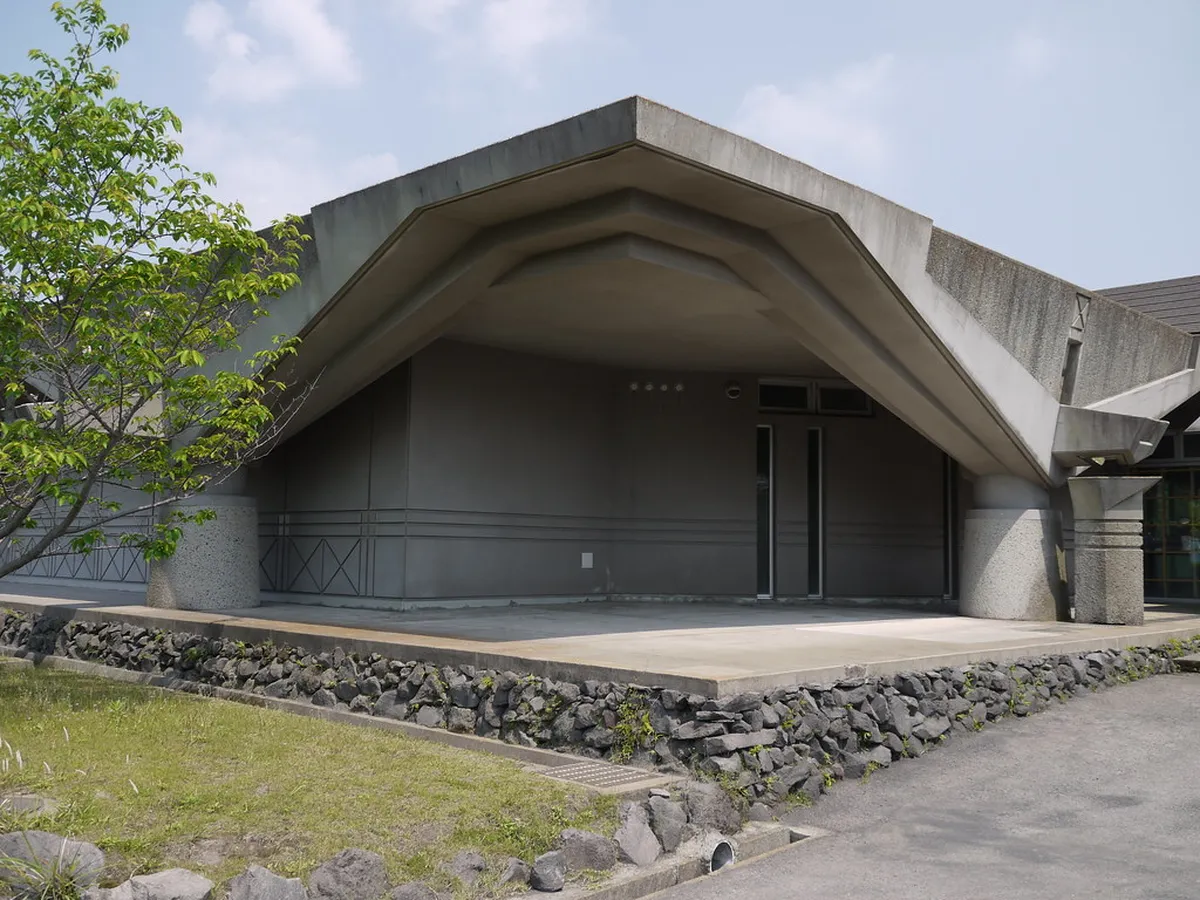
Sakurajima
Sakurajima is Japan's most active volcano, a 1,117-meter stratovolcano peninsula rising from Kagoshima Bay just 4 km from central Kagoshima city. A 24-hour ¥200 ferry connects it to the mainland, where visitors explore lava-field walks, free observatories, and seaside hot springs in the shadow of the smoking crater.
Visitor guide →
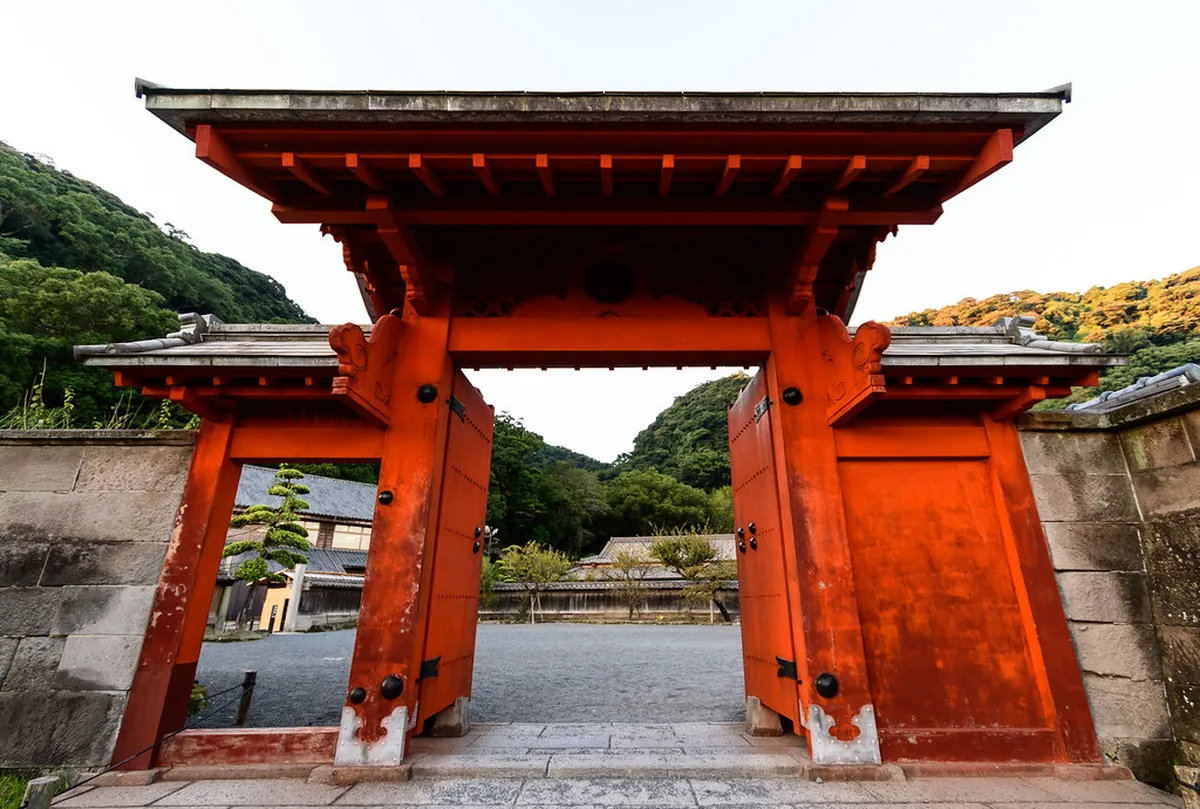
Sengan-en
Sengan-en (Iso Garden) is a 17th-century Shimazu clan landscape garden in Kagoshima, famous for its borrowed-scenery view of Sakurajima volcano and Kinko Bay and listed as part of a UNESCO World Heritage Site.
Visitor guide →
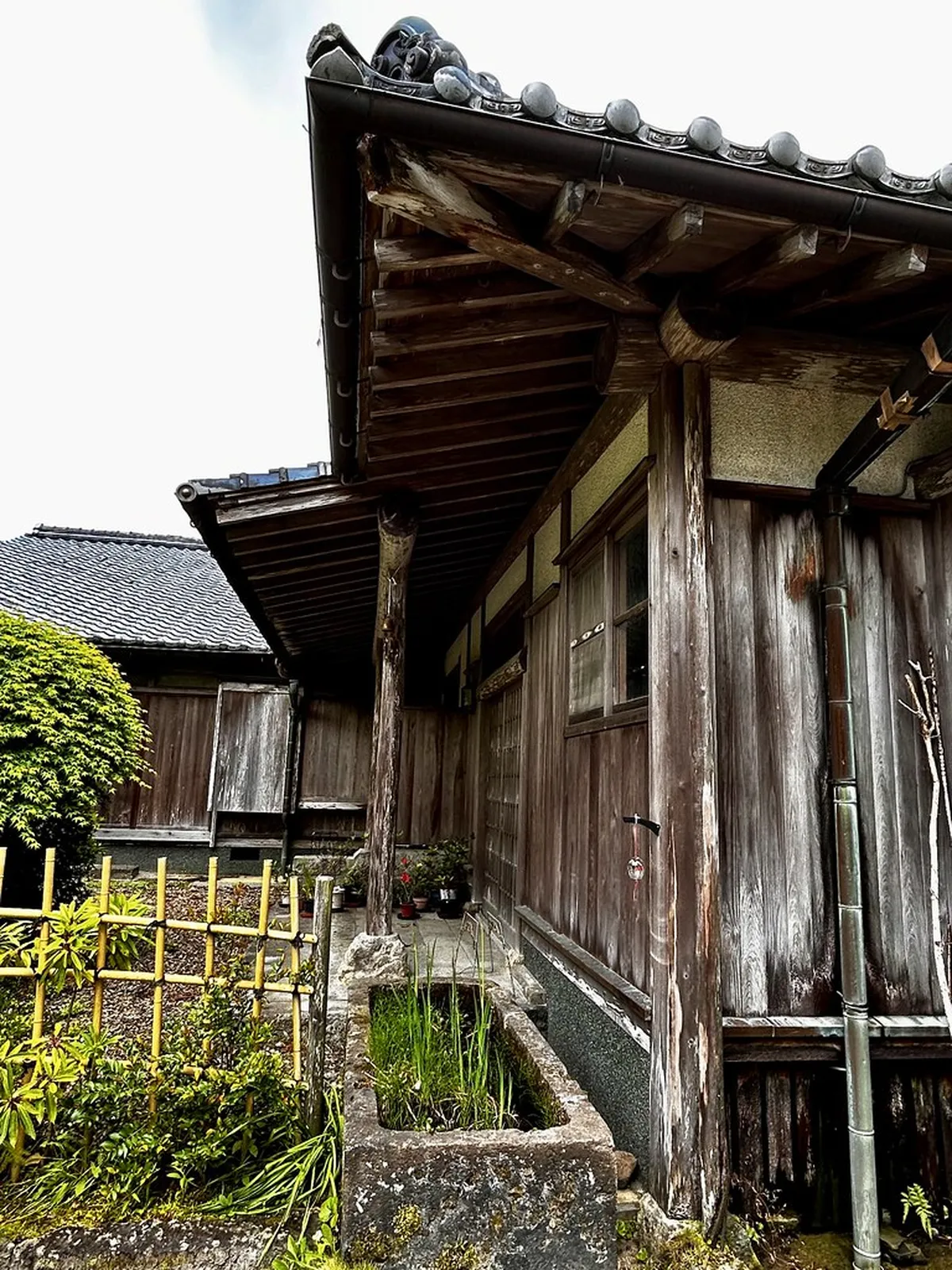
Chiran Samurai District
The Chiran Samurai District is a remarkably preserved Edo-period samurai street in Minamikyushu City, Kagoshima, featuring seven historic residences with traditional Japanese gardens designated as a Nationally Designated Place of Scenic Beauty.
Visitor guide →
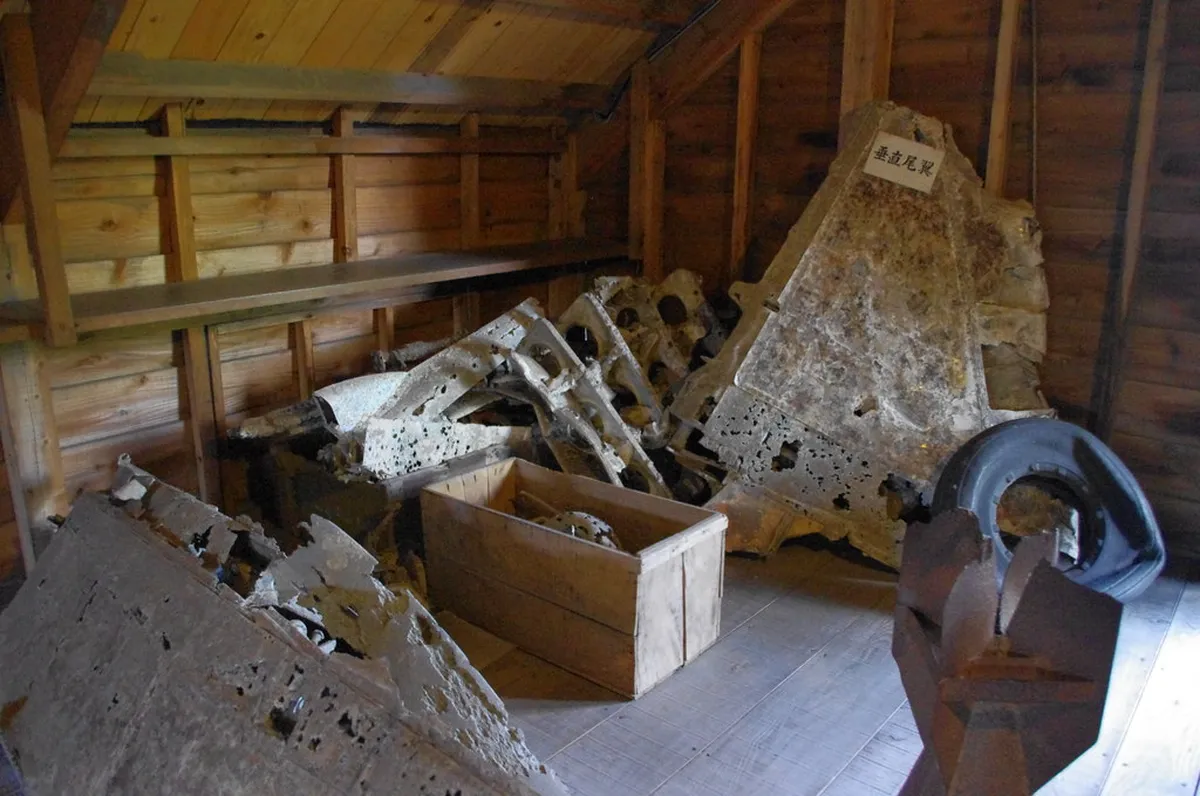
Chiran Peace Museum for Kamikaze Pilots
The Chiran Peace Museum for Kamikaze Pilots in Minamikyushu, Kagoshima preserves the letters, photographs, and aircraft of the 1,036 young Japanese Army pilots who departed Chiran Airfield on one-way Special Attack missions in 1945.
Visitor guide →
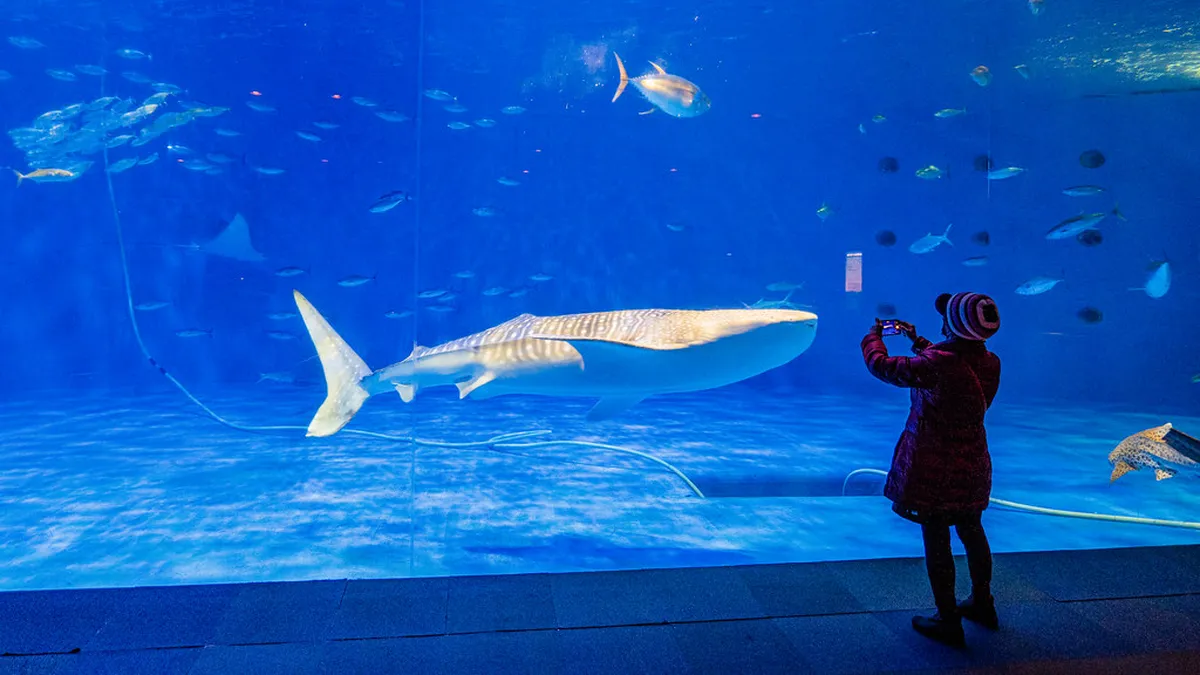
Kagoshima City Aquarium (Io World)
Kagoshima City Aquarium, known as Io World, is a waterfront aquarium opened in 1997 that showcases the marine life of the Kuroshio Current and Kagoshima Bay, including whale sharks, dolphins and deep-sea jellyfish across 3.2 million liters of themed exhibits.
Visitor guide →
Reimeikan Museum
Reimeikan is Kagoshima's flagship prefectural history museum, occupying the grounds of the former Tsurumaru Castle and tracing the region's story from prehistory through the Satsuma Domain and Meiji Restoration.
Visitor guide →
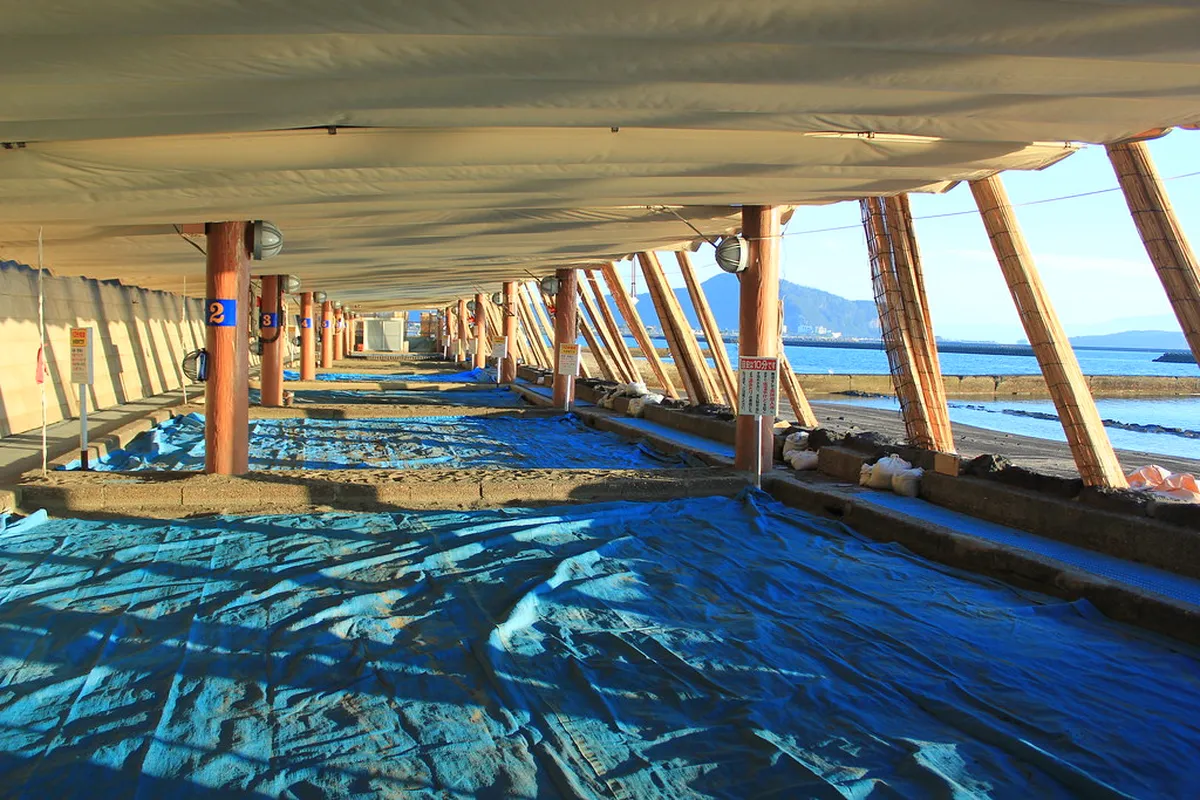
Ibusuki Sand Bath
Saraku Sand Bath Hall in Ibusuki is the flagship public sunamushi onsen, where visitors are buried in naturally hot, geothermally heated black sand on the shore of Kagoshima Bay.
Visitor guide →
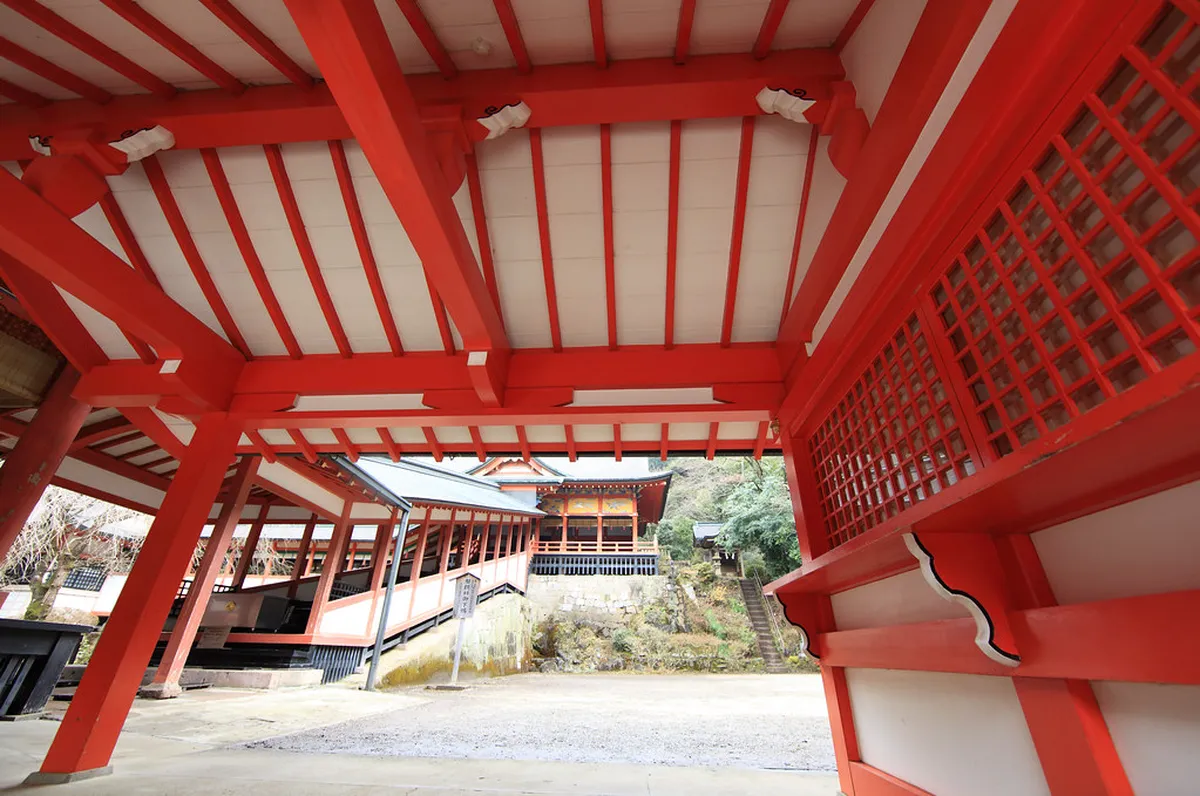
Kirishima Jingu Shrine
Kirishima Jingu is a vermilion-lacquered Shinto shrine set in cedar forest on the slopes of Mount Kirishima in Kagoshima Prefecture, dedicated to Ninigi-no-Mikoto. Its current main hall, rebuilt in 1715, is a nationally designated Important Cultural Property.
Visitor guide →
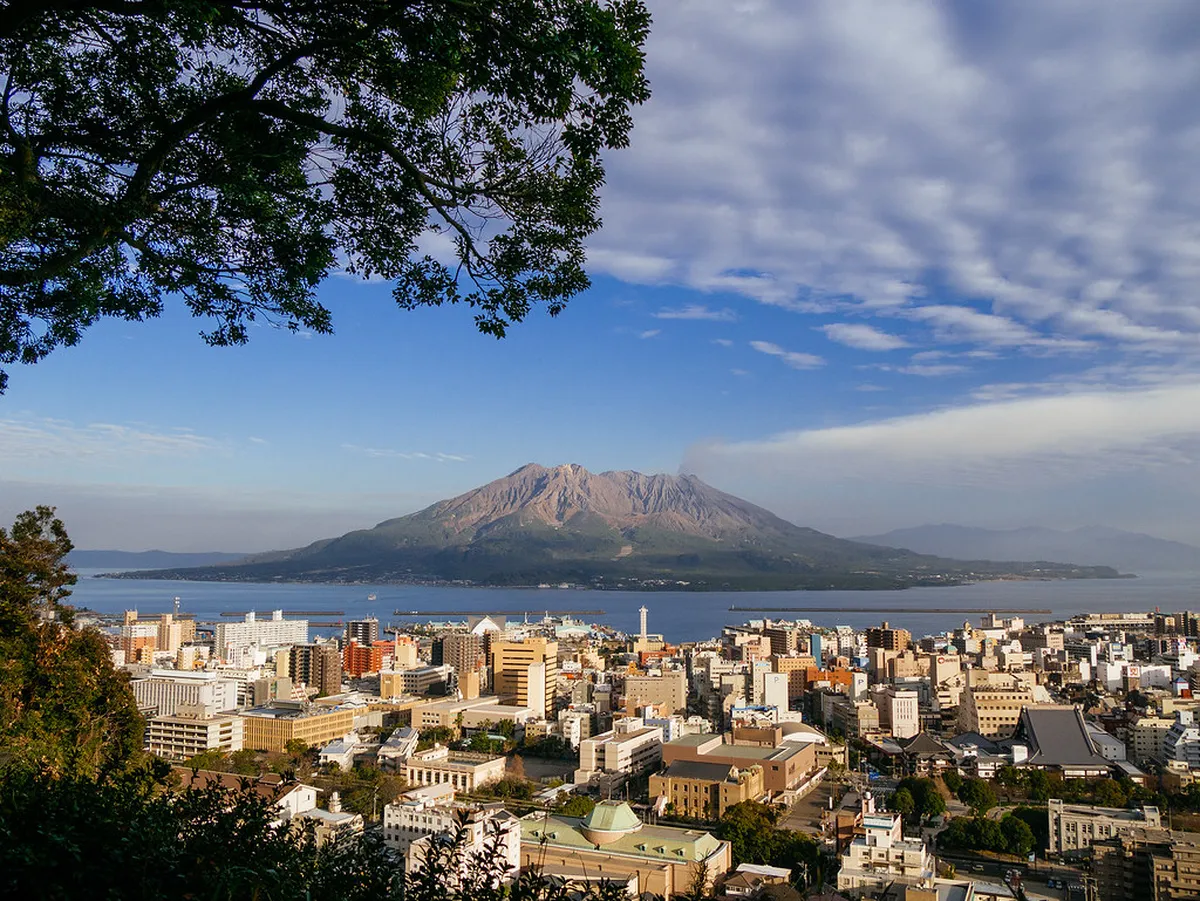
Shiroyama Observatory
Shiroyama Observatory is a free hilltop viewpoint in central Kagoshima offering the city's most celebrated panorama of the active Sakurajima volcano across Kinko Bay.
Visitor guide →
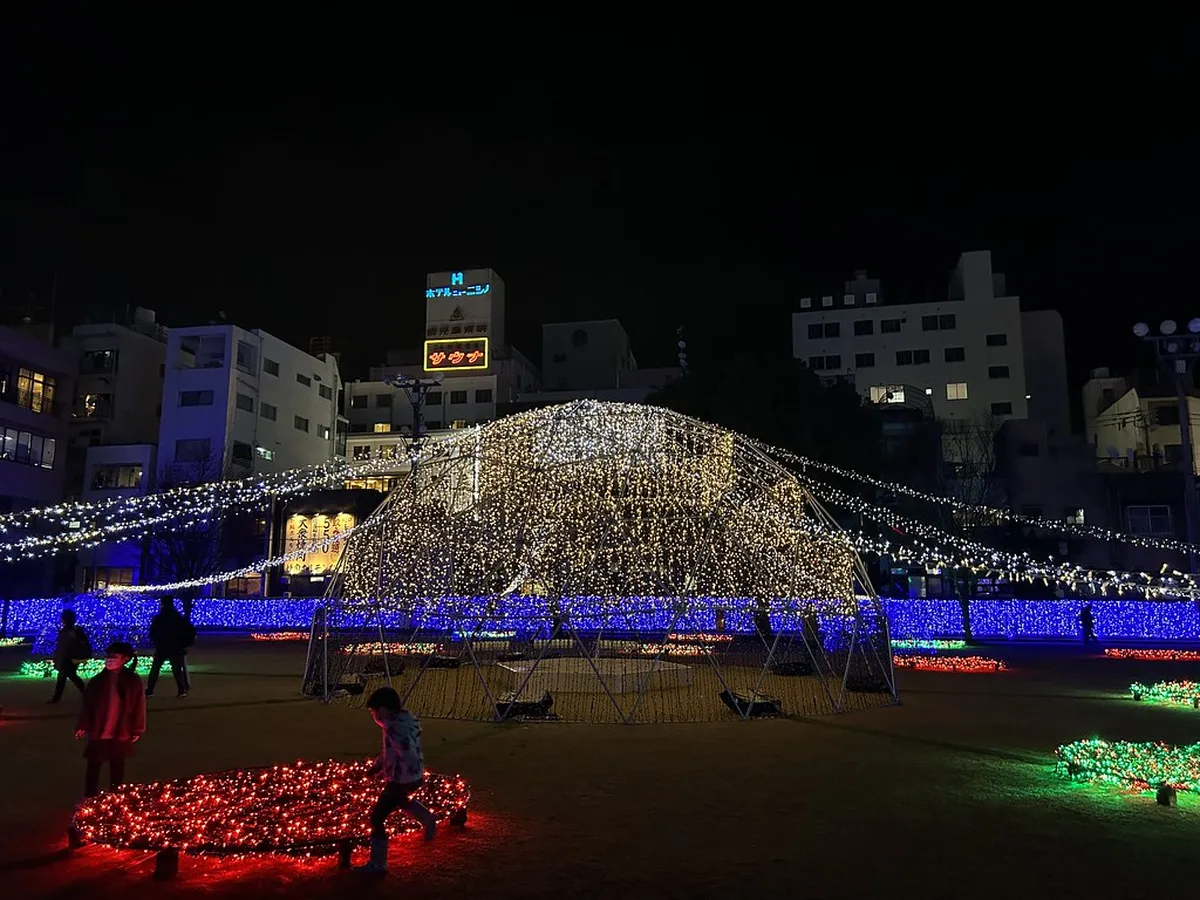
Tenmonkan
Tenmonkan is Kagoshima's bustling shopping and entertainment district, anchored by a covered arcade lined with department stores, shochu bars, izakaya, and cafes that serve the city's signature shirokuma shaved ice.
Visitor guide →
Good to know
The Sakurajima Ferry runs 24 hours a day, every 15 minutes during the day and hourly overnight. The ¥200 adult fare is paid on arrival at the Sakurajima side, so you board immediately from the Kagoshima waterfront without queuing for tickets first.
Kagoshima attractions by neighborhood
Kagoshima's sights spread across five distinct areas — knowing which cluster each attraction belongs to is the difference between a relaxed trip and a day lost to buses. Below is the practical geography most printed guides skip.
Central Kagoshima (Tenmonkan, Shiroyama, waterfront)
The downtown core is compact and tram-walkable. Tenmonkan is the covered arcade district where you'll likely sleep, eat shirokuma shaved ice, and drink shochu. From Tenmonkan, it's a 15-minute uphill walk (or a City View bus stop) to Shiroyama Observatory for the postcard view of Sakurajima. The Reimeikan Museum sits at Shiroyama's base on the former Tsurumaru Castle grounds. Down on the waterfront, Sengan-en is 10 minutes north by bus, and Kagoshima City Aquarium (Io World) is right next to the Sakurajima ferry terminal — easy to bundle the same morning.
Sakurajima peninsula
Sakurajima is a destination unto itself, reached by a 15-minute, ¥200 ferry that runs 24 hours. Once on the island, the Sakurajima Island View bus loops past Yunohira Observatory (the highest accessible viewpoint), the Karasujima Observatory, lava-field walks, and seaside footbaths. Half a day is realistic; a full day if you want to soak in Furusato Onsen.
Chiran and Minamikyushu (1 hour south)
The Chiran Samurai District and Chiran Peace Museum for Kamikaze Pilots are 1 km apart in the same small town, 70–90 minutes by bus from Kagoshima-Chuo Station. Pair them on a single day trip — most visitors do the museum first (morning, fewer school groups), lunch in Chiran, then walk the samurai garden street in the cooler afternoon light.
Ibusuki (50 minutes south by JR)
Ibusuki Sand Bath sits on the Satsuma Peninsula's southern coast, reached via the JR Ibusuki-Makurazaki Line from Kagoshima-Chuo. The hourly sightseeing train "Ibusuki no Tamatebako" is itself an attraction. Easy half-day or overnight onsen ryokan trip.
Kirishima (1 hour north)
Kirishima Jingu is set in old-growth cedar forest in the Kirishima-Kinkowan National Park, accessible from JR Kirishima-Jingu Station plus a short bus ride. Combine with Kirishima Onsen for a one-night detour, or visit as a day trip when you're done with central Kagoshima.
Kagoshima attractions by category
If you're choosing what to skip, group the 10 attractions by theme rather than by ticket price.
Volcanoes and nature
Sakurajima is the headline, but Shiroyama Observatory is the free supporting act — both are free to enter (you only pay the ¥200 ferry for Sakurajima). Kirishima Jingu doubles as a forest-bathing stop in the national park.
Samurai and WWII history
The Chiran Samurai District (Edo period, 1603–1868) and the Chiran Peace Museum (WWII, 1945) sit in the same town and together tell two centuries of Satsuma's military story. Reimeikan Museum in central Kagoshima fills in the Meiji Restoration backstory.
Gardens and UNESCO heritage
Sengan-en is the only attraction in this list inscribed on UNESCO's World Heritage List (Sites of Japan's Meiji Industrial Revolution, 2015) — its Shuseikan reverberatory furnace ruins are part of the listing alongside the Shimazu villa and garden.
Shrines
Kirishima Jingu's 1715 main hall is the cedar-and-vermilion centerpiece, designated a nationally Important Cultural Property.
Onsen and sand bath
Ibusuki Sand Bath at Saraku is Japan's most famous sunamushi (steam-sand) onsen — you're literally buried in geothermally heated black sand for 10–15 minutes.
Shopping, food, and nightlife
Tenmonkan is Kyushu's southernmost major arcade district — late-night ramen, shochu izakaya, and the original Mujaki shirokuma shaved-ice parlor.
Free vs paid Kagoshima attractions
Half of the 10 attractions on this list are either free or under ¥600 — Kagoshima is one of the most budget-friendly sightseeing cities in Japan.
Free attractions
- Sakurajima observatories — Yunohira, Karasujima, Arimura Lava Observatory are all free (only the ¥200 ferry costs money).
- Shiroyama Observatory — Free hilltop viewpoint, open 24 hours.
- Kirishima Jingu — Free shrine grounds (typical of Shinto shrines).
- Tenmonkan — Free to wander; pay only for what you eat or drink.
Paid attractions (2026 prices)
- Sengan-en — ¥1,600 (garden + Shoko Shuseikan museum combo ticket)
- Kagoshima City Aquarium — ¥2,000 adults
- Chiran Peace Museum for Kamikaze Pilots — ¥500 adults
- Chiran Samurai District — ¥530 combo ticket for all 7 gardens
- Reimeikan Museum — ¥400 adults (special exhibitions extra)
- Ibusuki Sand Bath (Saraku) — ¥1,500 including yukata rental
Total ticket spend to see every paid attraction on this list: roughly ¥6,530 per adult, plus ¥200 for the Sakurajima ferry. The CUTE pass (see below) can shave 20–30% off transport.
Suggested Kagoshima itineraries
Use these as a starting frame — each individual attraction guide linked from the cards above includes timing notes you can plug in.
1 day in Kagoshima
Morning: Shiroyama Observatory + Reimeikan Museum. Lunch: Tenmonkan (shirokuma or tonkatsu). Afternoon: Sakurajima ferry, Yunohira Observatory, lava-field walk. Evening: shochu bar in Tenmonkan.
2 days in Kagoshima
Day 1 as above. Day 2: Sengan-en in the morning (open 9 am), Kagoshima City Aquarium next door in the afternoon, sunset back at Shiroyama with a different sky.
3 days in Kagoshima
Add a full day trip to Chiran — Peace Museum first, lunch, samurai street second. Return to Kagoshima by 5 pm bus.
5 days in Kagoshima
Days 1–3 as above. Day 4: JR Ibusuki-Makurazaki Line south, sand bath at Saraku, overnight in an Ibusuki onsen ryokan. Day 5: north to Kirishima Jingu and Kirishima Onsen, back to Kagoshima for late dinner.
Getting around Kagoshima's attractions
Kagoshima has one of the easier transit systems in Japan, but it mixes four operators — knowing which fare covers what saves both money and time.
- City View Loop Bus — Hop-on, hop-off route that hits Shiroyama, Reimeikan, Sengan-en, Tenmonkan and the ferry terminal. ¥190 single ride, ¥600 one-day pass.
- Trams — Two lines, ¥170 flat fare anywhere in the city. Useful for Tenmonkan ↔ Kagoshima-Chuo Station.
- Sakurajima Ferry — ¥200 adult, ¥100 child, every 10–15 minutes during the day, hourly overnight. 15-minute crossing. Pay on arrival on the Sakurajima side.
- JR Ibusuki-Makurazaki Line — Local trains to Ibusuki run roughly hourly. The "Ibusuki no Tamatebako" sightseeing train requires a reservation.
- Chiran buses — Kagoshima Kotsu runs direct buses from Yamagataya bus center (downtown) and Kagoshima-Chuo Station, ~70 min, ~¥950 one way.
Heads up
Avoid Obon week (around August 13–16): domestic travel peaks, transport fills up, and prices at hotels and ryokan spike significantly compared to the weeks before and after.
Best time to visit Kagoshima
Kagoshima's climate is the most sub-tropical of Japan's main islands — winters are mild and snow is rare, but summers are humid and hot.
- March–April — Cherry blossoms at Sengan-en and along Shiroyama; pleasant 15–20°C days. Peak domestic-tourist season.
- May–June — Wisteria, fresh green; June brings the rainy season (tsuyu).
- July — Hot, humid (30–33°C). Sakurajima eruptions tend to be most photogenic.
- August (avoid Obon week, ~Aug 13–16) — Domestic travel peaks, prices spike, transport fills up.
- October–November — Best overall: clear skies, autumn colors at Kirishima Jingu, 18–24°C.
- December–February — Mild winter, 8–14°C; quietest months; clearest Sakurajima views on cold dry days.
How to save money on Kagoshima attractions
Several free or near-free workarounds cut the headline ticket total significantly.
- CUTE pass — Kyushu Unlimited Travel Pass for foreign visitors covers JR Kyushu trains plus local buses; useful if you're combining Kagoshima with Kumamoto or Fukuoka.
- City View one-day pass — ¥600 pays for itself after 4 stops.
- Free observatories — All of Sakurajima's viewpoints, plus Shiroyama, cost zero.
- Free shrines — Kirishima Jingu and every other shrine in the city are free to enter.
- Sengan-en garden-only ticket — Skip the Shoko Shuseikan museum upgrade if you're short on time; the garden-only ticket is cheaper.
- Ibusuki day-trip vs ryokan — The ¥1,500 sand bath at Saraku is the same experience whether you stay overnight or come for the day.
Frequently asked questions about Kagoshima attractions
How many days do you need to see Kagoshima's main attractions?
Two days covers central Kagoshima plus a Sakurajima half-day. Three days adds a Chiran day trip. To include Ibusuki and Kirishima as well, plan 4–5 days.
What is the #1 must-see attraction in Kagoshima?
Sakurajima — the active volcano is the defining feature of the city. A ¥200, 15-minute ferry takes you across, and the free Yunohira Observatory gives you the closest legal vantage on the smoking crater.
Is Sakurajima volcano safe to visit?
Yes. The ferry runs daily and the lower-slope observatories and lava walks are always open. A 2 km exclusion zone around the summit crater is fenced off and monitored by the Japan Meteorological Agency. Wear closed shoes, carry a light mask on ash days, and avoid the island if a Level 4 or 5 eruption alert is issued (rare).
Are Kagoshima's attractions free?
Many are. Shiroyama Observatory, all Sakurajima viewpoints, Kirishima Jingu shrine, and walking Tenmonkan cost nothing. Paid sights (Sengan-en ¥1,600, Kagoshima Aquarium ¥2,000, Ibusuki Sand Bath ¥1,500, Chiran Peace Museum ¥500) total around ¥6,500 if you do everything.
What is Kagoshima famous for?
Kagoshima is famous for Sakurajima volcano, Satsuma samurai heritage (the Shimazu clan and the Meiji Restoration), Sengan-en UNESCO World Heritage garden, Ibusuki's geothermal black-sand baths, shochu (sweet-potato spirit), kurobuta black-pork cuisine, and shirokuma shaved ice.
How do you get from Kagoshima to Chiran samurai district?
Take a Kagoshima Kotsu bus from Yamagataya bus center or Kagoshima-Chuo Station bound for Chiran. The ride takes 70–90 minutes and costs about ¥950 one way. Buses run roughly hourly. Get off at "Bukeyashiki-iriguchi" for the samurai street or "Tokko Kannon-iriguchi" for the Peace Museum.
When is the best time of year to visit Kagoshima?
October–November is the best overall window — mild 18–24°C, clear skies, and autumn colors at Kirishima Jingu. Late March–early April brings cherry blossoms at Sengan-en. Avoid Obon week (mid-August) when domestic travel peaks.
Can you see Kagoshima in one day?
You can hit the headline shortlist — Shiroyama Observatory, Reimeikan, lunch in Tenmonkan, and a Sakurajima ferry round trip with one observatory — in a single day. But Sengan-en, Chiran, Ibusuki, and Kirishima each really need a half-day or more of their own.
Plan your Kagoshima trip
Once you've picked your attractions, the next questions are which itinerary to follow, where to stay, and how to get around. Start with our Kagoshima itinerary: best things to do and Sakurajima volcano tours for a tested day-by-day plan, then dig into the 2026 Sakurajima ferry and ash-survival guide for the practical details of the volcano half-day. If you want to lean into local nightlife, how to navigate Tenmonkan nightlife: a shochu and yatai itinerary rounds out the evening half of any trip.