
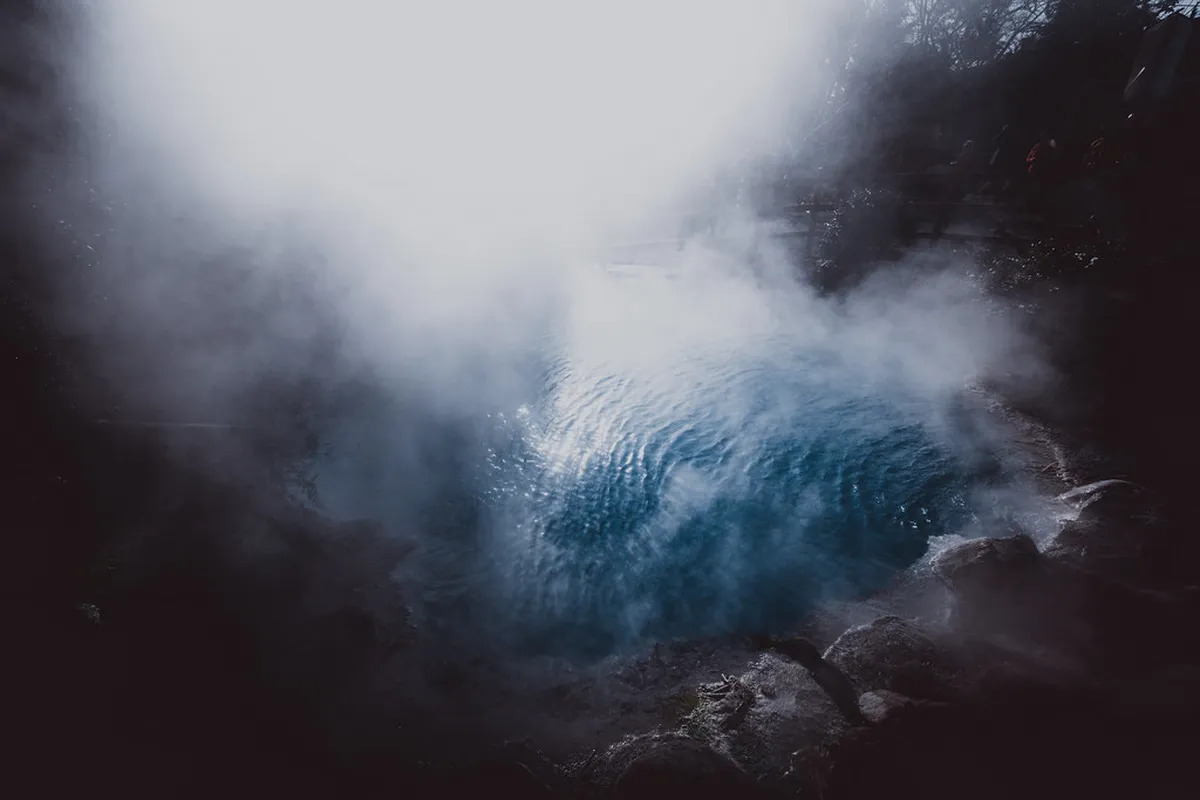
Umi Jigoku stands as the most famous of the seven spectacular hot springs in Beppu. Visitors often marvel at the striking cobalt blue water that gives this site its name. This National Site of Scenic Beauty offers a mix of natural power and serene gardens. Planning your trip with a practical Beppu attractions route helps you see the highlights without rushing through the Kannawa district.
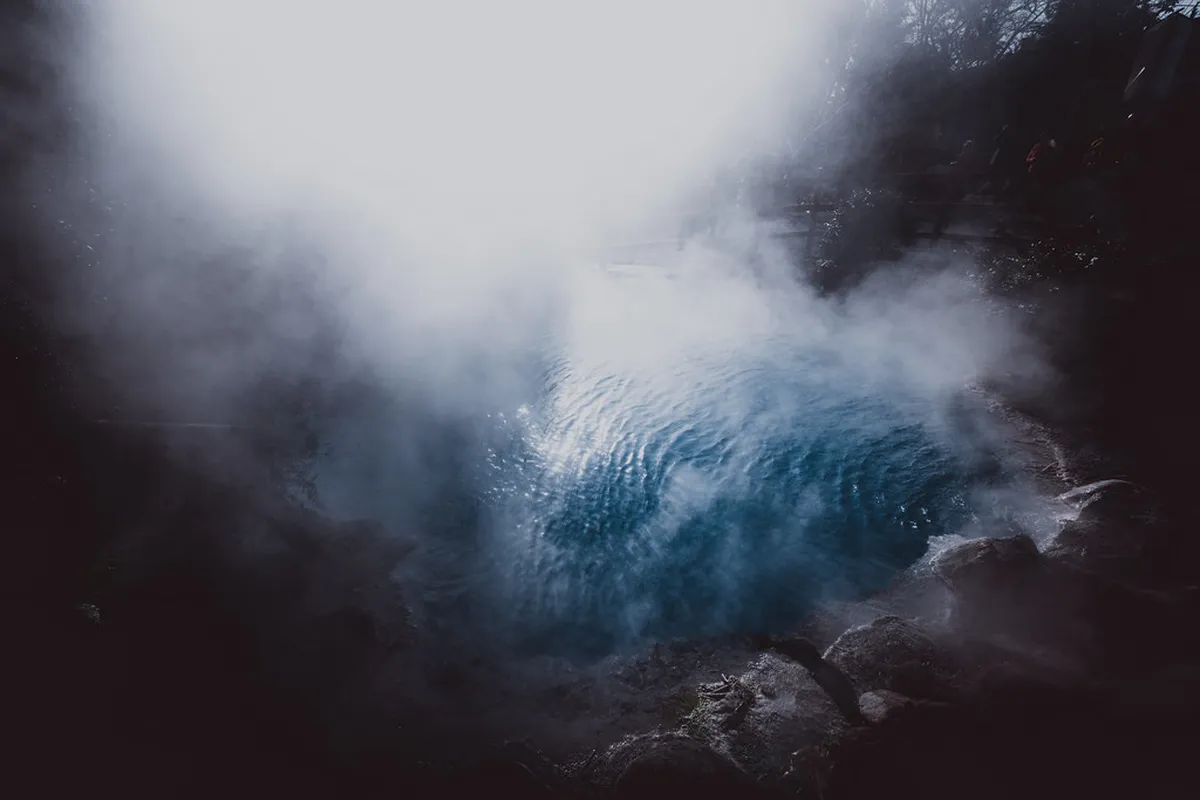
The steam rising from the turquoise pond creates a mystical atmosphere for every photographer. You will find more than just a boiling pool within this expansive complex. The site features a museum, a greenhouse, a lotus pond, and a refreshing foot bath for tired travelers. Exploring this area reveals the deep volcanic history of the Oita Prefecture region.
Beppu remains a top destination for those seeking the ultimate Japanese onsen experience. While you cannot bathe in the 'hells' themselves, the visual spectacle is unmatched. This 2026 visitor guide covers tickets, transit choices, accessibility, timing, and the best local snacks nearby. Prepare for a day of steam, heat, and incredible natural colors in the heart of Kyushu.
What are the Hells of Beppu?
The 'Hells of Beppu' refer to seven unique geothermal hot springs located around the Kannawa and Shibaseki areas. Local residents named these sites 'Jigoku' centuries ago because the boiling water seemed uninhabitable. Each spring features a different color or geological behavior, such as blue water, red clay, gray mud bubbles, animal habitats, or a timed geyser. Most travelers start their Beppu attractions journey at the northern cluster near Umi Jigoku.
Five hells sit close together in Kannawa, while Chinoike Jigoku and Tatsumaki Jigoku are located in the Shibaseki area. The central cluster is easiest on foot and includes Umi Jigoku, Oniishi Bozu Jigoku, Kamado Jigoku, Oniyama Jigoku, and Shiraike Jigoku. Visiting all seven provides a complete look at the area's diverse volcanic activity, but a shorter first-time route can focus on Umi Jigoku, Kamado Jigoku, and Chinoike Jigoku.
Must-See Umi Jigoku Attractions
Umi Jigoku includes a free outdoor foot bath — bring a small towel to soak your feet in the mineral-rich water without any extra charge. It is a good reward after circling the main blue pond and gardens.
The main attraction is the massive pond filled with 98-degree Celsius cobalt blue water. This stunning color comes from dissolved iron sulfate reacting with the extreme heat. Steam clouds often drift across the surface, making for dramatic and beautiful photos. Look for the small shrine located right at the edge of the steaming water.
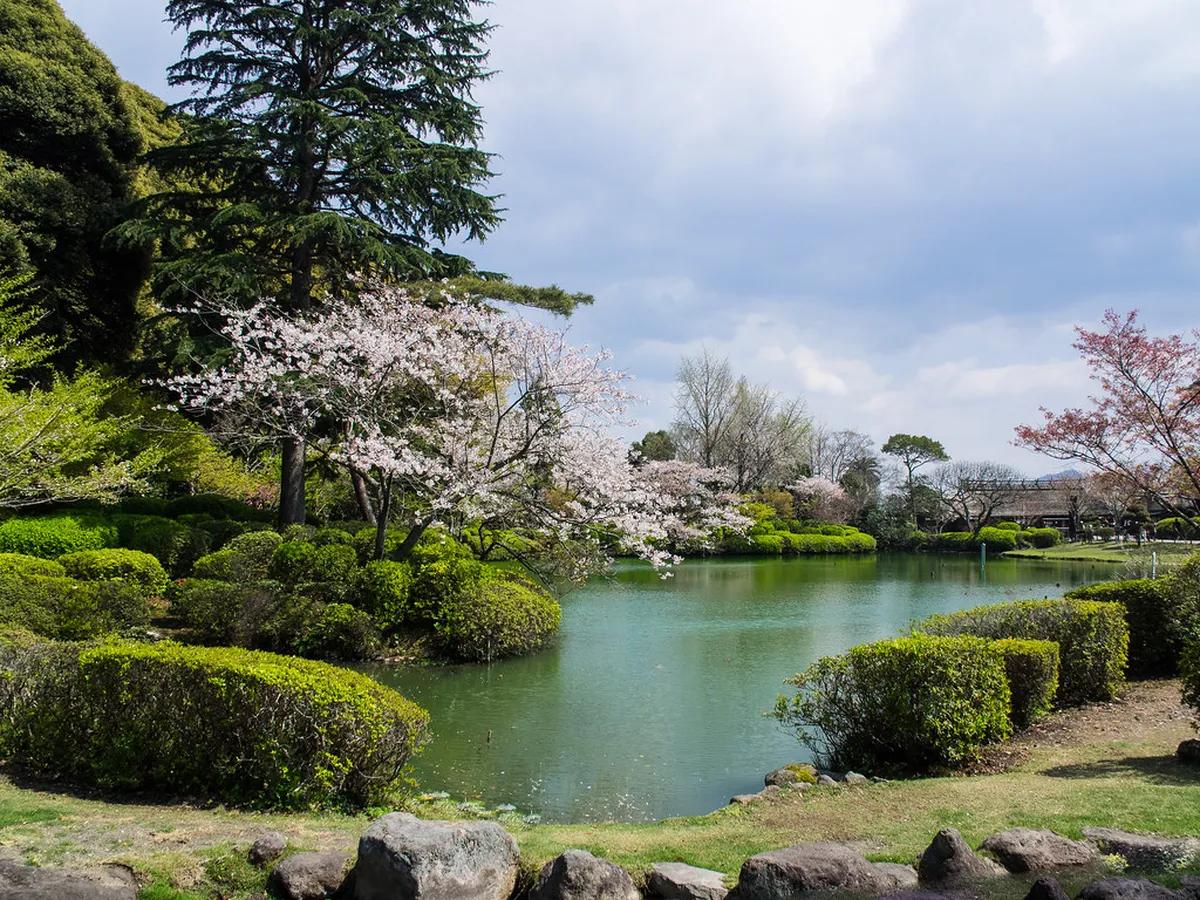
Beyond the blue pond, visit the smaller reddish-orange spring, the lotus pond, and the greenhouse before leaving the grounds. The secondary pool offers a sharp color contrast that surprises many first-time visitors. A spacious observation deck provides the best angle for capturing the entire Umi Jigoku landscape. Early morning visits often yield the clearest views before the steam becomes too thick.
- The Cobalt Blue Pond
- Temperature: 98 degrees Celsius
- Color: Bright turquoise blue
- Status: National Scenic Beauty
- Activity: Constant heavy steam
- Oniishi Bozu Jigoku
- Feature: Boiling gray mud
- Appearance: Smooth monk heads
- Location: Adjacent to Umi
- Vibe: Bubbling and rhythmic
Museums, Art, and Culture at Sea Hell
The entrance building houses a modern museum dedicated to the history of Beppu's springs. Exhibits explain how the geothermal activity shaped the local community over the centuries. You can view traditional tools used to harvest minerals from the hot water. Informative plaques are available in multiple languages to help international tourists.
Architecture throughout the complex reflects traditional Japanese styles with a modern touch. The gift shop offers unique souvenirs like bath salts inspired by the blue spring water. If you are comparing Umi Jigoku with Shiraike Jigoku, note the difference in mood: Sea Hell feels spacious and garden-like, while White Pond Hell is more compact and known for its pale water and small aquarium-style displays. Spend time reading about the spiritual beliefs tied to these powerful natural vents before moving to the next stop.
Parks, Gardens, and Outdoor Spots in the Complex
Umi Jigoku features a beautiful tropical greenhouse heated entirely by natural volcanic steam. Inside, you will find massive Amazonian water lilies that bloom in the warm air. The surrounding gardens offer a peaceful escape from the busy tourist crowds. If you want more greenery, visit the nearby Beppu Park for seasonal flowers.
Well-maintained walking paths lead you through groves of trees and past smaller steaming vents. A free foot bath allows you to soak your feet in the mineral-rich water. Remember to bring a small towel if you plan to use the public soaking areas. The main paths are broad enough for many visitors with strollers, but expect wet surfaces, steam, small slopes, and crowded viewpoints at peak times.
Family-Friendly and Budget-Friendly Options for Visitors
Purchasing the 2,200 yen Hells Pass is the best way to save money on entry fees. Individual tickets cost 450 yen per spring, so the pass pays for itself quickly. Children and students receive significant discounts on both single and combo tickets. The pass remains valid for two days, allowing for a relaxed sightseeing pace.
Families will appreciate the wide paths that accommodate strollers and energetic children. Many of the exhibits are visual and interactive, keeping younger visitors engaged and entertained. You do not need to visit all 7 Hells if children are tired or the weather is poor; Umi Jigoku plus one nearby contrast stop is enough for many families. Free parking is available for those who choose to rent a car for their trip.
How to Plan a Smooth Umi Attractions Day
Using the Kamenoi Bus is the most cost-effective transport method for solo travelers. Ask about the current Kamenoi Bus Pass at Beppu Station if you plan to ride between the station, Kannawa, and Shibaseki in one day. Groups of three or more might find taxis more convenient and equally affordable for short hops, especially when moving from the Kannawa cluster to Chinoike Jigoku and Tatsumaki Jigoku. Consult the Hells of Beppu Map to plan your walking route efficiently.
Tour buses fill the Kannawa cluster between 09:30 and 14:00. Arrive at 08:00 when gates open for the best combination of visible steam, clear photos, and lighter crowds around the main pond.
Arrive at the gates by 8:00 AM to beat the large tour buses that arrive later. The steam is often most impressive in the cooler temperatures of the early morning, but it can also cover the blue pond in photos. If the steam is too thick, wait five minutes, change your angle, or shoot from the observation deck instead of the railing. Plan for about three to four hours to see the main cluster of springs comfortably.
| Transit choice | Best for | Watch out for |
|---|---|---|
| Kamenoi Bus | Solo travelers and station-based trips | Check return times before leaving Shibaseki. |
| Taxi | Groups of three or more, families, tight schedules | Costs rise if you keep the meter running between stops. |
| Rental car | Travelers pairing Umi Jigoku with Myoban, Mount Tsurumi, or Yufuin | Parking is easier early in the day. |
Umi Jigoku Basic Info: Hours, Address, and Access
Umi Jigoku sits at 559-1 Kannawa, Beppu, Oita Prefecture 874-0042, inside the northern Kannawa hell cluster described above. The site opens daily from 8:00 AM to 5:00 PM with no scheduled closed days through the year, though hours can shift slightly around the New Year holidays, so it is worth checking locally if you are visiting in late December or early January.
Ticket booths close about 20 minutes before the 5:00 PM cutoff, and the last comfortable window for photographing the blue pond without harsh evening shadows is roughly 3:30 PM. For a full breakdown of single-entry versus Hells Pass pricing, see this guide to Beppu Jigoku Meguri ticket costs before you set your budget.
| Detail | Information |
|---|---|
| Address | 559-1 Kannawa, Beppu, Oita 874-0042 |
| Hours | 8:00 AM to 5:00 PM, daily |
| Nearest cluster | Kannawa, walkable from four other hells |
| Typical visit length | 45 to 60 minutes for Umi Jigoku alone |
Wheelchair and stroller users should note the paths are paved but slope gently near the observation deck, and surfaces get slick close to the steam vents after rain. Coin lockers near the entrance building are useful if you plan to continue on to Kamado Jigoku or Chinoike Jigoku the same afternoon without returning to your hotel first.
Where To Stay In Beppu: Top Neighborhoods
Staying in the Kannawa district puts you within walking distance of Umi Jigoku. This area is famous for traditional ryokans, narrow streets filled with steam, and a slower evening atmosphere after the day-trippers leave. For modern convenience, look for hotels near Beppu Station for easy train access. You can also find historic baths like Takegawara Onsen in the downtown area.
Beppu is a working onsen city rather than a polished resort town, so expect steam vents, simple bathhouses, hillside hotels, seafood restaurants, and local buses mixed into daily life. One full day is enough for Umi Jigoku and the main hells, while two days gives you time for Hyotan Onsen, Myoban, or a ropeway side trip. Luxury travelers often consider the InterContinental Beppu Resort or Hoshino Resorts KAI Beppu, while REX Hotel Beppu and station-area stays suit travelers who want easier transport.
Hidden Gem: Ride the Beppu Cable Car to Rakutenchi
Take a break from the hot springs by riding the historic Beppu Cable Car. The steep climb leads to the Rakutenchi Amusement Park perched high on a mountain. This spot provides the best panoramic view of Beppu Bay and the city below. It is a perfect destination for families who need a change of scenery after the steam and mineral pools.
The park features classic rides and a famous suspension bridge with great photo spots. You can even find another hot spring foot bath at the top of the mountain. The cable car ride itself is a charming experience that kids will surely enjoy. If your priority is a bigger nature view instead of rides, compare it with Mount Tsurumi before choosing your afternoon plan.
Stop 2: ‘Hell-Steamed’ Pudding at Okamotoya Restaurant
No visit to the mountainside is complete without tasting the famous 'hell-steamed' pudding. Okamotoya Restaurant uses natural volcanic steam to cook their silky, caramel-topped desserts. Be aware that this popular treat often sells out by 2:00 PM on busy weekends. Arrive before noon to ensure you get a taste of this local specialty.
If the pudding is gone, the restaurant also serves excellent karaage and steamed eggs. The savory chicken is a great lunch option that satisfies even the hungriest travelers. Enjoy your meal while looking out over the steaming vents of the Myoban district. The rustic atmosphere makes it a favorite stop for both locals and tourists alike.
Stop 5: Steam Your Own Meal Jigoku Mushi Style
Experience the unique 'Jigoku Mushi' cooking method in the heart of the Kannawa district. You can rent a steaming vat and cook fresh vegetables, meat, or seafood yourself. The high-pressure volcanic steam cooks the food quickly while retaining all the natural flavors. This interactive dining experience is a highlight for many visitors to the region.
Wait times can reach 60 minutes during peak lunch hours on the weekends. The common mistake is arriving hungry at noon, then losing your best sightseeing time to the queue. Put your name on the list before exploring nearby shops or another hell, and return when your slot is close. Staff members are available to help you set the timers for different food items.
Other Onsen-Steamed Specialties To Try Near the Hells
Beyond the pudding and self-steamed sets already covered, Kannawa's geothermal steam powers a wider onsen food culture worth sampling before you leave the hells. Onsen tamago, eggs slow-cooked in mineral water until the yolk turns custardy, are sold at several roadside stalls for around 150 yen each. Toriten, Oita Prefecture's take on fried chicken, pairs well with a post-sightseeing drink at the small izakaya scattered between Umi Jigoku and Kamado Jigoku.
Dango-jiru, a miso soup thick with flat wheat dumplings, is a cold-weather favorite at family-run diners near the bus stop, while steamed manju buns filled with sweet red bean or custard make an easy walking snack between hells. Negi, the local variety of green onion, is sometimes steamed alongside eggs and sweet potatoes at roadside jigoku mushi stalls for a few hundred yen.
If you want to steam a full meal rather than snack your way through, read this guide on how to try jigoku mushi cooking for the method, then compare venues in this roundup of the best jigoku mushi steam restaurants before choosing where to sit down.
Frequently Asked Questions
How much does it cost to enter Umi Jigoku?
Entry to Umi Jigoku costs 450 yen for a single ticket. Most visitors buy the 2,200 yen Hells Pass to see all seven springs. This pass is the most economical choice for a full Beppu day trip.
Can you bathe in the water at Umi Jigoku?
No, you cannot bathe in the main ponds because the water is nearly boiling. However, the complex includes a public foot bath where you can soak. This allows you to experience the mineral benefits safely and comfortably.
Is Umi Jigoku open every day of the week?
Yes, Umi Jigoku is open every day from 8:00 AM until 5:00 PM. It rarely closes for holidays or maintenance throughout the year. Checking the official site for 2026 updates is still a good idea before visiting.
How do you get to the Hells of Beppu?
Take a bus from Beppu Station West Exit to the Kannawa bus stop. The ride takes about 20 minutes and is very straightforward for tourists. From the bus stop, Umi Jigoku is just a five-minute walk away.
Umi Jigoku offers a rare look at the raw power of nature in a beautiful setting. The combination of cobalt blue waters and lush gardens makes it a must-see destination. Using this guide helps you navigate the logistics and find the best local food. Your journey through the Hells of Beppu will be the highlight of your Kyushu trip.
Remember to bring your camera and a towel for the relaxing foot baths. Plan for early arrivals to enjoy the site without the pressure of large crowds. The unique flavors of hell-steamed food provide a perfect end to your exploration. Beppu's volcanic wonders are waiting to be discovered on your next Japanese adventure.
For more Beppu planning, see our Beppu itinerary and Beppu attractions guides.
Official information & further reading: japan-guide.com reference.


