
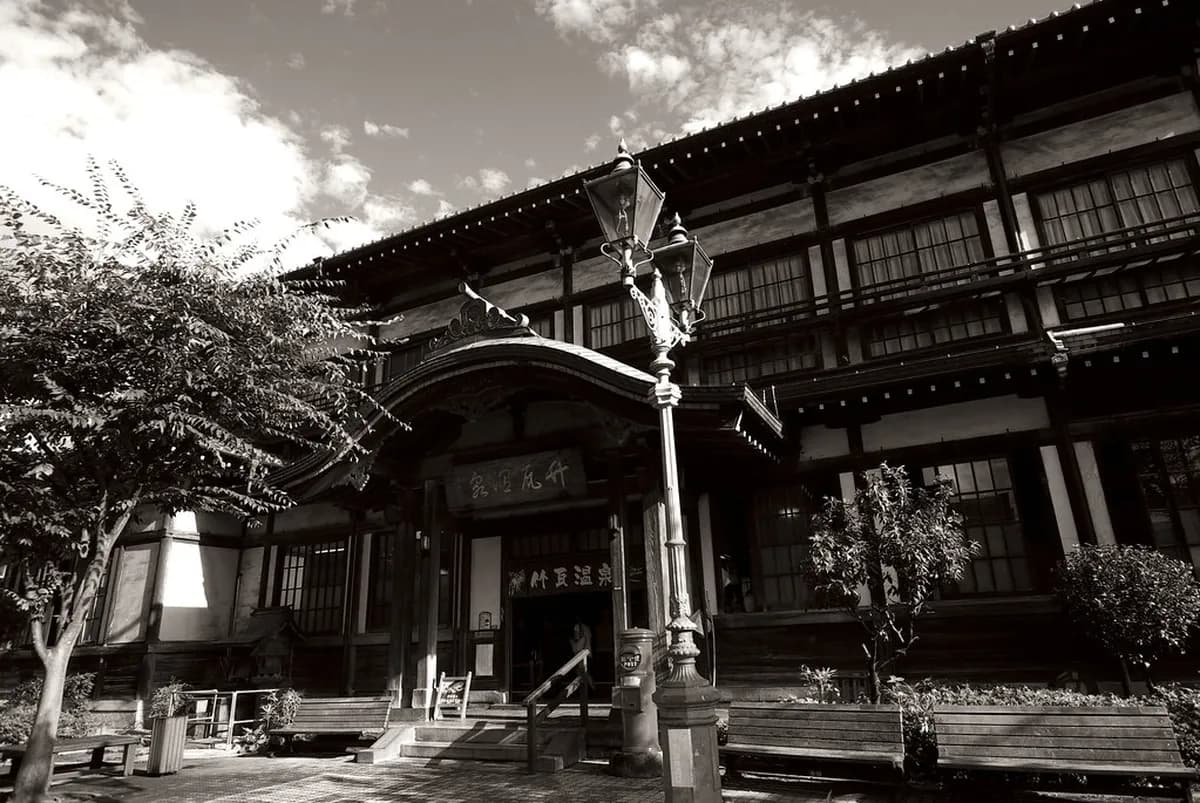
Takegawara Onsen stands as a timeless symbol of Beppu’s rich geothermal heritage. This historic facility offers visitors a unique chance to experience traditional Japanese bathing culture in the center of the city.
You will find both classic hot water baths and the famous medicinal sand baths here. Exploring Beppu often begins with this landmark because it is easy to reach from JR Beppu Station and pairs well with a downtown walk.
Our 2026 takegawara onsen visitor guide focuses on the practical details travelers most often miss: same-day sand bath booking, what to bring, who the heat suits, and how to avoid peak-time mistakes.
The History and Iconic Architecture of Takegawara Onsen
The current building dates back to 1938 and showcases dramatic early Showa-era public bath architecture. Its most striking feature is the massive Karahafu gabled roof that greets every guest from the street.
This structure is recognized as a registered tangible cultural property of Japan. Walking through the wooden entrance feels like stepping back into a different era before entering one of Beppu's busiest municipal baths.
The high ceilings and weathered wood create a peaceful atmosphere for relaxation. Local residents have used these baths for generations, so the experience feels more like a working neighborhood bathhouse than a resort spa.
Preserving this historical site remains a top priority for the local community. Visitors can admire the roofline, lobby details, and old-fashioned layout while waiting for their bathing session to begin.
Sand Bath vs. Traditional Onsen: Which Experience to Choose?
Choosing between the sand bath and the traditional hot water bath depends on your time, heat tolerance, and reason for visiting. The regular onsen uses mineral water to soothe the skin and muscles, while the sand bath surrounds the body with steam-heated volcanic sand.
Sand baths feel more intense because the heat and sand weight work together. Most first-time visitors choose the sand bath for the novelty, but the traditional bath is better if you only want a quick soak or are sensitive to heavy heat.
Takegawara suits culture seekers, tattooed travelers, downtown walkers, and anyone who wants the historic version of Beppu's sand bath culture. It is less suited to travelers looking for resort amenities, private rooms, or a long scenic soak.
- Choose the traditional bath if you want a low-cost, quick, local-style soak.
- Choose the sand bath if you want the signature Takegawara experience and can handle 10 to 15 minutes of strong heat.
- Choose both if you have at least an hour and want to compare water bathing with geothermal sand bathing.
- Skip the sand bath if you are pregnant, feel dehydrated, recently ate a heavy meal, or have heart or blood-pressure concerns.
Step-by-Step Guide to the Takegawara Sand Bath Procedure
First, check in at the front desk and pay the sand bath fee. The staff will provide a lightweight yukata robe for you to wear during the session.
Head to the changing area, remove your clothes, and put on the robe directly against your skin. Leave phones, watches, and jewelry in your locker because sand, heat, and moisture are a bad mix for valuables.
You will then enter the sand bath hall where the attendants prepare your spot. Lie down on your back, keep your arms relaxed, and let the staff cover your body with warm sand using a wooden shovel.
The weight of the sand creates steady pressure on your muscles for about ten minutes. Breathe slowly, speak up if you feel lightheaded, and rise slowly when staff signal that your session is finished.
Afterward, rinse thoroughly in the nearby showers before entering any hot water bath. Many visitors underestimate how much they sweat, so drink water before leaving the building.
Essential Etiquette and Rules for a Respectful Visit
Takegawara is one of Beppu's officially tattoo-friendly municipal baths — visible tattoos are accepted at both the regular bath and the sand bath. No need to book a private room.
Takegawara is famously tattoo-friendly, making it a welcoming choice for international visitors. You do not need to cover your ink while using the public facilities here.
Always wash your body thoroughly at the shower stations before entering any communal water. This practice helps maintain the cleanliness of the shared mineral pools for everyone.
Photography is strictly prohibited inside the bathing areas to protect the privacy of all guests. Keep your mobile phone in a locker or your bag throughout the entire visit.
Silence is appreciated in the bathing halls to maintain a tranquil environment for relaxation. The building is historic and compact, so move patiently around changing areas, stairs, and wet floors.
Bring or buy a small towel, soap, and basic toiletries if you plan to use the regular bath. A hair tie, water bottle, and small plastic bag for damp items also make the visit easier.
Practical Logistics: Prices, Hours, and Same-Day Reservations
Takegawara Onsen is closed on the third Wednesday of every month. Sand bath access is first-come, first-served — no advance reservations. On weekends and holiday seasons, expect a 30–60 minute wait if you arrive after 09:00.
The regular bath is open daily 06:30-22:30. The sand bath operates 08:00-22:30 with the last entry at 21:30. Closed on the third Wednesday of every month.
The regular hot spring bath costs ¥300. The sand bath experience is ¥1,500 and includes a yukata to wear during the 10-15 minute burial.
A critical rule to remember is that sand bath access is first-come, first-served. Phone and online reservations are not available, so you must go in person on the day of your visit.
Expect longer wait times during weekends, national holidays, cherry blossom season, autumn foliage season, and rainy days when the indoor sand bath is especially attractive. Arriving early in the morning is the best way to secure a preferred time slot.
Common mistakes include arriving late in the evening, bringing a large suitcase into the compact changing area, forgetting cash or small towels, and scheduling the sand bath immediately after a large meal.
How to Get to Takegawara Onsen from Beppu Station
Reaching the onsen is simple because it is about a ten-minute walk from JR Beppu Station. Exit the station, head toward the ocean, and walk through the downtown shopping streets until the distinctive roof comes into view.
Visitors coming from Tokyo or Osaka should take the Shinkansen to Kokura Station first. From Kokura, transfer to the Sonic Limited Express train heading toward Beppu.
If you are already moving around the city by bus, the Kamenoi Bus network can connect Beppu Station, Kannawa, and the coastal areas. For this specific bathhouse, walking from the station is usually faster than waiting for a short bus ride.
If you are driving, please note that the onsen does not have a private parking lot. Use nearby coin-operated parking and avoid blocking the narrow downtown streets around the building.
Accessibility is traditional rather than barrier-free. Expect compact changing areas, wet floors, and steps inside the bathhouse, so visitors with mobility concerns should check conditions before committing to a sand bath session.
Other Public Bathhouses and Sand Baths to Try in Beppu
If you enjoy the heat, consider visiting Umi Jigoku to see the famous cobalt blue boiling ponds. While you cannot swim there, the nearby foot baths offer a relaxing alternative.
The Beppu Beach Sand Bath provides a more scenic experience with ocean air and a wider coastal setting. It is the natural comparison point for anyone deciding between a historic indoor sand bath and a beachside sand bath.
| Choice | Best For | Trade-Off |
|---|---|---|
| Takegawara Onsen | Historic architecture, downtown access, rainy-day plans | Compact facilities and possible same-day waits |
| Beppu Beach Sand Bath | Ocean views, open-air atmosphere, scenic photos outside the bath area | Less historic and more weather-dependent |
| Hyotan Onsen | Longer bathing time and more bath varieties in Kannawa | Farther from JR Beppu Station |
The Kannawa Onsen district is also famous for its unique steam baths and historic narrow streets. Exploring multiple neighborhoods allows you to see the diversity of the local bathing culture.
Each district in the city has its own character and specific mineral properties in the water. Trying different spots will help you find your personal favorite hot spring in Japan.
Nearby Hidden Gem: The Beppu Cable Car and Rakutenchi Park
After your bath, take a short trip to the Beppu Cable Car for incredible mountain views. The ride up Mount Tsurumi offers a panoramic look at the steaming city below.
Families will enjoy spending an afternoon at Rakutenchi Park, which features a vintage amusement park. It is a nostalgic destination that captures the charm of mid-century Japanese leisure.
For a quieter experience, enjoy a peaceful stroll through the greenery of Beppu Park. This large public space is perfect for a picnic or a slow walk under the trees.
Combining these activities with an onsen visit creates a well-rounded itinerary for any traveler. Nature and relaxation go hand-in-hand in this beautiful corner of Kyushu.
Where to Find ‘Hell-Steamed’ Pudding and Jigoku Mushi Meals
Beppu is famous for 'Jigoku Mushi,' which means cooking food using natural volcanic steam. You can find delicious steamed puddings, vegetables, eggs, seafood, and small set meals throughout the city.
The intense heat from the earth gives the food a clean, lightly mineral flavor and a soft texture. Many visitors enjoy the hands-on experience of steaming their own meals at local community kitchens in the Kannawa area.
Stop by the Beppu Brewery afterward to sample craft beers that pair well with local snacks. This modern spot offers a great contrast to the ancient traditions of the onsen district.
Be sure to try the custard pudding, which is a local favorite for its rich and creamy taste. Pairing a historic bathhouse, a hell-steamed snack, and a short walk through downtown gives this itinerary a clear Beppu identity without needing a full-day tour.
Frequently Asked Questions
Do I need a reservation for Takegawara Onsen?
You do not need a reservation for the traditional hot water baths. However, the sand bath requires an in-person reservation made on the day of your visit. It is best to arrive early to secure a spot, as online booking is not available.
Are tattoos allowed at Takegawara Onsen?
Yes, Takegawara Onsen is a tattoo-friendly facility. Unlike many other onsens in Japan, visitors with tattoos of any size are welcome to use both the sand bath and the traditional pools. This makes it very popular with international tourists.
What should I wear during the sand bath?
You will wear a lightweight cotton yukata provided by the facility during your sand bath session. You do not wear your own clothes or swimwear under the robe. After the session, you will rinse off and change back into your regular clothes.
How long should I stay in the sand bath?
A typical sand bath session lasts between 10 and 15 minutes. The staff will monitor the time to ensure you do not overheat. If you feel uncomfortable at any point, you can sit up and exit the sand early.
Is the sand bath experience painful?
The sand bath is not painful, but it is quite heavy and very warm. You will feel a strong pulsing sensation as the heat improves your blood circulation. Most people find the pressure and warmth to be deeply relaxing for their muscles.
A trip to Takegawara Onsen is a highlight for anyone visiting the Kyushu region in 2026. The combination of historic architecture and unique sand baths creates an unforgettable travel memory.
Remember to plan for in-person reservations and respect the local bathing etiquette during your stay. We hope this takegawara onsen visitor guide helps you enjoy the healing waters of Beppu.
For more Beppu planning, read our Beppu attractions guide.
Official information & further reading: japan-guide.com reference.


