
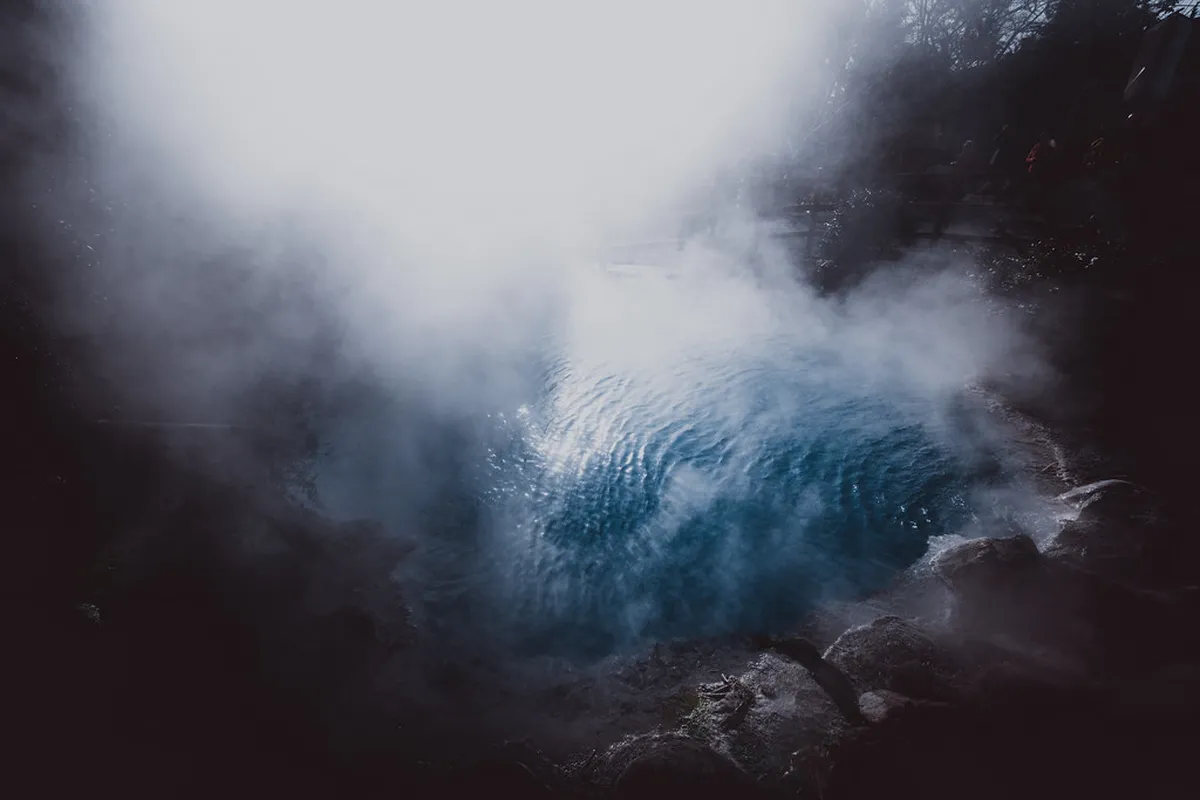
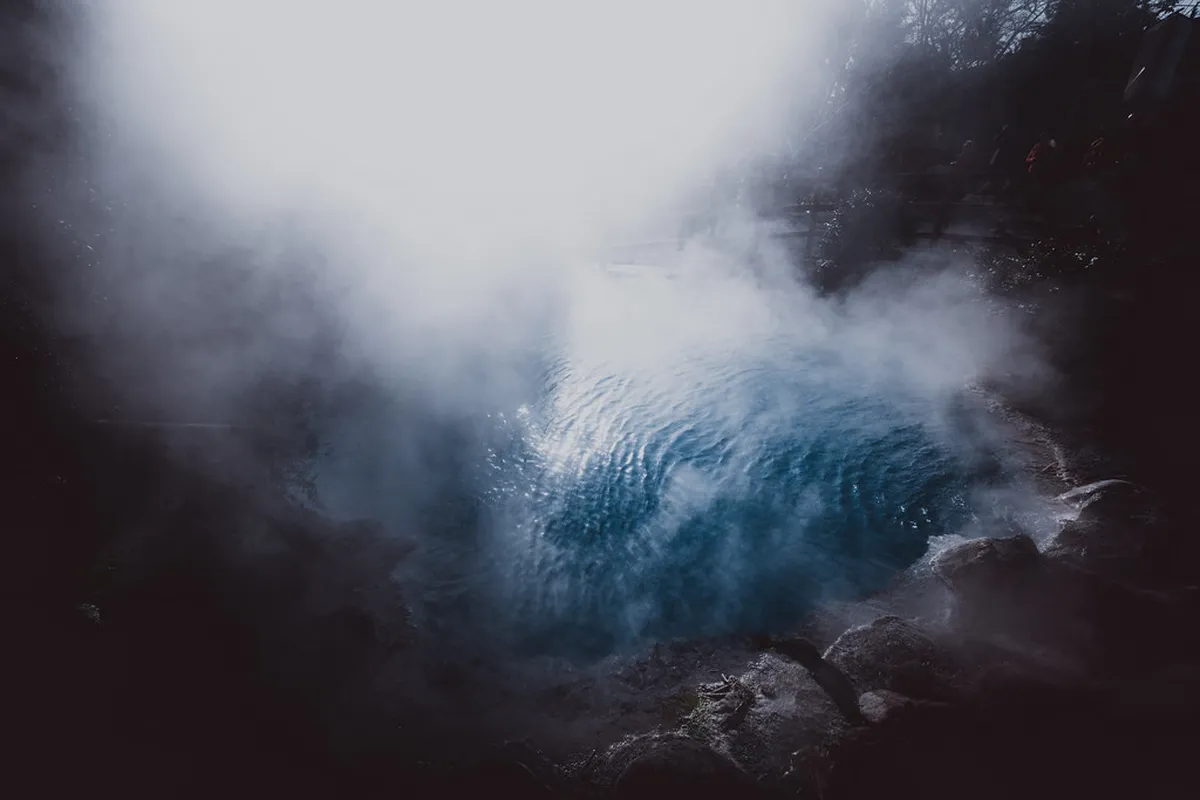
The steaming vents of the Kannawa district define the iconic skyline of Beppu. This kannawa onsen district visitor guide focuses on the practical decisions that shape a 2026 visit: which hells to prioritize, when the steam photographs best, how to move around the hilly lanes, and where to pause for baths or steam-cooked food. The neighborhood is compact, but it rewards travelers who arrive with a clear route.
Kannawa feels different from downtown Beppu. The streets are quieter, the air is mineral-heavy, and steam rises from drains, vents, bathhouses, and cooking stations. Treat it as an attraction district rather than a generic city walk: build in rest time, carry a small towel, and leave space for the slower backstreets that show how local life still works around geothermal heat.
Must-See Kannawa Attractions
The primary draw for most visitors is the collection of geothermal ponds known as the Hells of Beppu. Start with Umi Jigoku if you only have time for one major stop. Its cobalt water, large garden grounds, and heavy steam make it the easiest first impression of the district's volcanic power.
Oniishibozu Jigoku, often described as the Shaven Monk Head Hell, gives you a different texture: gray mud bubbles rise, dome, and collapse in a steady rhythm. It is a good second stop because it contrasts with Umi Jigoku without requiring a long walk. Kamado Jigoku and Shiraike Jigoku then work well if you want a fuller Kannawa Walking Tour: Stop-by-Stop Route (2026) without committing to every hell in Beppu.
Chinoike Jigoku is usually handled as an add-on beyond the central Kannawa cluster. Its iron-rich red color is memorable, but it takes more transit planning than the nearby hells. If you are traveling with children, mobility constraints, or a tight half-day schedule, keep the central cluster first and add Chinoike only if your energy and bus timing still look good.
The common mistake is trying to rush every site with no break. Steam, slopes, and hot baths make the day feel more tiring than the map suggests. In 2026, the best approach is to pick two or three headline hells, add one food experience, and reserve the final hour for a bath or slow walk through the backstreets.
Museums, Art, and Culture in Kannawa
The cultural history of this district is deeply tied to the Buddhist monk Ippen Shonin, who is credited with helping turn dangerous geothermal ground into a place where people could bathe, cook, and recover. That story matters because Kannawa is not just a set of photo stops; it is a working hot spring neighborhood shaped by centuries of water management.
Look for vents, pipes, stone channels, and small structures built to release heat safely. These details are easy to miss if you only walk from ticket gate to ticket gate, so leave time for the lower lanes around the public baths and steam kitchen.
The Cultural History of Kannawa Steam Cooking is one of the district's strongest differentiators. Jigoku-mushi grew from everyday use of natural steam for vegetables, eggs, seafood, and ryokan meals, and the modern baskets, gloves, vents, and waiting areas still make that heritage visible.
Parks, Gardens, and Outdoor Spots in Kannawa
While the steam vents are the main attraction, the district offers useful outdoor pauses. Small parks and public foot baths are good reset points between hot, humid attractions. Bring a towel and a small bag for wet items so these stops do not disrupt the rest of your walk.
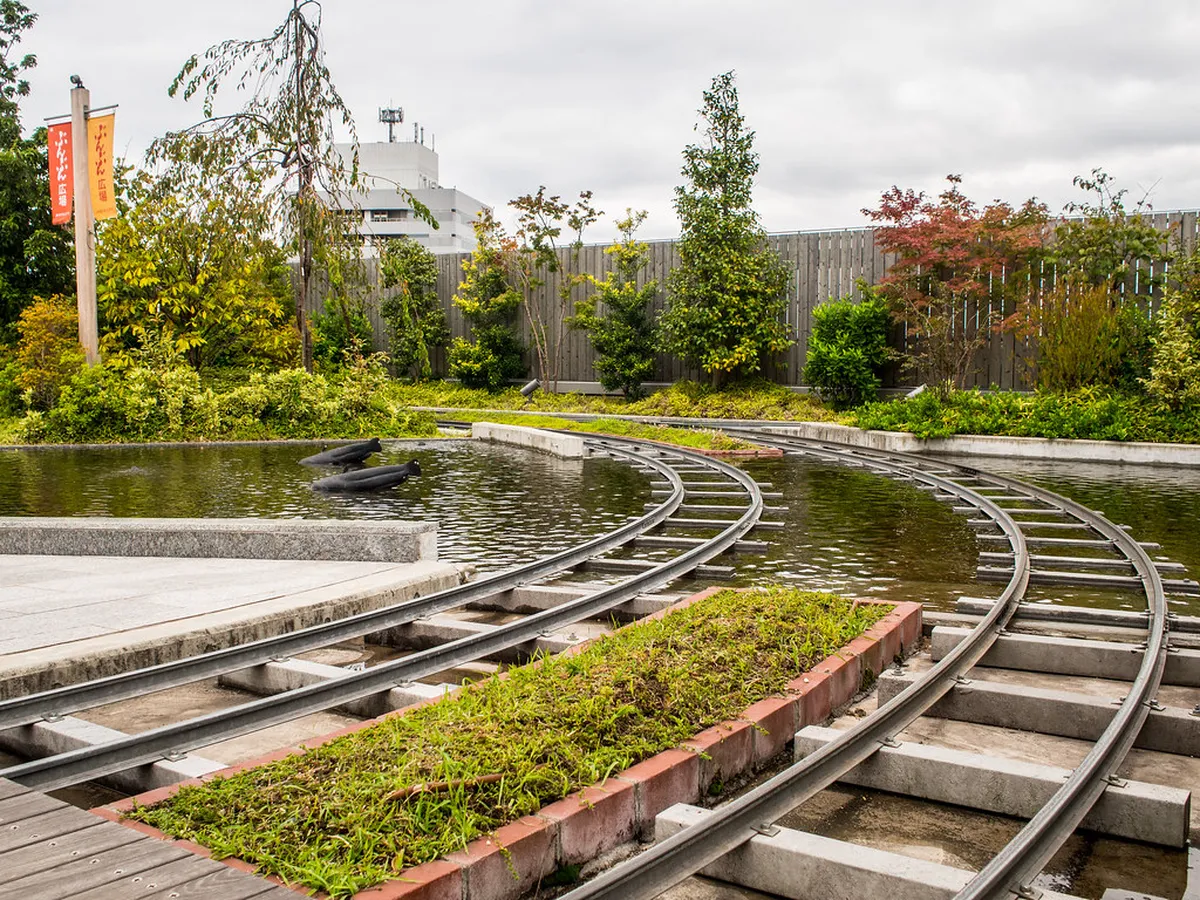
If you need a larger green space after the hells, Beppu Park is located a short bus ride away. Use it before or after Kannawa rather than as a middle-of-route detour.
The best outdoor views in Kannawa are often between the upper and lower sections. Cooler mornings and damp weather make the steam look thicker, while late afternoon works for street-level steam, rooflines, and silhouettes. For a broader view of the basin, save Mount Tsurumi for a second half-day plan.
Family-Friendly and Budget-Friendly Options in Kannawa
Kannawa can be managed on a modest budget if you separate paid hells from free neighborhood atmosphere. Foot baths, steam vents, slope views, and backstreet wandering all cost nothing beyond transit and time, and they help families avoid attraction fatigue.
Interactive steam cooking is one of the best value experiences because it doubles as lunch and activity. The heat is serious, so let staff handle the safety instructions and keep younger travelers away from open steam areas.
Budget travelers should also consider simple public bathhouses. Bring your own towel, soap, and small cash, and watch local etiquette carefully before entering the bath area. For a family-friendly 2026 route, keep the morning to one or two hells, eat early, and use the afternoon for a foot bath or Hyotan Onsen.
How to Plan a Smooth Kannawa Attractions Day
Buy a Kamenoi Bus day pass (~¥900–¥1,100) at Beppu Station before boarding. It pays for itself after three or four rides and covers Kannawa, Shibaseki, and Myoban from the same pass.
A successful visit starts at Beppu Station with transit planning. A Kamenoi Bus Pass can simplify the day if you plan multiple bus rides, while single fares may be enough for a simple station-to-Kannawa-and-back itinerary. Check the current pass rules at the station before buying because your best option depends on whether you will also visit Myoban, Shibaseki, or the ropeway area.
Start before 9:00 AM if photography or low crowds matter. Steam is usually easier to see in cool morning air, and tour groups tend to build later in the morning. If you are not a photographer, a late afternoon visit can also work well because the district becomes quieter and the steam looks atmospheric under streetlights.
The district is hilly, so shoes matter more than style. Expect slopes, stairs, wet pavement, and short sections where steam can reduce visibility. Travelers with strollers, heavy luggage, knee issues, or wheelchairs should keep the route compact around the bus terminal and choose facilities with clear access information instead of assuming every lane is easy.
If you want to compare bath styles beyond Kannawa, Takegawara Onsen in the city center makes a useful contrast. It is better visited before or after Kannawa rather than inserted in the middle of the route. Ending near a major bus stop also avoids the common mistake of finishing tired on a steep backstreet with no clear return plan.
Hot Springs
The hot springs in this neighborhood are famous for mineral-rich water and varied bathing styles. Hyotan Onsen is the easiest full-service choice for many international travelers because it combines multiple bath types, outdoor soaking, and private-bath options in one facility. It is a strong fit if you want comfort after a walking route rather than a bare-bones local bath.
For a more distinctive Kannawa experience, consider the traditional steam baths at the Kannawa Mushiyu English website. Instead of soaking in water, you lie over medicinal herbs heated by geothermal steam. The session can feel intense, so hydrate beforehand and avoid scheduling it immediately after a heavy meal.
Smaller public baths offer a more local atmosphere but require more confidence with etiquette. Wash thoroughly before entering, keep towels out of the bath water, and avoid lingering if the room is small and crowded. If you have tattoos, mobility needs, or want to bathe as a family, check facility rules before you commit.
The Hyotan Onsen official site provides details on private bath options. These are useful for couples, families, or travelers who want a quieter first onsen experience. For the Stop 6: Soaking and Sand Bath at Hyotan Onsen decision, choose Hyotan when comfort and variety matter; choose a small public bath when budget and local atmosphere matter more.
Hidden Gem: Ride the Beppu Cable Car to Rakutenchi Amusement Park
Rakutenchi is a vintage amusement park that offers a nostalgic break from the onsen circuit. It is not in the core Kannawa walking loop, so treat it as a separate side trip rather than a quick detour. The cable car ride is part of the appeal, with bay views opening up as you climb.
The park suits families, retro-park fans, and travelers who want a lighter afternoon after the serious geothermal sights. It is less useful if you only have half a day in Kannawa.
Check operating hours before you go, as they can change depending on the season. The practical trade-off is time: Rakutenchi can turn a focused Kannawa route into a full-day outing, while skipping it keeps the day centered on hot springs, steam cooking, and walking.
Stop 2: ‘Hell-Steamed’ Pudding and Karaage at the Mountainside Okamotoya Restaurant
No visit to the wider Beppu steam landscape is complete without tasting hell-steamed custard pudding. Okamotoya is often paired with Myoban rather than the central Kannawa hells, so confirm the route before you go. It works best if you are already heading toward Myoban Onsen or using a bus pass for multiple hot spring areas.
The pudding is dense, smooth, and balanced by a slightly bitter caramel sauce. Karaage, eggs, and other simple dishes make it a practical snack or light meal stop, with hillside steam views adding to the appeal.
If your day is focused on Kannawa's hells and baths, visit Okamotoya in the mid-afternoon or save it for a Myoban-focused day. Travelers with limited time can get a more efficient cooking experience at Jigoku Mushi Kobo inside Kannawa itself.
Stop 5: Steam Your Own Meal Jigoku Mushi Style
The Jigoku Mushi Kobo is a specialized workshop where you cook your own food with natural geothermal steam. It is one of the most efficient ways to connect lunch with local culture because the process is visible, hands-on, and specific to Kannawa. Choose vegetables, seafood, meat, eggs, or dumplings, then follow the staff's instructions at the steaming station.
Placing the food into the pots requires heavy gloves and attention to heat. The workflow can include queues, ingredient selection, steaming time, and cleanup, so do not schedule it as a rushed 20-minute stop.
The facility is popular around lunch, so arrive before the peak or use the wait to rest your feet. If you are traveling with a group, agree on ingredients before reaching the counter. The workshop is best for travelers who enjoy participation; if you want full table service, choose a restaurant instead.
At a Glance: 1-Day Beppu Walking Tour of Kannawa
Buses thin out significantly after 19:00. If you plan to stay for a late evening walk or dinner in Kannawa, budget for a taxi back to JR Beppu Station (around ¥2,500) rather than waiting for an infrequent last bus.
| Stop | Time | Cost | Notes |
|---|---|---|---|
| Morning Hells walk | 09:00–11:30 | ~¥2,000 (combo pass) | Start at Umi Jigoku |
| Steam cooking lunch | 12:00–13:30 | ¥1,500–¥2,500 | Jigoku Mushi Kobo |
| Afternoon onsen | 14:00–16:00 | ¥500–¥1,000 | Hyotan or Mushiyu |
| Evening backstreet stroll | 16:30–18:00 | Free | Steam at dusk |
A well-planned day in Beppu lets you see Kannawa efficiently without turning the visit into a checklist. Start near Umi Jigoku, work through the closest hells on foot, and save the lower lanes for after the biggest crowds arrive. This keeps the steepest movement early and leaves a gentler finish.
For lunch, head to the steam cooking workshop or a nearby simple restaurant. The midday period is the weakest time for steam photography, so it is the right moment to eat, sit, and cool down. Spend the afternoon soaking at Hyotan Onsen, trying Mushiyu, or wandering the backstreets around vents and bathhouses.
End your day with a slow stroll through the lower district if buses and daylight allow. At dusk, the neighborhood becomes quieter, steam catches the streetlights, and the atmosphere shifts from sightseeing to local onsen town. This is the best time to appreciate Kannawa: Hot Steam Magic Wonderland 鉄輪 without competing with tour groups.
Using the local bus system is the best way to connect these stops from the central station. For wider planning, use the main Beppu entity page, then treat Kannawa as the hot spring and hells district within that broader city plan.
- Morning Geothermal Exploration
- Time: 9:00 AM - 11:30 AM
- Focus: Umi Jigoku and nearby Hells
- Cost: Approx 2,000 yen for pass
- Tip: Arrive early for photos
- Steam Cooking Lunch Experience
- Time: 12:00 PM - 1:30 PM
- Location: Jigoku Mushi Kobo
- Cost: 1,500 - 2,500 yen
- Activity: Cook your own meal
- Afternoon Onsen Relaxation
- Time: 2:00 PM - 4:00 PM
- Choice: Hyotan or Mushiyu
- Cost: 500 - 1,000 yen
- Benefit: Muscle recovery
- Evening Cultural Stroll
- Time: 4:30 PM - 6:00 PM
- Route: Historic backstreets
- Cost: Free
- Highlight: Steam at sunset
Frequently Asked Questions
Is the Kannawa area hilly?
Yes, the Kannawa district is situated on a slope and contains many hills and stairs. Visitors should wear comfortable walking shoes and prepare for some moderate physical activity. The main attractions are clustered, but moving between the upper and lower sections requires navigating several inclines.
What is the Jigoku-mushi steam workshop in Kannawa?
This is a unique culinary center where you can cook food using natural volcanic steam. You purchase ingredients like vegetables or seafood and place them in steam-heated pots. It is a healthy, traditional cooking method that is a highlight of the Beppu visitor experience.
Do you need to visit all 7 Hells?
While a combo ticket covers all 7 Hells, you do not have to visit every single one. Most travelers find that seeing 3 or 4 of the most unique ones is sufficient. Umi Jigoku and Chinoike Jigoku are generally considered the most impressive for first-time visitors.
How long is a Beppu walking tour of Kannawa?
A comprehensive walking tour usually takes between four and six hours. This time includes visiting several Hells, enjoying a steam-cooked lunch, and taking a quick soak in a foot bath. If you plan for a full onsen session, you should allow for a whole day.
What time should I start the Kannawa walking tour?
Start before 9:00 AM if you want the best balance of visible steam, cooler walking conditions, and lighter crowds. Midday is better for lunch or indoor breaks, while late afternoon is good for quieter backstreets and streetlight photos.
How much does the Kannawa hells walk cost in 2026?
Use the official ticket counter or attraction website for final 2026 prices, then add lunch, baths, and bus fares. For planning, this guide preserves the existing sample budget lines: Cost: Approx 2,000 yen for pass, Cost: 1,500 - 2,500 yen for lunch, and Cost: 500 - 1,000 yen for an afternoon onsen.
Can I find free activities in Kannawa?
Yes. Steam-viewing lanes, slope viewpoints, backstreet walks, and some foot-bath stops can be enjoyed without buying a hells ticket. Bring a towel, avoid blocking residential lanes, and save paid attractions for the sites you most want to inspect closely.
How many days do you need for Beppu if Kannawa is the focus?
One full day is enough for Kannawa's major hells, steam cooking, and a bath. Stay two days in Beppu if you also want Myoban Onsen, Mount Tsurumi, Takegawara Onsen, Chinoike Jigoku, or a slower ryokan-style visit.
What is Beppu really like around Kannawa?
Kannawa is more atmospheric and residential than central Beppu. Expect steam vents, bathhouses, slopes, quiet evenings, and a working onsen-town feel rather than a polished resort strip. Downtown Beppu has more nightlife and transport convenience, while Kannawa is better for hot spring scenery.
Kannawa offers a unique glimpse into the raw power of nature and Japanese tradition. Exploring the steam-filled streets is a highlight of any trip to Beppu.
The strongest 2026 visit is not the fastest one. Choose a focused cluster of hells, add one steam-food experience, and finish with a bath or foot bath instead of rushing every possible stop.
Respect local customs, stay aware around steam vents, and keep your route flexible if weather, crowds, or bus timing change. The atmosphere of the lanes will stay with you long after you leave.
Official information & further reading: Beppu Onsen districts on Wikipedia · japan-guide.com reference.


