

Osaka Castle is the defining landmark of Kansai and one of the most visited tourist attractions in Japan. Built on the vision of Toyotomi Hideyoshi in 1583, it was intended to become the seat of a unified Japan under Toyotomi rule. The castle you see today is a 1931 reconstruction, but the surrounding moats, stone walls, and 15-acre park are every bit as impressive as the original fortress.
This guide covers everything you need to plan a confident visit in 2026: how to get there, what to expect inside, when to go, where to stay nearby, and what first-timers consistently get wrong. Whether you have two hours or a full day, the castle rewards careful planning.
Why Osaka Castle Is Famous
Osaka Castle earned its place in history as the symbol of Toyotomi Hideyoshi's campaign to unify Japan in the late 16th century. Hideyoshi intended the castle to surpass everything that had come before it, and upon completion it was the largest castle in Japan. After his death, the Tokugawa shogunate destroyed it, and a second castle built in the 1620s was struck by lightning and burned down in 1665.
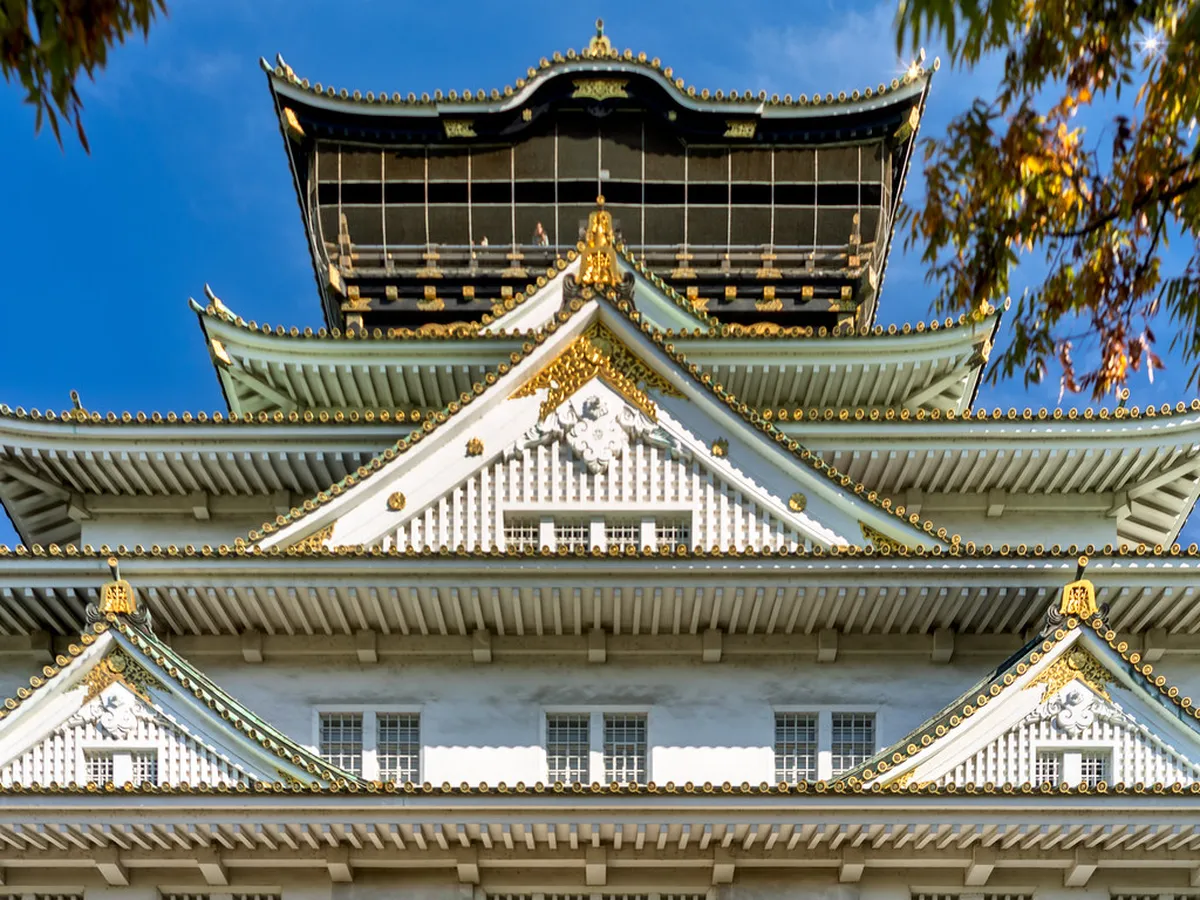
The current structure dates to 1931, making it a modern reconstruction rather than a preserved original. This distinction matters because the interior is a fully equipped museum with elevators and interactive displays — not the tatami-lined chambers visitors might expect from castles like Himeji. The exterior and the vast stone walls, however, genuinely date from the Edo period, with individual granite blocks weighing over 100 tonnes transported from Okayama by sea.
In modern Osaka, the castle anchors a 15-acre public park that locals use daily for jogging, picnics, and seasonal flower-viewing. Tourist numbers continue to climb year on year as Osaka grows as an international destination, making timing your visit more important than ever.
What to Expect Inside vs Outside
Osaka Castle's interior is a modern eight-floor museum with elevators, holographic displays, and multilingual panels — not preserved tatami rooms. The spectacular exterior, moats, and stone walls are Edo-period originals. Set the right expectations and the ¥600 admission is excellent value.
The single most common source of disappointment at Osaka Castle is the mismatch between the spectacular exterior and the modern museum interior. Visitors who have been to Himeji Castle or Nijo Castle arrive expecting preserved tatami rooms and original fittings. What they find instead is a well-funded eight-floor museum with holographic displays, samurai armor, multilingual digital panels, and an observation deck. The elevator removes the authenticity of a traditional castle climb but makes the site fully accessible.
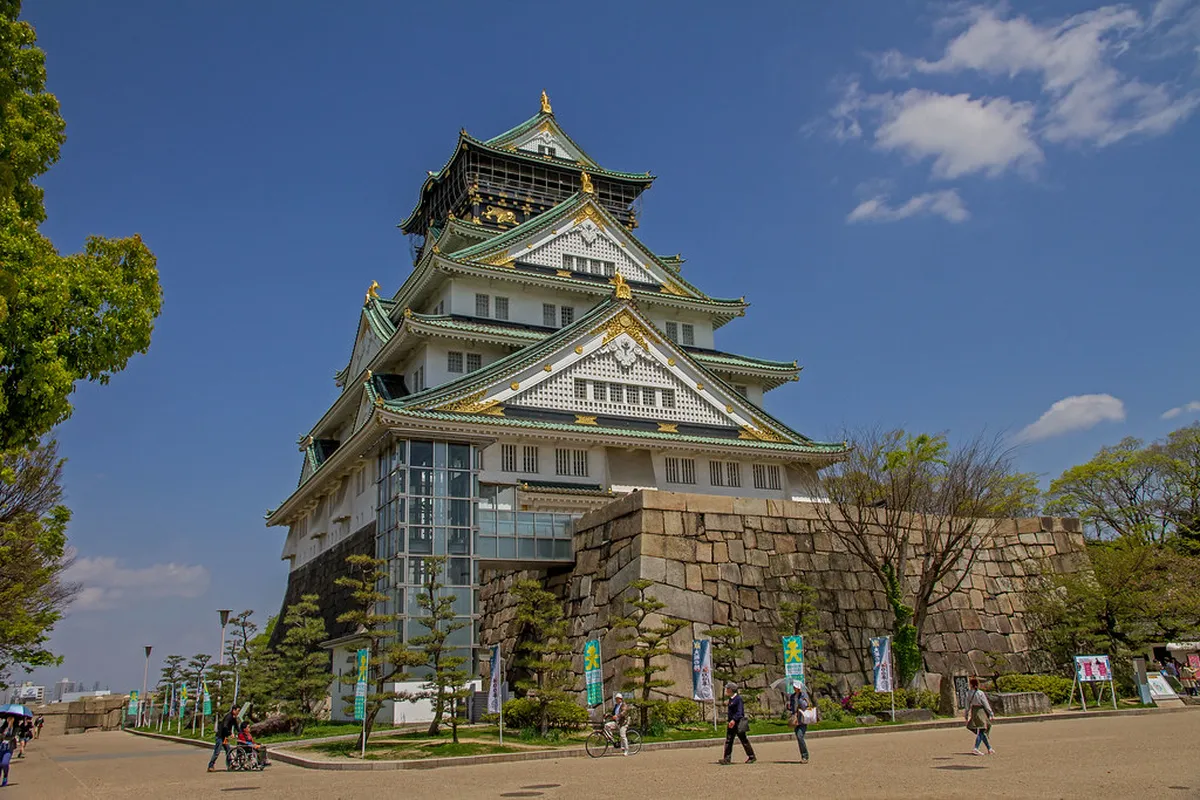
This is not a criticism — the museum is genuinely informative, covering Toyotomi Hideyoshi's life, the Sengoku period, and the castle's repeated destructions and rebuilds in impressive detail. English translations are thorough throughout. Think of it as a hybrid: world-class architectural exterior housing a modern history museum. If you go in with that expectation, the ¥600 admission is very good value.
The surrounding grounds cost nothing to enter and are, for many visitors, the better part of the experience. Walking the outer moat, crossing the stone bridges, and standing beneath the main tower gates gives a real sense of the fortress's defensive scale. The park absorbs crowds well — even on busy days, the 15 acres feel spacious.
How to Get to Osaka Castle
The most convenient station is Osakajokoen on the JR Loop Line (環状線), a 10-minute walk to the main tower. The JR Loop Line stops here directly from Osaka Station (Umeda) in about 8 minutes. From Namba, take the Osaka Metro Chuo Line to Tanimachi 4-chome Station (谷町四丁目) — this exit puts you inside the castle park in roughly 5 minutes on foot. Morinomiya Station (JR Loop or Metro Chuo Line) is a third option, approaching from the east side of the park.
From the Dotonbori district, the walk to the castle takes about 45 minutes across flat ground. It is a reasonable route on a clear morning if you want to see the city wake up. For a faster transit option, take the red Midosuji Line from Namba to Hommachi, then switch to the green Chuo Line toward Tanimachi 4-chome — total journey around 15 minutes.
Taxis are expensive anywhere in Japan and rarely necessary here given how well the metro serves the area. Reserve taxis for early-morning arrivals before the train network is running at full frequency.
Best Time to Visit Osaka Castle
Cherry blossom season (late March to early April) is peak time at Osaka Castle. The Nishinomaru Garden contains 600 sakura trees and hosts evening hanami events with food stalls and illuminations — a spectacular experience, though the crowds and the party atmosphere in the garden lean young and lively. If you are visiting with small children, be aware that the nighttime hanami here is more festival-like than the quieter events at Himeji Castle or Kyoto parks. For photography, arrive just before sunset to shoot the blossoms in natural light, then stay for the illuminations.
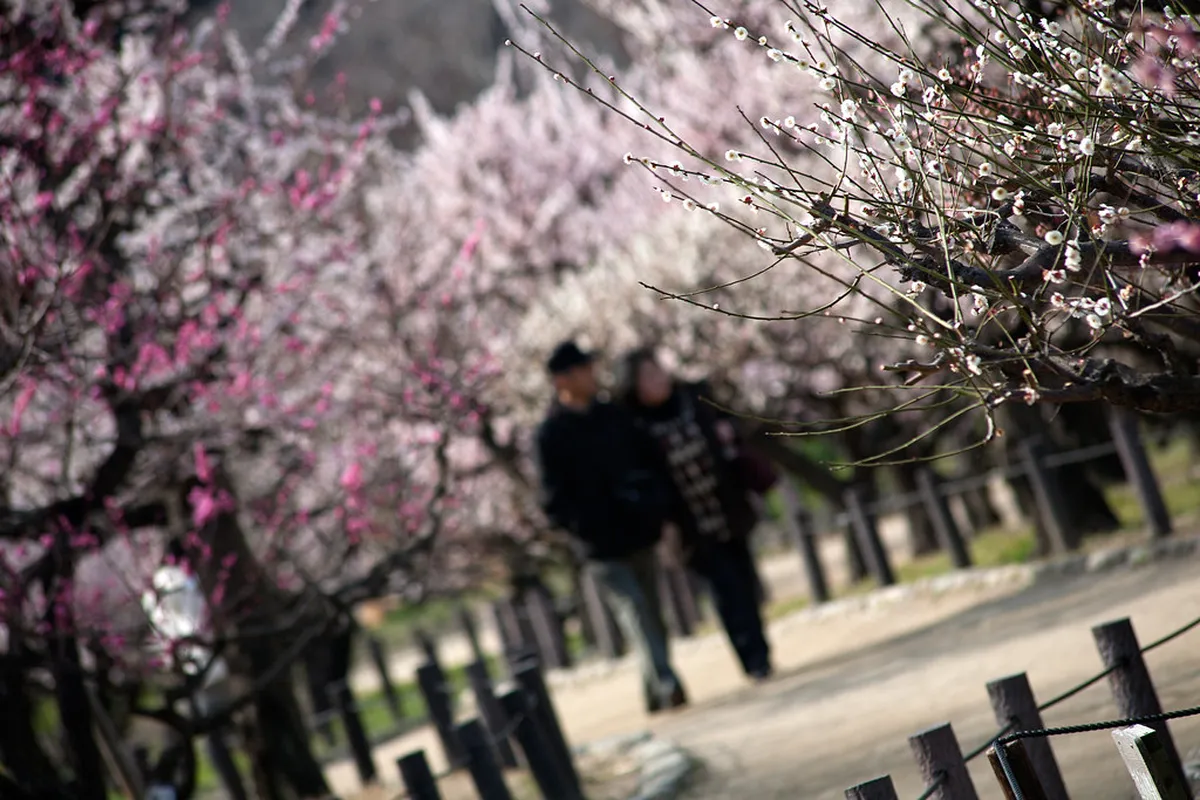
Autumn (October to November) is the second-best season. Crowds are noticeably thinner than spring, the temperatures are comfortable for walking the large grounds, and the turning foliage adds colour to the stone walls. Plum blossoms appear in the eastern orchard from late February, offering a quieter preview of the spring season with far fewer visitors.
Within any given day, arrive before 09:30 to beat the tour groups that descend from 10:00 onward. The park is free to enter and open at all hours, so an early-morning walk around the moat before the tower opens is one of the best ways to experience the grounds without crowds. Weekday mornings in November and January to February are the quietest times overall.
Osaka Castle Tickets and Passes
Adult admission to the Main Tower museum is ¥600. Children aged 15 and under enter free. Tickets are purchased at automated machines near the tower entrance — no advance booking is required and queues move quickly. The surrounding park is free to enter at any time.
The Nishinomaru Garden charges a separate admission of ¥200. It is worth paying only during cherry blossom season, when the 600 trees are in bloom and evening illuminations run until 21:00. Outside blossom season the garden is pleasant but not essential.
The Osaka Amazing Pass (¥2,500 for one day, ¥3,300 for two days in 2026) includes unlimited rides on the Osaka Metro and entry to the castle tower among roughly 40 other attractions. If you are visiting multiple paid sites in the same day — the Umeda Sky Building, Osaka Aquarium, and the castle are a natural three-stop combination — the pass typically pays for itself. Purchase it at the airport, Namba, or Umeda tourist information offices.
Osaka Castle Tours
Joining a guided tour adds context that the museum displays alone cannot provide — specifically the stories behind individual stone walls, the logistics of the castle's multiple destructions, and the political maneuvering of the Sengoku period. A local guide can move you efficiently between the best photo positions outside the tower, which first-timers often miss by walking straight to the entrance.
The most practical options in 2026 are the Osaka main sights walking tour (covers the castle, Dotonbori, and Shinsekai in around four hours), and private day tours for groups of two or more that allow a customized pace. The boat tours on the inner moat run Gozabune vessels modeled on feudal-era craft — seeing the castle walls from the water provides a genuinely different perspective and excellent photographs without the tower queue.
Book group tours at least three days ahead during spring and Golden Week. Private tours need a week's notice during peak season. If you prefer independent exploration, combine the free grounds visit in the morning with the tower museum after 14:00 when some of the earlier tour groups have cleared out.
After your castle visit, Dotonbori is the natural next stop — a few subway stations south, and the ideal place to end the day with street food and the canal lights coming on at dusk.
How Long to Spend and What to Wear
Plan two to three hours for a complete visit. A 90-minute session covers the eight-floor museum and observation deck comfortably. Add another 30 to 45 minutes for a circuit of the outer moat and the inner bailey gates. Cherry blossom or autumn foliage visits warrant an extra hour for photography and the Nishinomaru Garden.
If time is short, the grounds alone take 30 minutes and are free — you get the iconic exterior views and the moat walk without paying the tower admission. This is a reasonable call if you have seen castle museums elsewhere in Japan and mainly want the architecture and photos.
There is no dress code. Comfortable walking shoes are the only practical requirement — the park paths are paved but extensive, and the tower's interior stairs are steep between floors even with the elevator available. A light jacket is useful year-round because the hilltop setting creates wind even on warm days. During summer (July to August), the grounds have limited shade and afternoon heat is significant; mornings are strongly preferable.
Where to Stay Near Osaka Castle
The Doubletree by Hilton Osaka Castle sits directly beside the park and offers rooms with castle-facing views — the most convenient option for visitors who want to walk to the gates in minutes. It has a pool and gym and is a comfortable base for the wider Osaka Castle area, though prices reflect its location premium.
For a balance of access and nightlife proximity, the Candeo Hotels Osaka The Tower sits a short subway ride from the castle and is particularly well-reviewed for its rooftop pool views across the city. For visitors spending several days in Osaka and wanting easy access to both the castle area and Dotonbori, the Dotonbori Hotel offers budget-friendly rates in the entertainment district with metro access to the castle in under 20 minutes.
Basic Information
The Main Tower closes at 17:00 with last entry at 16:30. Arriving after 16:00 leaves minimal time inside — aim to enter by 15:30. The tower is also closed 28 December to 1 January; the surrounding park remains open at all hours.
The Main Tower is open daily from 09:00 to 17:00. Last entry is at 16:30 — arriving after 16:00 leaves minimal time inside, so aim to enter by 15:30 at the latest. The tower may extend hours during cherry blossom season and special evening illumination events; check the official Osaka Castle website (osakacastle.net) before your visit.
The castle is closed from 28 December to 1 January for the New Year holidays. The park remains accessible year-round at all hours. There are accessible toilets in the park and an elevator serving all eight floors of the tower — the site is fully accessible for wheelchair users and strollers.
| Area / ticket | Price | Hours |
|---|---|---|
| Main Tower museum | ¥600 (adults); free under 16 | 09:00–17:00 (last entry 16:30) |
| Nishinomaru Garden | ¥200 (adults) | Same as tower; worth it during sakura season |
| Castle park grounds | Free | Open 24 hours |
- Opening Hours: 09:00–17:00 daily (last entry 16:30)
- Adult ticket: ¥600 (purchase at tower entrance machines)
- Children 15 and under: free
- Nishinomaru Garden: ¥200 separate admission
- Park grounds: free, open 24 hours
- Closed: 28 December – 1 January
- Address: 1-1 Osakajo, Chuo-ku, Osaka 540-0002
What to See Near Osaka Castle
The Umeda Sky Building offers the best elevated view of Osaka, with the Kuchu Teien Observatory's open-air 360-degree platform about 20 minutes by metro from the castle. It is a striking architectural contrast to the historic tower you have just visited and is at its best around sunset. The Umeda district around it is also the main shopping corridor in Osaka, with department stores and underground malls that fill an afternoon easily.
The historic Shitenno-ji temple to the south is one of the oldest Buddhist temples in Japan, founded in 593 AD. Unlike Osaka Castle, it is a genuinely preserved religious site with traditional architecture intact. Combining the two makes for a complete morning — the castle grounds first, then the 15-minute train ride to Shitenno-ji for the afternoon.
For a break from history, the Osaka Aquarium Kaiyukan is one of the world's largest public aquariums and features a whale shark tank that is consistently voted the city's best family attraction. It is a 25-minute metro ride from the castle. The Sumiyoshi Taisha shrine on the city's south side is another strong option — quieter than the castle but famous for its arched stone bridge and as the oldest Shinto shrine of the Sumiyoshi style in Japan.
Japan Travel Essentials
Buy an IC card (Suica or Icoca) at any JR station for seamless travel on all metro lines, JR trains, and the Hankyu and Hanshin networks without needing separate tickets. The cards also work at convenience stores and many vending machines throughout the city. A top-up of ¥2,000 to ¥3,000 covers a full day of transit comfortably.
Cash is still preferred at smaller food stalls, temple donation boxes, and park vendors — keep ¥2,000 to ¥3,000 in hand. International-card ATMs are available in every 7-Eleven and Japan Post branch near the castle. If you are visiting Universal Studios Japan during the same trip, book Express Passes at least two weeks ahead during spring and summer, as they sell out well in advance.
Pocket Wi-Fi rental or a local SIM is strongly recommended for navigating between the different transit companies whose lines overlap in the castle area. Pick up either at Kansai Airport on arrival. Most major spots including the castle park have free Wi-Fi, but coverage inside the tower is patchy.
Frequently Asked Questions
Which osaka castle visitor guide options fit first-time visitors?
First-time visitors should focus on the main tower museum and the Nishinomaru Garden. These spots offer the best mix of history and scenery. You can find more details in our Osaka city guide to help plan your first trip.
How much time should you plan for osaka castle visitor guide?
You should plan for at least two to three hours. This gives you enough time to walk from the station, tour the museum tower, and enjoy the park. If you visit during cherry blossom season, add an extra hour for photography.
What should travelers avoid when planning osaka castle visitor guide?
Avoid visiting during the middle of the day on weekends when crowds are largest. Also, try not to arrive too late in the afternoon, as the tower museum closes at 5:00 PM. Wear comfortable shoes to avoid sore feet from the long walks.
Is Osaka Castle worth including on a short itinerary?
Yes, it is a must-see landmark even if you only have one day in the city. The castle is centrally located and easily accessible by the metro system. It provides a great introduction to Japanese history and offers beautiful views.
Osaka Castle remains one of Japan's essential stops in 2026. The grounds alone justify a visit regardless of whether you pay the tower admission — the moat, the stone gates, and the park are free and genuinely impressive at any time of year. Pair an early-morning arrival with the museum tower and a lunch stop at the nearby covered market, and you have a full half-day that gives Osaka's history the attention it deserves.
Whatever season brings you to Osaka, the castle adapts well to the conditions: blossoms in April, cool walks in November, a quieter morning in January. Use the practical details in this guide, set the right expectations for the modern interior, and the visit will deliver.
Browse all Osaka attractions in our Osaka attractions hub.
For more Osaka planning, see our things to do in Osaka, Osaka itinerary, and Osaka culture guides.


