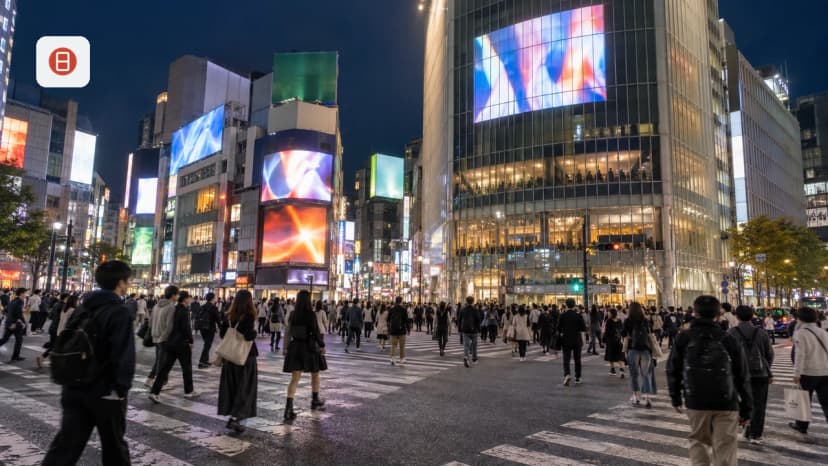
Roppongi stands as one of the most dynamic and international districts in all of Tokyo. The name literally translates to six trees, which refers to the ancient daimyo lords who once lived here. Modern visitors will find a fascinating mix of high-end art galleries and bustling nightlife venues. This area serves as a central hub for the city's foreign community and luxury travelers alike.
Roppongi runs on two very different rhythms in 2026. From morning until early evening it is an art-and-shopping district anchored by the Roppongi Art Triangle, Roppongi Hills, and Tokyo Midtown — families and museum-goers dominate. After 21:00 the families leave and the streets shift into Tokyo's most international nightlife scene. Planning your visit to Tokyo often comes down to deciding which Roppongi you want, and this guide maps both.
How to Get to Roppongi: Access and Transport Logistics
Reaching Roppongi is straightforward thanks to its central location in Minato City. The district is served by Roppongi Station on both the Tokyo Metro Hibiya Line and the Toei Oedo Line — pick your exit before you board, because the station is large and deep. Exit 1C drops you into an underground walkway leading directly to Roppongi Hills, while Exit 8 puts you a 3-minute walk from Tokyo Midtown. Travelers coming from Shibuya Crossing can take a quick subway transfer; the journey from Shinjuku takes around ten minutes on the Oedo Line.
Navigating the station itself can be tricky due to its depth and numerous exits, especially the long Oedo Line corridor. Using a Japan eSim for Navigation helps you keep your GPS underground. Most major landmarks are signposted in English on the concourse, and the JapanTravel by NAVITIME app handles Roppongi's multi-level layout better than Google Maps does.
- From Shinjuku Station
- Line: Toei Oedo Line
- Time: 9 minutes
- Cost: 230 Yen
- Best Exit: Exit 7
- From Tokyo Station
- Line: Marunouchi to Hibiya
- Time: 15 minutes
- Cost: 180 Yen
- Best Exit: Exit 1C
- From Shibuya Station
- Line: Ginza to Hibiya
- Time: 12 minutes
- Cost: 180 Yen
- Best Exit: Exit 3
The Roppongi Art Triangle: A Hub for Culture Seekers
Add teamLab Borderless at Azabudai Hills when you want immersive digital art; its Kamiyacho entrance is close enough to combine with Roppongi as a focused half-day.
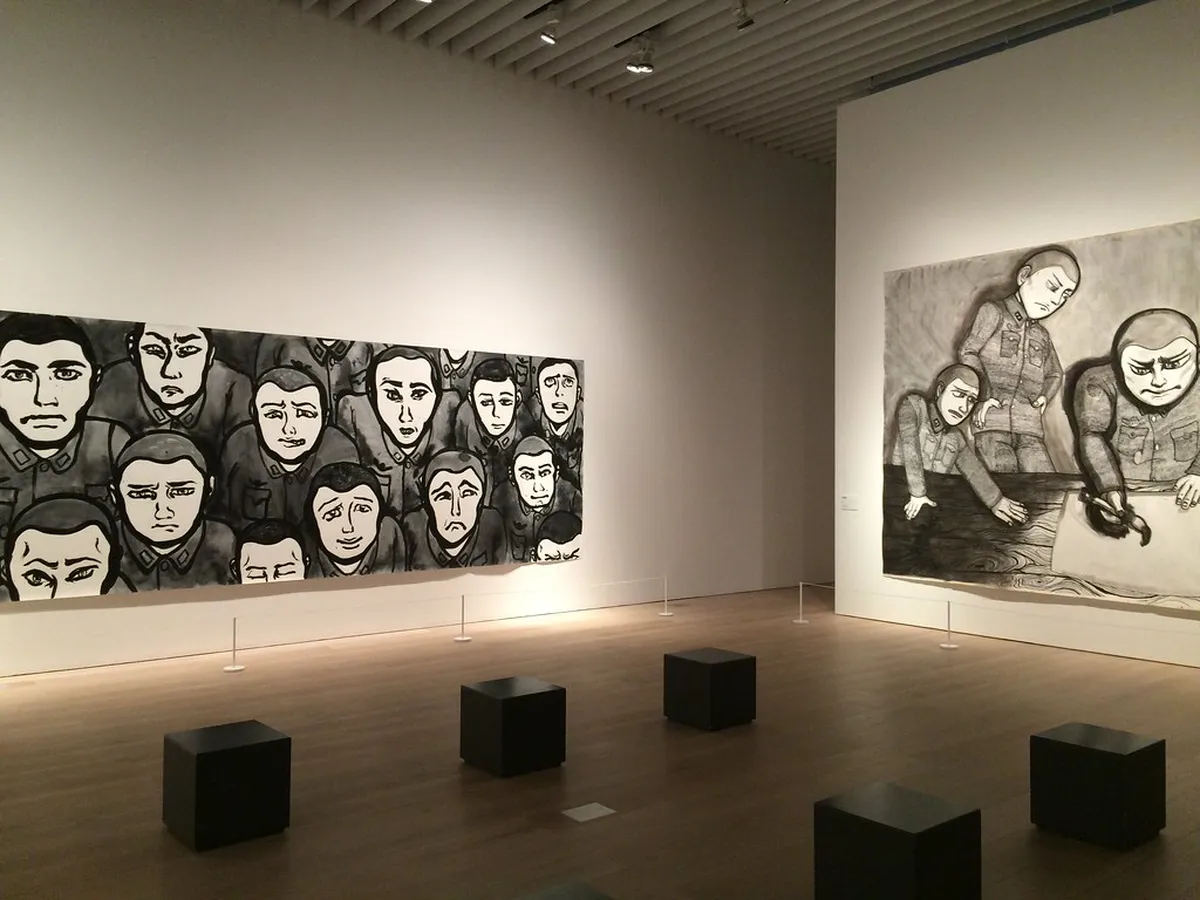
The Roppongi Art Triangle — Mori Art Museum, The National Art Center, Tokyo, and Suntory Museum of Art — is the cultural backbone of the district, with all three venues within a 10-minute walk of one another. A combined Atro discount ticket lets you visit all three at a reduced rate, and each one targets a different slice of the art world.
The Mori Art Museum Official site lists the current contemporary exhibitions. Located on the 53rd floor of Mori Tower, it is one of the few major museums in Tokyo that stays open until 22:00 most nights — perfect for combining with a Tokyo City View sunset visit on a single ticket. The National Art Center, Tokyo features Kisho Kurokawa's wave-glass façade and the country's largest exhibition halls; it has no permanent collection but the lobby galleries are free, so you can admire the architecture and rotating installations without paying admission.
| Museum | Focus | Hours (typical) | Admission |
|---|---|---|---|
| Mori Art Museum | Contemporary international art | 10:00–22:00 (most nights) | ~¥2,000 (combo with Tokyo City View ¥2,200–3,000) |
| National Art Center, Tokyo | Rotating exhibitions, largest halls in Japan | 10:00–18:00 (Fri/Sat to 20:00), closed Tue | Lobby free; exhibitions vary |
| Suntory Museum of Art | Traditional Japanese beauty — lacquer, ceramics, textiles | 10:00–18:00 (Fri/Sat to 20:00), closed Tue | Varies by exhibition (~¥1,300) |
Suntory Museum of Art completes the triangle inside Tokyo Midtown's Galleria, focusing on traditional Japanese beauty — lacquerware, ceramics, textiles. The Kengo Kuma-designed interior uses natural wood and washi paper for a calm viewing space. Most galleries provide English captions; check the official schedules for the special rotations active during your 2026 visit.
Landmarks: Exploring Roppongi Hills and Tokyo Midtown
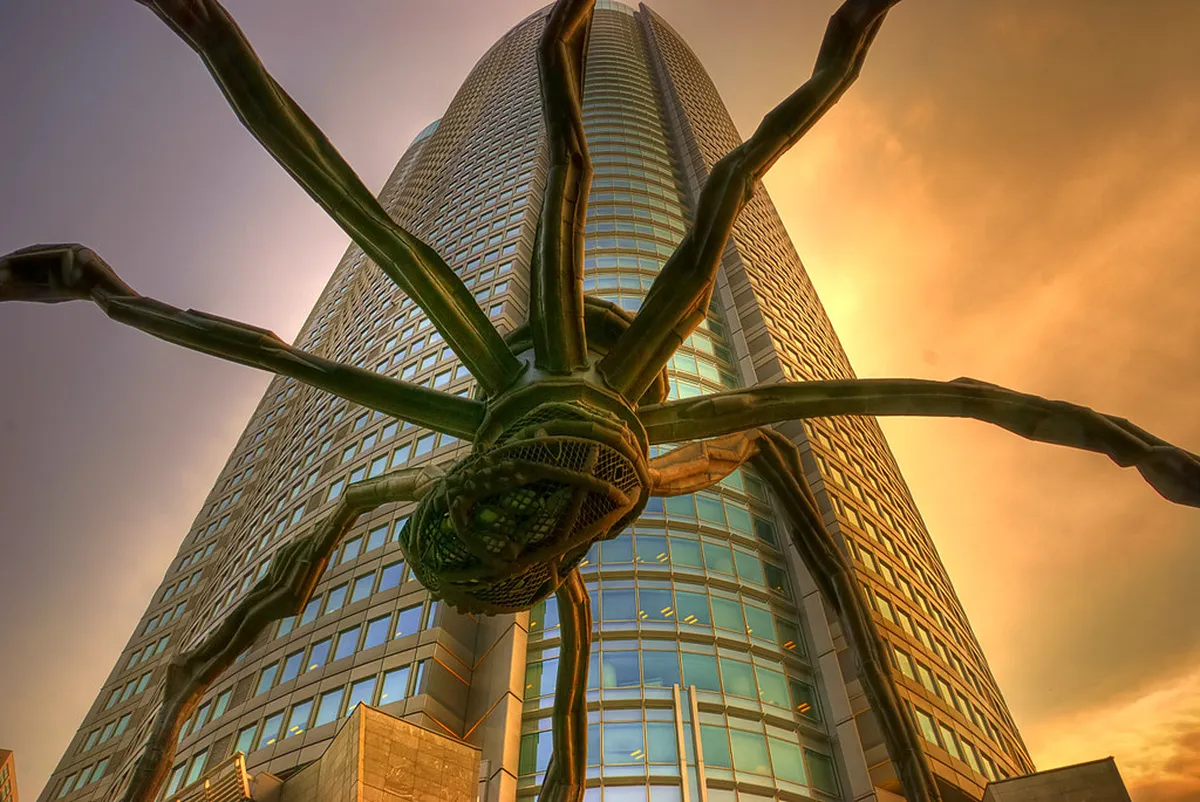
Two massive urban developments define modern Roppongi. Roppongi Hills is a city-within-a-city of shops, offices, residences, and the Mori Tower. The entrance to the complex is dominated by 66 Plaza, where Louise Bourgeois' nine-metre Maman spider sculpture stands free to view — one of Tokyo's most photographed pieces of public art. Behind the tower, Mohri Garden is an Edo-period strolling garden with a koi pond, also free and open daily.
Tokyo Midtown, opened in 2007 across the road, has a quieter, more design-led atmosphere. The Galleria mall houses Suntory Museum of Art, and the complex connects directly to leafy Hinokicho Park. Its curated luxury boutiques rival those in Ginza, and design fans should walk five minutes to 21_21 Design Sight, Tadao Ando's half-buried concrete gallery behind the main tower.
- Roppongi Hills Comparison
- Vibe: Energetic and artistic
- Best for: Cinema and views
- Greenery: Mohri Garden
- Icon: Mori Tower
- Tokyo Midtown Comparison
- Vibe: Sophisticated and calm
- Best for: Interior design
- Greenery: Hinokicho Park
- Icon: Midtown Tower
Tokyo City View: The Best Skyline Vistas in the City
Tokyo City View on Mori Tower's 52nd floor is the best paid viewpoint for Tokyo Tower — you can see it in your skyline shot, which you cannot do from inside Tokyo Tower itself. The Mori Art Museum stays open until 22:00 most nights, making it one of the few Tokyo museums ideal for a post-dinner visit.
The signature paid attraction in Roppongi is Tokyo City View, the indoor observation deck on Mori Tower's 52nd floor — widely regarded as the best paid viewpoint of Tokyo Tower, because you actually see Tokyo Tower in your skyline shot (you can't from inside Tokyo Tower itself). Floor-to-ceiling glass gives a 360-degree panorama, and at sunset the lights flick on across Minato in waves. Admission in 2026 is around ¥2,000 on weekdays and ¥2,200 on weekends, with combo tickets to Mori Art Museum running ¥2,200-¥3,000.
One level up, the Sky Deck is an open-air rooftop platform 270 metres above sea level — an additional +¥500 on top of the City View ticket, and the only major rooftop in central Tokyo where you can stand outside under the sky. The deck closes during high wind, lightning, or heavy rain, so check conditions before buying the upgrade.
Indoor galleries feature themed displays that rotate through the year. Tripods are allowed in designated areas, the facility typically stays open until 22:00, and pre-booking online for sunset slots saves you a real queue on weekends and holidays.
Japanese Gardens: Finding an Urban Oasis at Nogi Shrine
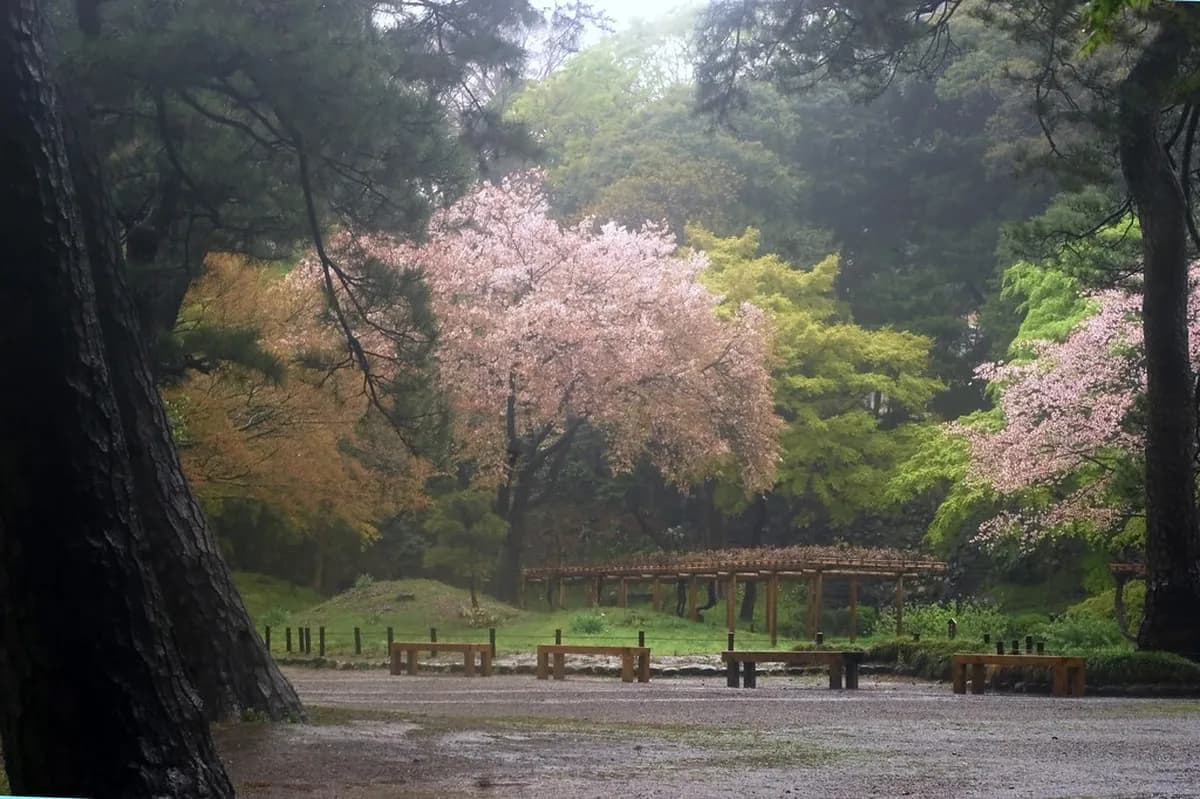
Amidst the concrete and glass, Roppongi hides several peaceful Japanese gardens. Nogi Shrine serves as a quiet sanctuary dedicated to General Nogi Maresuke. The shrine grounds feature traditional architecture and a small museum about the General's life. Walking through the wooden gates feels like stepping back into a different era of history.
While smaller than Shinjuku Gyoen, these local spots offer a more intimate atmosphere. Hinokicho Park is another excellent choice for those needing a break from the crowds. The park features a large pond and beautifully manicured lawns perfect for a picnic. Locals often gather here during the lunch hour to enjoy the seasonal flowers.
Visit these gardens early in the morning to experience the most tranquil environment. Most of these spaces are free to enter and provide plenty of benches for resting. They offer a stark contrast to the neon lights found just a few blocks away. Autumn is a particularly beautiful time to visit when the maple leaves turn bright red.
Gourmet Guide: From Ichiran Ramen to Fine Dining
The dining scene in Roppongi caters to every budget and culinary preference. Gonpachi Nishiazabu is a must-visit for film fans due to its resemblance to the Kill Bill set. The restaurant serves charcoal-grilled skewers and fresh soba in a lively, rustic setting. Reservations are highly recommended as this spot is incredibly popular with international tourists.
If you crave comfort food, the Tsuru Ton Tan Roppongi location offers massive bowls of udon. This famous chain is known for its creative toppings and elegant dining room. Those seeking a quick and private meal often head to the local Ichiran Ramen branch. Individual dining booths allow you to focus entirely on the flavor of the tonkotsu broth.
Fine dining enthusiasts will find numerous Michelin-starred establishments tucked away in quiet alleys. Many of these high-end spots require booking weeks or even months in advance. Prices for dinner sets can be high, but lunch specials often provide better value. Explore the basement levels of major towers for a wide variety of high-quality bistros.
Dietary Guide: Top Vegetarian and Halal Options
Finding specific dietary options can sometimes be challenging in traditional Japanese neighborhoods. Roppongi is an exception, offering many choices for vegetarian and halal-observant travelers. Falafel Brothers is a popular spot for quick, plant-based meals near the main crossing. They offer customizable pita sandwiches and salads that are both filling and healthy.
Many restaurants in this district are more accustomed to international dietary requests than those in Harajuku. Several Indian and Turkish restaurants in the area carry official halal certifications. Always look for the green halal logo or ask the staff for a dedicated menu. Confirming ingredients is easier here as many servers speak proficient English.
Vegan travelers should check out specialized cafes located inside the Tokyo Midtown complex. These shops often use organic local produce to create modern Japanese fusion dishes. The variety of international residents ensures that global food trends arrive here first. Be sure to check opening hours as some smaller vegan cafes close early.
Nightlife: Navigating the City That Never Sleeps
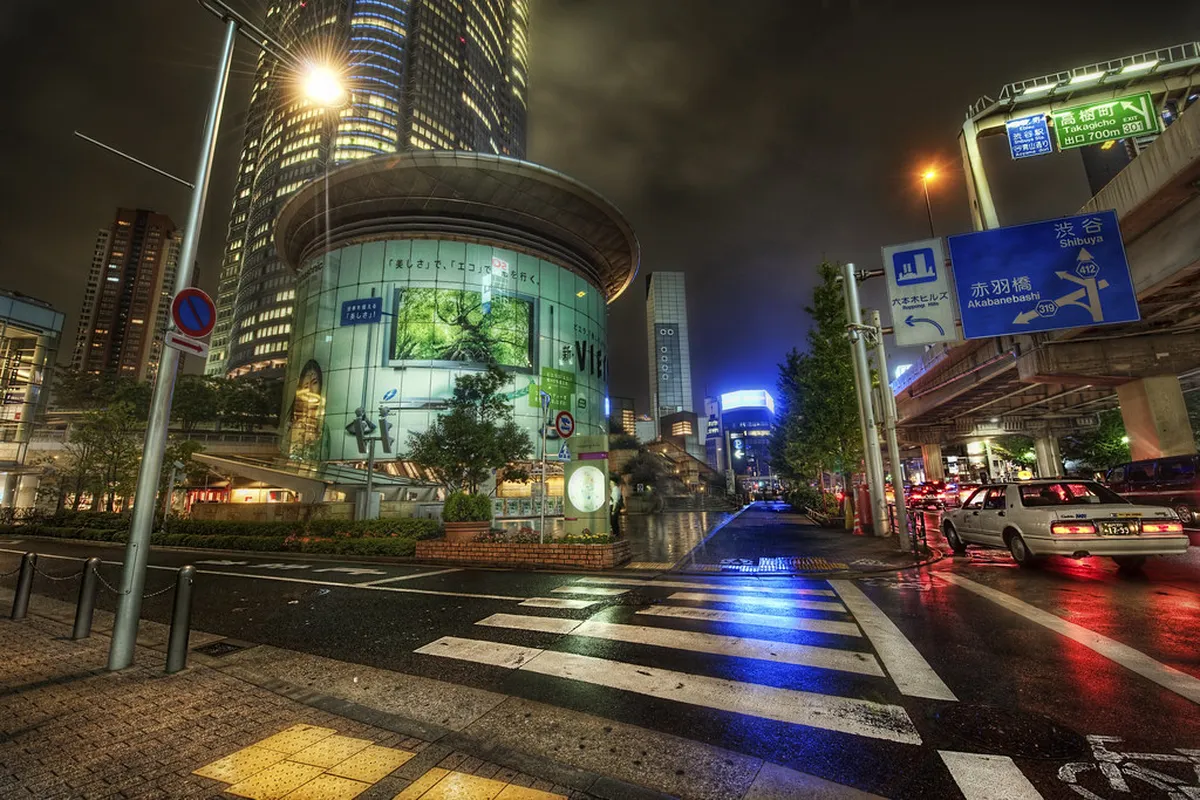
Roppongi is legendary for its nightlife, ranging from cozy dive bars to massive dance clubs. There is a clear hand-over moment around 21:00: families and museum visitors leave by early evening, and from then until the first trains around 05:00 the streets belong to clubbers and bar-hoppers. Foreigners often congregate at the sports bars and pubs near the main crossing, and entry fees for larger clubs usually include one or two drink vouchers.
Avoid street touts near the main crossing who promise cheap drinks or free entry — they typically lead to venues with hidden service charges or inflated prices. Many high-end bars also charge a cover fee of ¥1,000–2,500 per person regardless of what you order.
Safety is generally high, but visitors should remain aware of common tourist traps. Avoid following street touts who promise cheap drinks or free entry to hidden bars. These individuals often lead guests to venues with hidden service charges or inflated prices. Stick to well-reviewed establishments or places recommended by your hotel concierge.
The vibe changes significantly between the different streets surrounding the station. Some alleys host high-end cocktail lounges where the dress code is strictly enforced. Other sections are more casual and cater to a younger, more energetic crowd. Always carry a form of identification as many venues check ages at the door.
Practical Tips: Travel Apps and Seasonal Highlights
Successful navigation in Roppongi often depends on having the right digital tools. The JapanTravel by NAVITIME app is excellent for finding the correct station exits. Google Maps can sometimes struggle with the multi-level layout of the Roppongi Hills area. Downloading offline maps ensures you can find your way even without a stable signal.
Seasonal events add extra magic to the district through the year. Sakurazaka is a famous street for cherry blossoms that are beautifully illuminated at night each spring. From mid-November through Christmas, the Keyakizaka-dori winter illuminations string blue and white LEDs along the slope leading down from Roppongi Hills, with Tokyo Tower glowing in the background — easily the most photographed Tokyo illumination of the season. Plan to arrive before dusk for the best photo spot near the top of the hill.
If you are interested in tech and subculture, consider a side trip to Akihabara afterward. The contrast between the two districts highlights the incredible diversity of Tokyo. Most shops in Roppongi open around 11:00 AM and stay open quite late. Check the Go Tokyo Roppongi Official page for 2026 festival dates.
Frequently Asked Questions
Is Roppongi safe for tourists at night?
Roppongi is generally safe, but you should avoid street touts who try to lure you into bars. Stick to well-lit main streets and reputable venues to ensure a trouble-free experience. Most issues arise from excessive alcohol consumption rather than serious crime. Learn more about city safety in our Tokyo guide.
What is the best subway exit for Roppongi Hills?
The most convenient way to reach Roppongi Hills is via Exit 1C of the Roppongi Station on the Hibiya Line. This exit features a direct underground walkway that leads you straight into the complex. It saves you from navigating the busy street crossings and provides shelter during rainy weather.
Can I see Mount Fuji from the Roppongi observation deck?
Yes, on clear days, you can see Mount Fuji from the Tokyo City View observation deck. The best visibility usually occurs during the colder winter months in the early morning. Sunset also provides a beautiful silhouette of the mountain against the orange sky. Bring a zoom lens for the best photographic results.
Roppongi offers a unique blend of modern luxury and traditional culture that few other districts can match. Whether you are visiting for the world-class art or the vibrant nightlife, there is something for everyone. Using this guide will help you navigate the complexities of the area with confidence. Enjoy your journey through one of the most exciting neighborhoods in the world.
To plan your full Tokyo experience, check out our Tokyo Itinerary: The Ultimate 5-Day Guide for 2026 to maximize your time in the city.