During my seventh visit to Tokyo last spring, I realized that Ginza is far more than just a collection of expensive handbags. While the district is famous for luxury, its true charm lies in the quiet contrast between gleaming skyscrapers and narrow, historic alleys. Our editors have spent years walking from the Wako clock tower at Ginza 4-chome Crossing down to the Yurakucho gado-shita to bring you a truly useful Tokyo Ginza Official perspective for your next trip. This ginza visitor guide was last refreshed in May 2026 to ensure all pedestrian hours, single-act Kabuki-za ticket details, and flagship store information remain accurate for 2026 travelers.
Whether you are after a $500 sushi dinner at Sushi Saito, a free rooftop view from Ginza Six, or a $7 single-act ticket at Kabuki-za Theatre, this neighborhood offers surprising depth for every budget. Many travelers make the mistake of only visiting on weekdays when the traffic is loud and the energy feels corporate, missing the weekend Hokosha Tengoku pedestrian zone when Chuo-dori closes to cars from 12:00 to 17:00. This guide will help you time your visit perfectly and find the hidden gems that most tourists walk right past. Explore the heart of Tokyo by starting with these essential local experiences.
Why Ginza Is Special: Tokyo’s Silver Mint History
The name Ginza literally translates to ‘Silver Mint’ because the area served as a coin-production hub during the Edo period. After a massive fire in 1872, the Meiji-era government rebuilt the district with red brick buildings to showcase Western-style modernization, setting the template for the global flagship architecture you still see today. This history makes the neighborhood unique compared to the traditional wooden architecture found near Senso-ji temple. Today, it remains the most expensive real estate in Japan, housing the Uniqlo Ginza global flagship, Ginza Six, Mitsukoshi, the Wako clock tower, and elite art galleries including the free Shiseido Gallery and Pola Museum Annex.
Getting to the district is straightforward via the Tokyo Metro Ginza, Marunouchi, and Hibiya lines, all of which converge at Ginza Station. You can also walk from the nearby Imperial Palace in about fifteen minutes if the weather is clear. The station is a massive underground labyrinth, so always check the exit maps to find the Chuo-dori main street. Exits A1 through A13 lead you directly into the heart of the primary shopping district: A2 surfaces near Wako, A3 near Mitsukoshi, and A13 connects to the Ginza Six basement.
Most visitors arrive in the late morning when the major department stores open their doors for the day. The vibe shifts dramatically from a busy business hub in the morning to a sophisticated leisure destination by evening. It is one of the few places in the city where you will see locals dressed in formal kimonos heading to Kabuki-za for matinee performances. This blend of old-world etiquette and modern consumerism creates an atmosphere unlike any other Tokyo ward, including the more youth-oriented Shibuya Crossing.
8 Essential Things to Do, Eat, and See
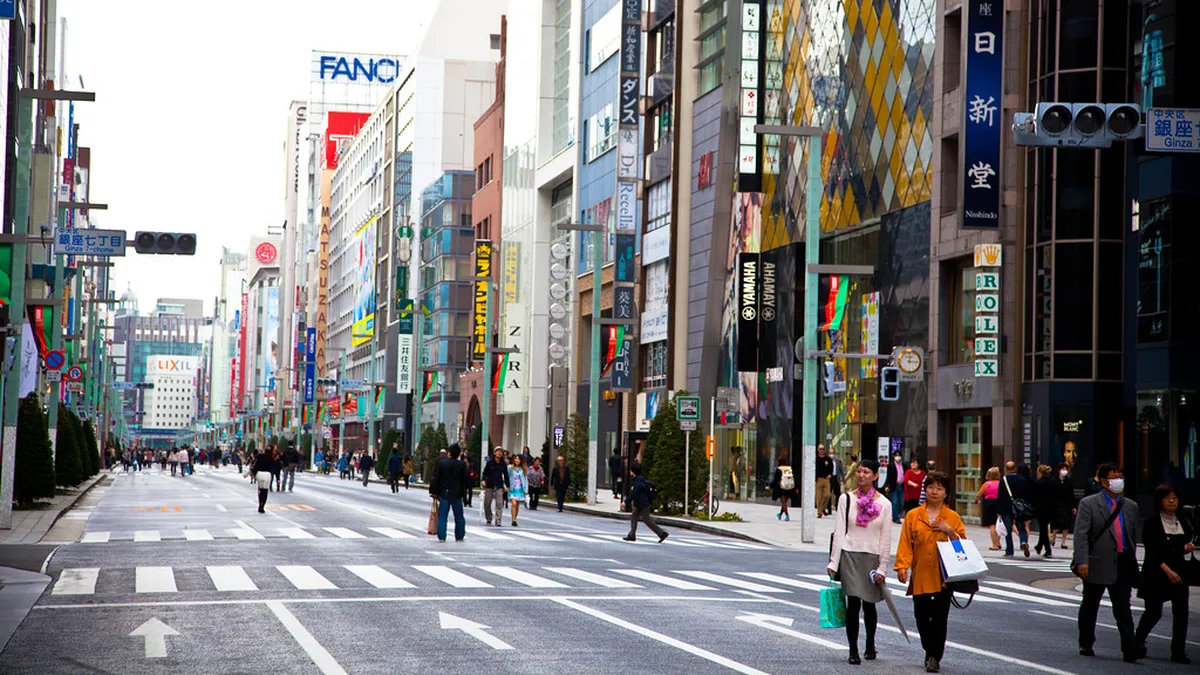
The main street, Chuo-dori, closes to vehicles every Saturday and Sunday — 12:00–17:00 in winter (October–March) and 12:00–18:00 in summer. This is the best window for photography and casual strolling, and requires no ticket or booking.
Planning a trip to this district requires a mix of high-end exploration and tactical breaks to avoid shopping fatigue. The following list covers the most iconic landmarks alongside a few local secrets that provide a well-rounded experience. We have selected these items based on their cultural significance, accessibility for international visitors, and overall value for time. Each stop offers a different perspective on what makes this silver-mint-turned-luxury-hub so enduringly popular. For a broader overview of top Tokyo activities, check out our main guide to the city's most popular attractions.
- Chuo-dori Pedestrian Paradise (Hokosha Tengoku)
- This experience involves walking down the middle of Ginza's main thoroughfare once it closes to all motorized vehicle traffic on weekends.
- The street closure is free to enjoy every Saturday and Sunday from 12:00 PM until 5:00 PM in winter (October–March) and until 6:00 PM during the summer months (April–September).
- Check the weather before going because the closure is cancelled if there is heavy rain or high wind.
- Grab a takeaway coffee and use the public chairs placed in the middle of the road for excellent people-watching, framed by the Wako clock tower and Uniqlo Ginza global flagship.
- Kabuki-za Theatre Single-Act Tickets
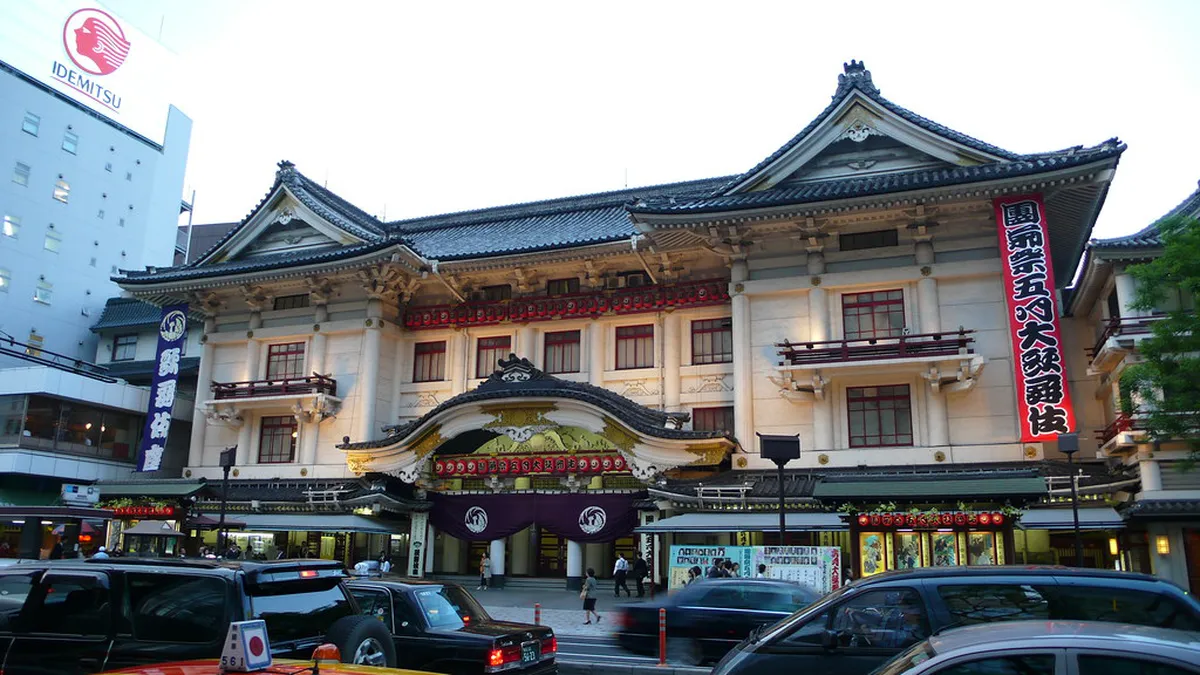
- This stunning landmark is the primary venue for kabuki, a classical Japanese dance-drama known for its elaborate costumes, kumadori makeup, and stylized vocal delivery.
- Single-act (makumi) tickets are a great budget option and usually cost between $7 and $15 (around 1,000–2,000 yen) depending on the specific play length, with no advance reservation required.
- The theatre is open daily with varying performance times, but the basement Kobikicho Hiroba gift shop and rooftop garden are accessible without a show ticket.
- Purchase single-act tickets at the dedicated ground-floor window on the left side of the main entrance about an hour before each act starts; English audio guides are available for an additional 700 yen.
- Ito-ya Stationery Twelve-Floor Mecca
- This massive flagship store dedicated to paper and pens is a dream destination for artists, writers, and souvenir hunters.
- Entry is free and the store is open daily from 10:00 AM to 8:00 PM, though it closes earlier on Sundays.
- Each floor has a specific theme ranging from fountain pens to high-quality Japanese washi paper and professional craft tools.
- Visit the eleventh floor to see a small indoor farm where they grow lettuce used in the top-floor cafe.
- Ginza Six and Tokyu Plaza Ginza Rooftop Gardens (Free Views)
- The Ginza Six rooftop is a landscaped oasis atop the neighborhood's most modern shopping complex and offers panoramic views of the Tokyo skyline toward Tokyo Tower.
- The garden is free for the public and typically stays open from 10:00 AM until 11:00 PM every day; the nearby Tokyu Plaza Ginza Kiriko Terrace is also free and faces the Wako clock tower.
- Both spots are perfect places to escape the street-level crowds and enjoy a quiet moment surrounded by seasonal plants, with no ticket needed.
- Bring a sweater if you visit after dark as the wind can be quite chilly on the thirteenth floor of Ginza Six.
- Wako Clock Tower Photo Opportunity
- The Hattori Building, topped by the iconic Wako clock, serves as the unofficial symbol of the entire Ginza district.
- While the store inside sells luxury watches and jewelry, the exterior is the main draw for most passing photographers.
- The clock chimes on the hour, and the building is located at the intersection of Chuo-dori and Harumi-dori.
- Stand across the street near the Mitsukoshi entrance for the best angle to capture the full Neo-Renaissance architecture.
- Mitsukoshi and Matsuya Depachika Food Halls
- Located in the basement levels of Ginza Mitsukoshi (Japan's oldest department store) and the neighboring Matsuya Ginza, these depachika food halls feature incredibly high-quality prepared meals, wagashi sweets, and bento boxes.
- Browsing is free, but individual snacks or bento boxes usually range from $8 to $25 per item; tax-free shopping kicks in above 5,000 yen with your passport.
- Both depachika are open daily from 10:00 AM to 8:00 PM and get very crowded during the 5-7 PM commuter rush.
- Head to Mitsukoshi's 'fruit salon' section to see the famous $100 muskmelons that are often given as prestigious seasonal gifts.
- Yurakucho Gado-shita Dining Alleys
- This area consists of dozens of casual restaurants built directly under the elevated brick arches of the JR train tracks.
- It provides a gritty, atmospheric contrast to the luxury stores and is best for yakitori and cold Japanese beer.
- Most stalls open around 5:00 PM and stay busy until late at night, with meals costing about $15 to $30.
- Look for the spots with the most locals inside for the best food quality and most authentic izakaya experience.
- Free Art at Shiseido Gallery and Pola Museum Annex
- The Shiseido Gallery (8-8-3 Ginza, basement of Tokyo Ginza Shiseido Building) is Japan's oldest existing gallery, founded in 1919, with rotating contemporary art exhibitions.
- Admission is completely free, and it is open Tuesday to Saturday 11:00 AM to 7:00 PM, and Sundays 11:00 AM to 6:00 PM (closed Mondays).
- The Pola Museum Annex on the third floor of the Pola Ginza Building also shows free contemporary art, open daily 11:00 AM to 7:00 PM.
- Visit during a weekday morning for a quiet, contemplative experience away from the busy weekend pedestrian hours.
Historic Department Stores: Mitsukoshi and Matsuya
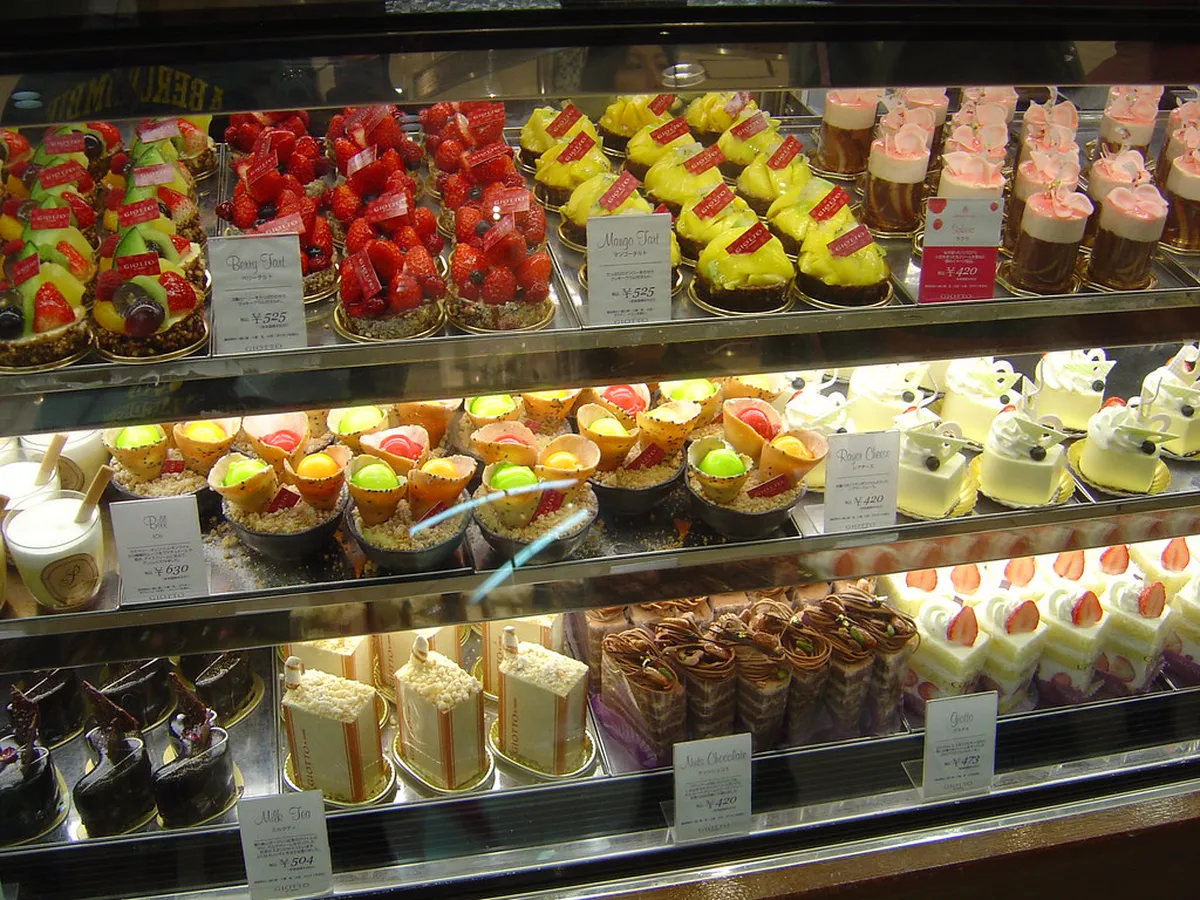
The 'Big Three' department stores define the shopping landscape and each offers a slightly different atmosphere for the visitor. Mitsukoshi is the oldest and most traditional, often compared to Harrods in London for its high level of service. Matsuya Ginza focuses more on modern fashion and design, making it a favorite for younger luxury shoppers. For a truly modern experience, visit Ginza Six Official which features massive art installations and high-end international boutiques.
Every traveler should experience the 'depachika' or basement food halls at least once during their stay. These levels are packed with perfectly packaged teas, delicate pastries, and ready-to-eat meals that rival restaurant quality. It is polite to ask before taking photos of the displays, as many stalls consider their arrangements to be proprietary art. Many shops offer small samples, which is a great way to try unique Japanese flavors like matcha or yuzu.
Tax-free shopping requires your physical passport — a photo or copy is not accepted. Expect a 15-minute queue at the dedicated 'Global Tax-Free' counter during peak afternoon hours. The minimum spend threshold is 5,000 yen per participating store.
| Attraction | Cost | Hours |
|---|---|---|
| Chuo-dori pedestrian zone | Free | Sat–Sun 12:00–17:00 (Oct–Mar) / 18:00 (Apr–Sep) |
| Kabuki-za single-act ticket | ¥1,000–2,000 | Varies by performance; no advance booking needed |
| Ginza Six rooftop garden | Free | Daily 10:00–23:00 |
| Shiseido Gallery | Free | Tue–Sat 11:00–19:00, Sun 11:00–18:00 (closed Mon) |
| Pola Museum Annex | Free | Daily 11:00–19:00 |
Tax-free shopping is a major benefit for tourists spending more than 5,000 yen at a single participating store. You must have your physical passport with you at the time of purchase to receive the immediate tax refund. Most department stores have a dedicated 'Global Tax-Free' counter on an upper floor to process these claims. Expect to wait in line for about fifteen minutes during peak afternoon hours at the refund desks.
Sushi and Fine Dining: From Michelin Stars to Casual Bites
This district holds one of the highest concentrations of Michelin stars in the world, particularly for traditional Edomae sushi. Three-star icons like Sushi Saito, Sukiyabashi Jiro, and Ginza Kyubey often require reservations months in advance through hotel concierges or are effectively closed to walk-in tourists. A dinner at these elite counters can easily exceed $300 per person, excluding drinks and service charges. If you cannot secure a booking, consider visiting the Tsukiji Outer Market nearby for world-class fish at lower prices, or try the more accessible Sushi Aoki and Sushi Iwa in the same district.
Budget-conscious foodies can still enjoy high-quality dining by targeting the lunch specials offered by top-tier restaurants. Many places serve a set lunch menu for $30 to $50 that would cost triple that amount during dinner service. These lunch sets usually include miso soup, a salad, and the chef's selection of seasonal nigiri or sashimi. Arrive fifteen minutes before the restaurant opens to secure a seat without a prior reservation.
For a more casual meal, the upper floors of the department stores house 'restaurant rows' with diverse cuisines. You can find everything from tonkatsu and tempura to Italian pasta and high-end Chinese dim sum in these complexes. These restaurants are very family-friendly and usually provide English menus with clear pictures of every dish. Wait times are generally shorter here than at the street-level boutique restaurants.
Hidden Cafés and Ginza’s Specialty Coffee Scene
The coffee culture here is a fascinating mix of old-school 'kissaten' and modern third-wave roasteries. Traditional shops like Café de L'Ambre have been serving hand-dripped coffee in a smoky, wooden atmosphere for decades. These spots are perfect for those who appreciate a slow pace and the art of a perfectly balanced dark roast. Expect to pay around $8 to $12 for a single cup of specialty coffee in these historic establishments.
Modern enthusiasts should head to Bongen Coffee, a tiny shop famous for its bonsai tree decor and expert lattes. The space is very small, so plan to take your drink to go and walk toward the nearby park areas. Newer roasteries often experiment with seasonal beans from Ethiopia or Colombia, providing a brighter and more acidic flavor profile. This variety ensures that every type of coffee drinker can find a satisfying caffeine fix in the neighborhood.
What to skip: I recommend avoiding the 'luxury brand' cafes that often have two-hour wait times for a logo on your latte foam. While the interior design is often beautiful, the coffee quality rarely justifies the long queue and high price tag. Instead, look for smaller independent shops located on the second or third floors of older office buildings. These hidden spots often provide a much more authentic and peaceful Tokyo experience.
Nightlife in Ginza: High-End Bars and Lounges
As the sun sets, the district transforms into a hub for sophisticated cocktail bars and exclusive lounges. The bars here are famous for 'hard shaking' techniques and crystal-clear ice hand-carved into perfect spheres. Many of these establishments are hidden inside non-descript buildings, often requiring an elevator ride to a small upper floor. Unlike the high-energy clubs in Shibuya Crossing, the nightlife here is quiet, refined, and focused on the drink.
Be aware that many high-end bars in this area charge a 'cover' or 'table fee' ranging from $10 to $25 per person. This fee usually includes a small appetizer or snack, but it applies even if you only order one drink. Dress codes are generally more formal here, so avoid wearing shorts or flip-flops if you plan to visit a cocktail lounge. Tipping is not required or expected, as the service charge is typically included in your final bill.
For a more accessible evening, the 300 Bar chain offers standing-room cocktails for a flat rate of about $5 per drink. It is a popular spot for both locals and expats to mingle in a casual, low-pressure environment. Most bars in the area stay open until at least midnight, with some specialty lounges operating until 4:00 AM. Always keep an eye on the time to catch the last train, as taxis in this district can be very expensive.
Frequently Asked Questions
What is Ginza famous for?
Ginza is world-renowned as Tokyo's premier luxury shopping and entertainment district. It features historic department stores, Michelin-starred restaurants, and the famous Wako clock tower. The area also hosts the historic Kabuki-za theater and vibrant weekend pedestrian zones.
When is the Ginza pedestrian zone open?
The main street, Chuo-dori, closes to vehicles every Saturday and Sunday from 12:00 PM to 6:00 PM. During the winter months from October to March, the street usually reopens to cars at 5:00 PM. It is free to enjoy.
Is Ginza worth visiting for non-shoppers?
Yes, Ginza offers significant cultural value beyond shopping. You can visit the Kabuki-za theater, explore free art galleries, or enjoy the rooftop garden at Ginza Six. The district's unique architecture and historic coffee shops provide a fascinating look at Tokyo's modernization.
In 2026, Ginza remains a cornerstone of the Tokyo experience because it balances high-end luxury with deep cultural roots. From the rhythmic chanting at Kabuki-za Theatre Official to the quiet rustle of paper at Ito-ya and the panoramic skyline from the free Ginza Six rooftop, there is a sensory detail for every traveler to enjoy. I highly recommend visiting on a Sunday afternoon between 12:00 and 17:00 to experience the Hokosha Tengoku pedestrian paradise at its most vibrant.
By following this ginza visitor guide, you can navigate the district's hidden alleys, depachika food halls, and grand department stores with confidence. Whether you are here for a Michelin meal at Sushi Saito, a single-act Kabuki-za ticket, or a simple stroll past the Wako clock tower, Ginza will leave you with a new appreciation for Japanese hospitality. For more comprehensive Tokyo travel planning, check out our detailed city itinerary. Enjoy your exploration of Tokyo's most sophisticated neighborhood.