
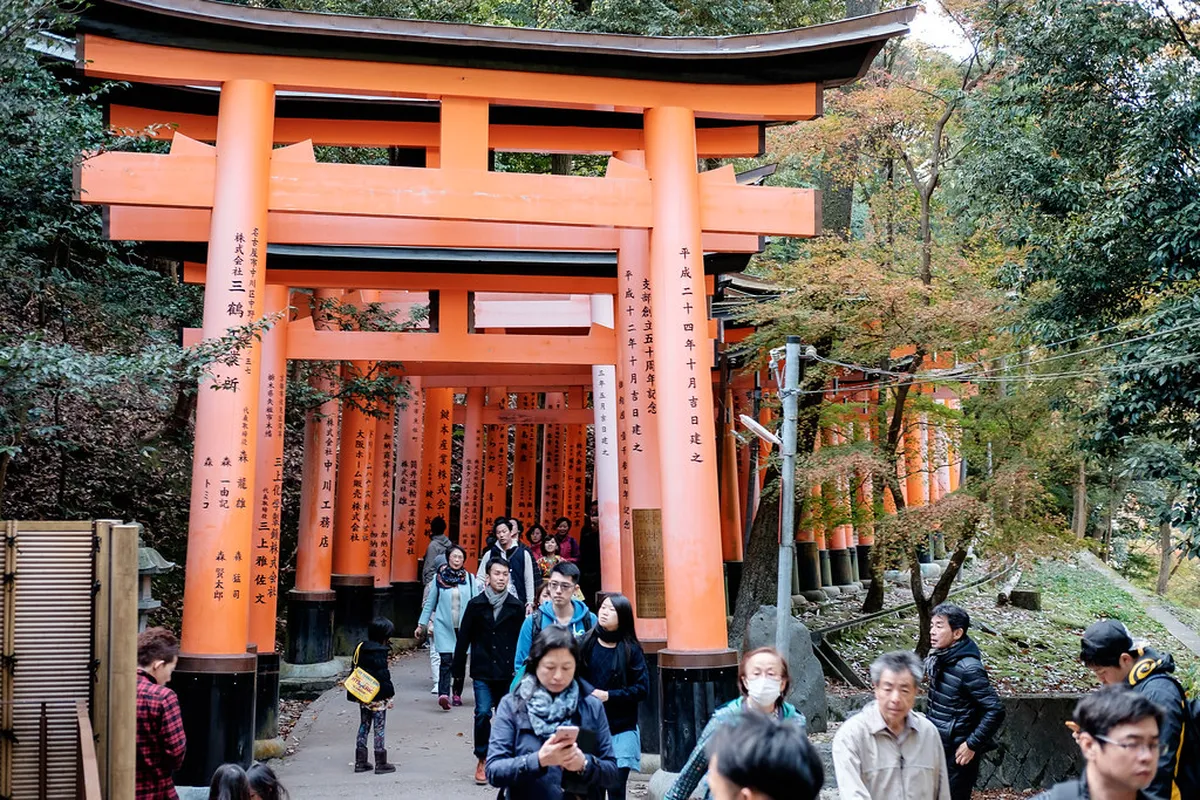
Fushimi Inari Taisha
Kyoto's most photographed Shinto shrine, famous for thousands of vermillion torii gates winding up Mount Inari, free to visit and open 24 hours.
Visitor guide →
Plan things to do in Kyoto with our 2026 guide to 8 must-visit attractions — verified tickets, hours, neighborhoods, itineraries and money-saving tips.
Kyoto served as Japan's imperial capital for more than 1,000 years (794–1868), and that long tenure as the seat of court, religion and craft is what makes its attraction landscape unlike any other Japanese city. Within roughly 10 kilometers of Kyoto Station you can visit 17 UNESCO World Heritage sites, several hundred Buddhist temples and Shinto shrines, machiya-lined geisha districts, dry-landscape Zen gardens, a working 400-year-old food market and the only shogun's castle in the city — most of it survived World War II intact when Tokyo and Osaka did not.
The practical question for 2026 isn't what to see — every guidebook lists the same handful of icons — but how to sequence them across short opening windows, mix free and paid sights, and skip the worst of the over-tourism that has pushed parts of Gion to introduce private-alley bans. This hub narrows the field to the 8 Kyoto attractions that consistently reward the time and ticket price for first- and second-time visitors. Each card below links to a dedicated guide with verified opening hours, current pricing in yen, transport directions and the practical tips (best time of day to arrive, what to skip) that don't make it into the official site's FAQ. Below the cards we cover neighborhoods, free-vs-paid balance, suggested 1- to 3-day itineraries, transport and the cheapest way to see most of them.
Planning a wider trip? See our Japan travel guide, the things to do in Kyoto guide, and getting around Japan.
Kyoto's most photographed Shinto shrine, famous for thousands of vermillion torii gates winding up Mount Inari, free to visit and open 24 hours.
Visitor guide →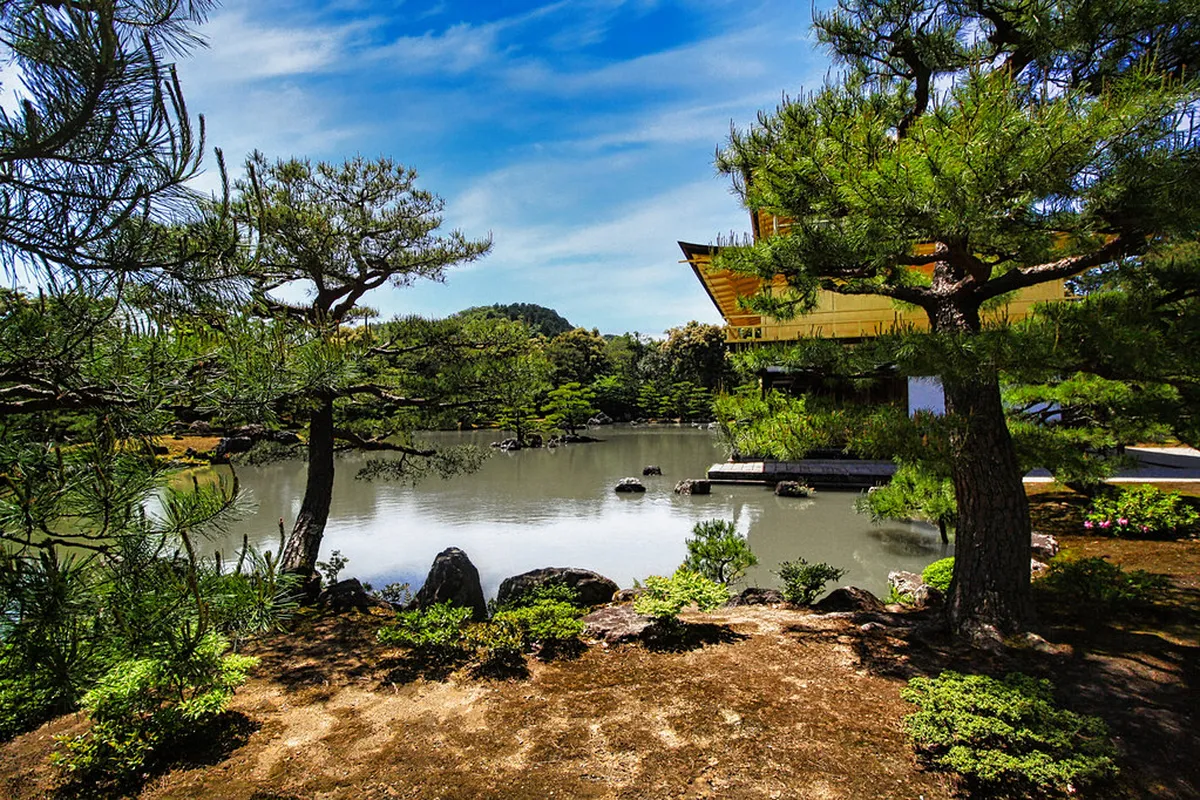
Kyoto's iconic Zen temple covered in gold leaf, set above a reflecting pond — a UNESCO World Heritage Site charging 500 yen and open 9:00-17:00 daily.
Visitor guide →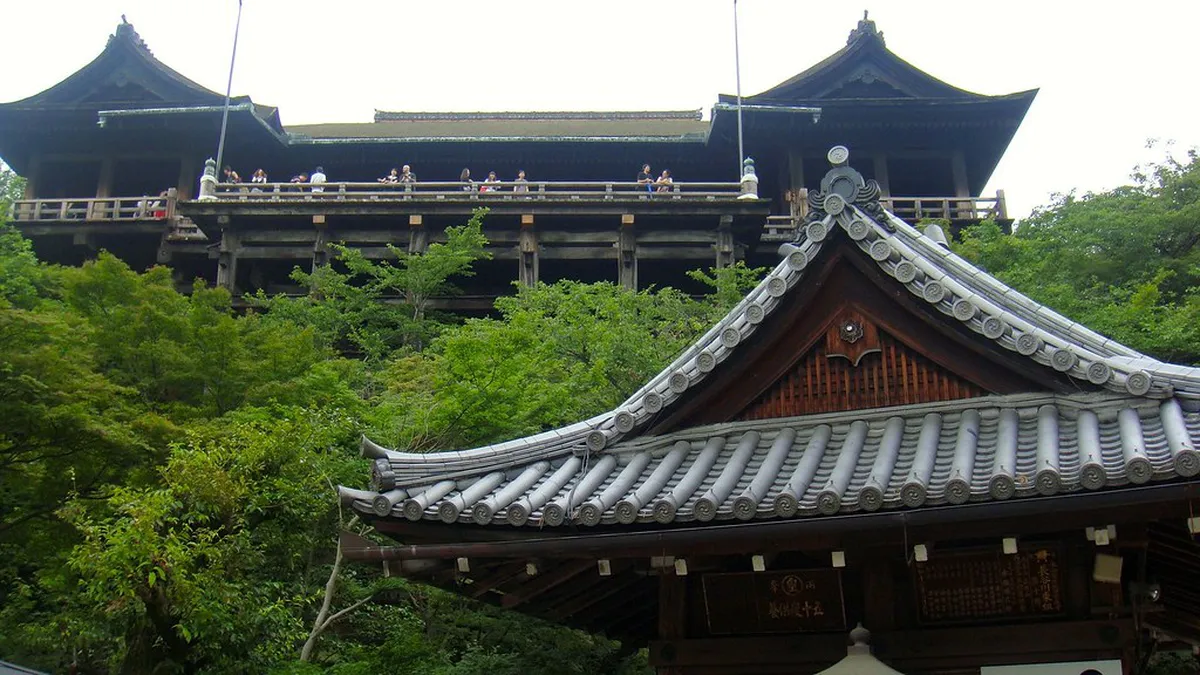
Iconic hillside Buddhist temple in eastern Kyoto with a vast wooden veranda overlooking the city — 500 yen admission, open 06:00-18:00 daily.
Visitor guide →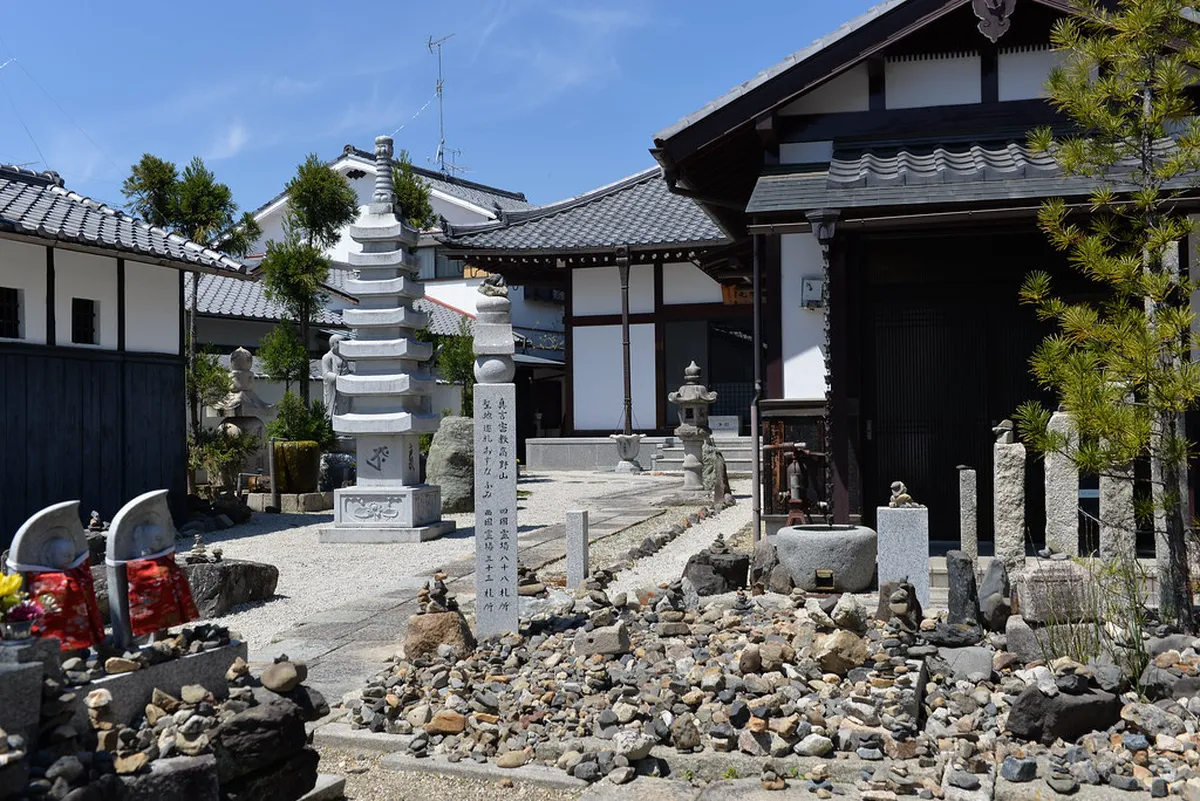
Free 500-meter pathway through towering mōsō bamboo in western Kyoto, designated one of Japan's '100 Soundscapes' and open 24 hours.
Visitor guide →
Kyoto's historic geisha district of wooden tea houses and lantern-lit lanes in Higashiyama — free to explore at any hour, busiest at dusk.
Visitor guide →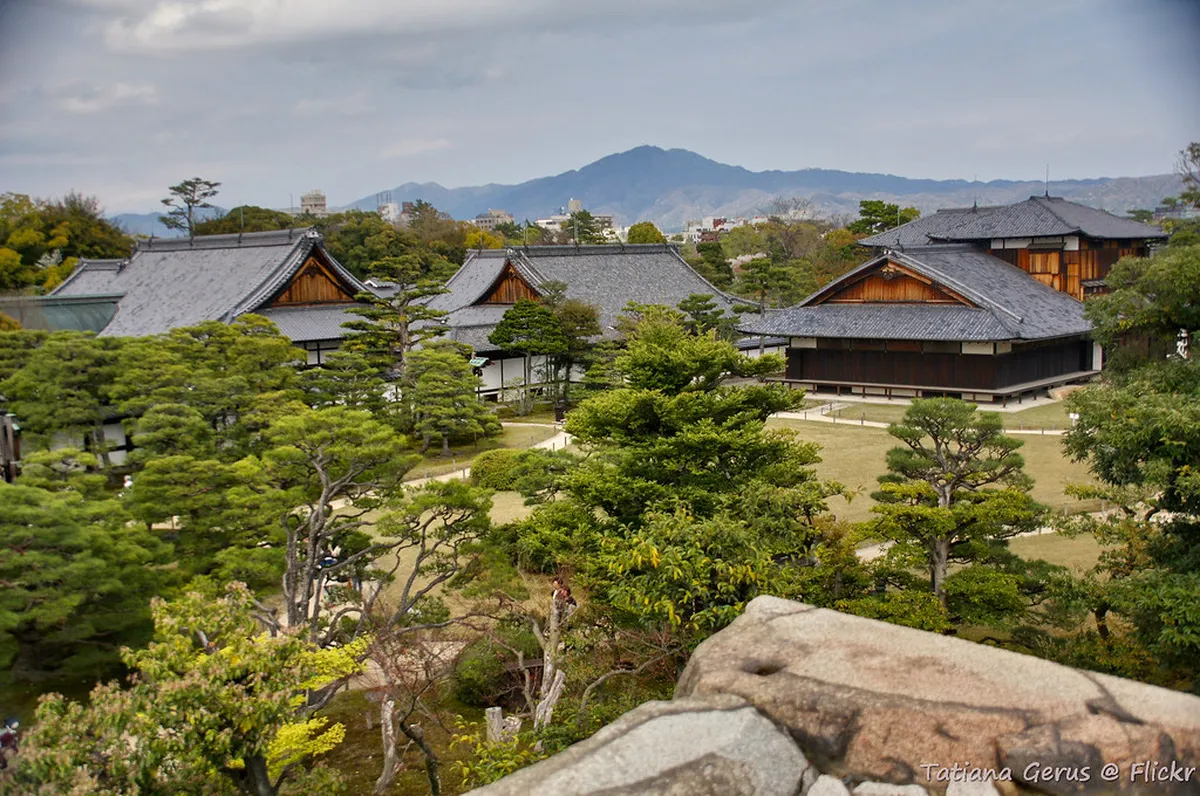
UNESCO-listed flatland castle in central Kyoto with gold-leaf Ninomaru Palace and famous nightingale floors — 1,300 yen for full access, open 08:45-17:00.
Visitor guide →
Historic 400-year-old covered food market in downtown Kyoto known as 'Kyoto's kitchen' with around 130 specialty stalls — free to browse, open ~09:00-18:00.
Visitor guide →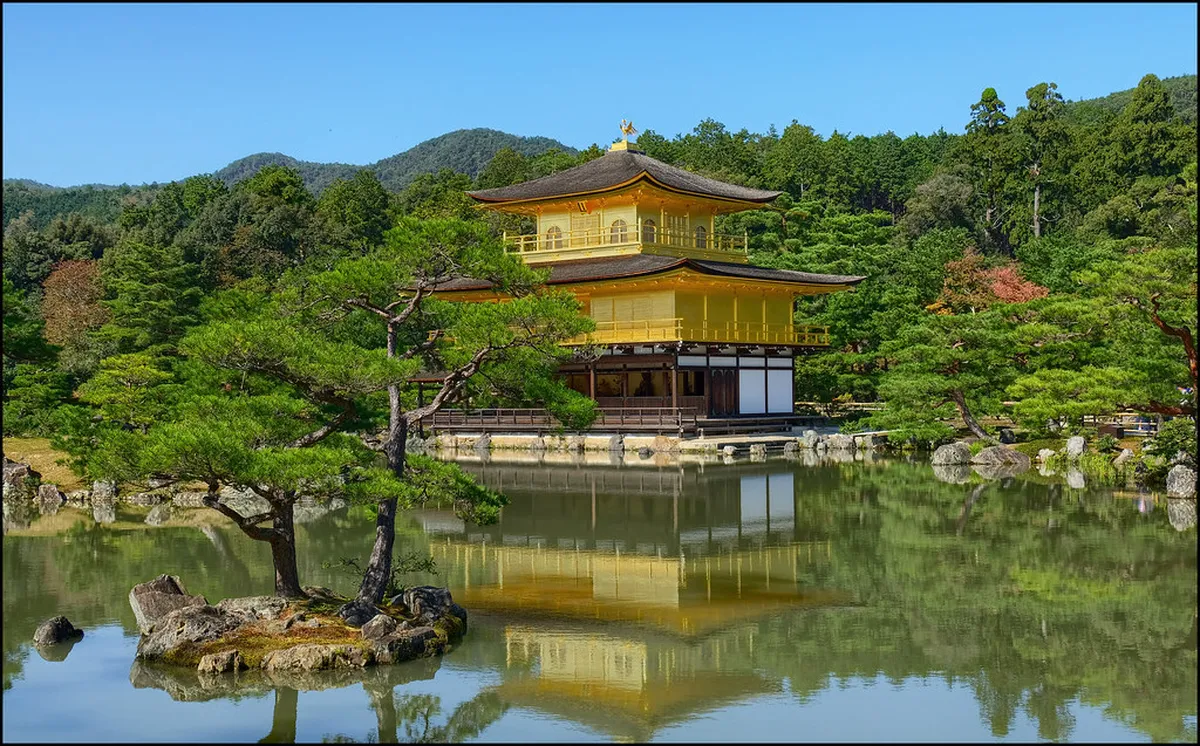
Higashiyama Culture Zen temple founded 1482, famed for its dry-sand 'Sea of Silver Sand' garden — 500 yen admission, open 08:30-17:00 (winter 09:00-16:30).
Visitor guide →Almost all of Kyoto's headline sights cluster in five geographic zones, and grouping your days by zone is the single biggest time-saver — buses across the city can take 40 minutes at rush hour, but the walks within each district are 5–20 minutes.
If you'd rather plan by interest than geography, the 8 attractions sort cleanly into five experience types:
One of Kyoto's quiet advantages over Tokyo or Osaka is that half its top attractions are free. A budget visitor can fill two days without buying a single temple ticket.
| Attraction | Adult admission | Hours | JR Pass useful? |
|---|---|---|---|
| Fushimi Inari Taisha | Free | 24 hours | Yes (JR Nara Line) |
| Arashiyama Bamboo Grove | Free | 24 hours | Yes (JR Sagano Line) |
| Gion District | Free (street access) | 24 hours | No — bus/Keihan |
| Nishiki Market | Free | ~09:00–18:00 | No — walk/subway |
| Kinkaku-ji | ¥500 | 09:00–17:00 | No — bus required |
| Kiyomizu-dera | ¥500 | 06:00–18:00 | No — bus required |
| Ginkaku-ji | ¥500 | 08:30–17:00 | No — bus required |
| Nijo Castle | ¥1,300 | 08:45–17:00 | No — subway (Tozai) |
Total ticket cost to visit all 8 attractions in this guide: 2,800 yen (~US$19) per adult, plus the Kyoto City Bus & Subway 1-Day Pass at 1,100 yen (raised from 700 yen in 2024) if you bus between zones.
The Kyoto City Bus & Subway 1-Day Pass (¥1,100) pays for itself after five bus rides — most full sightseeing days hit that threshold easily. Buy it at the tourist information counter inside Kyoto Station before boarding your first bus.
Pair attractions by neighborhood, not by category, to minimize transit time. These three itineraries cover all 8 sights in this hub.
Kyoto has a flat grid layout but a more limited subway than Tokyo — most sightseeing is done by city bus, with subway and JR filling gaps.
Kyoto has two famous peak seasons and two underrated shoulder seasons. The peaks deliver postcard scenery but the city's attractions are at their busiest:
Avoid Golden Week (Apr 29–May 5), Obon (mid-August), and the New Year period (Dec 29–Jan 3) — domestic tourism compounds on top of international visitor traffic and some smaller sub-temples close. Hotels during cherry blossom and autumn foliage book out 4–6 months ahead.
Kyoto is cheaper to sightsee than most people expect, particularly if you front-load free attractions and use a transit pass.
Two to three days covers the 8 must-visit Kyoto attractions in this guide at a comfortable pace. One day is possible but means sprinting through Fushimi Inari, Higashiyama and Kinkaku-ji with no margin for queues or extended stops. Most first-time visitors regret allocating only one day.
Fushimi Inari Taisha is the single most iconic Kyoto attraction — its thousands of vermillion torii gates winding up Mount Inari are free to visit, open 24 hours, and only 5 minutes by JR from Kyoto Station. If you only have time for one stop, this is it. Kinkaku-ji (Golden Pavilion) is the runner-up.
Half of Kyoto's top attractions are free, including Fushimi Inari Taisha, Arashiyama Bamboo Grove, the Gion district and Nishiki Market. The major Buddhist temples (Kinkaku-ji, Kiyomizu-dera, Ginkaku-ji) charge 500 yen each. Nijo Castle is the most expensive at 1,300 yen for full access.
Most Kyoto attractions accept walk-ups — you do not need to pre-book Fushimi Inari, Kinkaku-ji, Kiyomizu-dera, Arashiyama Bamboo Grove, Gion or Nishiki Market. Pre-booking is recommended for Nijo Castle evening illuminations, special temple night-viewings during cherry blossom and autumn, and tea-ceremony experiences in Gion.
Late March to early April for cherry blossoms and mid-November to early December for autumn foliage are the iconic seasons. For lighter crowds and lower hotel prices, late May to early July and mid-September to late October offer near-equivalent weather without the peak-season pressure on attractions.
Kyoto is cheaper to sightsee than Tokyo. A full day visiting four major attractions plus the 1,100 yen city transit pass costs roughly 2,500–3,500 yen (~US$17–24) per person in tickets and transit. Mid-range hotels run 12,000–25,000 yen per night; meals 800–2,500 yen.
You can realistically cover 4–5 of the 8 must-visit attractions in one day if you start at Fushimi Inari before 8:00 AM and prioritize Higashiyama (Kiyomizu-dera + Gion) plus Kinkaku-ji. You will not have time for Arashiyama, Nijo Castle and Ginkaku-ji in a single-day visit.
City buses (especially routes #100, #101 and #206) connect almost all of Kyoto's attractions, with the Karasuma and Tozai subway lines filling gaps for Nijo Castle and downtown. JR's Nara and Sagano lines handle Fushimi Inari and Arashiyama respectively. The 1,100 yen Bus & Subway 1-Day Pass is the cheapest way to cover a full sightseeing day.
These 8 attractions are the backbone of any Kyoto visit, but the city rewards deeper planning — when to go, where to base yourself, and how to layer in food, festivals and day trips. For trip-planning context beyond the attraction guides above, see our companion blog pieces: Things to Do in Kyoto for the broader activity round-up, Kyoto Itinerary for a day-by-day route plan, and Kyoto Highlights for seasonal extras and hidden corners. Each individual attraction card above also links to a full visitor guide with verified 2026 hours, prices and tips.


