

Nijo Castle stands as a powerful symbol of the Tokugawa Shogunate in the heart of Kyoto. This UNESCO World Heritage List: Historic Monuments of Ancient Kyoto site offers a glimpse into samurai history that no temple in the city can replicate. Visitors explore grand palaces, serene gardens, and legendary floors that literally chirp beneath your feet. Planning your visit well — especially for 2026 — means understanding the layout, the three-tier ticket system, and the newly reopened Honmaru-goten before you arrive.
The castle grounds feature massive stone walls and wide moats designed to protect the shoguns. Walking through the entrance gate makes you feel the immense scale of Japanese feudal power. This guide covers every section of this Kyoto landmark, from its founding history to practical access tips, to ensure a smooth and memorable experience.
A Brief History of Nijo Castle
Nijo Castle was completed in 1603 by Tokugawa Ieyasu, the founder of the Tokugawa Shogunate, as his official Kyoto residence. Whenever the shogun traveled from Edo (modern Tokyo) to the imperial capital, this fortress was his base of power. The Edo period under Tokugawa rule lasted from 1603 to 1868, and the castle served as both a political symbol and a practical stronghold throughout those 265 years.
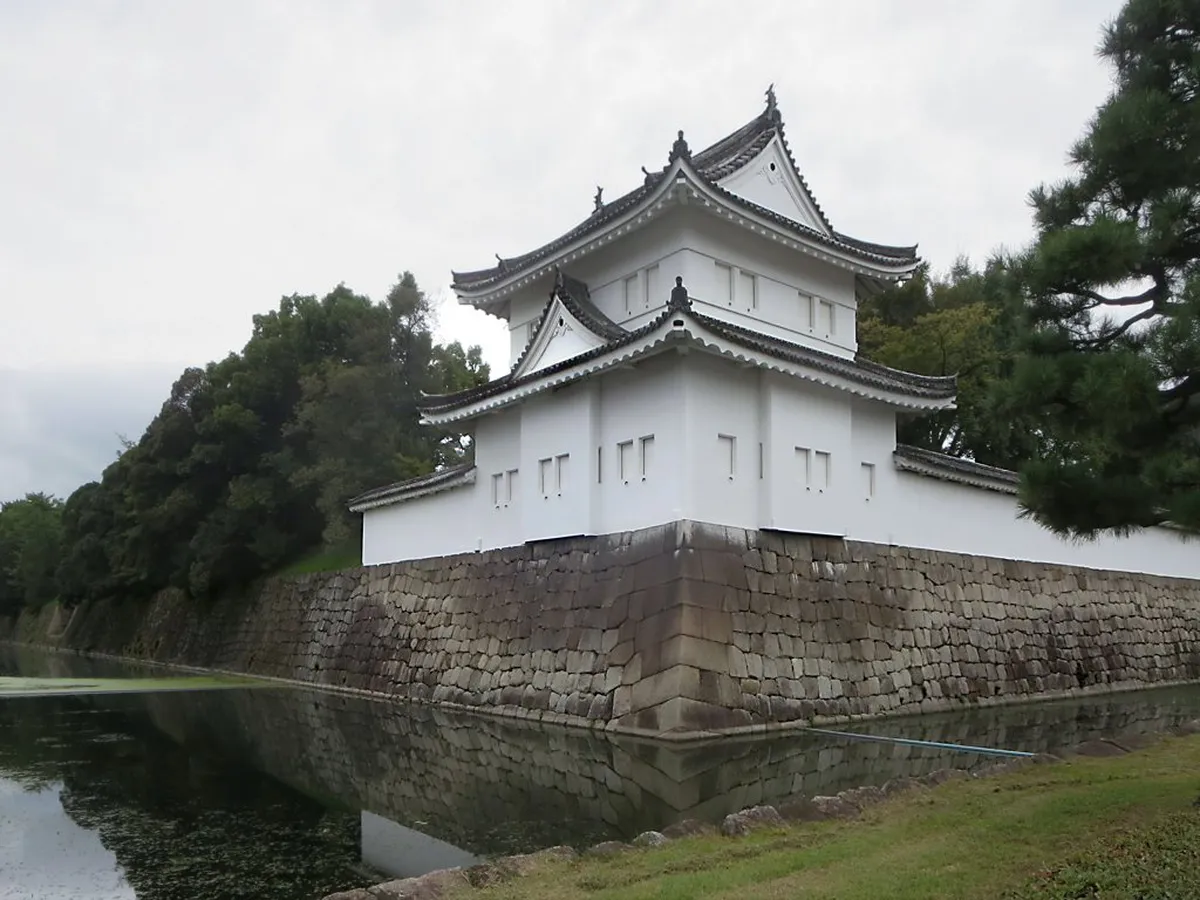
The castle played a defining role in Japan's transition to the modern era. In 1867, the 15th and final shogun, Tokugawa Yoshinobu, stood inside Nijo Castle and announced the return of power to the Emperor — ending over two and a half centuries of samurai rule. That act, known as the Meiji Restoration, launched Japan's modernization. No other building in Kyoto carries such a direct connection to that turning point.
After the shogunate ended, Nijo Castle was donated to the City of Kyoto in 1939 and opened to the public in 1940. UNESCO designated it a World Heritage Site in 1994 as part of the Historic Monuments of Ancient Kyoto. A major restoration ran from 2012 to 2013, and the full-scale renovation of Honmaru-goten Palace was completed in September 2024 after 18 years of work — meaning 2026 is your first chance to see the castle fully restored and accessible.
Ninomaru Palace and the Nightingale Floors
Ninomaru Palace is the heart of Nijo Castle. It consists of six interconnected buildings arranged diagonally, containing 33 rooms and more than 800 tatami mats. The Karamon Gate at the entrance is covered in intricate golden carvings of cranes, pine, and bamboo — stop directly beneath it and look up at the painted ceiling panels before walking through.
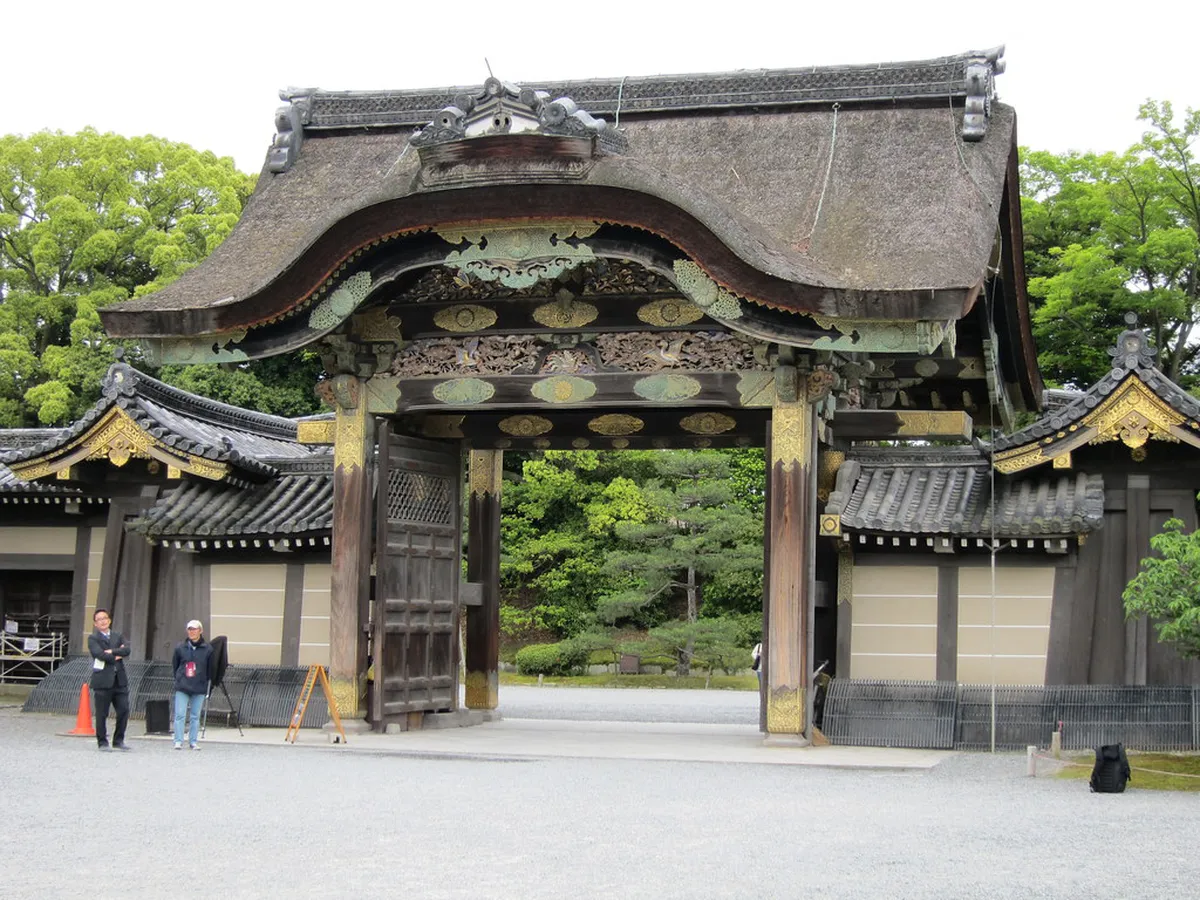
The nightingale floors (uguisubari) are the single most talked-about feature inside. The corridor planks were deliberately engineered to squeak when walked upon, acting as a low-tech intruder alarm against ninjas and assassins. The sound genuinely does resemble a bird chirping, and it works underfoot regardless of how lightly you step. Shogun Ieyasu also had concealed chambers built into the walls where bodyguards could watch unseen.
Over 2,000 wall paintings by artists of the Kano School decorate the palace rooms — tigers, leopards, hawks, and seasonal flora in gold leaf. Photography is strictly forbidden inside all palace buildings. This is actually worth embracing: without phones in the way, the rooms feel quieter and the paintings register more deeply. You must remove your shoes at the entrance, so wear socks even in summer.
Honmaru-goten Palace: What the Reopening Actually Means
Honmaru-goten Palace reopened in September 2024 after an 18-year full restoration — the longest closure in the castle's modern history. Most guides written before 2025 still list it as closed or under renovation, so this is a genuine 2026 update. The palace occupies the innermost ring of defense, accessible by crossing the wooden Honmaru East Bridge over the inner moat.
The building is architecturally distinct from Ninomaru. It was originally constructed in 1847 at the Kyoto Imperial Palace as Katsuranomiya Palace, then physically relocated to Nijo Castle in 1893. It later served as the imperial villa of Emperor Taisho. The interiors reflect late imperial taste rather than shogunal authority: brighter colors, more refined proportions, and a different sense of domestic scale. The most celebrated painting inside is "Shokaku-zu" by Kano Eigaku — white cranes on a golden background spanning several walls of the Shokaku-no-ma room.
Critically, Honmaru-goten requires a completely separate ticket purchased in advance online. Daily capacity is limited. Tickets go on sale 30 days before your visit date on the official Nijo Castle website and cost 1,000 yen for adults. They sell out, especially on weekends and during cherry blossom and autumn leaf seasons. If you want to visit Honmaru-goten, book it the moment the 30-day window opens — not the morning you arrive in Kyoto.
Honmaru-goten Palace requires a separate ¥1,000 ticket booked online up to 30 days in advance. It sells out on weekends and during cherry blossom and autumn foliage season. Photography is strictly forbidden inside both the Ninomaru and Honmaru palace buildings.
The Three Gardens of Nijo Castle
Ninomaru Garden is the oldest and most celebrated. Designed by master landscape architect Kobori Enshu in 1626 for an imperial visit, it centers on a large Horai-Jima island representing paradise, surrounded by smaller crane and turtle islands symbolizing longevity. The garden was specifically laid out to be viewed from inside the palace — the sightlines from the tatami rooms frame each stone and pond element precisely. Walking the perimeter path at ground level gives a completely different perspective.
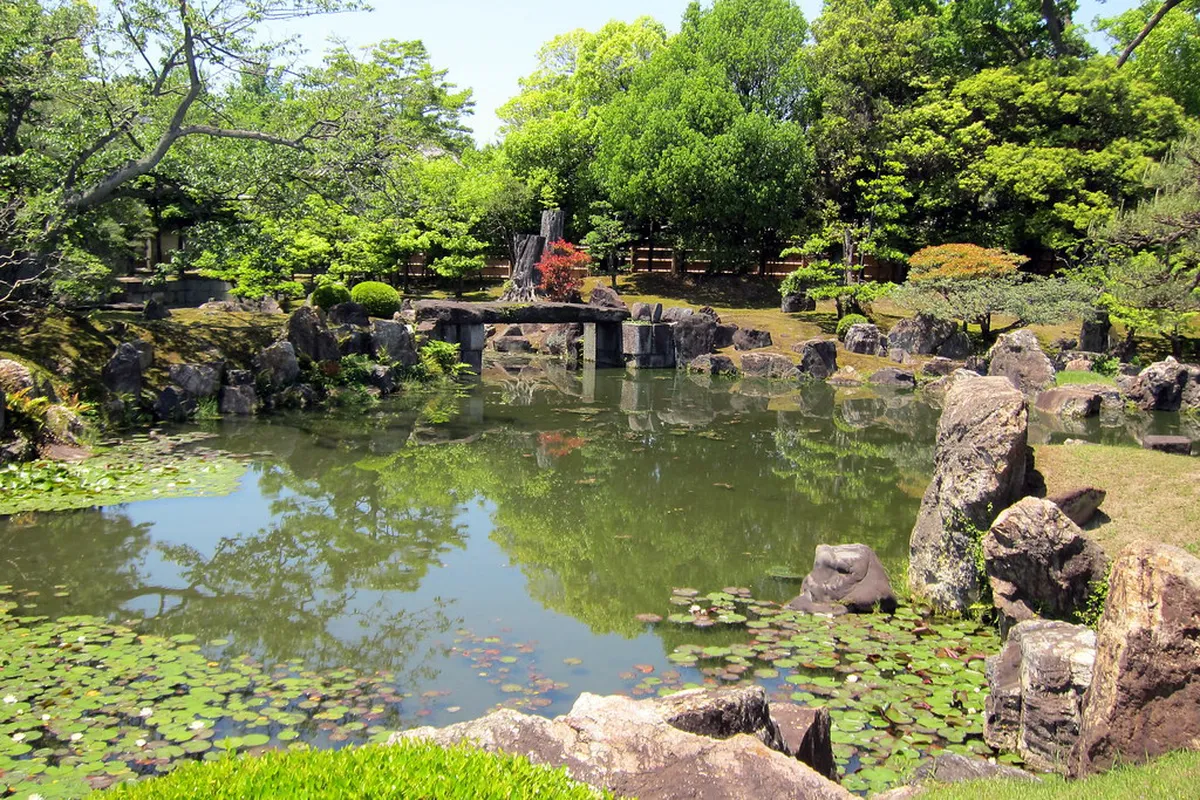
Honmaru Garden surrounds the newly restored Honmaru-goten Palace. It was redesigned during the Meiji period to include more open, grassy areas and stone-paved walking paths. Climbing the ruins of the former castle keep within this area gives you the best elevated view over the entire castle compound and across central Kyoto. It is a short climb on stone steps and well worth the two minutes it takes.
Seiryu-en Garden was added in 1965 and blends traditional Japanese elements with Western-style lawns. It is less historically significant but arguably the most peaceful part of the grounds on a busy day. The tea ceremony sessions at the Seiryu-en rest house take place here, and the autumn foliage in late November transforms it into one of the best color-viewing spots in the castle. Weeping cherry trees near this garden are among the most photographed in spring.
Ticket Prices and What Each Tier Covers
Nijo Castle uses a three-tier admission system. The combined Castle and Ninomaru Palace ticket costs 1,300 yen for adults and is what most visitors should buy. It covers the main grounds, gardens, and full access to the Ninomaru Palace interior. Junior high and high school students pay 400 yen; primary school students pay 300 yen. People with a Japanese disability certificate enter free with one accompanying caregiver.
| Ticket Type | Adult | High/Junior High Student | Primary School | Book In Advance? |
|---|---|---|---|---|
| Castle + Ninomaru Palace (recommended) | ¥1,300 | ¥400 | ¥300 | Recommended online |
| Castle Grounds Only | ¥800 | ¥400 | ¥300 | Gate purchase OK |
| Honmaru-goten Palace (add-on) | ¥1,000 | ¥1,000 | ¥1,000 | Required (30-day window) |
The castle-only ticket at 800 yen covers the grounds and gardens but not the Ninomaru Palace interior. This tier makes sense only if you have very limited time and want to walk the gardens and photograph the gates. The Honmaru-goten Palace, as noted above, requires a third separate ticket of 1,000 yen booked in advance online — it is not bundled with either of the gate tickets.
Buying your standard ticket online before arrival saves you the queue at the booth. Group discounts apply for parties of twenty or more. Keep your ticket accessible throughout the visit as staff scan it at multiple checkpoints. The official Nijo Castle Official Website has current pricing and the online booking portal for Honmaru-goten.
Hanami at Nijo Castle
Cherry blossom season transforms the castle grounds into one of Kyoto's most popular hanami spots. There are over 300 cherry trees representing nearly 50 different varieties, which extends the blooming period beyond what you get at a single-variety site. The weeping cherries near Seiryu-en Garden are particularly famous and typically peak a few days before the standard Somei Yoshino trees elsewhere in the city.
Evening light-up events run during peak bloom, usually late March to mid-April. The illuminated trees against the white stone walls create a very different atmosphere from daytime visits. Special projection mapping is sometimes featured on the Ninomaru Palace facade. Expect significant crowds at these events — ticket lines can be long, and night-time tickets sometimes sell out. Buy in advance if you plan to attend.
The castle also holds autumn illumination events in November when the maple and ginkgo trees turn. Planning any seasonal visit requires booking accommodation months ahead. Kyoto fills up entirely during cherry blossom and autumn leaf peaks. Weekday mornings or the final hour before closing are the best crowd-avoidance windows regardless of season.
Walking the Grounds: Flow, Gates, and Photo Spots
Nijo Castle has a single entrance and exit, both on the east side — the Higashi Ote-mon East Gate. If you arrive on the north or west sides of the outer moat, walk around until you reach the east. The route through the grounds is largely one-directional: east gate → southeast watchtower → Karamon Gate → Ninomaru Palace → Ninomaru Garden → inner moat bridge → Honmaru area → Seiryu-en → exit. Follow the signs and do not try to double back through the palace sections.
The Honmaru East Bridge crossing the inner moat is one of the best photo locations on the grounds. Shoot back toward the Honmaru Yagura-mon Gate with the stone walls and moat water in the frame. Directly beside the bridge you will find a carp-feeding vending machine — fish food capsules cost 400 yen. The koi in the inner moat are large and respond immediately to food, which makes for lively photos and a short detour children genuinely enjoy.
Photography is encouraged everywhere in the gardens and at all the gates. Inside the palace buildings — both Ninomaru and Honmaru — photography and video are strictly prohibited. Tripods and selfie sticks are not permitted in congested areas. The ruins of the castle keep within Honmaru Garden offer the best elevated vantage point; the climb involves a short flight of stone steps with a handrail.
Practical Tips: Audio Guide, Shoes, and Crowd Timing
Arriving right at the 08:45 opening is the most effective way to beat the crowds. Tour buses typically arrive from 10:00 onward, and the Ninomaru Palace corridor becomes congested by mid-morning. The final 90 minutes before 17:00 closing is the second-best window. Avoid mid-morning on weekends in spring and autumn entirely if you have any scheduling flexibility.
The multilingual audio guide costs 500 yen and is available at a booth just past the main gate. It provides significantly more historical context than the signs inside. For most independent travelers it is the better option over a private guide, which runs 5,000–10,000 yen and requires advance booking. The audio guide covers all major stops at your own pace. Braille information books are also available at the entrance for visually impaired visitors.
Wear clean socks — removing your shoes is mandatory before entering both palace buildings. Slip-on shoes save time at the transitions. The gravel paths throughout the gardens are coarse and uneven; thin-soled footwear like ballet flats or dress shoes will become uncomfortable after an hour. Bring a bag you can carry or check at the lockers near the entrance, as bags are not permitted inside the palaces.
Cafe, Tea Ceremony, and Souvenirs
Maeda Coffee operates a cafe within the grounds, positioned near the Seiryu-en Garden. It serves matcha lattes, coffee, and light snacks in a quiet setting with garden views. This is the natural rest point roughly halfway through the one-way circuit, and the benches outside are a good place to sit before tackling the Honmaru section. Vending machines are distributed throughout the grounds for quick drinks.
Traditional tea ceremonies take place periodically at the Seiryu-en rest house adjacent to the cafe. You receive high-quality green tea with seasonal wagashi sweets in a tatami setting. Check the daily schedule posted at the information booth near the entrance, as times vary. Participating takes roughly 20–30 minutes and provides a grounded pause after the visual intensity of the palaces.
The souvenir shop near the exit stocks castle-specific merchandise: nightingale floor keychains, traditional fans, lacquerware, and seasonal items. Many pieces are exclusive to the site. For broader Kyoto food culture at lower prices, the Nishiki Market is a 20-minute walk or a short subway ride from the castle.
Getting There and Accessibility
The Tozai Line is a city subway — the JR Pass does not cover it. Use a Suica or ICOCA IC card or buy a separate subway ticket at the gate. From Kyoto Station, allow about 15 minutes and ¥260 each way.
Take the Kyoto City Subway Tozai Line to Nijojo-mae Station and use Exit 1. The castle entrance is about 210 meters — a three-minute walk — from the station stairs. Travel time from Kyoto Station is roughly 15 minutes: take the Karasuma Line to Karasuma Oike, transfer to the Tozai Line, one stop to Nijojo-mae. The fare is approximately 260 yen each way. Note that the Tozai Line is a city subway, not a JR line — the JR Pass does not cover this segment, so use an IC card (Suica or ICOCA) or purchase a separate subway ticket.
Travelers arriving with luggage can use the coin lockers at the entrance. Lockers come in small and medium sizes suitable for backpacks and carry-on bags; large suitcases may not fit and are best left at your hotel or in the large-luggage storage at Kyoto Station. Pulling wheeled luggage over the interior gravel paths is not practical.
The site provides a barrier-free access map at the information desk and loans specialized wide-tire wheelchairs for navigating the gravel paths. Most garden paths are accessible. The Ninomaru-goten Palace interior is accessible for manual wheelchair users, though electric wheelchairs are not permitted inside — staff will assist with a transfer to the provided wheelchair. Honmaru-goten Palace involves stairs and is not accessible for wheelchair users. Service dogs are permitted throughout. For broader Kyoto transport planning, the city's official travel guide covers bus and subway options in detail.
Frequently Asked Questions
Is Nijo Castle worth visiting?
Yes, Nijo Castle is a must-see for its unique nightingale floors and stunning Edo-period architecture. It offers a different experience than the typical temples found in the city. If you like Nijo Castle, you should also visit Fushimi Inari Taisha for its famous red gates.
How long does it take to tour Nijo Castle?
Most visitors spend between ninety minutes and two hours exploring the grounds and palaces. If you plan to visit the café or the treasure house, allow for three hours. Arriving early helps you move through the palace sections more quickly before the crowds arrive.
Can you take photos inside Ninomaru Palace?
Photography is strictly forbidden inside the Ninomaru Palace to protect the delicate wall paintings. You can take photos of the palace exterior, the Karamon Gate, and all of the gardens. Be sure to follow the signs to avoid any issues with the castle staff.
Do I need to book Nijo Castle tickets in advance?
While you can buy tickets at the gate, booking online is highly recommended during peak seasons. This allows you to skip the ticket booth line and enter the grounds faster. Advance booking is especially helpful during the cherry blossom and autumn foliage periods.
Nijo Castle remains one of the most significant historical sites in all of Japan. Its combination of architectural beauty and samurai history makes it a highlight of any trip. After exploring the castle, many travelers head to Gion to see traditional geisha districts. You can easily combine this trip with a visit to the famous Kinkaku-ji temple nearby.
If you have more time, consider visiting Kiyomizu-dera for stunning hillside views. Find more inspiration in our guide to Kyoto activities. We hope this guide helps you enjoy every moment of your visit to this incredible fortress. Safe travels as you explore the ancient wonders of Japan's cultural capital.
For more Kyoto planning, see our Things to Do in Kyoto, Kyoto Itinerary, and Kyoto Landmarks guides.


