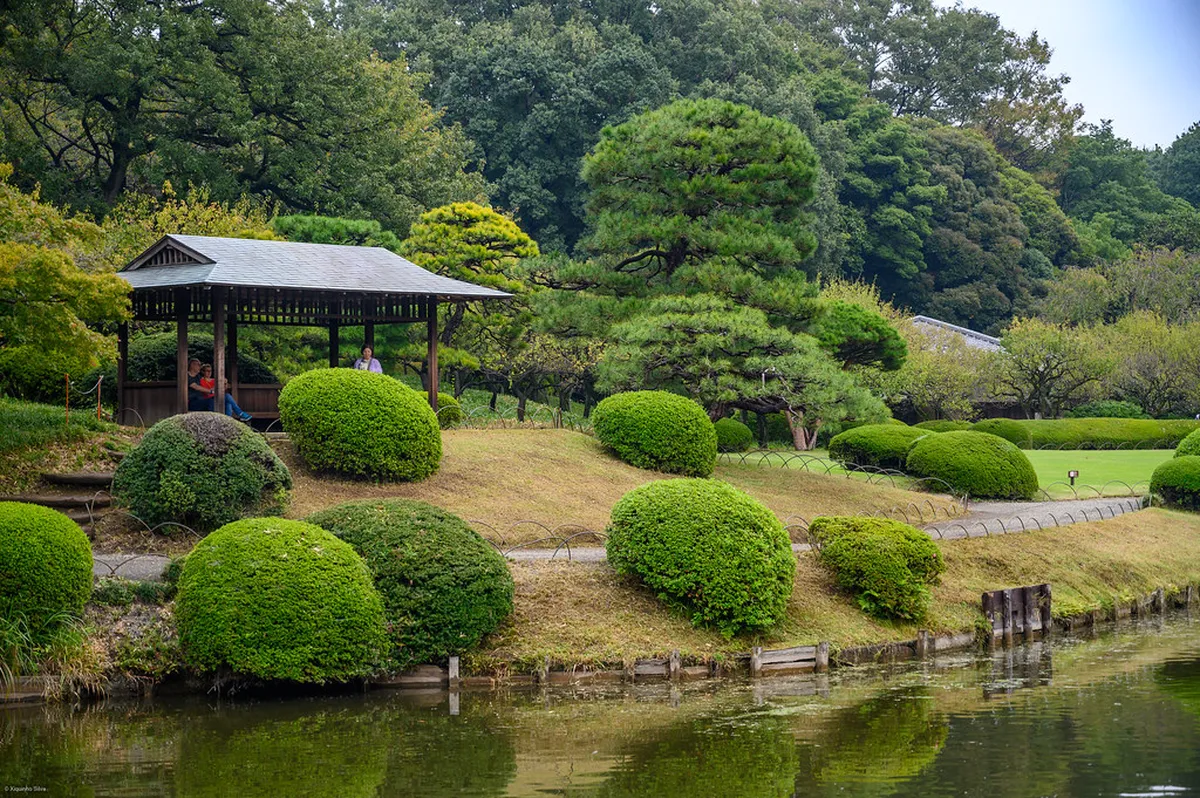
Shinjuku Gyoen National Garden
Shinjuku Gyoen National Garden is a 58-hectare Tokyo park blending Japanese, English, and French garden styles, famous for cherry blossoms.
Visitor guide →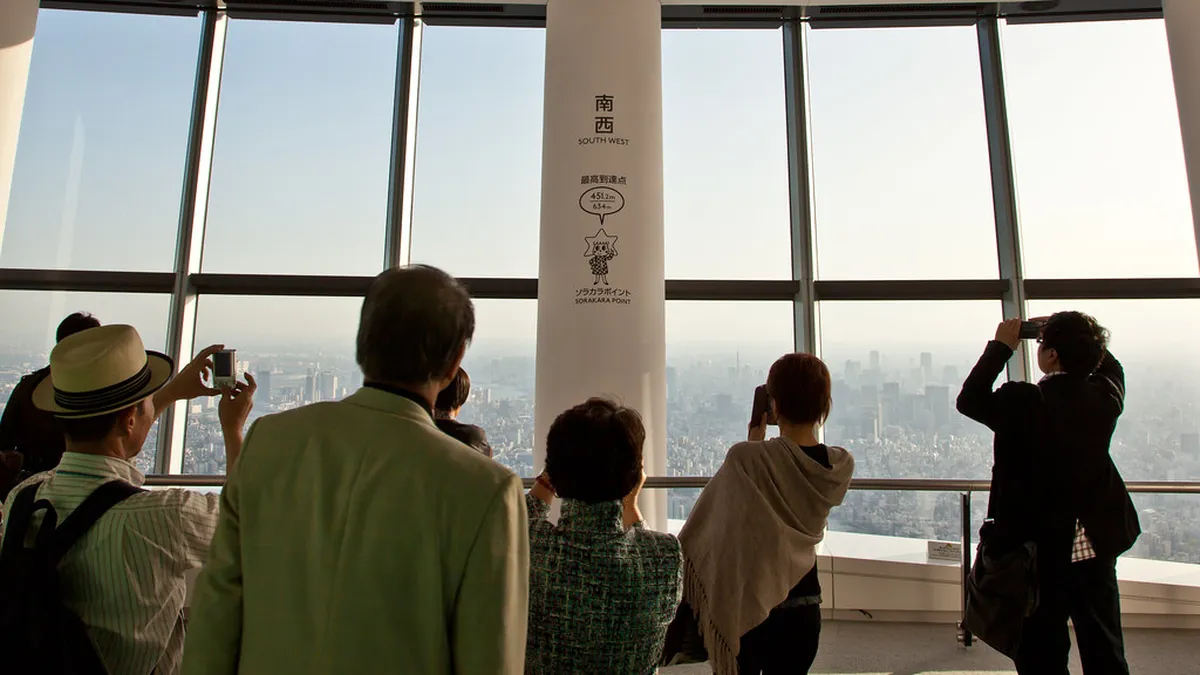
The 32 best Tokyo attractions and neighborhoods in 2026, with current ticket prices, hours, area planning, free highlights, and itinerary links.
Tokyo is the world's largest metropolitan area — roughly 35 million residents spread across 23 special wards and dozens of distinct neighborhoods — and that scale is exactly why first-time visitors get overwhelmed. The city packs 1,400-year-old Buddhist temples (Senso-ji, founded 645 AD) within a single subway ride of the world's busiest pedestrian scramble (Shibuya Crossing, ~3,000 people per light cycle) and immersive digital art museums that didn't exist a decade ago (teamLab Planets). Filtering that down to what's actually worth a half-day of your trip is the hard part.
This hub connects 32 detailed Tokyo attraction and neighborhood guides. The first grid contains 16 first-trip anchors; the second adds major museums, observation decks, character attractions, nightlife districts, markets, and local neighborhoods that turn a basic itinerary into a trip matched to your interests. Each entry links to a dedicated visitor guide with current 2026 prices, hours, access, booking advice, and nearby pairings.
Start with the core 16 if this is your first visit, then choose from the additional 16 rather than treating all 32 as a checklist. Below the guide grids, attractions are grouped by neighborhood and category, followed by free-vs-paid advice, sample itineraries, transport guidance, seasonal planning, and links to every Tokyo trip-planning guide on JapanActivity.
Planning a wider trip? See our Japan travel guide, the things to do in Tokyo guide, and getting around Japan.
Shinjuku Gyoen National Garden is a 58-hectare Tokyo park blending Japanese, English, and French garden styles, famous for cherry blossoms.
Visitor guide →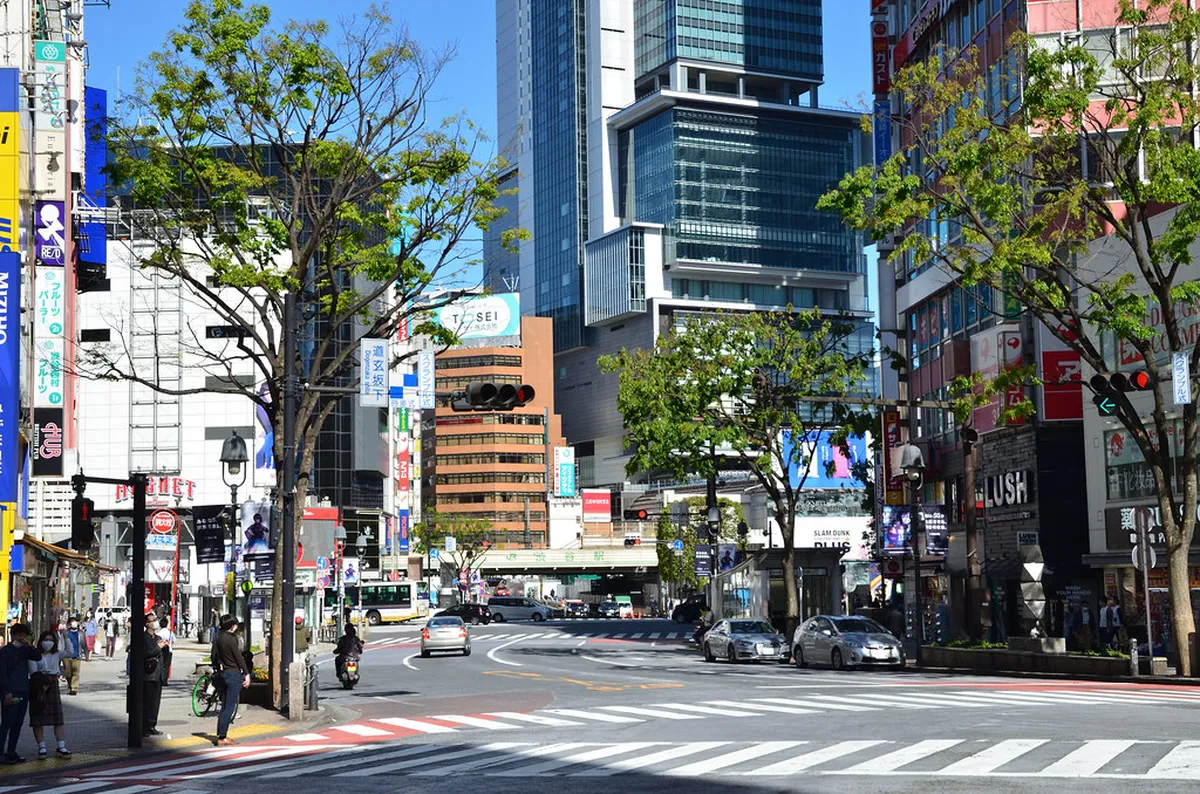
Shibuya Crossing is Tokyo's iconic scramble intersection, the world's busiest pedestrian crossing.
Visitor guide →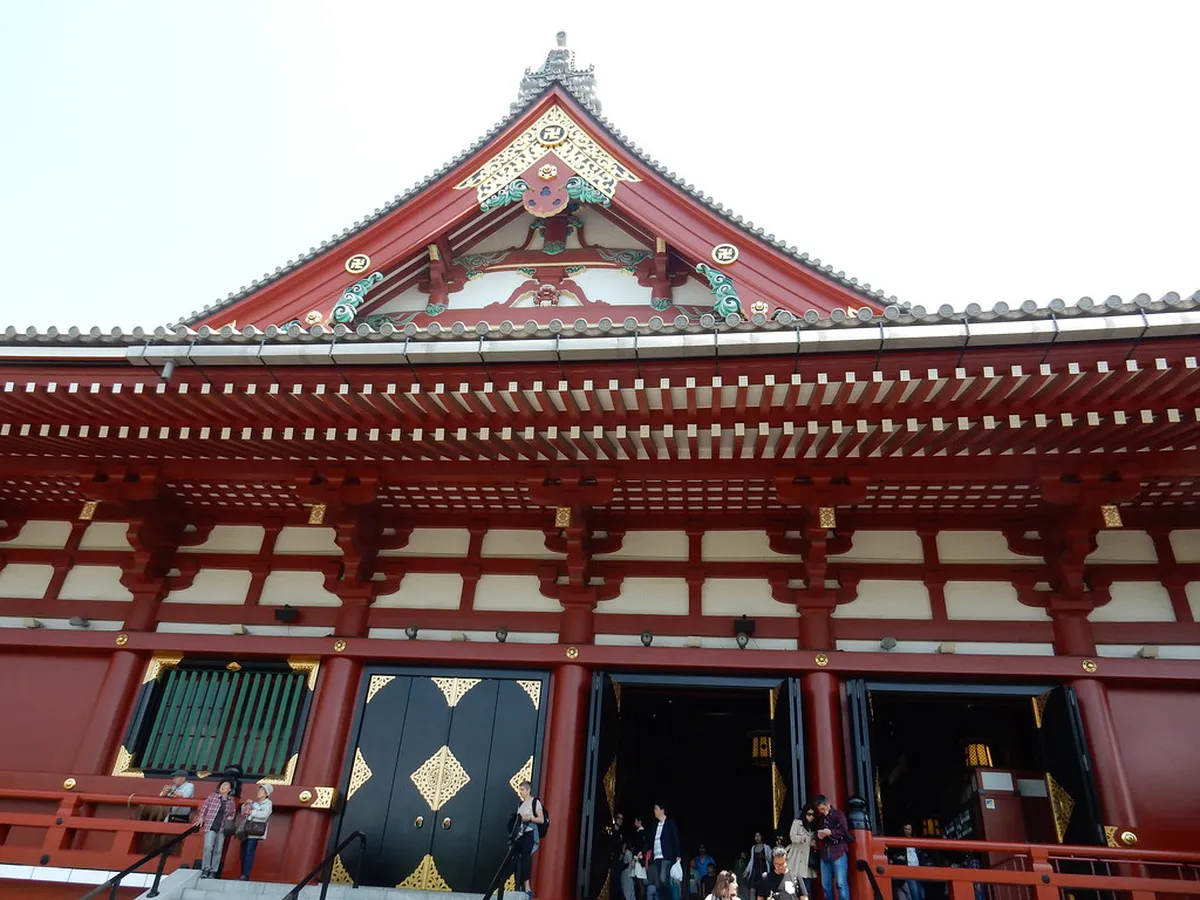
Senso-ji is Tokyo's oldest Buddhist temple, founded in 645 AD in Asakusa, famous for Kaminarimon gate and Nakamise shopping street.
Visitor guide →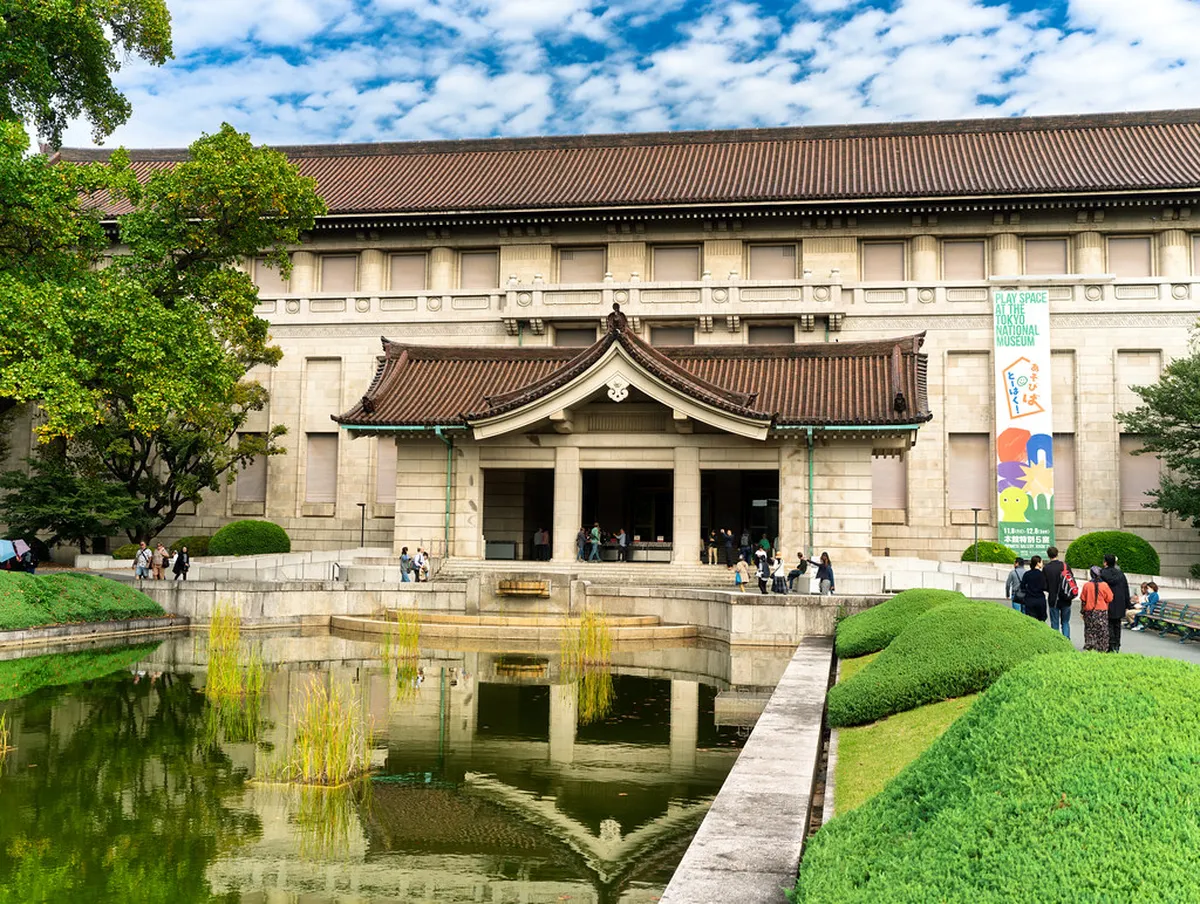
Ueno Park is a sprawling free public park in central Tokyo home to top national museums, Ueno Zoo, and one of Tokyo's most beloved cherry blossom avenues.
Visitor guide →
teamLab Planets TOKYO is a barefoot, water-and-light immersive digital art museum in Toyosu.
Visitor guide →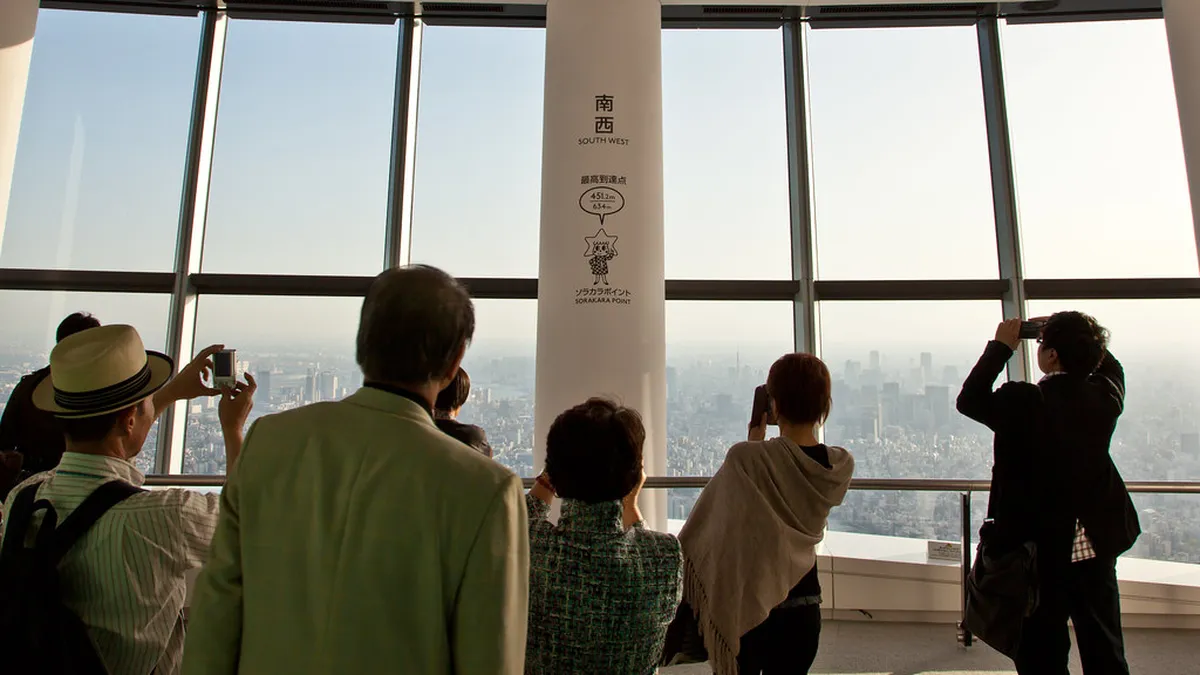
Tokyo Skytree is a 634-metre broadcasting and observation tower in Sumida with two paid observation decks at 350m and 450m.
Visitor guide →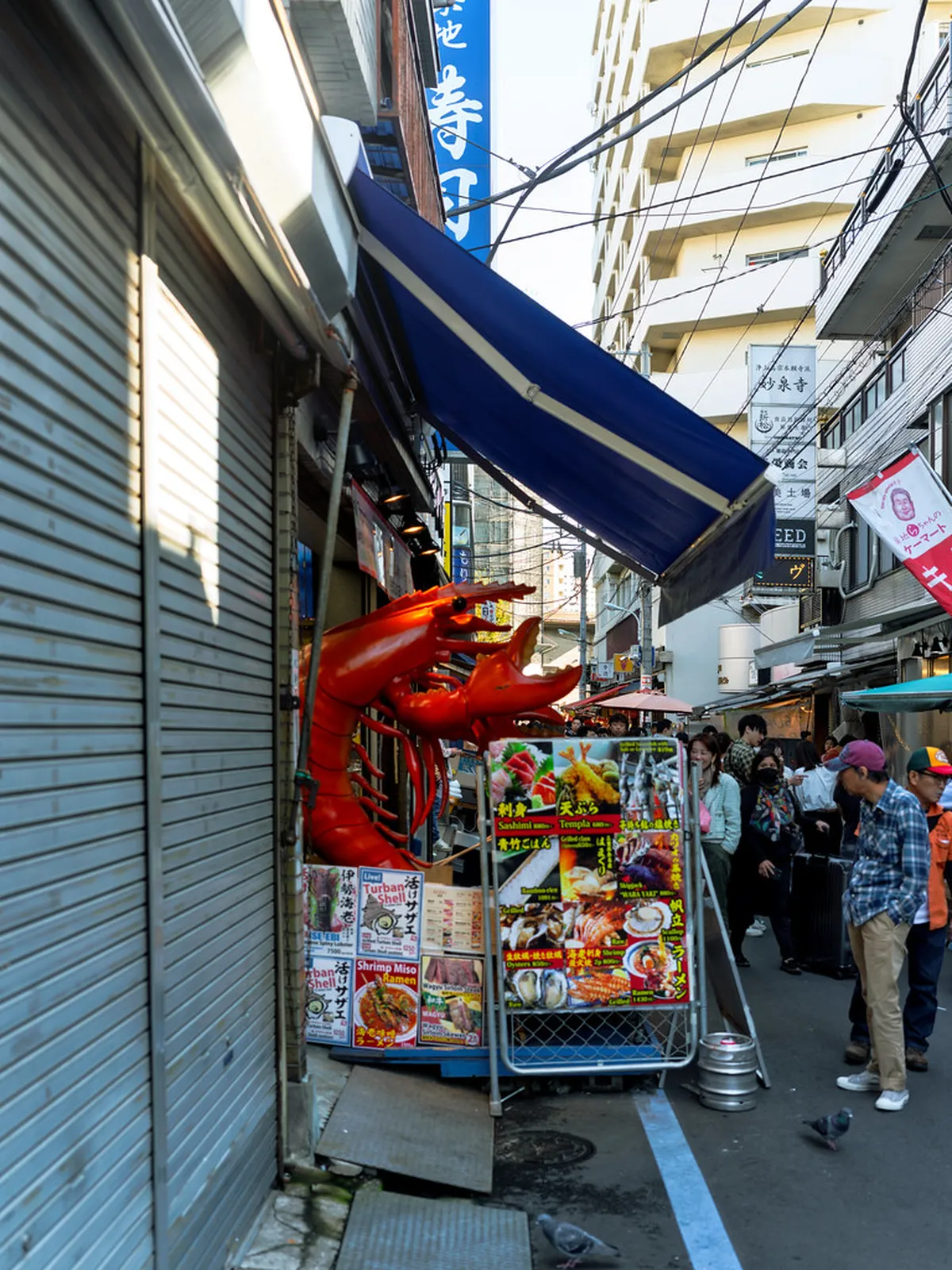
Tsukiji Outer Market is a free-to-enter retail food district in Chuo-ku packed with seafood stalls, sushi counters, and kitchenware shops.
Visitor guide →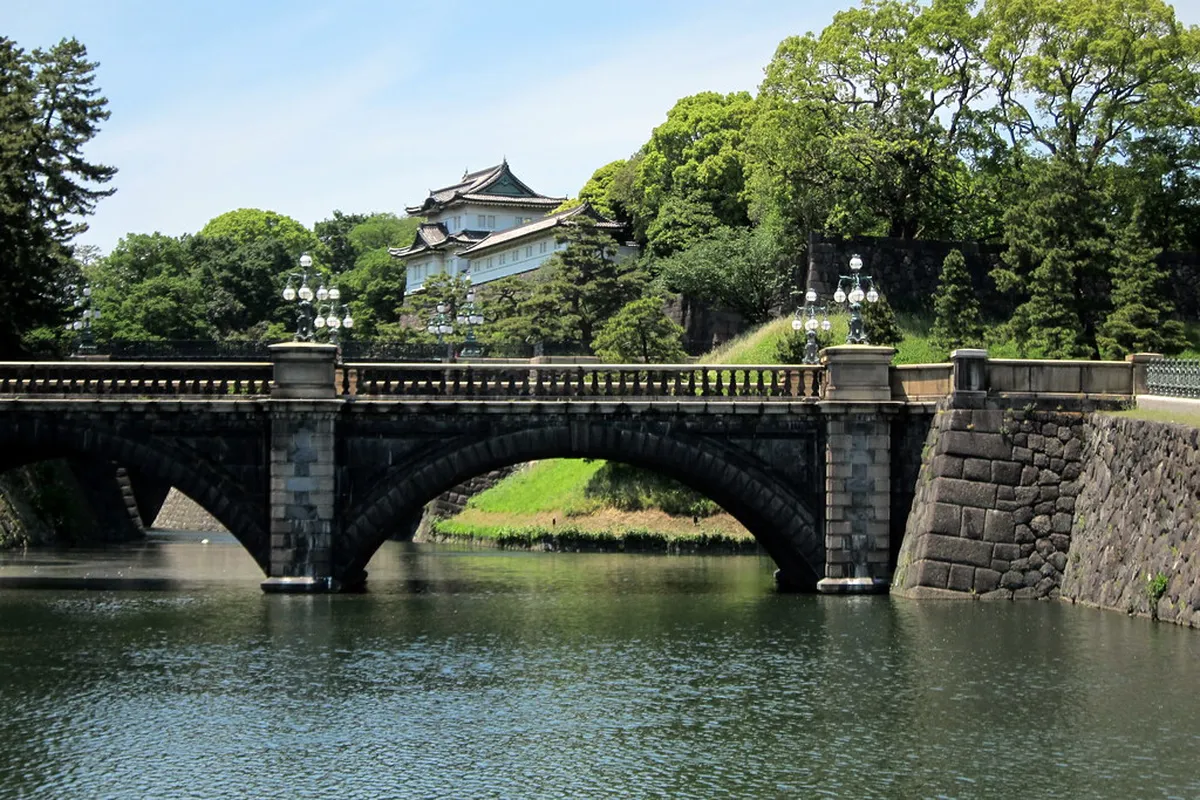
Tokyo Imperial Palace is the free-to-visit primary residence of Japan's emperor on historic Edo Castle grounds.
Visitor guide →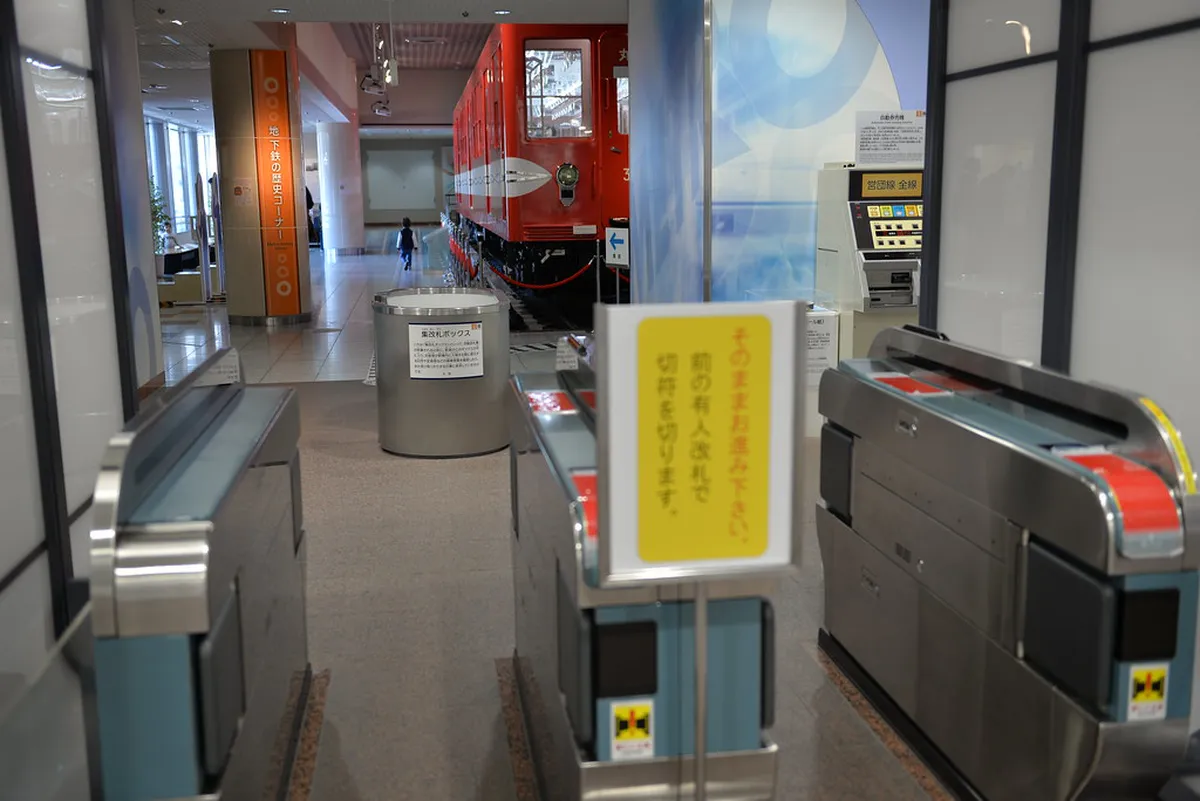
Tokyo's flagship luxury shopping and dining district, anchored by Chuo-dori and Ginza 4-chome Crossing.
Visitor guide →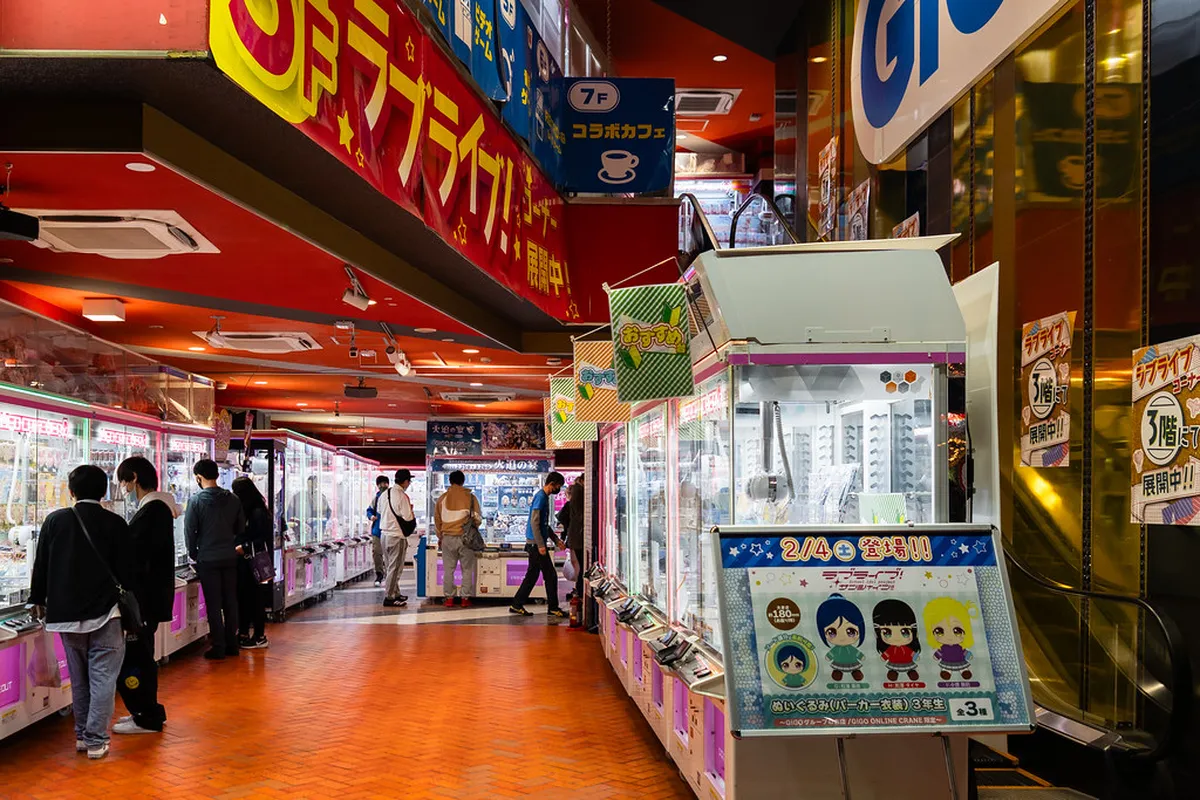
Tokyo's anime, manga, gaming, and electronics district in Chiyoda.
Visitor guide →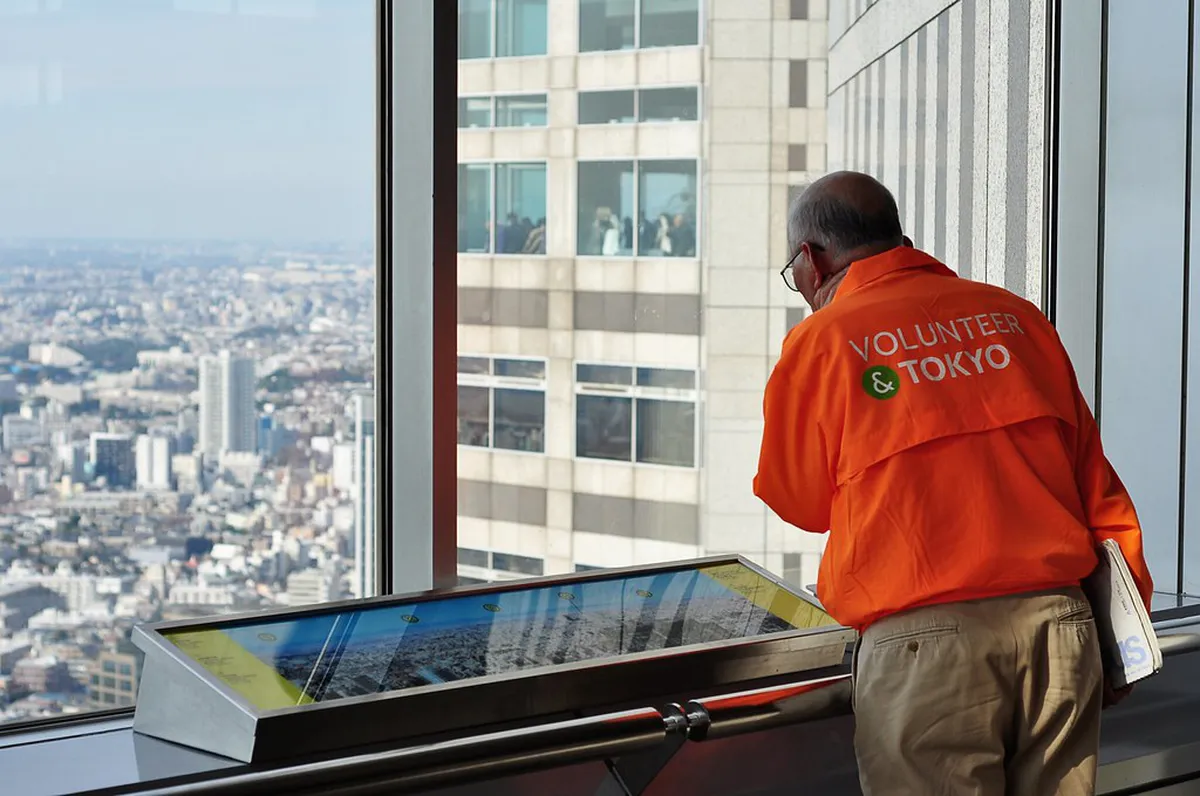
Iconic 333-metre red-lattice observation tower in Minato with Main Deck (150m) and Top Deck (250m) viewing platforms.
Visitor guide →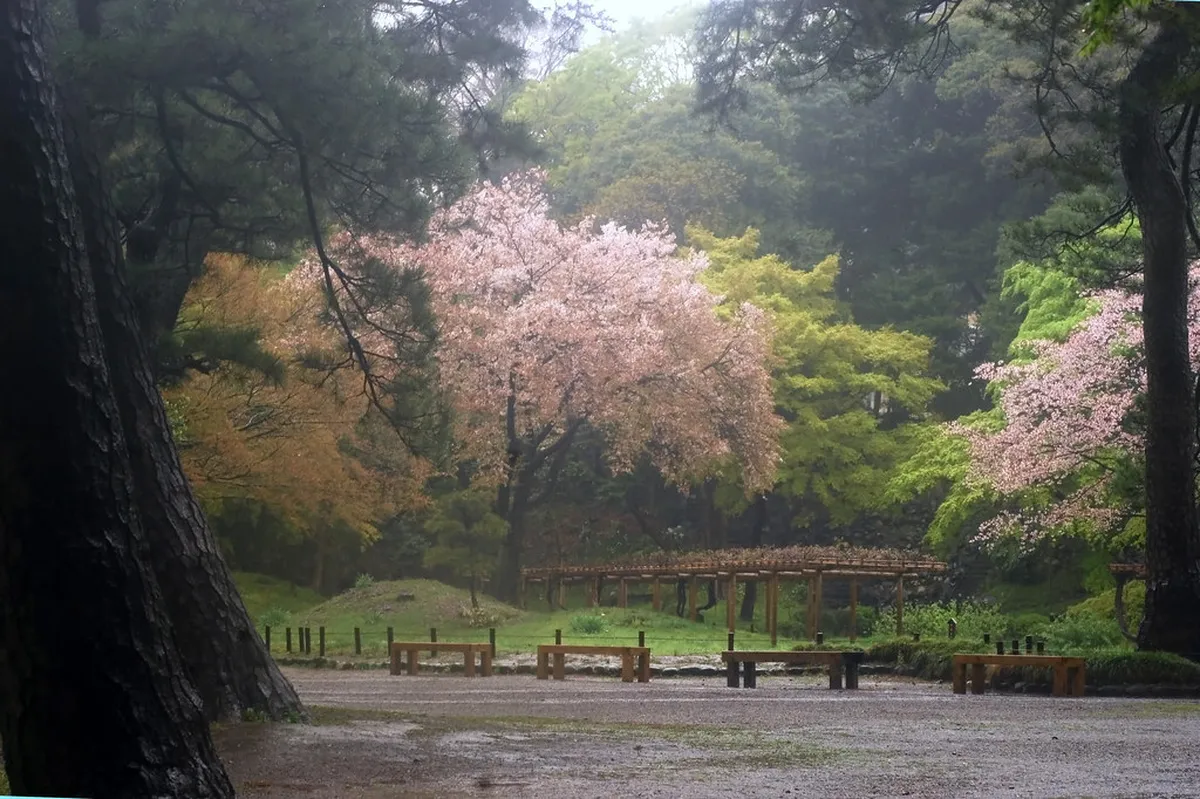
Upscale Minato district anchored by Roppongi Hills, Mori Art Museum, and Tokyo City View observation deck.
Visitor guide →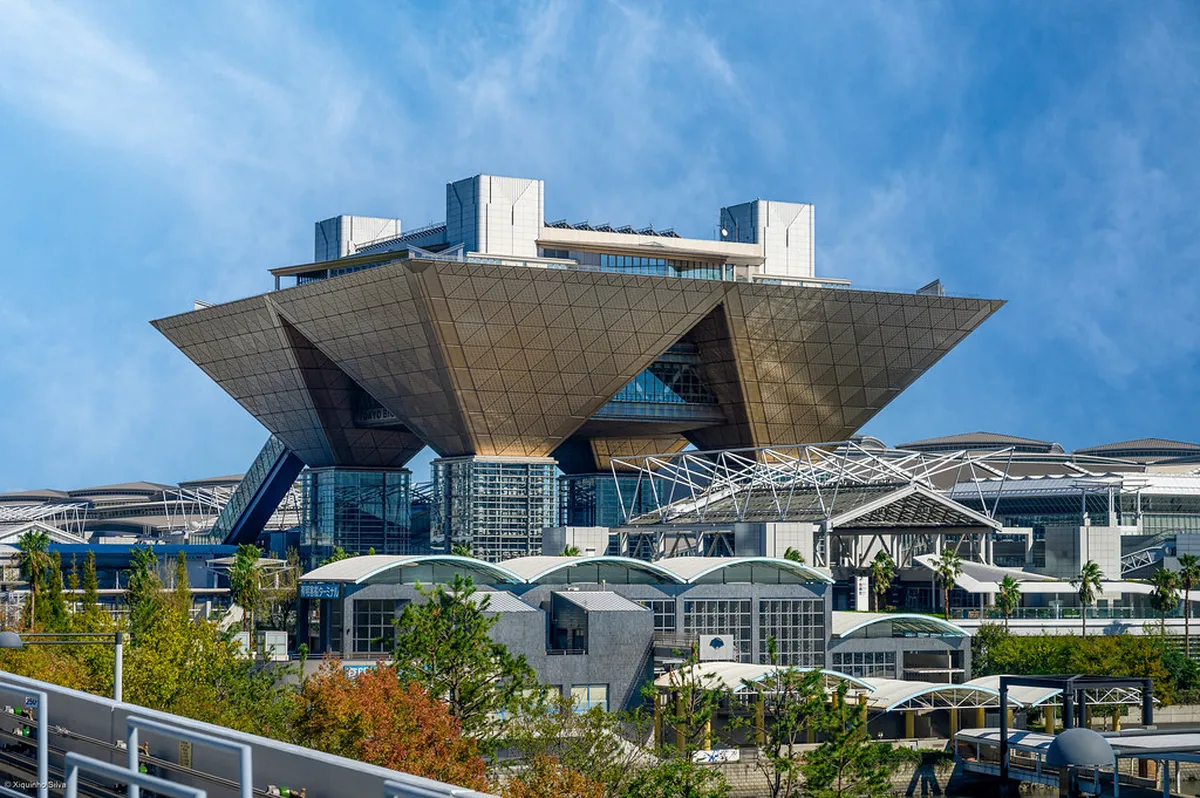
Man-made island in Tokyo Bay with waterfront parks, shopping malls, and Rainbow Bridge views.
Visitor guide →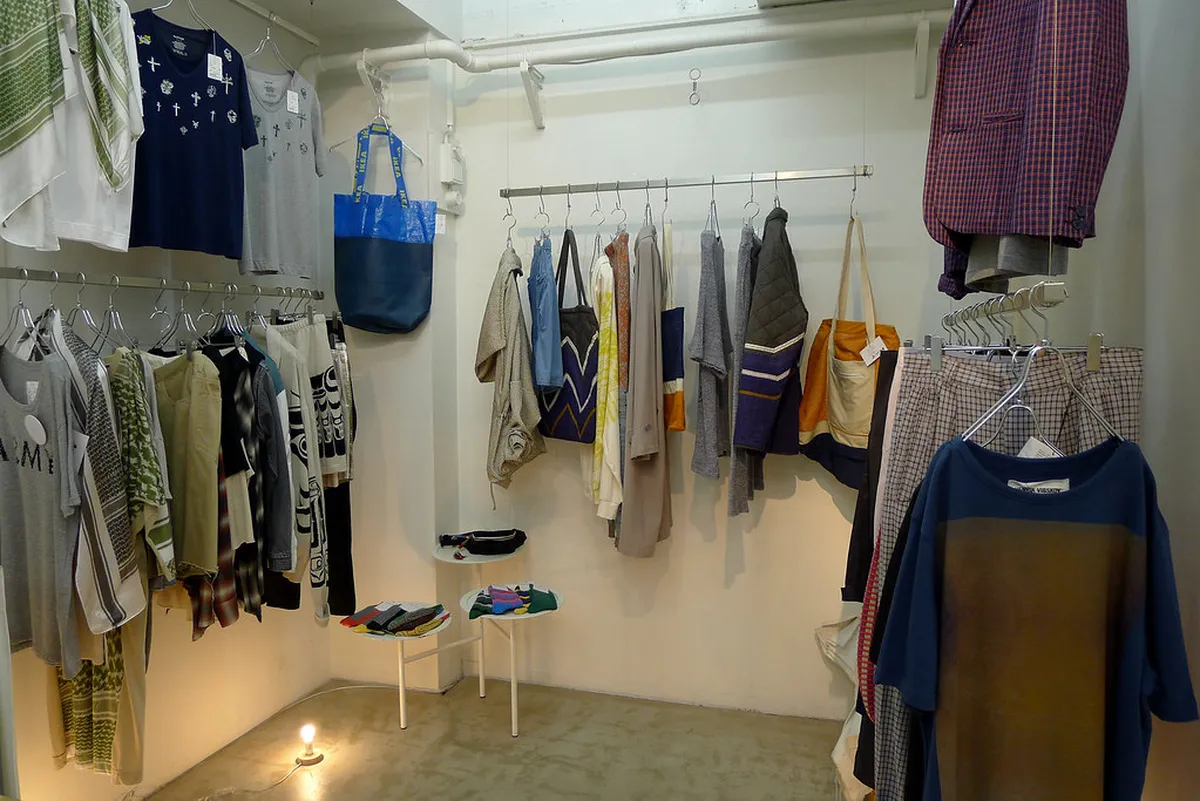
Tokyo's youth-fashion and street-culture district centered on Takeshita Street.
Visitor guide →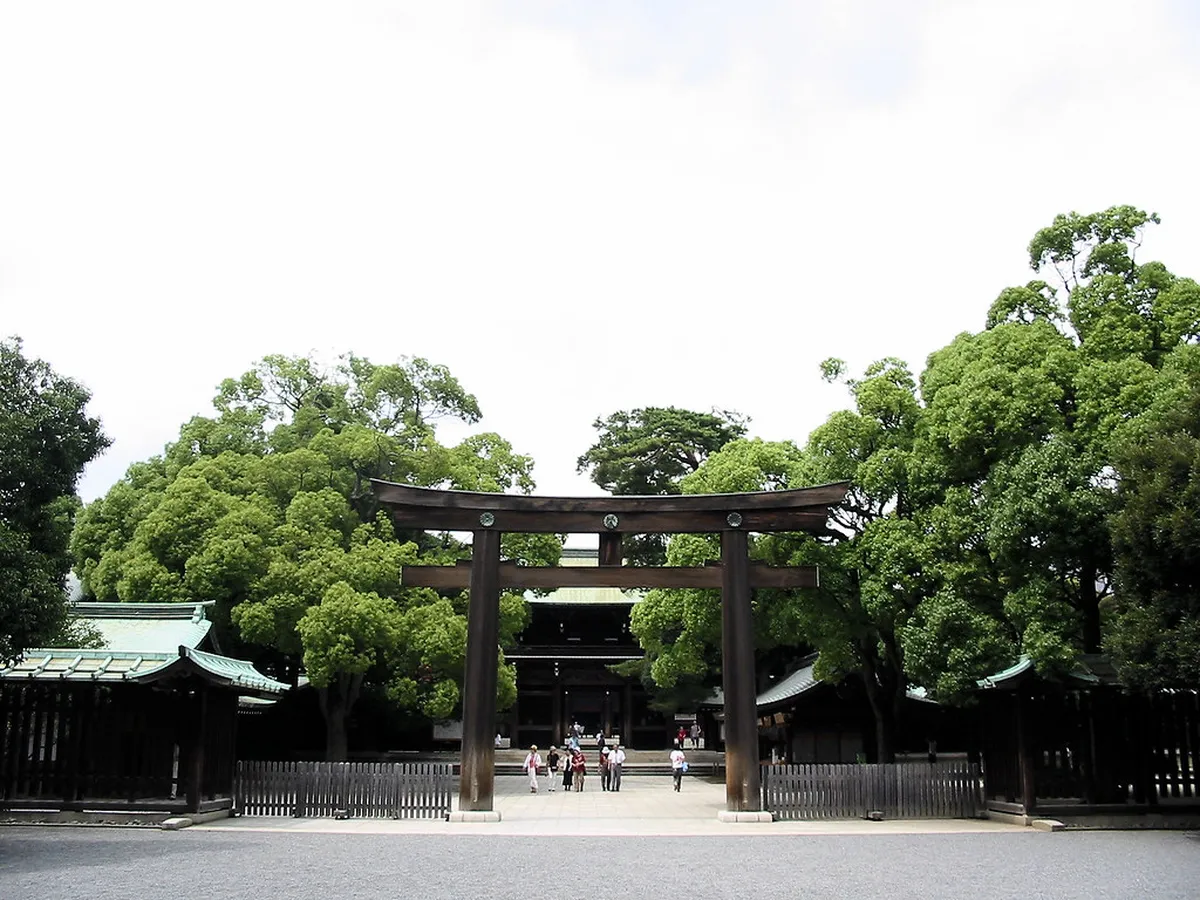
Tokyo's most important Shinto shrine, dedicated to Emperor Meiji and set in a 70-hectare forest beside Harajuku.
Visitor guide →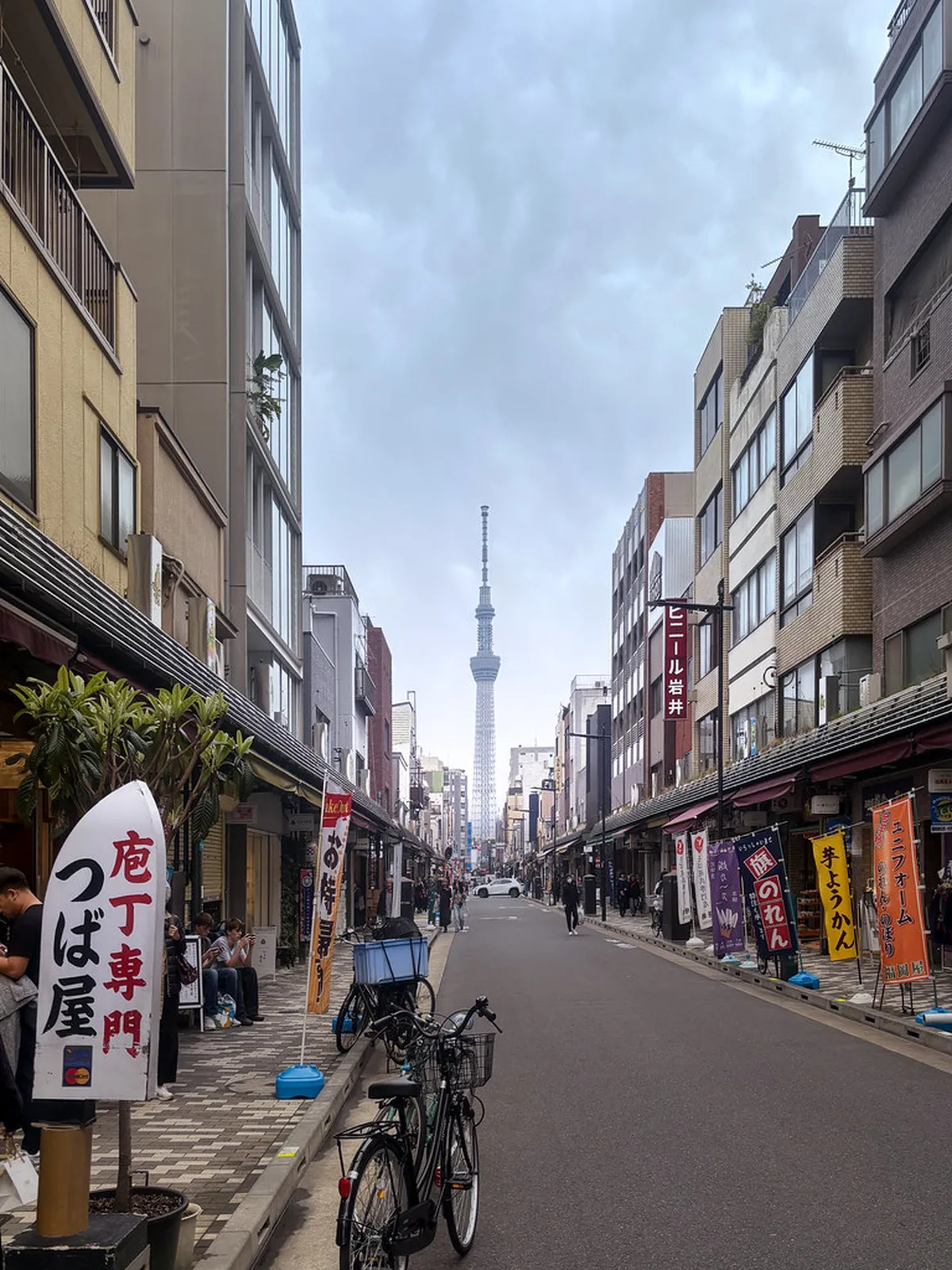
Tokyo's best-preserved Shitamachi old-town district centered on the retro Yanaka Ginza shopping street.
Visitor guide →These guides cover high-demand attractions and deeper neighborhood experiences. Pick the ones that fit your interests and place them beside the core sight in the same part of the city.
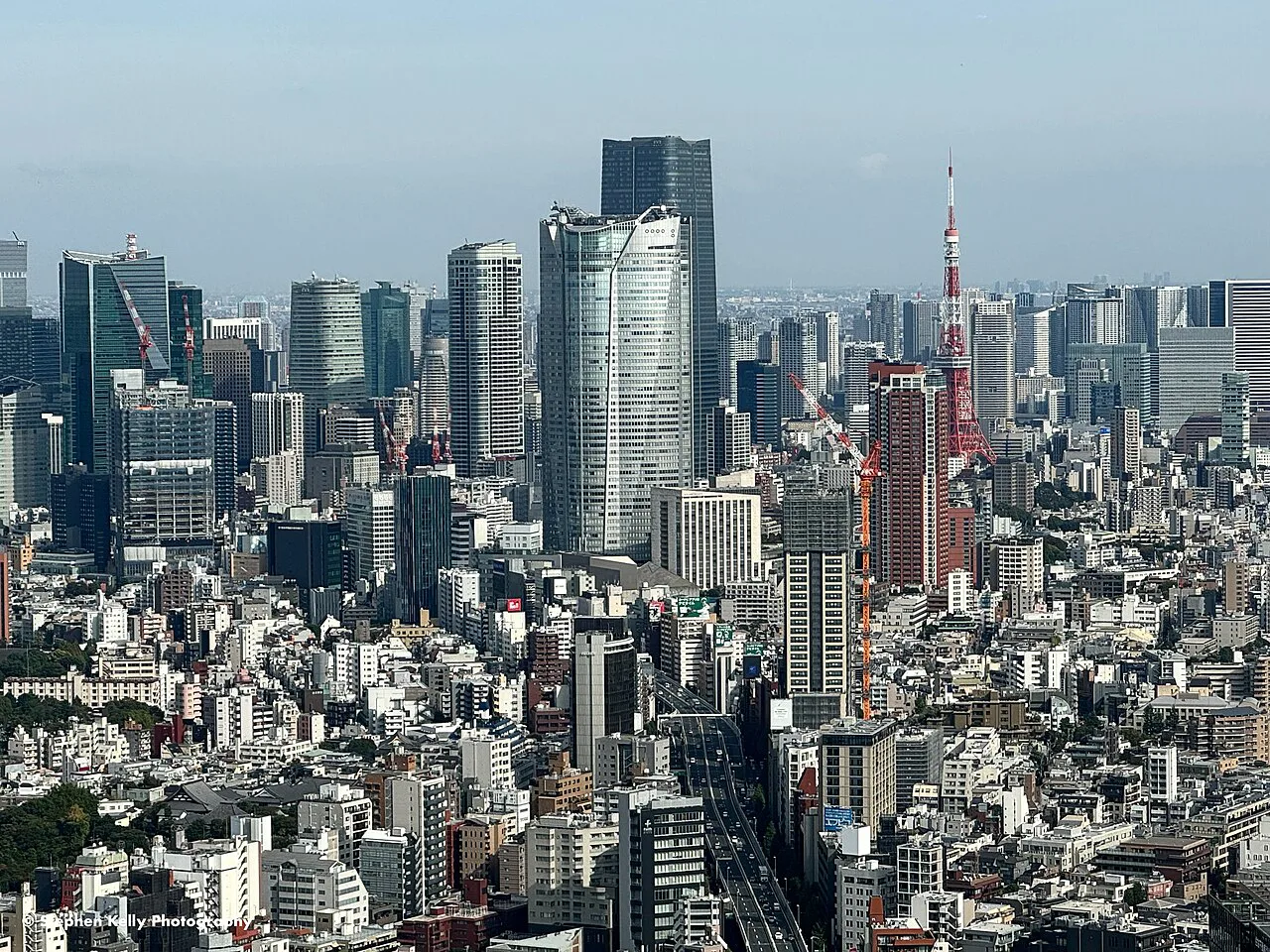
An open-air 229-metre observation deck directly above Shibuya Crossing, with timed sunset tickets.
Visitor guide →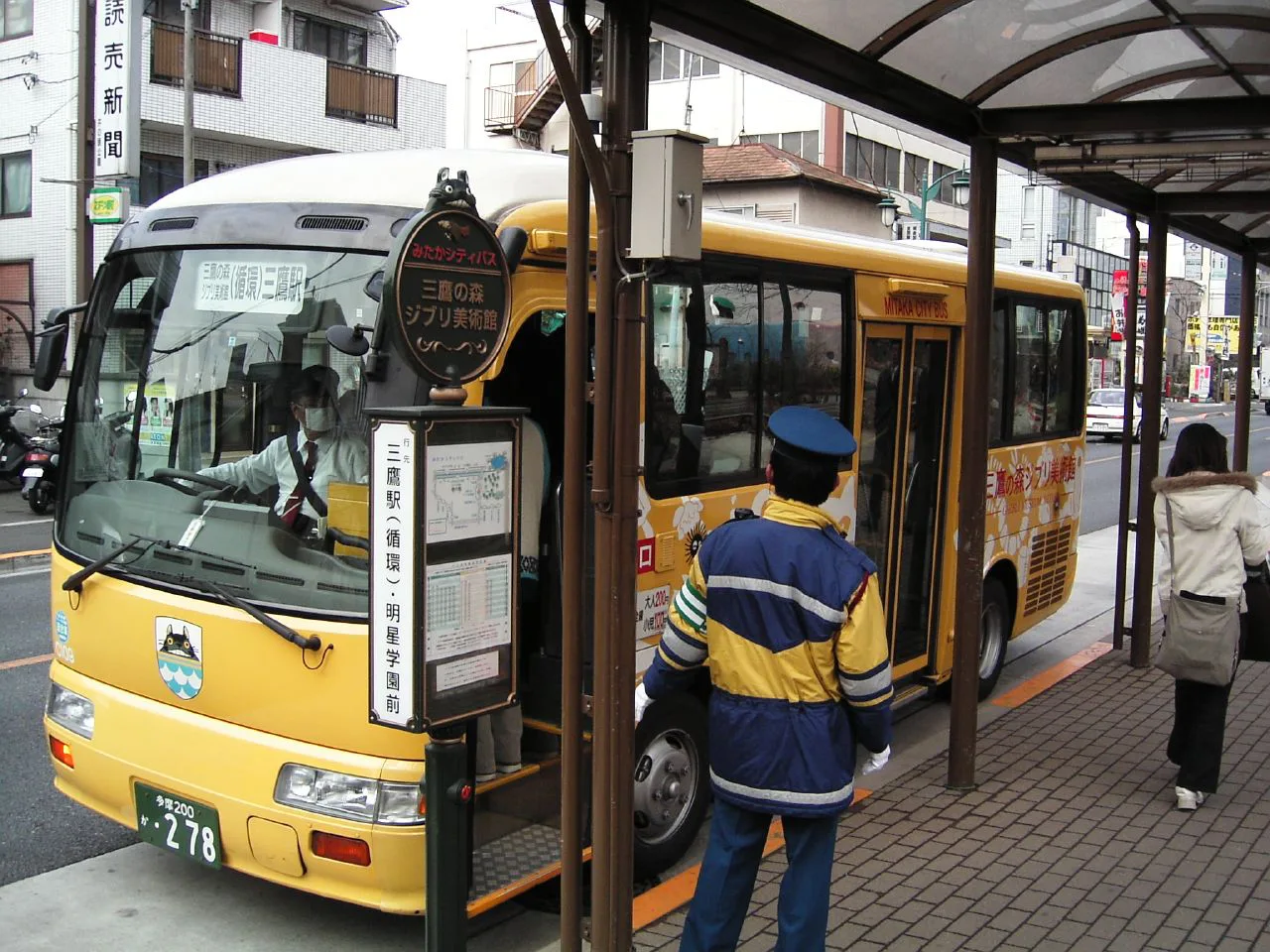
A timed-entry museum in Mitaka devoted to Studio Ghibli animation, design, and short films.
Visitor guide →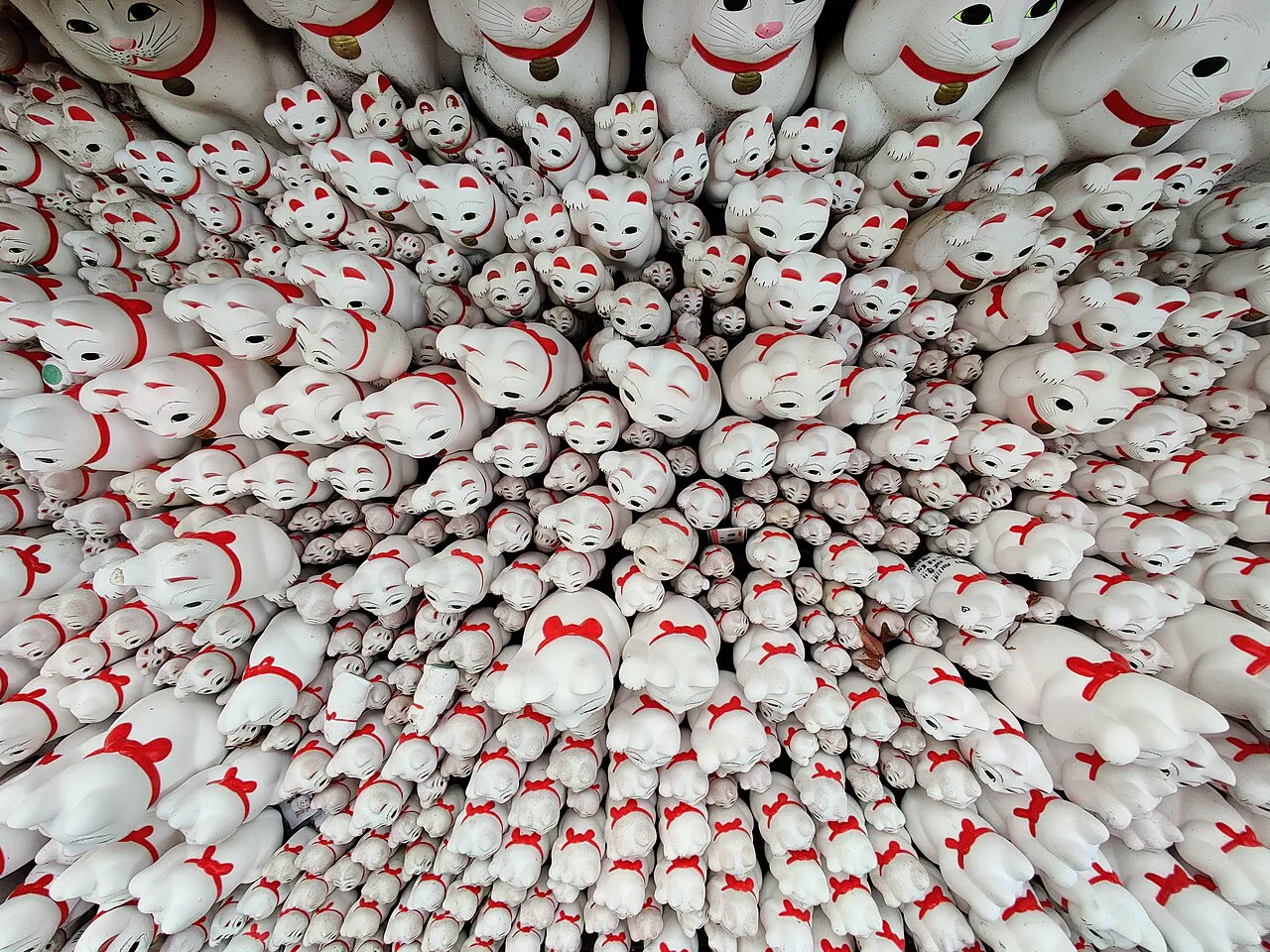
A Setagaya temple associated with rows of maneki-neko lucky-cat figures and a calm residential walk.
Visitor guide →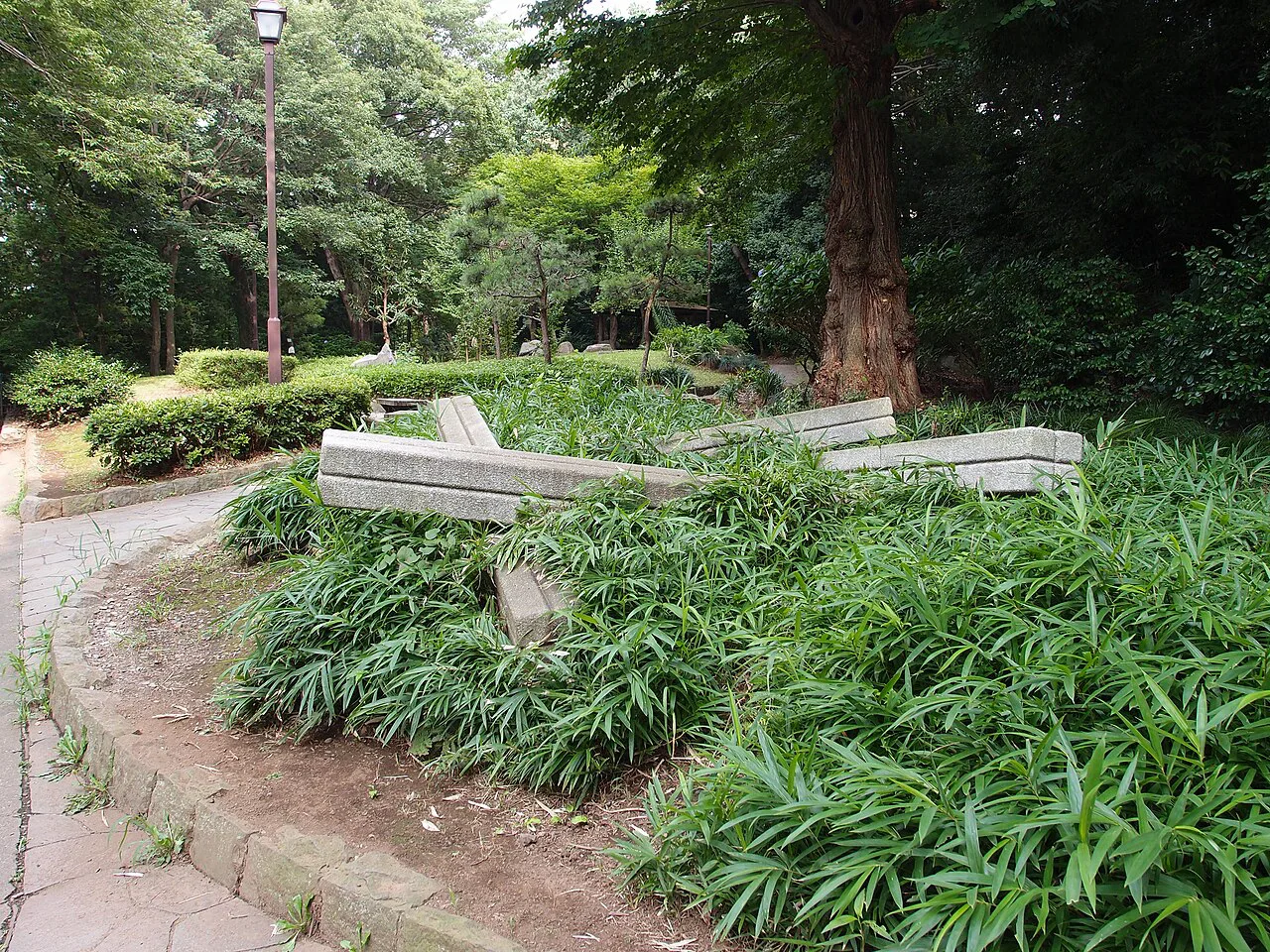
Inokashira Park, Harmonica Yokocho, independent shopping, and easy access to the Ghibli Museum.
Area guide →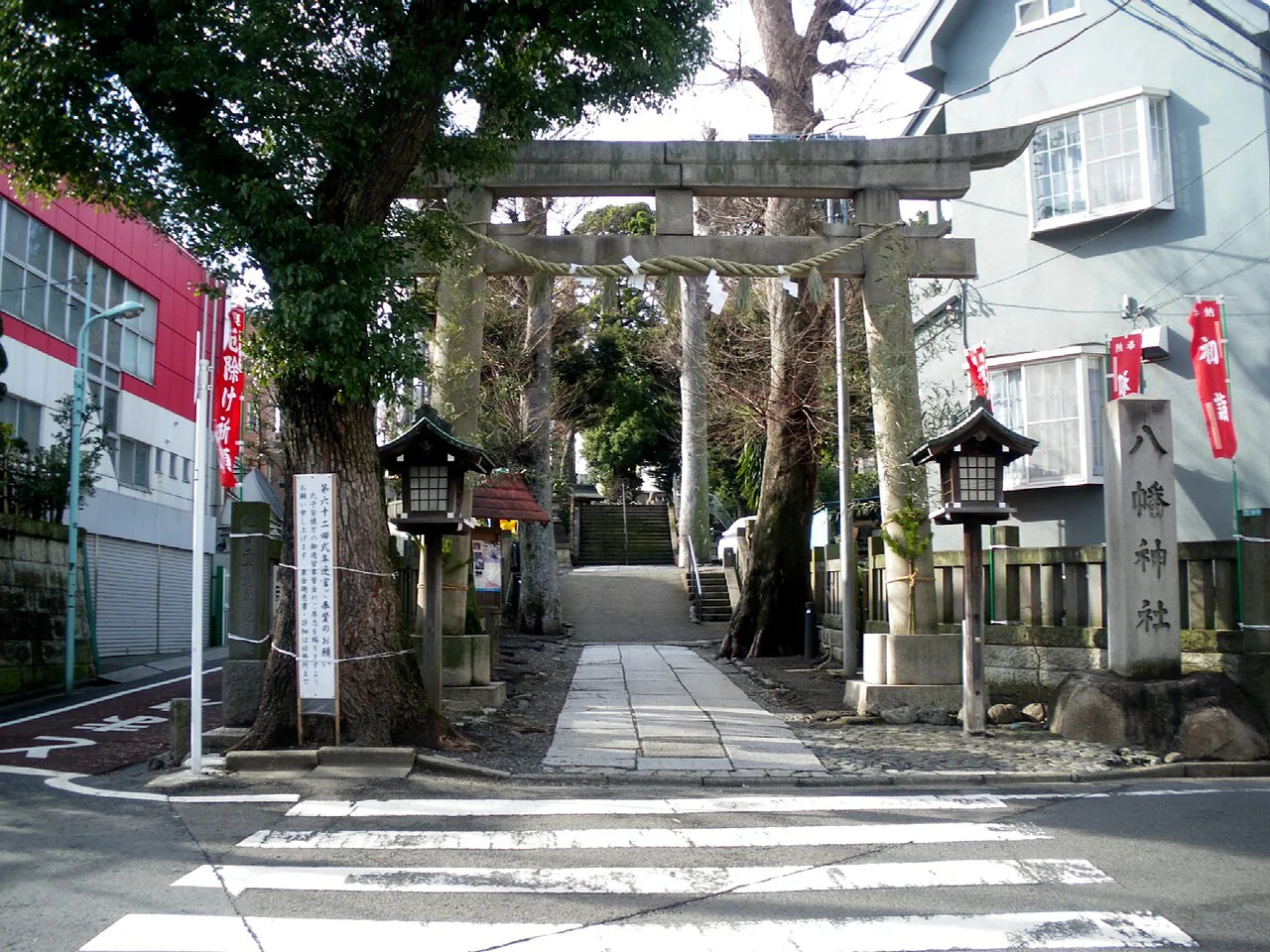
A canal-side neighborhood known for cherry blossoms, cafés, design shops, and relaxed evenings.
Area guide →
A multi-floor destination for rare manga, anime, watches, collectibles, and specialist shops.
Visitor guide →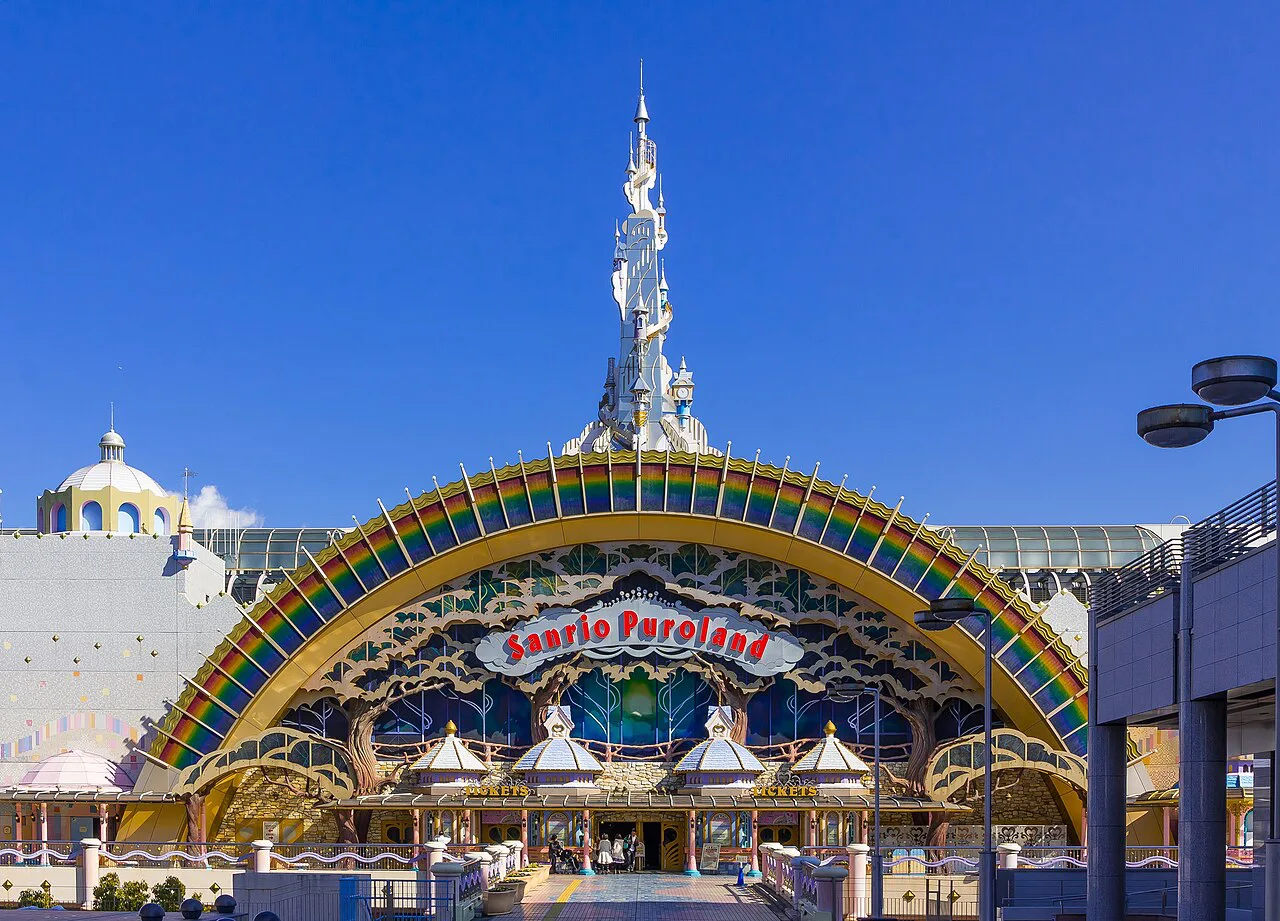
An indoor character park in Tama with Hello Kitty shows, themed spaces, rides, and family facilities.
Visitor guide →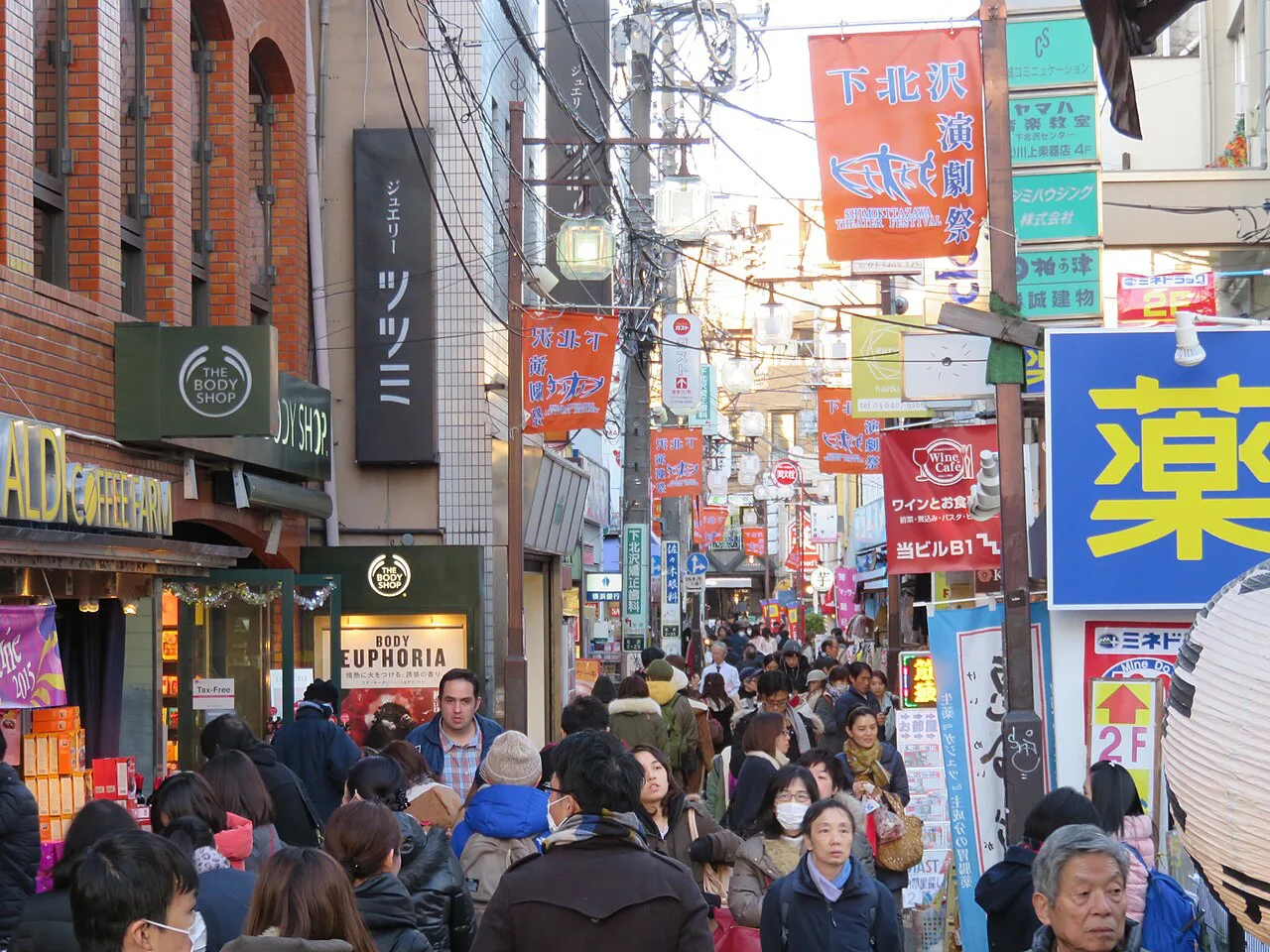
Tokyo's compact hub for vintage clothing, live music, curry, coffee, and pedestrian-scale streets.
Area guide →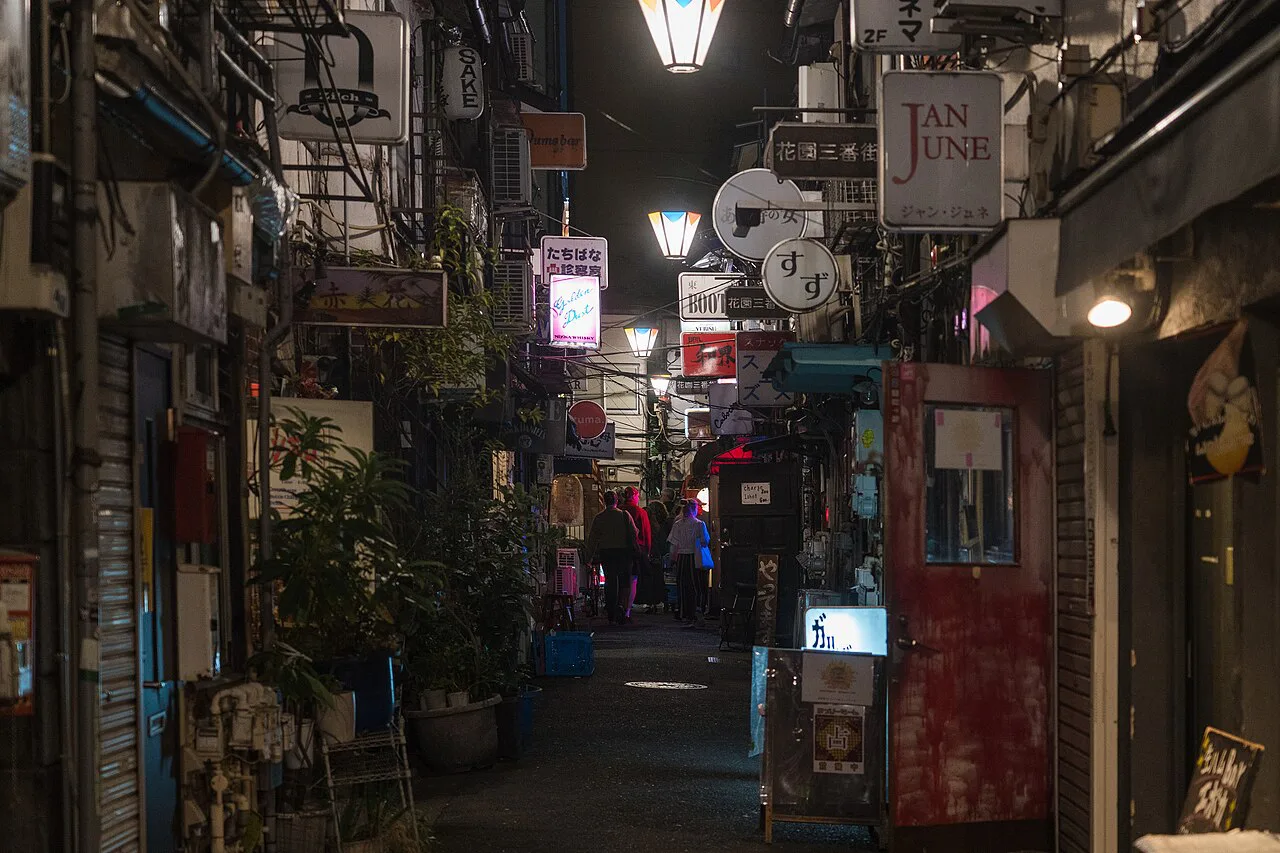
Six alleys of tiny bars with cover-charge etiquette and one of Tokyo's most distinctive night scenes.
Nightlife guide →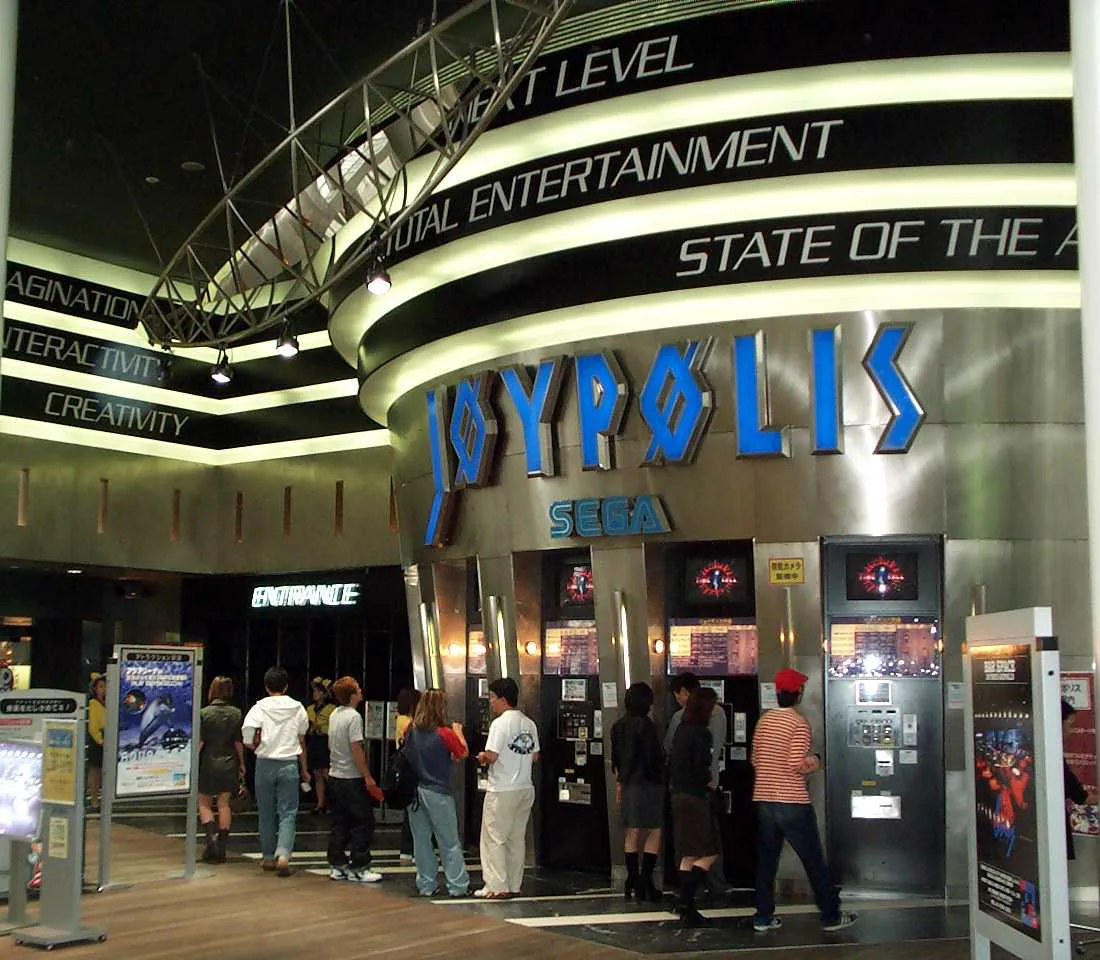
An indoor Sega amusement venue in Odaiba combining rides, arcade systems, and digital attractions.
Visitor guide →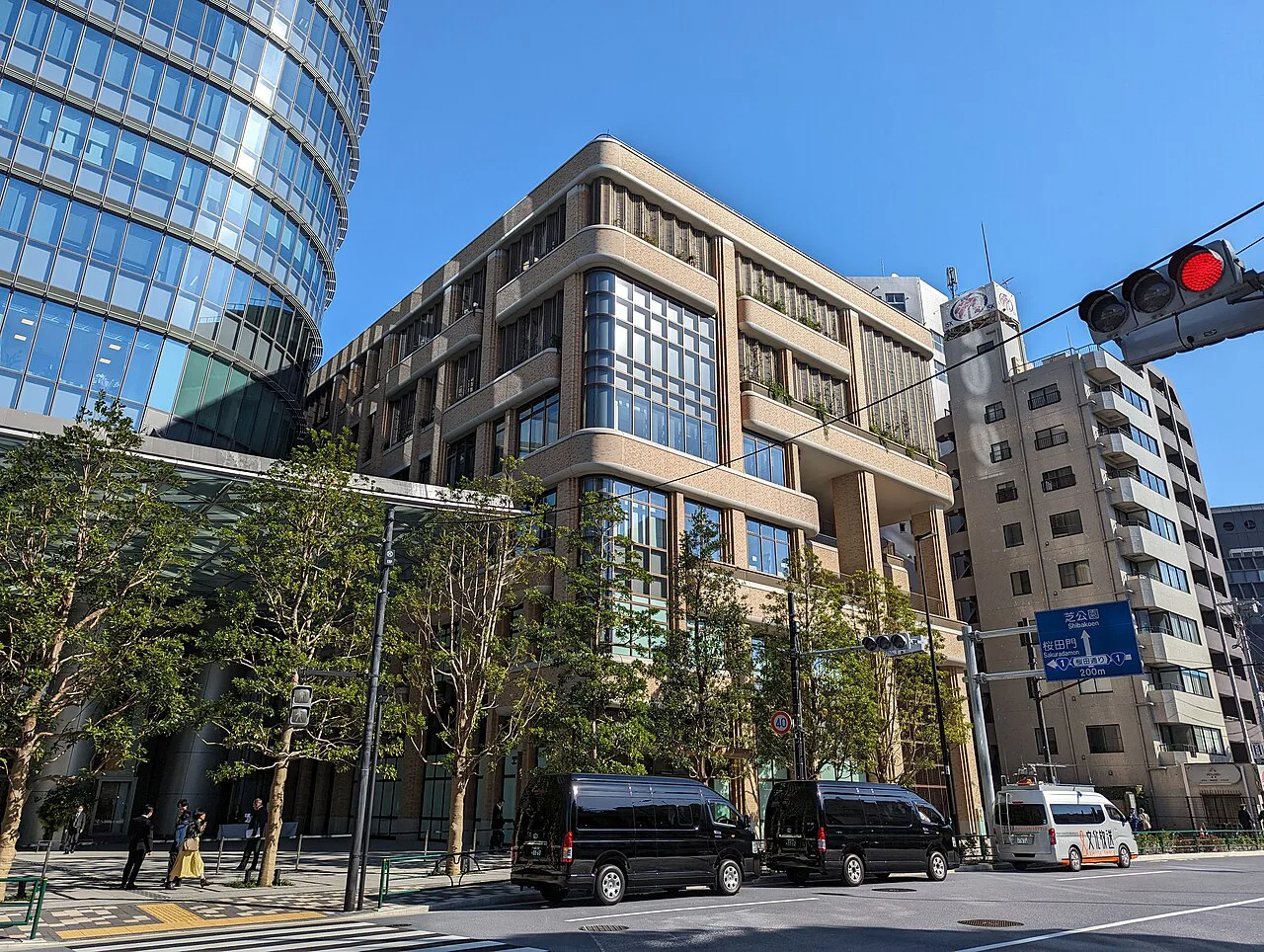
A mapless digital-art museum beneath Azabudai Hills with interconnected, moving artworks.
Visitor guide →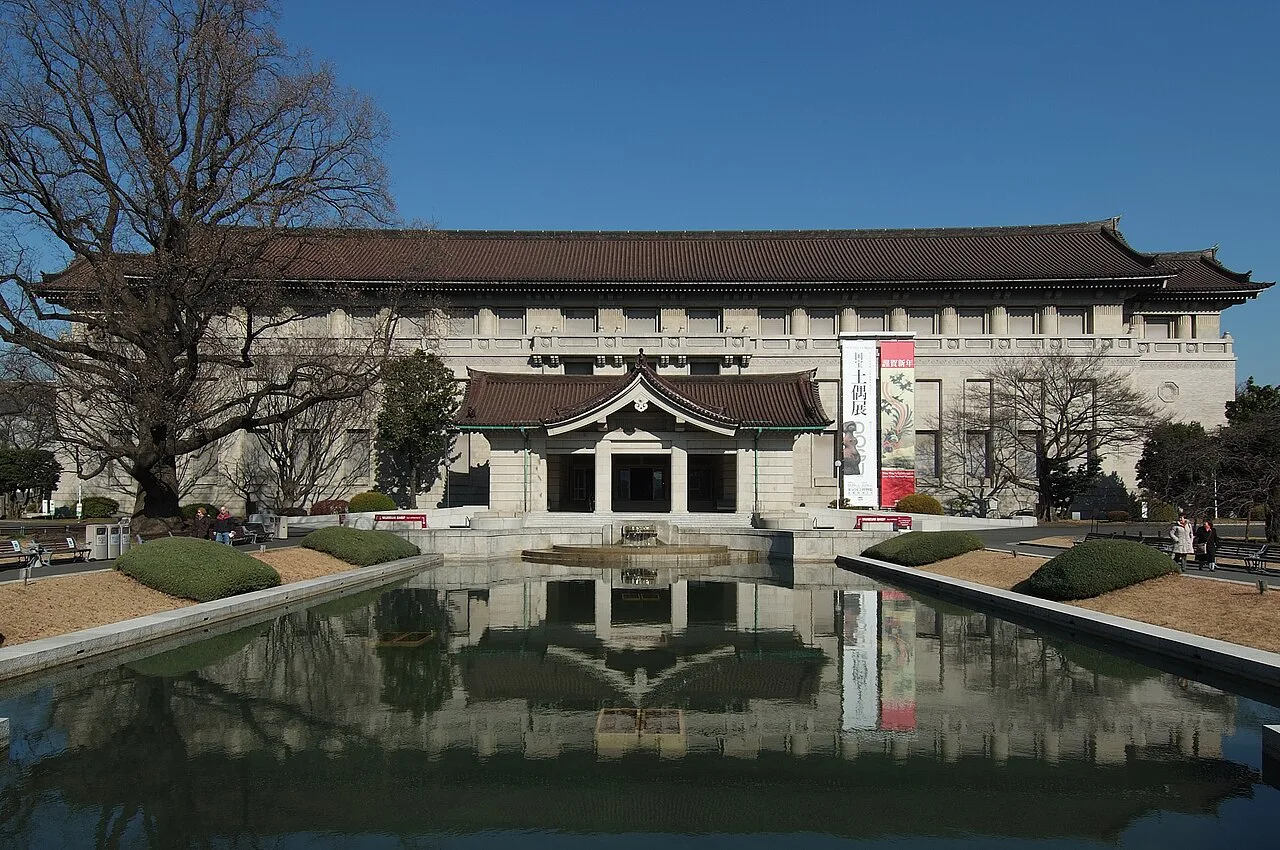
Japan's essential collection of Japanese art, archaeology, samurai objects, and Asian cultural material.
Visitor guide →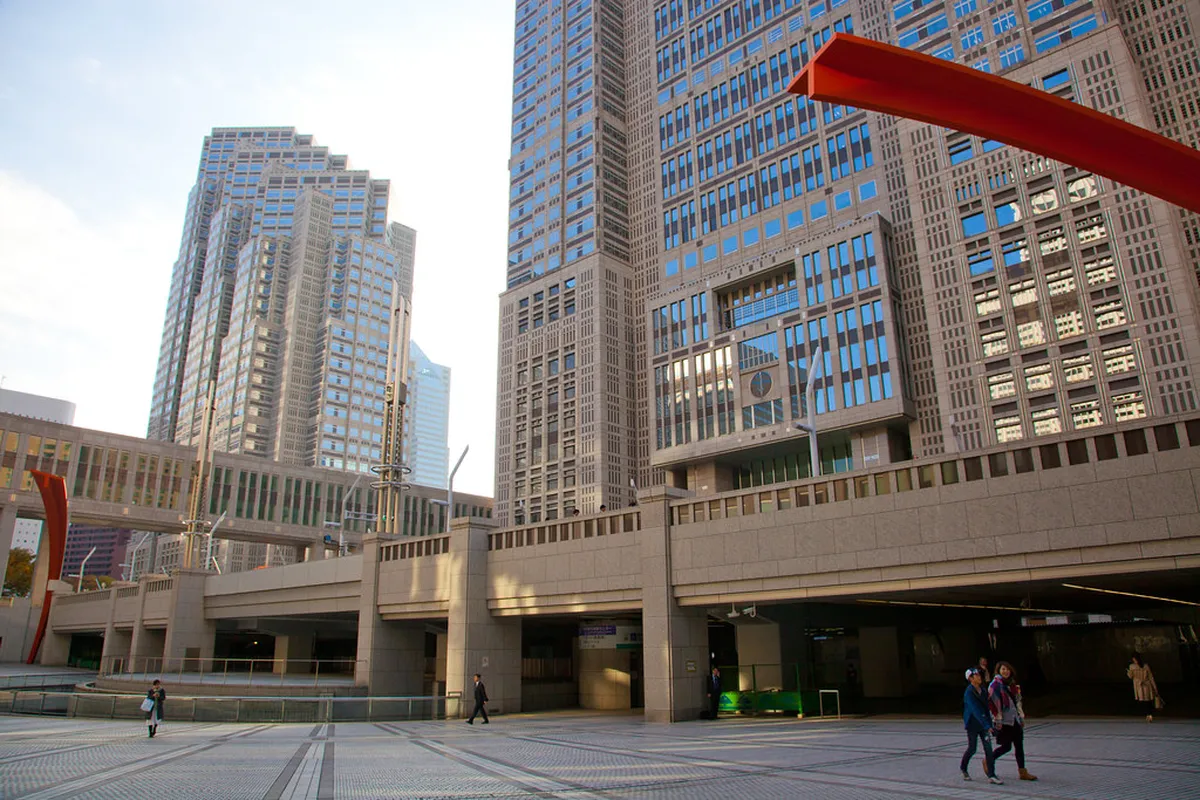
Free 45th-floor observatories over Shinjuku, strongest for clear winter mornings and sunset.
Visitor guide →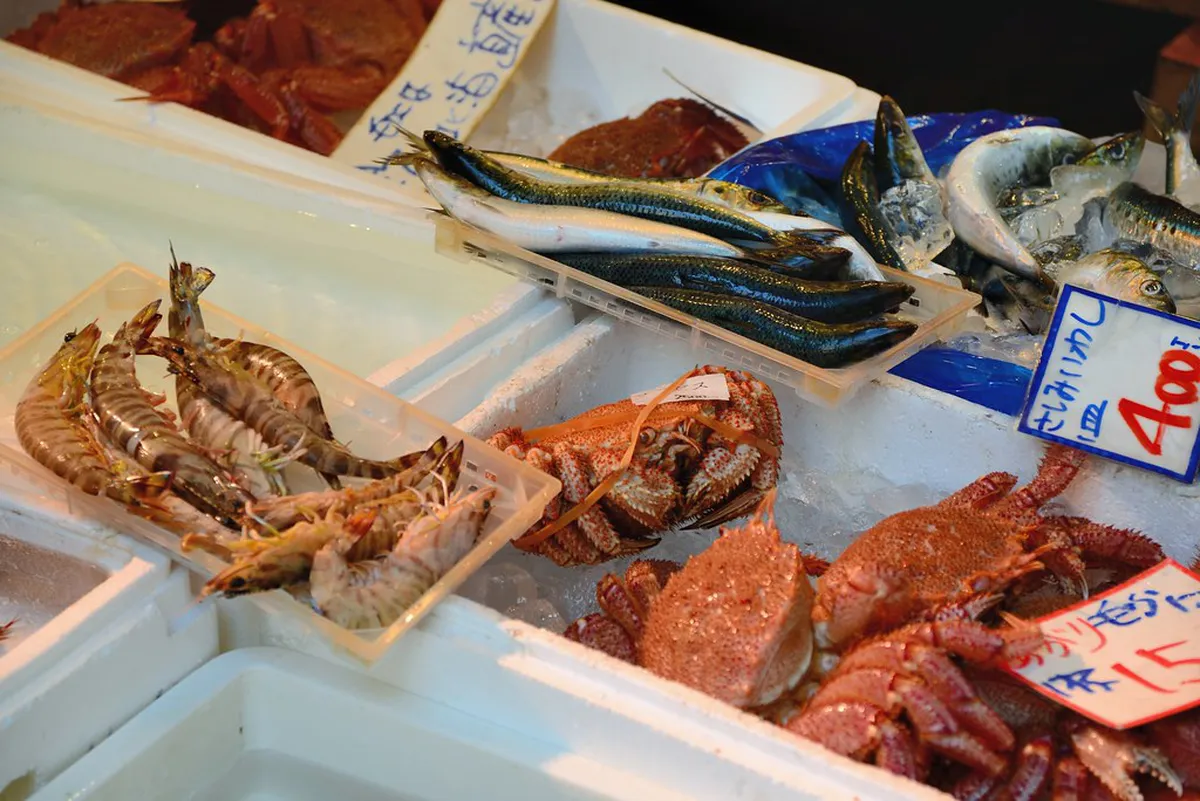
Tokyo's working wholesale fish market with tuna-auction observation, sushi, and market shops.
Visitor guide →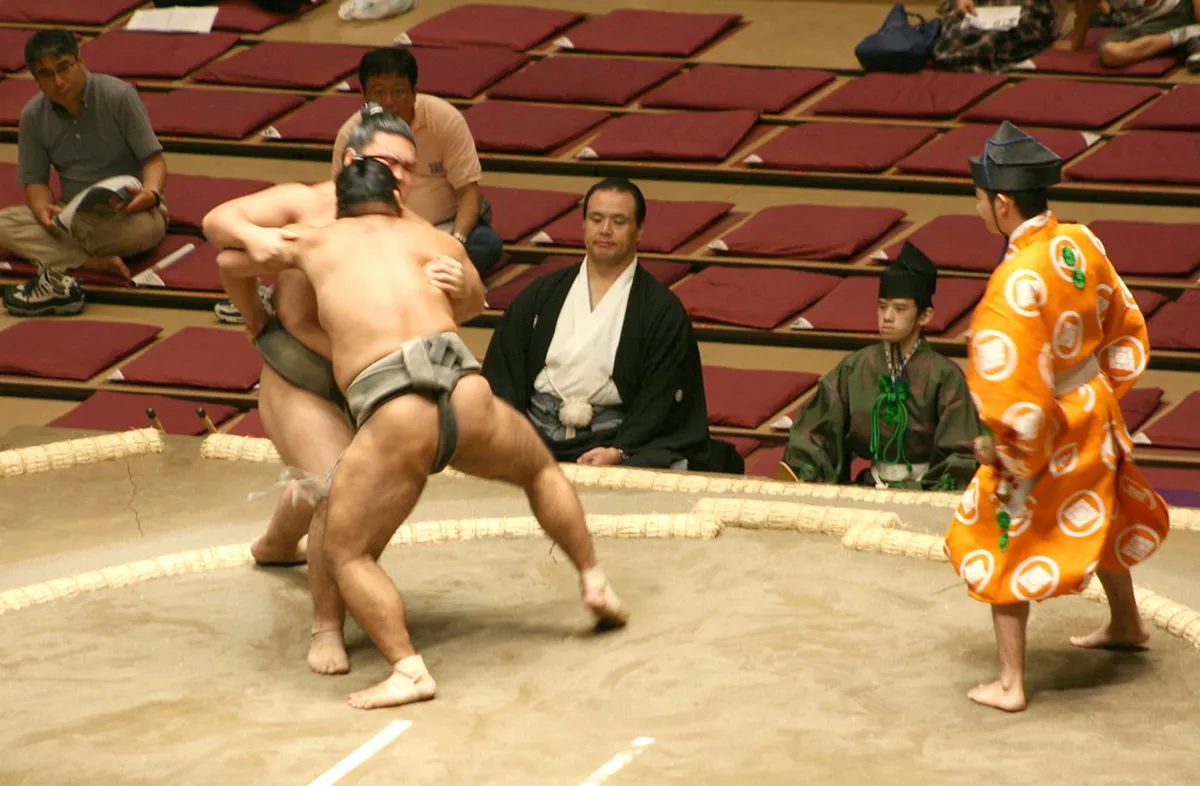
Kokugikan, chanko restaurants, sumo culture, and the reopened Edo-Tokyo Museum.
Area guide →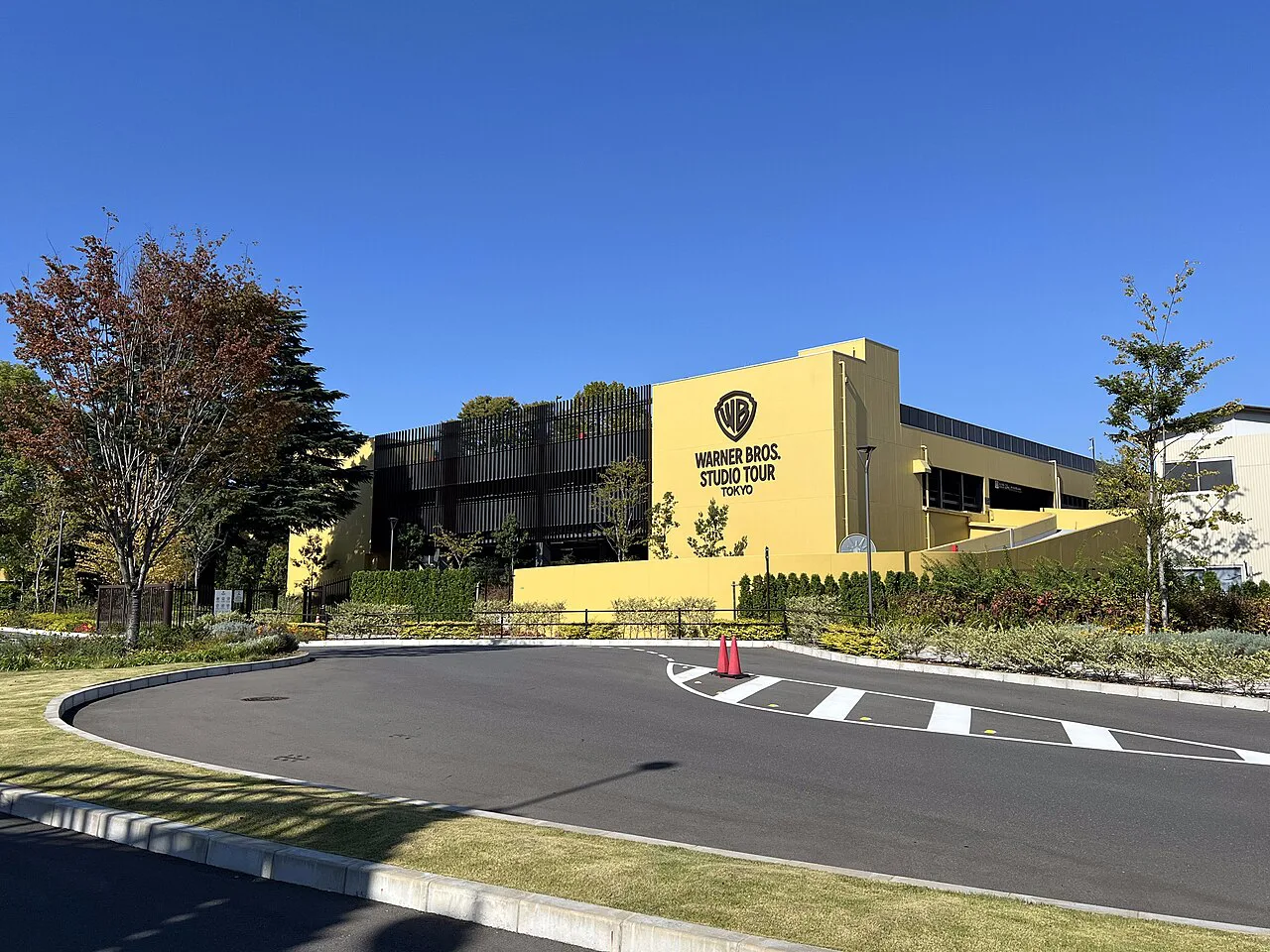
A half-day filmmaking exhibition with Harry Potter sets, props, costumes, effects, and models.
Visitor guide →Tokyo is too big to do randomly — pulling a 30-minute subway ride between sights twice in a day wastes a half-hour of pure transit. The fastest first-timer's strategy is to cluster two or three attractions per neighborhood per day. Here is where the core sights sit, with the additional guides folded into their nearest practical area.
If you're optimizing by interest rather than geography, use these groups to select from all 32 guides.
The Tokyo Subway Ticket costs ¥1,000/24-hour, ¥1,500/48-hour, or ¥2,000/72-hour and covers all Tokyo Metro and Toei Subway lines. The 24-hour version generally needs at least six eligible rides to beat pay-as-you-go fares; JR and private lines are excluded.
One of Tokyo's underrated wins: 12 of the core 16 attractions have free base admission or public areas. A first-timer can hit many of the city's most photogenic sights on a near-zero attraction budget.
The subway ticket becomes useful on transit-heavy days, but compare eligible Metro and Toei rides before buying because JR, Yurikamome, Seibu, and other private routes are excluded. For museum-heavy trips, the Tokyo Museum Grutto Pass 2026 costs ¥2,500 and supplies admission or discounts at 107 participating facilities for two months after first use.
Treat these as the minimum-viable routes — each adds the next layer of depth rather than swapping sights.
Tokyo runs on three overlapping rail networks: Tokyo Metro (9 lines, private), Toei Subway (4 lines, city-run), and JR East (the Yamanote loop and other surface lines). The Yamanote line is the tourist's best friend — a 34.5-km circle that stops at Shibuya, Harajuku, Shinjuku, Ueno, Akihabara, Tokyo Station, and back, with a train every 2-4 minutes.
Tokyo has four distinct seasons and your experience at every attraction shifts dramatically with the calendar.
Avoid Golden Week (April 29 – May 5) and Obon (mid-August) — domestic travel surges, every attraction hits peak capacity, and hotel prices double. Also avoid New Year (Dec 29 – Jan 3) when many museums close.
| Attraction | Entry fee (2026) | Neighborhood |
|---|---|---|
| Senso-ji Temple | Free | Asakusa |
| Meiji Shrine (outer grounds) | Free | Harajuku |
| Shibuya Crossing | Free | Shibuya |
| Tokyo Metropolitan Government observatory | Free | Shinjuku |
| Tokyo National Museum collection | ¥1,000 | Ueno |
| Shinjuku Gyoen | ¥500 | Shinjuku |
| Tokyo Skytree (350m deck) | From ¥1,800 | Sumida |
| Tokyo Tower (Main Deck) | From ¥1,500 | Minato |
| teamLab Planets | From ¥3,600 | Toyosu |
| teamLab Borderless | From ¥3,600 | Azabudai |
Tokyo has a reputation as expensive that doesn't really hold up for sightseeing — accommodation and bullet trains drive the budget, not attractions.
For trip-wide planning beyond individual sights, continue with our complete Tokyo attractions guide.
Five days is the consensus sweet spot for first-time visitors. Three days covers the marquee sights (Senso-ji, Shibuya, Imperial Palace, Tokyo Skytree, Meiji Shrine) but is rushed. Five days adds room for Yanaka, Tsukiji breakfast, a teamLab Planets visit, and one neighborhood you fall in love with on Day 2. Seven days lets you add a Kamakura or Nikko day trip.
Senso-ji Temple in Asakusa is the single most-visited attraction in Tokyo — roughly 30 million annual visitors — and it captures both the historical and atmospheric side of the city in one stop. It's free, open 24/7 for the grounds, and the Nakamise shopping street leading to the Kaminarimon gate is photogenic from dawn. If you only see one Tokyo attraction, this is it.
Twelve of the core 16 attractions have free base admission or public areas, including temples, major parks, Shibuya Crossing, Tsukiji Outer Market, and the Imperial Palace East Gardens. The four that require a ticket are Shinjuku Gyoen, teamLab Planets, Tokyo Skytree's decks, and Tokyo Tower's decks. Additional museums and character attractions vary, so check each linked guide.
Three attractions require or strongly reward advance booking: teamLab Planets TOKYO DMM (sells out 1-2 weeks ahead in peak season, online only), Tokyo Skytree (pre-booked timed slots skip the ticket-window queue and cost the same), and Shinjuku Gyoen during cherry blossom season (now requires online reservations during peak sakura). Everything else accepts walk-ups — temples, shrines, parks, and district walks need no booking at all.
Late March to early April for cherry blossoms and mid-November for autumn foliage are the two peak windows — both are crowded and require booking hotels 4-6 months ahead. October and early November give the best balance of comfortable weather and lighter crowds. Winter (December–February) is underrated: cold but dry, with the year's best Mt Fuji visibility from observation decks. Avoid Golden Week (late April–early May) and Obon (mid-August).
Less expensive than many visitors expect, especially if you balance free districts, parks, temples, and viewpoints with one paid attraction per day. A practical daily sightseeing budget is roughly ¥1,500–¥4,000 for entry fees, ¥1,000–¥2,000 for transport or a subway ticket, and ¥3,000–¥5,000 for casual food. Premium character attractions and observation decks raise that total.
You can see the three photographic anchors — Senso-ji, Imperial Palace, and Shibuya Crossing — in a single day if you start at 8:00 AM and follow the east-to-west route in the 1-day itinerary above. You won't have time for paid attractions like teamLab Planets or Tokyo Skytree, and Meiji Shrine and Shinjuku Gyoen would have to wait. Realistically, plan three days for a non-rushed first visit.
Tokyo Metro, Toei Subway, JR, and private lines collectively cover the attractions on this guide. Use Suica or Pasmo for pay-as-you-go convenience, or a Tokyo Subway Ticket (¥1,000/24-hour) when you expect at least six Metro/Toei rides. Walking between clustered attractions such as Shibuya and Harajuku is often faster than transferring trains.
Once you know which attractions matter, use the focused planning guides below. They are grouped by decision so similar pages support rather than compete with one another.