Akihabara is the neon-lit heart of Tokyo's otaku culture, anime retail, and electronics shopping in 2026.
The district packs flagship manga stores, multi-floor arcades, themed maid cafes, and the seven-floor Yodobashi Camera Akiba into roughly six walkable blocks of Chiyoda Ward.
Most visitors arrive via JR Yamanote, Keihin-Tohoku, or Sobu lines and exit through Akihabara Station's Electric Town Exit, which faces Chuo-dori and Radio Kaikan.
Akihabara is a free public neighborhood — only arcades, maid cafes, and themed cafes charge admission — and it pairs well with the rest of Tokyo's central wards on a one-day loop. For more options, explore our things to do in Tokyo guide to round out your visit.
Must-See Akihabara Attractions
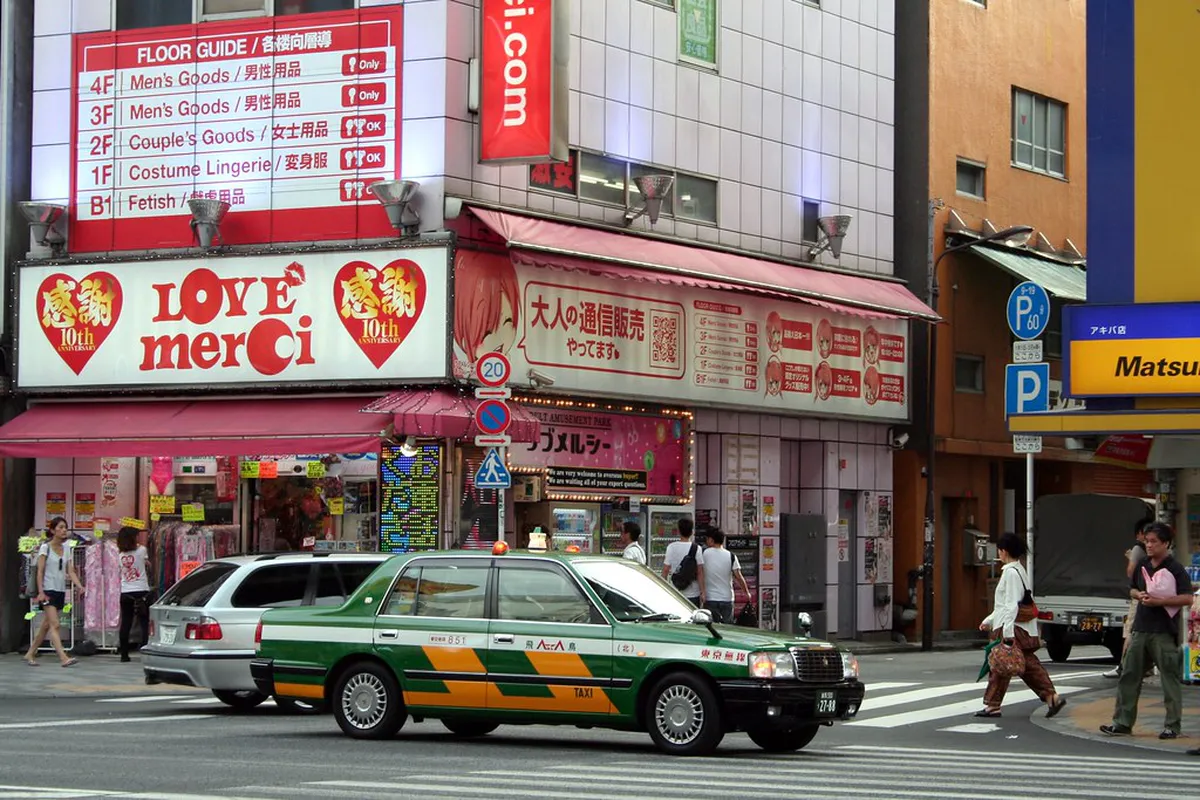
Start at Radio Kaikan directly opposite the Electric Town Exit — its ten floors of trading cards, figures, and the AKB48 Cafe storefront make it the district's signature photo stop.
Walk one block north on Chuo-dori to the Animate Akihabara flagship for new manga and anime releases, then cross to Mandarake Complex for rare collectibles, out-of-print manga, and vintage figures across eight floors.
Hardcore figure collectors should add the Kotobukiya store for licensed statues and Surugaya for budget secondhand figures and games.
Anchor the loop with the Pokemon Center inside Yodobashi Camera Akiba — the city's largest Pokemon retail floor and a reliable family stop.
- Radio Kaikan flagship tower
- Type: Multi-tenant shopping building
- Best for: Figures, trading cards, photography
- Where: Opposite Electric Town Exit
- Cost: Free entry; 10:00-20:00 daily
- Animate Akihabara flagship
- Type: Manga and anime megastore
- Best for: New-release manga, music, goods
- Where: Chuo-dori, 3 min from station
- Cost: Free entry; tax-free counter on G/F with passport
- Mandarake Complex
- Type: 8-floor secondhand otaku store
- Best for: Rare and vintage collectibles
- Where: 2 min from Electric Town Exit
- Cost: Free entry; 12:00-20:00
- Kotobukiya Akihabara
- Type: Licensed-statue flagship
- Best for: High-end character figures
- Where: Chuo-dori, near Radio Kaikan
- Cost: Free entry
- Surugaya Akihabara
- Type: Budget secondhand chain
- Best for: Cheap figures, retro games
- Where: Side streets off Chuo-dori
- Cost: Free entry
- Pokemon Center DX (inside Yodobashi Akiba)
- Type: Official Pokemon retail
- Best for: Families, exclusive goods
- Where: Yodobashi Akiba 5F
- Cost: Free entry
Museums, Art, and Culture in Akihabara
The "non-otaku" artisan route runs south from the station under the elevated JR tracks to 2k540 Aki-Oka Artisan, a covered arcade of around 50 craft studios run by working designers.
From 2k540 continue west to mAAch ecute Kanda Manseibashi, the restored 1912 Manseibashi Station now housing curated boutiques and a viewing deck over the Chuo Line platforms.
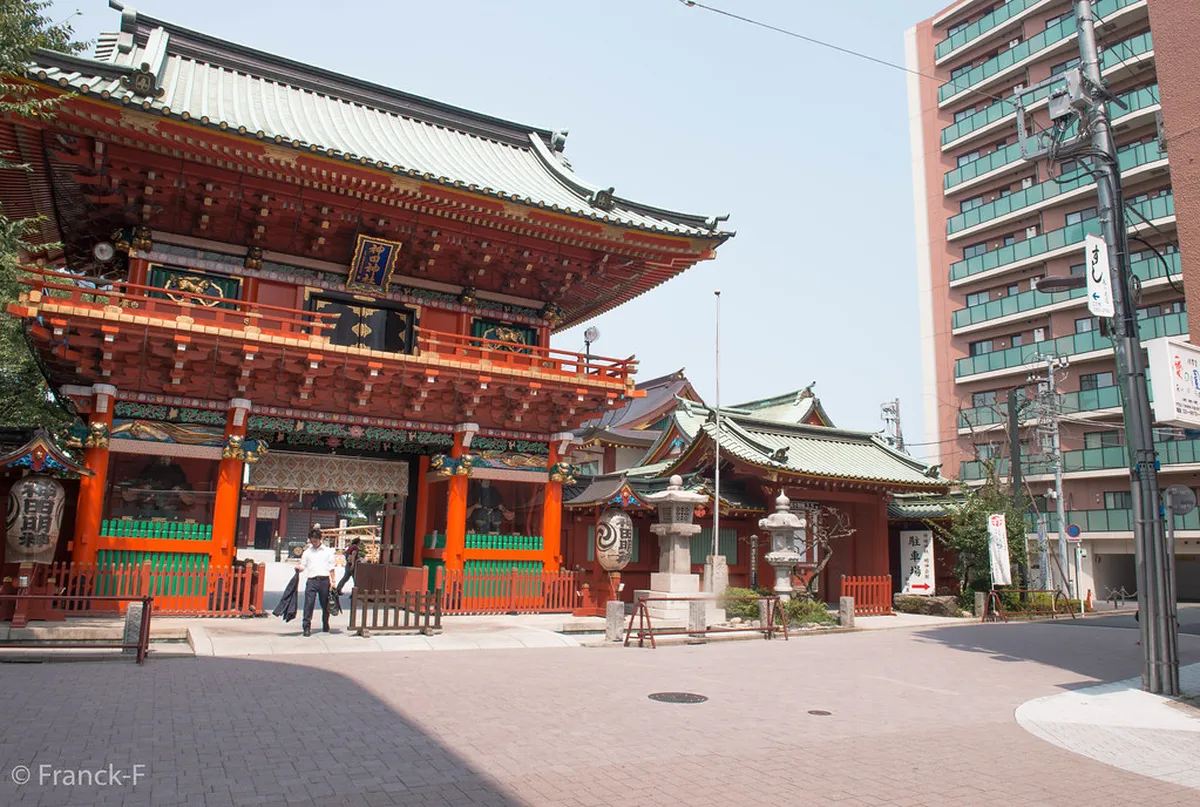
Add Kanda Myojin Shrine on the western edge for tech-themed omamori (charms) — local IT firms still hold annual blessings here for servers and devices.
The whole route covers about 1.5 km and works as a quiet morning before the neon side of Electric Town wakes up.
- 2k540 Aki-Oka Artisan
- Type: Craft arcade under JR tracks
- Best for: Handmade gifts, leather, ceramics
- Where: Between Akihabara and Okachimachi stations
- Cost: Free browsing; most studios 11:00-19:00, closed Wed
- mAAch ecute Kanda Manseibashi
- Type: Historic-station retail complex
- Best for: Architecture, design boutiques, river views
- Where: 8 min walk from Electric Town Exit
- Cost: Free entry
- Kanda Myojin Shrine
- Type: Shinto shrine (founded 730 AD)
- Best for: Tech charms, festivals
- Where: 7 min walk northwest of station
- Cost: Free; charms 500-1,500 yen
Parks, Gardens, and Outdoor Spots in Akihabara
For a history-focused contrast, ride two Sobu Line stops east to the Ryogoku sumo district for Kokugikan and the reopened Edo-Tokyo Museum.
Akihabara itself is dense built-up retail, but green relief sits within a 10-15 minute walk in every direction.
Head north to Ueno Park for cherry blossoms, the National Museum, and Ueno Zoo — one stop on the JR Yamanote line.
South of the station the Kanda River promenade offers a quiet bench-lined walk past mAAch ecute toward Ochanomizu, useful for cooling off in summer.
For a longer outdoor add-on, the Imperial Palace East Gardens are roughly 25 minutes on foot or three stops via the Marunouchi line from nearby Awajicho Station.
Family-Friendly and Budget-Friendly Options in Akihabara
Yodobashi Camera Akiba (Yodobashi Akiba) is the family anchor: seven floors of electronics, a top-floor restaurant deck, the Pokemon Center, and extensive Gunpla, Lego, and hobby sections.
It comfortably beats Bic Camera for variety and runs tax-free counters on every floor for foreign-passport holders — bring your physical passport, not a copy.
For budget visitors, the Gachapon (capsule toy) corridors at Gachapon Kaikan and Akihabara Gachapon Hall hold 500+ machines each, with most plays in the 200-500 yen range and coin-exchange machines on site.
The wider area pairs well with kid-friendly stops like Senso-ji Temple in Asakusa, 15 minutes away on the Hibiya line.
- Yodobashi Camera Akiba
- Type: 7-floor electronics + hobby megastore
- Best for: Cameras, Gunpla, Lego, tax-free shopping
- Where: East side of Akihabara Station (Showa-dori Exit)
- Cost: Free entry; 09:30-22:00 daily
- Gachapon Kaikan
- Type: Capsule-toy specialty hall
- Best for: Variety, all-ages, rainy days
- Where: Chuo-dori, near Suehirocho
- Cost: 200-500 yen per play
- Akihabara Gachapon Hall
- Type: 500+ capsule machines
- Best for: Budget souvenirs
- Where: 3 min from Electric Town Exit
- Cost: 100-500 yen; coin exchange on site
How to Plan a Smooth Akihabara Attractions Day
Chuo-dori becomes a pedestrian zone every Sunday 13:00–18:00 (12:00–18:00 in summer) — the best time for photos and casual strolling. Carry cash for older specialty shops and back-alley stalls that still do not accept IC cards or international credit cards.
Plan around two date-sensitive details: Chuo-dori becomes a pedestrian zone Sundays 13:00-18:00 (12:00-18:00 in summer), and many small specialty shops close on Mondays.
A solid Tuesday-Saturday loop: arrive 10:00 for Yodobashi and main-street flagships, lunch at 12:00, hit secondhand stores after 13:00 when most have opened, finish with arcades after dark when the neon peaks. Follow our Tokyo itinerary to integrate Akihabara into a multi-day visit.
Reserve Sundays for photography and casual strolling on the closed main street, and pair with a quieter morning at Meiji Shrine to balance the day.
Carry cash — many older specialty shops and back-alley stalls still don't take IC cards or international credit cards.
Area Map Around Akihabara
Akihabara sits in Chiyoda Ward at the northeast corner of central Tokyo, served by JR Yamanote, JR Keihin-Tohoku, and JR Sobu lines plus the Hibiya metro and Tsukuba Express.
Use the Electric Town Exit (north side) for Chuo-dori, Radio Kaikan, Animate, and Mandarake; the Showa-dori Exit (east side) puts you at Yodobashi Camera Akiba.
The core district is a six-block grid bounded by Chuo-dori (west), Showa-dori (east), Kanda-Myojin-dori (north), and the JR tracks (south).
Sotokanda, the official address district, holds nearly every venue covered in this guide within a 10-minute walking radius of the station.
Things To Do in Akihabara
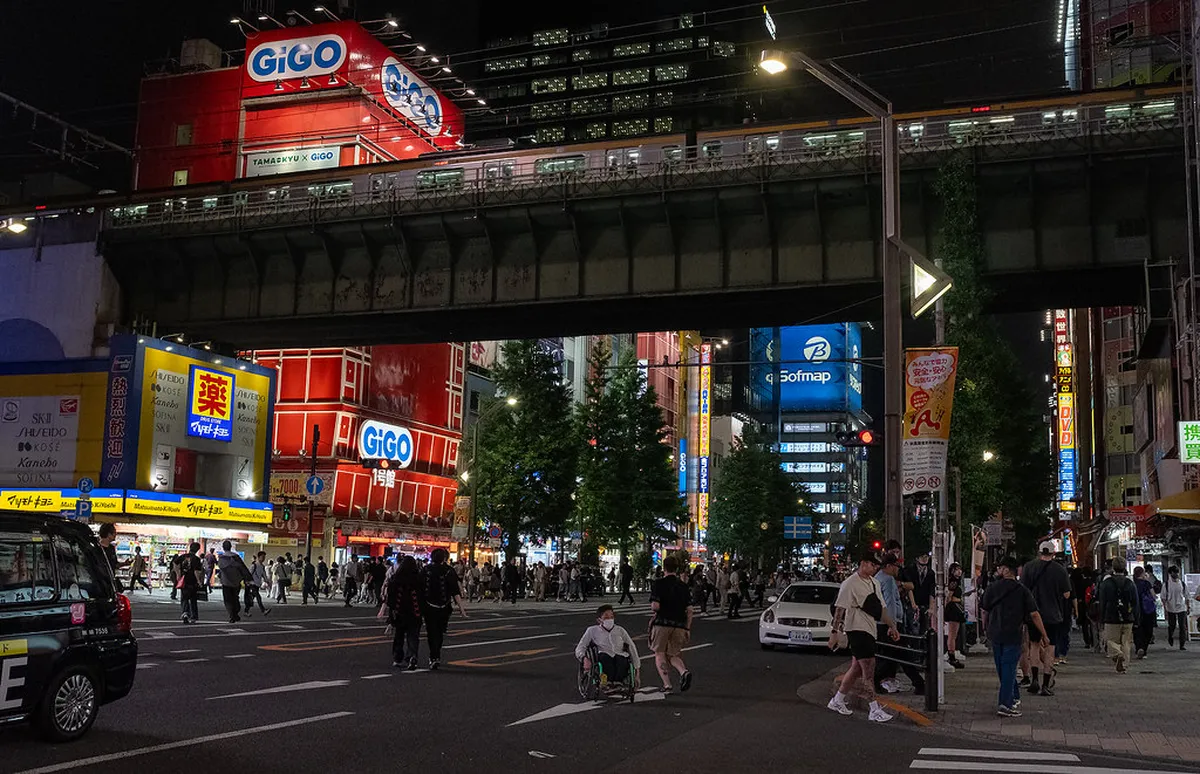
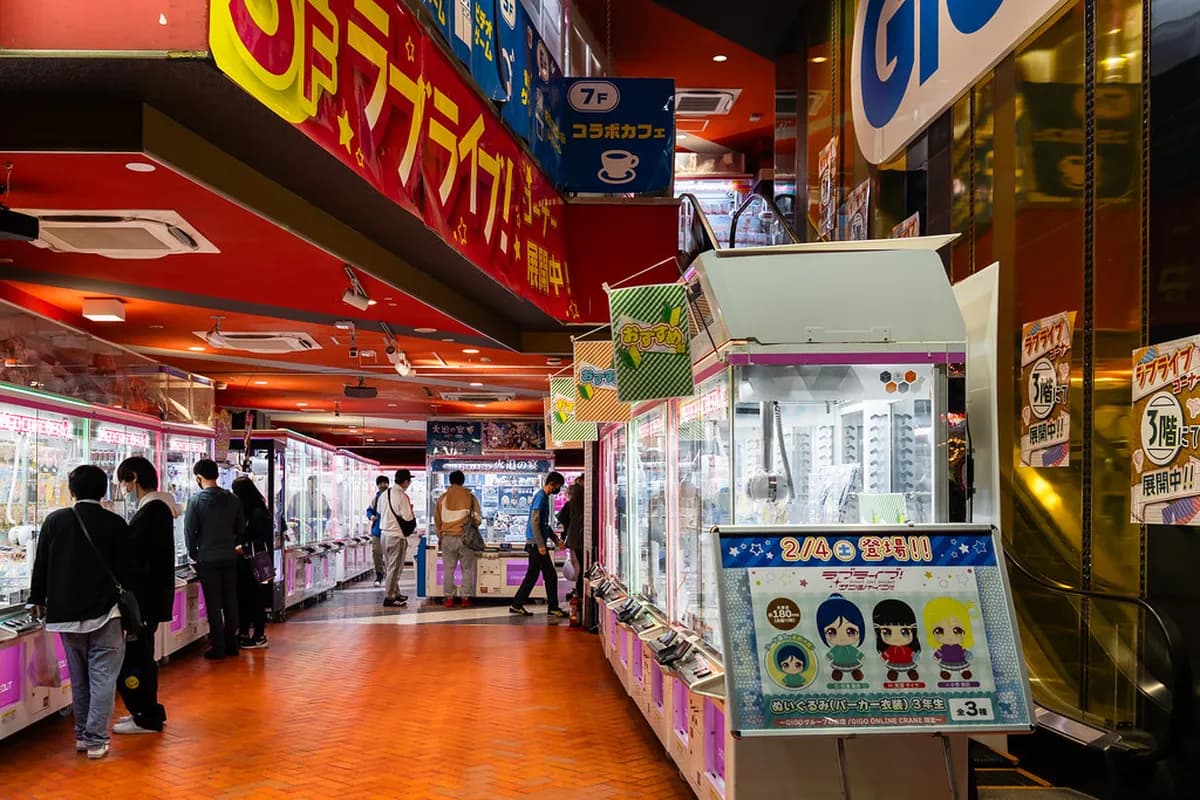
Arcades define the after-dark experience: Taito Station and GiGO (formerly Sega) anchor Chuo-dori with crane games, rhythm cabinets, and music games across four to seven floors each. These are some of Tokyo's most unique Tokyo experiences not to miss.
For retro gaming, Super Potato (3F-5F on a side street west of Chuo-dori) carries Famicom, Super Famicom, and Game Boy cartridges plus original-hardware demo stations.
At maid cafes, never photograph staff or the interior without paying for a photo package — an etiquette card at entry makes this clear. The standard seating fee (around 700 yen at @home cafe) covers entry; any food, drinks, or photo packages are charged on top.
Maid cafe newcomers should start with @home cafe in the Don Quijote building — English-friendly menus, photo packages from around 700 yen, and a clear etiquette card at entry (no photos of staff without paying for a polaroid).
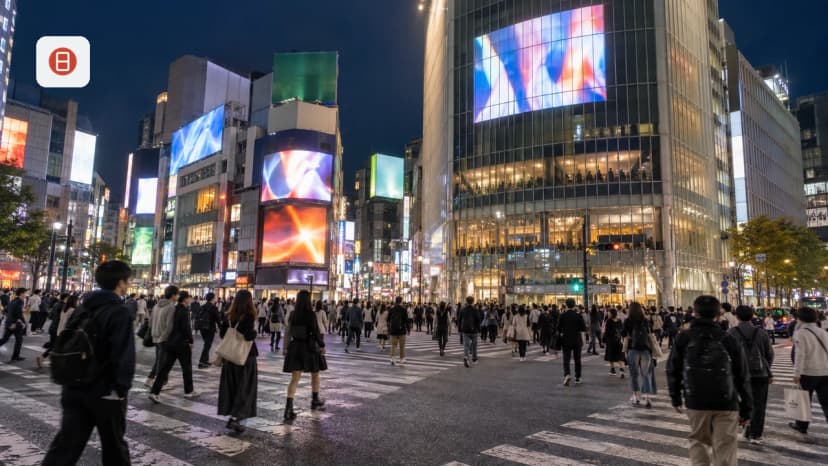
For a contrast trip, jump on the JR Yamanote line to Shibuya Crossing 25 minutes away to compare otaku Tokyo against fashion Tokyo in one afternoon.
Where to Stay in Akihabara
Staying in Akihabara puts you on the JR Yamanote loop with direct access to Tokyo Station, Ueno, Shinjuku, and Shibuya without a single transfer.
The Nohga Hotel Akihabara is the leading mid-range design pick — five minutes from the station and known for its in-room music systems and craft coffee bar.
For budget stays, business-hotel chains like APA Hotel Akihabara-Ekimae and Remm Akihabara run consistently under 10,000 yen per night with full English check-in.
Capsule and pod hotels (Nine Hours, First Cabin) sit within five minutes of the Electric Town Exit for travelers spending most waking hours in the district.
Where to Eat: From Maid Cafes to Gourmet Spots
Maid cafes are the signature themed-dining experience: expect a 500-1,500 yen seating fee plus one drink or food order, with optional polaroid photo packages from 700 yen.
Etiquette is simple — no photos of staff or interior without paying for it, no touching staff, and follow the cheer rituals before each dish.
You can pre-book a beginner-friendly Maid Cafe Experience at Maidreamin to skip language barriers and lock in price.
Beyond themed cafes, Akihabara is known for Kanda-style hearty curry, conveyor-belt sushi at chains like Sushiro on Chuo-dori, and dozens of ramen counters within five minutes of the station.
- @home cafe (Don Quijote building)
- Type: Maid cafe — beginner-friendly
- Best for: First-timers, group photos
- Where: Don Quijote Akihabara 5F-7F
- Cost: 700 yen entry + drink minimum
- Maidreamin Akihabara
- Type: Maid cafe chain, English staff
- Best for: Tourists wanting clear pricing
- Where: Multiple Chuo-dori locations
- Cost: ~2,000-3,500 yen per person
- Kanda Curry Grand Prix winners
- Type: Local Japanese curry
- Best for: Lunch, solo diners
- Where: Side streets west of Chuo-dori
- Cost: 900-1,500 yen
- Yodobashi Akiba 8F restaurant floor
- Type: Multi-cuisine food court
- Best for: Families, rainy days
- Where: Yodobashi Camera Akiba 8F
- Cost: 1,000-2,500 yen
Frequently Asked Questions
What is Akihabara known for?
Akihabara is primarily known as the center of Japan's otaku culture and electronics industry. You can find massive anime shops, retro gaming centers, and multi-story department stores. It is also famous for its unique maid cafes and the towering Tokyo Skytree visible in the distance.
Is Akihabara worth visiting if I don't like anime?
Yes, the district offers fascinating artisan workshops and historical sites like Manseibashi. You can enjoy high-end electronics shopping and diverse culinary options beyond themed cafes. The neon-lit streets provide a unique urban atmosphere that appeals to most photographers and urban explorers.
What is the best time to visit Akihabara?
Sundays are the best time to visit because the main street becomes a pedestrian zone. Most shops open around 10:00 AM or 11:00 AM, so late morning is ideal. Evening visits offer the best views of the iconic neon lights that define the district's skyline.
Akihabara in 2026 still delivers the densest concentration of anime, gaming, and electronics retail anywhere in Japan, all walkable from one JR station.
Use weekday mornings for serious shopping at Yodobashi, Animate, and Mandarake, then return after dark for arcades, themed cafes, and the AKB48 Cafe storefront for photography.
Save Sundays for the 13:00-18:00 Chuo-dori pedestrian zone and the artisan loop through 2k540 and Kanda Myojin for a quieter slice of the same district.
With passport in pocket for tax-free counters and a handful of 100-yen coins for capsule machines, you'll cover the essentials in one full day.