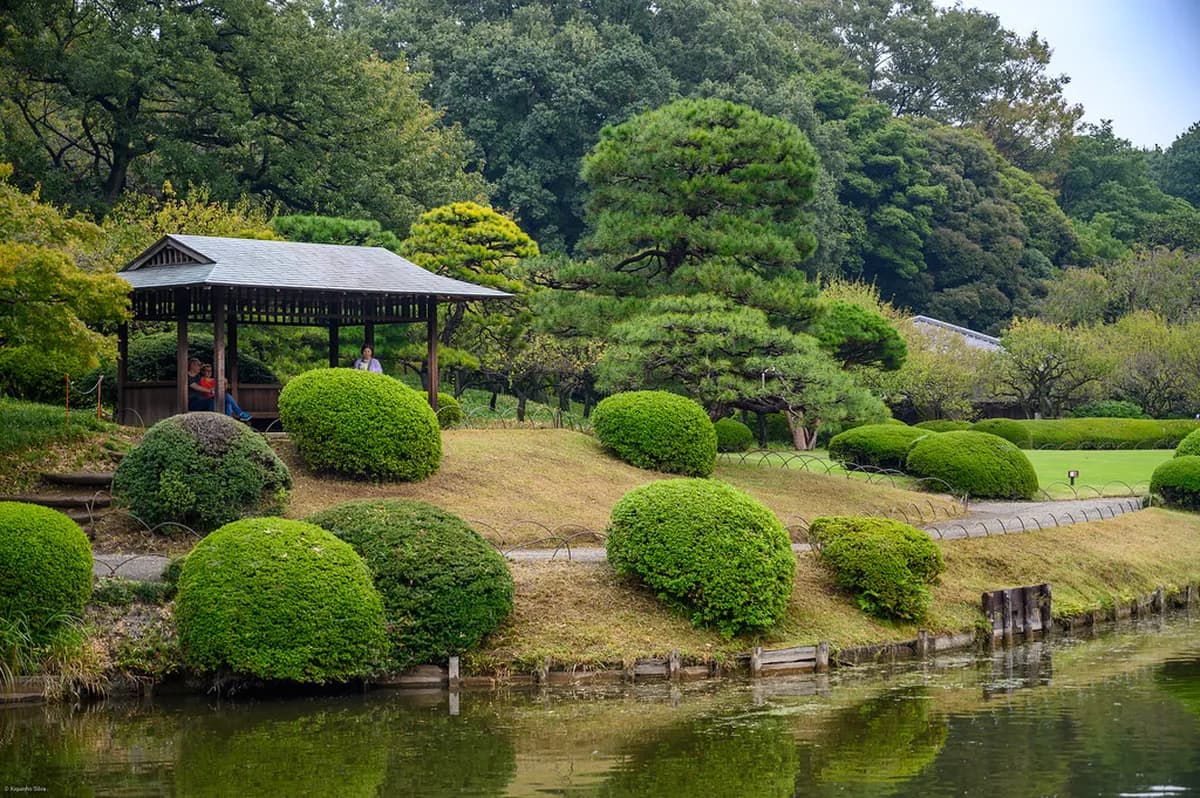
This Shinjuku Gyoen National Garden visitor guide helps you navigate one of Tokyo’s most beautiful green spaces. Spanning over 144 acres, this park offers a peaceful escape from the busy city streets of Shinjuku. Visitors can enjoy diverse landscapes ranging from traditional Japanese ponds to wide English lawns. Planning your visit correctly ensures you make the most of every scenic corner and historic building.
Many travelers consider this the premier destination for seasonal beauty in central Tokyo throughout the year. The garden successfully blends three distinct styles into one cohesive and relaxing environment. Understanding the rules and gate locations will save you time during your busy itinerary. Our guide provides the specific details needed for a smooth and memorable afternoon outdoors.
Essential Visitor Information: Hours, Fees, and Access
Staying updated on current logistics is vital for a stress-free visit to this national treasure. For 2026, the standard adult admission fee is 500 yen per person. Students and seniors aged 65 and over pay a discounted rate of 250 yen with a valid ID card. Elementary and junior high school children can enter the garden for free throughout the year.
The garden opens daily from 09:00 to 16:30, with last entry at 16:00, and is closed every Monday (Tuesday-Sunday schedule). When a national holiday falls on a Monday, the park opens that day and closes on Tuesday instead. Hours can extend later in spring and summer during peak bloom; always verify the latest schedule on the Official Shinjuku Gyoen Guide (Ministry of the Environment) before your trip.
Critical for 2026 cherry blossom visitors: during peak sakura season (typically late March through early April), advance online reservations are required for entry. Tickets are released in tranches on the official site and routinely sell out within hours. Book the moment your travel dates are confirmed — walk-up entry is not available during this window. The Chrysanthemum Exhibition in early-to-mid November is another special period worth checking the official calendar for.
During peak cherry blossom season (late March to early April), walk-up entry is not available — advance online reservations are required and sell out within hours of release. Alcohol is also strictly banned inside the garden year-round; security checks bags at all three gates.
Choosing the Best Entrance Gate for Your Arrival
Selecting the correct gate can save you a long walk around the massive perimeter fence. The park features three main entrances, each serving different train lines and neighborhoods. Navigating the massive Shinjuku Station complex is easier when you know exactly which exit to use. Follow the signs carefully to avoid ending up on the wrong side of the tracks.
The Shinjuku Gate is the most popular choice for those arriving on JR lines. It sits just a ten-minute walk from the Southeast Exit of the main Shinjuku Station. This entrance places you directly near the information center and the English Landscape Garden. Expect larger crowds here during weekends and peak tourist seasons.
- Shinjuku Gate Strategy
- Best for: JR Yamanote, Chuo, and Sobu Line users
- Closest station: Shinjuku Station (Southeast Exit) — 10 minute walk; or Shinjuku-gyoenmae Station (Marunouchi Line, Exit 1) — 5 minute walk
- Key feature: Information center, English Landscape Garden, ticket office for advance reservations
- Okido Gate Strategy
- Best for: Tokyo Metro Marunouchi Line
- Closest station: Shinjuku-gyoenmae Station (Exit 2) — 5 minute walk
- Key feature: Closest to the Greenhouse and Taiwan Pavilion
- Sendagaya Gate Strategy
- Best for: JR Chuo-Sobu Line
- Closest station: Sendagaya Station — 5 minute walk; or Kokuritsu-Kyogijo Station (Toei Oedo Line) — 5 minute walk
- Key feature: Near the Mother and Child Forest and Japanese Traditional Garden
| Gate | Best line | Walk from station | Key nearby section |
|---|---|---|---|
| Shinjuku Gate | JR Yamanote / Chuo | 10 min (SE Exit) or 5 min (Shinjuku-gyoenmae Exit 1) | English Landscape Garden, info center |
| Okido Gate | Tokyo Metro Marunouchi | 5 min (Shinjuku-gyoenmae Exit 2) | Greenhouse, Taiwan Pavilion |
| Sendagaya Gate | JR Chuo-Sobu / Toei Oedo | 5 min (Sendagaya or Kokuritsu-Kyogijo) | Mother and Child Forest, Japanese Traditional Garden |
Exploring the Three Distinct Garden Styles
The park is unique because it weaves three global gardening traditions into one continuous 58-hectare landscape. Walking the perimeter loop in a clockwise direction from the Shinjuku Gate takes you through all three in roughly two hours.
English Landscape Garden — Located near the Shinjuku Gate, this is the wide-open, rolling-lawn section anchored by massive cherry trees. What to see: the central lawn for picnics, the cluster of Somei-Yoshino cherries (peak late March to early April), and the reflection of the NTT Docomo Yoyogi Building tower on the adjacent pond. Best for families, picnickers, and hanami crowds.
French Formal Garden — Symmetrical sycamore-tree avenues frame a sunken rose garden in the center. What to see: the spring rose bloom (mid-May to early June) and the late-October second bloom, the geometric topiary, and the long perspective shot photographers favor down the central allée. Best for photography and structured Western-garden lovers.
Japanese Traditional Garden — The most contemplative section, set around three connected ponds with stone bridges, the Kyu-Goryo-tei (Taiwan Pavilion), and the Rakuu-tei tea house. What to see: the reflection of pine and maple in still water, the arched Taiko-bashi bridge, and autumn maple foliage peaking in late November. This style echoes the tranquil landscapes found at Ueno Park across the city.
The Greenhouse and Historic Taiwan Pavilion
Rainy days are a great time to explore the large, modern Greenhouse near the Okido Gate. This facility houses over 2,700 species of tropical and subtropical plants from around the world. The indoor temperature stays warm and humid, providing a tropical escape during the winter. Look for the rare orchids and jungle ferns that thrive under the glass roof.
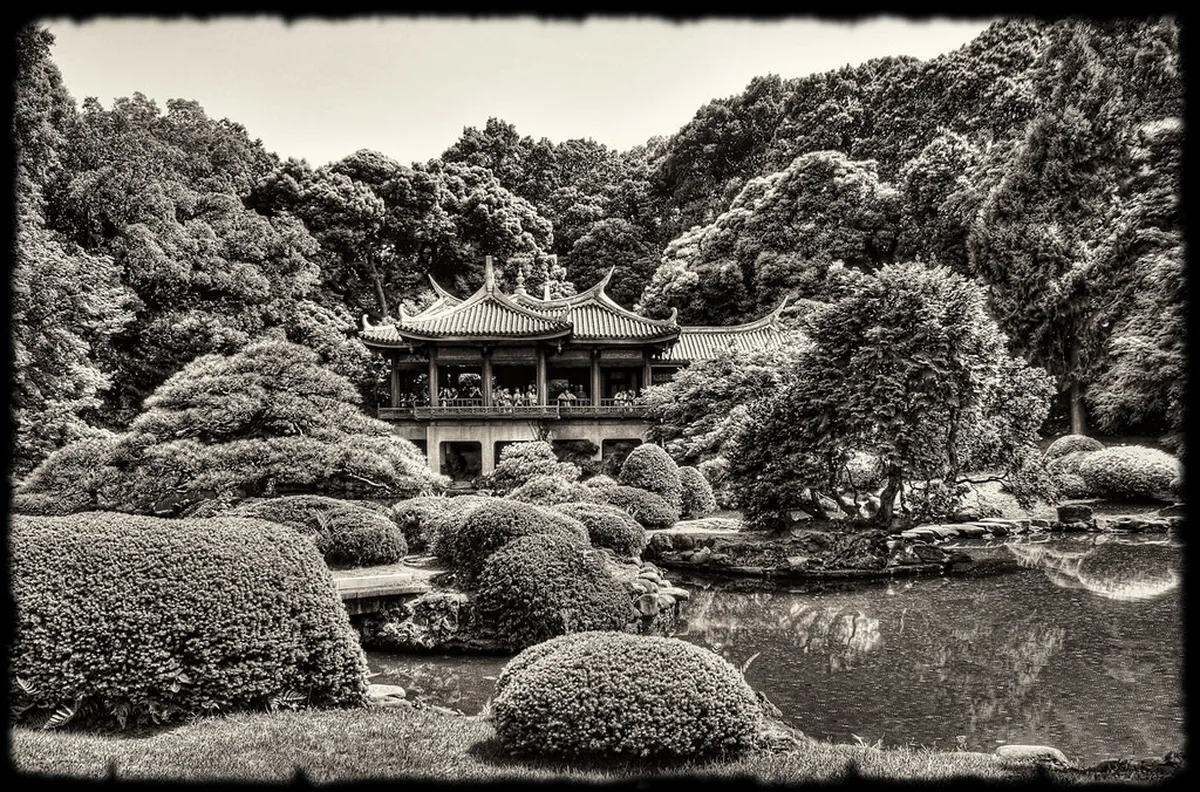
The Kyu-Goryotei, also known as the Taiwan Pavilion, is a must-see historical structure. It was built in 1927 to commemorate the wedding of the Showa Emperor. This building is one of the few examples of authentic Chinese-style architecture in Japan. Visitors can walk inside to enjoy a framed view of the ponds from the wooden balcony.
This pavilion offers a glimpse into the imperial history of the grounds before they became public. The intricate roof tiles and bright colors stand out against the soft green foliage. It provides a historical depth similar to the structures found at the Imperial Palace grounds. Take a moment to read the plaques that explain the restoration efforts of this landmark.
Traditional Tea Service at Raku’u-tei Tea House
Experiencing tea at the Raku’u-tei Tea House is a highlight for many visitors. The wooden teahouse sits on the eastern shore of the Upper Pond in the Japanese Traditional Garden, roughly a 10-minute walk from either the Shinjuku Gate or the Sendagaya Gate. You can enjoy a bowl of whisked matcha tea served with a seasonal Japanese sweet. The set usually costs around 700 yen and offers a moment of quiet reflection. The on-site Restaurant Yurinoki, near the Shinjuku Gate, handles full meals if you would rather sit down for lunch.
The staff will guide you to a seat, often overlooking a small, private garden area. It is polite to finish your sweet before taking your first sip of the bitter tea. You do not need to be an expert in ceremony to enjoy this simple service. The tea house operates from 10:00 until shortly before the park closes each day.
Seasonal sweets often reflect the flowers currently blooming outside in the main garden. In spring, you might receive a sweet shaped like a delicate pink cherry blossom. Autumn visits often feature treats inspired by maple leaves or orange persimmons. This attention to detail makes every visit to the tea house feel unique.
Seasonal Highlights: From Cherry Blossoms to Autumn Leaves
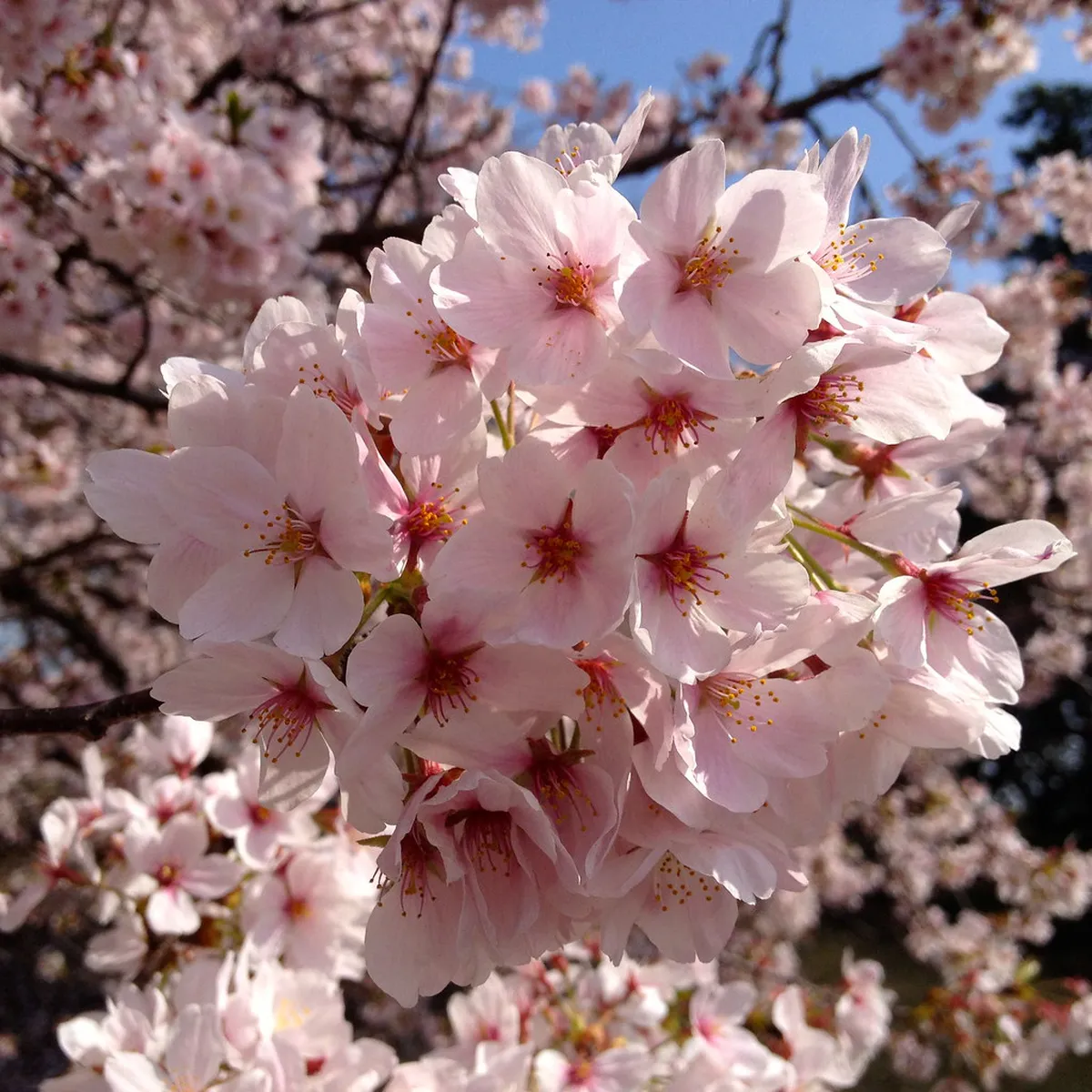
Spring is the most famous time to visit due to the staggered cherry blossom display. The park contains over 1,000 cherry trees across roughly 65 varieties. Early-blooming Kanhi-zakura open in mid-March; Somei-Yoshino — the iconic pink-white variety — peaks late March to early April; and late-blooming Ichiyo and Kanzan extend the bloom into the third week of April. This 4-to-5-week window is the longest reliable sakura run in central Tokyo. Remember: peak sakura entry (late March through early April) requires advance online reservation.
The park lends manual wheelchairs free of charge at all three gates — first-come, first-served. The clockwise perimeter loop from the Shinjuku Gate covers all three garden styles (English, French, Japanese) in roughly two hours and is the most accessible route.
Autumn brings the second peak as maple and ginkgo trees turn. November is the standout month: ginkgo yellow arrives mid-November, and the maple reds around the Japanese Traditional Garden ponds peak in the final week of November into early December. Deep reds and bright yellows reflect on the still water, and unlike spring, no reservation is needed for autumn visits.
The Chrysanthemum Exhibition in November is a major cultural event held annually. Gardeners display thousands of meticulously grown flowers under traditional wooden pavilions. These displays represent the peak of Japanese horticultural skill and imperial tradition. It is a rare opportunity to see floral art that takes months of preparation.
Important Garden Rules and Prohibited Items
Maintaining the peaceful atmosphere of the garden requires following a few strict rules. The single most important regulation is the total ban on alcohol — staff perform bag checks at every gate and will confiscate or refuse entry to anyone carrying beer, wine, sake, or canned highballs. This is the rule first-time visitors most often get caught out by, and it is the key reason the park feels noticeably quieter and more family-friendly than nearby Yoyogi Park.
Playing with balls, frisbees, or other sports equipment is generally not allowed on the lawns. The park focuses on quiet appreciation of nature rather than active physical sports. Photography is permitted, but you must not use large tripods that block the walking paths. Commercial filming or professional shoots require a special permit from the park office.
Pets are not allowed inside the garden to protect the local wildlife and plants. The only exception is for registered service animals helping visitors with disabilities. Smoking is strictly prohibited throughout the grounds to prevent fires and air pollution. Keeping these rules in mind helps preserve the beauty for everyone to enjoy.
Navigating with the English Map and Universal Design
The garden is quite large, so having a map is essential for finding specific areas. You can pick up a free physical map in English at any of the three gates. Digital versions are also available via QR codes posted on signs throughout the park. The map clearly marks the locations of restrooms, cafes, and historic landmarks.
Most of the main paths are paved or use hard-packed gravel suitable for wheelchairs and strollers. The park lends manual wheelchairs free of charge at the Shinjuku, Okido, and Sendagaya gate information desks — first-come, first-served, no reservation. Accessible (universal-design) toilets with grab rails and wider stalls are located near each gate, beside the Greenhouse, and adjacent to the central rest area. Some smaller side paths in the forest area have roots or uneven ground; the main perimeter loop is the safest accessible route.
Look for the 'Mother and Child Forest' if you are traveling with young children. This area features educational displays about local insects and forest plants. It is a great spot for kids to explore nature in a safe and contained environment. The paths here are easy to walk and offer plenty of shade during hot days.
Picnic Planning: The Best Nearby Food Halls
Having a picnic on the English Landscape Garden lawn is a classic Tokyo experience. The best way to get food is by visiting a 'depachika' or basement food hall. According to the Time.com Tokyo City Guide, these halls offer incredible variety. Isetan and Takashimaya are both located within walking distance of the Shinjuku Gate.
These food halls sell high-quality bento boxes, fresh sushi, and French pastries. You can find seasonal items that are perfect for an outdoor lunch. Remember to grab napkins and disposable chopsticks before you leave the store. The quality of the food often rivals that of high-end restaurants in the area.
Make sure to pack out all your trash when you finish your picnic. The park has limited trash cans to encourage visitors to take their waste home. This practice helps keep the lawns clean and the wildlife healthy. A small plastic bag in your daypack will make this process much easier.
Nearby Shinjuku Attractions to Visit After the Garden
The strongest nearby pairing is the Tokyo Metropolitan Government Building observatory, a free 45th-floor viewpoint about twenty minutes from the garden.
After finishing your walk, you are perfectly positioned to explore the rest of Shinjuku with our things to do in Tokyo guide. The Tokyo Metropolitan Government Building offers free panoramic views of the city. It is about a twenty-minute walk or a short subway ride from the garden gates. On clear days, you can even see Mount Fuji on the distant horizon.
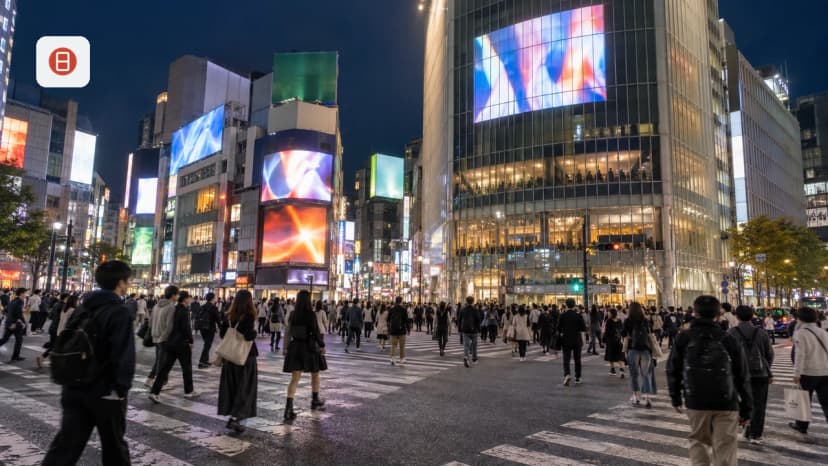
If you want more traditional culture, consider a visit to the Meiji Shrine nearby. It offers a more forested atmosphere compared to the manicured lawns of Shinjuku Gyoen. You can also head toward Shibuya Crossing to experience the famous neon lights. The contrast between the quiet garden and the busy city is truly remarkable.
For dinner, the Shinjuku area has thousands of restaurants for every budget. Explore the narrow alleys of Omoide Yokocho for grilled chicken skewers and local beer. This area provides a nostalgic look at Tokyo’s post-war history and nightlife. It is the perfect way to end a day of sightseeing in the heart of the city.
Frequently Asked Questions
Which Shinjuku Gyoen entrance is closest to the JR station?
The Shinjuku Gate is the closest entrance to the JR Shinjuku Station. It is about a 10-minute walk from the Southeast Exit. This gate is the most convenient for those using the Yamanote Line or Chuo Line. Check our Tokyo guide for more transport tips.
Can you bring food and alcohol into Shinjuku Gyoen?
You are welcome to bring food for a picnic on the lawns. However, alcohol is strictly prohibited inside the garden. Security guards perform bag checks at all three entrances to enforce this rule. This ensures the park remains a quiet and family-friendly environment for all visitors.
How much does it cost to enter Shinjuku Gyoen National Garden?
As of 2026, the standard adult admission fee is 500 yen. Seniors over 65 and students with a valid ID pay a discounted rate of 250 yen. Children under the age of 15 can enter the park for free. Group discounts are also available for parties of 30 or more people.
Is Shinjuku Gyoen worth visiting outside of cherry blossom season?
Yes, the garden offers beautiful scenery during every season of the year. Summer features lush greenery and blooming roses, while autumn provides stunning red maple leaves. In winter, the greenhouse offers a tropical escape from the cold. The traditional Japanese garden remains scenic and peaceful regardless of the month.
Shinjuku Gyoen is a vital part of any Tokyo itinerary for nature lovers and families. By following this guide, you can navigate the gates and rules with total confidence. The mix of global garden styles ensures there is something beautiful for everyone to see.
Whether you come for the cherry blossoms or a quiet tea service, the park never disappoints. Combine your visit with other landmarks like Senso-ji to see the full variety of the city. Enjoy your time exploring one of the most peaceful escapes in the heart of modern Tokyo.