
The Takasakiyama Natural Zoological Garden offers a unique chance to observe Japanese macaques in their natural habitat without cages or fences. Located on the steep slopes of Mount Takasaki, this park serves as a sanctuary for over one thousand wild Japanese macaques. Visitors can watch the monkeys roam freely throughout the grounds while learning about their complex social structures and daily habits. This guide provides all the essential details you need for a safe and memorable encounter with these fascinating animals.
Unlike a traditional zoo, the animals here are completely wild and choose to descend from the mountain for daily feeding sessions. This creates a dynamic environment where humans enter the monkeys' territory rather than viewing them from behind thick glass barriers. Understanding the rules of the park is vital for ensuring both your safety and the well-being of the primate residents. Prepare for an immersive experience that highlights the natural beauty and wildlife diversity of the Oita Prefecture region.
| Quick fact | What to know for 2026 |
|---|---|
| Location | Mount Takasaki, between Beppu and Oita City, across from Umitamago Aquarium |
| Admission | Adult admission tickets typically cost 520 yen, with discounted rates for children and students |
| Hours | The park generally opens at 9:00 and closes at 17:00, with last entry thirty minutes before closing |
| Best visit length | Allow 60 to 90 minutes for the monkey park, or a half day if pairing it with Umitamago Aquarium |
Overview of Takasakiyama Natural Zoological Garden
Established in 1953, the Takasakiyama Natural Zoological Garden has spent decades protecting the local population of Japanese macaques. The park was originally created to prevent the monkeys from raiding local farms by providing a consistent food source in a controlled area. Today, it stands as one of the most famous wildlife attractions in Japan, drawing thousands of visitors to the border of Beppu and Oita. The mountain itself provides a lush backdrop of seasonal greenery that changes beautifully throughout the calendar year.
The monkeys at Takasakiyama are not pets and they do not live in enclosures during the night or day. They spend their evenings high up on Mount Takasaki and only come down to the feeding grounds when they feel hungry. This wild nature means that the number of monkeys visible can fluctuate depending on the weather and the season. Park rangers work tirelessly to monitor the health of the troops while educating the public on primate conservation efforts.
Mount Takasaki is a volcanic peak that overlooks the scenic Beppu Bay, offering stunning views alongside the wildlife encounters. The proximity to the ocean creates a unique microclimate that supports a wide variety of plant life and insect species. Walking through the park feels like stepping into a living documentary where the monkeys are the undisputed stars of the show. It is a must-visit destination for anyone interested in animal behavior or those looking for a break from traditional sightseeing.
Essential Visitor Information: Tickets, Hours, and Access
Planning your logistics in advance ensures a smooth visit to this popular attraction located just outside the city center. For the 2026 season, adult admission tickets typically cost 520 yen, making it an affordable outing for families and solo travelers. Children and students receive discounted rates, and you should check the official site (Official Site) for any seasonal price adjustments. Tickets are available for purchase at the main entrance gate located near the large parking lot across from the aquarium.
The park generally opens at 9:00 and closes at 17:00, with the last entry permitted thirty minutes before the gates shut. It remains open throughout the year, though extreme weather conditions may occasionally cause temporary closures for visitor safety. Arriving early in the morning is highly recommended to avoid the larger tour groups that often arrive by mid-afternoon. Early visitors also get to witness the first feeding of the day, which is usually the most active period for the troops.
Reaching the park is straightforward whether you choose to use public transportation or a private rental vehicle from Beppu. Buses depart regularly from Beppu Station and the journey takes approximately fifteen minutes along the scenic coastal road. If you are driving, a large paid parking area is available and connected to the park entrance via a convenient pedestrian bridge. Cyclists can also find designated spots to secure their bikes near the ticket office before heading up the mountain.
For cruise passengers and first-time Beppu visitors, the easiest mistake is treating the park as a quick photo stop. Budget extra time for the bus connection, the pedestrian bridge, ticket purchase, and the short climb or monorail ride to the feeding ground. If your schedule is tight, visit Takasakiyama before Umitamago Aquarium so you are not trying to catch the monkeys near closing time.
Understanding the Macaque Troops and Social Hierarchy
The monkeys at Takasakiyama are divided into two distinct social groups known as Troop B and Troop C. Troop A was once the largest group, but it eventually disappeared into the deep forest many years ago. Each remaining troop consists of hundreds of individuals who follow a strict hierarchy led by a dominant alpha male. The alpha, or 'boss' monkey, earns his position through strength, intelligence, and the support of high-ranking females within the group.
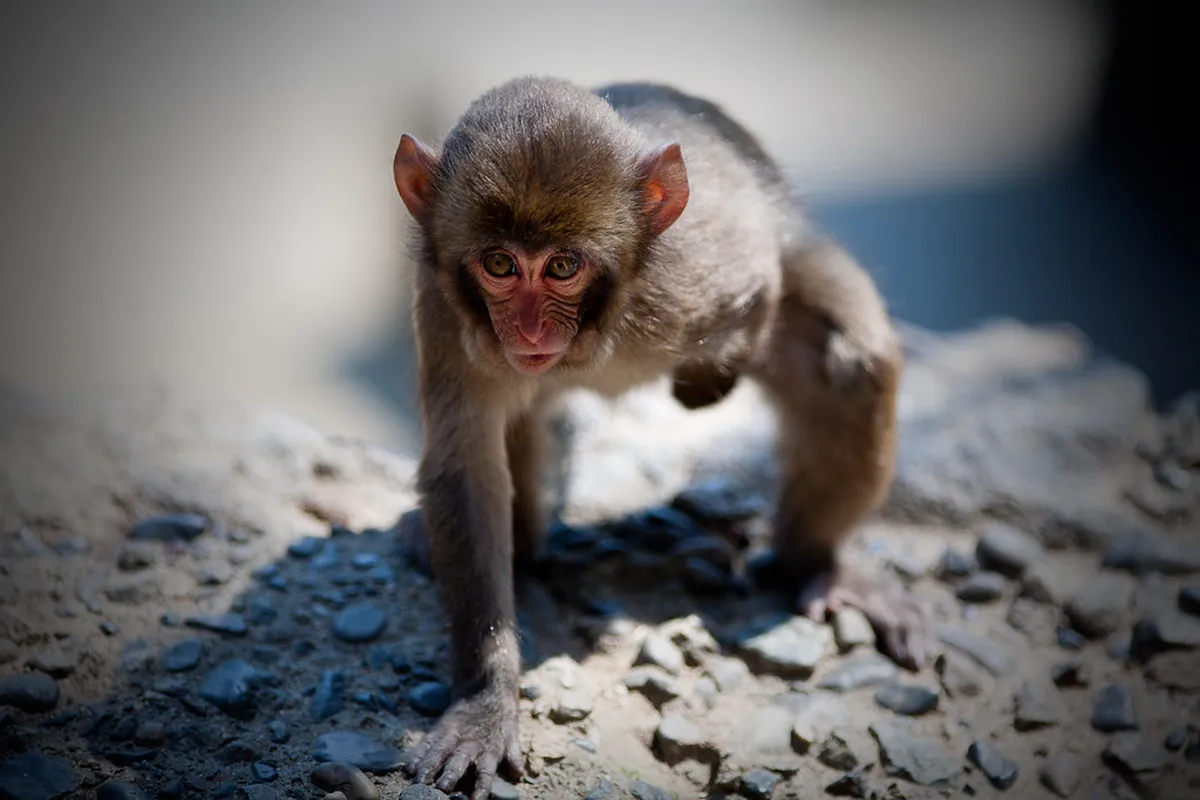
You can often identify the higher-ranking monkeys by their confident posture and the way other monkeys yield to them during feeding. Social grooming is a common sight and serves as a vital way for the macaques to reinforce bonds and reduce stress. The troops rotate their time at the feeding grounds, with one group typically occupying the area in the morning and the other in the afternoon. Park staff keep detailed records of the lineage and history of the most prominent monkeys to share with interested visitors.
Observing the interactions between mothers and their infants provides a heartwarming glimpse into the nurturing side of macaque society. Young monkeys are often seen playing and chasing each other near the edges of the viewing area while the adults rest. This social complexity makes every visit different, as you might witness a leadership challenge or a peaceful afternoon of communal napping. The intelligence of these primates is evident in how they navigate their environment and interact with the human observers around them.
Feeding Sessions: The Best Time to See the Monkeys
The feeding sessions are the highlight of any visit, as they draw the monkeys down from the trees in massive numbers. Staff members distribute wheat every thirty minutes, which triggers a flurry of activity as the monkeys scramble for their share. Watching hundreds of macaques rush toward the feeding area is an incredible sight that showcases their speed and agility. For a more dramatic experience, try to catch the large sweet potato feeding which occurs once or twice per day.
During these times, the park rangers often provide commentary in Japanese about the specific monkeys and their current social dynamics. Photographers should prepare their cameras in advance, as the action happens quickly once the food hits the ground. The best vantage points are near the stone walls or from the elevated walkways that overlook the main clearing. If you want a quieter experience, visit between the feeding times when the monkeys are more likely to be grooming or sleeping.
It is also a great time to see the monkeys near Mount Tsurumi in the distance while they wait for their turn. The staff uses a specific bell or call to signal the food, and the monkeys have learned to recognize these sounds perfectly. Note that the monkeys are never fed by hand by the visitors, as this would encourage aggressive behavior and begging. This controlled feeding system ensures the monkeys remain healthy and do not become dependent on human interaction for survival.
| Timing | What to expect | Best for |
|---|---|---|
| Opening to late morning | Cooler weather, active arrivals from the forest, and fewer tour groups on many days | Families, photographers, and visitors with limited time |
| Midday | More visitors and brighter light, with monkeys often resting between feeding activity | Travelers combining the park with lunch or the aquarium |
| Afternoon | A useful backup if morning weather is poor, but leave enough time before last entry | Flexible itineraries and visitors arriving from Oita City |
Safety Guidelines: How to Behave Around Wild Macaques
Never make direct eye contact with the macaques — they read it as aggression. Do not carry visible snacks, plastic bags, or open drink bottles into the viewing area; monkeys will grab food items from your hands.
Maintaining a safe distance and following the park rules is essential for a positive experience for both humans and monkeys. The most important rule is to avoid making direct eye contact with the macaques, as they perceive this as a sign of aggression. If a monkey looks at you, simply look away or focus on their feet to signal that you are not a threat. Keep your hands in your pockets or at your sides, and never attempt to touch or pet even the smallest infants.
Plastic bags are strictly prohibited inside the viewing area because the crinkling sound reminds the monkeys of food snacks. The macaques may attempt to snatch bags from your hands if they suspect there is something edible inside them. Store all food, drinks, and loose items inside a secure backpack before you enter the main gates of the park. If a monkey approaches you too closely, remain calm and walk away slowly without making sudden movements or loud noises.
Parents should keep a close eye on young children and ensure they do not run toward or scream at the animals. The monkeys are generally peaceful but can become defensive if they feel cornered or if their young appear to be in danger. Following these simple guidelines allows you to enjoy the wildlife up close without causing any unnecessary stress to the resident troops. The park rangers are always nearby to assist and will intervene if they notice any risky behavior from visitors or monkeys.
- Do not bring visible snacks, open drink bottles, or rustling plastic bags into the viewing area.
- Do not crouch down to the monkeys' eye level for selfies, especially near infants.
- Use a camera strap or wrist strap because monkeys can move suddenly through the crowd.
- Keep children beside you rather than ahead of you on the paths and at the feeding ground.
Logistics: Choosing Between the Monorail and the Walking Path
Once you pass the ticket office, you must decide how to reach the main viewing area located further up the hillside. The monorail, known as the 'Sarukko-rail,' offers a short and scenic ride that is perfect for those with limited mobility. It costs a small additional fee of 110 yen for a round-trip ticket, which you can purchase at the base station. The ride only takes a few minutes and provides a great view of the forest canopy as you ascend the slope.
Alternatively, many visitors choose to take the walking path, which winds through the trees and takes about five to ten minutes. The path is paved but quite steep, so it may not be suitable for those who find uphill walking difficult. Walking allows you to spot monkeys that might be hiding in the trees away from the main crowds at the top. It is a great way to get some light exercise while enjoying the fresh mountain air and the sounds of the forest.
| Route | Cost | Typical time | Physical effort | Best for |
|---|---|---|---|---|
| Monorail | 110 yen | 4 minutes | Very low | Seniors, strollers, visitors with knee pain, and rainy days |
| Walking path | Free | 5 to 10 minutes | Moderate uphill walk | Active visitors, photographers, and anyone who wants the forest approach |
Accessibility is the main reason to choose the monorail. The upper viewing ground is still an outdoor hillside environment, so wheelchair users and visitors with mobility needs should confirm conditions with staff before buying tickets. On wet days, the walking path can feel steeper than it looks on a map, and the monorail is usually the better choice if you are visiting with small children or carrying camera gear.
Strategic Planning: Combining Your Trip with Umitamago Aquarium
Look for the "Monkey Marine Ticket" at Beppu Station Tourist Information — it combines park entry, Umitamago Aquarium admission, and a round-trip bus fare at a discount compared to buying each separately.
To make the most of your day, consider visiting the Umitamago Aquarium which is located directly across the street from the park. The aquarium is famous for its artistic displays and interactive performances featuring dolphins, walruses, and various tropical fish. Combining these two attractions provides a full day of animal-themed entertainment that appeals to visitors of all ages. You can easily walk between the two sites using the pedestrian overpass that crosses the busy coastal highway.
Savvy travelers should look for the 'Monkey Marine Ticket,' which offers a significant discount on combined admission for both venues. This ticket also includes a round-trip bus fare from central Beppu, providing even more value for your journey. You can purchase this special pass at the Beppu Station Tourist Information Center or at the main bus terminal before you depart. It is one of the best ways to save money while exploring the top-tier attractions in the Oita Prefecture area.
How much is the Monkey Marine Ticket? The combined pass price can change with bus fare and aquarium pricing updates, so treat the station counter as the source of truth on the day you travel. It is usually worth asking about if you plan to visit both Takasakiyama and Umitamago Aquarium from Beppu Station, but it may not save money if you are driving or only visiting the monkey park.
After a busy morning with the monkeys, you might want to relax at a nearby hot spring like Umi Jigoku to end your day. The local area is famous for its thermal waters, and many visitors find that a soak is the perfect way to unwind. Plan your schedule so that you visit the monkey park first when the animals are most active and the weather is cooler. This strategic approach ensures you see the best of what the region has to offer without feeling rushed or overwhelmed.
Frequently Asked Questions
Is Takasakiyama Natural Zoological Garden worth it?
Yes, it is highly worth it for wildlife enthusiasts and families. Seeing over a thousand wild monkeys in a natural setting is a rare experience. You can easily combine it with a visit to Hyotan Onsen for a full day of fun.
How do you get to the Beppu Monkey Park?
The easiest way is to take a bus from Beppu Station toward Oita. The ride takes about 15 minutes and stops right in front of the park. Drivers can use the large parking lot shared with the Umitamago Aquarium across the street.
What is the best time to see the monkeys at Takasakiyama?
The best time is during the feeding sessions which happen every 30 minutes. Arriving early in the morning, around 9:00 AM, ensures you see the most active behavior. The monkeys are more likely to be present in large numbers during these scheduled times.
Can you touch the monkeys at Takasakiyama?
No, you must never touch or feed the monkeys yourself. They are wild animals and can become aggressive if they feel threatened or expect food. Keeping a respectful distance ensures your safety and keeps the animals from becoming overly habituated to humans.
A visit to Takasakiyama Natural Zoological Garden is a highlight of any trip to the Oita and Beppu region. The opportunity to see wild macaques interacting in their natural environment provides a deep connection to Japan's native wildlife. By following the safety rules and planning around feeding times, you will ensure a rewarding experience for everyone in your group. Don't forget to bring your camera to capture the incredible social lives of these intelligent and entertaining primates.
Whether you take the monorail or the walking path, the sights at the top are sure to leave a lasting impression. Combine your visit with the nearby aquarium to maximize your time and enjoy the beautiful coastal scenery of the bay. We hope this visitor guide helps you navigate the park with confidence and curiosity during your next Japanese adventure. Enjoy your time on Mount Takasaki and the unique charm of the famous Japanese snow monkeys.
For more Beppu planning, see our Beppu itinerary and Beppu Bay Scenic Driving Routes guides.
Official information & further reading: japan-guide.com reference.


