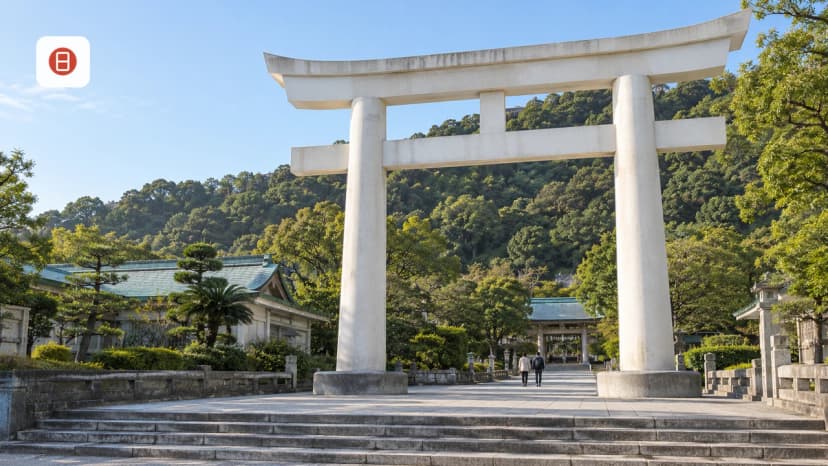
Chiran offers a rare glimpse into Japan's feudal past through its carefully preserved samurai residences, stone walls, hedges, and historic gardens.
This district in Minamikyushu, Kagoshima Prefecture, is often described as the Little Kyoto of Satsuma because the quiet lanes still carry the layout and garden aesthetics of an Edo-period castle town.
Visitors can walk the 700-meter samurai street, view seven residence gardens, then continue to the nearby Chiran Peace Museum for a deeper look at the town's modern wartime history.
It works best as a half-day or full-day trip for travelers exploring the wider Kagoshima region in 2026.
Must-See Chiran Attractions: The "Little Kyoto" Experience
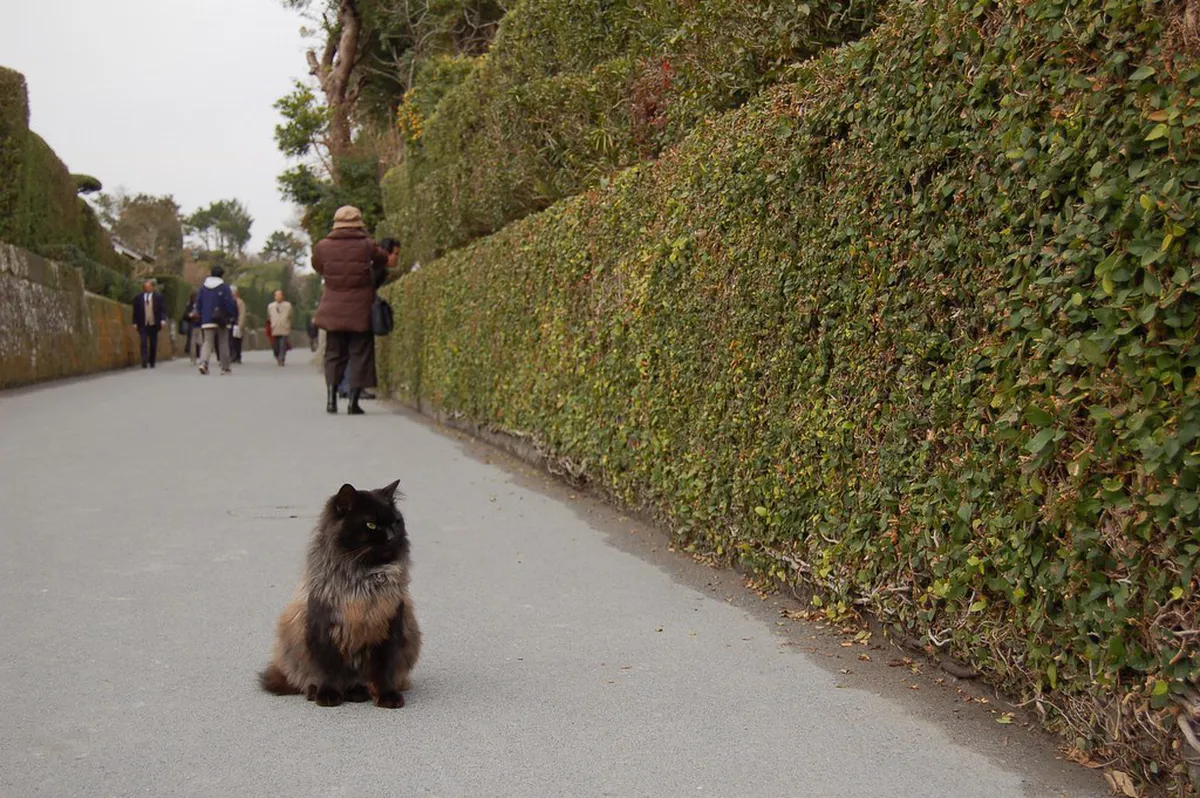
The heart of Chiran is the 700-meter samurai residence street lined with dark stone walls, clipped hedges, arm-style gates, and narrow garden entrances.
These walls hide seven beautiful gardens that date back to the mid-Edo period and were designed to be admired from the residences rather than walked through like a large public park.
That viewing style matters: pause at each garden edge, look for the framed mountain backdrop, and move slowly rather than treating the district as a quick photo stop.
The atmosphere remains quiet despite its popularity with history enthusiasts, especially early in the morning before tour groups and Kagoshima day-trippers arrive.
The common mistake is visiting only the first garden or two. The district's appeal builds as you compare dry landscapes, pond scenery, trimmed shrubs, and the way each family used similar materials differently.
Museums, Art, and Culture: Beyond the Samurai Houses
While the gardens are famous, Chiran is also known for local tea culture, small museums, and preserved buildings that explain the wider identity of the Satsuma Peninsula.
You can find traditional craft shops and cafes selling high-quality green tea grown in the surrounding hills, including matcha sweets that make an easy break between the samurai street and the Peace Museum.
The Chiran Peace Museum provides a somber contrast to the serene samurai district nearby and is the main reason many travelers treat Chiran as more than a garden stop.
Local galleries and small cultural displays often showcase pottery, textiles, dolls, and regional objects tied to Satsuma history.
- For a light visit, focus on the gardens, tea shops, and the historic street.
- For a history-heavy visit, add the Peace Museum and allow enough time to read the personal letters and exhibit notes.
- For families, mix the gardens with a short cafe stop so the day does not become only museums and memorials.
Parks, Gardens, and Outdoor Spots: The Seven Historic Landscapes
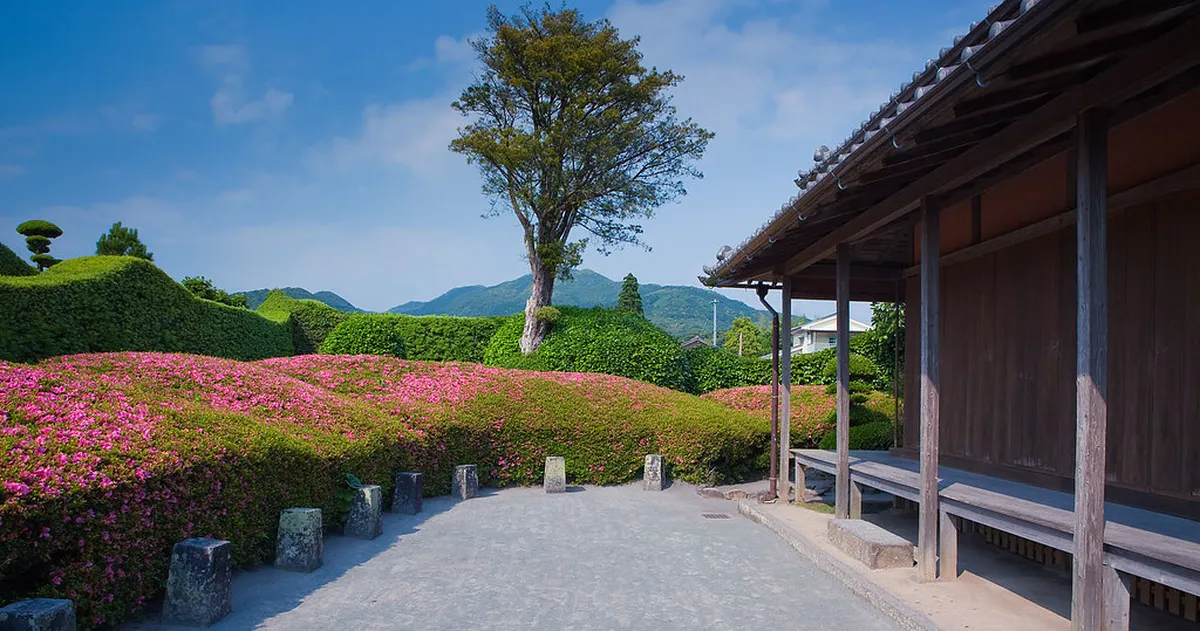
The seven gardens of Chiran are compact masterpieces of karesansui, or dry landscape, design.
Most use rocks, clipped shrubs, and pale shirasu volcanic pumice to suggest flowing water, islands, or distant mountains without using actual liquid.
One garden features a pond, providing a refreshing change of pace after the dry compositions.
You can find current entry fees and seasonal updates on the (Official Samurai District Site) before your visit.
| Garden | Style to Notice | What Makes It Stand Out |
|---|---|---|
| Saigo Keiichiro Residence Garden | Dry landscape | Rock groupings and clipped greenery that set the tone for the street. |
| Hirayama Katsumi Residence Garden | Dry landscape | A compact composition where stone placement does much of the storytelling. |
| Hirayama Ryoichi Residence Garden | Dry landscape | Seasonal shrubs and azaleas that soften the stone scenery in spring. |
| Sata Mifune Residence Garden | Dry landscape | A restrained layout that rewards slow viewing from the designated edge. |
| Sata Tamiko Residence Garden | Trimmed shrub landscape | Dense forms shaped to suggest nearby mountain ranges. |
| Sata Naotada Residence Garden | Dry landscape | Strong rock arrangements with a rugged, defensive character. |
| Mori Shigekata Residence Garden | Pond garden | The clearest contrast to the dry gardens, with water and borrowed scenery. |
Spring is the easiest season for first-time visitors because azaleas and fresh greenery make the garden forms easier to read. Early summer brings deeper greens, while winter gives the stonework and hedges a cleaner outline.
Family-Friendly and Budget-Friendly Options in Chiran
A single ticket costing 500 yen grants access to all seven of the historic samurai gardens.
This makes the district one of the most affordable high-value attractions in the Kagoshima area.
Families often enjoy the wide, car-free walking paths that allow children to explore safely.
Outdoor seating near the tea houses offers a great spot for a budget-friendly lunch break.
The route is also easy to shorten. If children or older travelers get tired, choose three or four gardens, take a tea break, then decide whether to continue to the Peace Museum.
Dining is simple rather than flashy, so choose based on pace:
- Traditional somen noodles: best when you want a longer local lunch and have a car.
- Matcha cafes and tea shops: best for a short break near the samurai street.
- Kagoshima City meals: best if you are returning by bus and do not want to plan around rural restaurant hours.
How to Plan a Smooth Chiran Attractions Day
Most travelers arrive via a direct bus from the main Kagoshima City transport hubs.
The journey takes about 80 minutes and offers scenic views of the rural countryside.
Plan to spend at least three hours to see both the residences and the Peace Museum comfortably.
Check the bus schedule on the (Official Samurai District Site) to avoid long waits between departures.
- By bus: best for solo travelers and budget-focused visitors, but confirm the return time before you start sightseeing.
- By rental car: best for pairing Chiran with Ibusuki sand baths, Lake Ikeda, or coastal viewpoints.
- By taxi or private tour: best for cruise passengers, travelers with limited mobility, or groups trying to fit several Satsuma Peninsula stops into one day.
Accessibility is mixed. The main street is walkable, but garden viewing areas can include uneven stone, narrow approaches, and steps, so comfortable shoes matter more than a formal itinerary.
A single ¥500 ticket grants entry to all seven samurai residence gardens — buy it at the ticket offices at either end of the samurai street, not at the individual gardens. If you also plan to visit the Chiran Peace Museum, start at the museum in the morning and walk the samurai street after lunch.
The best time to visit is morning on a weekday, when the lane is quiet and the garden shadows are softer. Avoid arriving late in the afternoon if you also want the Peace Museum, because its exhibits deserve unhurried time.
The Chiran Samurai District: Architecture and Strategic Design
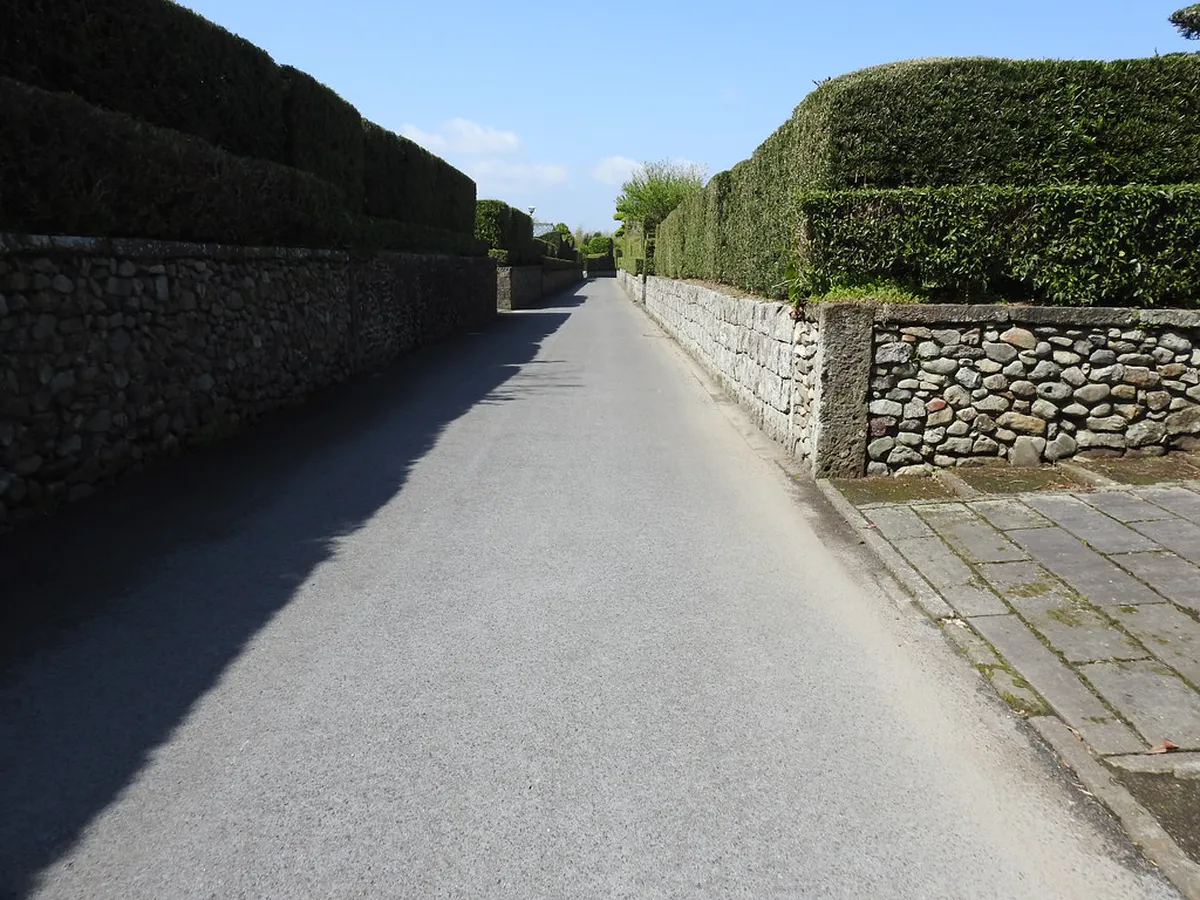
The stone walls here utilize a unique dry-stack method without mortar for better drainage.
These walls feature a distinctive 'T' shape at corners to prevent easy entry by enemies.
Such designs offered a tactical advantage for the Satsuma samurai during periods of local unrest.
You will also notice the use of shirasu volcanic pumice in many garden bases.
The result is both beautiful and defensive. High hedges limit sight lines, bent approaches slow movement, and the stonework makes the street feel orderly without exposing each residence.
Look down as well as across the gardens. The pale shirasu material connects the garden design to Kagoshima's volcanic geology, while the borrowed mountain views connect the small private spaces to the larger Satsuma landscape.
The Chiran Peace Museum for Kamikaze Pilots: A Poignant History
This museum sits on the site of a former airbase used during World War II.
It houses an authentic Hien fighter aircraft, which is a rare sight for aviation fans.
The exhibits focus on the personal letters, photographs, and final belongings of the young pilots, so the emotional weight comes from individual stories rather than military hardware alone.
Visitors often find the experience deeply moving and essential for understanding modern Japanese history.
How much time should you spend at the Chiran Peace Museum? Allow 60 to 90 minutes if you want to read the letters and absorb the memorial context. If you are visiting with children or on a cruise schedule, decide in advance whether you will enter the museum or only walk the memorial park and outdoor area.
Chiran Samurai Residence & Scenic Coast: Tour Options for Cruise Visitors
Cruise ships often dock at the Marine Port in Kagoshima for a single day.
Taking a taxi or private vehicle to Chiran is the fastest way to maximize limited shore excursion time because public transport from the port is not set up for a smooth direct visit.
A round-trip taxi ride usually takes about 50 minutes each way from the port area.
Ensure you agree on a fixed rate with the driver to keep your travel costs predictable.
If you are relying on the bus from Kagoshima-Chuo Station, confirm your return departure time before entering the gardens or the Peace Museum — the most common planning mistake is spending too long at the museum and missing the last convenient bus back. The journey is about 80 minutes each way.
Build in a return buffer of at least one hour before ship departure. Chiran pairs well with a scenic coast viewpoint or tea-field drive, but adding too many stops can turn the day into a rushed car tour instead of a meaningful visit.
Sand Bath Experience & Samurai Village: Regional Day Trip Pairings
Many travelers combine a morning in Chiran with an afternoon at the Ibusuki sand baths nearby.
The coastal drive between these two locations offers stunning views of the East China Sea.
This pairing allows you to experience both historical culture and unique natural wellness in one day.
Renting a car is the most efficient way to link these two popular southern destinations.
A practical 2026 route is Kagoshima City, Chiran Samurai District, Chiran Peace Museum, lunch, Ibusuki, then return by the coast if daylight allows.
If you prefer gardens over bathing, pair Chiran with Sengan-en garden on a separate Kagoshima-focused day rather than trying to fit both into one long southern loop.
Natural Beauty and Traditional Gardens: Chiran's Green Treasures
The gardens are famous for using 'shakkei,' which translates to the concept of borrowed scenery.
Designers used the distant Mt. Hahaga-dake to make the small gardens feel much larger.
Spring is a particularly beautiful time to visit when the azaleas are in full bloom.
You can see similar landscape techniques at the Sengan-en garden located back in the city center.
Chiran's tea fields add another layer to the landscape. Even if you do not join a formal tea experience, tasting local green tea helps connect the gardens, hills, and town economy in a way a quick walk cannot.
Photographers should bring a normal or short telephoto lens rather than relying only on wide-angle shots. The best details are often hedge textures, stone corners, gate shadows, and the compressed mountain backdrop behind the residences.
Frequently Asked Questions
Is the Chiran Samurai District worth visiting on a short trip?
Yes, Chiran is highly recommended for its unique preservation and peaceful atmosphere. It provides a distinct contrast to the volcanic energy of Sakurajima. You can see the main highlights in just half a day.
How much does it cost to enter the Chiran Samurai houses?
The entry fee is 500 yen for adults, which covers all seven gardens. This price is very reasonable given the historical value of the site. Tickets can be purchased at the entrance to the district.
Can you enter the actual samurai houses in Chiran?
Most of the historic residences are still private homes and cannot be entered by the public. However, the gardens attached to them are open for viewing. You can see the house exteriors from the garden paths.
How do I get from Kagoshima City to Chiran?
The most common method is taking a bus from Kagoshima Chuo Station or the Tenmonkan area. The ride takes about 80 minutes. Buses run regularly throughout the day, but checking the schedule is advised.
Chiran remains one of the most evocative historical sites in southern Japan for modern travelers.
The combination of strategic architecture and serene gardens offers a complete cultural experience.
Whether you are interested in samurai history or peaceful landscapes, this district will not disappoint.
Make sure to include this 'Little Kyoto' on your next itinerary through the beautiful Kagoshima region.
For more Kagoshima trip planning, see our Kagoshima itinerary, Kagoshima attractions guide, Kagoshima culture guide.
Official information & further reading: Chiran Samurai District official site · Chiran Samurai District on Wikipedia · japan-guide.com reference.