

10 Ways to Experience Kagoshima Culture: Shochu, Samurai, and Sakurajima
Discover how to experience Kagoshima culture through its iconic volcano, samurai heritage, and sweet potato shochu. Includes top sites like Sengan-en and Chiran, with 2026 prices and opening hours.
On this page
- Sakurajima ferry: ¥250 one-way, departs every 20 minutes, 15-minute crossing
- Sengan-en Garden: ¥1,600 admission, open 8:30–17:30 daily
- Chiran Samurai District: ¥530 adults, open 9:00–17:00 daily
- Best shochu experience: imo-shochu (sweet potato) — Kagoshima produces more shochu than any other Japanese prefecture
- Don't miss: kurobuta black pork, satsuma-age fish cakes, shirokuma shaved ice
Kagoshima offers a unique blend of volcanic energy and historical depth in southern Japan. The city sits in the shadow of Sakurajima, one of the world's most active volcanoes, which shapes every aspect of local life — from the fertile soil to the warrior spirit. Understanding how to experience Kagoshima culture through shochu, samurai history, and the living volcano is the key to a meaningful visit here.
Travelers often call this region the Naples of the Eastern World due to its stunning bay views and dramatic skyline.
The legacy of the powerful Shimazu clan and the samurai who drove Japan's Meiji Restoration remains visible in grand gardens, preserved districts, and thoughtful museums. From the earthen tones of sweet potato shochu to the glitter of Satsuma Kiriko cut glass, every craft and flavor tells the story of the volcanic south.Planning a trip here requires a balance of nature, history, and culinary discovery. This guide covers the essential sites and hidden gems that define Kagoshima's identity in 2026, complete with up-to-date prices and practical tips. For the latest event schedules, check the Kagoshima Convention & Visitors Bureau (Official Site) before your trip. For a broader overview of the region's must-see spots, also read our guide to Kagoshima attractions.
| Site | Admission (2026) | Hours |
|---|---|---|
| Sakurajima Ferry | ¥250 one-way | 24 hours, every 20 min |
| Sengan-en Garden + Villa | ¥1,600 adults | 8:30–17:30 (last entry 17:00) |
| Chiran Samurai District (all 7 gardens) | ¥530 adults / ¥320 children | 9:00–17:00 daily |
| Ishin Restoration Museum | ~¥300 adults | Check local listings |
| Sakurajima Visitor Center | Free | Open daily |
Witness the Majesty of Sakurajima Volcano
Sakurajima stands as the iconic symbol of Kagoshima and one of the most active volcanoes in the world. This giant regularly puffs ash over the urban landscape, creating a dramatic backdrop for daily life. Residents use special yellow bags for volcanic ash collection — a matter-of-fact adaptation that perfectly illustrates how thoroughly the volcano has shaped local culture.
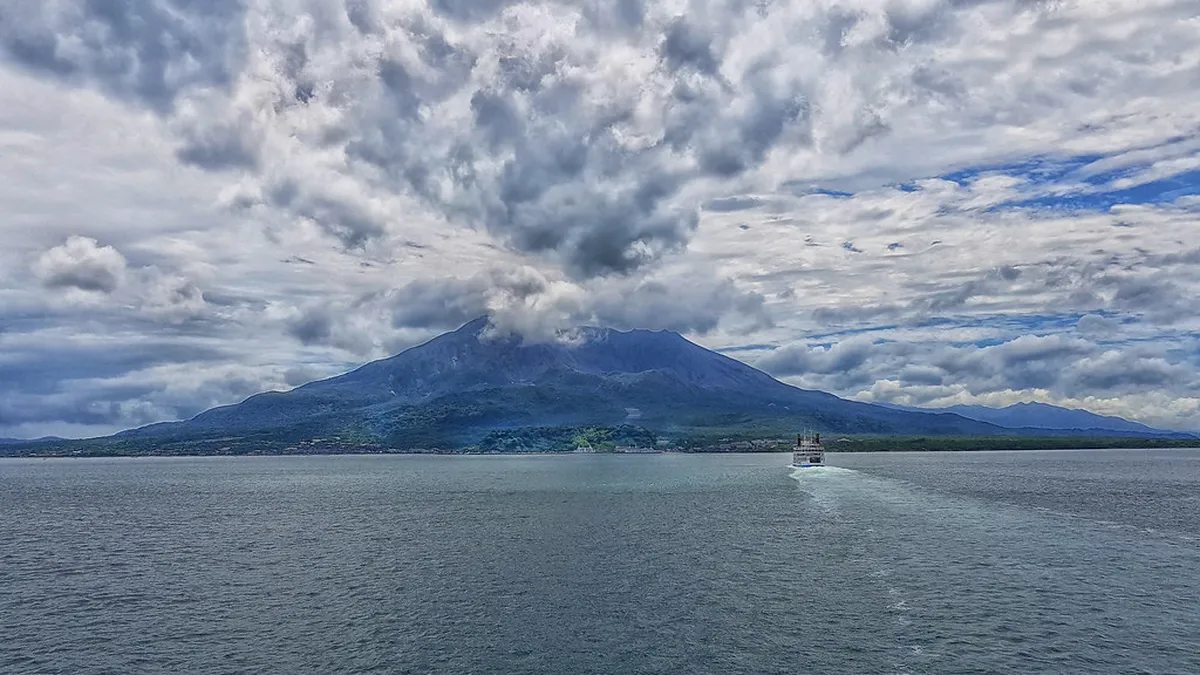
The Sakurajima ferry runs 24 hours a day, every 20 minutes, for just ¥250 one-way — pay on arrival at Sakurajima port, no ticket needed to board in Kagoshima. The ¥1,300 CUTE Pass covers all trams, city buses, and the ferry for a full day.
The ferry crossing provides the best views of the mountain from the shimmering waters of Kinko Bay. The crossing takes just 15 minutes and operates 24 hours a day, departing every 20 minutes. The adult fare is ¥250 one-way (2026), making it one of the most scenic and affordable experiences in all of Kyushu. You can enjoy a bowl of udon on the ferry deck while taking in the sea breeze — a local tradition worth joining.
Once on the island, the visitor center is free of charge and offers English-language information boards and video exhibits about Sakurajima's geological history. You can learn about the massive 1914 eruption that connected the former island to the Osumi Peninsula. Walking trails lead through rugged lava fields that look like a lunar landscape, and the Nagisa Lava Park footbath — just a 10-minute walk from the ferry terminal — is one of the longest footbaths in Japan, fed by volcanic hot spring water. For an in-depth itinerary covering the island's best viewpoints, read our complete Sakurajima ferry and visitor guide.
Practical Sakurajima Ferry Information (2026)
- Adult fare: ¥250 one-way (pay on arrival at Sakurajima port — no ticket needed to board in Kagoshima)
- Frequency: Every 20 minutes during peak hours; roughly hourly late at night
- Journey time: 15 minutes
- Operating hours: 24 hours a day, 365 days a year
- Day pass option: ¥1,300 CUTE Pass covers all trams, city buses, and the ferry
Top Activities on Sakurajima Island
- Viewpoint: Yunohira Observatory — panoramic views of the crater and Kinko Bay
- Relaxation: Nagisa Lava Park Footbath — free, open-air, volcanic hot spring water
- Education: Sakurajima Visitor Center — free admission, English exhibits
- Hiking: Karasujima Lava Trail — eerie lava fields from the 1914 eruption
- Safety note: Stay at least 2 km from active craters; check eruption alerts on the Japan Meteorological Agency website before hiking
Get the Best Views from Shiroyama Observatory
For the most iconic photograph of Kagoshima, head to Shiroyama Park Observatory on the hilltop above the city. This free viewpoint offers a sweeping panorama that captures both the city skyline and Sakurajima directly across the bay. Dawn and dusk are the most dramatic times to visit, when the volcano glows against the changing sky.
The forested hill surrounding the observatory is also historically significant — it was the last battleground of the Satsuma Revolt of 1877, where Saigo Takamori, often called the last true samurai, made his final stand against Meiji government forces. Walking the trails through the dense subtropical vegetation gives you a sense of how the rebel samurai used this hillside as their final refuge.
A city tram stops near the base of the hill, and the observatory itself is a short uphill walk or taxi ride from the tram stop. The surrounding park is free to enter and pleasant for a morning stroll. Combine this with a visit to the nearby Kagoshima Castle ruins (Tsurumaru Castle), where stone walls and a small museum trace the history of the Shimazu domain.
Step Back in Time at Sengan-en Garden
Sengan-en Garden is a magnificent example of a traditional Japanese landscape built by the Shimazu clan in 1658 and using a design technique called "borrowed scenery" to incorporate Sakurajima and the bay. Walking the garden paths reveals how the lords of Satsuma appreciated the living volcano as a centerpiece of their private estate — not a threat, but a source of pride.
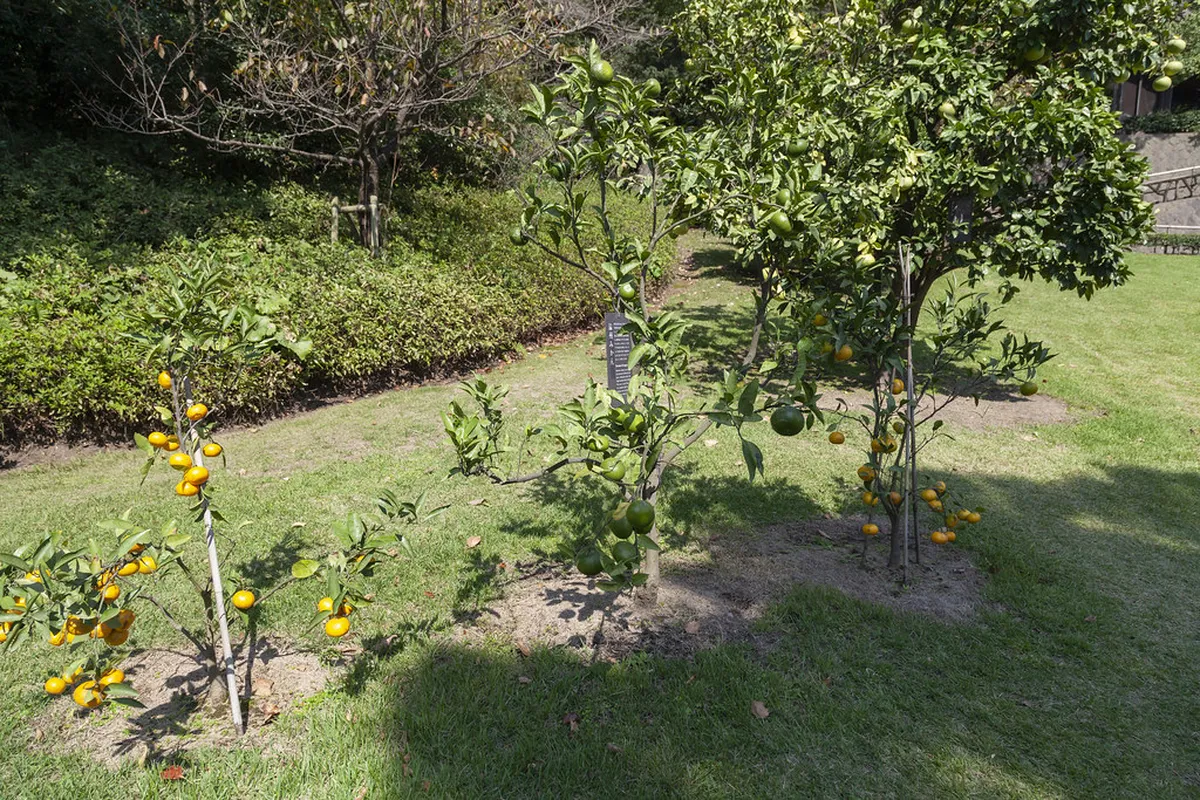
The historic villa on the grounds hosted many important figures during the late 19th century. You can tour the interior to see a fascinating blend of Japanese aesthetics and early Western influences. Many rooms overlook the gardens, providing a peaceful atmosphere for reflection. The Sengan-en official website provides details on special guided tours of the private residence.
Beyond the gardens, the site includes an industrial museum that highlights the modernization of Japan. The Shimazu family pioneered many technological advancements including iron smelting and glass making, and this area is now recognized as a UNESCO World Heritage site for its role in Japan's industrial revolution. A new railway station opened next to Sengan-en in March 2025, with the ride from Kagoshima-Chuo Station taking just 8 minutes and costing ¥240.
Sengan-en Practical Information (2026)
- Admission: ¥1,600 per adult (garden + villa)
- Opening hours: 8:30–17:30 daily (last entry 17:00)
- Getting there: New railway station adjacent to the garden (8 min from Kagoshima-Chuo, ¥240) or 20 minutes by tram from central Kagoshima
Explore the Samurai District of Chiran
Chiran is a beautifully preserved district that offers a glimpse into the lives of samurai during the Edo period. The area features seven historic residences tucked behind elegant stone walls along a quiet 700-meter lane. Unlike many other samurai districts in Japan, Chiran is famous for its uniquely styled hidden gardens — each one distinct in character, designed to provide both tranquility and tactical cover for the resident warriors.
Some gardens use dry rock formations to represent water in the Zen tradition, while others feature lush greenery, shaped shrubs, and reflecting ponds. Walking the quiet lanes and imagining the daily routines of the Satsuma samurai is a meditative experience. The absence of modern power lines helps maintain the authentic historical atmosphere. A single combined ticket covers all seven gardens.
Getting to Chiran requires a 60–70 minute bus ride each way from central Kagoshima — plan a full half-day to do it justice. Many travelers also combine it with the nearby Chiran Peace Museum for Kamikaze Pilots on the same trip, which adds significant time. Book accommodation well in advance for the Ohara Matsuri festival in early November.
Getting to Chiran from central Kagoshima requires a bus ride of about 60–70 minutes from Kagoshima-Chuo Station or the Tenmonkan area. The detour is strongly recommended for those interested in authentic Kagoshima culture and history. Many travelers combine the samurai gardens with the nearby Chiran Peace Museum for Kamikaze Pilots, which houses letters, personal artifacts, and photographs that offer a deeply human perspective on World War II.
Chiran Samurai District Practical Information (2026)
- Admission: ¥530 adults, ¥320 children (covers all seven samurai gardens)
- Opening hours: 9:00–17:00 daily
- Getting there: Bus from Kagoshima-Chuo Station or Tenmonkan (~60–70 min each way)
Immerse in Shochu Culture and Distillery Tours
Kagoshima is the undisputed heartland of shochu and produces more of this distilled spirit than any other prefecture in Japan. The region is specifically famous for imo-shochu, made from locally grown sweet potatoes. This tradition developed because the volcanic ash soil of the Satsuma region made rice cultivation difficult, while sweet potatoes thrived in the mineral-rich ground — turning an agricultural constraint into a cultural identity.
The flavor of sweet potato shochu is often described as earthy, robust, and slightly sweet — markedly different from the lighter rice or barley shochu found elsewhere. You can enjoy it in several ways: on the rocks (on the rocks), mixed with water (mizuwari), or most traditionally mixed with hot water (oyuwari), which opens up the aroma beautifully. Many local restaurants offer extensive shochu menus alongside hearty Kyushu dishes.
Booking a tour of a local distillery — including Meijigura, Satsuma Kinzangura, Mars Tsunuki, and Kanosuke — allows you to see the fermentation and distillation process and understand how koji mold interacts with the sweet potatoes to create complex layered flavors. For a broader tasting experience, a guided evening of shochu bar-hopping in the Tenmonkan district lets you sample multiple varieties under local expert guidance. The official Kagoshima tourism site has a distillery tour listing with booking contacts. A day-tour combining a farm visit and distillery experience runs approximately ¥15,000–¥20,000 per person in 2026.
Savor Kagoshima Cuisine: Kurobuta Pork, Ramen, and Street Snacks
The local food scene is anchored by Kurobuta, Kagoshima's famous Berkshire black pork — often described as the "Kobe beef of pork" for its extraordinary marbling, tender texture, and rich fat that melts on contact. You can find it served in various styles including shabu-shabu, tonkatsu cutlet, and as a deeply flavored topping for ramen. Dining on kurobuta pork is a non-negotiable part of any cultural visit.
Kagoshima ramen offers a distinct alternative to the heavy tonkotsu styles found in other parts of Kyushu. The broth is usually a lighter blend of pork, chicken, and vegetable stocks, served with thick, straight noodles and pickled daikon radish on the side. This cleaner flavor profile makes it a refreshing and satisfying midday meal. Kurobuta restaurants are concentrated in the Tenmonkan district — look for signs advertising "Kagoshima Kurobuta Tonkatsu" for a reliable set-menu option around ¥1,500–¥2,500 in 2026.
For street-food exploration, the Tenmonkan covered arcade is the best starting point. Try satsuma-age (deep-fried fish cakes seasoned with local spices — sweet, savory, and endlessly varied), and finish with a bowl of shirokuma — Kagoshima's beloved shaved ice dessert topped with condensed milk, red beans, and seasonal fruit. These flavors are Kagoshima in every bite. For a complete picture of what to eat and where, see our guide to Kagoshima's famous foods.
Master the Art of Satsuma Kiriko Glass Cutting
Satsuma Kiriko is a stunning style of cut glass that originated in the mid-19th century under the patronage of Lord Nariakira Shimazu, who pioneered the introduction of Western glassmaking technology to Japan. It is characterized by deep, jewel-like colors — rich reds, blues, purples, and greens — that fade gradually into clear glass through the "cased glass" technique of layering colored glass over a clear base before precision cutting.
Artisans in Kagoshima continue to produce these beautiful pieces using traditional hand-cutting methods. Around a hundred craftsmen across seven workshops perpetuate this heritage, carefully carving geometric and floral patterns into the glass surface. The process requires extreme precision and years of training, and watching a master at work adds immense value to the experience of purchasing a piece.
While Edo Kiriko from Tokyo is also famous, Kagoshima's Satsuma style is known for its thicker glass layers and softer color gradients, producing a more dramatic visual effect. A small piece — a tumbler, sake cup, or ornament — makes a functional and beautiful souvenir. Purchasing directly from a workshop supports a craft tradition that nearly disappeared before being revived in the 1980s.
Relax in the Unique Sand Baths of Ibusuki
Ibusuki is a coastal town south of Kagoshima famous for its natural steam sand baths — one of the most unusual wellness experiences in Japan. Geothermal heat from the volcanic activity beneath the beach warms the black volcanic sand to a therapeutic temperature. You lie down wearing a light cotton yukata and attendants shovel warm sand over your body up to your neck. The gentle weight combined with rising steam creates a deeply relaxing full-body warmth.
Sessions typically last 10 to 15 minutes before the heat becomes too intense, after which you rinse off the sand and soak in a traditional hot spring bath. The combination of mineral-rich sand and hot spring water leaves skin feeling refreshed and muscles genuinely loosened. Fees at the main Sunamushi Kaikan facility (Saraku) run approximately ¥1,500–¥2,000 per person including yukata rental in 2026.
Taking the scenic Ibusuki no Tamatebako train from Kagoshima-Chuo Station is the most enjoyable way to reach the town — the coastal views during the 50-minute ride are spectacular. A full day in Ibusuki, combining a sand bath, a soak, and a seaside lunch, is a perfect counterpoint to Kagoshima's urban energy. For planning your full Kagoshima schedule around this and other excursions, see our Sakurajima day trip itinerary.
Discover the Ishin Restoration Museum
Kagoshima played a pivotal role in the Meiji Restoration — the dramatic 19th-century transformation that ended samurai rule and modernized Japan. The Ishin Restoration Museum uses high-tech interactive exhibits and robotic theater shows to tell the story of the local heroes who led this movement. You can learn about Saigo Takamori (immortalized in a famous bronze statue in Shiroyama Park), Okubo Toshimichi, and other Satsuma samurai who helped dismantle the very feudal system they grew up in.
The museum reveals how the Satsuma domain secretly sent students to Britain and other Western nations to learn modern technology — a bold and illegal act under the Tokugawa Shogunate. These efforts helped transform Japan from a feudal society into a global industrial power within a single generation. The museum is located in the Kajiya-cho district, where many of these historical figures were born and raised.
Walking the surrounding streets lets you follow a self-guided trail connecting the museum to statues, birthplace plaques, and other sites associated with the Meiji era heroes. This experience provides a grounded understanding of why Kagoshima people carry such deep civic pride. Entry is approximately ¥300 for adults in 2026.
Experience the Vibrant Ohara Matsuri Festival
The Ohara Matsuri is the largest festival in southern Kyushu and takes place every November in the heart of Kagoshima city. Thousands of dancers fill the streets to perform the Ohara-bushi, a beloved local folk dance, wearing colorful yukata and moving in synchronization to the rhythm of traditional drums and shamisen. This event showcases the strong sense of community and collective joy that defines Kagoshima's cultural character.
Visitors are welcome to join the dancing alongside local participants — many groups invite tourists who are willing to follow the basic steps. It is a fantastic immersive experience and one of the most memorable ways to connect with local culture. Food stalls line the festival route offering yakisoba, grilled skewers, satsuma-age, and naturally, glasses of imo-shochu served cold.
The festival typically runs across one weekend in early November. Book accommodation in Kagoshima at least two months in advance if you plan to visit during this period. For a full calendar of Kagoshima events including the Ohara Matsuri dates, see our Kagoshima nightlife and events guide.
Admire the Craftsmanship of Oshima Tsumugi Silk
Oshima Tsumugi represents one of the most sophisticated textile traditions in Japan, with roots stretching back over 1,300 years. This silk fabric requires an extraordinary mud-dyeing process found only on the Amami Islands within Kagoshima Prefecture. Iron-rich mud reacts with vegetable dyes to create the signature deep blacks and rich browns of the fabric, and the result is a durable, lightweight silk with a distinctive deep luster.
Skilled artisans spend months or even years weaving a single kimono pattern entirely by hand. You can visit local workshops in Kagoshima city to watch the intricate dyeing and weaving techniques firsthand — the process is considered so complex and meticulous that it can take up to a year to produce a single roll of fabric. Many visitors enjoy purchasing small accessories made from this precious silk: wallets, ties, and pouches are accessible entry points into a living craft tradition.
The patterns often feature natural motifs — flowers, birds, geometric shapes — each telling a story tied to island culture and local folklore. While a full kimono is a significant investment, supporting these workshops helps preserve a craft that has survived centuries of technological change. Look for dedicated Oshima Tsumugi workshops and shops in the central Kagoshima shopping district.
Frequently Asked Questions
What is Kagoshima most famous for culturally?
Kagoshima is most famous for three defining cultural pillars: Sakurajima volcano (which has shaped daily life and cuisine for centuries), its samurai heritage as the seat of the powerful Shimazu clan and birthplace of Meiji Restoration leaders, and imo-shochu — the sweet potato spirit that Kagoshima produces in greater volume than any other prefecture in Japan. These three elements are deeply intertwined and visible across every aspect of the local culture, from the food to the festivals.
What is the best way to see Sakurajima volcano?
The best way to experience Sakurajima is to take the ferry from Kagoshima Port — it runs 24 hours a day, every 20 minutes, for just ¥250 one-way. Once on the island, hike the Karasujima Lava Trail, visit the free visitor center, and soak your feet at the Nagisa Lava Park footbath. For panoramic views from the mainland, the Shiroyama Park Observatory (free) offers one of the most photographed angles of the volcano across Kinko Bay. Always check current eruption alerts on the Japan Meteorological Agency website before visiting the island.
Why is Kagoshima famous for sweet potato shochu?
Kagoshima's volcanic ash soil made it difficult to grow rice for traditional sake. Sweet potatoes thrived in the mineral-rich ground, leading locals to develop imo-shochu — a distilled spirit made from these potatoes. Today Kagoshima produces more shochu than any other Japanese prefecture. The spirit's earthy, slightly sweet flavor is best enjoyed the traditional way: mixed with hot water (oyuwari) to release the full aroma. You can taste different styles at one of 64 distilleries in the prefecture that offer tours or tastings.
How do I get to the Chiran Samurai District from Kagoshima City?
Take a direct bus from Kagoshima-Chuo Station or the Tenmonkan area to Chiran. The journey takes 60–70 minutes each way, and buses run several times a day. Admission to the seven samurai gardens is ¥530 for adults and ¥320 for children (2026), covered by a single combined ticket. The gardens are open 9:00–17:00 daily. Many visitors combine the samurai district with the nearby Chiran Peace Museum for Kamikaze Pilots on the same day trip.
Is Sengan-en Garden worth visiting for samurai history?
Yes — Sengan-en is one of the best single stops in Kagoshima, combining samurai heritage, industrial history, and stunning natural scenery in one place. The garden was built in 1658 by the Shimazu clan and incorporates Sakurajima as its centerpiece through the "borrowed scenery" technique. The adjacent industrial museum is a UNESCO World Heritage site. Admission is ¥1,600 for adults; the garden is open 8:30–17:30 daily. A new train station opened right next to the garden in March 2025, making access very easy from central Kagoshima.
What food should I try in Kagoshima?
Kagoshima has one of the most distinctive food cultures in Kyushu. Must-try dishes include kurobuta (Berkshire black pork tonkatsu or shabu-shabu), Kagoshima ramen with its lighter pork-and-chicken broth, satsuma-age (fried fish cakes, best eaten warm from a street stall in Tenmonkan), and imo-shochu served with hot water. For dessert, shirokuma — shaved ice topped with condensed milk, red beans, and fruit — is a beloved local specialty. Most of these can be sampled in and around the Tenmonkan shopping district.
Experiencing Kagoshima culture means living alongside an active volcano, tasting a spirit shaped by volcanic soil, and walking paths where samurai once trained. The city's identity is forged from the tension between fire and tradition — and that energy is palpable from the moment the ferry cuts across Kinko Bay toward Sakurajima's smoking peak.
Whether you are sipping oyuwari shochu in a Tenmonkan bar after dark, touching century-old lava rock on the island, or watching a glass cutter transform a molten sleeve into glittering Kiriko art, you will leave Kagoshima with a visceral connection to a place unlike anywhere else in Japan. For a full multi-day plan covering all of these experiences, see our detailed Kagoshima itinerary guide. For late-night shochu bars and Tenmonkan nightspots, our Kagoshima nightlife guide has you covered.
Free: The Kagoshima Essentials guide
Top things to do, where to stay, a perfect day plan, getting around, and the best time to go — a Kagoshima mini-guide you can take offline.
You might also like


Continue reading
More guides you'll find useful


