
Art Hotel Kagoshima: Complete Guest Guide & Local Info
Plan your stay at Art Hotel Kagoshima with our guide to rooms, Sakurajima views, meeting facilities, and easy transport from Kagoshima Chuo.
On this page
Art Hotel Kagoshima is a bayfront hotel at 22-1 Kamoike Shinmachi, south of Kagoshima's busiest station and shopping districts. Its strongest draw is the outlook over Kinko Bay toward Sakurajima, especially from upper floors and restaurant spaces facing the water. The setting works well for travelers who want a quieter base than Tenmonkan while still keeping buses, taxis, ferries, and road-trip routes within reach.
The hotel belongs to ICONIA HOSPITALITY and fits both leisure stays and corporate travel. It has the practical features guests usually compare across Kagoshima hotels: multiple room categories, restaurants, event rooms, parking, laundry, and a direct bus route from Kagoshima Chuo Station. This guide focuses on the details that matter before booking in 2026, including Sakurajima-view requests, restaurant hours, airport access, and travel-agent GDS codes.
Overview of Art Hotel Kagoshima
Art Hotel Kagoshima is not a central-station hotel, and that is part of its appeal. Kamoike Shinmachi is calmer than the blocks around Kagoshima Chuo, with the bay on one side and government, sports, and residential facilities nearby. The hotel is best for travelers who value views, parking, and a quieter evening atmosphere.
The property is often described as a first-class business and leisure hotel, with 199 rooms across 10 floors. Check-in is listed from 15:00 and check-out at 11:00, which gives morning travelers time for breakfast before the airport or ferry. Guests using Kagoshima as part of a wider Kyushu route will also appreciate the 15-minute drive from Kagoshima IC on the Kyushu Expressway.
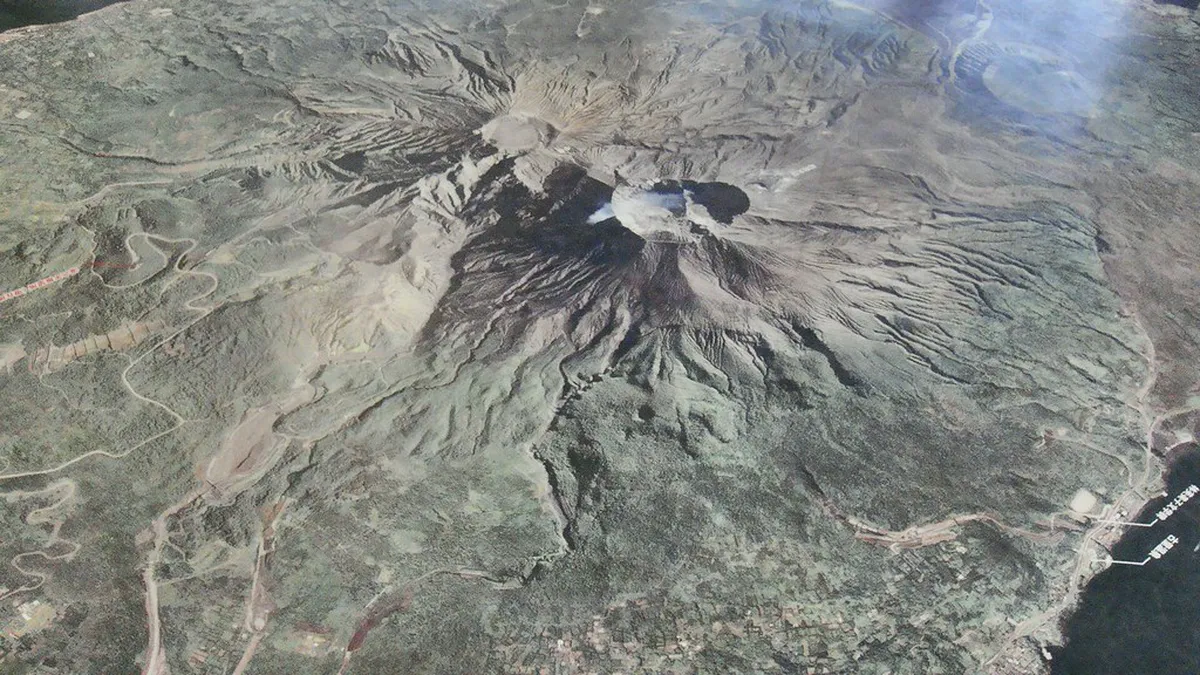
The strongest reason to choose this hotel over more central options is the Sakurajima setting. Clear mornings can give you a direct view across Kinko Bay, and the volcano feels closer from this side of the city than it does from inland hotels. If the view is the reason for booking, make the request at reservation time.
Guest Room Categories and Amenities
Room searches on the official site separate accommodation by date, party size, and room count, with layouts suited to solo travelers, couples, families, and business guests. Expect the usual Japanese city-hotel mix of compact doubles, twins, larger family-friendly rooms, and upgraded categories for guests who want more floor space. The most important filter is not only bed type but also view direction.
For Sakurajima, ask for an upper-floor room facing Kinko Bay. The volcano sits across the water east of the hotel, so bay-facing rooms are the ones to prioritize when visibility matters. If your stay is built around a Kagoshima itinerary with early ferry departures or sunrise photos, a view room is worth confirming directly with the hotel or booking channel.
In-room amenities are practical rather than resort-like. Travel Weekly lists air conditioning, refrigerator, television, high-speed and wireless internet, daily maid service, non-smoking rooms, and iron or ironing-board availability. The official facilities page also notes coin laundry on B1, with washing machines and dryers available 24 hours for longer stays.
- Choose a single or double room if you mainly need a clean base, desk space, and quick transport links.
- Choose a twin or larger room if you are traveling with family, carrying large luggage, or staying more than two nights.
- Choose a bay-facing or high-floor category if Sakurajima views are central to the trip.
- Confirm non-smoking preference, bed layout, and view request before arrival, especially during school holidays and event periods.
Dining and On-Site Restaurants
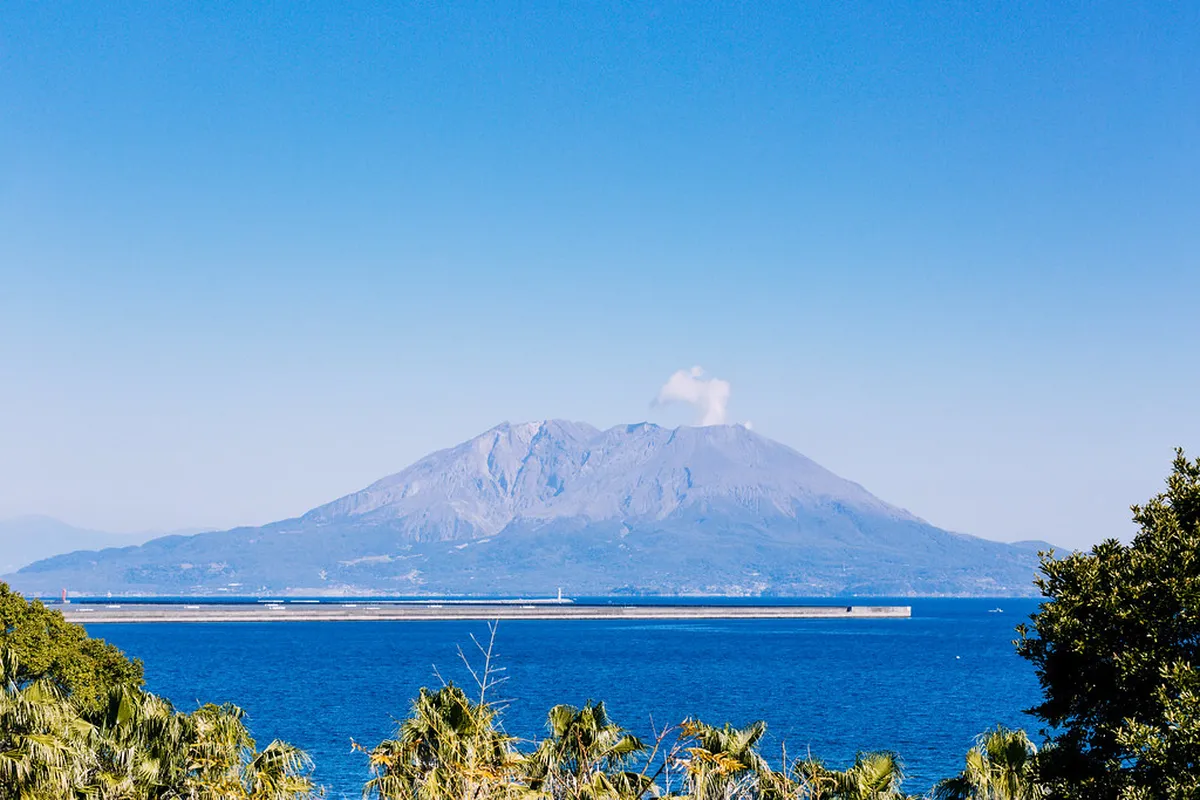
Dining is a genuine strength here because the restaurants lean into the same bay-and-volcano setting as the rooms. Kagoshima Bold Kitchen is the main all-day restaurant, with a panoramic view of Sakurajima and Kinko Bay. Breakfast is listed from 6:30 to 9:30, which works for airport departures, early meetings, and morning ferry plans.
Kagoshima Bold Kitchen also opens for lunch from 11:30 to 14:30, with last order at 14:00. Dinner operates on Saturdays and selected dates from 17:30 to 21:00, with last order at 20:30, so do not assume nightly dinner service without checking the current calendar. If you want a broader city meal plan, compare the hotel restaurants with local specialties in our Kagoshima food guide.
Kagoshima Bold Kitchen dinner service runs on Saturdays and selected dates only (17:30–21:00, last order 20:30) — nightly dinner is not guaranteed. Confirm current restaurant availability directly with the hotel, especially on weekdays and during low season.
Japanese Restaurant Minato serves seasonal Japanese cuisine, including eel dishes, for lunch and dinner. Teppanyaki KAIUN focuses on course meals built around Kagoshima black beef, local vegetables, and seafood cooked in front of guests. These restaurants help with business entertaining, celebration meals, and bad-weather evenings.
Meeting Rooms and Event Facilities
Art Hotel Kagoshima is more than an overnight property; it is also a MICE and banquet venue. The official banquet page promotes presentations, meetings, parties, weddings, and catered events with Japanese and Western-style menus. Telephone banquet inquiries are accepted from 9:00 to 18:00, and the hotel lists support from planning through same-day operation.
The largest named venue is Sakurajima on the 2nd floor, with 361 square meters, a 3.5-meter ceiling, and capacity listed from 200 to 400 people. Sakurajima A or B can be used as a 180-square-meter room for roughly 80 to 200 people. Osumi Satsuma covers 285 square meters for 150 to 310 people, while Osumi or Satsuma alone offers 142.5 square meters for 60 to 180 people.
Smaller rooms include Precious, listed at 64 square meters for 40 to 80 people, and Kamoike or Kaimon, each listed at 26.5 square meters for meetings of about 10 people. Travel Weekly GDS Data summarizes the hotel as having 763 square meters of event space and capacity for 814 people. For planners, the practical advantage is rooms, catering, restaurants, parking, and accommodation under one roof.
| Venue | Size (m²) | Ceiling Height | Capacity |
|---|---|---|---|
| Sakurajima (full, 2F) | 361 | 3.5 m | 200–400 people |
| Sakurajima A or B | 180 | 3.5 m | 80–200 people |
| Osumi Satsuma | 285 | – | 150–310 people |
| Osumi or Satsuma | 142.5 | – | 60–180 people |
| Precious | 64 | – | 40–80 people |
| Kamoike or Kaimon | 26.5 | – | ~10 people |
Location and Transportation Guide
The official access guidance lists the hotel at 22-1 Kamoike Shinmachi, Kagoshima City, 890-0064. From Kagoshima Chuo Station, buses take about 15 to 30 minutes depending on the route. From Kagoshima Airport, the bus journey is listed at 68 minutes, while drivers can reach the hotel from Kagoshima IC on the Kyushu Expressway in about 15 minutes.
For most first-time visitors, the bus is the best balance of cost and simplicity, especially if you are arriving during daylight and carrying manageable luggage. A taxi from Kagoshima Chuo is faster and easier with suitcases, late arrivals, or family groups, but it usually costs several times more than the bus. If your route includes Tenmonkan before check-in, our Tenmonkan to Kagoshima Airport guide can help compare city-center transfers.
Drivers should confirm the current parking rules directly with the hotel before arrival, especially during banquet days, weddings, and summer pool periods. The Kamoike location is convenient for road trips around Kagoshima Prefecture because you avoid some city-center congestion when heading back toward the expressway. It is also a practical overnight base before continuing south or east by car.
- Bus from Kagoshima Chuo Station takes about 15 to 30 minutes and is usually the best-value option for solo travelers.
- Taxi from Kagoshima Chuo is the most convenient option with heavy luggage, rain, children, or late arrivals.
- Airport bus access takes about 68 minutes, so leave extra buffer before domestic flights and check the current timetable.
- Car access from Kagoshima IC takes about 15 minutes in normal traffic, making the hotel useful for Kyushu road trips.
Nearby Art Galleries and Cultural Sites
The hotel's name can make travelers expect a gallery district at the front door, but Kamoike is better understood as a quiet base with cultural side trips nearby. Nagayoshi Art Museum is one of the useful local references for visitors who want something smaller and more neighborhood-focused than the major sightseeing circuit. It pairs well with a slower morning when Sakurajima is hidden by cloud or ash.
For a fuller arts day, combine the Kamoike area with the city museums, waterfront walks, and Satsuma history sites closer to central Kagoshima. The hotel is close enough to reach those areas by bus or taxi, but removed enough to feel calmer at night. That balance is useful if your trip mixes meetings, family travel, and culture rather than a pure sightseeing schedule.
The better way to use the hotel is to plan one cultural route and one volcano route instead of trying to do everything from the lobby. Spend a clear morning on Sakurajima, then use a cloudy or rainy afternoon for galleries, local food, and history. Our Kagoshima culture guide can help choose the right stops for the time you have.
Kagoshima Weather and Best Time to Visit
Kagoshima weather matters more at this hotel than at many city-center properties because the view is part of the product. Cooler, drier months usually give the cleanest morning sightlines toward Sakurajima, while summer humidity can soften the horizon even when the sky looks bright. If the volcano view is important, step to the window early rather than waiting until late morning.
Spring and autumn are the easiest seasons for walking, sightseeing, and ferry travel. Summer brings heat, humidity, and a greater chance of heavy rain or typhoon disruption, though the hotel's outdoor pool and spa facilities can be appealing when operating. Winter is cooler but often excellent for clear volcano views and business travel.
Volcanic ash is the local factor many first-time visitors underestimate. A room can face the right direction and still have a muted view if ash, low cloud, or haze moves across the bay. Keep one flexible morning for your Sakurajima ferry trip, and use cloudy periods for restaurants, galleries, shopping, or indoor cultural stops.
Sakurajima View and First-Timer Tips
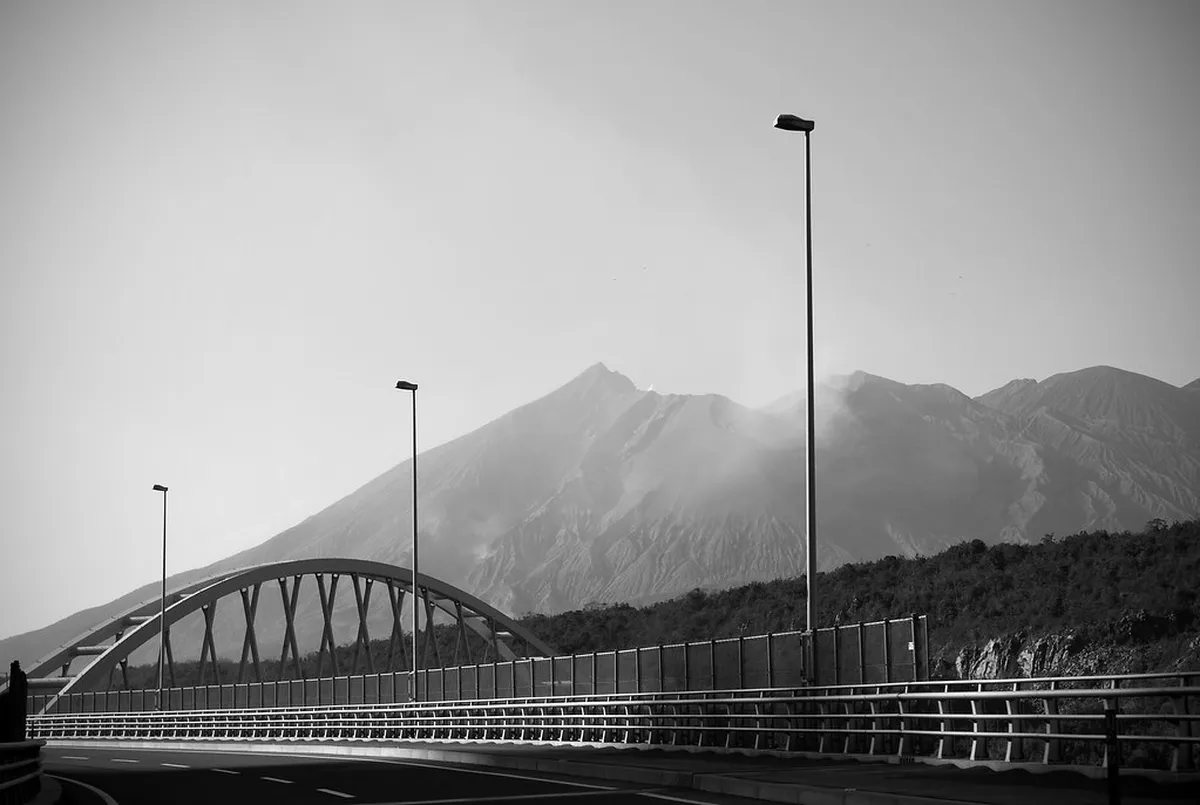
The most common booking mistake is assuming that every stay automatically delivers the same volcano view. Travel Weekly says the hotel overlooks Kinko Bay and highlights Sakurajima views, but room satisfaction still depends on floor, direction, weather, and category. Use plain language when booking: ask for a high-floor, bay-facing room with a Sakurajima view.
To maximize your Sakurajima view, request a high-floor bay-facing room at booking time. Check the view at sunrise before planning your Sakurajima ferry crossing — if the cone is obscured by ash or cloud, switch to a city route and try again the next morning.
Families and older travelers should also think about transport comfort, not only the view. The bus from Kagoshima Chuo is efficient, but taxis are easier after a long Shinkansen ride or during heavy rain. If you are traveling with a stroller, wheelchair, or large bags, contact the hotel ahead of time about room access and taxi drop-off.
For photographers, the most reliable routine is simple: check the view at sunrise, eat breakfast early, then decide whether to cross to Sakurajima that morning. If the cone is hidden, switch to a city route and try again the next day.
Booking Information and GDS Codes
Leisure travelers should compare the Official Hotel Site with major hotel platforms, especially when packages include JR tickets, air tickets, or rental cars. Direct booking can be useful for view requests and restaurant questions because you can communicate the exact room priority before arrival. For corporate travelers, group blocks, and advisor-managed trips, GDS identifiers are the cleaner workflow.
Travel agents should use the chain prefix and code exactly as listed by the booking system. Travel Weekly currently lists Art Hotel Kagoshima under the following GDS codes, which are formatted here for quick copy-paste. Always verify live rates, commission terms, cancellation policy, and room availability inside the GDS before quoting a client.
- Amadeus GDS: YX KOJAHK
- Galileo/Apollo GDS: YX H5476
- Sabre GDS: YX 601107
- Worldspan GDS: YX KOJAH
The same listing identifies the hotel as a 199-room property and notes credit-card guarantee requirements. For meetings and events, do not rely only on transient room availability because banquet spaces, restaurant private use, and wedding dates can affect the stay experience. Contact the hotel or planner desk directly if your booking depends on a specific event room, restaurant reservation, or group arrival schedule.
Combine this with our main Kagoshima attractions guide for a fuller itinerary.
Frequently Asked Questions
Does Art Hotel Kagoshima have views of Sakurajima?
Yes, many high-floor rooms on the eastern side offer direct views of the Sakurajima volcano. Guests can watch the volcanic activity from their windows. For the best experience, request a volcano-view room when booking your stay at this Kagoshima hotel.
How do I get to Art Hotel Kagoshima from Kagoshima Airport?
The easiest way is to take the airport shuttle bus to the Kamoike terminal. From there, it is a short five-minute walk to the hotel entrance. Taxis are also available from the airport but will be significantly more expensive for a single traveler.
What are the GDS codes for Art Hotel Kagoshima?
Travel agents can use the following codes: Amadeus (KOJART), Sabre (15332), Galileo (18134), and Worldspan (KOJAR). These codes provide direct access to current rates and room availability. Using these identifiers ensures a professional and efficient booking process for all clients.
Is there parking available at Art Hotel Kagoshima?
Yes, the hotel provides on-site parking for guests for a daily fee. The parking lot is spacious and can accommodate standard passenger vehicles. If you are planning a road trip through Kyushu, this facility makes the hotel a very convenient choice.
Art Hotel Kagoshima is strongest for travelers who want Sakurajima views, on-site dining, event facilities, and a calmer Kamoike base rather than a station-front address. It is especially practical for business trips, group events, road trips, and repeat visitors who understand Kagoshima's bus and taxi network. The key is to book with intent: request the right view, check restaurant operating dates, and leave weather flexibility for Sakurajima.
For 2026 planning, treat the hotel as both accommodation and logistics hub. Use the morning view to decide when to cross the bay, rely on the restaurants when weather turns, and choose bus, taxi, or car access based on luggage and arrival time. That approach makes the most of the property's location without expecting it to behave like a Tenmonkan nightlife hotel.
Free: The Kagoshima Essentials guide
Top things to do, where to stay, a perfect day plan, getting around, and the best time to go — a Kagoshima mini-guide you can take offline.
You might also like


Continue reading
More guides you'll find useful


