22 Best Kagoshima Attractions in 2026
Discover the best Kagoshima attractions in 2026. A complete guide featuring must-see sights, volcanic landscapes, cultural gems, onsen, Tenmonkan dining, and practical tips to plan your trip.
On this page
- Can't-miss: Sakurajima volcano ferry (¥250), Sengan-en garden (¥1,000–¥1,600), Ibusuki sand bath (¥1,500)
- Day trips: Chiran Samurai District + Peace Museum, Yakushima UNESCO forests, Kirishima Onsen highlands
- Best value pass: CUTE one-day pass (¥1,200) — unlimited city buses, trams, and Sakurajima Ferry
- Must-eat: Kurobuta tonkatsu, kibinago sashimi, Satsuma-age, Kagoshima shochu
- Sweet spot: 5–7 days covers city, volcano, Chiran, Ibusuki, and one island
- More planning: See our Kagoshima 3-day itinerary and transport guide
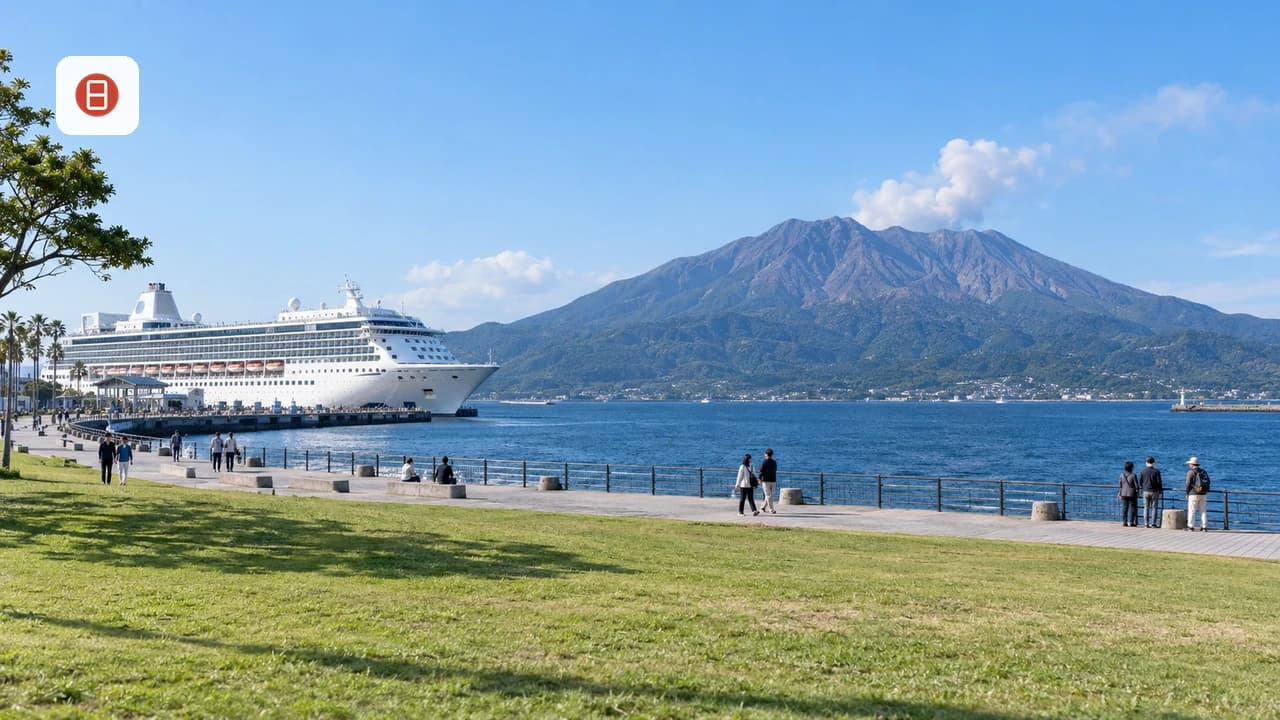
Kagoshima attractions range from active volcanoes and ancient cedar forests to samurai districts and steaming sand baths. Located at the southern tip of Kyushu, Kagoshima Prefecture blends dramatic natural landscapes with centuries of samurai history, making it one of Japan's most rewarding travel destinations in 2026. Often called the "Naples of the East," the city faces the constantly erupting Sakurajima volcano across Kinko Bay — a sight you won't find anywhere else on Earth.
This comprehensive guide covers the 22 best Kagoshima attractions with up-to-date prices, opening hours, and access information for 2026. Whether you're seeking thrilling adventures, deep dives into local culture, or a complete Kagoshima itinerary, this guide has you covered. Ready to visit? Follow our Kagoshima 3-day itinerary for a focused day-by-day plan covering the top sights. If you need practical route planning, our Kagoshima attractions itinerary and transport guide breaks down passes, ferry logistics, and efficient sightseeing flows. You can also explore our full list of things to do in Kagoshima and discover nearby landmarks, exciting nightlife, and special events.
1. Marvel at the Majestic Sakurajima Volcano
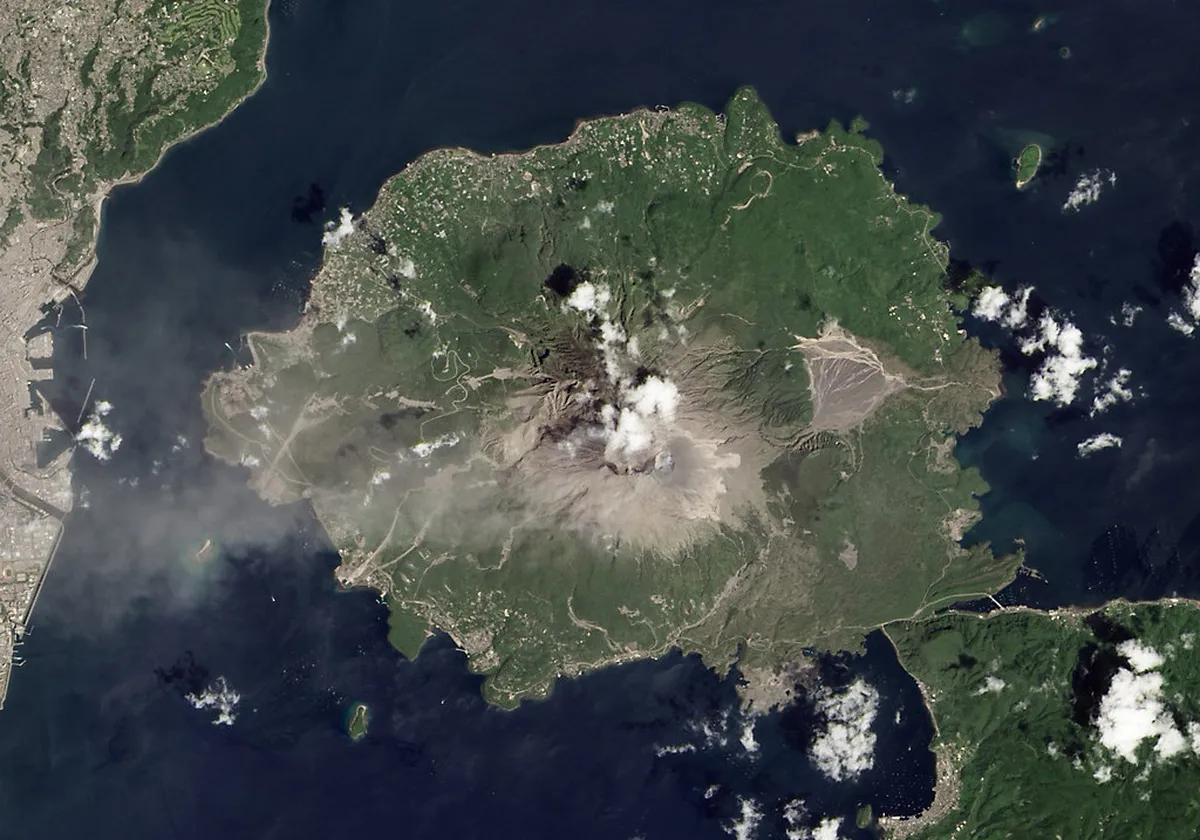
Sakurajima Volcano is the single most iconic Kagoshima attraction — an active stratovolcano that has erupted more than 1,000 times per year since 1955. Rising 1,117 meters above Kinko Bay, Sakurajima provides a dramatic backdrop visible from nearly every point in Kagoshima City.
Take the Sakurajima Ferry (¥250 adults, ¥130 children, runs every 15–20 minutes, 15-minute crossing) from Kagoshima Port to the island. Once there, visit the Yunohira Observatory at 373 meters for panoramic views of the crater and Kinko Bay. The Sakurajima Visitor Center (free admission, 9:00–17:00) explains the volcano's geology and eruption history with interactive exhibits. After exploring, soak your feet in the free Sakurajima Nagisa Lava Foot Bath, one of the longest natural foot baths in Japan at 100 meters. For a complete ferry and ash-day preparation walkthrough, see our Sakurajima ferry guide and ash survival tips.
Pro tip: Buy the CUTE one-day pass (¥1,200) for unlimited rides on city buses, streetcars, and the Sakurajima Ferry — it saves money if you plan to explore both the island and the city in one day.
2. Stroll Through the Serene Sengan-en Garden
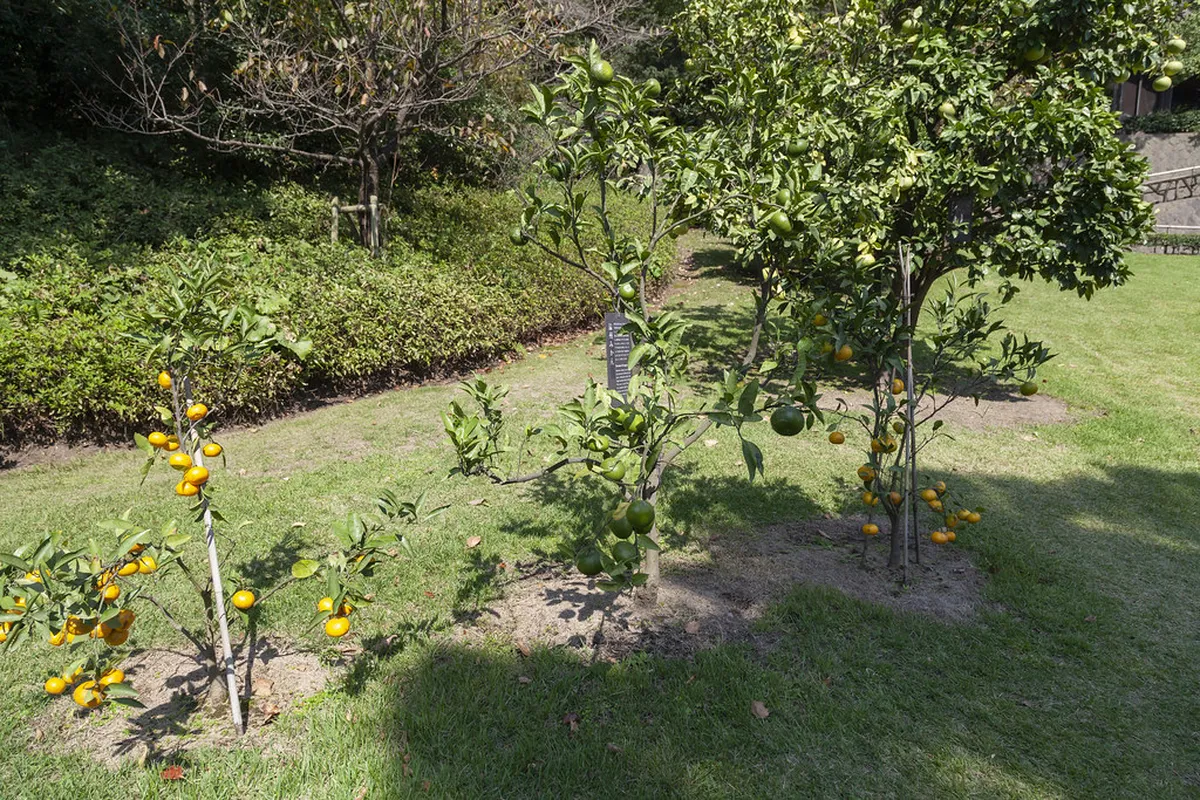
Sengan-en (also called Iso Teien) is a UNESCO World Heritage Site and one of Kagoshima's most beautiful landmarks. Originally built in 1658 by the powerful Shimadzu clan, this traditional Japanese strolling garden uses Sakurajima volcano and Kinko Bay as "borrowed scenery" — a design technique called shakkei that makes the landscape feel boundless.
Admission: ¥1,000 (garden only) or ¥1,600 (garden + Shoko Shuseikan Museum + Shimadzu Residence). Hours: 8:30–17:30 daily, year-round. Access: A new railway station opened next to Sengan-en in March 2025 — the ride from Kagoshima-Chuo Station takes just 8 minutes (¥240).
Stroll along meticulously maintained paths past tranquil ponds, bamboo groves, and the Shoko Shuseikan — Japan's first Western-style factory complex. Don't miss the on-site Sengan-en tea room where you can sample matcha and traditional Satsuma confections. Visit during cherry blossom season (late March–early April) or autumn foliage (mid-November) for the most stunning views. Learn more about local experiences at Kagoshima experiences.
Buy the CUTE one-day pass (¥1,200) at Kagoshima-Chuo Station on arrival. It covers unlimited rides on city trams, all municipal buses (including City View), and the Sakurajima Ferry — and pays for itself after just a few trips.
3. Relax with a Sand Bath at Ibusuki
Ibusuki's sunamushi (sand bath) experience is unlike anything else in Japan. At the Saraku Sand Bath Hall, attendants bury you in naturally heated volcanic sand on the beach while waves crash nearby. The sand reaches 50–55°C and is rich in minerals, promoting blood circulation, relieving muscle tension, and detoxifying the skin.
Price: ¥1,500 adults, ¥800 children (includes yukata rental). Hours: 8:30–21:00 (last admission 20:00). Access: Take the JR Ibusuki Makurase Line from Kagoshima-Chuo Station to Ibusuki Station (approximately 75 minutes, ¥1,020), then a 5-minute taxi or 20-minute walk.
A typical session lasts 10–15 minutes, after which you rinse off in the indoor hot spring bath (included in admission). Arrive early in the morning to avoid crowds and secure a beachside spot. It's undoubtedly one of the top Kagoshima attractions and a bucket-list experience for any hot spring enthusiast. Discover more unique Kagoshima experiences.
4. Explore the Historical Chiran Samurai District
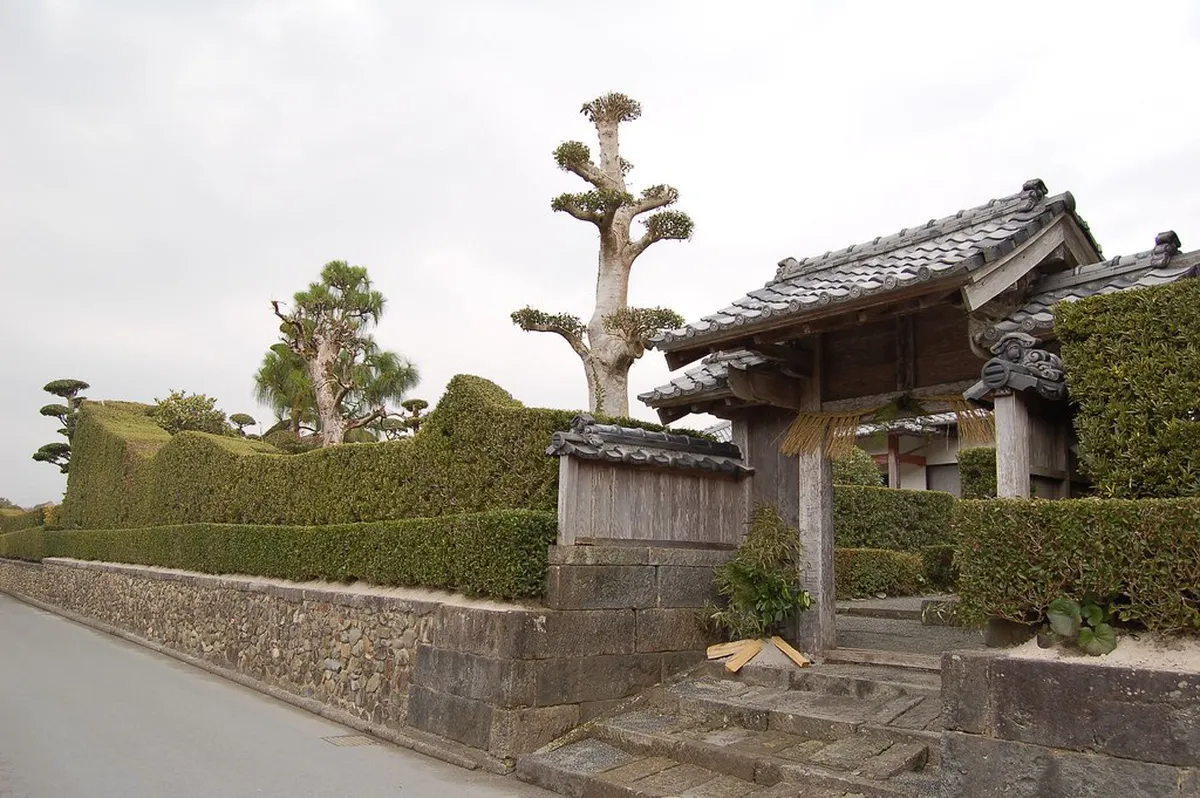
The Chiran Samurai District preserves six exquisite samurai residences and their gardens from the Edo period, offering a rare window into feudal Japan. Each garden reflects a distinct aesthetic — from dry landscape (karesansui) designs to lush planted gardens — and all are designated national scenic spots.
Admission: ¥530 adults, ¥320 children. Hours: 9:00–17:00 daily. Access: Bus from Kagoshima-Chuo Station to Chiran (about 75 minutes, ¥950).
Walk the stone-walled streets and imagine the lives of Satsuma samurai who once trained in this quiet mountain town. The district is compact and can be explored in 1–2 hours. Combine your visit with the nearby Chiran Peace Museum (see #15 below) for a full day trip. For deeper cultural insights, explore Kagoshima culture.
5. Immerse Yourself in Kagoshima City Museum of Art
The Kagoshima City Museum of Art houses an impressive collection spanning Western impressionism, modern Japanese paintings, and works by local Satsuma artists. The museum is especially known for its collection of works connected to Kagoshima-born artists and rotating special exhibitions that bring international art to southern Kyushu.
Admission: ¥300 adults, ¥150 students (special exhibitions extra). Hours: 9:30–18:00 (closed Mondays). Access: 5-minute walk from Asahidori tram stop.
Spend 1–2 hours exploring the galleries, then visit the rooftop terrace for views of Shiroyama hill. The museum shop carries unique Satsuma pottery prints and postcards. For art enthusiasts and casual visitors alike, this museum is a rewarding stop among things to do in Kagoshima.
6. Visit the Terukuni Shrine for Spiritual Insight
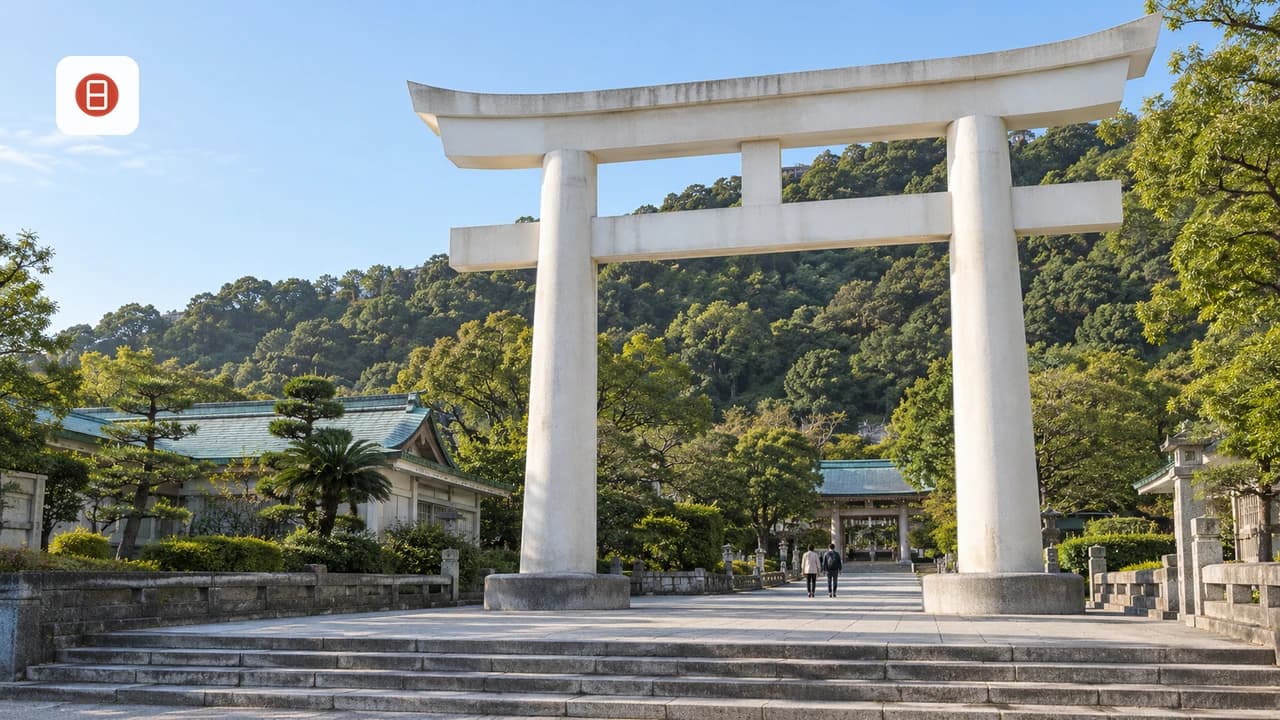
Terukuni Shrine is Kagoshima's most important Shinto shrine, dedicated to Shimadzu Nariakira, the visionary daimyo who modernized Satsuma domain in the 1850s. The grand torii gate and elegant shrine buildings sit at the foot of Shiroyama hill, surrounded by towering camphor trees.
Admission: Free. Hours: Grounds open 24 hours; main hall 8:30–17:00. Access: 10-minute walk from Tenmonkan tram stop.
The shrine hosts Kagoshima's largest festival, the Rokugatsudo Festival (July), when thousands of paper lanterns illuminate the grounds. Check the shrine's calendar for seasonal events and festivals, and see our Kagoshima festival calendar to plan your visit around the best dates. It's an ideal spot to immerse yourself in Kagoshima culture and pick up a unique omamori (good luck charm) as a souvenir.
7. Discover the Kagoshima Prefectural Museum of Culture (Reimeikan)
The Reimeikan Museum, housed on the former site of Tsurumaru Castle, offers a comprehensive journey through Kagoshima's history from prehistoric Jomon pottery to the Meiji Restoration. Interactive exhibits bring the Satsuma domain's pivotal role in shaping modern Japan to life, with reconstructed Edo-period streets and samurai armor displays.
Admission: ¥400 adults, ¥250 students. Hours: 9:00–18:00 (closed Mondays and the 25th of each month). Access: 5-minute walk from Shiyakusho-mae tram stop.
Don't miss the impressive collection of historical documents, Satsuma swords, and the second-floor gallery explaining the Satsuma Rebellion. Allocate 2–3 hours to fully appreciate the exhibits. The museum often hosts special exhibitions, so check the schedule before you visit. Explore other nearby Kagoshima landmarks to complete your cultural day.
Sakurajima erupts on average 200+ times per year. On ash-fall days, wear a face mask (available at convenience stores for ~¥200–300), cover your hair, and avoid contact lenses. Most attractions and the ferry operate normally during routine ash events.
8. Take a Ferry to Yakushima Island
Yakushima is a UNESCO World Heritage Site famous for its ancient Yakusugi cedar forests, some trees over 7,000 years old. The island's lush moss-covered landscapes inspired the Studio Ghibli film Princess Mononoke, and hiking through its primeval forests feels like stepping into another world entirely.
Access: High-speed jetfoil from Kagoshima Port (about 2 hours, ¥9,500 one-way) or Tanegashima/Yakushima ferry (about 4 hours, ¥5,500). Flights from Kagoshima Airport take 35 minutes.
The most popular trek is the full-day hike to Jomon Sugi, a 7,200-year-old cedar that stands 25 meters tall (10–12 hour round trip, moderate to challenging). For easier walks, try the Shiratani Unsuikyo Ravine (2–5 hours, ¥500 forest conservation fee). Plan at least 2–3 days on the island to explore multiple trails, waterfalls, and sea turtle nesting beaches (May–August). Check out more Kagoshima adventures for outdoor inspiration.
9. Experience Amami Oshima Island's Natural Beauty
Amami Oshima, designated a UNESCO World Heritage Site in 2021, is a subtropical paradise with pristine beaches, dense mangrove forests, and vibrant coral reefs. The island is home to the endangered Amami black rabbit (Amami no Kurousagi), found nowhere else on Earth.
Access: Flights from Kagoshima Airport (about 1 hour, from ¥8,000) or overnight ferry from Kagoshima New Port (about 11 hours, from ¥9,800).
Kayak through the Mangrove Forest Park (¥2,000, 2-hour guided tour), snorkel at Tomori Beach, or dive the coral reefs off Sakibaru Beach. The island's unique Oshima Tsumugi silk dyeing tradition uses local mud and plant extracts — visit a workshop to see this 1,300-year-old craft firsthand. Plan to spend several days here to explore the island's many wonders. Explore more Kagoshima experiences.
10. Hike Mount Kaimon (Kaimon-dake) for Panoramic Views
Mount Kaimon (924 m), nicknamed "Satsuma Fuji" for its near-perfect conical shape, offers one of the most rewarding day hikes in Kagoshima Prefecture. The summit provides a stunning 360-degree panorama spanning the East China Sea, Kinko Bay, and on clear days, Yakushima Island.
Access: JR Kaimon Station on the Ibusuki Makurase Line, then 20-minute walk to trailhead. Duration: 4–5 hours round trip (moderate difficulty). Cost: Free.
The trail winds through subtropical forest and volcanic rock, with wildflowers in spring and autumn foliage in November. Start early (before 8:00 AM) to avoid midday heat and ensure clear summit views. Bring at least 1.5 liters of water — there are no vending machines on the trail. For more outdoor Kagoshima adventures, check our adventure guide.
11. Catch the Sunset from Shiroyama Observatory
Shiroyama Observatory sits atop the 107-meter Shiroyama hill and offers the best panoramic view in Kagoshima City — Sakurajima volcano framed against Kinko Bay with the city skyline below. This is also the historic site of the final battle of the Satsuma Rebellion (1877), where Saigo Takamori made his last stand.
Admission: Free. Access: City View bus from Kagoshima-Chuo Station (about 20 minutes) or a 30-minute walking trail from Terukuni Shrine.
Sunrise and sunset are the most magical times to visit. The walking trail passes through a subtropical forest with 600+ plant species, including giant camphor trees. Combine this with a visit to Terukuni Shrine (#6) and the Reimeikan Museum (#7) for a half-day walking route through central Kagoshima's historical core. Check out more Kagoshima highlights.
12. Sample Local Delicacies at Kagoshima Fish Market
The Kagoshima Fish Market (Kagoshima Gyoko) is where locals go for the freshest seafood in the prefecture. Arrive before 7:00 AM to witness the tuna auction, then head to the small restaurants lining the market for the catch of the day prepared as sashimi, sushi, or grilled dishes.
Hours: Market opens around 5:00 AM; restaurants typically 6:00–14:00 (closed Sundays and some Wednesdays). Access: 10-minute taxi from Kagoshima-Chuo Station.
Must-try dishes include kibinago sashimi (silver-striped herring), kanpachi (amberjack), and the local specialty Kagoshima kurobuta (Berkshire black pork). Budget ¥1,000–2,000 for a generous seafood breakfast. For those interested in food culture, the market offers a genuine taste of daily Kagoshima life that tourist restaurants simply cannot replicate. Explore the local traditions surrounding Kagoshima's cuisine.
13. See the Unique Flora at Flower Park Kagoshima
Flower Park Kagoshima spans 36.5 hectares at the southern tip of the Satsuma Peninsula, showcasing over 2,400 plant species from subtropical and tropical regions. The park's elevated viewpoints provide sweeping views of Mount Kaimon and the East China Sea.
Admission: ¥630 adults, ¥310 children. Hours: 9:00–17:00 (closed December 30–31). Access: Bus from Ibusuki Station (about 35 minutes).
Seasonal highlights include tulips (January–February), cherry blossoms (March–April), hydrangeas (June), and chrysanthemums (October–November). The park hosts illumination events during December. Wear comfortable shoes and allow at least half a day to explore the themed gardens, greenhouse tropical zone, and butterfly garden. For more insights into things to do in Kagoshima, explore our complete guide.
14. Explore the Reimeikan Museum's Special Collections
Beyond the permanent exhibits covered in #7, the Reimeikan regularly hosts rotating special exhibitions that dive deeper into specific periods and themes of Kagoshima's rich heritage. Past exhibitions have covered Satsuma ceramics, the role of Kagoshima in early Japan-Western trade, and folk art traditions of the Amami Islands.
The museum's third floor features an excellent folk culture section with life-size recreations of traditional Kagoshima homes, farming tools, and festival costumes. Interactive stations let you try on replica samurai armor and practice calligraphy. It's an excellent place to discover Kagoshima's cultural roots. Check the museum website for current exhibition schedules before your visit.
15. Discover the History at the Chiran Peace Museum
The Chiran Peace Museum for Kamikaze Pilots is one of the most emotionally powerful museums in all of Japan. During World War II, Chiran served as a base for tokko (special attack) missions, and this museum preserves the final letters, photographs, and personal belongings of the young pilots who flew from here.
Admission: ¥500 adults, ¥300 children. Hours: 9:00–17:00 daily (last admission 16:30), open year-round. Access: Bus from Kagoshima-Chuo Station to Chiran (about 75 minutes, ¥950).
The museum displays over 4,000 artifacts, including handwritten farewell letters that are deeply moving regardless of your nationality. English audio guides are available. Combine this with a visit to the nearby Chiran Samurai District (#4) — the two sites are a 10-minute walk apart. Allow 1.5–2 hours for the museum. For more historical Kagoshima landmarks, see our full guide.
16. Visit the Arimura Lava Observatory for Volcanic Views
The Arimura Lava Observatory sits on a lava flow from Sakurajima's massive 1914 eruption and offers the closest public viewpoint to the volcano's active Minami-dake crater. On active days, you can watch ash plumes rise from the crater in real time — a thrilling and humbling experience.
Admission: Free. Hours: Open 24 hours. Access: Sakurajima Island View bus (¥500 day pass) from the ferry terminal, about 30 minutes.
Informative display panels explain the volcano's eruption history and the 1914 event that transformed Sakurajima from an island into a peninsula. The observation deck is wheelchair accessible. Check the Kagoshima adventures guide for other volcano-related activities. Insider tip: Check the Japan Meteorological Agency eruption forecast before your visit to time your arrival with volcanic activity.
17. Meet Local Wildlife at Hirakawa Zoological Park
Hirakawa Zoological Park is one of the largest zoos in Kyushu, home to over 1,000 animals across 140 species. The zoo is especially known for its successful breeding programs for koalas and white tigers, and its naturalistic enclosures provide engaging viewing experiences.
Admission: ¥500 adults, free for children under 15. Hours: 9:00–17:00 (last admission 16:30, closed December 29–January 1). Access: JR Goino Station, then bus (about 20 minutes).
Plan your visit around feeding times (posted at the entrance) for the most active animal behavior. The zoo also features a small amusement park area for children and picnic lawns with Sakurajima views. It's an excellent family-friendly option among Kagoshima activities. Allow 2–3 hours for a full visit.
18. Relax at Nagasakibana Park
Nagasakibana, at the very southern tip of the Satsuma Peninsula, offers dramatic ocean views with Mount Kaimon as a backdrop. This windswept cape is known for its rocky coastline, a small shrine dedicated to the dragon god Ryugu, and legends connecting it to the Japanese folktale of Urashima Taro.
Admission: Free (parking ¥300). Access: Bus from Ibusuki Station (about 30 minutes).
From May to August, the beach near Nagasakibana becomes a sea turtle nesting site. The adjacent tropical flower garden adds color to the rugged coastal landscape. On clear days, you can see Yakushima and Tanegashima islands on the horizon. Exploring Kagoshima attractions like Nagasakibana offers a rejuvenating coastal experience.
19. Hike Kirishima-Kinkowan National Park
Kirishima-Kinkowan National Park spans the volcanic highlands between Kagoshima and Miyazaki prefectures, encompassing 23 volcanic peaks, crater lakes, and dense forests. The park's centerpiece is Mount Takachiho-no-mine (1,574 m), where Japanese mythology says the gods descended to Earth.
Admission: Free. Access: Bus from Kagoshima-Chuo Station to Kirishima Onsen (about 75 minutes), or rent a car for maximum flexibility.
Popular hikes include the Takachiho-no-mine trail (3–4 hours round trip, moderate), the Ebino Kogen loop (2 hours, easy, passing three crater lakes), and the challenging Karakuni-dake traverse. The park's hot springs provide a relaxing end to a day of exploration — Kirishima Onsen village has over 20 ryokan and public baths. For more outdoor adventures, check these Kagoshima adventures.
20. Experience Local Crafts at the Kagoshima Craft Museum
The Kagoshima Craft Museum showcases the prefecture's rich artisan traditions, from Satsuma kiriko (cut glass) and Satsuma-yaki (ceramics) to indigo-dyed textiles and bamboo crafts. Hands-on workshops let visitors try their hand at these traditional techniques.
Whether you're an art enthusiast or simply curious about local culture, the museum provides an engaging look at the craftsmanship that defines Kagoshima. Workshop prices typically range from ¥1,000–3,000 depending on the craft. You can also explore the cultural aspects of Kagoshima or plan your travel itinerary to include this gem. Don't miss the museum shop for authentic, locally made souvenirs.
21. Explore Io World Kagoshima City Aquarium
Io World (Kagoshima City Aquarium) is a modern waterfront facility that showcases marine life from the warm Kuroshio Current waters surrounding Kagoshima. The main tank holds a massive whale shark, while specialized exhibits feature deep-sea creatures, tropical fish, and jellyfish displays.
Admission: ¥1,500 adults, ¥750 children. Hours: 9:30–18:00 (last admission 17:00, extended hours during summer). Access: 5-minute walk from the Sakurajima Ferry terminal at Kagoshima Port.
Highlights include the dolphin pool with daily shows (free with admission) and the hands-on touch pool where kids can handle sea cucumbers and starfish. The aquarium makes an excellent rainy-day option and pairs perfectly with a Sakurajima ferry trip — the terminal is right next door. It's a top-rated family activity in Kagoshima.
22. Try Kagoshima's Legendary Kurobuta Pork
No visit to Kagoshima is complete without tasting kurobuta (Berkshire black pork), regarded as the finest pork in Japan. Kagoshima raises more kurobuta than any other prefecture, and the meat is prized for its marbling, tenderness, and sweet umami flavor.
The most popular ways to enjoy kurobuta include tonkatsu (breaded and deep-fried cutlet, from ¥1,200), shabu-shabu (thinly sliced and swished in hot broth, from ¥2,500), and kurobuta ramen with rich pork-bone broth. Head to the Tenmonkan entertainment district for the highest concentration of kurobuta restaurants, or try the food stalls near Kagoshima-Chuo Station. For food lovers, this is one of the essential Kagoshima experiences.
Explore Tenmonkan: Kagoshima's Vibrant City Centre
Tenmonkan is Kagoshima's beating heart — a covered shopping arcade and entertainment district stretching along Tenmonkan Hondori, just minutes from the city's main tram lines. Whether you arrive on a sunny afternoon or during an Sakurajima ash shower, the arcade's roof keeps the streets lively and walkable all year.
What to Do in Tenmonkan
Tenmonkan packs Kagoshima's best food, shopping, and nightlife into a compact area you can explore on foot in an afternoon. Department stores, specialty shochu retailers, and izakayas with locally sourced Satsuma-age fried fish cakes line the arcade. Budget ¥1,500–3,000 for a relaxed afternoon of eating and browsing.
- Satsuma-age — golden fried fish cakes, sold fresh from street stalls for ¥100–200 per piece
- Shirokuma shaved ice — Kagoshima's signature dessert: a mountain of flavored shaved ice topped with sweetened condensed milk, fruit, and red beans (¥600–900)
- Karukan — delicate Satsuma confections made from mountain yam and rice flour, sold in every traditional confectionery shop
- Imojochu shochu — sweet potato-based spirit; specialty shops offer tastings and souvenirs to carry home
Tenmonkan After Dark
After dinner, Tenmonkan transforms into Kagoshima's main nightlife strip. Rooftop bars, craft shochu bars, live music venues, and karaoke parlors cluster around the arcade and the streets branching off it. For a curated bar-hopping route and insider picks, see our full guide to Kagoshima nightlife.
Kagoshima Shochu, Green Tea & Local Food Culture
Kagoshima is Japan's spiritual home of imo jochu — sweet potato shochu — and the prefecture accounts for roughly 40% of all shochu produced nationwide. Understanding the local food and drink culture adds real depth to any visit, turning a meal at a neighborhood izakaya into a genuine cultural experience.
Kagoshima Shochu: Japan's Southern Spirit
Kagoshima-style shochu is distilled from sweet potatoes (satsumaimo), which grow abundantly in the prefecture's volcanic soil. The spirit is typically 25% ABV and served oyuwari (mixed with hot water at roughly 6:4 ratio), which releases earthy, floral aromatics that cold dilution suppresses. In 2026, a single glass at a local izakaya costs ¥400–700, while a full bottle of premium Satsuma shochu runs ¥1,500–4,000 at specialty stores in Tenmonkan.
Recommended labels to try: Satsuma Shiranami (smooth, entry-level), Mori Izo (bold, earthy), and Hanakohaku (floral, aromatic). Several distilleries — including Satsuma Shuzo in Makurazaki — offer 2026 tours and tastings (reserve in advance, approx. ¥1,000).
Kagoshima Green Tea
Kagoshima is Japan's second-largest green tea producer, trailing only Shizuoka. The prefecture's volcanic soil and subtropical climate yield teas with a distinctive sweetness and low bitterness. Kagoshima matcha, kabusecha, and deep-steamed sencha are widely available at tea houses and department stores. A matcha experience at a traditional tea house inside Sengan-en garden runs ¥500–800 and pairs perfectly with Satsuma sweets.
Key Kagoshima Dishes to Try in 2026
- Kurobuta tonkatsu (from ¥1,200) — Japan's finest Berkshire pork, breaded and fried
- Kibinago sashimi (¥800–1,200) — silvery herring served raw with ponzu, a Kagoshima dining ritual
- Satsuma-age (¥100–200 per piece) — fried fish cakes from street vendors in Tenmonkan
- Kurobuta ramen (¥900–1,400) — rich pork-bone broth from premium Kagoshima pork
- Shirokuma shaved ice (¥600–900) — a local summer institution, served year-round in Tenmonkan
Kagoshima Onsen: Hot Springs Beyond Ibusuki
Ibusuki's sand baths get most of the attention, but Kagoshima Prefecture sits on one of the most geothermally active zones in all of Japan, with onsen options spanning from rugged mountain ryokan to urban bathhouses minutes from Kagoshima-Chuo Station.
Kirishima Onsen Village
Kirishima Onsen village, nestled at 600–900 meters in the volcanic Kirishima highlands, offers the most varied onsen landscape in the prefecture. Over 20 ryokan and public baths dot the area, drawing waters from seven distinct spring sources with differing mineral compositions. Day-use bathing (higaeri nyuyu) typically costs ¥500–1,000. In 2026, popular ryokan like Maruo Onsen and Kirishima Hotel offer overnight packages from ¥12,000 per person including dinner and breakfast.
City Onsen in Kagoshima
Kagoshima City has several public sento (bathhouses) fed by natural hot spring water. Tenmonkan-dori Onsen and several facilities near the ferry port let you soak for ¥350–600 without leaving the city. These are ideal for an end-of-day unwind after sightseeing. For accommodation with private onsen, see our guide to Kagoshima hotels with private onsen.
Ibusuki Onsen Beyond the Sand Bath
Beyond the famous sunamushi, Ibusuki town has numerous conventional onsen ryokan where you can bathe in the same geothermal waters — indoors, without the sand. The Ibusuki Hakusuikan and Ibusuki Iwasaki Hotel both have large-scale indoor and outdoor onsen, with day-use options from ¥800. Combined with a sand bath at Saraku, a full Ibusuki onsen day costs ¥2,000–3,500.
Practical Tips for Visiting Kagoshima Attractions in 2026
Planning a Kagoshima trip requires a little more logistics than most Japanese cities because the best attractions are spread across the city, Sakurajima island, and the wider prefecture. These 2026-current tips will save you time and money.
Getting to Kagoshima
The fastest option is the Kyushu Shinkansen from Hakata (Fukuoka) to Kagoshima-Chuo Station, taking about 1 hour 20 minutes (¥10,640). From Osaka, the entire Shinkansen journey takes approximately 4 hours. Direct flights from Tokyo's Haneda Airport to Kagoshima Airport take about 1 hour 50 minutes, with fares starting around ¥10,000 on budget carriers. From the airport, an express bus reaches Kagoshima-Chuo Station in 40 minutes (¥1,400).
Getting Around: Trams, Buses, and the CUTE Pass
Kagoshima's city tram (streetcar) network covers most major sightseeing areas for a flat fare of ¥180 per ride. For a sightseeing day combining the city and Sakurajima, the CUTE one-day pass (¥1,200) covers unlimited trams, city buses, the City View sightseeing bus, and the Sakurajima Ferry — it pays for itself after 3–4 trips. For detailed transport flows and pass recommendations, our Kagoshima attractions itinerary and transport guide maps the most efficient sightseeing routes.
When to Visit Kagoshima
Spring (March–May) and autumn (October–November) offer the most comfortable sightseeing weather, with temperatures of 15–25°C and low humidity. Cherry blossoms bloom in late March; autumn foliage peaks in mid-November. Summer (June–August) is hot and humid but opens up Yakushima hiking and Amami beach season. Winter is mild — rarely below 5°C — and ideal for Kirishima Onsen. For festival timing, our Kagoshima festival calendar lists every major event month by month.
Volcanic Ash Preparedness
Sakurajima erupts frequently — averaging over 200 ash-fall events per year in 2026. When ash is falling, cover your nose and mouth with a mask (sold at every convenience store for ¥200–300), wear a hat to protect your hair, and avoid contact lenses. Most indoor attractions operate normally during ash events. The covered Tenmonkan arcade is particularly useful for ash-day city exploration.
Browse the Kagoshima attraction directory for individual visitor guides, access details, and practical tips.
Building the rest of the trip? Our Kagoshima attractions guide covers the sights, districts and logistics around this guide.
Frequently Asked Questions About Kagoshima Attractions
What is the best time to visit Kagoshima?
Spring (March–May) and autumn (October–November) offer the most comfortable weather for sightseeing, with average temperatures of 15–25°C. Cherry blossoms bloom in late March, while autumn foliage peaks in mid-November. Summer (June–August) is hot and humid but ideal for beach activities on Yakushima and Amami Oshima. Winter is mild compared to other parts of Japan, rarely dropping below 5°C. See our complete Kagoshima festival calendar and best times to visit for month-by-month guidance.
How do I get to Kagoshima from Tokyo or Osaka?
The fastest option is the Kyushu Shinkansen from Hakata (Fukuoka) to Kagoshima-Chuo Station, taking about 1 hour 20 minutes (¥10,640). From Osaka, the entire Shinkansen journey takes approximately 4 hours. Direct flights from Tokyo's Haneda Airport to Kagoshima Airport take about 1 hour 50 minutes, with fares starting around ¥10,000 on budget carriers. From the airport, an express bus reaches Kagoshima-Chuo Station in 40 minutes (¥1,400).
How many days do I need for Kagoshima?
For Kagoshima City and Sakurajima, 2 days is sufficient. Add 1 day for a Chiran/Ibusuki day trip, and 2–3 days each for Yakushima or Amami Oshima. A comprehensive Kagoshima Prefecture trip covering the major attractions takes 5–7 days. Use our Kagoshima 3-day itinerary for detailed day-by-day planning.
Is the Sakurajima volcano safe to visit?
Yes — Sakurajima is safe for tourists in 2026. While the volcano erupts frequently, eruptions are typically small ash emissions. The Japan Meteorological Agency monitors activity continuously and restricts access to within 2 km of the crater. All tourist facilities, observation points, and hiking trails are located outside the restricted zone. The ferry service operates normally except during rare major eruptions. Our Sakurajima ferry guide and ash survival tips covers exactly what to pack and when to go.
What is the CUTE pass and is it worth buying?
The CUTE (City Urban Tourist Experience) pass costs ¥1,200 and provides unlimited one-day rides on Kagoshima city buses, streetcars, the City View sightseeing bus, and the Sakurajima Ferry. It's worth buying if you plan to visit 3+ attractions in one day or combine a city tour with a Sakurajima ferry crossing. The pass is sold at Kagoshima-Chuo Station and the ferry terminal.
Can I see Kagoshima's attractions without speaking Japanese?
Yes. Major attractions including Sengan-en, the Reimeikan Museum, Chiran Peace Museum, and Io World Aquarium provide English signage, audio guides, or pamphlets. The Sakurajima Ferry and city streetcars have English announcements. Google Maps works reliably for navigation, and most restaurants in the Tenmonkan area have English or picture menus.
What is Kagoshima famous for?
Kagoshima is famous for six things in 2026: the active Sakurajima volcano, Ibusuki volcanic sand baths, kurobuta (Berkshire black pork), sweet potato shochu spirit, Sengan-en garden (UNESCO World Heritage), and the Chiran Samurai District. Together, these form the core of a Kagoshima trip — the volcano and garden for scenery, Chiran for history, Ibusuki for wellness, and kurobuta and shochu for food culture.
What is Tenmonkan and why should I visit?
Tenmonkan is Kagoshima's main shopping and dining arcade — a covered street that stays open and enjoyable even on ash-fall days. In 2026, it's the best single spot for tasting Kagoshima specialties (Satsuma-age, shirokuma shaved ice, karukan sweets, kurobuta tonkatsu) and buying shochu souvenirs. After dark, it becomes the city's nightlife hub. Our Kagoshima nightlife guide covers the best bars and izakayas in and around Tenmonkan.
How much does it cost to visit Kagoshima attractions?
Budget travelers can see many top Kagoshima attractions for under ¥3,000 per day: Sakurajima ferry (¥250), Shiroyama Observatory (free), Terukuni Shrine (free), and street food in Tenmonkan (¥500–1,000). Add Sengan-en garden (¥1,000–1,600) and Io World Aquarium (¥1,500) for a mid-range day costing ¥3,000–5,000. The CUTE day pass (¥1,200) covers all local transport. Day trips to Chiran or Ibusuki add ¥2,000–3,000 in transport and admission.
Exploring Kagoshima's attractions offers a rich blend of volcanic landscapes, samurai history, subtropical islands, and world-class cuisine. From the iconic Sakurajima to the ancient forests of Yakushima, from Tenmonkan street food to Kirishima Onsen highlands, Kagoshima Prefecture promises unforgettable memories in 2026. Start planning your Kagoshima 3-day itinerary today and discover why this is one of Japan's most rewarding destinations.
Explore More Kagoshima Guides
Deep-dive guides for every part of a Kagoshima trip — where to stay and eat, festivals and nightlife, transport and Sakurajima logistics.
Getting There & Day Trips
- How to Get to Kagoshima
- Where to Stay in Kagoshima: Best Areas
- Best Day Trips from Kagoshima
- Ibusuki Day Trip from Kagoshima
- Yakushima from Kagoshima
Plan Your Visit
- Kagoshima Travel Tips: Money, Ash & Etiquette
- Kagoshima Hidden Gems
- Free Things to Do in Kagoshima
- Kagoshima with Kids
Accommodation
- Art Hotel Kagoshima
- Fav Hotel Kagoshima
- Hotel Mystays Kagoshima Tenmonkan
- Kagoshima Hotel
- Kagoshima Hotel With Private Onsen
- Kagoshima Hotels
- Kagoshima Onsen
- Kagoshima Onsen Ryokan
- Kagoshima Private Onsen
- Shiroyama Hotel Kagoshima
- Shiroyama Hotel Kagoshima Onsen
Food & Drink
- How To Experience Kagoshima Culture Shochu Samurai And Sakurajima
- How To Navigate Tenmonkan Nightlife A Kagoshima Shochu And Yatai Itinerary
- Kagoshima Famous Food
- Kagoshima Food
Itineraries
- Kagoshima 3 Day Itinerary
- Kagoshima Attractions Itinerary And Transport Guide
- Kagoshima Itinerary
- Kagoshima Itinerary 5 Days
- Kagoshima Itinerary Best Things To Do And Sakurajima Volcano Tours
- Kagoshima Itinerary How To See The Top Highlights in 2 Days
- Sakurajima Day Trip Itinerary
Festivals & Seasons
Nightlife & Culture
- Kagoshima Adventures
- Kagoshima Culture
- Kagoshima Events
- Kagoshima Nightlife
- Tenmonkan To Kagoshima Airport
Transport & Practical
Plan Your Japan Trip
- Japan Travel Guide: Itineraries, Transport, Money & Tips
- Getting Around Japan: Trains, Buses & IC Cards
- Japan Money & IC Card Guide
- Art Hotel Kagoshima
- 10 Best Day Trips From Kagoshima
- Fav Hotel Kagoshima Chuo
- 14 Best Free Things to Do in Kagoshima
- Hotel Mystays Kagoshima Tenmonkan
- 10 Ways to Experience Kagoshima Culture
- How To Get To Kagoshima
- How to Navigate Tenmonkan Nightlife
- Complete Kagoshima Ferry Guide & Ash Survival Tips 2026
- Ibusuki Day Trip From Kagoshima
- Kagoshima 3 Day Itinerary
- Top 15 Kagoshima Adventures in 2026
- Kagoshima Attractions Itinerary 2026
- Kagoshima Chuo Station Guide
- Kagoshima Cruise Port Guide
- Kagoshima Culture Guide
- Kagoshima Events 2026
- Kagoshima Festival Calendar and Best Times to Visit 2026
- 12 Kagoshima Hidden Gems and Local Secrets
- 8 Best Kagoshima Hotels with Private Onsen
- 12 Best Hotels in Kagoshima
- 7 Best Kagoshima Hotels
- Kagoshima Itinerary 5 Days
- Best Things to Do & Sakurajima Volcano Tours 2026
- How to See the Top Highlights in 2026
- Kagoshima Itinerary for First-Timers
- Kagoshima Nightlife
- 10 Best Kagoshima Onsen Ryokan and Travel Tips
- 12 Best Kagoshima Onsen
- 10 Best Kagoshima Private Onsen for a Relaxing Soak
- 10 Essential Kagoshima Travel Tips
- Sakurajima Day Trip Itinerary
- Shiroyama Hotel Kagoshima Onsen
- Shiroyama Hotel Kagoshima
- Tenmonkan to Kagoshima Airport
- Terukuni Shrine Kagoshima Guide
- 12 Best Things to Do in Kagoshima with Kids
- 8 Best Neighborhoods and Tips for Staying in Kagoshima
- Yakushima From Kagoshima Ferry
Explore attractions in other cities
Free: The Kagoshima Essentials guide
Top things to do, where to stay, a perfect day plan, getting around, and the best time to go — a Kagoshima mini-guide you can take offline.
You might also like

Continue reading
More guides you'll find useful