10 Best Kagoshima Famous Food Experiences (2026)
Discover the best kagoshima famous food with our 2026 guide. From Kurobuta pork to Shirokuma ice, plan your culinary trip with expert tips and costs.
On this page
10 Best Kagoshima Famous Food Experiences (2026)
Kagoshima famous food is shaped by Satsuma history, warm southern weather, volcanic soil, and a coastline that keeps seafood close to the table. The dishes travelers remember most are not complicated: black pork shabu-shabu, satsuma-age fish cakes, kibinago sashimi, sweet potato sweets, shirokuma shaved ice, and sweet-potato shochu. The trick is knowing which foods deserve a sit-down meal, which work as quick snacks, and which are best tied to a specific district or attraction.
This 2026 guide focuses on the regional foods that appear again and again in strong Kagoshima food coverage, then adds practical trip planning details competitors often skip. Prices are approximate and converted to EUR for easier budgeting. Expect lunch sets to be much better value than dinner courses, especially for kurobuta pork and seafood izakaya meals.
Lunch sets for kurobuta pork often cost half the dinner price. A tonkatsu lunch set typically starts around ¥1,800–2,500, while the same cut as a dinner course can run ¥4,000–8,000. Reserve the sit-down meal for lunch to maximize value.
Free: The Kagoshima Essentials guide
Top things to do, where to stay, a perfect day plan, getting around, and the best time to go — a Kagoshima mini-guide you can take offline.
What to Eat in Kagoshima First
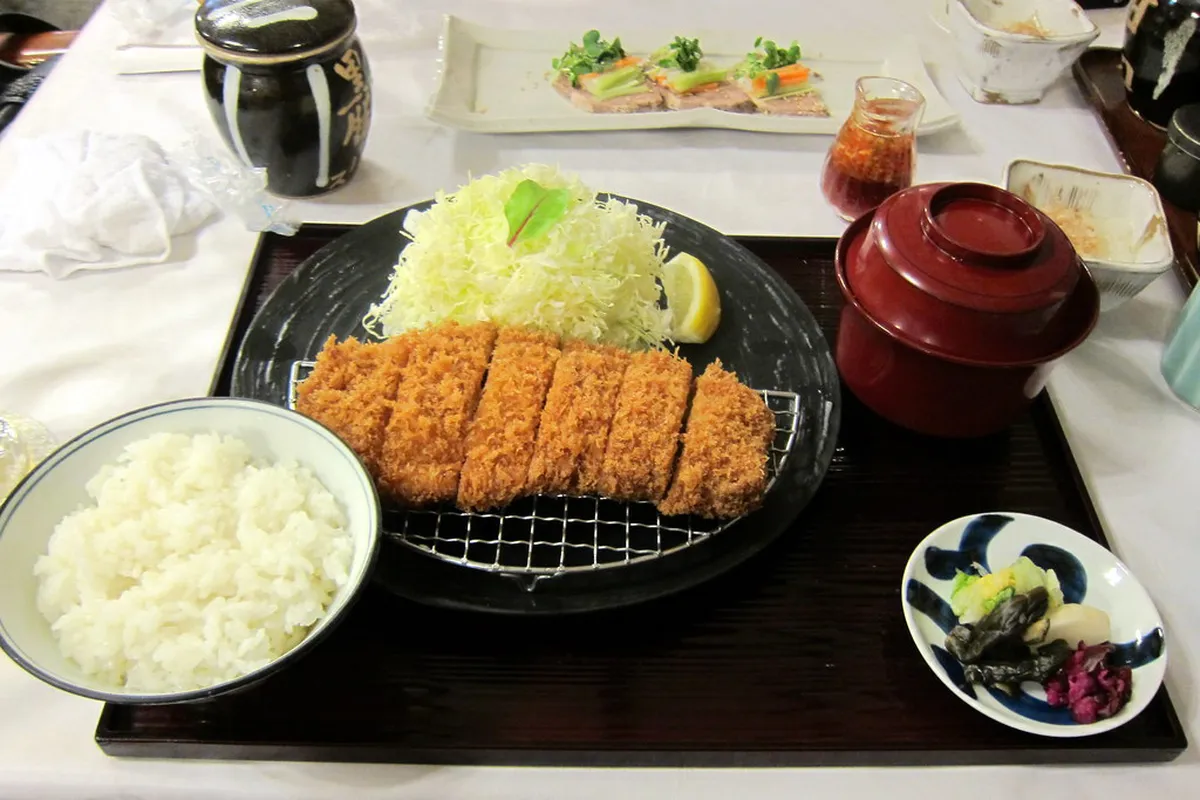
Start with kurobuta, Kagoshima's black Berkshire pork. It is usually served as shabu-shabu, tonkatsu, or thin slices grilled at izakaya counters. The meat is prized for clean fat and sweetness, and a proper lunch set is often the smartest way to try it without committing to a long dinner course.
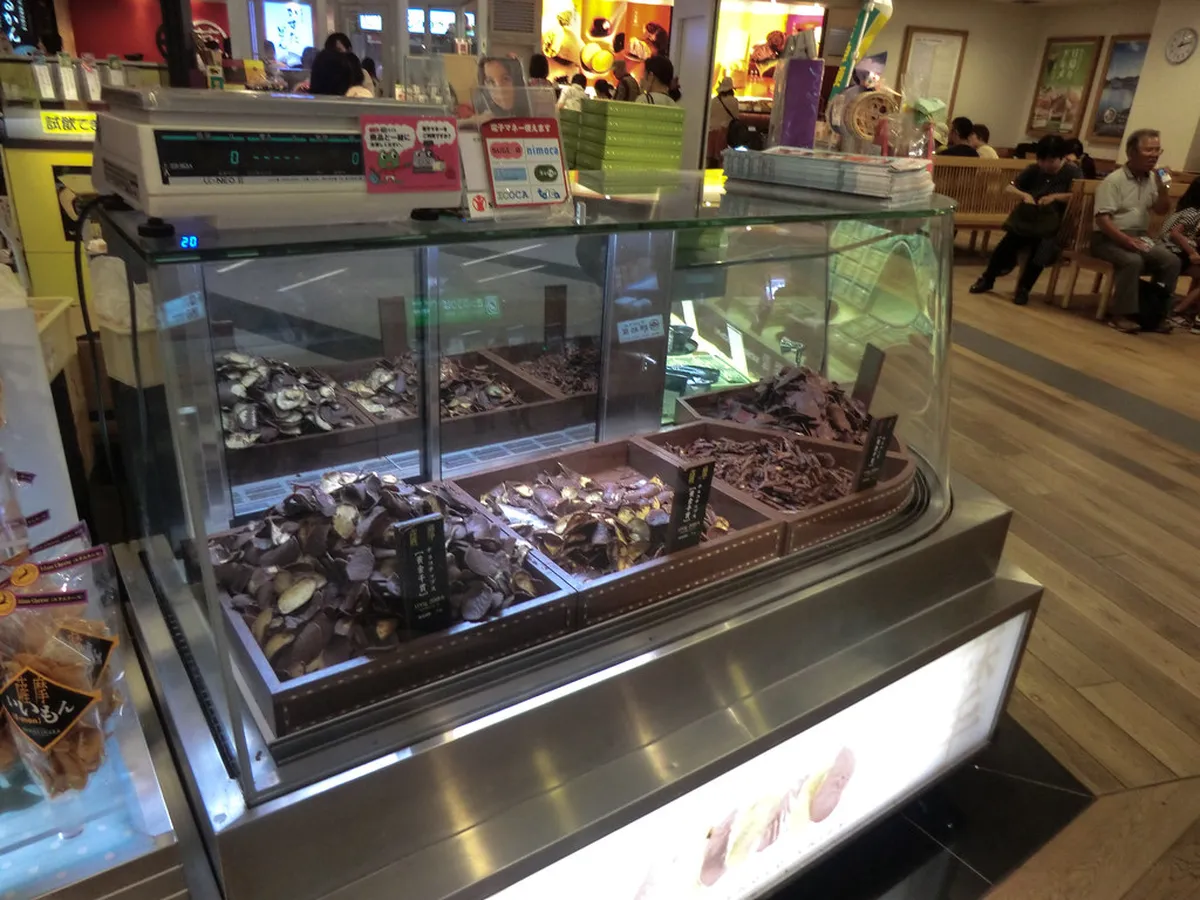
After pork, build the rest of the day around lighter regional dishes. Kagoshima ramen uses pork bone with chicken, kelp, vegetables, and pickled daikon, so it feels rounder and less heavy than Hakata ramen. Satsuma-age is the easiest snack, because these fried fish cakes are sold in markets, station shops, department basements, and specialty stores near the ferry area.
Seafood lovers should look for kibinago, the small silver-stripe herring often served as sashimi with vinegared miso. Keihan, the chicken-and-rice broth dish from Amami Oshima, is the best reset meal when you have had enough pork and fried food. Exploring Kagoshima food works best when you mix one reserved meal with several casual snacks instead of treating every stop like a formal restaurant booking.
- Choose kurobuta shabu-shabu or tonkatsu for the signature meal, usually EUR 18-35 at lunch and EUR 45-75 at dinner.
- Choose satsuma-age, karukan, or sweet potato cakes for portable snacks, usually EUR 2-8 per item.
- Choose kibinago, tobiuo, or other local seafood at dinner, when izakaya menus are broader.
- Choose shirokuma ice in the afternoon, because the large bowls are easier to share after walking Tenmonkan.
The Naples of the East: 10 Best Restaurants in Kagoshima
The competitor pages all frame Kagoshima as the Naples of the East, but the useful question is not only where to eat. It is when a dish deserves a specialist and when a station or market version is enough. For 2026 travelers, the safest base is Tenmonkan for dinner gourmet options, Kagoshima-Chuo Station for snacks and sweets, and Sakurajima for produce-focused side trips.
Ajimori, Ju An, and other black pork restaurants are worth booking if kurobuta is the meal you came for. Tontoro or Komurasaki make sense when you want Kagoshima ramen without a long formal dinner. Wakana-style izakaya menus are good for kibinago, satsuma-age, and shochu in one sitting, especially if you are already planning a Kagoshima nightlife evening.
Tenmonkan Mujaki is the classic shirokuma ice stop, with condensed milk, fruit, beans, and colorful toppings arranged into a polar bear face. Festivalo and Akashiya cover the souvenir side of Kagoshima sweets, from sweet potato cakes to karukan made with mountain yam and rice flour. If you only have one food-shopping window, use Kagoshima-Chuo Station between 10:00 and 18:00 before the best gift boxes sell down.
Sakurajima Daikon and Mikan (桜島大根 桜島みかん)
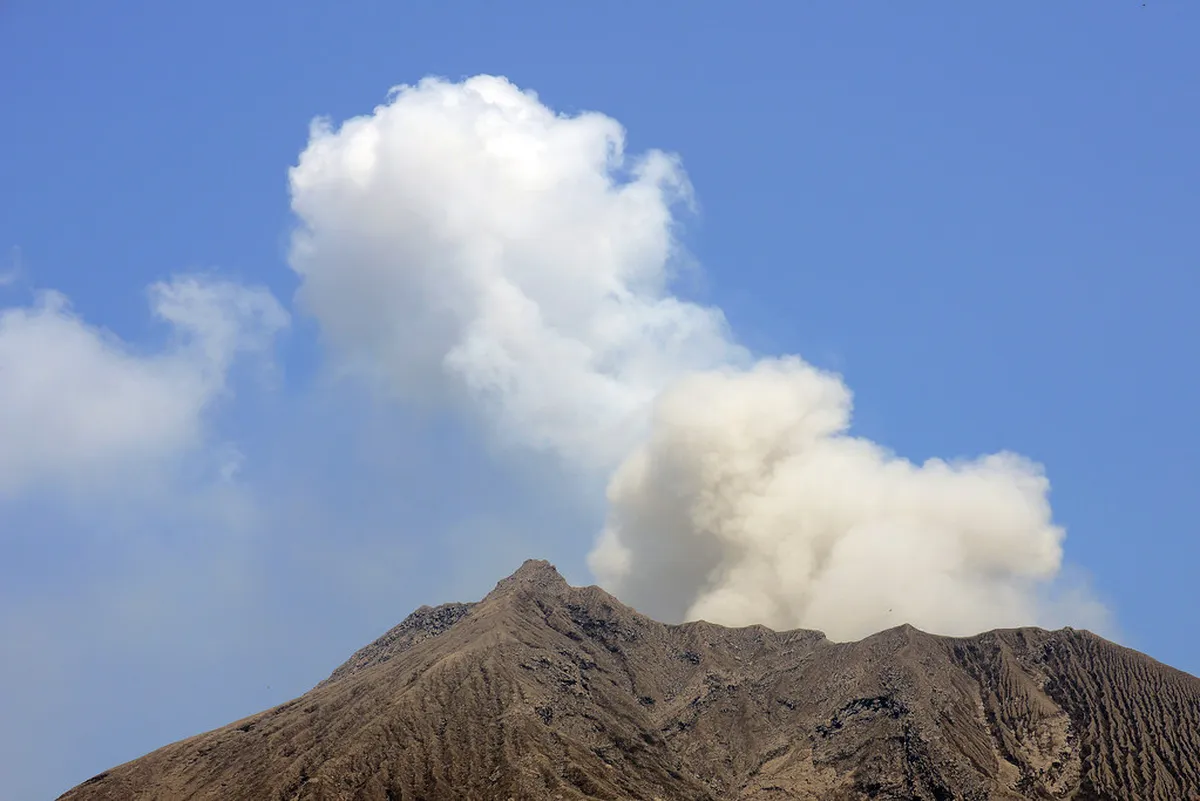
Sakurajima gives Kagoshima food its most obvious visual contrast: giant daikon and tiny mikan grown in volcanic soil. Sakurajima daikon can weigh more than 30 kilograms, yet the flesh is softer and sweeter than its size suggests. The best versions appear in winter as simmered daikon, pickles, steak-style slices, or side dishes at restaurants that highlight local produce.
Sakurajima mikan are the opposite: small peelable mandarins with concentrated sweetness. They are most common from late autumn into winter, and they show up as fresh fruit, jelly, candy, juice, and craft-beer flavoring. You can find both around the roadside shops and produce stands near the Sakurajima ferry terminal, though availability depends on harvest timing.
The practical detail most food lists skip is transport. Fresh produce is awkward to carry all day, especially if volcanic ash is falling and you are moving by ferry, tram, and bus. Buy fragile mikan or boxed daikon products near the end of the Sakurajima portion of your day, then return to the city before dinner rather than hauling bags through Tenmonkan.
Must-See Kagoshima Attractions
Food planning in Kagoshima works better when meals are paired with nearby sights. Sengan-en is the easiest example because the garden combines Shimadzu history, views of Sakurajima, tea culture, and places to try jambo-mochi. The two skewers in the rice cake are said to reference samurai swords, which makes the snack feel connected to the setting rather than just another sweet.
Shiroyama Observatory is a good morning or late-afternoon stop before a heavier meal. Bring a station bento, satsuma-age, or sweet potato snack if the weather is clear, then save the formal dining budget for Tenmonkan. The waterfront near the ferry terminal also works for a simple picnic with volcano views.
Use the broader Kagoshima attractions plan to avoid crossing the city for every meal. Sakurajima and Sengan-en fit naturally together, while Chuo Station, Tenmonkan, and Shiroyama are easier on the city side. This grouping matters more than restaurant ranking when you only have one or two days.
Museums, Art, and Culture in Kagoshima
Kagoshima food makes more sense once you understand Satsuma culture. The region's old trading links with the Ryukyu Kingdom help explain satsuma-age, while Amami connections explain keihan and island-style ingredients such as citrus peel, papaya pickles, and chicken broth. Museums and historic sites give context to foods that otherwise look like ordinary snacks.
The Museum of the Meiji Restoration pairs well with a lunch around Kagoshima-Chuo Station. It is a useful stop before trying kurobuta or shochu because it places Satsuma influence within modern Japanese history. Sengan-en adds the aristocratic side of the story, with garden tea, sweets, and views that make local hospitality feel concrete.
For culture-focused travelers, sweet soy sauce is worth noticing. Kagoshima-joyu is sweeter and thicker than standard soy sauce, and it often appears beside sashimi or local seafood. This is a small detail, but it changes how kibinago, torisashi, and white fish taste at the table.
Parks, Gardens, and Outdoor Spots in Kagoshima
Parks and outdoor spaces are not filler for a Kagoshima food itinerary. They decide when you should carry snacks, when you should reserve a table, and when ash or humidity makes indoor dining more appealing. Sengan-en, Shiroyama, Dolphin Port's waterfront area, and the Sakurajima ferry zone all work well with portable food.
In summer, plan shirokuma ice after the hottest walking window rather than after dinner. A large bowl at Tenmonkan Mujaki can easily replace an afternoon cafe stop, and a takeaway portion is useful if the seating line is long. In winter, roasted satsuma-imo, karukan with tea, and hot shochu with water feel more seasonal than cold desserts.
Outdoor food plans need a small ash adjustment. Carry wet wipes and use covered shopping arcades when ash is blowing toward the city. If you follow a Kagoshima itinerary that includes Sakurajima, keep the volcano visit early and leave flexible indoor meals for later in the day.
Family-Friendly and Budget-Friendly Options in Kagoshima
Families should treat Kagoshima as an easy food city, but not every famous dish is equally kid-friendly. Ramen, tonkatsu, shirokuma ice, karukan, and satsuma-age are low-risk choices. Kibinago sashimi, torisashi, strong shochu bars, and long shabu-shabu courses are better for adults or older children who already enjoy Japanese dining.
Budget travelers get the best value at lunch. A black pork tonkatsu or shabu-shabu lunch set can cost half the dinner price, while station basements and supermarket counters make satsuma-age, bento, and sweets affordable. Conveyor-belt sushi and casual ramen shops usually keep a filling meal around EUR 8-18 per person.
The best family pattern is one anchor meal and one flexible snack block per day. Book the pork meal, then leave shirokuma ice, sweets, or station snacks open depending on weather and energy. This avoids the common mistake of stacking too many rich foods into one evening.
How to Plan a Smooth Kagoshima Attractions Day
A smooth food day starts with geography. Spend the morning on Sakurajima or at Sengan-en, keep lunch close to the attraction, then return to Tenmonkan or Chuo Station for the evening. The Cute pass can help if your day uses trams, buses, and the ferry, but it is only worthwhile when you are actually making several rides.
Book black pork in advance if it is your priority, especially on Fridays, Saturdays, holidays, and cherry blossom weekends. Many local restaurants still rely on phone reservations, so a hotel desk can be more useful than an English booking site. For ramen, satsuma-age, sweets, and station souvenirs, reservations are unnecessary and flexibility is better.
Plan shochu for the end of the day, not before sightseeing. Sweet-potato shochu is usually around 25 percent alcohol and is often served with hot water to bring out the aroma. A well-paced Kagoshima culture experience lets shochu follow dinner rather than competing with museums, ferries, and buses.
Fresh Sakurajima mikan and chilled sweets are best eaten same-day — they are awkward to carry through a full day of ferry and tram travel. Buy fragile produce near the end of your Sakurajima visit, not at the start of the day.
Sweet Potato Sweets, Shochu, and Souvenirs
Kagoshima produces a major share of Japan's sweet potatoes, so sweets are not an afterthought here. Sweet potato cakes, karukan, ice cream, cookies, and seasonal roasted satsuma-imo all make sense as snacks or gifts. Festivalo-style sweet potato cakes are convenient at Kagoshima-Chuo Station, while karukan is better when you want something more traditional with green tea.
Shochu is the adult version of the same ingredient story. Distilleries around the prefecture make sweet-potato shochu in many styles, from clean and mild to earthy and aromatic. If you are new to it, order a small pour with hot water first, then compare it with one on the rocks before buying a bottle.
The best souvenir strategy is to separate fragile food from shelf-stable food. Fresh mikan, chilled sweets, and some fish cakes are better for same-day eating, while boxed karukan, sweet potato cakes, and sealed shochu travel better. If you are staying near Arata, the Royco apartment near Kurobuta restaurants keeps you close to black pork dining, but station shops remain easier for last-minute gifts.
| Dish / Snack | Meal Type | Approx. Cost | Best Venue |
|---|---|---|---|
| Kurobuta shabu-shabu | Sit-down dinner | EUR 45–75 | Tenmonkan specialist restaurant |
| Kurobuta tonkatsu lunch | Sit-down lunch | EUR 18–35 | Kagoshima-Chuo lunch sets |
| Satsuma-age | Street snack | EUR 1–3 per piece | Market counters, Tenmonkan stalls |
| Karukan sweet | Snack / souvenir | EUR 1–2 per piece | Confectionery shops, station |
| Shirokuma shaved ice | Afternoon dessert | EUR 4–6 | Tenmonkan Mujaki |
| Sweet potato cake | Souvenir / snack | EUR 2–5 | Kagoshima-Chuo station shops |
Frequently Asked Questions
Which Kagoshima famous food options fit first-time visitors?
First-time visitors should prioritize Kurobuta shabu-shabu and Shirokuma shaved ice. These two items represent the peak of Kagoshima's savory and sweet culinary identity. Most major restaurants in the Tenmonkan district serve high-quality versions of both.
How much time should you plan for a food tour in Kagoshima?
You should plan at least two full days to sample the major regional dishes. This allows you to visit Sakurajima for produce and the city center for premium meats. Most visitors find that three days is ideal for a relaxed pace.
What should travelers avoid when planning their meals?
Avoid visiting popular restaurants like Ajimori without a reservation, as they often book out days in advance. Also, do not settle for generic station food when the authentic Tenmonkan district is only a short tram ride away. Local shops offer better value.
Kagoshima remains one of Japan's most rewarding regional food cities because its famous dishes connect directly to place. Black pork, sweet potatoes, shochu, satsuma-age, kibinago, shirokuma ice, and Sakurajima produce all tell a different part of the Satsuma story. A good 2026 food plan balances one reserved meal with casual snacks, sweets, and outdoor stops.
Whether you are sipping shochu in Tenmonkan, eating jambo-mochi at Sengan-en, or picking up mikan near the ferry, the strongest meals here are tied to geography. Keep the itinerary compact, book only the meals that need booking, and leave room for the station and market finds that make Kagoshima food fun.
Free: The Kagoshima Essentials guide
Top things to do, where to stay, a perfect day plan, getting around, and the best time to go — a Kagoshima mini-guide you can take offline.
You might also like


Continue reading
More guides you'll find useful