How to Navigate Tenmonkan Nightlife: Shochu & Yatai Itinerary 2026
Navigate Tenmonkan nightlife like a local in 2026. Step-by-step shochu and yatai itinerary covering the best izakayas, hidden bars, rooftop spots, and Kagoshima food stalls with 2026 prices.
On this page
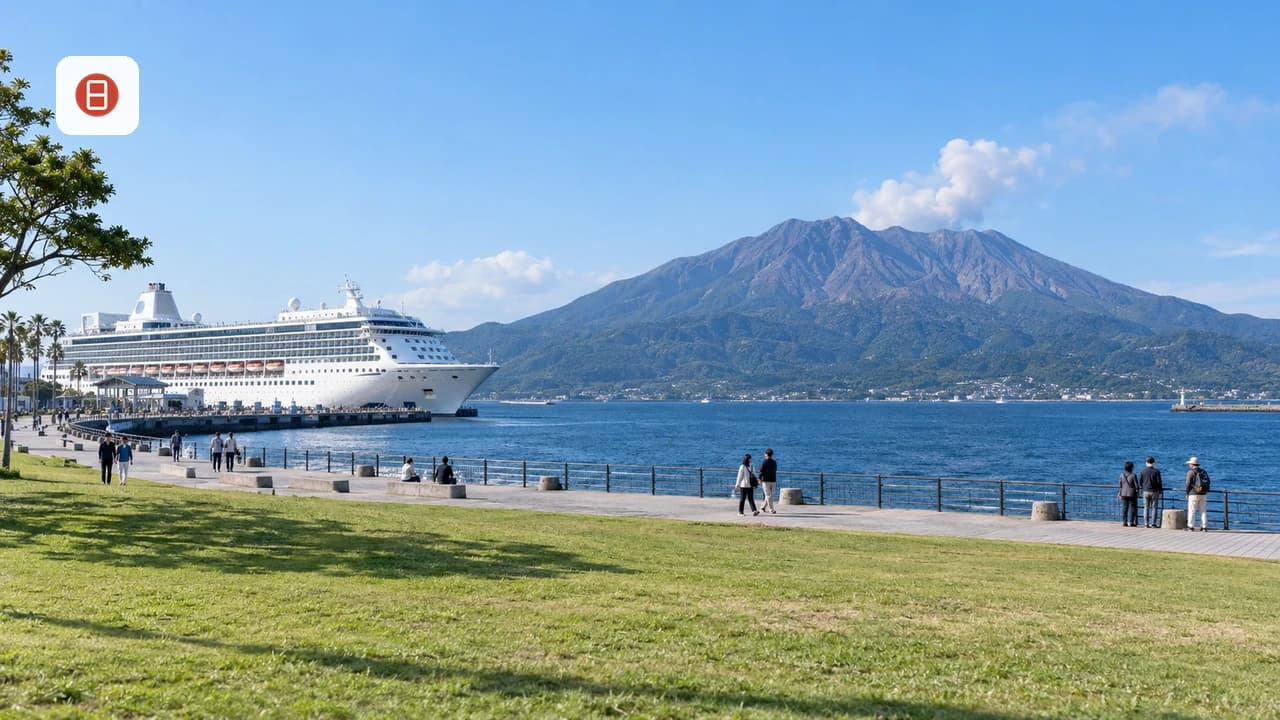
Tenmonkan nightlife earns its reputation as the beating heart of Southern Kyushu's after-dark scene. When the sun drops behind Sakurajima's silhouette, the district transforms into a labyrinth of neon alleys, shochu bars, and sizzling yatai stalls. For anyone planning a Kagoshima nightlife evening in 2026, mastering the geography and etiquette of Tenmonkan unlocks an experience that no chain restaurant or hotel bar can replicate.
This guide covers everything you need for a successful night: where to start, which shochu bars serve Kagoshima's three legendary "3M" premium brands, how the Yatai Mura stall system works, and how to pace yourself so you actually remember the rooftop Sakurajima view. We also flag the cultural norms — from bottle-keep customs to the art of ordering oyuwari — that mark you as a respectful, knowledgeable guest rather than a first-time tourist.
The Tenmonkan district is genuinely compact. Every stop on this itinerary is within a 10-minute walk of every other stop, making it easy to freestyle once you have the lay of the land. Wear comfortable shoes, carry some cash (many small bars are cash-only in 2026), and commit to arriving hungry. Kagoshima feeds its visitors well.
The Tenmonkan District: Layout and After-Dark Geography
Tenmonkan spans roughly four interconnected streets in the center of Kagoshima City. The main covered arcade runs north–south and is visible from the tram stop of the same name — alight at Tenmonkan-dori stop and you are already inside the district. By day, the arcade is a shopping street. By night, the energy moves to the perpendicular side streets: Bunka-dori and Yamanokuchi-dori are the two key nightlife corridors, packed with izakayas, snack bars, and hostess establishments that keep their doors open until 3 AM.
The narrower alley of Gofukumachi (one block east of the main arcade) is where serious shochu drinkers congregate. These intimate, counter-only bars seat eight to twelve people and are typically run by a single "mama-san" or veteran barman. Prices here are very reasonable — a glass of premium imo-jochu runs 600–900 yen — because the clientele is almost entirely local. The language barrier exists, but the universal language of pointing at shochu bottles works perfectly.
Flamingo-dori, a curving pedestrian street near the northern end of the district, has seen a wave of newer craft beer bars and cocktail lounges open since 2024. Venues here cater to a younger, more internationally minded crowd and are generally English-friendly. For a well-rounded Tenmonkan nightlife experience, plan to spend at least an hour across both the traditional Gofukumachi strip and the Flamingo-dori stretch.
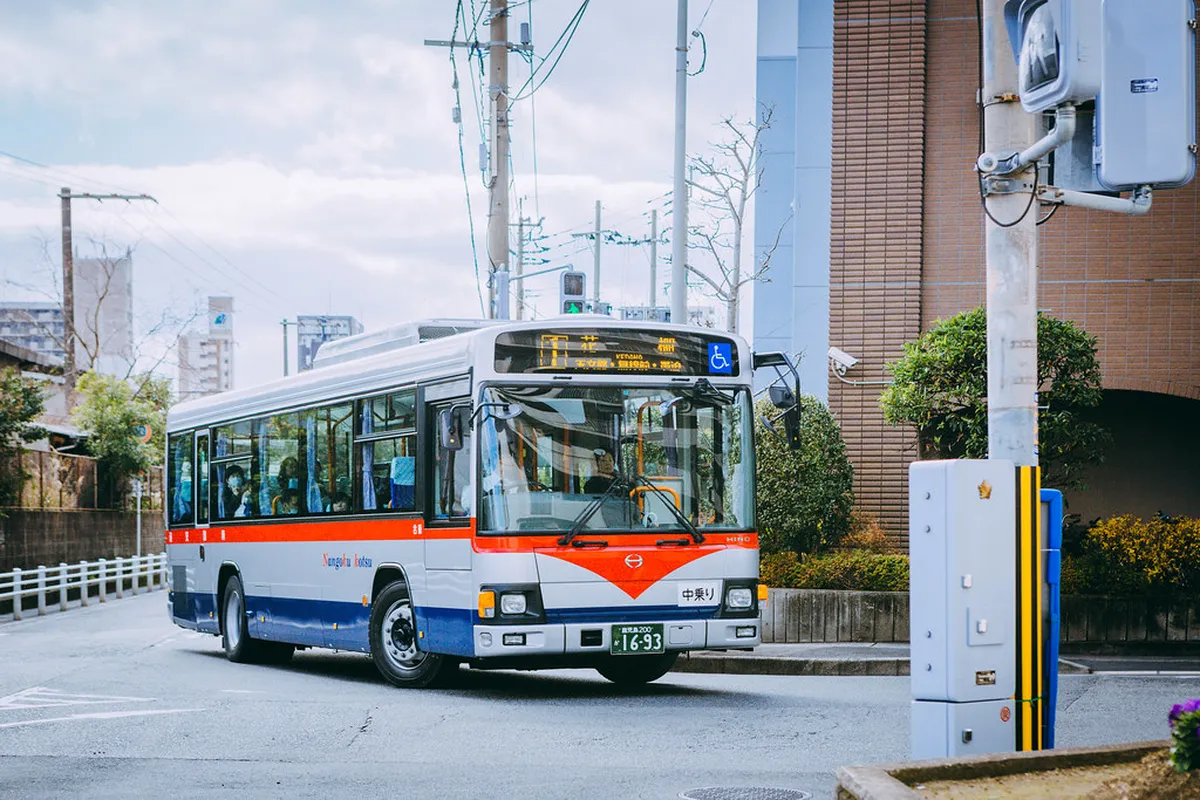
Getting to Tenmonkan is straightforward. The City Tram (City View 100 yen tourist line or the regular 170 yen tram) runs until approximately 11:30 PM. After that, taxis are plentiful along the main arcade and cost around 700–1,000 yen back to Kagoshima-Chuo Station. Alternatively, the entire walk from Tenmonkan to the station takes about 15 minutes on flat ground.
Full 9-Stop Tenmonkan Nightlife Itinerary (2026)
This itinerary is structured to build naturally from early-evening food to late-night drinking, the way Kagoshima locals actually approach a night out. Each stop has a recommended arrival time, estimated spend, and a practical tip. Total budget: 5,000–9,000 yen per person depending on how many premium bottles you open.
| Stop | Time | Est. Spend |
|---|---|---|
| 1. Kagoshima-Chuo Station (bag storage) | 5:30 PM | 300–600 yen |
| 2. Kagomma Furusato Yataimura | 6:00 PM | 2,000–3,000 yen |
| 3. Tram to Tenmonkan Arcade | 7:15 PM | 170 yen |
| 4. Gofukumachi Shochu Bar | 7:45 PM | 600–1,200 yen/glass |
| 5. Kurobuta Pork Izakaya dinner | 8:30 PM | 3,000–5,000 yen |
| 6. Snack Bar (Sunakku) | 10:00 PM | 1,000–2,000 yen |
| 7. Rooftop Bar (Sakurajima views) | 11:00 PM | 500–1,000 yen cover |
| 8. Craft Beer / Cocktail Bar | 12:00 AM | 800–1,400 yen |
| 9. Kagoshima Ramen (shime) | 1:00 AM | 800–1,200 yen |
-
Stop 1 — Kagoshima-Chuo Station Plaza (5:30 PM)
- Activity: Orientation and bag storage
- Location: Station west exit, coin lockers on Level B1
- Cost: 300–600 yen for locker
- Tip: Confirm your hotel check-in time before locking bags. The walk to Tenmonkan takes 20 minutes on foot or 5 minutes by tram.
-
Stop 2 — Kagomma Furusato Yataimura (6:00 PM)
- Activity: First meal and first shochu
- Location: 6-4 Chuocho, Kagoshima-shi (5-minute walk from Chuo Station). The complex has two clusters: the Li-Ka area (7 stalls) and the BUSCHIKA area (18 stalls).
- Hours: Most stalls open 6:00 PM–midnight; complex-wide holiday on the first Monday of each month.
- Estimated spend: 2,000–3,000 yen for food + shochu set
- Tip: Ask each stall master for the "osusume" (recommendation). Most offer a shochu set — small appetizer plus a glass of local imo-jochu — for around 800–1,200 yen. Arrive by 6:15 PM for the best seat selection; peak occupancy hits by 7:30 PM.
-
Stop 3 — Tram ride and Tenmonkan Arcade Walk (7:15 PM)
- Activity: District orientation and photo stop
- View: Neon signs, covered arcade entrance, evening crowds
- Cost: 170 yen tram fare (or walk 15 minutes)
- Tip: The Tenmonkan-dori tram stop drops you at the southern arcade entrance. Walk north through the covered arcade to reach Bunka-dori — this 10-minute stroll gives you a sense of the full district layout.
-
Stop 4 — Imo-jochu Tasting at a Gofukumachi Shochu Bar (7:45 PM)
- Recommended venues: Shochu Bar Sasakura (Bunka-dori adjacent) or Bar Ishizue (1,500+ brands, English-speaking staff)
- Style: Order oyuwari (warm water, 6:4 ratio) for your first pour — it opens up the aroma of imo-jochu best
- Brands to request: Mitake (Yakushima island, floral), Maou (light and smooth), Mori Izo (full-bodied and earthy). These "3M" premium bottles rarely appear on menus — ask the barman directly.
- Cost: 600–1,200 yen per glass depending on brand tier
- Tip: Bottle-keep (botoru kipu) is a Kagoshima institution. If you finish less than a third of a bottle, ask to "kipu" it with your name — bars hold it for several weeks. Locals use this as a way to try premium bottles over multiple visits.
-
Stop 5 — Kurobuta Pork Dinner at a Traditional Izakaya (8:30 PM)
- Dish: Kurobuta pork shabu-shabu or tonkatsu, Satsuma-age (fried fish cakes), grilled shiitake from Kirishima
- Seating: Look for horigotatsu (sunken floor seating) — a distinctly Kagoshima izakaya layout
- Cost: 3,000–5,000 yen per person including drinks
- Tip: Yakitori bars along Bunka-dori often grill on magma rock sourced from Sakurajima — the mineral-rich heat imparts a subtle smokiness you will not find elsewhere in Japan. Ask if the venue uses "Sakurajima no yoigan" grilling.
-
Stop 6 — Local Snack Bar (Sunakku) Experience (10:00 PM)
- Culture: Snack bars are intimate counter establishments run by a mama-san. The set fee (typically 1,000–2,000 yen) includes one drink and light snacks. Karaoke is standard.
- Tip: These bars can feel intimidating to enter alone — look for establishments showing small "welcome" signs in English or with open frosted-glass doors that reveal the interior. Yokaban on Flamingo-dori is a foreigner-friendly snack bar hybrid worth seeking out.
-
Stop 7 — Rooftop Bar with Sakurajima Views (11:00 PM)
- Activity: Cocktails with Sakurajima night silhouette
- Cover charge: 500–1,000 yen, typically includes a snack
- Dress code: Smart casual — no flip-flops
- Photography tip: Aim to arrive just before midnight on a clear night. The volcano's glow and the city lights below make for dramatic long-exposure shots. Many rooftop bars provide blankets during the November–February cool months.
- Ash fall advisory: Kagoshima issues periodic "ash fall advisories" when Sakurajima is actively erupting. Outdoor rooftop sections may close on heavy ash days — check the Kagoshima City official app or ask your hotel in the morning.
-
Stop 8 — Craft Beer or Specialty Cocktail Bar (12:00 AM)
- Recommended beers: Shiroyama Brewing or Satsuma Beer — available on tap at several Flamingo-dori bars
- Price: 800–1,400 yen per pint or cocktail
- Vibe: Quiet, focused. Bar Roku (300+ shochu brands, illuminated-bottle decor) is an excellent alternative for those wanting to stay in the shochu world rather than switching to beer.
- Tip: High-end cocktail bars in Tenmonkan often hand-carve ice spheres. Respect the quiet atmosphere — keep conversation moderate in volume and avoid using your phone at the bar counter.
-
Stop 9 — Kagoshima Ramen to Close (1:00 AM)
- Dish: Tonkotsu ramen with a lighter, cleaner broth than Hakata-style — characteristic of Kagoshima's pork preparation
- Hours: Several ramen shops in the Tenmonkan core stay open until 3:00 AM
- Cost: 800–1,200 yen per bowl
- Tip: Late-night ramen (shime-ramen) is how Kagoshima locals "close" a night of drinking. The ritual is taken seriously — don't skip it if you want the full local experience.
Complete Shochu Ordering Guide for Tenmonkan Bars
Kagoshima produces over 2,000 shochu brands across more than 100 distilleries, more than any other prefecture in Japan. The vast majority are imo-jochu — distilled from the local Kogane Sengan sweet potato variety — giving them a distinctively earthy, subtly sweet character that sets Kagoshima shochu apart from barley-based (mugi) or rice-based (kome) styles produced elsewhere.
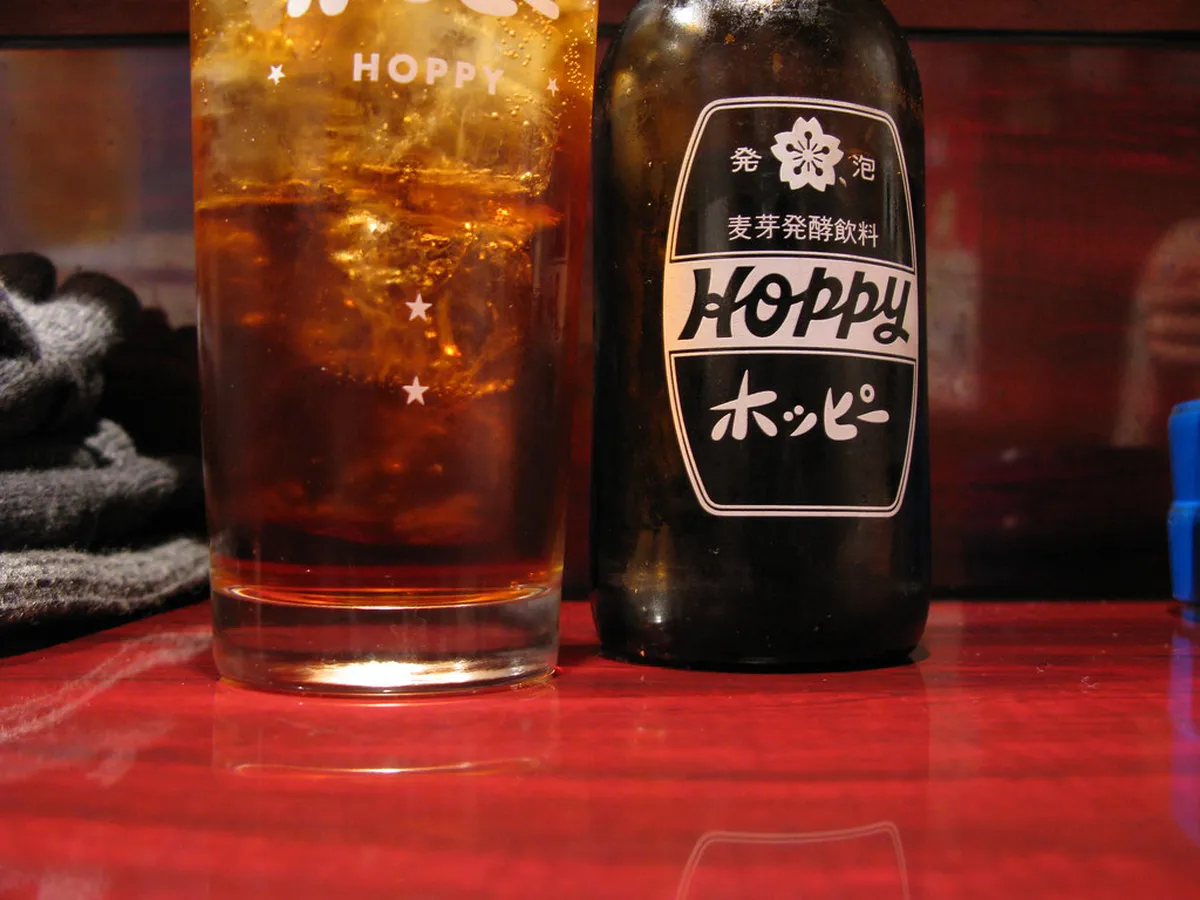
Understanding serving styles is essential before you approach a bar in Tenmonkan. The four standard options:
- Oyuwari — hot water mixed at a 6:4 shochu-to-water ratio. The warmth enhances aromatics and makes imo-jochu flavors bloom. This is the classic Kagoshima way; start here on your first glass.
- Mizuwari — cold water at a 6:4 ratio. Refreshing in summer. The flavors are more subdued than oyuwari.
- On the rocks (rokku) — straight over ice. Best for premium brands like Maou where you want to taste the full profile before dilution.
- Soda-wari — soda water mix. Popular with younger drinkers; a good bridge option if you find imo-jochu's earthiness intense at first.
The famous "3M" brands — Mori Izo, Maou, and Murao — are premium bottles that rarely appear in supermarkets. Your best chance in Tenmonkan is Bar Ishizue (1,500+ brands) or a dedicated shochu specialty bar. A single glass of Maou or Mori Izo typically costs 1,200–2,000 yen. If you see it on the menu, order it — these bottles have genuine rarity value in Kagoshima's own bars.
For everyday drinking, the following are reliable crowd-pleasers available in almost every izakaya: Satsuma Shiranami (light and approachable, a great introduction), Kuro Kirishima (black koji, bold and savory), and Mitake (floral, from Yakushima island). Most izakayas pour these house shochus for 400–700 yen per glass.
Shochu etiquette note: it is perfectly normal to share a bottle with your table. If you have a bottle-keep, pour for others before pouring for yourself — standard Japanese drinking etiquette. Do not pour your own glass if someone else is available to pour for you.
Bottle-keep (botoru kipu) lets you reserve an open bottle at your bar for several weeks. Ask for the premium 3M brands — Mori Izo, Maou, and Murao — by name; they rarely appear on menus. Bar Ishizue stocks over 1,500 shochu varieties and has English-speaking staff.
Kagomma Furusato Yataimura: What to Order and How the System Works
Kagomma Furusato Yataimura is the most visitor-friendly entry point into Kagoshima's evening food culture. Located a 5-minute walk from Kagoshima-Chuo Station (address: 6-4 Chuocho, Kagoshima-shi; phone: 099-255-1588), the complex divides into two zones — the 7-stall Li-Ka area adjacent to the station and the larger 18-stall BUSCHIKA area in front of the station building. Combined capacity is around 200 seats across 25 stalls.
Each stall is run by an independent master chef (typically one person) who sources ingredients locally and specializes in a narrow menu. You will find stalls focused on kurobuta pork, fresh Kagoshima seafood, grilled Satsuma chicken, Satsuma-age fish cakes, and traditional Kagoshima soba. The common thread: almost every stall carries imo-jochu by the glass and often offers a house shochu set at 800–1,200 yen.
Practical rules for Yatai Mura:
- No reservations — seating is first-come, first-served at all stalls. Weekend evenings fill up by 7:00 PM.
- Stall mobility is expected — if your chosen stall is full, grab a drink at a neighbor and check back in 20 minutes. This is normal behavior, not rude.
- Cash preferred — while some stalls have adopted IC card readers in 2025–2026, many remain cash-only. Bring 3,000–5,000 yen in notes for Yatai Mura alone.
- The "osusume" rule — always ask the master for their daily recommendation. The best dishes are rarely on the English menu.
- Complex holiday — the entire Yatai Mura closes on the first Monday of every month. Check before going.
For a deeper dive into Kagoshima's food culture beyond Yatai Mura, the Kagoshima famous food guide covers kurobuta shabu-shabu, kibinago sashimi, and sweet potato desserts in detail.
Rooftop Bars and the Sakurajima Night View
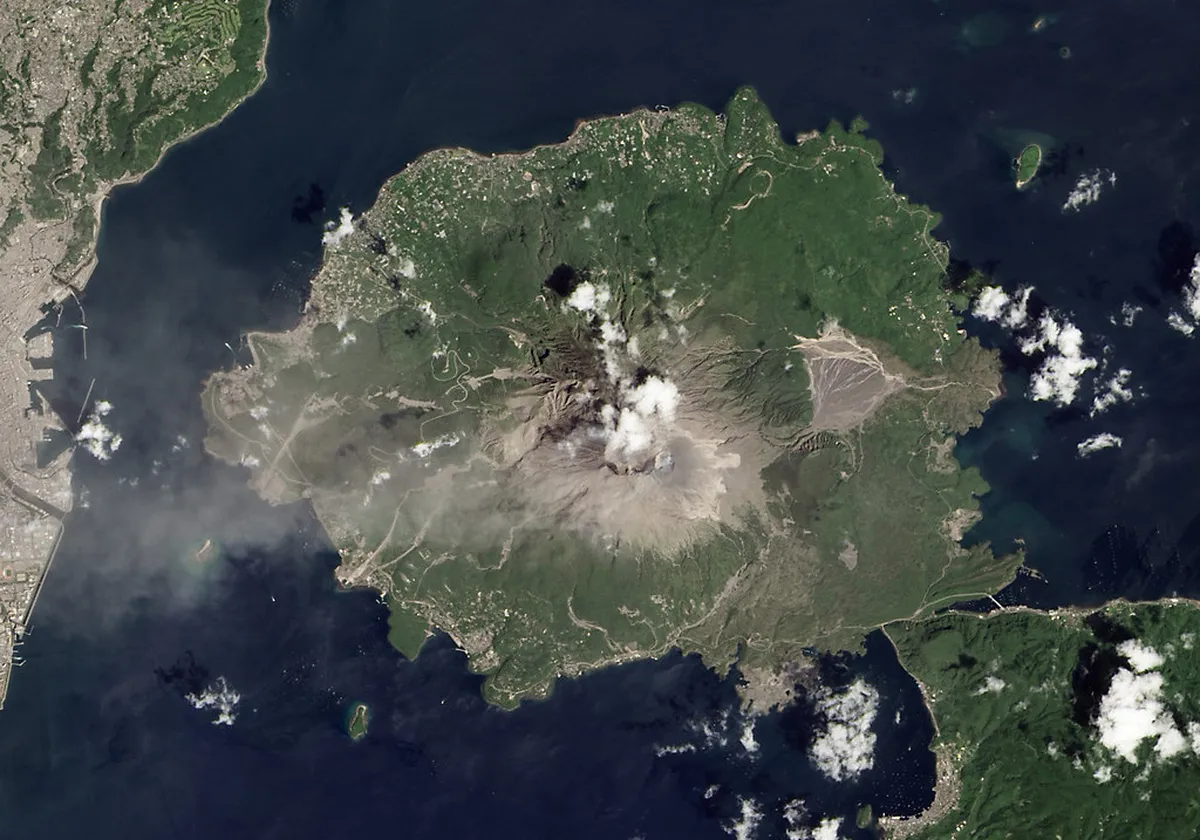
Viewing Sakurajima from a rooftop bar at night is one of those experiences that separates a good Kagoshima trip from an unforgettable one. The volcano — which is active and visible from nearly every elevated point in the city — takes on a dramatic quality after dark, especially on nights when it is gently degassing and the ash plume catches the glow of the city lights below.
Most rooftop bars in the Tenmonkan district are on the 5th–8th floors of older commercial buildings. They do not advertise heavily; look for hand-painted signs in stairwells or ask your izakaya staff. Cover charges in 2026 typically run 500–1,000 yen and include a small snack — crackers, edamame, or a mini Satsuma-age portion. The cover is worth it: the view alone justifies the fee.
Dress code is smart casual — no formal attire required, but flip-flops and beach shorts will get a polite refusal at the more established rooftop spots. Many venues provide blankets for outdoor terrace seating between November and March. Kagoshima winters are mild by Japanese standards (average December night temperature around 8°C) but the elevated wind makes it feel colder.
Sakurajima ash fall advisory: on days when the volcano erupts significantly, ash drifts across the city. Outdoor rooftop sections may close. Check the Kagoshima City official notification app, or simply ask your hotel concierge each morning for the day's ash forecast. Light ash is manageable with a cloth mask; heavy ash events are rare but worth knowing about.
Connecting Kagoshima's nightlife to its broader volcanic geography is worthwhile — the Kagoshima culture guide covering shochu, samurai, and Sakurajima explains how the volcano has shaped everything from agriculture to architecture in this city.
Essential Practical Tips for Tenmonkan After Dark
Money and Payment
Budget 5,000–9,000 yen for a full evening covering yatai dinner, two or three bar stops, a rooftop visit, and late-night ramen. Premium shochu tastings (3M brands) add 1,200–2,000 yen per glass. Carry 10,000 yen in cash to be safe — many smaller bars and all Yatai Mura stalls are cash-preferred in 2026.
Language and Communication
English proficiency in Tenmonkan bars ranges from none (traditional Gofukumachi counter bars) to fluent (Bar Ishizue, some Flamingo-dori venues). A translation app handles 90% of situations. The following phrases are worth memorizing: imo-jochu wo kudasai (please bring sweet potato shochu), osusume wa nan desu ka (what do you recommend?), and gochisosama deshita (thank you for the meal/drinks — said when leaving).
Tipping and Etiquette
Tipping is not practiced in Japan. Leave without tipping — attempting to tip causes confusion and mild embarrassment for the staff. The correct way to express appreciation is a sincere gochisosama deshita on departure. Drinking age in Japan is 20; ID checks have become more frequent since 2024, so carry a passport copy.
Kagoshima issues periodic ash fall advisories when Sakurajima erupts. Outdoor rooftop bar sections may close on heavy ash days — check the Kagoshima City official app or ask your hotel that morning. The last city tram from Tenmonkan-dori departs around 11:30 PM; after that, taxis run about 700–1,000 yen back to Kagoshima-Chuo Station.
Transport Home
- City Tram: Last tram from Tenmonkan-dori toward Kagoshima-Chuo departs around 11:30 PM
- Taxi: Available 24/7 on the main arcade. Fare to Kagoshima-Chuo Station: 700–1,000 yen
- Walking: Safe and viable — the entire Tenmonkan-to-Chuo Station walk takes 15 minutes on flat, well-lit streets
- Ride apps: GO app (Japanese Uber equivalent) works in Kagoshima from 2025
Safety
Kagoshima is one of Japan's safer mid-size cities. Tenmonkan at night is well-lit and populated by a mix of locals, domestic tourists, and international visitors. Solo female travelers regularly report positive experiences here. Standard urban caution applies: stay aware of your surroundings and avoid any establishments that pressure you to enter from the street.
For more context on exploring Kagoshima beyond the nightlife district, see the Kagoshima attractions guide which covers daytime options including Sengan-en garden, Chiran Samurai district, and Sakurajima ferry.
Airport Transfers and Where to Sleep Near Tenmonkan
Most visitors arrive by air or Shinkansen and want to be at a bar by early evening. The itinerary above starts at Kagoshima-Chuo Station, but the district's own geography should decide where you sleep.
From Kagoshima Airport
Airport limousine buses run to the city centre in roughly 40 to 50 minutes. Several services stop in or near Tenmonkan, so you can drop your bags and be at the arcade without changing. Last buses leave the airport well before the late-night bar hours, so check your flight arrival time before planning a first-night drink. Our guide to the Tenmonkan to Kagoshima Airport route covers bus timing, fares and the taxi alternative for the return trip.
Why Staying in Tenmonkan Beats Staying at the Station
- No tram deadline. The tram stops around 11:30 PM, and the 700-1,000 yen taxi back to Kagoshima-Chuo Station adds up if you do this itinerary more than once.
- Shorter walk home. From Gofukumachi, Bunka-dori and Flamingo-dori you are usually back in your room within 5 to 10 minutes, even after a shochu-heavy night.
- Easier bag handling. You can skip the locker stop in the itinerary (Stop 1) and go straight to the first bar after check-in.
If you want a base inside the district, Hotel MyStays Kagoshima Tenmonkan sits within easy walking distance of the arcade and the main bar corridors. Whichever hotel you book, confirm its late check-in policy and ask about a 10 AM or later checkout, since the night here tends to end after 1 AM.
Seasonal Highlights: Tenmonkan Millionation and Best Times to Visit
The Tenmonkan Millionation illumination festival runs annually from approximately late November through early January. During this period, the covered arcade and surrounding streets are draped in hundreds of thousands of LED lights, transforming the already-atmospheric district into something genuinely spectacular. The illumination begins each evening around 6:00 PM and continues until midnight. Entry to walk through the displays is free.
Local shops extend hours during Millionation, and temporary outdoor vendors set up along the arcade selling roasted sweet potatoes, amazake (sweet fermented rice drink), and Satsuma snacks. The combination of winter illumination and hot oyuwari shochu is an ideal Kagoshima winter experience. Dress in warm layers — Kagoshima winters are mild but evenings on an open rooftop terrace can feel chilly.
Beyond Millionation, Tenmonkan nightlife is consistently good year-round. Summer (July–August) brings extended outdoor seating, cold mizuwari shochu, and a livelier outdoor atmosphere. The full Kagoshima nightlife guide covers seasonal event timing and the best months to visit for specific festivals.
Spring (late March–April) is worth noting: the Kagoshima Ohara Festival in November and the Ishibashi Festival in spring both bring street performances and outdoor food stalls to the Tenmonkan area. Check the Kagoshima City events calendar at kagoshima-yokanavi.jp for exact 2026 dates.
Frequently Asked Questions
What is the best time to visit Tenmonkan for nightlife?
The best time window for Tenmonkan nightlife is 7:00 PM to midnight. Izakayas are in full swing, rooftop bars are open, and the street atmosphere peaks around 9:00–10:00 PM. Arrive at Yatai Mura by 6:15 PM if you want a first-come seat at a specific stall — popular stalls fill by 7:30 PM. If you want the quieter, late-night side of Tenmonkan (specialty cocktail bars, late ramen), the district stays active until 2:00–3:00 AM.
Is Kagoshima safe for solo female travelers at night?
Yes — Kagoshima is consistently rated among Japan's safer mid-size cities. The Tenmonkan district is well-lit, densely populated, and actively patrolled. Solo female travelers report positive experiences in the izakayas and bars here. Standard urban awareness applies: stick to lit streets and avoid any bar whose staff applies pressure to enter. The Kagoshima nightlife guide has venue-specific tips for solo travelers.
How much does a typical night out in Tenmonkan cost in 2026?
Expect to spend 5,000–9,000 yen for a full evening in 2026. This covers a Yatai Mura dinner (2,000–3,000 yen), two to three bar stops with shochu or craft beer (1,500–3,000 yen), a rooftop cover charge (500–1,000 yen), and late-night ramen (800–1,200 yen). Premium shochu tastings — especially 3M brands like Maou or Mori Izo — add 1,200–2,000 yen per glass and can push the total above 12,000 yen for enthusiasts.
Do I need a reservation for Yatai Mura?
No — Kagomma Furusato Yataimura does not accept reservations at individual stalls. Seating is strictly first-come, first-served. If your preferred stall is full, it is completely normal to order a drink at a neighboring stall and circle back 20–30 minutes later. The entire complex closes on the first Monday of each month, so check ahead before visiting.
What is the difference between imo-jochu and other types of shochu?
Imo-jochu is distilled from sweet potatoes (specifically the Kogane Sengan variety grown in Kagoshima) and has an earthy, subtly sweet, and aromatic character. It is distinctly different from barley-based mugi-jochu (lighter and cleaner) and rice-based kome-jochu (delicate and mildly sweet). Kagoshima is the heartland of imo-jochu production — over 100 distilleries operate in the prefecture, producing more than 2,000 brands. The volcanic soil and clean underground water of Kagoshima are widely credited for the flavor profile you will not find replicated elsewhere in Japan.
Can I find vegetarian options in Kagoshima izakayas?
Vegetarian options are limited in traditional izakayas since many dishes incorporate fish stock (dashi) or pork-based broths. That said, you can reliably find edamame, grilled seasonal vegetables, tofu dishes (agedashi or chilled), and occasionally vegetable tempura. Communicate dietary needs clearly using a translation app or by showing a written card in Japanese specifying no meat and no fish stock. The BUSCHIKA zone of Yatai Mura has slightly more diverse stall types than the smaller Li-Ka zone.
What are the best shochu brands to try in Tenmonkan?
For beginners: Satsuma Shiranami (light, clean, widely available) or Kuro Kirishima (bolder, black koji). For intermediate drinkers: Mitake (floral, from Yakushima) or Umi (sweet and elegant). For enthusiasts: the "3M" trio — Mori Izo, Maou, and Murao — are premium, limited-production bottles rarely found outside Kagoshima. Bar Ishizue in Tenmonkan stocks over 1,500 brands and has English-speaking staff who can guide your selection based on preference.
Tenmonkan nightlife rewards travelers who approach it slowly and with curiosity. The district is small enough to cover in a single evening yet deep enough to keep you discovering new bars and stalls across multiple trips. The combination of imo-jochu shochu, kurobuta pork, and a rooftop Sakurajima view is not something you will find anywhere else on earth — it is uniquely, irreplaceably Kagoshima.
Follow this 9-stop itinerary as a starting framework, but give yourself permission to deviate when a stall master waves you over or a hand-painted sign catches your eye down an unfamiliar alley. The best experiences in Tenmonkan are usually unplanned. Pace your drinking, eat well throughout the evening, and end with ramen. You will leave Southern Kyushu understanding why Kagoshima's residents consider their city the finest place in Japan to have a drink.
Plan your full Kagoshima trip with the Kagoshima attractions guide covering daytime highlights, or explore the broader cultural context of this fascinating city through the shochu, samurai, and Sakurajima culture guide.
Free: The Kagoshima Essentials guide
Top things to do, where to stay, a perfect day plan, getting around, and the best time to go — a Kagoshima mini-guide you can take offline.
You might also like

Continue reading
More guides you'll find useful