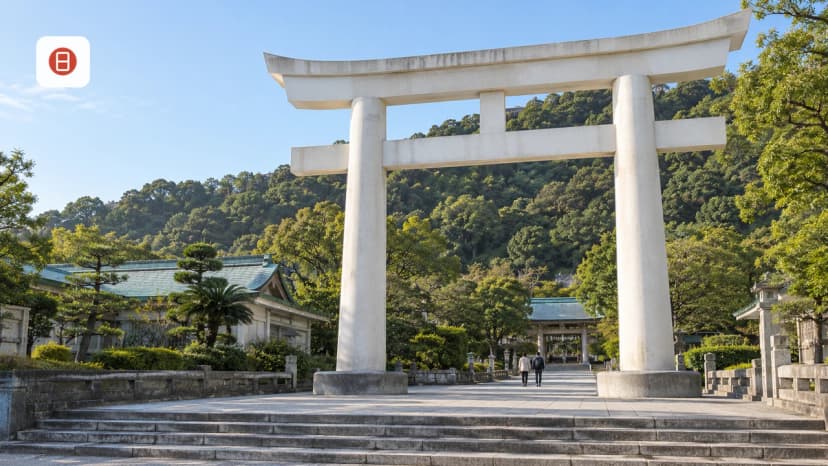
The massive peak of Sakurajima stands as a powerful icon across the waters from Kagoshima City. This active volcano offers a unique blend of natural power and serene island life for every traveler. Planning a 2026 trip to this site requires careful attention to ferry schedules, ash forecasts, and local transport options. This comprehensive sakurajima visitor guide helps you navigate the best spots on the island with safety.
Quick summary: Take the 15-minute ferry, use the Island View Bus, and visit the Yunohira Observatory. Most visitors spend about four to six hours exploring the various trails and historic volcanic sites. You should always check the mountain status before you depart from the mainland Kagoshima ferry terminal. Early morning starts provide the best chance for clear views before the daily clouds gather around the peak, while flexible travelers should keep a backup city plan if ash is blowing toward their preferred viewpoints.
Getting to Sakurajima: Ferry and Transport Logistics
The ferry from Kagoshima port runs every 15 to 20 minutes throughout the day for all visitors. Passengers must pay the 200 yen ferry fare upon arrival at the Sakurajima terminal ticket gate. This short 15-minute crossing provides wonderful views of the volcano and the surrounding deep blue Kinko Bay. You can find the ferry terminal conveniently located next to the Kagoshima Aquarium in the downtown area.
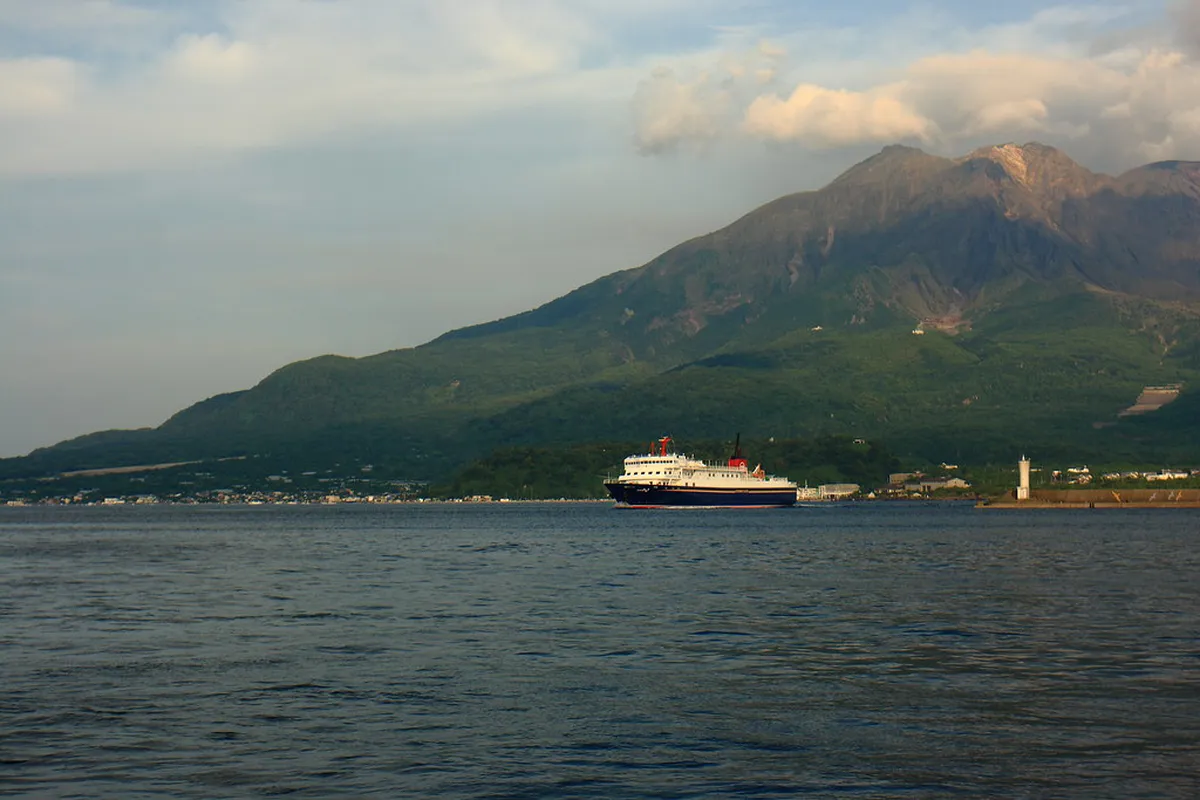
From Kagoshima-Chuo Station, allow enough time to reach the port by tram, taxi, or local bus before your preferred crossing. The easiest 2026 day-trip plan is to arrive before mid-morning, collect maps at the Sakurajima terminal, and decide whether the ash forecast favors the north-side promenade, the Yunohira loop, or a quicker return to the city. A common mistake is treating the ferry as the only schedule that matters; the island bus, local buses to farther sights, and bicycle rental hours are what usually set the real limit on your route.
Once you arrive on the island, the Sakurajima Island View Bus is the most popular transport choice. A one-day pass costs 500 yen and allows you to hop on and off at main attractions. The bus route covers the ferry terminal, the visitor center, and the famous Yunohira Observatory loop. Check the bus schedule carefully as the last departure usually happens in the late afternoon hours.
Bicycle rentals offer a more flexible way to see the island at your own personal pace. Standard bikes cost around 300 yen per hour while electric bikes are available for a higher fee. Cycling around the entire island takes about four hours for those with a good level of fitness. Rental shops are located right outside the ferry terminal for easy access after you arrive.
- Island View Bus Pass
- Cost: 500 yen
- Frequency: Every 30 minutes
- Best for: Major highlights
- Where: Ferry terminal
- Standard Bicycle Rental
- Cost: 300 yen hourly
- Type: Manual bike
- Best for: Coastal trails
- Where: Near terminal
Must-See Observatories: Yunohira and Arimura
Yunohira Observatory sits at 373 meters and provides the closest public view of the active volcanic crater. This spot offers a 360-degree panorama of the city and the rugged lava fields stretching toward the sea. You can compare this view to the city perspective found at the Shiroyama Observatory across the water. Many visitors enjoy watching the sunset from this high vantage point before the last bus departs.
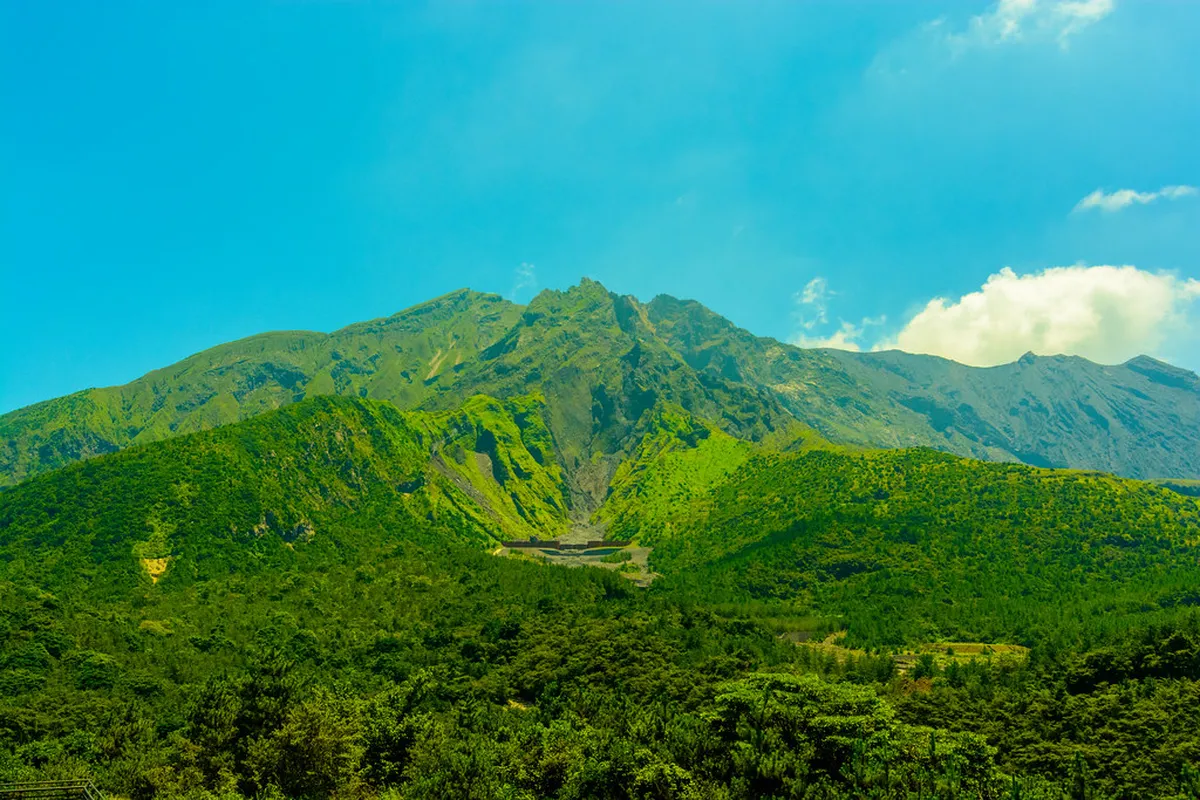
Arimura Lava Observatory provides a completely different perspective from the southern base of the mountain peak. This area features a network of paved trails that wind through massive boulders from ancient eruptions. The views here highlight the contrast between the dark volcanic rock and the bright blue ocean water. You can often see smoke rising from the crater while walking through this dramatic landscape.
Karasujima Observatory is a useful extra stop when you want a short, low-effort viewpoint near the ferry side of the island. It is less dramatic than Yunohira or Arimura, but it works well for families, travelers with limited mobility, and anyone building a shorter loop around the visitor center area. For the cleanest photos, check wind direction first and stand upwind of the ash whenever possible.
| Photo spot | Best view | Access note |
|---|---|---|
| Yunohira Observatory | Closest public crater view and Kagoshima city panorama | Best with the Island View Bus |
| Arimura Lava Observatory | Lava fields, ocean, and the southern slope | Better by local bus, car, taxi, or bicycle |
| Karasujima Observatory | Quick bay and volcano view near the ferry area | Good for shorter, easier itineraries |
The gardens at Sengan-en also offer a famous 'borrowed scenery' view of the volcano. While that site is on the mainland, it provides the most artistic perspective of the mountain peak. Photographers should visit both the island observatories and the mainland gardens for a complete visual experience. Each location offers unique lighting conditions that change throughout the different seasons of the year.
- Yunohira Observatory Spot
- View: Highest peak access
- Vibe: 360-degree panorama
- Best time: Sunset hours
- Access: Island View Bus
- Arimura Lava Spot
- View: Jagged lava fields
- Vibe: Rugged volcanic terrain
- Best time: Morning light
- Access: Local city bus
Hiking the Lava Nagisa Promenade
The Lava Nagisa Promenade stretches for about three kilometers along the beautiful northern coastline of the island. This trail is part of the Kirishima-Kinkowan National Park and features unique volcanic flora. Walking here allows you to see the jagged lava rocks up close while enjoying the fresh sea breeze. Most visitors complete the flat and easy walk in about 45 to 60 minutes total time.
You will encounter various signs along the path that explain the different types of volcanic rock formations. Small plants and hardy trees have slowly reclaimed the land since the massive eruption of 1914 occurred. The contrast between the black lava and the green vegetation creates many wonderful photo opportunities for hikers. Look out for local birds and sea life that frequent the rocky shores along this scenic route.
The promenade is fully paved and accessible for travelers of all ages and fitness levels. You can start the walk near the visitor center and end at the Nagisa Lava Park footbath. It is one of the best ways to experience the raw power of the volcano without climbing high peaks. Make sure to bring water and wear a hat as there is very little shade on this trail.
Can you walk around Sakurajima? You can comfortably walk key sections such as the Lava Nagisa Promenade, the visitor center area, and short observatory trails, but a full circuit of the peninsula is better treated as a bicycle, bus, taxi, or driving route. Travelers who try to walk too far often lose time before reaching Yunohira or Arimura, so choose one main walking area and connect the rest by transport.
Sakurajima Visitor Center and Museum Insights
The Sakurajima Visitor Center serves as an excellent starting point for your volcanic island adventure today. It features high-quality exhibits about the volcano's history and the current earth science of the region. You can watch short films that explain how local residents live alongside such an active mountain peak. The center is open daily from 9 am to 5 pm with free admission for all guests.
Inside the museum, you will find real samples of volcanic ash and different types of lava rocks. Interactive displays show the timeline of major eruptions and how the island has changed over centuries. The staff can provide the latest updates on crater activity and safety zones for the current day. A small gift shop offers unique volcanic souvenirs and local crafts made by island artisans.
The facility also provides clean restrooms and a comfortable place to rest between your outdoor activities. You can pick up detailed maps and brochures in multiple languages to help with your island navigation. This museum is a great rainy-day option if the weather turns poor during your Kagoshima trip. Spending 30 minutes here will greatly enhance your understanding of the sites you see later.
Use the center as your accessibility checkpoint before committing to the rest of the route. Staff and posted notices can help you confirm whether ash, rain, or wind make the promenade unpleasant that day, and the nearby footbath area keeps the first part of the island visit simple for travelers who prefer flatter walking.
The Island View Bus one-day pass costs ¥500 and covers the main stops including the ferry terminal, visitor center, and Yunohira Observatory. The ferry itself runs every 15 minutes during the day and costs ¥200 one-way, paid on arrival at Sakurajima Port.
Relaxing at the Nagisa Lava Park Footbath
Nagisa Lava Park features one of the longest outdoor footbaths in all of Japan for public use. This 100-meter-long facility uses natural hot spring water from deep beneath the active volcanic ground. Visitors can soak their feet for free while looking out over the calm waters of Kinko Bay. It is a perfect spot to rest after hiking the nearby lava trails or cycling the coast.
The water is rich in minerals and stays at a pleasant temperature throughout the entire year. You should bring a small towel to dry your feet as none are provided at the site. Many local residents use the footbath in the afternoon to socialize and enjoy the scenic ocean views. The park is located just a short ten-minute walk from the main Sakurajima ferry terminal.
If you enjoy geothermal experiences, consider taking a day trip to the Ibusuki Sand Bath later. Both locations showcase the incredible natural heat that the volcanic region of Kagoshima provides to visitors. The footbath is open from sunrise until sunset and requires no prior booking or entry fee. It remains one of the most relaxing and budget-friendly activities available on the entire island.
The footbath is best scheduled after the promenade rather than before it, especially in summer when the exposed trail can feel hot. Keep socks easy to remove, do not use the footbath as a full hot spring bath, and avoid placing bags directly on ashy ground when the wind is carrying volcanic dust across the park.
Historical Sites: The Kurokami Buried Torii Gate
The Kurokami Buried Torii Gate remains a haunting reminder of the massive 1914 eruption on the island. Ash and pumice buried this two-meter-high shrine entrance in just one day of intense volcanic activity. Local residents decided to leave the gate buried to show future generations the incredible power of nature. It is located on the eastern side of the island near the local junior high school grounds.
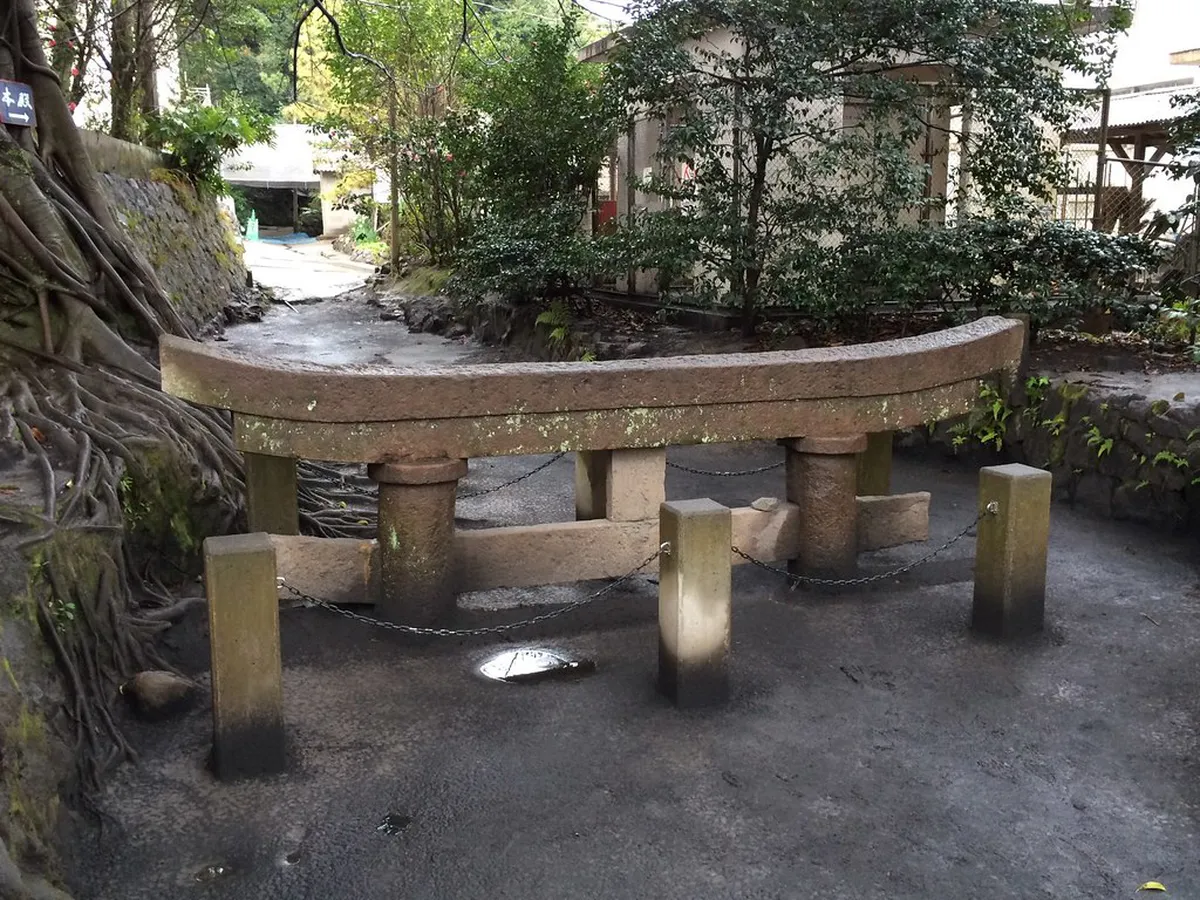
To reach this site, you will need to take a local bus or drive a rental car. The gate now stands only about one meter above the ground after the heavy ash fall settled. It serves as a silent witness to the event that connected the island to the Osumi Peninsula, a change still visible on maps more than 110 years later in 2026. You can find informational plaques nearby that describe the evacuation efforts during that historic time.
For more history about the region, you can visit the Chiran Samurai District on the mainland. Kagoshima has a long history of resilience and strength in the face of many natural challenges. The buried gate is a must-see for anyone interested in the geological history of the Japanese islands. Most visitors spend about 15 to 20 minutes at this site before continuing their island tour.
Local Flavors: Amber Vinegar and Giant Radishes
Sakurajima is famous for producing the world's largest radishes, known locally as the Sakurajima Daikon. These massive vegetables can grow to the size of a basketball in the fertile volcanic island soil. They are harvested in the winter months and are known for their sweet and mild flavor profile. You can find these radishes featured in many local dishes at restaurants across the Kagoshima region.
You should also try the local amber rice vinegar produced at the historic and famous Sakamoto brewery. The vinegar is fermented in large ceramic jars that sit outdoors in the warm island sun. This traditional method creates a deep flavor that is highly prized by chefs throughout all of Japan. The brewery offers tours where you can see thousands of jars lined up against the volcano.
Winter is the best season for seeing Sakurajima Daikon at their most impressive, while vinegar products are reliable souvenirs throughout the year. If your route continues toward Sengan-en or the wider Kagoshima coast, local craft traditions such as Oshima Tsumugi textiles also help connect the volcano visit with the broader cultural story of southern Kyushu.
After your island adventure, you can find more local delicacies in the Tenmonkan shopping district back in the city. Many shops near the ferry terminal also offer samples of these unique and healthy regional specialties. Small jars of the amber vinegar make excellent and lightweight souvenirs for your friends back home. Be sure to try the radish pickles which offer a crunchy and savory taste of the island.
Climbing to the summit is prohibited — a 2 km exclusion zone around the crater is enforced year-round. Check the Japan Meteorological Agency alert level before crossing: Level 3 (normal) restricts entry near the crater; Level 4 or 5 means evacuate the island immediately.
Essential Safety Tips for Visiting an Active Volcano
Safety is a top priority when visiting one of the most active volcanoes in the entire world. The Japan Meteorological Agency monitors the mountain constantly and provides clear alert levels for all visitors. Level 2 means you should stay away from the crater, while Level 3 restricts access further. You should always check the current Kagoshima weather and ash forecast before starting your daily trip.
Read the ash forecast by looking first at wind direction, then at the time window for ash fall. If ash is forecast toward the ferry terminal side, prioritize indoor exhibits, the footbath, and shorter walks; if it is blowing away from your planned route, the observatories and promenade are usually more comfortable. Avoid wearing contact lenses on ashy days if your eyes are sensitive, and keep a mask or scarf handy for sudden gusts.
Local authorities place concrete shelters along the main roads to protect people from falling rocks during eruptions. If you hear a loud boom or see a large ash cloud, move toward these shelters immediately. Most eruptions are small and pose no threat to visitors in the designated safe tourist zones. Wearing a hat and sunglasses can help protect your eyes and hair from falling volcanic ash.
The wind direction determines where the ash will fall on any given day on the island. If the wind blows toward the city, you may experience a light dusting of gray volcanic powder. Carry a small plastic bag to protect your camera and electronic devices from the fine grit. Following these simple safety rules ensures a fun and worry-free visit to this amazing natural wonder.
- Common mistakes to avoid
- Leaving Yunohira until after the last convenient bus
- Planning a full island walk instead of using transport links
- Ignoring wind direction when choosing photo spots
- Wearing delicate shoes or clothing on an ashy day
Frequently Asked Questions
Is it safe to visit Sakurajima right now?
Yes, it is generally safe to visit Sakurajima as long as you follow the official JMA alert levels. Authorities monitor the volcano 24 hours a day and will close certain areas if activity increases. Always check the latest updates at the ferry terminal before you cross the bay.
How much does the Sakurajima ferry cost?
The ferry costs 200 yen for adults and 100 yen for children for a one-way trip. You pay the fare at the Sakurajima side of the terminal when you exit or enter the boat. The ferry operates 24 hours a day with frequent service during the daylight hours.
How much time do you need for a Sakurajima day trip?
Most travelers find that four to six hours is enough time to see the main highlights of the island. This allows for a bus tour, a visit to an observatory, and a relaxing soak in the footbath. If you plan to cycle the whole island, allow for a full day.
What is the best observatory on Sakurajima?
The Yunohira Observatory is widely considered the best spot because it is the highest point open to the public. It offers the closest views of the active crater and a full view of Kagoshima City. Arimura is also excellent for seeing the rugged lava fields up close.
Sakurajima offers an unforgettable experience that combines raw natural power with peaceful island charm. From the scenic ferry ride to the relaxing footbaths, there is something for every type of traveler. Using this sakurajima visitor guide will help you make the most of your time in this unique region. Check out our full Kagoshima travel guide for more tips on exploring southern Japan.
For more Kagoshima trip planning, see our Kagoshima itinerary, Kagoshima attractions guide.
Official information & further reading: Sakurajima official site · Sakurajima on Wikipedia · japan-guide.com reference.