Ibusuki offers a rare geothermal experience that you cannot find anywhere else in the world. This coastal town on the Satsuma Peninsula is famous for its natural steam sand baths known as Sunamushi Onsen. Travelers often visit this region while exploring a broader Kagoshima itinerary to enjoy the unique volcanic heat. This 2026 Ibusuki sand bath visitor guide focuses on the practical details that matter on arrival: where to go, what the sand feels like, how long to stay buried, and how to combine the baths with nearby Ibusuki attractions.
What is Sunamushi Onsen? The Science of Steam and Sand
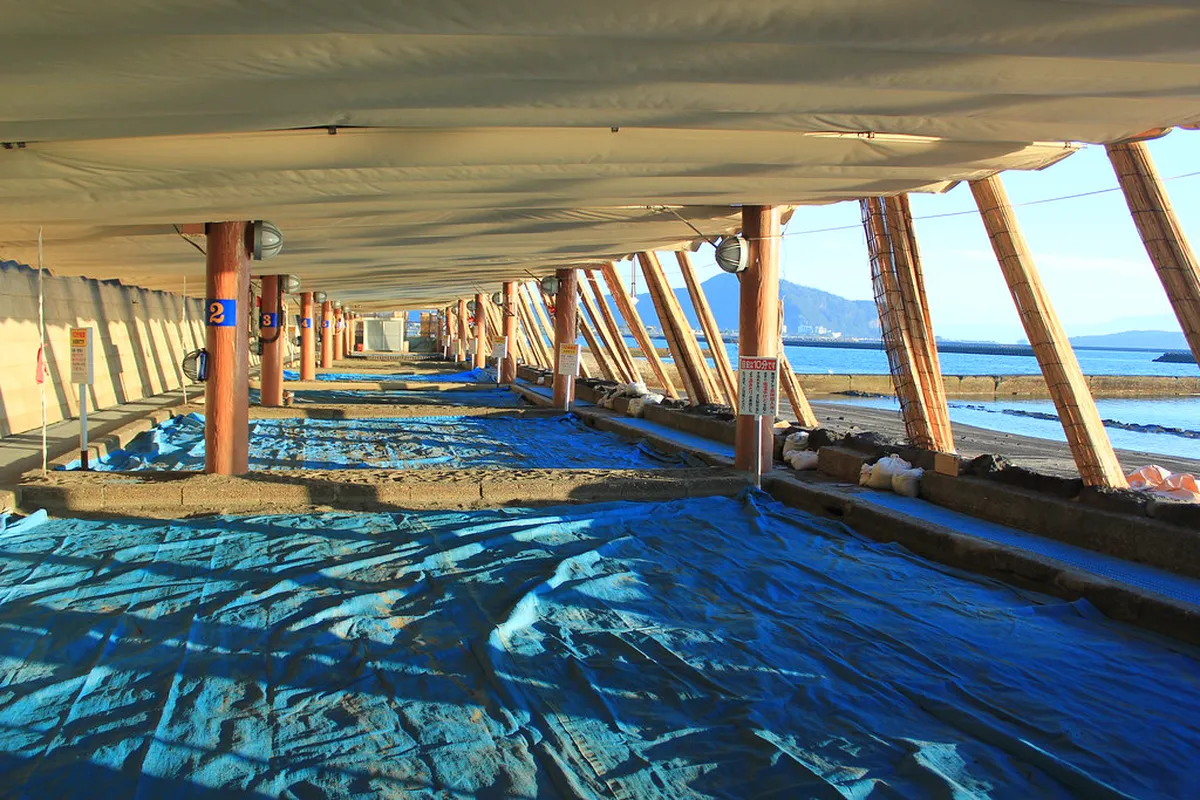
The natural steam sand baths in Ibusuki rely on the intense geothermal activity of the Satsuma Peninsula. Natural hot spring water flows beneath the beach, heating the sand to temperatures between 50 and 55 degrees Celsius. This process creates a natural sauna effect that produces heavy sweating and a deep, even warmth. Many visitors find the weight of the sand provides a unique sense of physical and mental relief, closer to a hot weighted blanket than a standard water onsen.
Ibusuki is frequently called the Hawaii of Japan due to its lush palm trees and tropical atmosphere. The iconic Mount Kaimon, often compared to Mount Fuji, stands as a dramatic backdrop for the coastline. This volcanic peak is part of the landscape that makes the area feel so different from central Kagoshima. According to the Japan Travel Official Guide, these baths have been a local treasure for over 300 years.
The science behind the sand bath involves more than simple heat from the sun. Volcanic steam rises through the porous black sand to create a consistent warmth that reaches your shoulders, back, legs, and feet at the same time. In 2026, the appeal remains the same as it has for generations: Ibusuki is a place where the volcanic geography of southern Kyushu becomes a direct, memorable visitor experience.
Top Venues: Saraku Sand Bath Hall vs. Ibusuki Hakusuikan
Choosing the right venue is the first step in planning your Ibusuki sand bath experience. Saraku Sand Bath Hall is the most popular public facility located right on the edge of the ocean. It offers an authentic experience where you can listen to the waves while buried in the warm sand. The facility is large and well-equipped to handle high volumes of domestic and international travelers.
If you prefer a more refined and private setting, the Ibusuki Hakusuikan Official Site showcases a luxury alternative. This high-end ryokan features an indoor sand bath area designed with traditional Japanese aesthetics. Guests here can enjoy a more secluded atmosphere away from the larger crowds found at public halls. The service at Hakusuikan includes access to elaborate hot spring baths and beautiful garden views.
| Venue | Best for | Setting | Visitor notes |
|---|---|---|---|
| Saraku Sand Bath Hall | First-time visitors, day trips, ocean views | Public beachside sand bath near central Ibusuki | The basic Minimum Set at Saraku Sand Bath Hall costs ¥1,500 for adults and ¥800 for children as of 2026. Upgrade options include the Towel Set (¥1,800) and the all-inclusive Saraku Set (¥2,100), which add yukata and towel rental. |
| Ibusuki Hakusuikan | Ryokan stays, quieter service, bad-weather comfort | Luxury hotel sand bath with indoor facilities | Expect premium ryokan pricing and a more controlled atmosphere than the public beachside hall. |
Step-by-Step Guide: Your First Sand Bath Experience
Stay buried for 10–15 minutes maximum — the volcanic heat reaches 50–55°C and causes significant sweating. Drink water before and immediately after, and use the indoor onsen included with your ticket afterward to rinse off and rehydrate. Sand bath reception at Saraku closes 12:00–13:00 on weekdays.
The process is simple, but it feels easier when you know the sequence before you arrive. Most visitors complete the sand bath, shower, and indoor onsen as one continuous flow, so keep valuables in the locker and bring only what staff tell you to carry.
- Check in at reception and rent or receive the required cotton yukata robe.
- Remove all clothing and wear only the yukata provided by the facility staff.
- Wrap the small towel around your head or neck to keep sand away from your face and hair.
- Walk to the sand bathing area, where staff will guide you to a prepared trench.
- Lie down on your back while staff shovel warm sand over your body until only your head remains uncovered.
- Stay buried for about 10 to 15 minutes, then raise your hand or speak up if you want to leave earlier.
- Rinse off carefully in the shower area before entering the indoor hot spring bath.
The sand has a mineral smell, a humid warmth, and a steady pressure across your chest, arms, and legs. You may hear waves, quiet conversation, or the sound of staff raking the sand for the next guest. The experience is unusual rather than difficult for most people, but first-timers should avoid treating it like a test of endurance.
Essential Visitor Tips: Etiquette, Clothing, and Costs
Some visitors may feel restricted or claustrophobic when the heavy sand is applied. It is important to remember that you can move your limbs, raise your hand, or sit up at any time. The staff monitor the area closely, and exiting early is normal if the heat becomes too intense. Focusing on slow breathing and the sound of the nearby ocean can help you relax during the burial process.
Hydration is critical because the steam bath causes significant sweating in a short period. Drink water before you start and immediately after you finish your soak. Common mistakes include staying buried longer than recommended, skipping water because the session feels short, wearing underwear under the yukata, and scheduling the visit so tightly that you rush the shower and onsen afterward.
For timing, note the official operating window: 08:30-21:00 daily, last admission 20:00. Sand bath reception closed 12:00-13:00 on weekdays. Summer is the iconic Ibusuki season, with blue skies, beach scenery, and Tosenkyo noodles afterward, but winter can be more comfortable because the cold air on your face balances the heat of the sand. Photography rules vary by facility; ask staff before taking out a phone or camera near the bathing area, and avoid including other guests in the frame.
Beyond the Beach: Ibusuki’s Tropical Gardens and Parks
Ibusuki is home to Japan's first herb garden, which is notable because coastal Kagoshima is not an easy place to grow delicate herbs. Typhoons, salt-laden wind, volcanic terrain, and humid summers make the garden more than a simple flower stop. Exploring these grounds offers a peaceful contrast to the heat of the sand baths. You can learn more about Kagoshima's broader history at the Reimeikan Museum during your trip.
Flower Park Kagoshima is one of the largest botanical gardens in the country. It features thousands of plant species from around the world across its sprawling grounds. The park offers stunning views of the ocean and the nearby volcanic peaks. Walking through the colorful displays is a good low-impact afternoon plan after the sand bath, especially if you do not want a strenuous hike.
Hikers will enjoy the trails leading up the slopes of Mount Kaimon, also known as Satsuma Fuji. The climb takes about three hours and rewards you with a panoramic view of the peninsula. This mountain is a symbol of the region and is visible from many points in town. Wear sturdy shoes, carry enough water, and avoid starting late in the day if you still need to return to Kagoshima.
Local Delicacies: Tosenkyo’s Famous Flowing Noodles
No visit to Ibusuki is complete without trying the famous Nagashi Somen at Tosenkyo. This dining style involves catching thin noodles as they swirl in cold spring water. Tosenkyo uses high-quality water that is officially ranked among the best in Japan. The restaurant is located in a beautiful forested ravine that stays cool even in summer.
The circular spinning tables at Tosenkyo make the experience fun for families and groups. You can order sets that include grilled trout, miso soup, and local rice balls. This refreshing meal is the perfect way to cool down after a hot sand bath session. The natural surroundings provide a tranquil atmosphere that enhances the flavor of the food.
Tosenkyo is accessible by bus, taxi, or rental car from the center of Ibusuki, but public transport is less frequent than the trains between Kagoshima and Ibusuki. It is a popular spot, so arriving early during peak season is highly recommended. Most visitors spend about an hour enjoying the noodles and the scenic ravine views. The restaurant remains open throughout the year, making it useful even outside the peak summer travel period.
Logistics: Planning Your Trip from Kagoshima to Ibusuki
Getting to Ibusuki from Kagoshima-Chuo Station is a scenic journey through southern Kyushu. The Ibusuki no Tamatebako limited express train offers a unique black-and-white design and coastal views, while regular services on the JR Ibusuki-Makurazaki Line are useful when the limited express schedule does not fit your day. Check the Kagoshima travel guide for more regional planning ideas.
From JR Ibusuki Station, Saraku Sand Bath Hall is about a 15-minute walk or a 5-minute bus ride. The walk is manageable for many travelers, but after rain or in midsummer heat, a short bus or taxi can be the more comfortable choice. Travelers with mobility concerns should contact the facility or their hotel in advance because the sand bath involves changing rooms, showers, wet floors, and staff-assisted movement to and from the sand area.
People with heart conditions, high blood pressure, or pregnancy should consult a doctor before using the sand bath — the heat and pressure are more intense than a standard water onsen. Avoid wearing underwear under the yukata, and do not schedule the visit too tightly; rushing the shower and onsen afterward is the most common visitor mistake.
If you are arriving via a cruise ship at Kagoshima Port, do not assume Ibusuki works like a quick city-center stop. Dedicated shore excursions often combine a visit to the sand baths with Tosenkyo or other Satsuma Peninsula sights, and they remove the risk of missing the ship departure. Independent cruise travelers should build in a generous buffer for port transfer time, train schedules, and the bathing process itself.
A day trip is possible, but staying overnight allows for a much more relaxed pace. Many ryokans offer traditional kaiseki dinners that feature fresh seafood from the local bay. Waking up near the ocean also lets you visit the sand bath early, before the busiest part of the day. Ibusuki remains a top destination for travelers seeking a distinctive Japanese wellness experience tied directly to volcanic geography.
Frequently Asked Questions
What do you wear to an Ibusuki sand bath?
You wear a traditional cotton yukata provided by the facility. You must remove all your clothes before putting on the robe. A small towel is usually wrapped around your head to keep the sand away from your face and hair.
How long should you stay buried in the sand?
The recommended time for a sand bath is between 10 and 15 minutes. Staying longer can cause your body to overheat or lead to dehydration. Always listen to your body and exit the sand if you feel any discomfort.
Is the Ibusuki sand bath safe for everyone?
Most people can safely enjoy the baths, but those with heart conditions or high blood pressure should consult a doctor. Pregnant women should also seek medical advice before visiting. The intense heat and pressure are powerful physical experiences.
How do you get from Kagoshima to the sand baths?
The easiest way is by taking the JR Ibusuki Makurazaki Line from Kagoshima-Chuo Station. The limited express train is the fastest and most comfortable option. Local buses then connect the station to the beach facilities.
Which is better: Saraku or Hakusuikan?
Saraku is better for those who want a public, beachside experience with ocean views. Hakusuikan is ideal for travelers seeking luxury and a more private, indoor setting. Both offer high-quality volcanic sand and excellent service.
The Ibusuki sand bath is a bucket-list experience that combines natural wonder with traditional Japanese wellness. Whether you choose the public beach at Saraku or the luxury of Hakusuikan, the volcanic heat will leave you refreshed. Plan your trip to the Satsuma Peninsula today to discover the unique steaming sands of Ibusuki.
For more Kagoshima trip planning, see our Kagoshima itinerary, Kagoshima attractions guide, Kagoshima onsen ryokan.
Official information & further reading: Ibusuki Sand Bath official site · Ibusuki Sand Bath on Wikipedia · japan-guide.com reference.