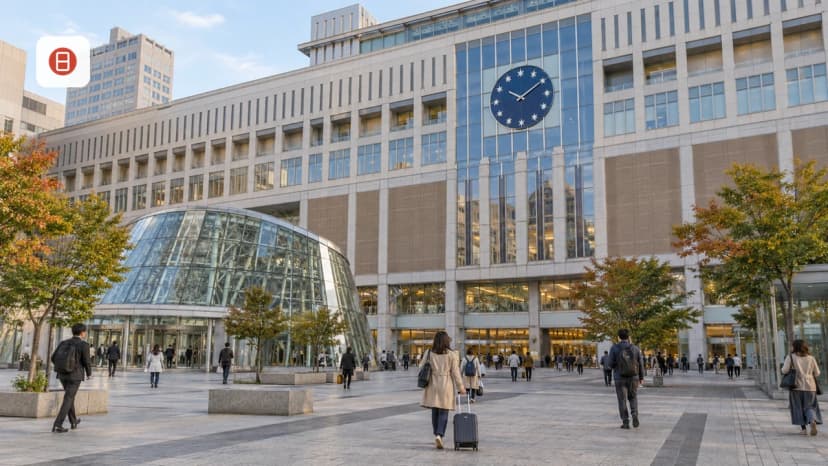
Sapporo TV Tower
Sapporo TV Tower is a 147 m broadcasting and observation tower at the eastern end of Odori Park, offering panoramic city and snow-festival views from its 90 m deck.
Visitor guide →
Plan your 2026 visit with this guide to Sapporo attractions — verified ticket prices, opening hours, neighborhood maps and 1–3 day itineraries for all 10 must-see sights.
Sapporo is Hokkaido's capital and Japan's fifth-largest city, and its attraction landscape is unlike anywhere else in the country — a planned grid of broad avenues laid out in the 1870s, framed by ski-slope-lined mountains and stitched together by a three-line subway. The signature draws fall into four obvious buckets: winter spectacle (the early-February Sapporo Snow Festival brings more than two million visitors to Odori Park each year), beer and food heritage (Sapporo Brewery launched here in 1876 and miso ramen was invented in the post-war Susukino alleys), urban viewpoints (Mount Moiwa's 531 m summit is officially ranked one of Japan's three best night views), and pioneer-era architecture left over from Hokkaido's 1869–1900 American-influenced colonisation.
Got a spare day? Otaru, a historic canal town, is a ~40-minute train ride away — see things to do in Otaru and its attractions hub.
During Snow Festival week in early February, hotel rates in Sapporo routinely double or triple and the Beer Museum Premium Tour sells out immediately. Book accommodation 4–6 months ahead for that period.
For most first-time visitors that translates into a tight cluster of 10 attractions inside the JR Hakodate Line / subway loop, plus two suburban outliers (Shiroi Koibito Park in the west, the Historical Village in the east) that reward a half-day each. We've narrowed the field to those 10 sights that consistently justify their ticket price and travel time in 2026 — each card below links to a full visitor guide with current pricing, verified opening hours, transport directions and the practical tips that don't make it into the official site's FAQ. The rest of this page sorts them by neighborhood, category, budget, and time available, and answers the questions Google searchers ask most often about visiting Sapporo. Bookmark it as your starting point.
Planning a wider trip? See our Japan travel guide, the things to do in Sapporo guide, and getting around Japan.
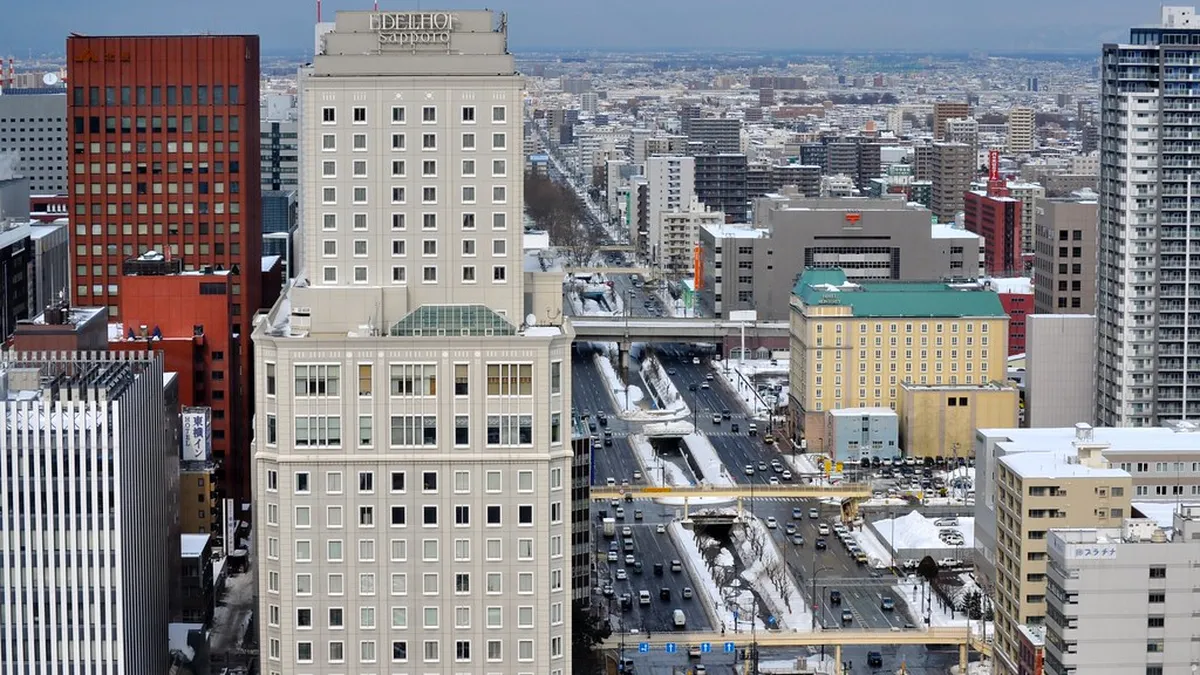
Sapporo TV Tower is a 147 m broadcasting and observation tower at the eastern end of Odori Park, offering panoramic city and snow-festival views from its 90 m deck.
Visitor guide →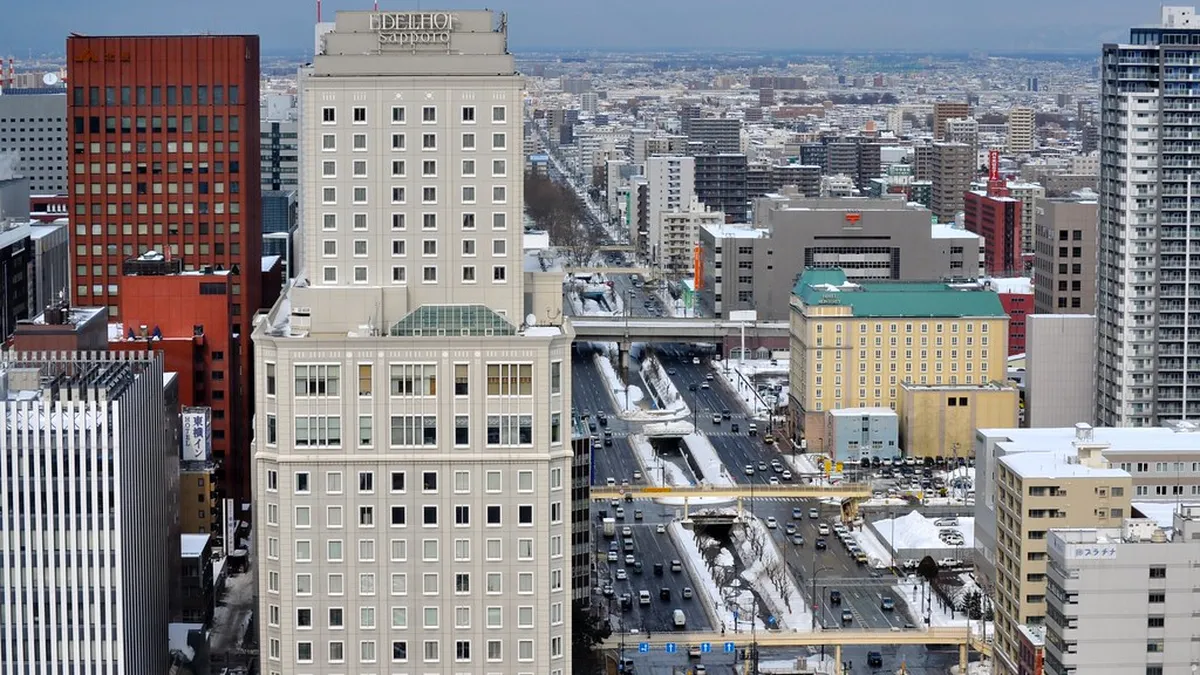
Odori Park is a 1.5-km linear park cutting through the centre of Sapporo, hosting the city's biggest festivals and serving as the main outdoor gathering space year-round.
Visitor guide →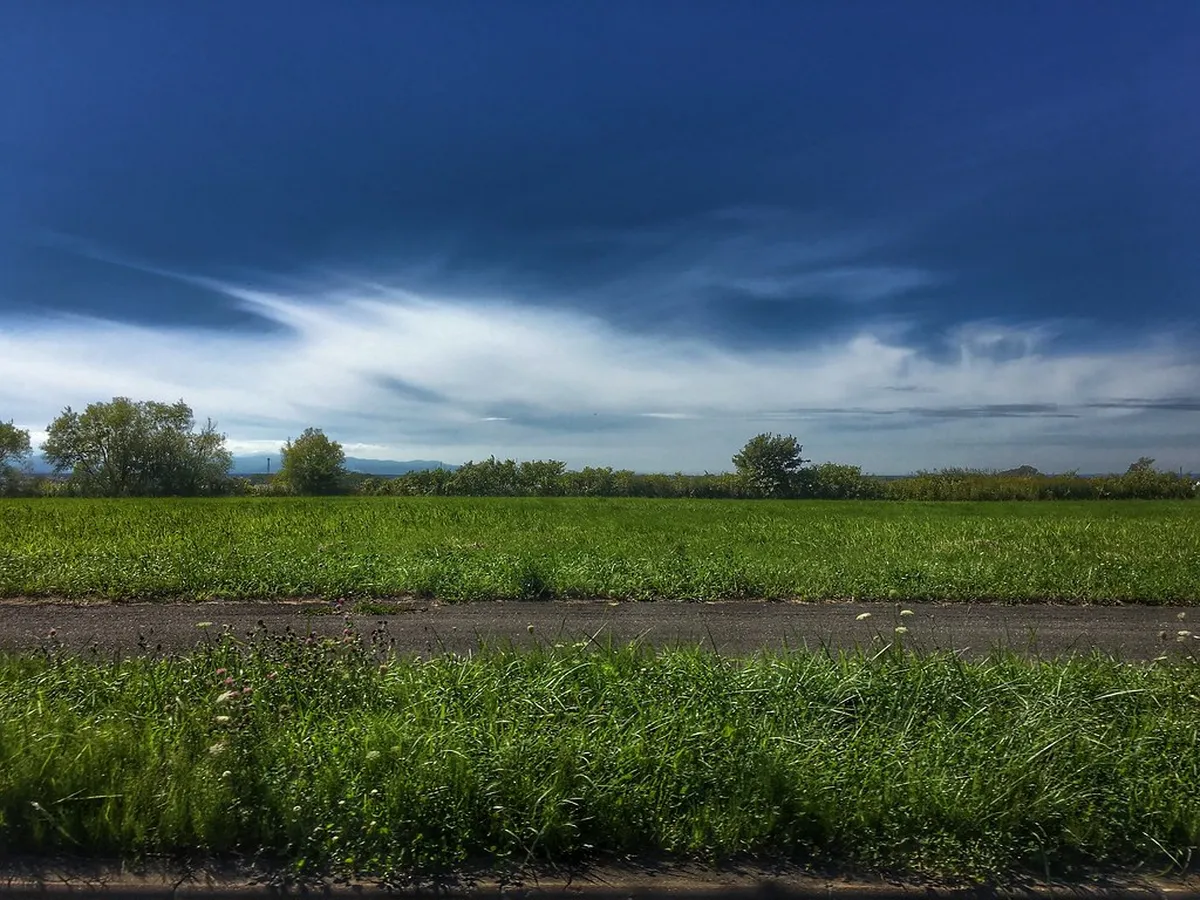
Mount Moiwa is a 531 m peak overlooking Sapporo, reached by ropeway and mini cable car, and home to one of Japan's three best designated night views.
Visitor guide →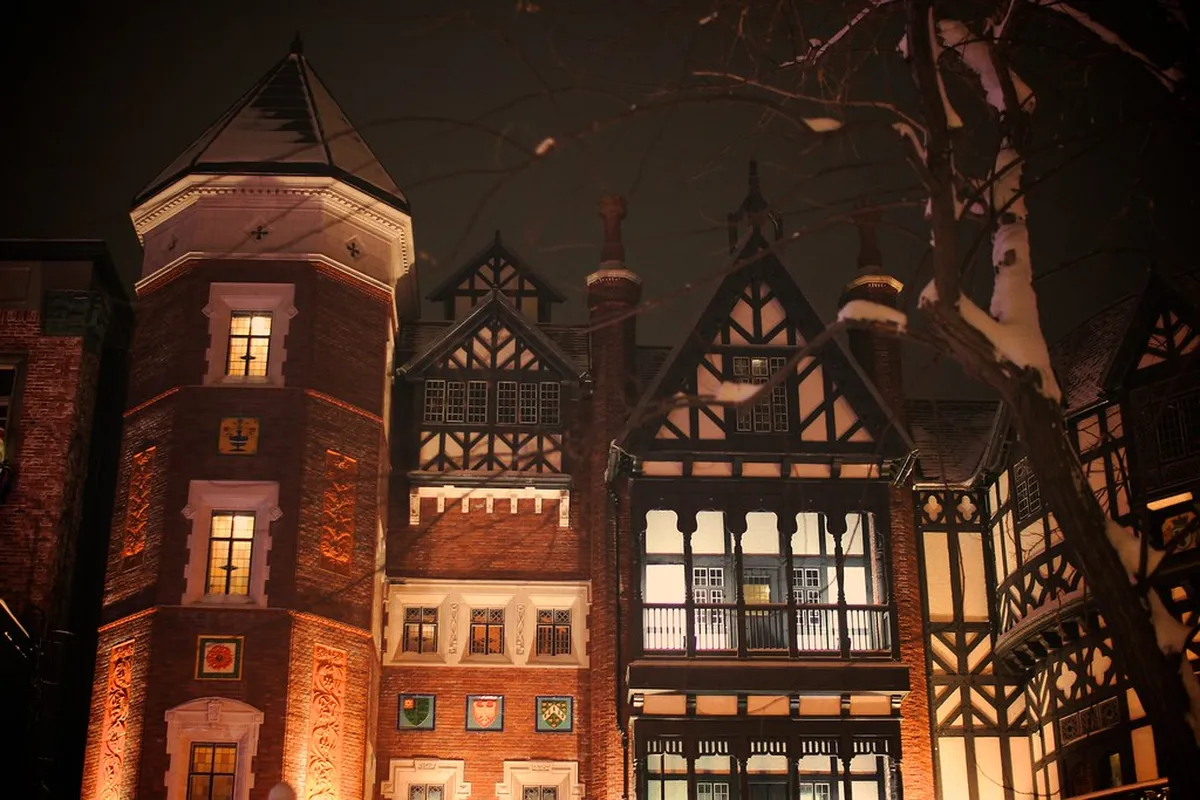
Shiroi Koibito Park is Ishiya's chocolate theme park in Sapporo where visitors tour the famous Shiroi Koibito biscuit production line and join chocolate-making workshops in a storybook British-style village.
Visitor guide →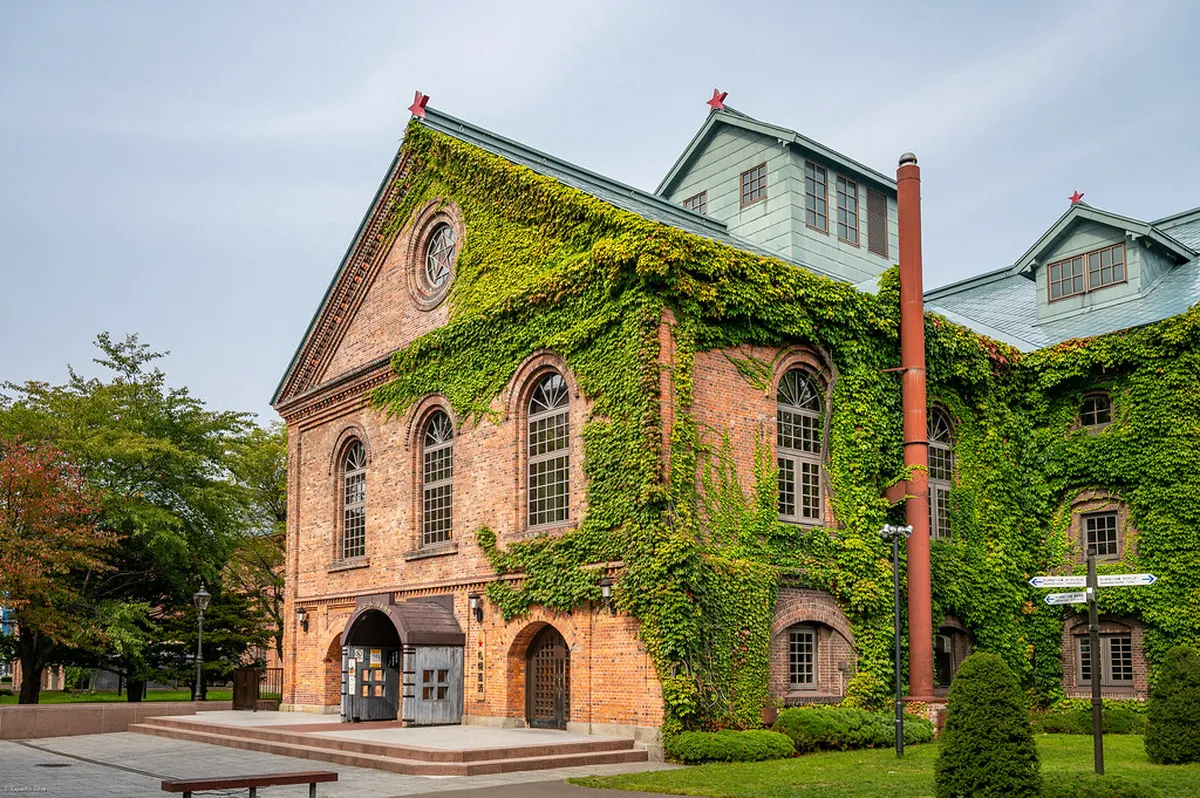
The Sapporo Beer Museum is Japan's only beer museum, set in an 1890 red-brick brewery building that traces the founding of Sapporo Beer and Hokkaido's pioneer-era industry.
Visitor guide →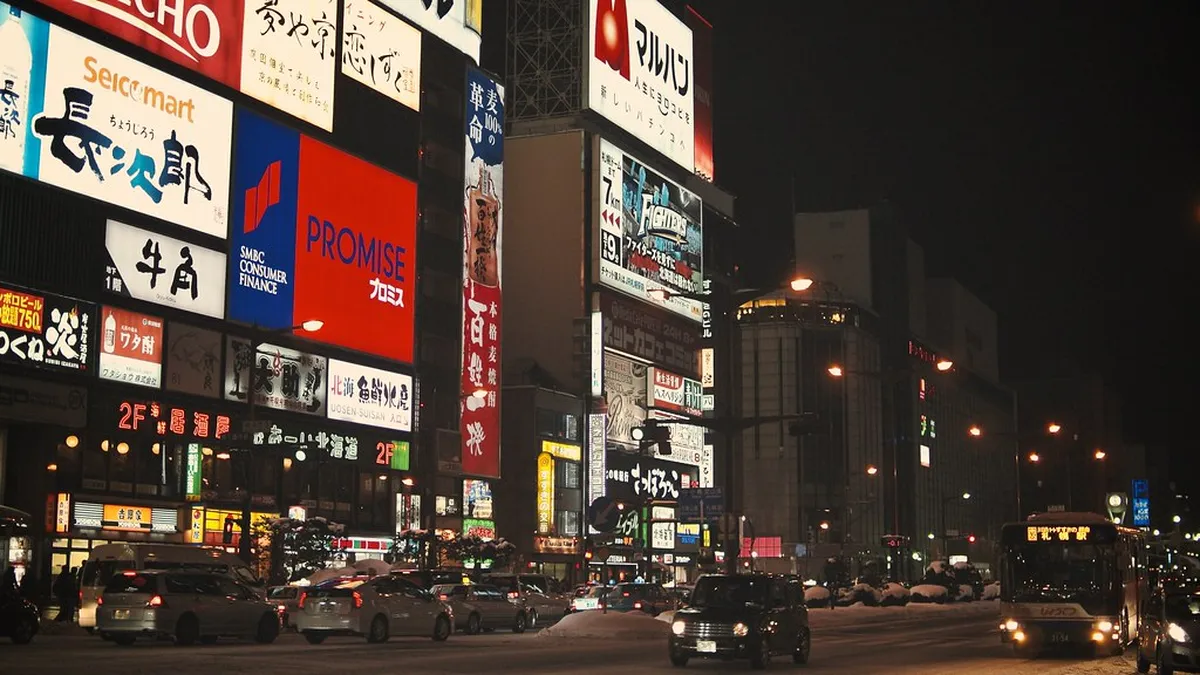
Susukino is Sapporo's neon-lit entertainment quarter, ranked among Japan's three largest nightlife districts and home to Sapporo Ramen Yokocho and the Snow Festival's ice-sculpture venue.
Visitor guide →
Hokkaido Shrine is the principal Shinto shrine of Hokkaido, set in Maruyama Park on the western edge of Sapporo, and the focus of the city's biggest annual festival every June.
Visitor guide →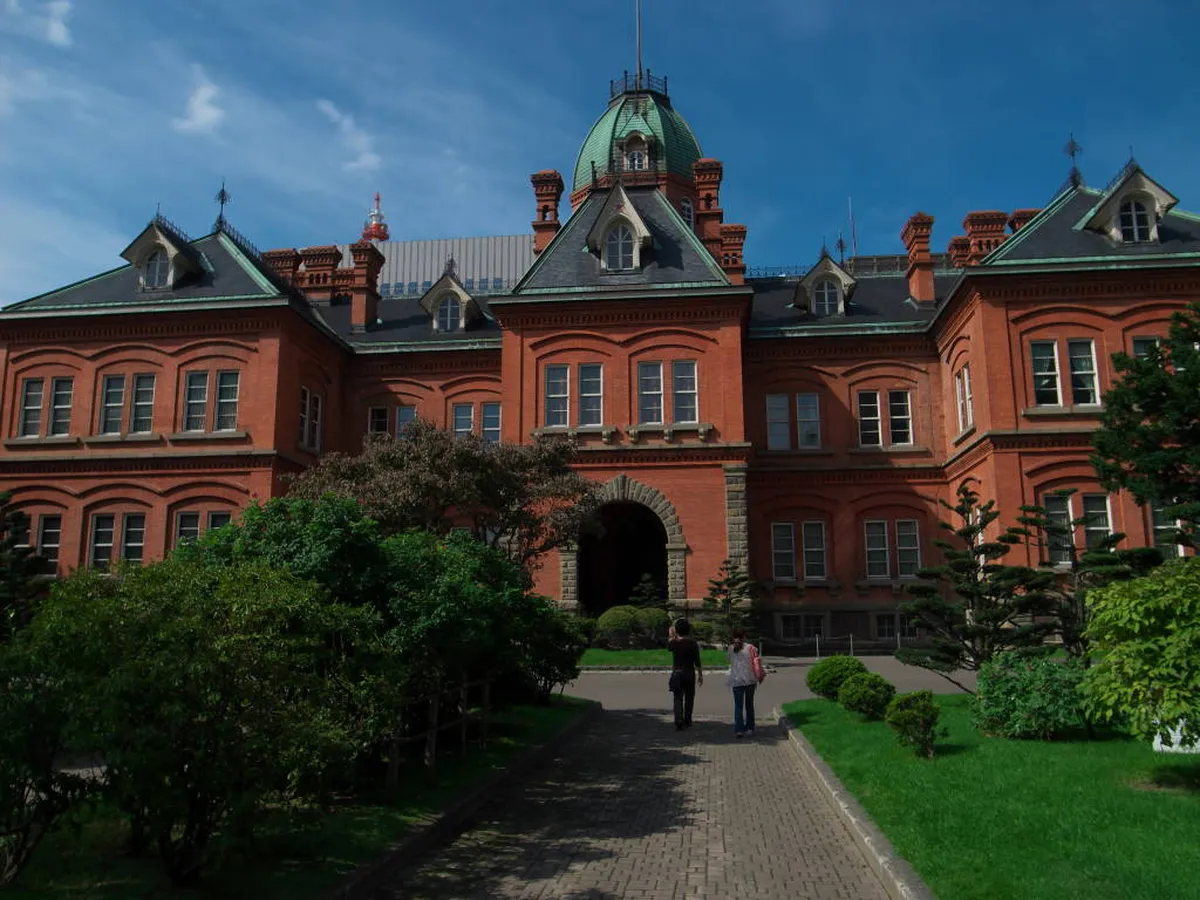
The Former Hokkaido Government Office (Akarenga) is an 1888 red-brick neo-baroque landmark in central Sapporo, the symbolic seat of Hokkaido's pioneer-era government and a National Important Cultural Property.
Visitor guide →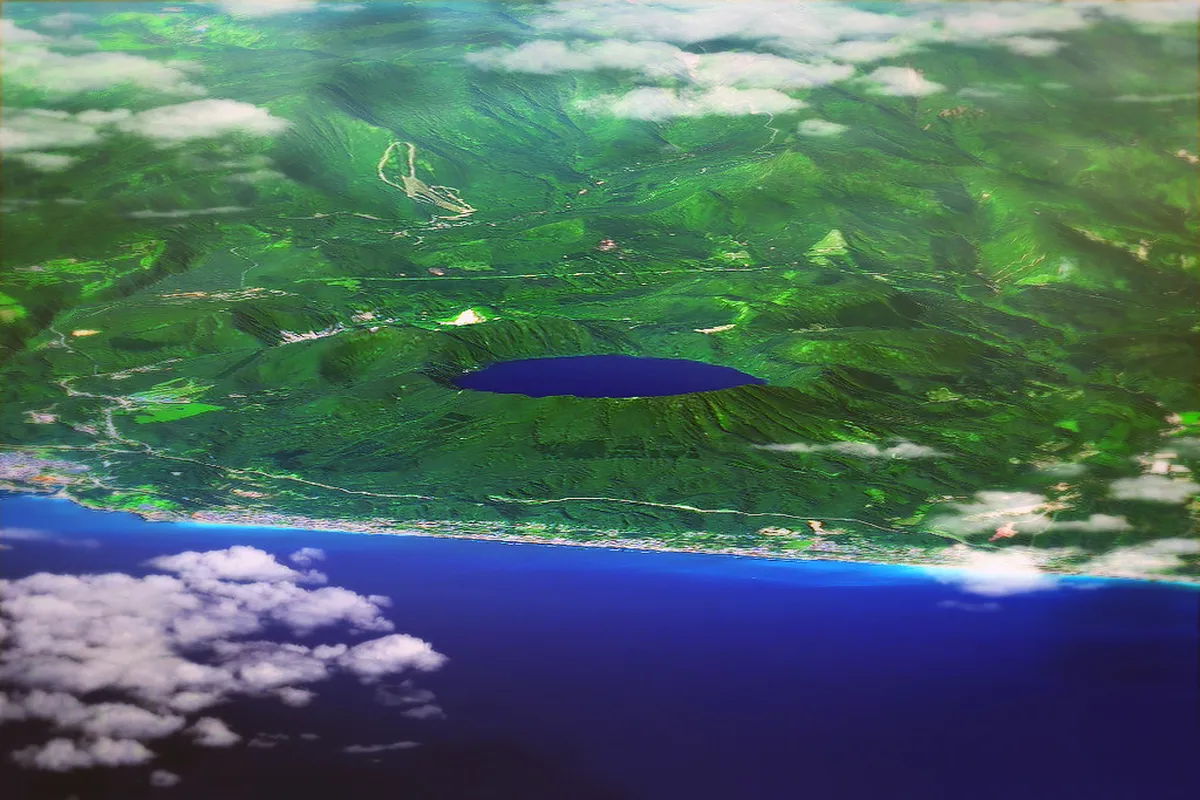
The Historical Village of Hokkaido is a 54-hectare open-air museum in Sapporo's eastern suburbs preserving 52 Meiji- and Taisho-era buildings around a recreated pioneer town complete with a working horse-drawn tramway.
Visitor guide →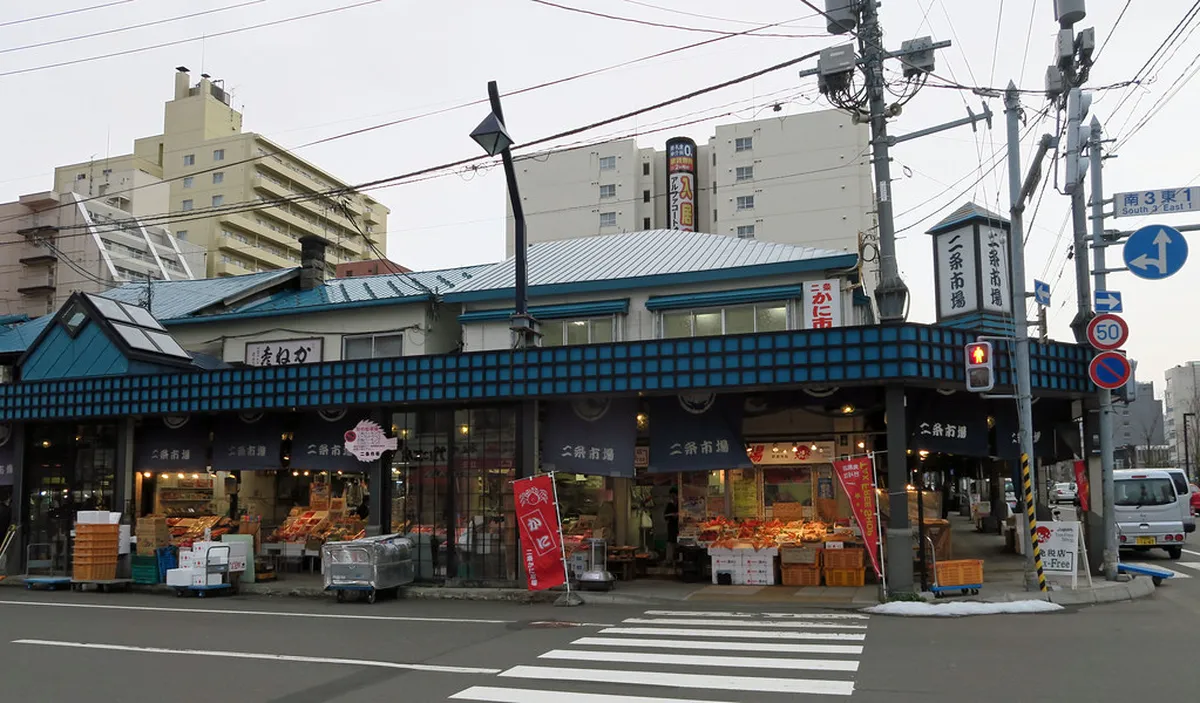
Nijo Market is a century-old fresh-food market three blocks south of Sapporo TV Tower, famous for Hokkaido seafood, sea urchin and salmon roe kaisendon, and morning crab grills.
Visitor guide →Sapporo's grid plan makes it one of the easier large Japanese cities to map mentally. The 10 entries above sit in five loose districts, and grouping your sightseeing by area saves backtracking on the subway.
If you're picking by interest rather than geography, the same 10 sights sort cleanly into five themes:
Sapporo is unusually generous with free entries — half of the headline 10 cost nothing to enter, which keeps a multi-day visit affordable.
Free to visit:
Paid attractions (verified 2026 adult prices):
Confirm pricing on the individual visitor guides above before you queue — Sapporo operators run periodic seasonal surcharges (notably during Snow Festival week in early February).
The weekend Donichika subway pass (¥520) pays back after just three rides and is the most efficient way to connect Shiroi Koibito Park, the Beer Museum, and Hokkaido Shrine in a single day.
| Attraction | Adult Price (2026) | Free Entry? |
|---|---|---|
| Sapporo TV Tower | ¥1,000 | No |
| Mount Moiwa Ropeway + Morris Car | ¥2,100 | No |
| Sapporo Beer Museum (premium tour) | ¥1,000 | Self-guided free |
| Shiroi Koibito Park | ¥800 | Courtyard free |
| Historical Village of Hokkaido | ¥1,000 | No |
| Odori Park | Free | Yes |
| Hokkaido Shrine | Free | Yes |
These three routes pair the 10 entities efficiently. All assume a Sapporo Station or Susukino-area hotel.
Day 1 as above. Day 2: morning at Hokkaido Shrine and Maruyama Park, then ride the Tozai line west to Shiroi Koibito Park for the chocolate factory tour and a workshop. Late afternoon: Toho line east to the Sapporo Beer Museum, finishing with a Genghis Khan grill at the adjoining Sapporo Beer Garden.
Days 1–2 as above. Day 3: head east to the Historical Village of Hokkaido for the morning (allow three hours minimum to walk the 54-hectare site and ride the horse-drawn tram). Use the afternoon for the day trip you couldn't fit otherwise — most visitors choose Otaru's canal district (35 minutes by JR rapid train) or the Jozankei hot-spring valley (60 minutes by bus). For a deeper sample itinerary see our Sapporo itinerary guide.
Sapporo's transit network is the simplest of any major Japanese city — three colour-coded subway lines that all interchange at Odori station, one streetcar loop circling the southern half of downtown, plus suburban JR Hakodate Line trains for trips to Otaru and beyond.
Sapporo is a four-season city where each quarter offers a different lead attraction. Pick by what you want to see rather than by generic weather rankings.
Stack passes against itineraries. Three combinations cover most multi-day trips:
And remember the six free entries above: a deliberately frugal day pairing Odori Park, the Former Government Office exterior, Hokkaido Shrine, Nijo Market browsing and Susukino's street-level neon costs nothing beyond food and a single subway fare.
Two days covers the headline urban sights (TV Tower, Odori, Susukino, Nijo, Akarenga, Beer Museum) at a relaxed pace. Three days is the sweet spot — it adds Hokkaido Shrine, Mount Moiwa, Shiroi Koibito Park and the Historical Village without forcing a sprint. Add a fourth day if you also want a day trip to Otaru or Jozankei Onsen.
If you only have time for one, take the Mount Moiwa ropeway at dusk. The 531 m summit observatory is officially designated one of Japan's three best night views (alongside Nagasaki and Kobe), and on clear evenings the panorama stretches across the entire downtown grid to Ishikari Bay. In February the Sapporo Snow Festival in Odori Park overtakes it as the single biggest draw of the year.
Many of them are. Odori Park, Susukino, Nijo Market, Hokkaido Shrine, the exterior of the Former Hokkaido Government Office and the Sapporo Beer Museum's self-guided exhibits all cost nothing to enter. The TV Tower observation deck, Mount Moiwa Ropeway, Shiroi Koibito Park, Historical Village of Hokkaido and the Beer Museum's premium tasting tour each charge between ¥800 and ¥2,100 for adults.
For most of the year, no — walk-up tickets are reliable. The two exceptions are the Sapporo Beer Museum premium tour with tasting (timed slots, often full on weekends) and any Shiroi Koibito chocolate workshop, which routinely sells out 1–2 weeks ahead in summer and during school holidays. During Snow Festival week, book accommodation months ahead even though most sights themselves remain walk-up.
Early February for the Snow Festival and powder-snow skiing within an hour of the city; mid-July to mid-August for the open-air Sapporo Beer Garden, lavender fields nearby and comfortable 20–26°C sightseeing weather; early October for autumn foliage at Mount Moiwa and the Historical Village. May offers cherry blossom in Maruyama Park but coincides with Golden Week crowds.
Less than Tokyo or Kyoto. Mid-range hotels run ¥10,000–¥18,000 a night outside festival weeks, a kaisendon at Nijo Market is ¥1,800–¥2,500, and the most expensive single attraction (Mount Moiwa Ropeway) is ¥2,100. A two-day "must-see" itinerary with hotel, food, transit and tickets typically lands around ¥25,000–¥35,000 per person — roughly 25% cheaper than the same itinerary in Kyoto.
You can hit the central five (Nijo Market, TV Tower, Odori Park, Akarenga exterior, Susukino) in a single relaxed day on foot, and squeeze in Mount Moiwa at sunset. You cannot reasonably fit Shiroi Koibito Park, the Beer Museum, Hokkaido Shrine and the Historical Village into the same day — they sit on three different subway lines and each deserves at least two hours.
Subway plus walking for downtown; streetcar plus ropeway for Mount Moiwa; Tozai line for Shiroi Koibito Park (Miyanosawa, last stop); Toho line for the Beer Museum; subway + JR + bus for the Historical Village. A ¥520 weekend Donichika subway pass plus an IC card covers almost every routing without buying single tickets.
Once you've picked the attractions you want to anchor your trip around, use our deeper Sapporo guides to fill in the rest of the day. Start with our things to do in Sapporo overview for the wider city pick-list, follow our Sapporo itinerary guide for day-by-day routing, and time your visit using our Sapporo Snow Festival primer if February is on the calendar.