

Nijo Market stands as a vibrant culinary landmark in the heart of the bustling Sapporo city center. This historic site offers travelers a sensory journey through Hokkaido's famous seafood and fresh local produce. Our 2026 nijo market visitor guide provides everything you need to navigate the stalls like a local. From succulent king crab to creamy sea urchin, the flavors here define the essence of northern Japanese cuisine.
Arrive between 08:00 and 10:00 for the freshest seafood selection and shortest breakfast waits. Most stalls open at 07:00; popular kaisendon restaurants can sell out of seasonal specials by early afternoon. Carry cash — many traditional stalls do not accept cards.
Visiting the market requires a bit of planning to ensure you get the freshest catches and best seats. Morning hours bring the most energy as vendors display their daily hauls from Ishikari Bay. You will find a mix of traditional fishmongers and modern eateries serving iconic seafood bowls. Prepare your appetite for an unforgettable breakfast experience in one of Japan's most famous food hubs.
Quick Facts for Nijo Market
- Best time: arrive 08:00-10:00 for the freshest seafood selection and shorter breakfast waits.
- Typical hours: Shops typically 07:00-18:00 (varies by stall); restaurants typically 06:00-21:00 (varies by stall).
- Closest subway: Bus Center-mae Station on the Tozai Line, followed by a short walk to the market arcade.
- Good route pairing: combine breakfast here with Odori Park, the Sapporo TV Tower, or an evening in Susukino.
- Payment tip: carry cash for small stalls even if larger restaurants or souvenir shops accept cards.
The 100-Year History of Nijo Market
The origins of Nijo Market date back to the early Meiji Period when local fishermen began their trade. These early merchants set up simple stalls along the Sosei River to sell fresh fish from Ishikari Bay. Over time, the collection of stalls grew into a permanent fixture known as 'Sapporo's Public Kitchen.' The market has survived urban development to remain a core part of the city's cultural identity.
Walking through the narrow aisles today feels like stepping back into a different era of commerce. While the surrounding buildings have modernized, the market retains its traditional atmosphere and charm. You can still see the blue 'noren' curtains and glass fishing floats decorating many of the older stalls. Look also for fish-shaped signs and small mascot statues near the road, visual details that help distinguish the historic market area from ordinary downtown blocks.
The market serves as a vital link between Hokkaido fishing communities and the urban population of Sapporo. Current visitor information describes the market as having 15 fisheries and fishmongers, with additional produce shops, souvenir vendors, and small restaurants around the arcade. Local residents still visit to purchase high-quality ingredients for home cooking, while travelers come for kaisendon breakfasts and compact market atmosphere. Understanding this history adds a layer of appreciation to every bite of seafood you enjoy here.
Must-Try Seafood and Seasonal Peak Fish
| Season | Peak seafood | Best for |
|---|---|---|
| Summer (Jun–Aug) | Uni (sea urchin), Hanasaki Crab | Fresh sashimi and seasonal kaisendon |
| Autumn (Sep–Nov) | Autumn salmon, fresh Ikura (salmon roe) | Rice bowls piled with salmon roe |
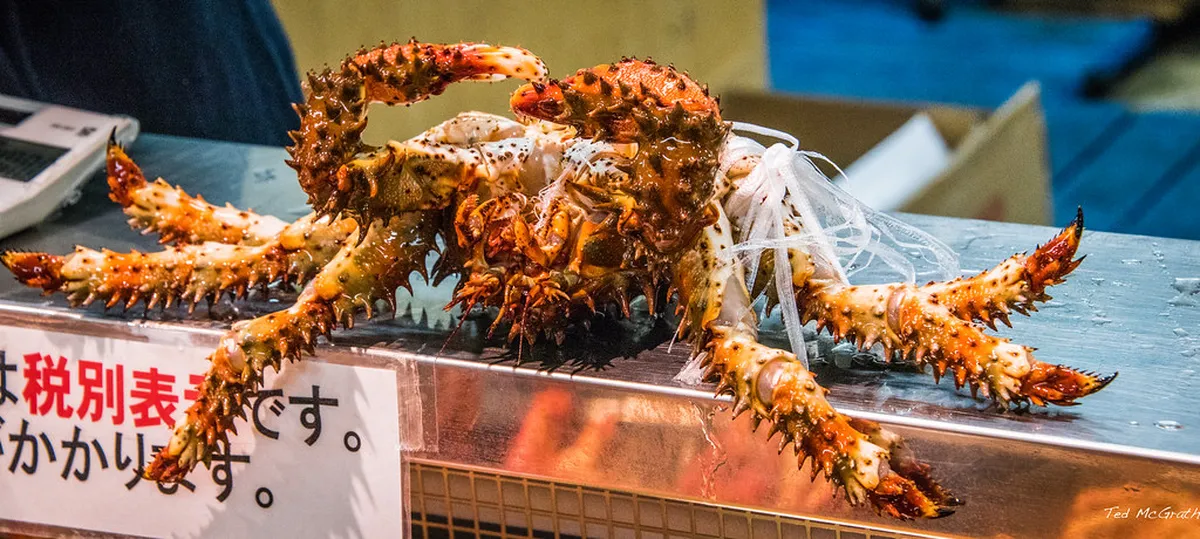
| Winter (Dec–Feb) | Taraba (King Crab), Zuwai (Snow Crab) | Grilled crab legs at the stalls |
| Year-round | Scallops, oysters, tuna, dried fish | Cooked items and take-home souvenirs |
Hokkaido is world-renowned for its seafood, and Nijo Market is one of the easiest central Sapporo places to sample it. The variety changes with the seasons, ensuring that there is always something new and fresh to try. Diners often prioritize the 'Kaisendon,' a bowl of sushi rice topped with various types of raw seafood. Look for seasonal specials to experience the most intense flavors available during your specific visit.
Summer visitors should look for the prized Uni, or sea urchin, which reaches its peak sweetness then. Winter brings a different selection, featuring robust crabs and fatty fish that thrive in colder waters. Salmon roe, known as Ikura, is a year-round staple that adds a salty pop to any seafood bowl. Always ask the vendors for their 'recommendation of the day' to find the highest quality items.
- Summer Seafood Peak (June to August)
- Peak: Uni (Sea Urchin)
- Peak: Hanasaki Crab
- Best for: Fresh sashimi and seafood bowls
- Visitor tip: go early if you want limited seasonal bowls
- Winter Seafood Peak (December to February)
- Peak: Taraba (King Crab)
- Peak: Zuwai (Snow Crab)
- Best for: Grilled seafood and crab legs at the stalls
- Visitor tip: dress warmly because the roadside arcade can feel cold even with heaters nearby
- Autumn Seafood Peak (September to November)
- Peak: Autumn Salmon
- Peak: Fresh Ikura
- Best for: Rice bowls with salmon roe
- Visitor tip: compare toppings before ordering because bowl sizes and combinations vary by shop
- Year-round staples
- Scallops, oysters, tuna, hokke, dried fish, and processed seafood souvenirs
- Best for: travelers who want cooked items, take-home goods, or seafood that can be delivered for an extra fee
Top Restaurants: From Kaisendon to High-End Sushi
Choosing where to eat can be overwhelming with so many enticing options lining the market streets. OHISO is a popular choice for beginners because of its extensive menu, seafood bowls, grilled fish, sashimi, and English-friendly service. It is a practical first stop if you want a sit-down kaisendon breakfast without decoding every stall sign. Expect a wait during peak hours, and check the shop's current reservation policy directly if you are planning around a fixed schedule.
For a more traditional experience, seek out Kondo Noboru Shoten located within the market interior. This long-running seafood shop has an attached dining space where you can enjoy sushi, sashimi, and seafood bowls in a compact market setting. If you are staying in the nearby Susukino district, the market is an easy morning walk. Many visitors find that the smaller stalls offer the most authentic and personal dining experiences, especially when ordering grilled scallops, crab, or oysters cooked on the spot.
Nijo Market Sapporo Seafood Donbe is another useful name to keep on your shortlist if your main goal is a generous seafood bowl. Lines can form because limited-quantity menu items sell out, so it is better as an early-morning target than a backup lunch stop. For high-end diners, Sushi Miyakawa provides a refined omakase-style contrast to the market's casual counters. Reservations are essential for premium sushi spots, so treat them as separate dinner plans rather than spontaneous market add-ons.
Don't miss the 'Noren Yokocho' alley, which provides a cozy and intimate atmosphere for diners. This 'Curtain Alley' is famous for its small bars and eateries that come alive in the evening. While the main market is best for breakfast, this section works better for seafood snacks and drinks after sightseeing. It captures the local spirit of Sapporo through its tight-knit community of chefs and regular patrons.
Beyond Fish: Hokkaido Fruits and Vegetables
While seafood is the star, Nijo Market also showcases Hokkaido's incredible agricultural products. The region is famous for its sweet Yubari King Melons, which are often sold by the slice. These melons are a refreshing treat after a savory meal of grilled fish or salty roe. Many stalls will even pack whole melons for domestic shipping if you want a grand souvenir.
You will also find piles of vibrant Hokkaido corn and giant potatoes in various market corners. The volcanic soil of the island produces vegetables with a distinct and naturally sweet flavor profile. Seasonal grapes, apples, and berries appear in the autumn, offering a colorful change to the market landscape. Sampling these fruits provides a well-rounded understanding of why Hokkaido is Japan's food frontier.
Vegetable vendors are usually happy to explain the different varieties of produce they have on display. Some stalls offer vacuum-packed corn, dried seafood, and processed goods that are easier to carry than fresh fish. Look for the unique purple potatoes or white corn for a taste of something truly local. Before buying food souvenirs, ask whether the stall can pack items for travel or arrange delivery, because fresh seafood is not always convenient to carry through the rest of the day.
Best Time to Visit and Morning Strategy
Nijo Market's most sought-after seasonal items — such as summer uni and winter king crab — can sell out before noon. If you arrive after 14:00, selection will be limited and some restaurants may already be closing. Avoid bringing rolling suitcases into the narrow arcade aisles during busy mornings.
Timing is everything when planning your visit to this busy seafood hub in Sapporo. Most stalls open their doors at 7:00 AM, and this is when the selection is at its peak. Arriving early allows you to beat the large tour groups that typically arrive after 9:00 AM. You can find the Official Google Maps Location for Nijo Market to plan your route precisely.
Early morning light makes for great photography along the Sosei River which runs beside the market. The market is a short walk from Odori Park, making it a convenient stop before the Sapporo TV Tower. From Sapporo Station, many visitors either walk through the central city and Odori area or use the subway to shorten the trip in bad weather. Plan to spend at least two hours exploring the stalls and enjoying a sit-down breakfast.
If you prefer a quieter atmosphere, weekdays are generally less crowded than weekend mornings. Be aware that some popular restaurants may close by early afternoon once their stock runs out. Lunch is possible, but you may find that the most sought-after seasonal items are already sold. The common mistake is arriving late, hungry, and card-only; bring cash, decide whether you want a fast counter snack or a seated kaisendon meal, and keep one backup restaurant in mind.
Practical Info: Location, Tax Exemptions, and Facilities
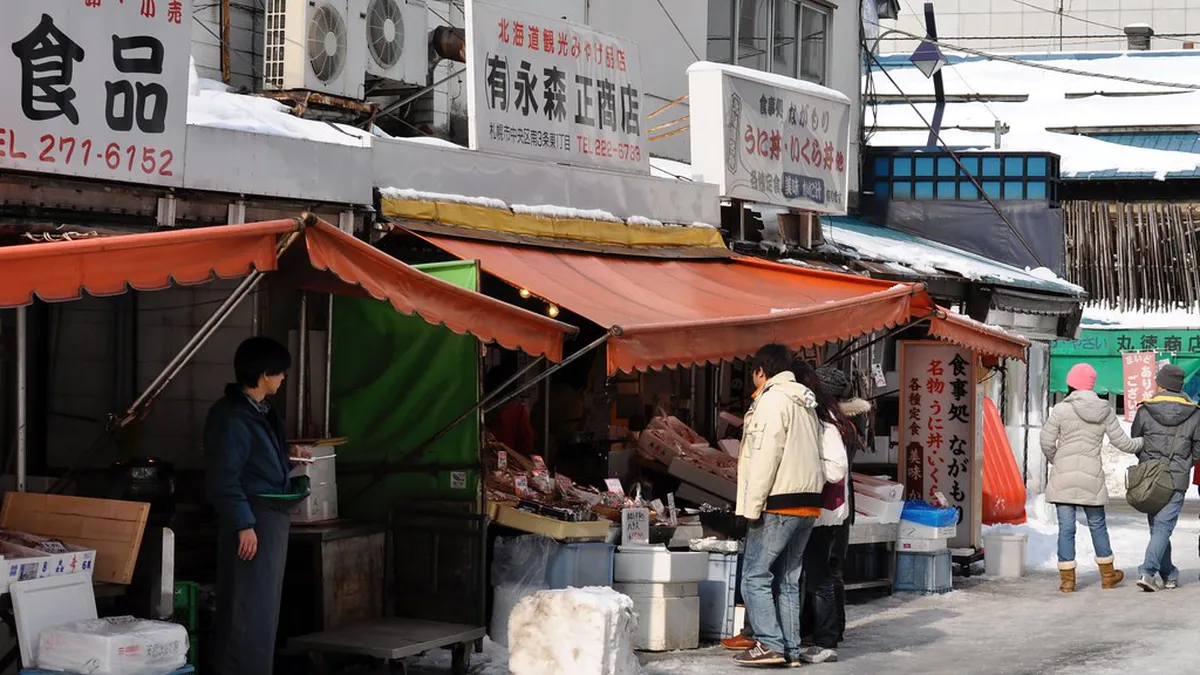
Navigating the market is straightforward if you keep a few practical logistics in mind. The market is located near the Sapporo TV Tower, a major city landmark. Bus Center-mae is usually the simplest subway stop, while Odori works well if you are already sightseeing around the park. Most traditional stalls are cash-only, so ensure you have enough Japanese Yen before you arrive. While larger restaurants may accept cards, the best deals are often found at the smaller cash-only counters.
International visitors can benefit from tax-free shopping at specific authorized stalls within the market. You must present your physical passport at the time of purchase to receive the tax exemption. Check for the official 'Tax-Free' stickers on shop windows to identify participating vendors, and confirm the procedure before you buy if you plan to claim a refund. The Sapporo Tourist Association - Nijo Market Facility Info provides more details on these services.
Public restrooms and coin lockers are available nearby for the convenience of all visitors. If you are carrying heavy luggage, use the lockers at the nearest subway station to move freely because the arcade aisles are narrow when breakfast crowds build. The market is mostly covered, making it a reliable destination even during snowy or rainy weather. Strollers can pass through the main arcade, but wear comfortable shoes and move carefully because the floors can be wet and slippery near the fish cleaning stations.
Guided Tours and Local Culinary Experiences
Joining a guided tour can provide deeper insights into the market's products and local culture. Expert guides can help you communicate with vendors, compare seasonal seafood, and understand why certain items cost more than others. Many tours combine a market visit with other nearby sights like Mount Moiwa for a full day. Learning about the preparation of different fish enhances the overall tasting experience.
Some culinary experiences even offer cooking classes where you can learn to make your own sushi. These interactive sessions are great for families or groups looking for a hands-on activity. You will gain a new appreciation for the skill required to slice fresh sashimi perfectly. Local guides often share stories about the market that you won't find in standard guidebooks.
Booking a tour in advance is recommended, especially during the peak winter festival season. Tours often include tastings of multiple items, allowing you to try a wider variety of food without committing to a full bowl at every stop. They are most useful for first-time visitors, travelers with dietary questions, and anyone who wants help reading Japanese-only menus. Independent travelers can still do well here by arriving early, walking the full arcade once, and ordering only after comparing two or three counters.
Alternative Markets: Sapporo Curb Market and Beyond
While Nijo Market is the most central, the Sapporo Curb Market offers a different experience. Known as Jogai Ichiba, this market is located next to the city's central wholesale market. It tends to be larger and offers a wider selection of wholesale-priced goods for shoppers. You can learn more about the city's layout from the Japan National Tourism Organization (JNTO) - Sapporo Guide.
The Curb Market is better for those looking to buy large quantities of seafood to ship home. It is a bit further from the center, often requiring a subway or taxi ride to reach. After visiting the markets, many people enjoy a trip to the Sapporo Beer Museum for lunch. Choosing between the two markets depends on your schedule and how much you want to shop.
Nijo Market remains the best choice for a quick and atmospheric breakfast in the downtown area. Its proximity to other major sights makes it very easy to fit into a busy itinerary. Both markets provide high-quality Hokkaido seafood that will satisfy any food enthusiast. Explore both if you have the time to compare the different vibes and offerings.
Frequently Asked Questions
What are the opening hours for Nijo Market?
Most stalls at Nijo Market open around 7:00 AM and close by 5:00 or 6:00 PM. However, many seafood restaurants finish their service by early afternoon. It is best to visit before 10:00 AM for the best selection and breakfast options in this Sapporo travel guide.
Do I need to bring cash to Nijo Market?
Yes, bringing cash is highly recommended for Nijo Market visitors. Many traditional fishmongers and smaller stalls do not accept credit cards or mobile payments. While some larger restaurants take cards, having Yen will ensure you can shop at any stall without issues.
How do I get to Nijo Market from Sapporo Station?
You can reach Nijo Market by taking the Tozai Subway Line to Bus Center-mae Station. From there, it is a short 3-minute walk to the market entrance. Alternatively, it is a pleasant 15-minute walk from Sapporo Station through the underground walkway and Odori Park.
Is Nijo Market touristy compared to other markets?
Nijo Market is popular with tourists due to its central location, but it still serves many local residents. It offers a more accessible and compact experience than the larger Curb Market. The atmosphere remains authentic, especially if you visit early in the morning before the crowds arrive.
Nijo Market is an essential stop for anyone wanting to experience the true flavors of Sapporo. The combination of rich history and incredibly fresh seafood creates a unique atmosphere for travelers. By following this nijo market visitor guide, you can enjoy a seamless and delicious morning adventure. Make sure to bring your appetite and a sense of curiosity to this historic public kitchen.
Whether you are hunting for the perfect kaisendon or a sweet Yubari melon, you won't be disappointed. The market continues to be a symbol of Hokkaido's bounty and the city's vibrant food culture. Plan your 2026 visit early to secure the best seasonal delicacies available at the stalls. Your journey through Sapporo is not complete without a breakfast at this iconic seafood destination.
For deeper Sapporo planning, see our Sapporo Highlights for itineraries, neighborhoods, and seasonal tips.


