

Hokkaido Shrine, also called Hokkaido Jingu, is the main Shinto shrine in Sapporo and one of the clearest places to understand Hokkaido's Meiji-era frontier history.
The shrine sits inside Maruyama Park, where wide gravel paths, tall trees, seasonal blossoms, and winter snow give the visit a quieter feel than many urban shrines in Tokyo or Kyoto.
This 2026 visitor guide focuses on the Hokkaido Shrine entity page experience: how to get there, when to go, what to do on the grounds, how to avoid common mistakes, and how to connect the visit with nearby Sapporo attractions. It also explains how Hokkaido Shrine differs from Hokkaido Shrine Tongu downtown, since travelers often confuse the two when planning a short shrine itinerary.
Why Hokkaido Shrine Matters
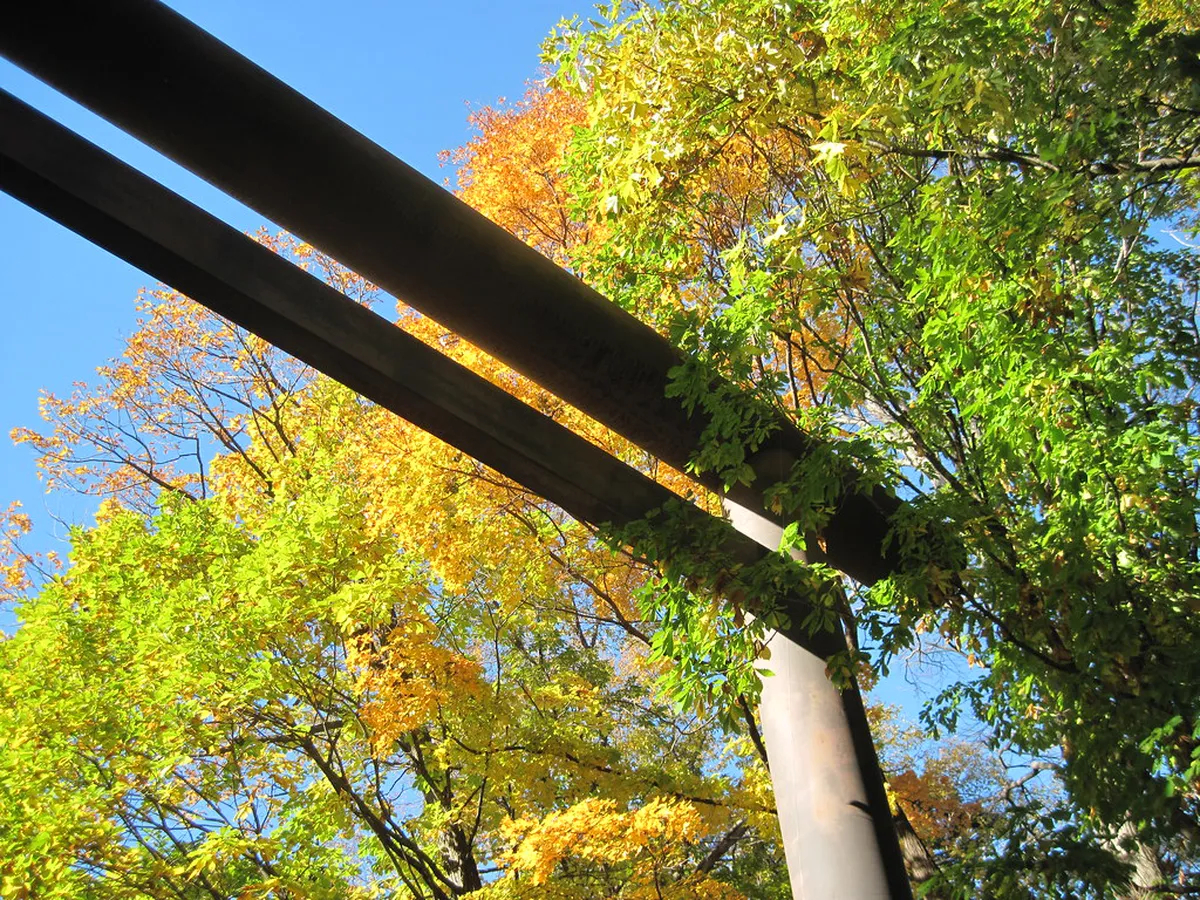
Hokkaido Shrine is famous as the spiritual center of Hokkaido. It was founded in 1869, during the early development of modern Hokkaido, and it enshrines deities connected with the island's settlement and protection. That frontier context is what makes it different from older shrines in western Japan: the setting is spacious, wooded, and closely tied to the story of Sapporo's growth.
The shrine is also one of the easiest cultural stops to add to a Sapporo itinerary. It is close to Maruyama Park, Maruyama Zoo, and the western side of the city, yet it feels removed from the shopping streets around Odori Park. Most visitors should plan 60 to 90 minutes for the shrine and park, or two hours if they want a slow walk, photos, and a snack stop.
| Visitor question | Practical answer |
|---|---|
| Best for | First-time visitors, shrine etiquette, sakura, snow scenery, and a calm cultural stop in Sapporo. |
| Time needed | About 60 to 90 minutes for the shrine; longer if combining it with Maruyama Park. |
| Entry | Free to enter; bring coins for offerings, omamori, goshuin, or snacks. |
| Official hours | Apr-Oct 06:00-17:00; Nov-Mar 07:00-16:00. |
| Main access point | Maruyama Koen Station on the Tozai Subway Line, then a walk through Maruyama Park. |
How to Get to Hokkaido Shrine
The simplest route is to take the Sapporo Municipal Subway Tozai Line to Maruyama Koen Station. From there, follow the signs toward Maruyama Park and continue through the park toward the main shrine approach. The walk is usually about 10 to 15 minutes, depending on snow, luggage, and photo stops.
- From Sapporo Station, ride to Odori, transfer to the Tozai Line, and continue to Maruyama Koen.
- From Odori, the subway ride to Maruyama Koen is short and usually easier than taking a taxi through city traffic.
- Use the Google Maps: Hokkaido Shrine Location pin for the final walking route.
- In winter, allow extra time because paths inside Maruyama Park can be snowy or icy.
A common mistake is searching only for "Hokkaido Shrine" and then choosing the downtown Tongu annex by accident. Hokkaido Shrine is the large main shrine in Maruyama Park. Hokkaido Shrine Tongu is a smaller city-center annex that is useful if you are near Nijo Market or Odori, but it is not the same visit.
Best Time to Visit Hokkaido Shrine
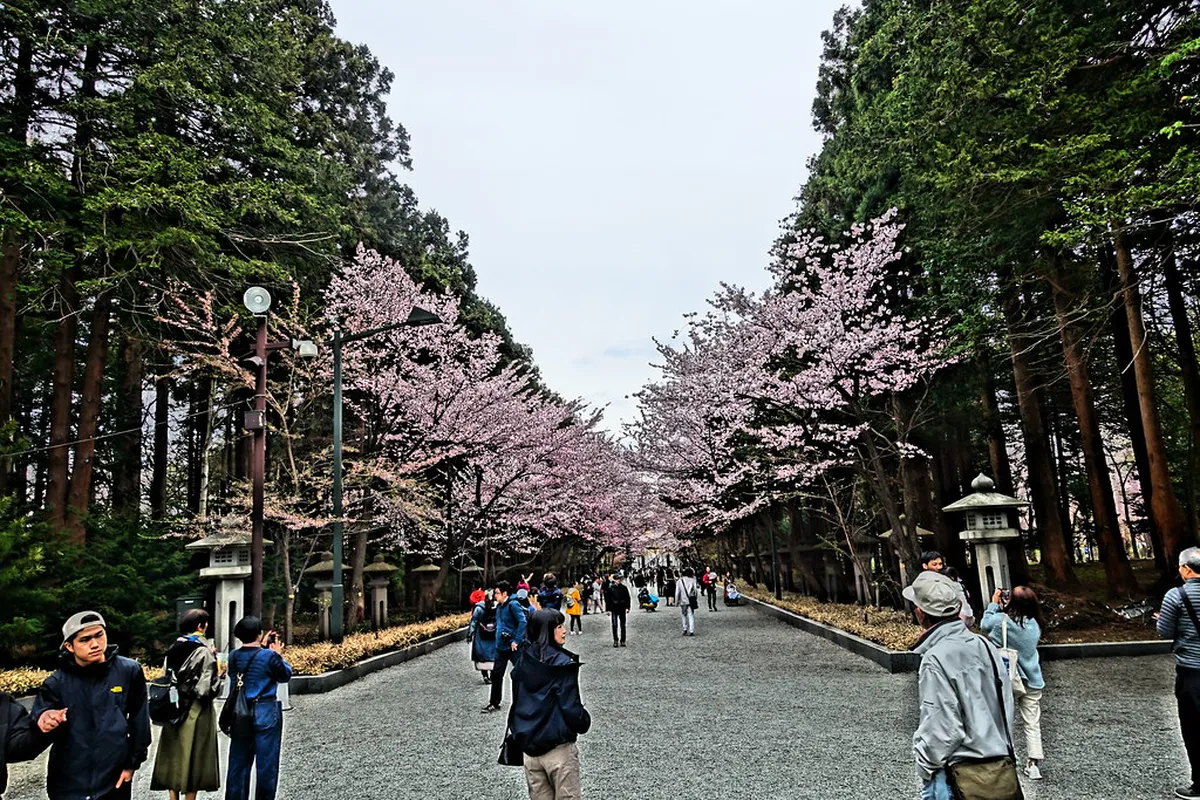
Early morning is the best time for a quiet visit in any season. The light is softer, tour groups are less common, and the walk through Maruyama Park feels more peaceful. Late afternoon can also work, but check the seasonal closing time before heading across town.
For scenery, late April to early May is the most popular period because cherry and plum blossoms can overlap around the shrine grounds. June 14-16 brings the Sapporo Festival, also known as Hokkaido Jingu Reitaisai, when the shrine becomes a major city event rather than a quiet park visit. Winter is excellent for snow-covered photos, but footwear matters because the gravel and paths can become uneven or slippery.
Avoid the first three days of January unless hatsumode crowds are the reason you are going. New Year shrine visits are culturally important and atmospheric, but queues can be long and the experience is much less contemplative.
Avoid the first three days of January — New Year hatsumode draws around 800,000 visitors over those three days. Paths through Maruyama Park can also be icy or snowy in winter; wear non-slip footwear if visiting between December and March.
Essential Etiquette and Visitor Tips
Hokkaido Shrine is a Shinto shrine, not a Buddhist temple, so the etiquette follows shrine customs. Bow lightly before passing under the torii gate, walk to the side of the approach when possible, and keep voices low near the main worship hall. At the chozuya water pavilion, rinse your hands before approaching the hall.
Hokkaido Shrine is free to enter. Opening hours are April–October 06:00–17:00 and November–March 07:00–16:00. For goshuin shrine stamps, visit during staffed daytime hours and bring your goshuincho book — the stamp is hand-calligraphed on the spot for ¥300 per stamp.
- At the offering box, toss in a coin, bow twice, clap twice, pray silently, and bow once more.
- Photography is fine in many outdoor areas, but avoid blocking worshippers or photographing ceremonies at close range.
- For goshuin shrine stamps, use a goshuincho stamp book and visit during staffed daytime hours rather than near closing.
- Do not treat goshuin as a casual souvenir stamp; it is a religious record of your visit.
The shrine grounds are generally manageable for families, but they are not completely frictionless for every traveler. The main approach has broad paths, while some surfaces are gravel, snow-covered, or uneven depending on the season. Wheelchair users and visitors with strollers should allow extra time and use the most direct park approach from Maruyama Koen Station.
How to Optimize Your Visit with a Sapporo Subway Pass
The Sapporo municipal subway is the most efficient way to build a shrine-focused half day. On weekends and public holidays, the Donichika Ticket can be good value if you are making several subway rides. On weekdays, compare the one-day subway pass with your actual route before buying; for a single round trip to Maruyama Koen, a normal ticket or IC card may be simpler.
A practical route starts with Hokkaido Shrine at Maruyama Koen, then returns toward the center for Hokkaido Shrine Tongu near Bus Center-mae. From there, walk to Nijo Market for lunch or continue toward Odori for an easy city-center break. Most travelers can do the main shrine, Tongu, and lunch in one morning without rushing.
If you want a fuller Sapporo day, pair Hokkaido Shrine with Mount Moiwa for the evening view or the Sapporo Beer Museum for an indoor stop in poor weather. This keeps the shrine visit from becoming a checklist of small religious sites and gives the day a clearer rhythm.
What to Do at Hokkaido Shrine
Start with the main approach through Maruyama Park rather than rushing straight to the worship hall. The transition from subway station to park to shrine is part of the appeal, especially when the trees are snowy or blooming. After praying, look for the amulet and goshuin areas if they are staffed, then take time to walk the side paths before leaving.
Plan a small food stop if your timing works: many visitors stop at Rokkatei Jingu Chaya for Hangansama grilled mochi, a local snack closely associated with shrine visits here. It is a small add-on, but it gives the stop a stronger sense of place than simply taking photos and leaving.
For a short itinerary, do not try to cover every shrine in Sapporo on the same day. Hokkaido Shrine is the main event, Tongu is the convenient downtown contrast, and hillside shrines such as Sapporo Fushimi Inari require more walking and better shoes. Pick two shrine stops at most if you also want time for meals, shopping, or another major attraction.
Hokkaido Shrine vs Other Shrines
Hokkaido Shrine is the best first choice for most visitors because it combines history, scenery, access, and cultural context. Tongu is better for travelers who only have a short downtown window. Sapporo Fushimi Inari is better for red torii gate photos and a hillside atmosphere, but it takes more effort and can be slippery in winter.
| Shrine | Best season | Access difficulty | Best fit |
|---|---|---|---|
| Hokkaido Shrine | Early May blossoms, June festival, winter snow | Easy to moderate park walk | First-time visitors and cultural context |
| Hokkaido Shrine Tongu | Year-round | Easy city-center access | Short downtown shrine stop |
| Sapporo Fushimi Inari | Autumn and clear winter days | Moderate uphill walking | Torii gate photos and city views |
| Kotoni Shrine | Spring to autumn | Easy from rail/subway | Local history and quieter grounds |
| Hakodate Hachiman Shrine | Late spring to autumn | Moderate stairs | Port-city history outside Sapporo |
Hakodate Hachiman Shrine has a different personality from Sapporo's shrines because Hakodate developed as a historic port city with strong international influence. Hokkaido Shrine, by contrast, is more directly tied to Sapporo, Maruyama Park, and the story of Hokkaido's modern development.
Is Hokkaido Shrine Worth It?
Hokkaido Shrine is worth including on a short Sapporo itinerary if you want one cultural stop that is easy to reach and distinct from the city's food, shopping, and observation deck routes. It is especially worthwhile in early May, during the June festival period, after fresh snow, or whenever you need a quiet break from central Sapporo.
Skip it only if your schedule is extremely tight and you have no interest in shrine etiquette, park walks, or Hokkaido history. Otherwise, it is one of the most efficient ways to add cultural depth to a day that might also include Sapporo TV Tower, Odori, Nijo Market, or Mount Moiwa.
Frequently Asked Questions
When is the best time to visit Hokkaido Jingu?
The best time to visit is during the cherry blossom season in early May or for the Hokkaido Jingu Festival in mid-June. Early mornings are ideal for avoiding crowds and experiencing the peaceful atmosphere of Maruyama Park.
Are Hokkaido shrines accessible for people with disabilities?
Most major shrines like Hokkaido Jingu offer paved paths and ramps for wheelchair access. However, smaller hillside shrines like Fushimi Inari or Soma Shrine have steep stone steps that may be difficult to navigate.
Can I get a Goshuin stamp at every shrine in Hokkaido?
Most staffed shrines offer Goshuin stamps, but smaller neighborhood sanctuaries may not have a priest on-site. It is best to visit larger sites between 9:00 AM and 4:00 PM to ensure the office is open.
Hokkaido Shrine is the right Sapporo shrine to prioritize when you want history, nature, and practical access in one stop. Go early, use Maruyama Koen Station, leave time for the park walk, and treat the shrine as a living religious site rather than only a photo location.
For most 2026 visitors, the strongest plan is simple: visit Hokkaido Shrine in the morning, add Tongu or Nijo Market near the city center, then save the rest of the day for another Sapporo attraction. That gives the shrine enough space to feel meaningful without overloading the itinerary.
For deeper Sapporo planning, see our Sapporo Culture Guide for itineraries, neighborhoods, and seasonal tips.


