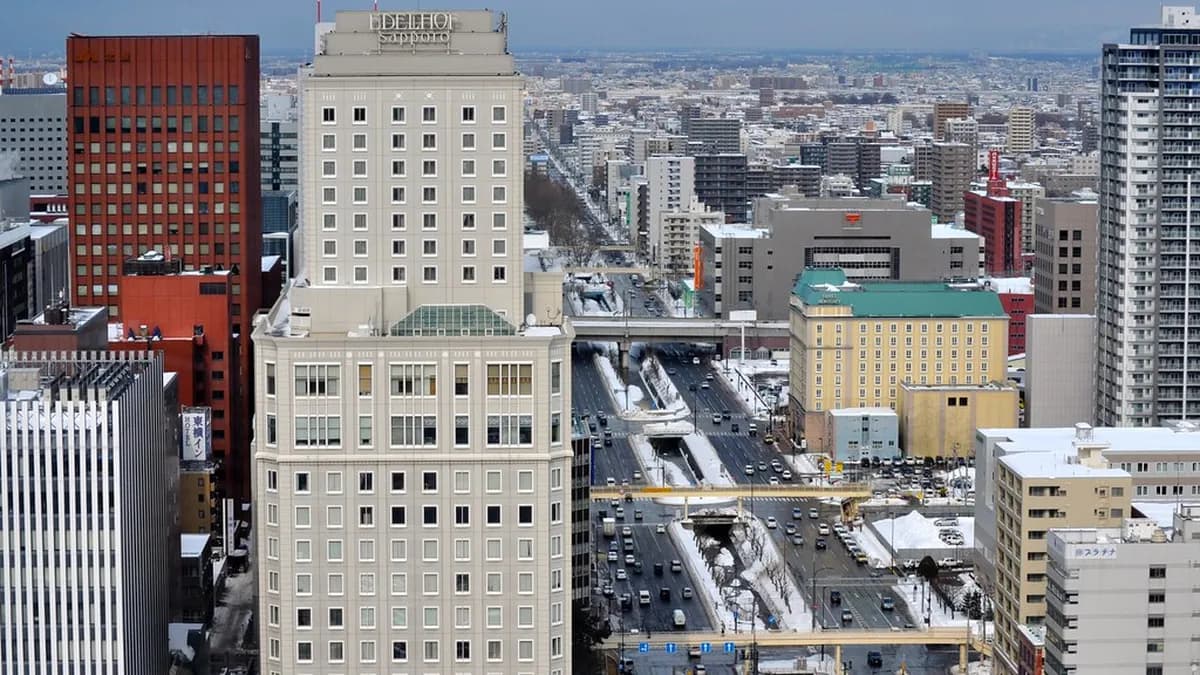
Odori Park is the central landmark of Sapporo, stretching about 1.5 kilometers through the downtown grid. The park works as both a green break between city blocks and the main outdoor stage for Sapporo's biggest seasonal events.
Visiting this iconic landmark is a practical first stop on any Sapporo itinerary because it connects directly with subway lines, shopping streets, hotels, restaurants, and the famous Sapporo TV Tower. You can treat it as a short orientation walk or as the base for a half-day city route.
This 2026 Odori Park visitor guide focuses on the details that matter on the ground: which blocks to prioritize, how to move between the east and west ends, when events change the crowds, and what common planning mistakes to avoid.
Must-See Odori Attractions
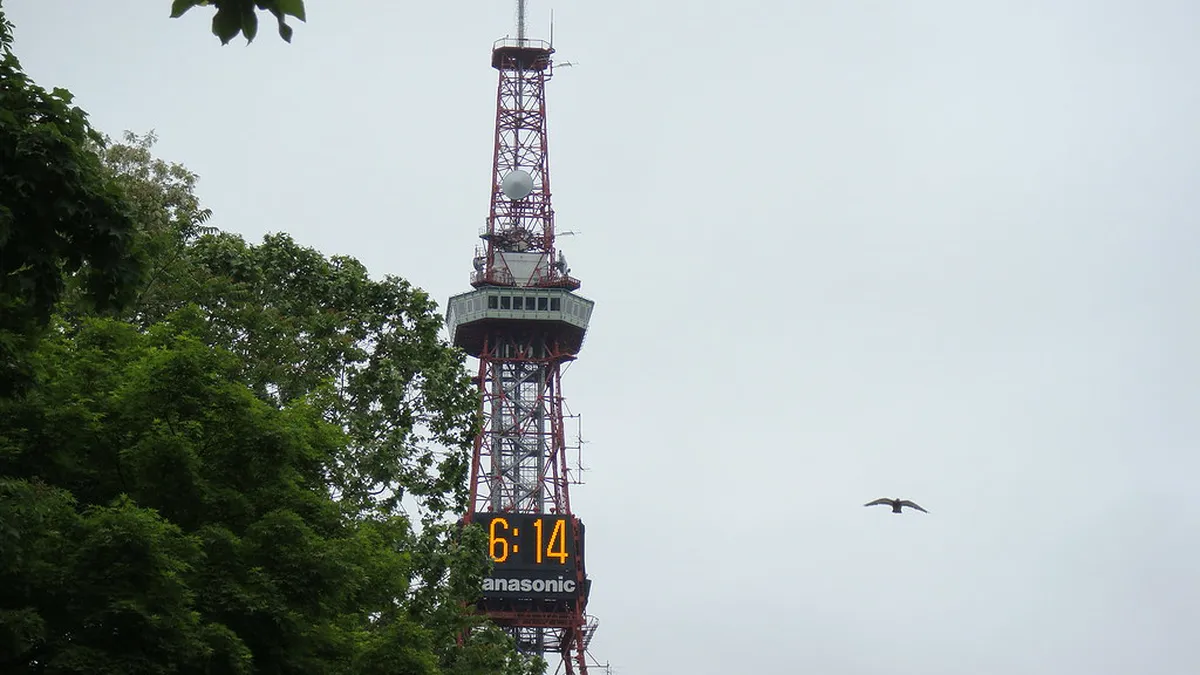
The eastern end of the park features the Sapporo TV Tower, the easiest landmark for first-time visitors to find. Start here if you want a clear east-to-west route, then walk toward the central lawns, fountains, sculptures, playground areas, rose garden, and Sapporo City Archive Museum.
Each block has a different role. Nishi 3-chome is useful for orientation and tourist information, Nishi 8-chome and Nishi 9-chome are good family stops with play features and public art, and Nishi 12-chome is the block to prioritize for roses in the warmer months. The Black Slide Mantra by Isamu Noguchi remains one of the most memorable art stops because it is both sculpture and play equipment.
Water fountains serve as popular meeting spots during summer, especially around the central blocks. For a short visit, focus on TV Tower views, the Nishi 3-chome fountain area, and one western garden block; for a slower visit, continue to the archive museum end before looping back by subway.
- Sapporo TV Tower Observation Deck
- Type: Landmark
- Best for: Photography
- Where: 1-Chome
- Cost: Paid Entry
- Black Slide Mantra Sculpture
- Type: Art
- Best for: Families
- Where: 8-Chome
- Cost: Free
- Central Water Fountains
- Type: Feature
- Best for: Relaxation
- Where: Multiple Blocks
- Cost: Free
Museums, Art, and Culture in Odori
The Sapporo City Archive Museum sits near the western end of the park in a historic former court building. It is a quiet counterpoint to the busier TV Tower side and helps explain how Sapporo's modern city plan developed around Odori.
Art lovers should keep an eye out for bronze statues, monuments, and design features scattered through the lawns. The works range from postwar memorial pieces to playful public art, so the park feels more like a walkable outdoor gallery than a single sightseeing stop.
The park also changes its cultural role during festivals. Temporary stages, light displays, snow sculptures, food stalls, and flower installations can replace quiet lawns depending on the season, so checking the event schedule before you go is part of good planning.
Parks, Gardens, and Outdoor Spots in Odori
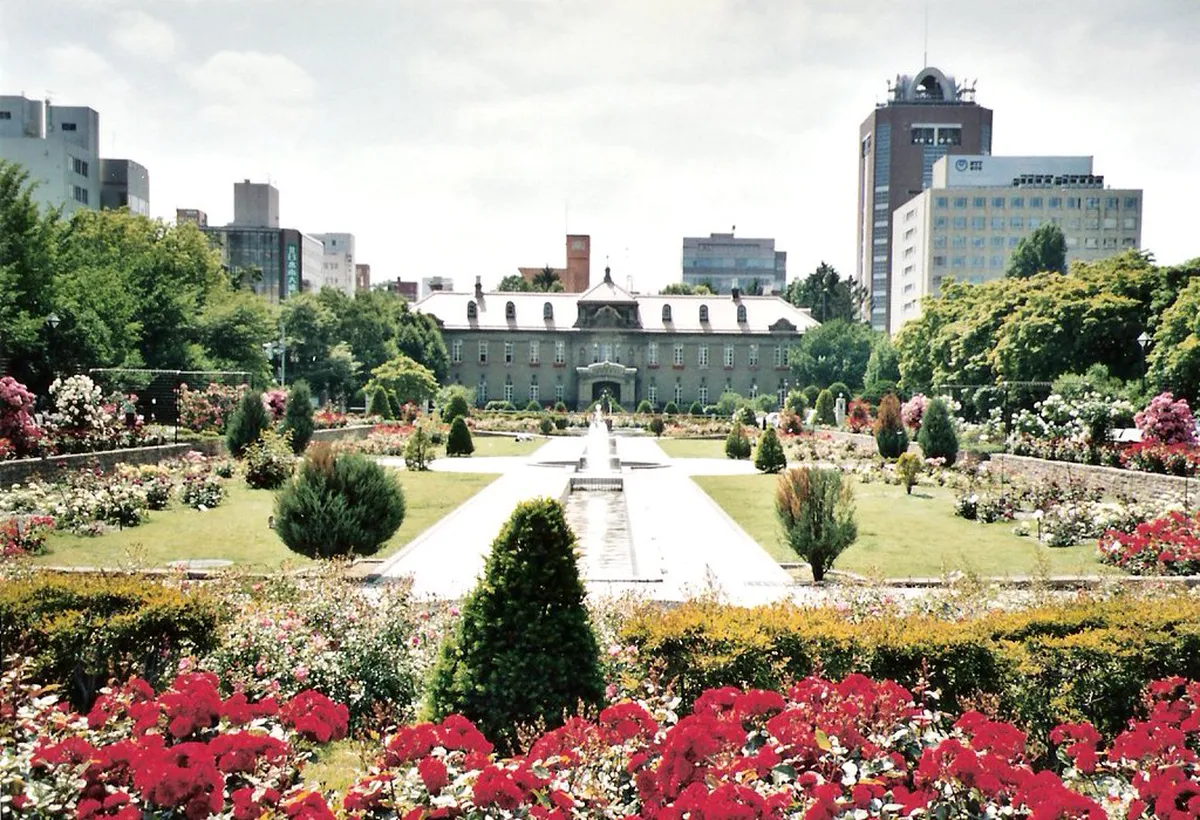
Hokkaido is famous for seasonal flowers, and Odori Park gives you a compact version of that appeal in the middle of the city. Lilacs usually define late spring, while summer flower beds, leafy shade, and fountain areas make the park feel cooler than the surrounding streets.
The western rose garden is one of the best reasons to walk beyond the central blocks. It suits visitors who want a quieter pause after shopping or festival crowds, and it is especially useful for travelers who prefer flat, low-effort sightseeing.
Odori is the main hub, but it pairs well with nearby green spaces such as Nakajima Park. Choose Odori for events and city orientation, Nakajima Park for a calmer pond-and-culture walk, and Maruyama or Moiwa if you want more nature after you understand the city layout.
Family-Friendly and Budget-Friendly Options in Odori
Traveling with children is easy here because the paths are wide, the blocks are short, and there are play-friendly areas around the middle of the park. Families should plan for frequent stops instead of treating the full length as one uninterrupted walk.
Odori Park is also one of Sapporo's easiest budget-friendly attractions. There is no entrance fee to walk through the gardens, rest on the lawns, see public monuments, or use the park as a picnic stop. Paid costs are optional and usually come from nearby attractions, event food stalls, or the TV Tower observation deck.
For accessibility, the subway is usually simpler than taxis because Odori Station exits directly around the park and Nishi-Juitchome Station serves the western end. In winter, allow extra time for snow, slush, and icy crossings between blocks; in summer, bring sun protection because shade is uneven.
How to Plan a Smooth Odori Attractions Day
A smooth Odori Park day starts with choosing the right route. First-time visitors should begin at TV Tower, walk west through the main fountain and garden blocks, and decide at Nishi 11-chome whether to continue to the archive museum or use the subway for the next stop.
Morning is best for quieter photos and flower beds, late afternoon is better for local atmosphere, and evening works well during illumination or food-event periods. During the Sapporo Snow Festival, Summer Festival, and Autumn Fest, expect slower movement, fewer quiet benches, and more value in arriving early.
Common mistakes include underestimating the length, assuming every block has the same facilities, skipping the west end, and forgetting that festival setup can close lawns or change walking routes. If you want a full-day plan, combine Odori with nearby city landmarks first, then add a specialty stop such as Shiroi Koibito Park only if your group still wants a longer transit leg.
Odori Park Location
Finding the park is simple because it acts as the dividing line between north and south Sapporo. It is located south of Sapporo Station and runs east to west through the city center, with major shopping streets, hotels, and restaurants close by.
Odori Station is the main access point and connects the Namboku, Tozai, and Toho subway lines. Use it for the TV Tower and central blocks. For the western garden and archive museum side, Nishi-Juitchome Station on the Tozai Line can save time and walking distance.
If you want a different perspective on the city grid, consider the Mt.Moiwa Ropeway later in the day. Seeing Sapporo from above makes Odori's east-west role much easier to understand, especially after you have walked the park at ground level.
Event Calendar

Odori Park is a free public space open 24 hours. The park stretches 1.5 km from Nishi 1-chome (Sapporo TV Tower) to Nishi 12-chome; each block has a different character. Odori Station (Namboku, Tozai, Toho lines) is the main access point, with Nishi-Juitchome Station serving the western garden end.
| Season / month | Event | Planning note |
|---|---|---|
| February (early) | Sapporo Snow Festival | Book hotels well in advance; sections close for setup |
| May (mid) | Lilac Festival | Best flower bloom; mild weather |
| June | YOSAKOI Soran Festival | Dance festival filling central blocks |
| Jul–Aug | Open-air beer garden & Autumn Fest prep | Hot and sunny; fountain areas popular |
| Late Nov–Dec | Sapporo White Illumination; German Christmas Market | Evening lighting along Odori |
The Sapporo Snow Festival in February is the best-known Odori Park event, filling the central blocks with large snow sculptures and evening light-up scenes. It is also the period when nearby hotels, restaurants, and observation viewpoints are most competitive, so plan early.
Spring and early summer bring the Sapporo Lilac Festival, YOSAKOI Soran Festival, Flower Festa, and the first strong flower displays after winter. July and August shift the park toward open-air food, music, and beer garden events, while September and October center on Autumn Fest and Hokkaido produce.
Late November into December is the usual window for Sapporo White Illumination and the German Christmas Market atmosphere around Odori. Dates and block layouts can change from year to year, so use the official park website as the final check for 2026 before booking around a specific event.
During the Snow Festival (early February), park sections close for sculpture setup and hotel rates across Sapporo surge. Avoid underestimating the park's 1.5 km length — in winter, icy crossing points between blocks add significant time and require non-slip footwear.
During Autumn Season, Jozankei Area is Recommended
If you visit in fall, Jozankei is the best contrast to Odori Park because it trades city blocks for valley scenery, hot springs, and mountain foliage. It is still within the Sapporo area, but it needs more time and a clearer transport plan than a downtown attraction.
The strongest fit is a traveler with a full free afternoon or a separate day in October. Pairing a morning Odori walk with Jozankei can work, but only if you keep lunch simple and avoid overloading the day with museums or shopping stops.
The trade-off is access. Odori is easy by subway and walking, while Jozankei depends on buses, driving, or a tour-style plan. Choose Jozankei for autumn color and hot springs; stay around Odori if your priority is low-effort sightseeing, festival food, or evening dining.
Nearby Attractions Around Odori Park
Odori Park is strongest when used as a starting point for surrounding Sapporo attractions rather than as an isolated stop. The TV Tower sits at the east end, the Sapporo Clock Tower and former Hokkaido Government Office area are close by, and Susukino is within easy reach for dinner.
For a short itinerary, keep the route compact: TV Tower, central Odori blocks, nearby historic buildings, then Susukino or Tanukikoji. For a family itinerary, add a longer break in the play-friendly middle blocks before moving to another indoor attraction.
For travelers comparing parks, Odori is the event-and-orientation choice, Nakajima Park is the relaxed cultural walk, and Maruyama Park is better for shrine, zoo, and forest access. This decision matters more than trying to visit every green space in one day.
At Night, Enjoy Exquisite Food with a Local Guide
When the sun sets, the area around Odori Park becomes one of the easiest places to transition from sightseeing to food. Susukino is nearby, Tanukikoji offers covered shopping and casual dining, and ramen, seafood, parfait, and Jingisukan restaurants are all realistic evening options.
A local guide is most useful if you have limited time, dietary constraints, or want to avoid wandering between crowded restaurants after a long sightseeing day. Independent travelers can still do well by choosing one food area in advance instead of trying to compare every option at the last minute.
You can find more details on Sapporo attractions to plan your evening route. Ending near Odori keeps transit simple because the subway hub is close, but late-night visitors should confirm the final train time before committing to one more stop.
Frequently Asked Questions
Which odori park visitor guide options fit first-time visitors?
First-time visitors should start at the Sapporo TV Tower for a bird's-eye view of the city layout. Walking from 1-Chome to 12-Chome allows you to see all the major monuments and gardens. This route covers the most iconic sights in about two hours. Learn more about Sapporo.
How much time should you plan for an Odori Park visit?
You should plan for at least two to three hours to walk the full length of the park. If you intend to go up the TV Tower or visit the Archive Museum, allow for a half-day. During major festivals, you might want to spend the entire day exploring the stalls.
What should travelers avoid when planning an Odori Park visit?
Avoid visiting during the midday heat in summer without sun protection as some areas lack shade. Do not forget to check the event calendar, as some sections may be closed for festival setup. Also, avoid wearing uncomfortable shoes because the park is longer than it appears on maps.
Is Odori Park worth including on a short itinerary?
Yes, it is a must-see because it represents the cultural and social center of the city. Even a quick 30-minute stroll through the central blocks provides a great sense of the local atmosphere. Its central location makes it easy to fit between other major sightseeing stops.
Odori Park is more than a green space; it is the clearest introduction to Sapporo's layout, seasons, festivals, and downtown rhythm. Whether you visit for snow sculptures, lilacs, summer food stalls, autumn flavors, or winter illumination, the park gives you a practical center point for the city.
Use this Odori Park visitor guide to choose your route before you arrive, then adjust for weather, event setup, and crowd levels on the day. The best visits are simple: start with the right subway exit, focus on the blocks that match your interests, and leave enough room for a nearby meal or landmark afterward.
For more help with your travel plans, explore our other guides on Sapporo and its surrounding areas. Your journey through Hokkaido starts in the heart of the city at Odori.