
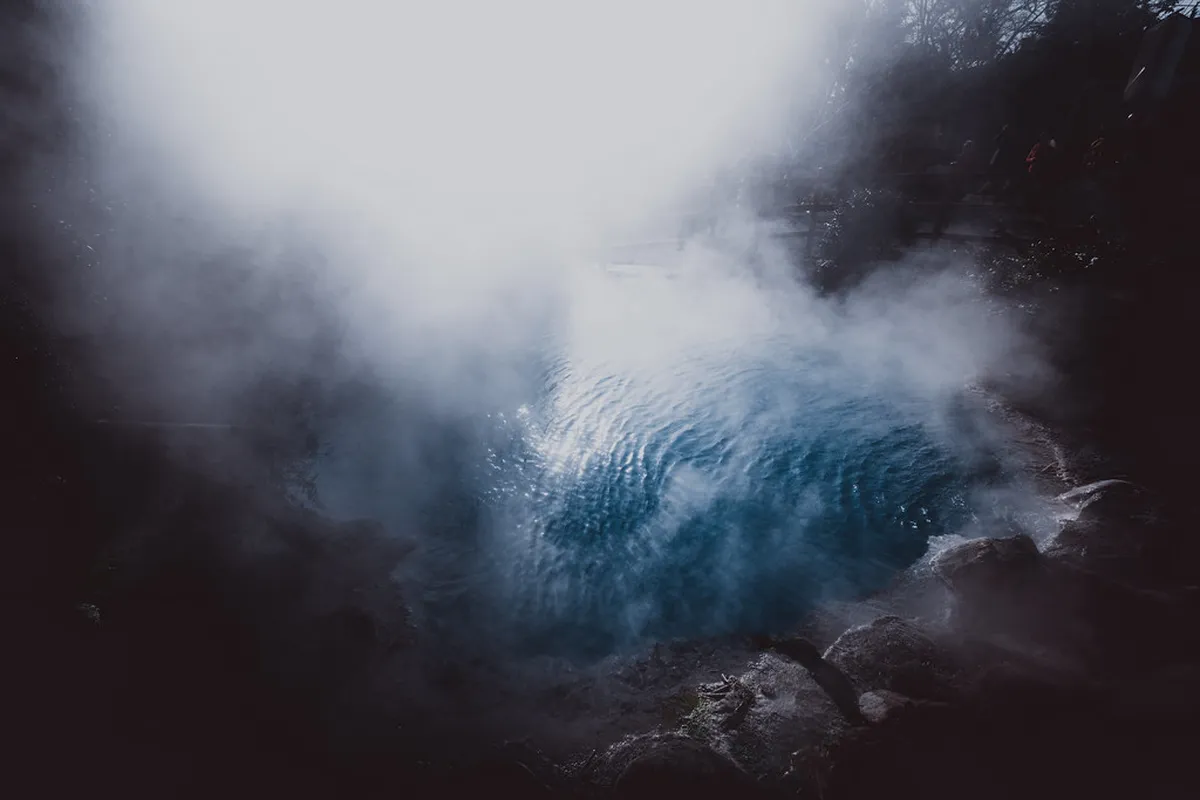
Umi Jigoku (Sea Hell)
Umi Jigoku is Beppu's most famous hell — a cobalt-blue, 78°C volcanic pond formed by an eruption 1,200 years ago, set in landscaped gardens with a free foot bath.
Visitor guide →
The 10 best Beppu attractions for 2026: 7 Hells, sand baths, Tsurumi ropeway, Kannawa onsen — verified tickets, hours, neighborhoods and 1-3 day itineraries.
Beppu is Japan's #1 hot spring city by volume — more than 2,200 active vents pour out roughly 87,000 kiloliters of mineral water every day, the largest output of any onsen town on earth. The attractions split across eight historic onsen districts (the "Beppu Hatto") and seven volcanic jigoku — the colored, scalding "Hells" you view rather than bathe in. Add the 1,375-metre Mount Tsurumi rising directly behind the city, a wild macaque colony on the Oita border, and a 145-year-old public bathhouse with sand baths, and the practical question becomes which 10 sights actually deserve the half-day-or-more they each demand.
That's what this hub is for. The 10 attractions below are the ones first-time and repeat visitors consistently rank highest — chosen for the four-way combination of cultural weight, visual payoff, year-round operating hours, and easy access from JR Beppu Station via the Kamenoi bus network. Each card links to a dedicated visitor guide with current 2026 pricing, exact opening hours (most close 17:00, two run past midnight), and the practical tips that don't make it into the official site's FAQ — which entrances actually queue up, where to leave the rental car, what the seasonal closures are, and which "free foot bath" claims are actually staffed and warm.
Buy the ¥2,400 Hells combo pass at the first gate you enter — it covers all 7 Hells and pays for itself after just 5 visits. Individual entry is ¥500 per site.
Below the grid we've added neighborhood and category maps, free-vs-paid breakdowns, 1-3 day itineraries built around the Kamenoi bus passes, and 8 FAQs covering the questions most readers email us. Bookmark this page as your starting point for Beppu in 2026 — and use the individual guides to lock in tickets, hours, and timing before you go.
Planning a wider trip? See our Japan travel guide, the things to do in Beppu guide, and getting around Japan.
Umi Jigoku is Beppu's most famous hell — a cobalt-blue, 78°C volcanic pond formed by an eruption 1,200 years ago, set in landscaped gardens with a free foot bath.
Visitor guide →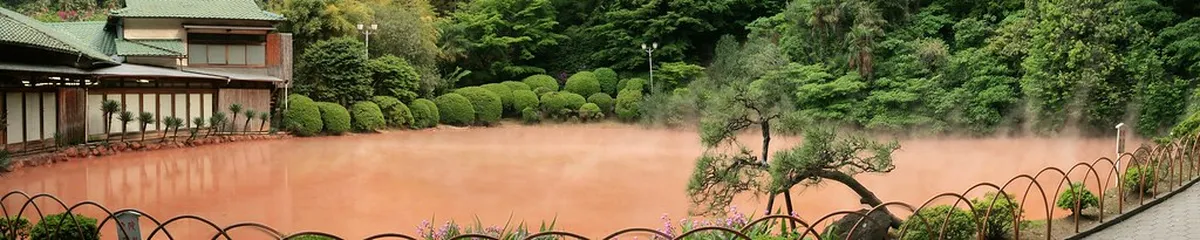
Chinoike Jigoku is Japan's oldest natural hell — a blood-red volcanic pond colored by iron oxide, sitting in the Shibaseki district 3km north of Kannawa.
Visitor guide →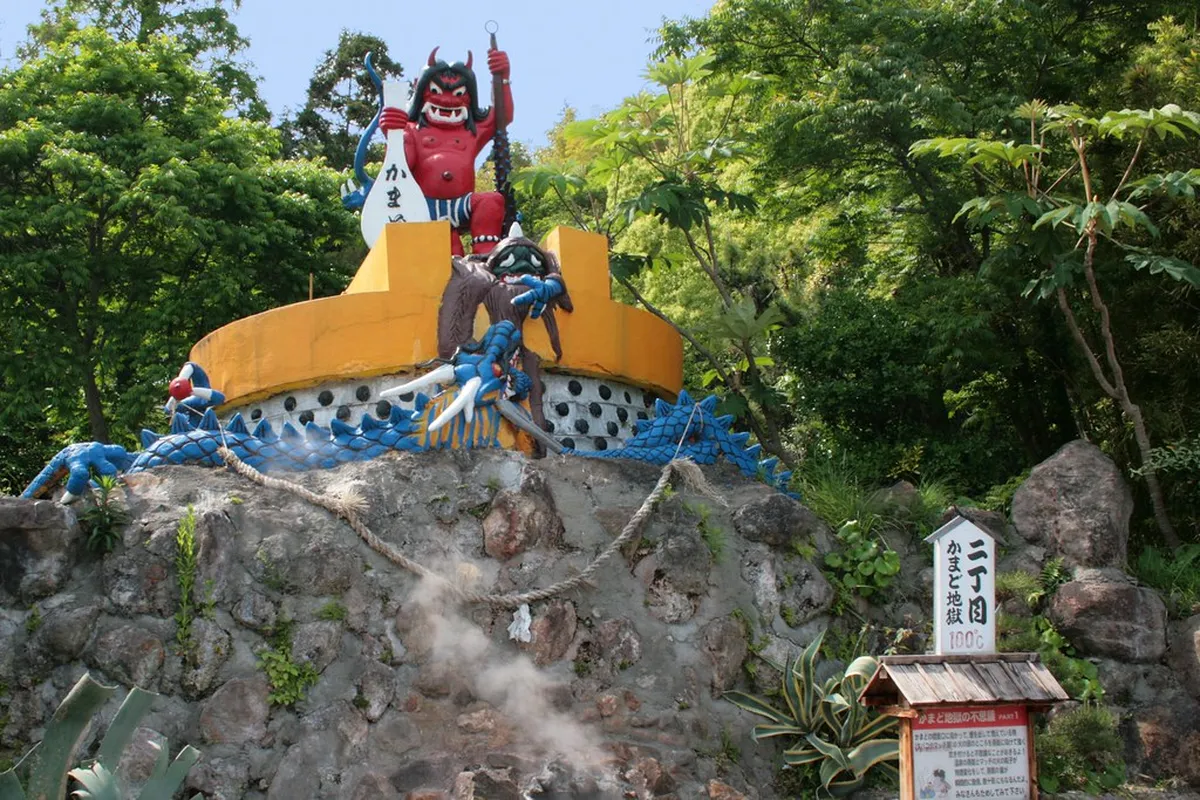
Kamado Jigoku is the most interactive of Beppu's hells, with six separate pools in different colors plus free foot baths and hell-steamed food stalls in the Kannawa district.
Visitor guide →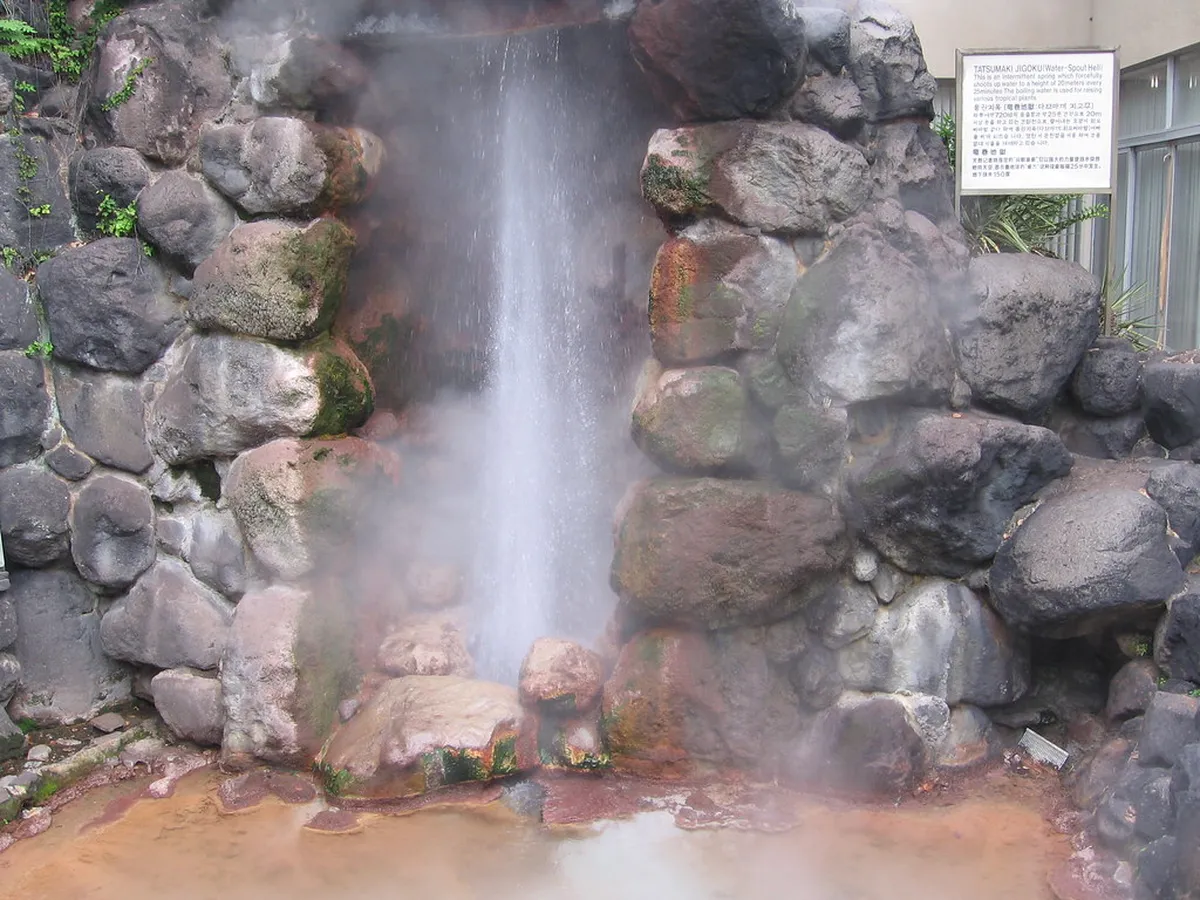
Tatsumaki Jigoku is Beppu's only natural geyser, erupting every 30-40 minutes at 105°C and designated a Japanese Place of Scenic Beauty.
Visitor guide →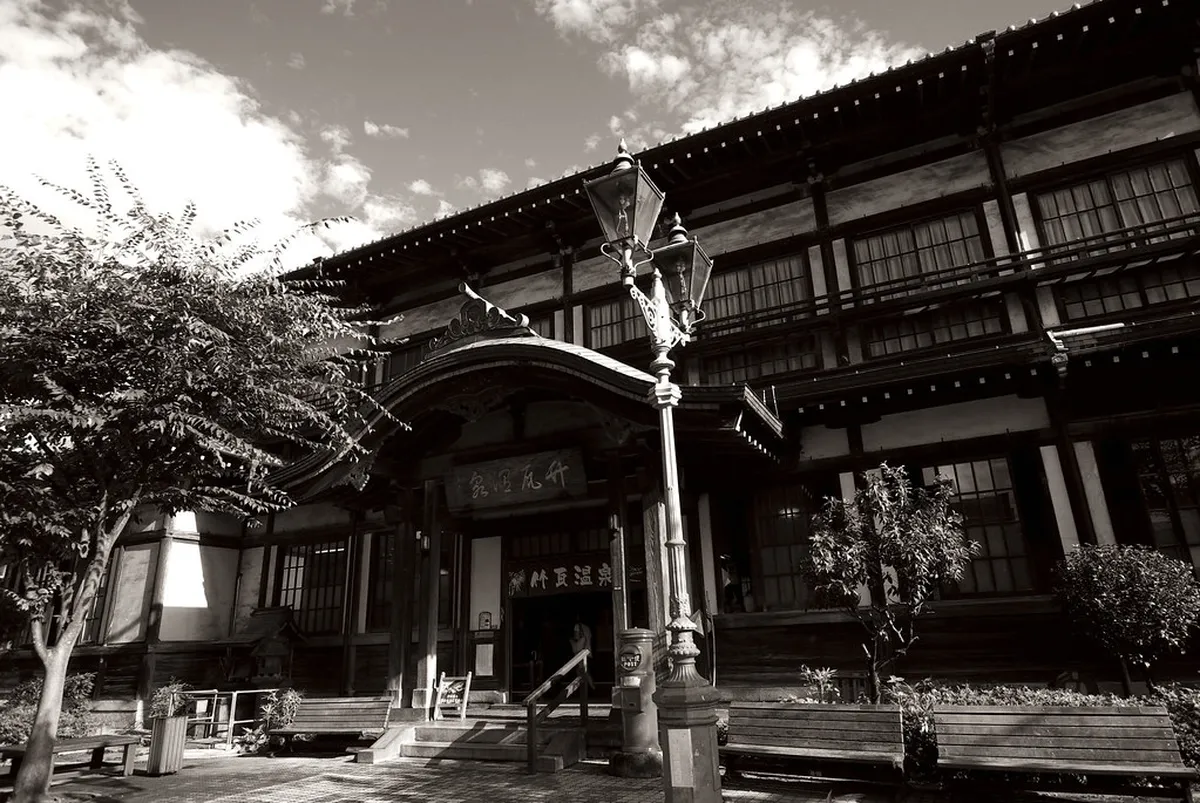
Takegawara Onsen is Beppu's most iconic public bathhouse — built in 1879, rebuilt in dramatic gabled form in 1938, famous for its ¥1,500 volcanic sand bath.
Visitor guide →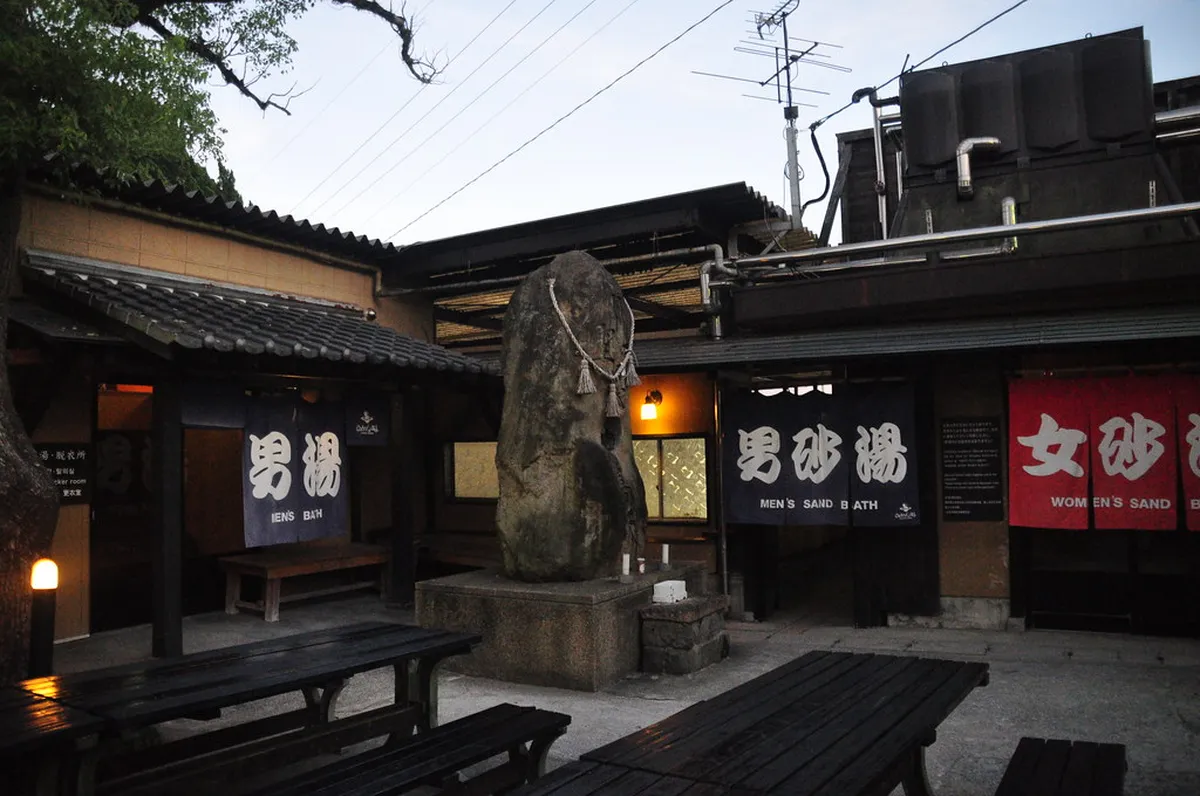
Hyotan Onsen is a Michelin three-star onsen complex in Kannawa with eight indoor baths, outdoor rotenburo, sand bath, waterfall bath and hell-steamed food, open until 1am daily.
Visitor guide →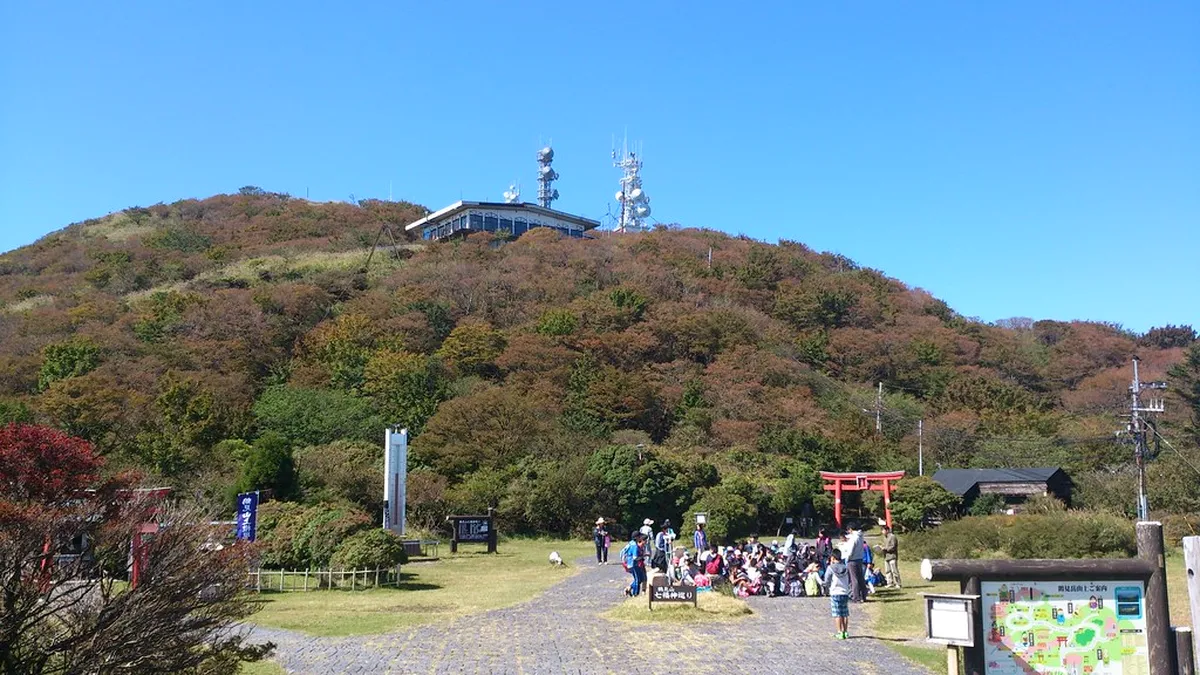
Mount Tsurumi (1,375m) sits above Beppu with a 10-minute ropeway ride to a panoramic summit — round-trip ¥1,800 adult, with cherry blossoms in April and snow views in winter.
Visitor guide →
Takasakiyama Monkey Park is home to ~1,500 wild Japanese macaques in two troupes that gather at the feeding ground throughout the day — adult entry ¥520, halfway between Beppu and Oita.
Visitor guide →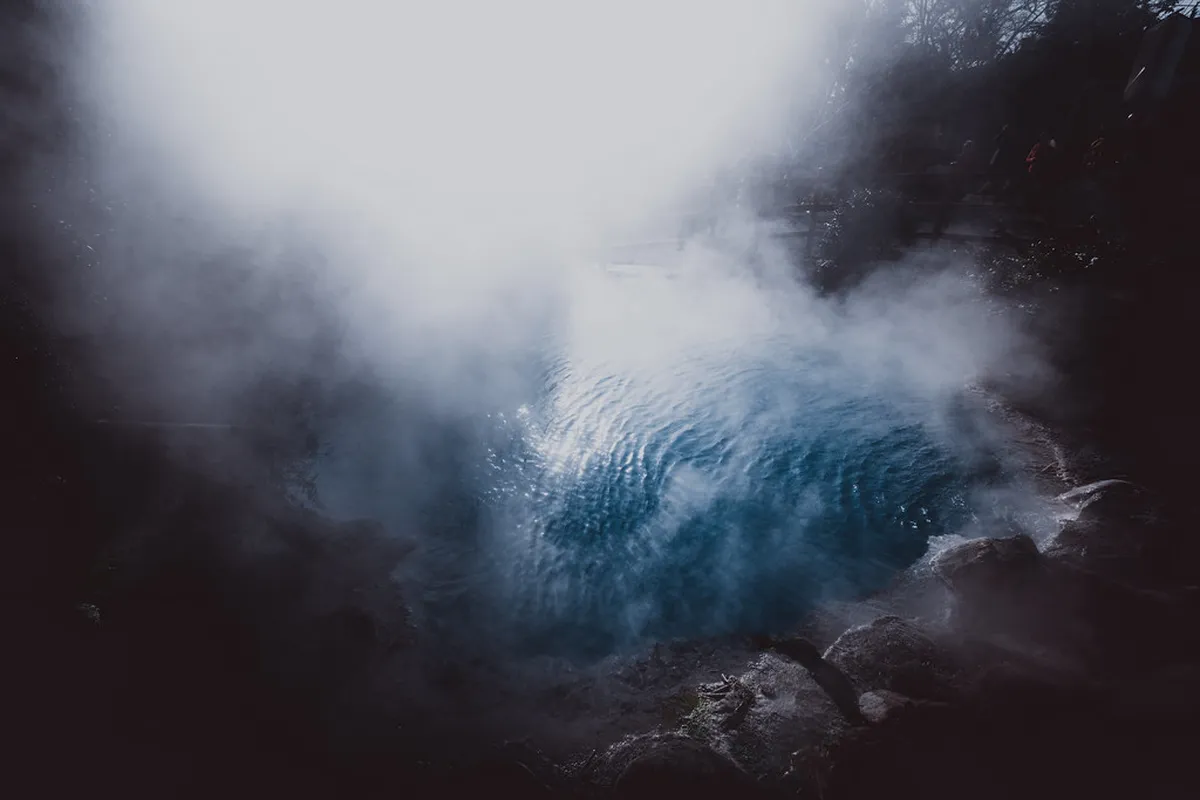
Kannawa Onsen is Beppu's most atmospheric hot spring district — steam rising from every alley, six of seven hells clustered together, and a 300-year-old jigoku-mushi steam-cooking tradition unique to the neighborhood.
Visitor guide →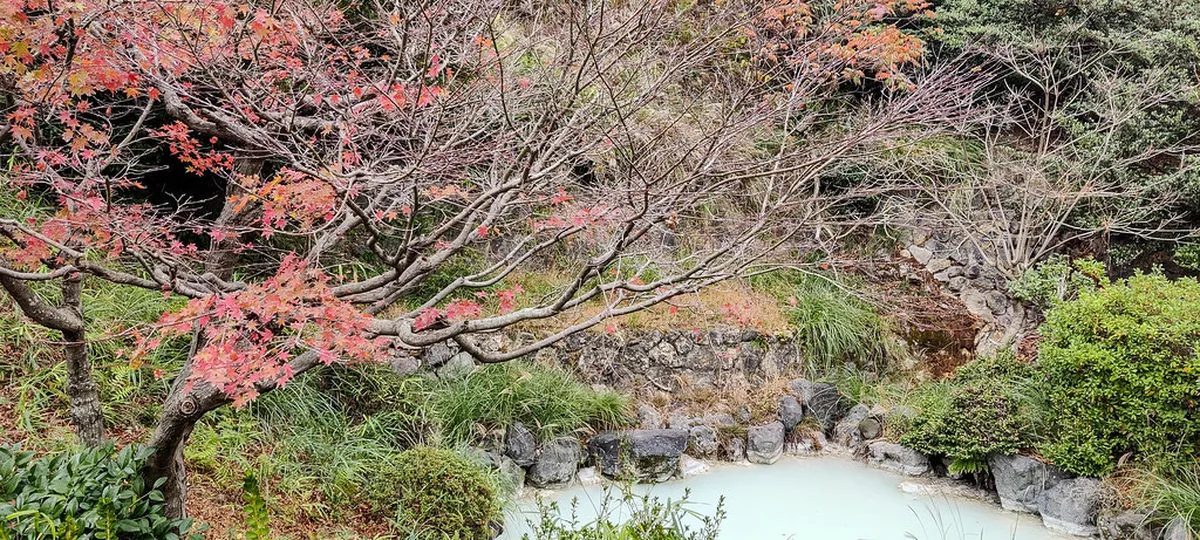
Myoban is Beppu's highest onsen district, famous for thatched yunohana goya huts that crystallize bath-salt 'hot spring flowers' from volcanic steam — plus rare white mud baths.
Visitor guide →Beppu's sights aren't spread evenly — they cluster in five geothermal districts plus two outliers. Knowing which neighborhood a sight sits in saves an hour of bus-hopping per day.
Beppu's attractions fall into four use-cases. Mix-and-match across categories to avoid sensory fatigue — three Hells in a row look the same; alternating with a bath or a viewpoint resets the day.
Plenty of Beppu's appeal is genuinely free — the steam, the alleys, and several roadside foot baths. Budget travelers can fill a full day for under ¥1,000.
| Attraction | 2026 Price | District |
|---|---|---|
| Hells combo pass (7 Hells) | ¥2,400 | Kannawa + Shibaseki |
| Takegawara sand bath | ¥1,500 | Downtown |
| Mount Tsurumi ropeway (round-trip) | ¥1,800 | Above Kannawa |
| Takasakiyama Monkey Park | ¥520 | Oita border |
| Hyotan Onsen day pass | ¥860–¥1,020 | Kannawa |
| Small public baths | ¥100–¥300 | Various |
Free: Walking the Kannawa steam alleys; viewing Myoban's yunohana-goya huts from the public path; free foot baths at Umi Jigoku, Kamado Jigoku and Shibaseki (small charge sometimes for towel); the Jigoku Mushi viewing kitchen in Kannawa; Mount Tsurumi trailhead and lower viewpoints without the ropeway.
Paid (2026 prices): ¥2,400 Hells combo pass (all 7) or ¥500 per Hell; ¥1,500 Takegawara sand bath (¥1,500 standard, allow 15-20 min including changing); ¥1,800 Mount Tsurumi ropeway round-trip adult; ¥520 Takasakiyama Monkey Park; ¥800-¥1,000 Hyotan Onsen day pass; ¥100-¥300 small public baths run by the Kannawa neighborhood association. Pick up a Beppu Onsen Pass at the Beppu Foreign Tourist Information Office if you plan to bath-hop — it bundles several public baths at a discount.
The bus network is good but slow — overstuffing a single day leaves you watching schedules instead of steam. Use these three templates as starting points; full daily routes are in the linked guides.
JR Beppu Station is the hub. The Kamenoi Bus network connects everything you'll want to see — no rental car needed unless you're driving on to the Kuju mountains.
Beppu is an all-year destination — the hot springs don't care about the weather — but each season has a specific reason to come.
Beppu rewards a little pre-planning — the headline tickets bundle well, and there's a parallel network of ¥100-¥300 neighborhood baths that locals actually use.
Two full days is the sweet spot. Day 1 covers the seven Hells (Kannawa + Shibaseki) plus a downtown sand bath at Takegawara. Day 2 adds Mount Tsurumi for the views and Myoban for mud baths and yunohana huts. A single day works if you skip Tsurumi and Myoban, but you'll be moving fast. Add a third day if you want Takasakiyama Monkey Park or a Yufuin day trip.
Umi Jigoku — the cobalt-blue "Sea Hell" in Kannawa. At 78°C, 200 meters deep and surrounded by landscaped gardens with a free public foot bath, it's the most visually distinctive of the seven Hells and consistently the highest-rated attraction in the city on Tripadvisor and Google Maps. Pair it with Kamado Jigoku next door (six different colored pools plus jigoku-mushi snacks) for the best 90 minutes in Beppu.
Several are. Walking the steaming Kannawa alleys is free, the yunohana goya huts in Myoban can be viewed from the public path at no charge, and several Hells (Umi, Kamado) have free outdoor foot baths separate from the paid entry. Paid attractions are reasonably priced: ¥2,400 for the combo Hells pass, ¥1,500 for a Takegawara sand bath, ¥520 for the monkey park, ¥1,800 for the Mount Tsurumi ropeway.
No advance booking is required for the Hells, Mount Tsurumi ropeway, or Takasakiyama Monkey Park — tickets are sold at the gate. The one exception is Takegawara Onsen's sand bath, which has limited capacity and can queue 30-60 minutes on weekends and holidays; arrive at opening (08:00) or in the first hour after lunch reopens. Ryokan with kaiseki dinners should be booked 2-4 weeks ahead in autumn foliage and winter peak.
Winter (December-February) is peak onsen season — steam plumes are at their most dramatic and Mount Tsurumi gets snow. Spring (early April) brings cherry blossoms on Tsurumi and the Beppu Hatto Onsen Festival. Autumn (early November) delivers foliage with mild bath-hopping weather. Avoid Golden Week (late April-early May) and Obon (mid-August) when domestic crowds peak.
No — Beppu is one of the cheapest onsen destinations in Japan. A full day of sightseeing including the ¥2,400 Hells combo pass, ¥1,500 sand bath, ¥1,100 bus day pass and a hell-steamed lunch comes to about ¥6,000-¥7,000 per person. Public baths run ¥100-¥300. Budget accommodations from ¥4,000/night exist alongside premium ryokans at ¥30,000+.
Yes, but only the core — the seven Hells (Kannawa cluster + Shibaseki Hells via combo pass) plus one sand bath at Takegawara fit comfortably into one day if you start by 09:00 and take the Kamenoi bus directly to Kannawa terminus. You'll miss Mount Tsurumi, Myoban and Takasakiyama. See our Beppu Hells walking route itinerary for the optimized one-day order.
The Kamenoi Bus network — routes #2, #5, #41 and #43 cover Kannawa from JR Beppu in about 20 minutes for ¥330. Buy the ¥1,100 MyBeppu Free day pass if you'll take four or more rides; it pays off by mid-morning. Walking works inside Kannawa (five Hells in 20 minutes) but not between districts. Rental cars are unnecessary unless you're continuing on to the Kuju mountains.
Pair this hub with our deeper planning guides: the full Beppu itinerary for day-by-day routing, the Beppu Jigoku Meguri ticket costs guide for the latest combo-pass math, and the Beppu transportation guide for the current Kamenoi Bus maps and day-pass options. If you're choosing a base for your wider Kyushu trip, our Beppu vs Yufuin comparison walks through both side by side.


