
Beppu Onsen Pass Guide: 10 Essential Tips and Itinerary
Maximize your trip with the Beppu Round Tour Passport. Discover cost savings, a 2-day itinerary for the 7 Hells, and tips for the Kamenoi bus pass.
On this page
Planning a trip to Japan's hot spring capital often leads to the famous beppu onsen pass. I built this 2-day itinerary after my fourth visit to ensure travelers maximize their time. Beppu is easily accessible from Fukuoka via regional trains, making it a perfect extension to a larger Kyushu trip. First-timers will find the digital Round Tour Passport essential for navigating the seventeen included attractions. Last refreshed after my Spring visit, this guide covers everything from costs to transit strategies.
Beppu offers a unique digital pass that simplifies access to various thermal sites and local museums. Our breakdown helps you decide if the one-day or two-day version fits your specific pace. Whether you want to see the boiling Hells or soak in historic baths, this plan keeps you moving efficiently. My recent visit confirmed that the digital QR system works best with a bit of prior planning.
At a Glance: 2 Days with the Beppu Onsen Pass
This summary provides a quick look at how to structure your 48 hours in Beppu. We focused on grouping attractions to minimize your time spent on the local Kamenoi buses. Day one centers on the iconic Kannawa district where most of the famous Hells are located. You will find that walking between these sites is much faster than waiting for transport.
Day two takes you further afield to explore the city's cultural museums and scenic viewpoints. This balance ensures you experience both the natural wonders and the local history of the region. I recommend starting each morning by 8:30 AM to beat the large tour groups arriving from Fukuoka. Arriving early allows for better photos of the steam rising against the morning light.
The digital pass includes entry to seventeen different locations across the city and surrounding mountains. Using this at-a-glance guide helps you track which sites to prioritize during your stay. Most attractions open their gates at 8:00 AM and close by 5:00 PM daily. Planning your transitions around these hours is vital for a stress-free experience in the hot spring capital.
- Day 1: Hells and Kannawa classics
- Morning: Explore five Kannawa Hells
- Afternoon: Steam cooking and foot baths
- Evening: Kitahama seaside walk
- Day 2: Museums and Myoban views
- Morning: Oita Fragrance Museum visit
- Afternoon: Myoban mud baths and pudding
- Evening: Beppu Tower night views
Day-by-Day Beppu Onsen Pass Itinerary
Executing this plan requires the Kamenoi Bus Pass Info to move between the different districts comfortably. I found that the buses are reliable but can get crowded during the peak autumn leaf season. We hit the Umi Jigoku at 8:30 AM and walked past the 11:00 AM queue easily. Arriving just as the gates open provides a much more serene atmosphere for viewing the cobalt blue water.
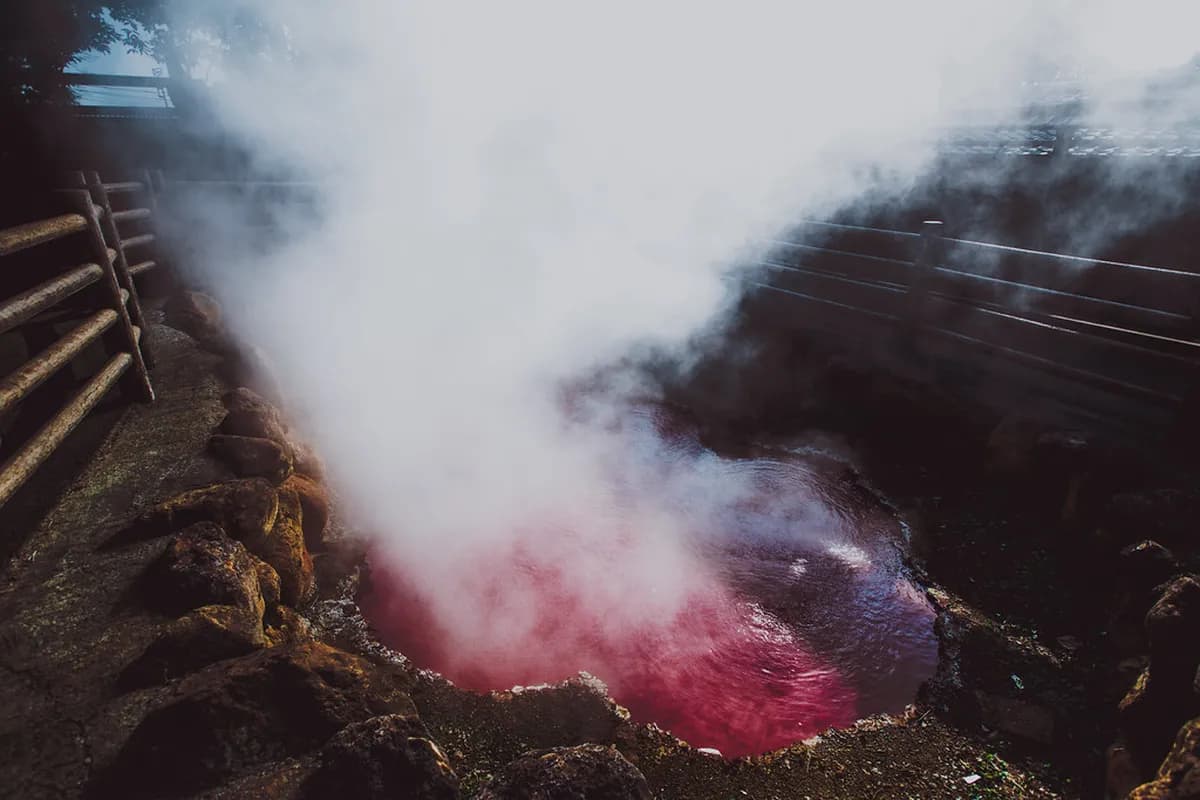
The Kannawa area is the heart of the city's geothermal activity and serves as your base for day one. You can follow a detailed Beppu Hells walking route itinerary to see five sites on foot. Lunch should involve the traditional 'Jigoku Mushi' method where you cook food using natural volcanic steam. This interactive experience is both healthy and unique to the specific geology of this Japanese coastal city.
On the second day, head toward the mountains to visit the Oita Fragrance Museum and Myoban district. The Myoban area is famous for its sulfur-rich mud baths and traditional thatched-roof huts used for harvesting alum. Finish your journey at the Beppu Tower to see the city lights sparkle against the dark Beppu Bay. The pass covers your entry here, making it a perfect final stop before a late dinner.
- Day 1: Signature Springs and City Icons
- Morning: 8:30 AM – 12:00 PM, Kannawa Hells
- Afternoon: 12:30 PM – 3:30 PM, Steam Cooking
- Evening: 5:00 PM – 8:00 PM, Kitahama Onsen
- Time: ~8 hours total
- Logistics: ~20 min bus from station
- Optional: Hyotan Onsen sand bath swap
- Day 2: Rural Sights and Fragrance Museums
- Morning: 9:00 AM – 11:30 AM, Fragrance Museum
- Afternoon: 12:00 PM – 4:00 PM, Myoban District
- Evening: 6:00 PM – 8:00 PM, Beppu Tower
- Time: ~7 hours total
- Logistics: ~30 min bus to Myoban
- Optional: Beppu Art Museum visit
What is the Beppu Round Tour Passport?
The 2-day Round Tour Passport (6,000 JPY) covers seventeen attractions including the Beppu Tower and museums that the standard 2,200 yen Hells ticket does not. Save your QR code screenshot in case mobile signal drops inside the Kannawa lanes.
The Beppu Round Tour Passport is a comprehensive digital ticket that grants access to seventeen diverse attractions. This pass is distinct from the smaller 'Jigoku Meguri' ticket which only covers the seven Hells. I recommend checking the Beppu Jigoku Meguri ticket costs to see the difference in value. The Round Tour Passport includes museums, towers, and traditional baths that the standard ticket ignores.
Purchasing this pass is done entirely online through the Beppu Round Tour Passport Official Purchase portal. You will receive a QR code that staff scan at each entrance for quick admission. One major benefit is the flexibility it offers for those staying more than twenty-four hours in the city. The two-day version costs 6,000 JPY and allows for a much more relaxed sightseeing pace.
Travelers should note that this is a digital-only product and no physical paper cards are currently issued. I suggest saving a screenshot of your QR code in case you encounter weak mobile signals. The pass covers popular spots like Umi Jigoku and Chinoike Jigoku, along with the Oita Fragrance Museum. It represents a significant discount for anyone planning to visit more than five or six major sites.
Cost Analysis: How the Pass Saves You Money
A single entry to one of the Hells typically costs 450 JPY, which is roughly $3 USD. If you plan to see all seven Hells, you would already spend over 3,000 JPY on individual tickets. The 1-day Beppu Round Tour Passport costs 3,800 JPY and includes ten additional attractions beyond the Hells. Visiting the Beppu Tower and a museum easily pushes your total value over 5,000 JPY.
| Pass option | Price (JPY) | Validity | Sites covered | Best for |
|---|---|---|---|---|
| Individual hell admission | 450 per site | Single visit | 1 hell | Visiting 1–4 hells only |
| Hells Combined Ticket | 2,200 | 2 days | All 7 hells | Full Jigoku Meguri loop |
| Round Tour Passport (1-day) | 3,800 | 1 day | 17 attractions | Single intensive day |
| Round Tour Passport (2-day) | 6,000 | 2 days | 17 attractions | Relaxed 2-day itinerary |
Budget-conscious travelers can check our guide on Beppu sand bath entry fees to plan their spending. Combining the onsen pass with a bus pass is the most efficient way to save. I found that the pass pays for itself by the fourth attraction if you include the more expensive museums. It eliminates the need to carry small change for every single entrance gate you encounter.
Most sites are open daily from 8:00 AM to 5:00 PM, allowing for a full day of value. The Beppu Tower stays open later, which helps you maximize the pass after other sites have closed. If you are only interested in two or three specific springs, individual tickets might be the cheaper route. However, the convenience of the digital QR code often outweighs the small potential savings of individual buying.
Book in Advance: Timed-Entry and Reservations
While the Hells do not require reservations, several other experiences in Beppu definitely need early planning. Many travelers overlook the fact that popular private baths can book up several days in advance. If you want a ryokan with private onsen experience, I suggest booking at least two months before your trip. This is especially true if you are visiting during the busy cherry blossom season.
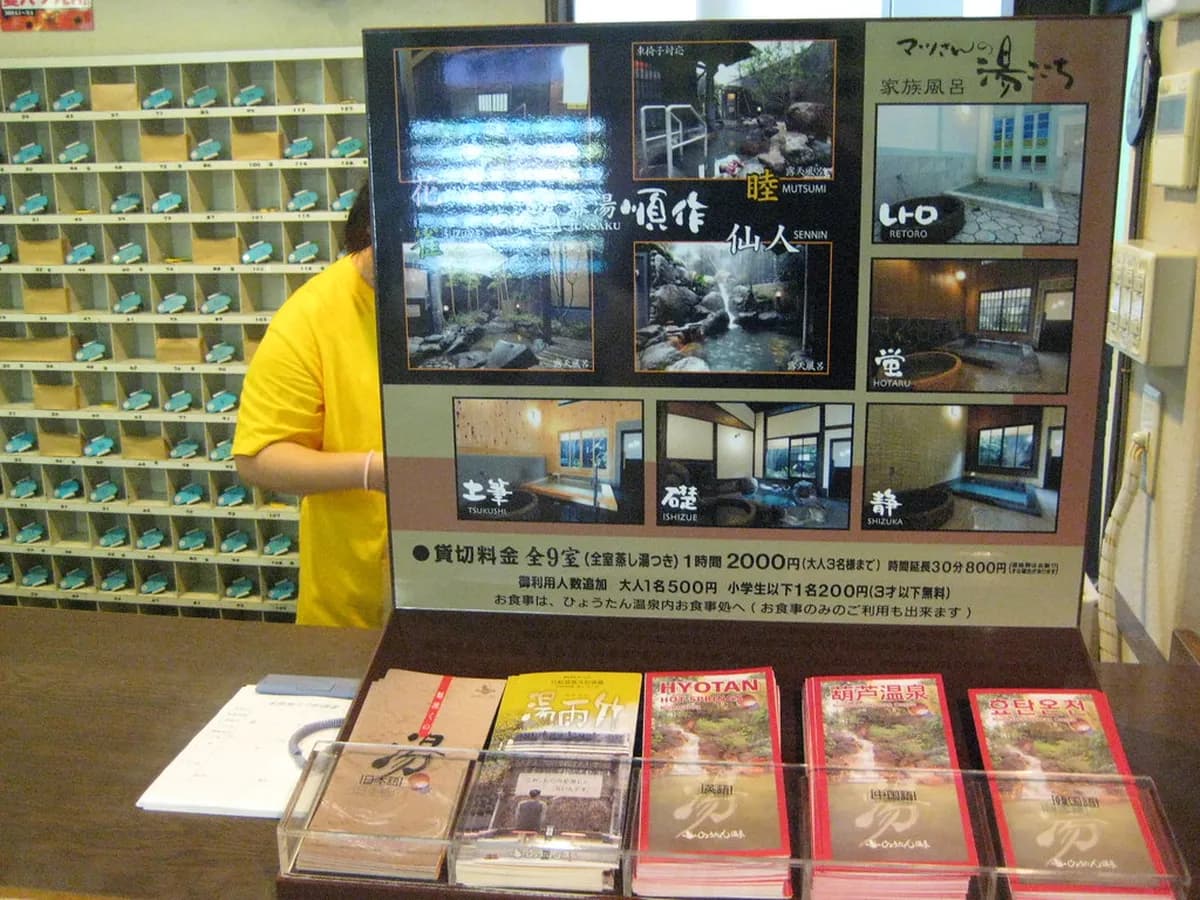
Hyotan Onsen offers private family baths that often have a 24-hour lead time for online reservations. Walk-ins are possible but you might face a two-hour wait during the weekends or public holidays. The Takegawara Sand Bath does not take reservations but operates on a first-come, first-served basis for every session. Arriving thirty minutes before the desired time slot is a smart move to secure your place.
Some older bathhouses close on specific Mondays or Tuesdays for deep cleaning. Check official websites for maintenance closures before building your daily schedule around a particular onsen stop.
Traditional workshops for bamboo crafting also require at least three days of notice for English-speaking instructors. These small cultural details make a trip memorable but require a bit of digital legwork before arrival. I found that checking official websites for sudden maintenance closures is also a vital part of the planning process. Some older baths close on specific Mondays or Tuesdays for deep cleaning and technical repairs.
Where to Stay: Best Bases for Onsen Hopping
Choosing the right neighborhood significantly impacts how much you can see with your beppu onsen pass. I recommend the Kannawa district for those who want to be surrounded by historic steam and narrow alleys. Staying in a best ryokan in Beppu within Kannawa puts you within walking distance of five major Hells. This saves you several bus trips and allows for early morning photography before the crowds.
The Beppu Station area is better for travelers who prioritize transit connections and a wider variety of dining. It serves as the main hub for the Beppu transportation guide and local bus lines. Kitahama is the seaside district and offers modern hotels with views of the bay and the famous tower. This area is perfect for those who enjoy evening walks along the water after a long day of soaking.
I found that the Myoban area is wonderful for a quiet, rural escape but requires more bus travel. It is the best choice if you want to try the unique mud baths that this region is famous for. Each area has a different vibe, so consider your mobility and evening preferences before booking your room. Most visitors find that the station area provides the best balance of convenience and local nightlife.
Is the Beppu Onsen Pass Worth It?
The value of the Beppu Round Tour Passport depends heavily on your planned pace and specific interests. I believe it is an excellent deal for first-time visitors who want to see the major highlights. If you follow a beppu walking route for onsen hopping, the pass simplifies the entire entry process. You simply show your phone at each gate instead of fumbling with cash or coins.
Travelers who only want to visit one or two specific baths might find individual tickets more economical. However, the inclusion of the Beppu Tower and several museums makes the pass very competitive for a full day. I found that the digital system is very reliable, though you should keep your phone charged throughout the day. Most sites do not offer charging stations, so a portable power bank is a recommended accessory.
The 2-day version is particularly strong for those who want to explore the Myoban and mountain areas. It allows you to spread the seventeen attractions over forty-eight hours without feeling rushed between the different bus stops. In my expert opinion, the pass is worth it if you plan to visit at least five locations. The peace of mind and the total cost savings make it a top recommendation for any Kyushu itinerary.
Add an Extra Day: Scenic Day-Trip Options
If you have more than two days, I highly recommend exploring the areas just outside the city center. The Beppu Ropeway offers a ten-minute ride up Mount Tsurumi for incredible views of the volcanic landscape. Tickets for the ropeway cost about 1,600 JPY for a round trip and are not included in the pass. However, the panoramic views of the bay and the distant Kuju mountains are well worth the extra expense.
Oga Farm is another fantastic option for those who enjoy floral displays and a quieter atmosphere. It is located about thirty minutes away by car or taxi and features seasonal herbs and rose gardens. I visited the farm last May and found the lavender fields to be a perfect escape from the steam-filled city. It provides a refreshing contrast to the industrial feel of some of the downtown hot spring districts.
Finally, consider a trip to the high-altitude Tsukahara Onsen Kakono Izumi for one of Japan's most acidic springs. This site requires a taxi as buses are infrequent, but the healing properties of the water are legendary. Adding an extra day allows you to slow down and truly appreciate the geological diversity of the Oita Prefecture. It turns a quick sightseeing stop into a deep dive into Japanese wellness culture and nature.
Frequently Asked Questions
What is the difference between the Hells ticket and the Round Tour Passport?
The Hells ticket only covers the seven thermal springs. The Round Tour Passport includes those seven plus ten additional sites like museums and the Beppu Tower. It offers much better value for a full itinerary.
Does the beppu onsen pass include bus transportation?
No, the onsen pass only covers admission to the attractions. You should purchase a separate Kamenoi bus pass for local transit. Check the Beppu transportation guide for current bus pricing and routes.
Can I use the digital pass if I don't have a Japanese phone number?
Yes, you can purchase the pass using a foreign phone and email address. The system generates a QR code that works on any smartphone with an internet connection. I recommend taking a screenshot just in case.
The beppu onsen pass is a powerful tool for anyone looking to explore the hot spring capital of Japan. It provides significant savings and simplifies the logistics of visiting seventeen different cultural and natural sites. By following this 2-day itinerary, you can see the best of the Hells, Myoban, and the city center. I hope this guide helps you enjoy a relaxing and efficient journey through one of Kyushu's most unique destinations.
Pair this with our broader Beppu attractions guide for the full city overview.
For related Beppu deep-dives, see our 8 Best Beppu Ryokan with Private Onsen and Beppu Day Trip From Fukuoka: 10 Essential Stops & Guide guides.
Free: The Beppu Essentials guide
Top things to do, where to stay, a perfect day plan, getting around, and the best time to go — a Beppu mini-guide you can take offline.
You might also like


Continue reading
More guides you'll find useful


