1-Day Beppu Hells Walking Route Itinerary Guide
Plan your trip with this Beppu Hells walking route itinerary. Discover seven unique geothermal wonders in one day. Start your Japan adventure today!
On this page
Beppu is a unique city in Kyushu that is famous for its steaming hot springs. The Beppu Hells walking route itinerary offers a great chance to see spectacular geothermal wonders. You will see bright blue pools, bubbling mud, and some very high-pressure geysers. This guide helps you plan a perfect day while exploring these beautiful natural sights.
The city creates a misty atmosphere with steam rising from the ground in every direction. You will find seven distinct geothermal spots across two different areas of the city. Each hell has a unique color and a very different personality for you to enjoy. This itinerary ensures you see every highlight without any unnecessary stress or planning.
Walking between these sites allows you to see the local culture from a close perspective. You can try delicious food cooked in the natural volcanic steam along the way. This guide covers everything from bus routes to the best photo spots in town. Get ready for an unforgettable journey through the most famous hot springs in Japan.
At a Glance: 1-Day Beppu Hells Walking Route
The Kannawa district is the primary hub for all the famous hot spring hells. You can easily walk between five of the seven sites in this one area. The remaining two hells are a short bus ride away in the Shibaseki district. This overview gives you a quick look at the full plan for your day.
Visitors often find the bright colors of the water to be very surprising and beautiful. Steam rises from the ground in many places throughout the local town of Beppu. This creates a unique atmosphere that you will not find anywhere else in Japan.
You should plan to start your tour early in the morning to avoid crowds. Most of the hells open at eight in the morning for all the visitors. The walking route is mostly flat and very easy for people of all ages.
Make sure to bring a camera to capture the amazing natural colors of the pools. The blue and red waters provide a perfect backdrop for your vacation photos today. This guide will help you navigate every step of the journey through the hells.
- Day 1: Exploring the Seven Hells of Beppu
- Morning: Visit five Kannawa district hells
- Afternoon: Take bus to Shibaseki hells
- Evening: Relax in traditional sand bath
Full 1-Day Beppu Hells Walking Route Itinerary
You can find many Top 15 Beppu Attractions located very near to the main hells. The city is easy to navigate if you have a good local bus map. Most people start their journey at the Umi Jigoku station in the morning. This is the largest and most famous of the hells in the entire city.
After seeing the blue water, you can walk to the nearby Oniyama Jigoku site. This spot is famous for the many crocodiles that live in the warm water. Then explore a 2-day Beppu itinerary to balance your hells tour with onsen relaxation. It is a short walk to the Shiraike Jigoku which has milky white water. These sites are all grouped together which makes the walking route very simple.
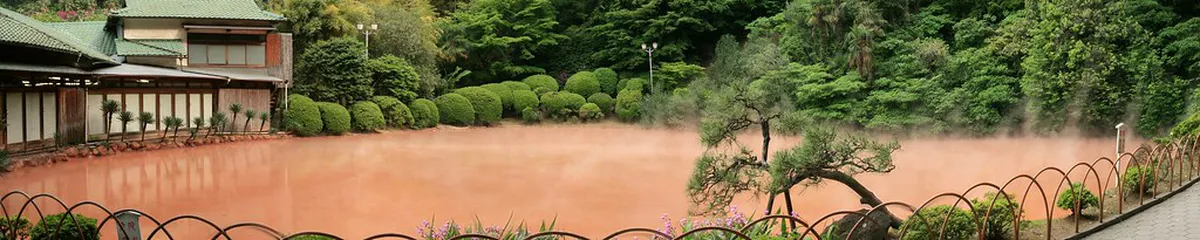
In the afternoon, you must take a short bus ride to the Shibaseki area. This area features the Chinoike Jigoku which is known as the blood pond hell. The bright red color of the water is caused by natural iron minerals underground. The Tatsumaki Jigoku is right next door and features a powerful natural geyser.
Finish your walking tour by heading back toward the center of the city area. You can enjoy a local meal that is steamed using natural geothermal heat sources. This unique cooking method is a specialty that every traveler should try once. The entire walking route is designed to maximize your time and your energy.
- Day 1: The Ultimate Hells Walking Tour
- Morning: Start at Umi Jigoku and walk
- Afternoon: Ride to Chinoike Jigoku and see
- Evening: Enjoy a local meal and bath
- Time: Six to eight hours total time
- Logistics: Buy multi-hell pass for value
- Optional: Skip geyser if very busy
Where to Stay in Beppu for Onsen Lovers
Beppu offers many traditional inns called ryokans for a very authentic local feel. Staying near Beppu Station is very convenient for using the local buses and trains. You can find many modern hotels with private hot springs in this central area. This location allows you to explore the city shops and restaurants at night.
Kannawa is another great area if you want to be near the rising steam. This district has a more traditional atmosphere with many small winding streets. You will be within walking distance of the five most popular hot spring hells. Many inns here offer traditional meals cooked in the natural volcanic steam.
For a more luxury experience, look at the hotels on the hillsides of Beppu. These locations offer incredible views of the bay and the steaming city below. You can find high-end resorts that provide a quiet escape from the crowds. These hotels often have the best outdoor baths with stunning mountain scenery.
Check out Japan Activity for more great accommodation ideas within the city. Booking your stay in advance is recommended during the busy spring and autumn seasons. Each neighborhood offers a different perspective on the hot spring culture of Beppu. Choose the area that best fits your travel style and your daily budget.
Practical Tips for Your Beppu Hells Tour
Wear comfortable shoes because you will do a lot of walking during the day. Most of the hells are in the Kannawa district and are very close together. You can see all of them on foot without needing any extra transportation. The paths are well-maintained but you should still watch your step on hills.
You should buy the combined ticket to save money on the individual entry fees. This pass covers all seven hells and is valid for two full days. You can purchase the ticket at the entrance of any of the hells. It is a much better value than paying for each site separately.
Visiting Beppu in 2026 is a great choice for all international travelers. The city is modernizing its facilities for easier access and better guest experiences. You will find better signage in English across all the major tourist sites. These updates make the walking route even more enjoyable for every single visitor.
Look for must-see Beppu Hells tour highlights before you start your long walk. Knowing which spots are the most popular helps you manage your time better. Try to arrive at the geyser a few minutes before the next eruption starts. This ensures you get a good view of the water shooting into the air.
Essential Logistics for Visiting Beppu Hells
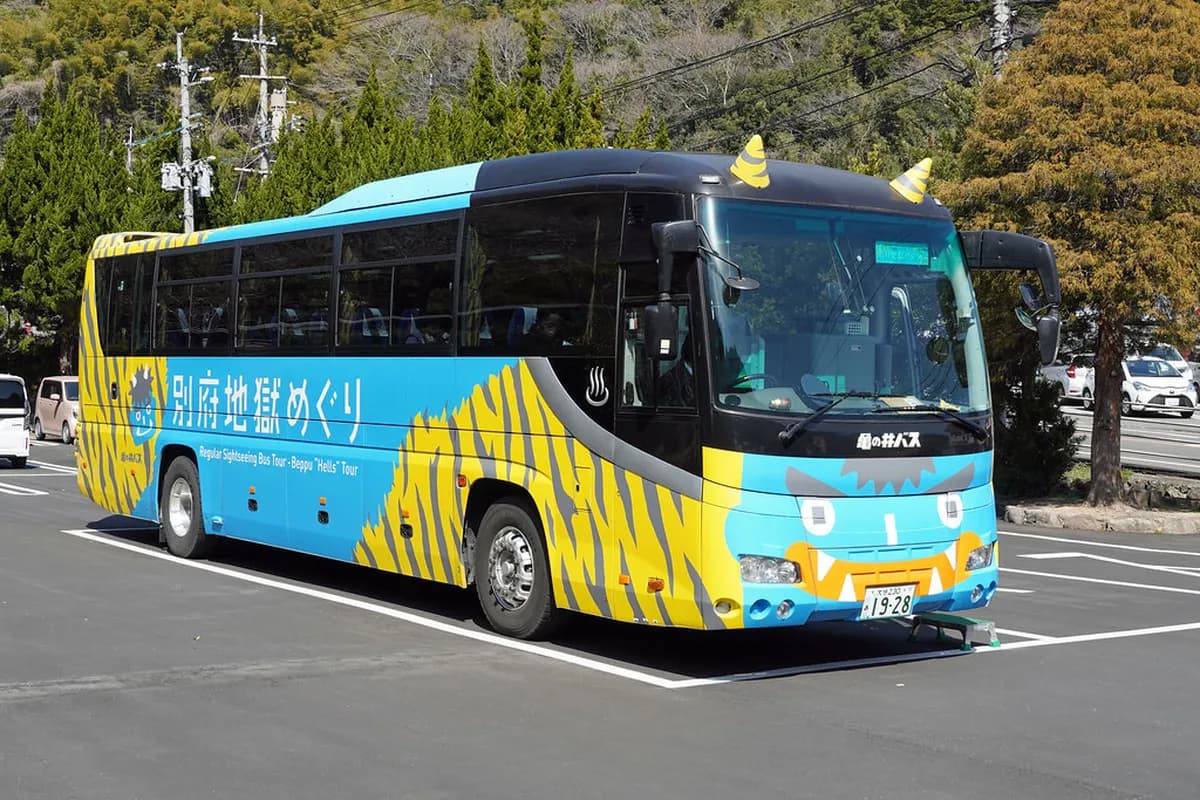
Getting around Beppu is easiest if you use the very extensive local bus network. Buses run frequently from the station to the main Kannawa area every day. You can use a prepaid transit card for easy payments on all the buses. The bus drivers are usually very helpful if you show them your destination.
The How to Visit Beppu Hells by Bus: The Complete 2026 Guide guide explains all the routes. This Beppu Hells walking route itinerary is simple to follow with a local map. You will find many bus stops located right outside the main hell entrances. This makes it easy to transition between the two different geothermal districts.
You can also use a taxi if you are traveling in a small group. Taxis are more expensive but they offer a direct route to the Shibaseki area. This can save you some time if you are in a rush to see everything. Most taxi drivers in the city know the hells very well and are fast.
Walking between the sites is the best way to see the local neighborhoods. You will see steam rising from the drains in the middle of the street. This unique sight is part of the charm of visiting this volcanic city. Always carry a small amount of cash for snacks and small souvenir shops.
Total Walking Distance, Elevation, and Time Budget for the Full Hells Loop
The full Beppu Hells walking route covers about 2.5 kilometers between the five Kannawa district hells. Most visitors finish this section in roughly 90 minutes of pure walking time. The Shibaseki cluster adds another 600 meters of walking once you arrive by bus. Total on-foot distance lands between three and four kilometers depending on backtracking choices.
Elevation across the Kannawa loop stays modest with about 40 meters of total ascent throughout. The route climbs gently from Umi Jigoku toward the upper Oniyama and Kamado pairing. None of the gradients exceed eight percent which makes the path manageable for casual walkers. You will not need hiking poles or any special equipment for this gentle terrain.
Budget six full hours for the whole loop including viewing time, photos, lunch, and bus transfers. A faster traveler can compress the schedule into four hours by skipping the longer rest stops. Allow an extra hour during weekends or Japanese public holidays when the entrances become congested. For a wider trip context, see our Beppu Itinerary: Plan Your Trip! which slots this loop into a multi-day plan.
Average pace across the route works out to roughly 2.8 kilometers per hour including stops. Pure viewing time at each hell averages 20 to 30 minutes for most visitors. Photographers and steam enthusiasts often spend 45 minutes inside the larger Umi Jigoku grounds. Plan around these realistic timings instead of compressed online estimates that ignore queue waits.
Stop-by-Stop Schedule: Recommended Time at Each of the 7 Hells (with 2026 Entry Hours)
All seven hells share the same standard 2026 operating window of 8:00 to 17:00 daily. Last entry is 16:30 at every site so plan your final stop accordingly. Combined entry tickets cost 2,200 yen for adults and 1,000 yen for elementary school children. Individual hell admission runs 450 yen each which makes the combined pass much better value.
The combined 2,200 yen ticket is valid for two consecutive days and covers all seven hells. Buy it at the first entrance gate — no need to visit a separate ticket office first.
| Hell | District | Recommended time | Highlight |
|---|---|---|---|
| Umi Jigoku | Kannawa | 35 min | Cobalt-blue water, tropical gardens |
| Oniishibozu Jigoku | Kannawa | 20 min | Bubbling grey mud heads |
| Kamado Jigoku | Kannawa | 25 min | Seven geothermal cooking pots |
| Oniyama Jigoku | Kannawa | 20 min | Crocodile enclosures |
| Shiraike Jigoku | Kannawa | 25 min | Milky white pond |
| Chinoike Jigoku | Shibaseki | 30 min | Blood-red iron-rich water |
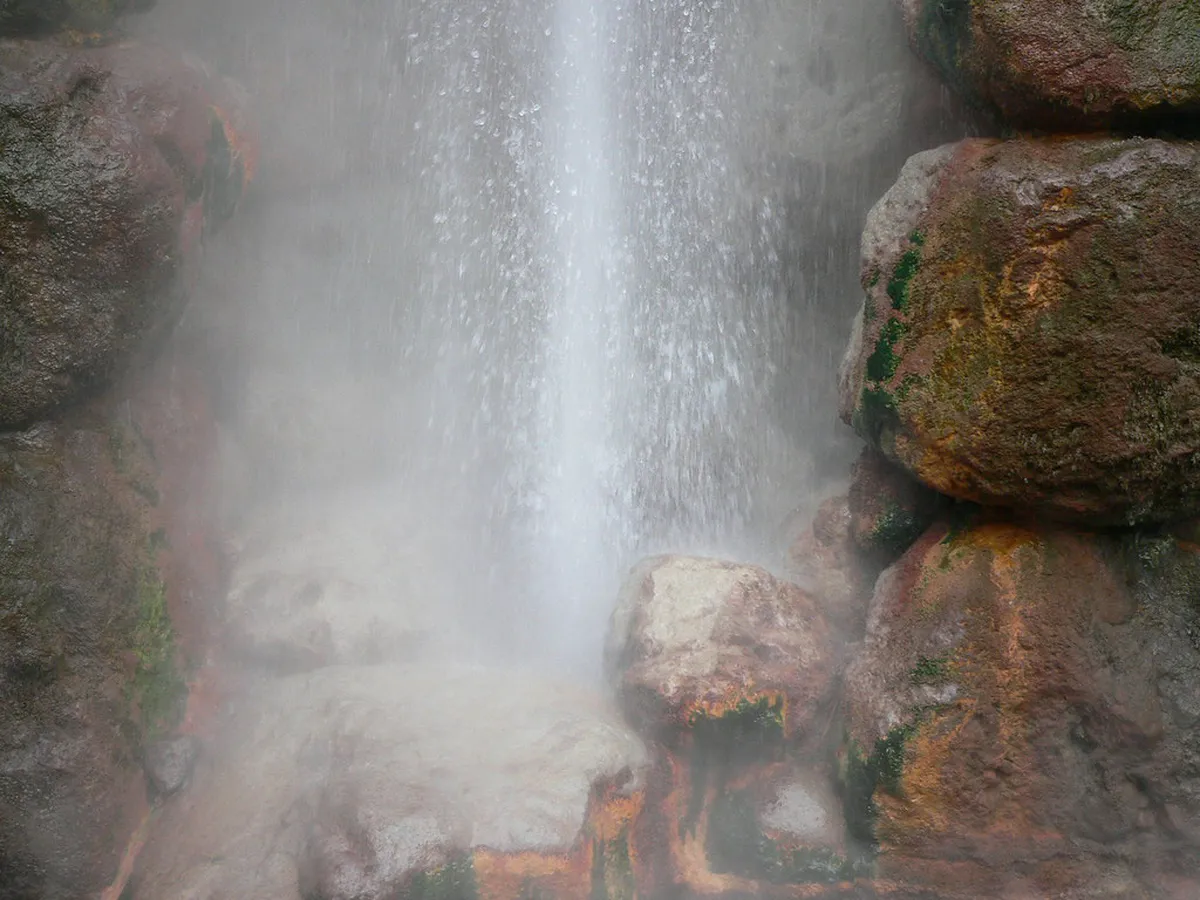
| Tatsumaki Jigoku | Shibaseki | 30–40 min | Geyser erupts every 30–40 min |
Start with Umi Jigoku at 8:00 and budget 35 minutes for the blue water and gardens. Walk three minutes to Oniishibozu Jigoku and spend 20 minutes watching the bubbling grey mud. Continue to Kamado Jigoku at 9:00 where 25 minutes covers the seven different cooking pots. Oniyama Jigoku takes 20 minutes for the crocodile enclosures and the small museum.
Reach Shiraike Jigoku by mid-morning and allow 25 minutes for the milky pond and grounds. This concludes the Kannawa cluster around 10:30 which leaves time for an early lunch break. Catch the loop bus toward Shibaseki for the final two hells in the afternoon. Plan to arrive at Chinoike Jigoku by 13:00 for the best red water lighting conditions.
Spend 30 minutes at Chinoike Jigoku photographing the iron-rich blood pond and visiting the gift shop. Walk five minutes to Tatsumaki Jigoku and time your visit around the geyser eruption schedule. The geyser erupts roughly every 30 to 40 minutes and lasts about six minutes per cycle. Our 9 Best Stops on a Unique Hells of Beppu Tour guide explains why each pool earned its specific nickname.
Walking vs Bus: When to Use Beppu's Loop Bus Between Hells
Walking works perfectly for the five Kannawa hells which sit within 700 meters of each other. The bus becomes essential for the 2.5 kilometer transfer to Shibaseki where Chinoike and Tatsumaki sit. Kamenoi Bus routes 16 and 16A run this transfer roughly every 25 minutes during peak hours. A single ride costs 230 yen or you can buy the My Beppu Free pass for 1,100 yen.
Use the bus instead of walking on hot summer days when temperatures climb past 30 degrees Celsius. The same applies during heavy rain since umbrellas plus phones plus tickets becomes hard to juggle. Travelers with mobility limitations should use the bus for any transfer over 500 meters. Families with strollers find the bus much easier than navigating uneven sidewalks between distant sites.
Walking gives you the best chance to see steam vents inside ordinary residential lanes. The Kannawa neighborhood streets reveal small jigoku-mushi steamers outside private homes and tiny restaurants. You miss this everyday onsen culture entirely if you only ride buses between official hell entrances. Slow walking through these streets adds about 15 minutes but enriches your understanding considerably.
Buy the unlimited day pass if you plan three or more bus rides during your visit. Single tickets add up quickly when you factor in the transfer back to Beppu Station. The pass also works on routes toward Beppu Tower and the central station for evening dining. Detailed bus route logistics live in our How to Visit Beppu Hells: A Complete 2026 Guide resource.
What to Pack for the Beppu Hells Walking Tour (Footwear, Weather, Supplies)
Closed-toe walking shoes with good grip handle the mixed terrain of paved paths and gravel sections. Avoid sandals because steam vents occasionally release hot droplets onto walkways near the pool edges. Cushioned soles matter because the combined Kannawa and Shibaseki walking adds up to roughly 8,000 steps. Break in new shoes before the trip since blisters at hell number three ruin the day.
Pack a small daypack with a refillable water bottle, sunscreen, and a microfiber towel for steam condensation. Camera lenses fog rapidly near the hot pools so a soft cloth saves many ruined shots. Bring a light rain shell from June through early July since Kyushu rainy season produces sudden downpours. A foldable hat protects against sun glare reflecting off the lighter colored pools during midday.
Carry between 4,000 and 6,000 yen in cash for combined tickets, lunch, and a small souvenir budget. Many of the smaller souvenir stalls and steamed-food carts only accept cash even in 2026. A few vending machines around Umi Jigoku take IC transit cards but coverage stays patchy elsewhere. Keep coins separated for vending machines, lockers, and the occasional restroom donation box.
Add hand wipes, a portable phone charger, and a paper map as backup against the patchy mobile coverage. Some narrow Kannawa lanes drop signal completely between hell entrances which surprises visitors relying on GPS. A printed schedule of the Tatsumaki Jigoku eruption times saves frantic last-minute timing decisions. Light layers work better than a single heavy jacket because steam zones get warm quickly while shaded paths stay cool.
Adapting the Route by Season (Summer Heat, Rainy Season, Winter)
Last entry at all seven hells is 16:30. The Kannawa-to-Shibaseki bus transfer takes about 10–15 minutes — allow enough time so you don't arrive at Chinoike or Tatsumaki too late to enter.
Summer heat in July and August pushes humidex readings past 38 degrees Celsius near the steaming pools. Start your loop at 8:00 sharp and finish the Kannawa cluster before noon to avoid heatstroke risk. Take a 90 minute indoor lunch break and tackle Shibaseki only after 14:30 when shadows lengthen. Pack two extra liters of water plus electrolyte tablets because the steam dehydrates faster than ordinary heat.
Rainy season runs from early June through mid-July and brings sudden 40 millimeter downpours. The route remains walkable but ticket booths sometimes pause photography on viewing platforms during heavy rain. Switch to a longer bus-heavy schedule during these weeks and add 30 minutes of buffer time. Waterproof footwear matters more than rain jackets because the steam zones already keep your upper body warm.
Winter visits between December and February bring a different kind of magic to the steam columns. Cold air makes the rising vapor much more dramatic which produces cinematic photographs. Daytime temperatures usually range from 5 to 12 degrees Celsius which feels mild while walking. Layer a thermal base under a light shell and keep gloves handy for early morning starts.
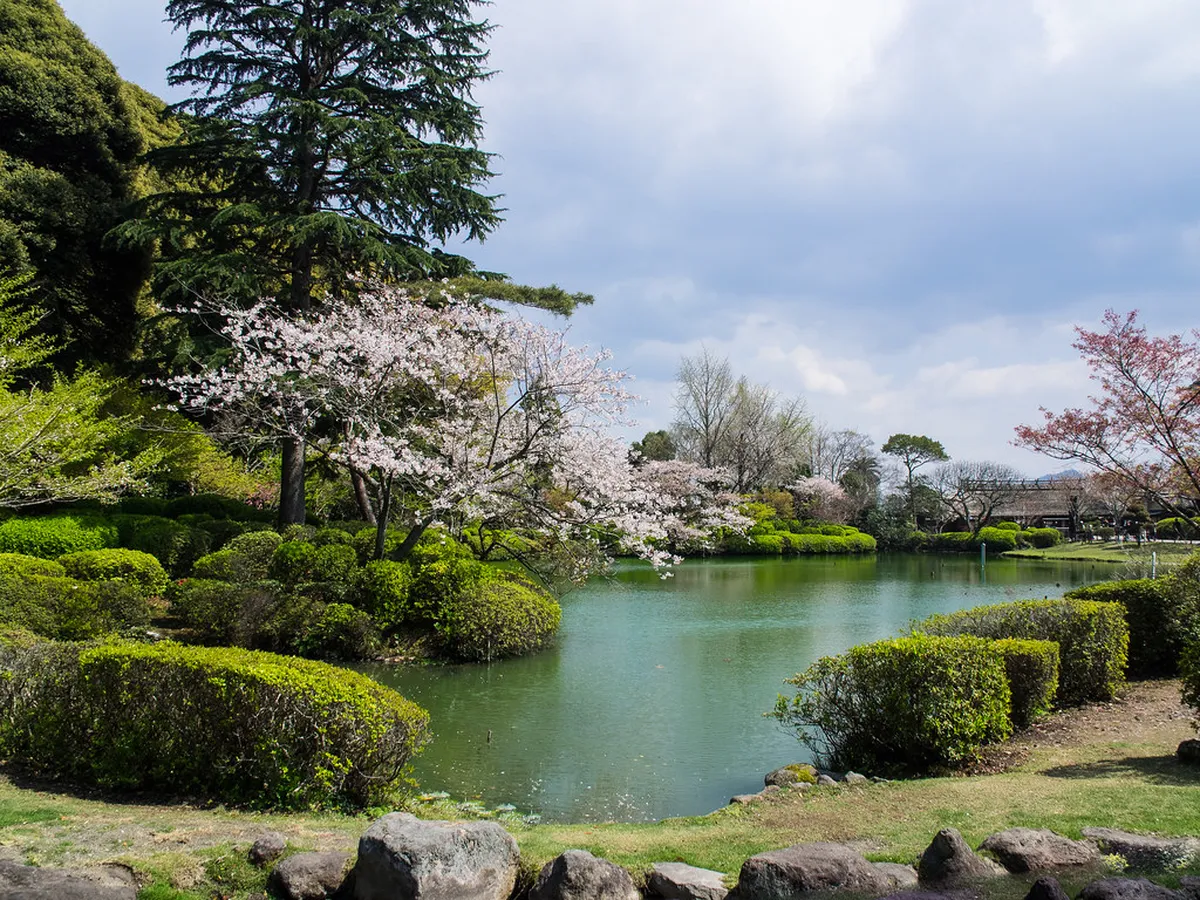
Spring cherry blossoms peak in late March around the Kamado Jigoku gardens for stunning paired views. Autumn delivers fiery red maples in early November against the milky white pools at Shiraike Jigoku. The Best Time to Visit Beppu Japan: A Seasonal Guide guide breaks down each month with crowd levels and weather averages. Pick your season based on tolerance for heat versus willingness to layer for chilly mornings.
Frequently Asked Questions
How long does the Beppu Hells walking route take?
Most visitors spend about three to four hours on the route. This includes travel time between the two main areas by local bus. It allows for a relaxed pace at each site and time for many great photos. You should plan for a half-day adventure.
Is the combined ticket for the Beppu Hells worth it?
Yes, the combined ticket is much cheaper than paying for each hell. It covers all seven locations for one flat fee. You can buy it at any hell entrance to save time and money during your tour.
Can you swim in the Beppu Hells?
No, you cannot swim in these specific hot springs. The water temperatures are near boiling and very dangerous. They are strictly for viewing and photography only to ensure visitor safety at all times during your day trip.
What is the total walking distance for the Beppu Hells loop?
The full Beppu Hells walking route covers about 2.5 kilometers across the five Kannawa hells plus another 600 meters at Shibaseki. Total on-foot distance lands between three and four kilometers. Plan roughly 90 minutes of pure walking time inside Kannawa with a short bus transfer between the two clusters.
What are the Beppu Hells opening hours in 2026?
All seven hells operate from 8:00 to 17:00 daily throughout 2026 with last entry at 16:30. Combined entry tickets cost 2,200 yen for adults and 1,000 yen for elementary students. Individual hell admission is 450 yen each which makes the combined pass much better value for visitors seeing all seven sites.
When is the best season to walk the Beppu Hells route?
Late October through early December offers the most comfortable walking weather with mild temperatures and dramatic steam columns. Spring cherry blossoms peak in late March near Kamado Jigoku. Avoid mid-July through August when humidex readings climb past 38 degrees Celsius near the pools.
Exploring the Beppu Hells is a major highlight of any trip to Kyushu. The walking route provides a perfect mix of nature and local Japanese tradition. You will leave with amazing photos and very unique memories of your trip. Plan your visit early to avoid the largest crowds at the main gates.
Be sure to try the local steamed snacks before you leave the area. The experience of the sand baths is also highly recommended for all visitors. Check out How to Book Beppu Sand Baths for a very relaxing finish. Enjoy your time in this steaming and beautiful Japanese city during your stay.
Free: The Beppu Essentials guide
Top things to do, where to stay, a perfect day plan, getting around, and the best time to go — a Beppu mini-guide you can take offline.
You might also like

Continue reading
More guides you'll find useful