Beppu in Winter: 7 Best Things to Do and See
Discover the magic of Beppu in winter. From dramatic steam at the Hells to frost-covered mountains and outdoor onsens, plan your perfect trip with our guide.
On this page
Beppu in winter is a magical world of rising steam and cozy hot springs. I recommend visiting from mid-December to mid-January for the best atmosphere. The following guide is updated June 2024 based on my winter 2024 visit.
While many prefer the best time to visit Beppu during May or October, winter is special. The cold air makes the city's famous volcanic steam look much thicker and more dramatic. I visited in late January when the temperature dropped significantly and the views were stunning.
The contrast between the freezing air and the hot water is an unforgettable experience. This season offers fewer crowds and unique events that you cannot find in the summer. Let us explore how to make the most of your cold-weather trip to Kyushu.
Beppu Winter Climate and Packing Guide
Winter in Beppu is cold but usually dry and sunny. Daytime highs often reach 10°C / 50°F while nights drop to 3°C / 37°F. These figures come from official WeatherSpark climate data.
Cold air dramatically amplifies the visible steam at the Hells of Beppu. For the most photogenic steam clouds, visit Umi Jigoku first thing in the morning when temperatures are still at their lowest.
Strong sea breezes from Beppu Bay can make the air feel much colder. Layers are essential because indoor onsen facilities are often kept very warm. You should prepare for icy winds when walking near the coastal Kitahama area.
Snow is rare in the city center but common on nearby mountains. Most days feature clear blue skies that are perfect for outdoor sightseeing. The lack of humidity makes the winter air feel crisp and refreshing.
The Hells of Beppu: Steam Scenery in Cold Air
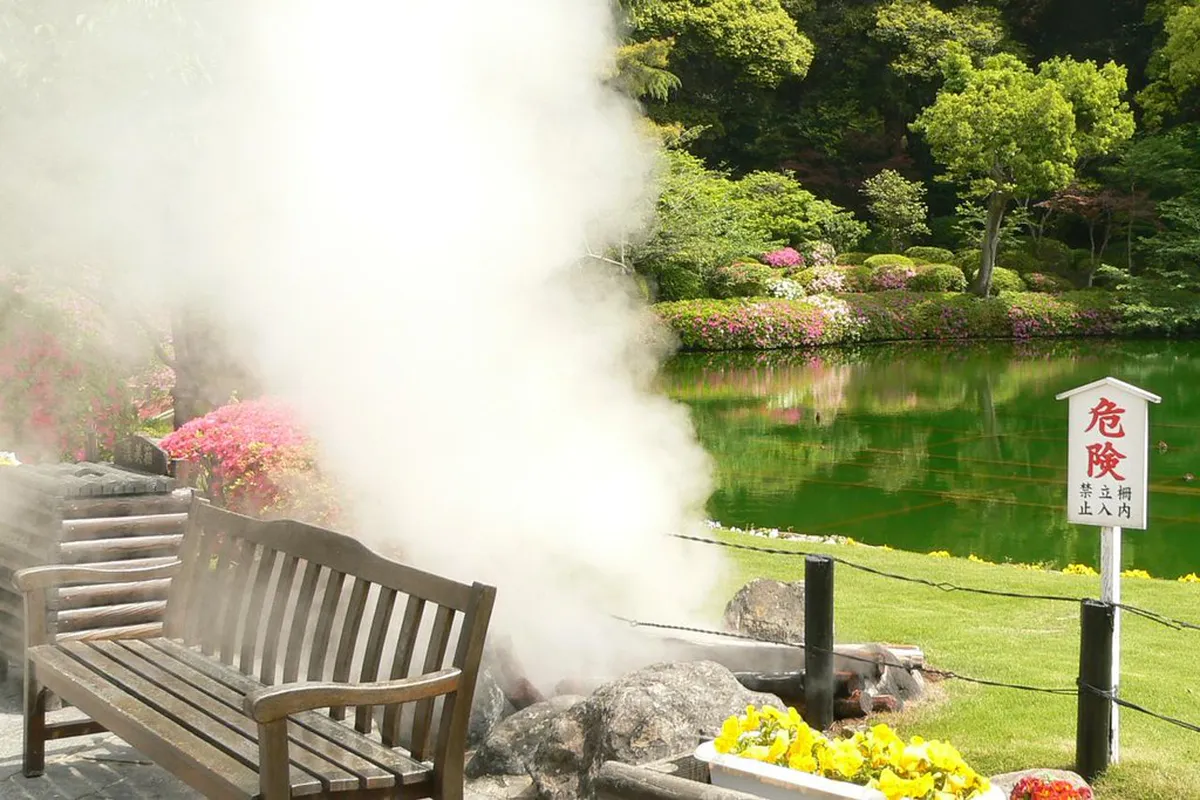
The famous Hells are the most popular stops on a Beppu walking itinerary. These colorful hot springs produce massive amounts of steam throughout the year. Cold winter temperatures create a unique visual effect called steam density.
The white clouds appear much larger and more opaque than during the humid summer months. I found that Umi Jigoku looked like a mystical cloud forest in January. The bright blue water barely peeks through the thick white mist on cold mornings.
During my January visit, the steam at Umi Jigoku was so thick I could barely see the water. This natural phenomenon makes for incredible photography that is unique to the winter season. Early morning visits provide the most dramatic views before the sun warms the air.
Mount Tsurumi Ropeway for Winter Frost
Travelers should head to Mount Tsurumi for a true winter wonderland experience. The ropeway takes you to 1,375 meters where temperatures are much lower. You might see Juhyo or silver frost covering the trees at the summit.
Such a natural phenomenon occurs when water droplets freeze instantly on branches. The view of the snow-dusted bay from the top is spectacular. Wear your heaviest coat because the summit is often 5-10 degrees colder than the city.
I recommend checking the visibility at the base station before buying your ticket. Clear days offer views that stretch all the way to the mountains of Shikoku. The contrast between the white frost and blue sea is breathtaking.
Warming Up with Jigoku Mushi Steam Cooking
Eating unique hell-steamed food is the perfect way to warm up. This traditional method uses natural volcanic steam to cook vegetables and seafood. The Kannawa district offers several spots where you can try this yourself.
I loved the earthy flavor of the steam-cooked sweet potatoes on a chilly afternoon. Most restaurants provide outdoor seating with foot baths to keep you warm while eating. Such a cozy experience defines the local winter culture for many visitors.
You can choose your own ingredients and watch them cook in the steam pits. The process is fast and preserves the natural nutrients of the food. It is a healthy and interactive way to enjoy a winter lunch.
Best Outdoor Onsens for a Winter Soak
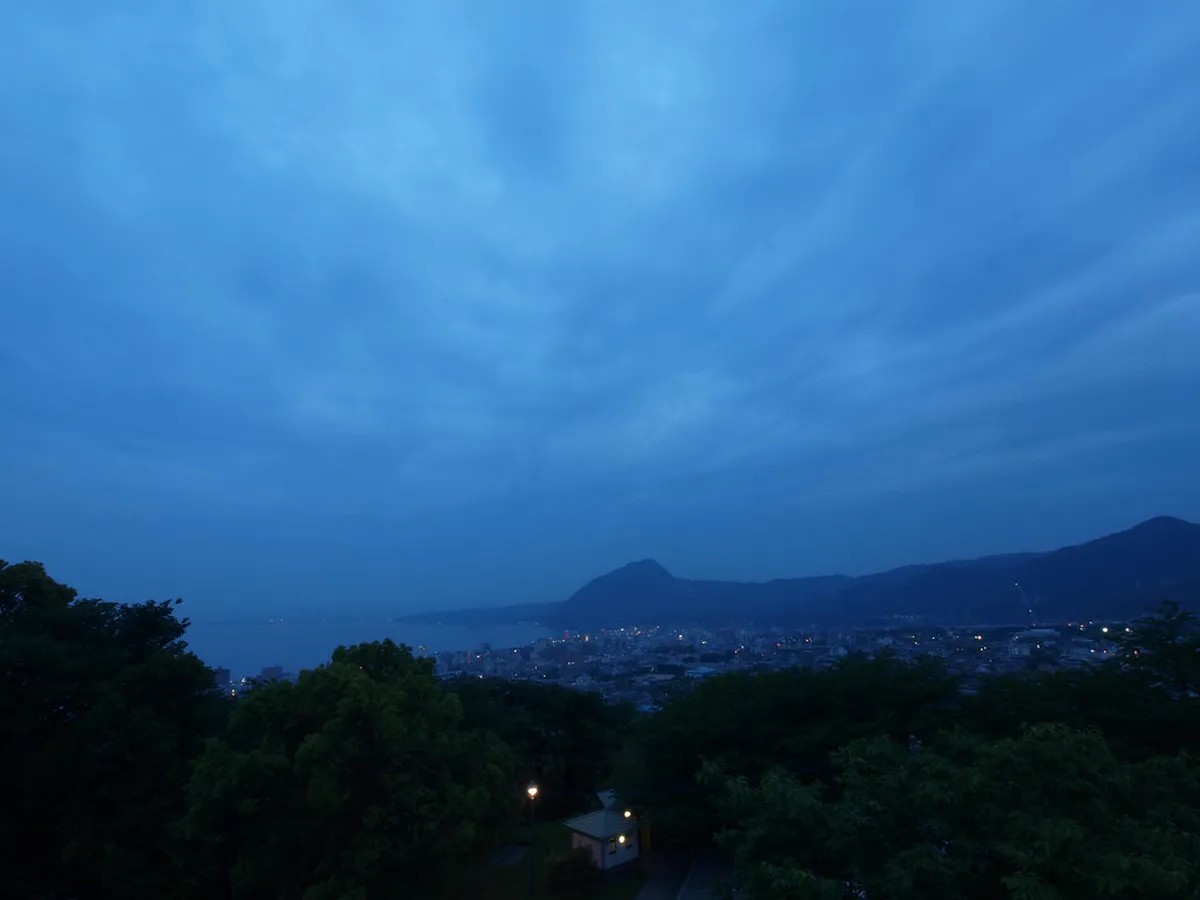
Relaxing in a rotenburo or outdoor bath is a highlight of any winter trip. The cold air keeps your head cool while your body stays hot. Many visitors choose a Beppu ryokan with a private onsen for extra comfort.
A private bath allows you to enjoy the winter scenery in complete peace. Public baths like Tanayu offer incredible views of the city lights and steaming vents. The contrast of the 42°C / 108°F water against the winter air is invigorating.
I spent an hour soaking while watching the sunset over the steaming city. The warmth stays with you long after you leave the hot water. It is the ultimate way to combat the winter chill in Kyushu.
Beppu Christmas Hanabi and Winter Illuminations
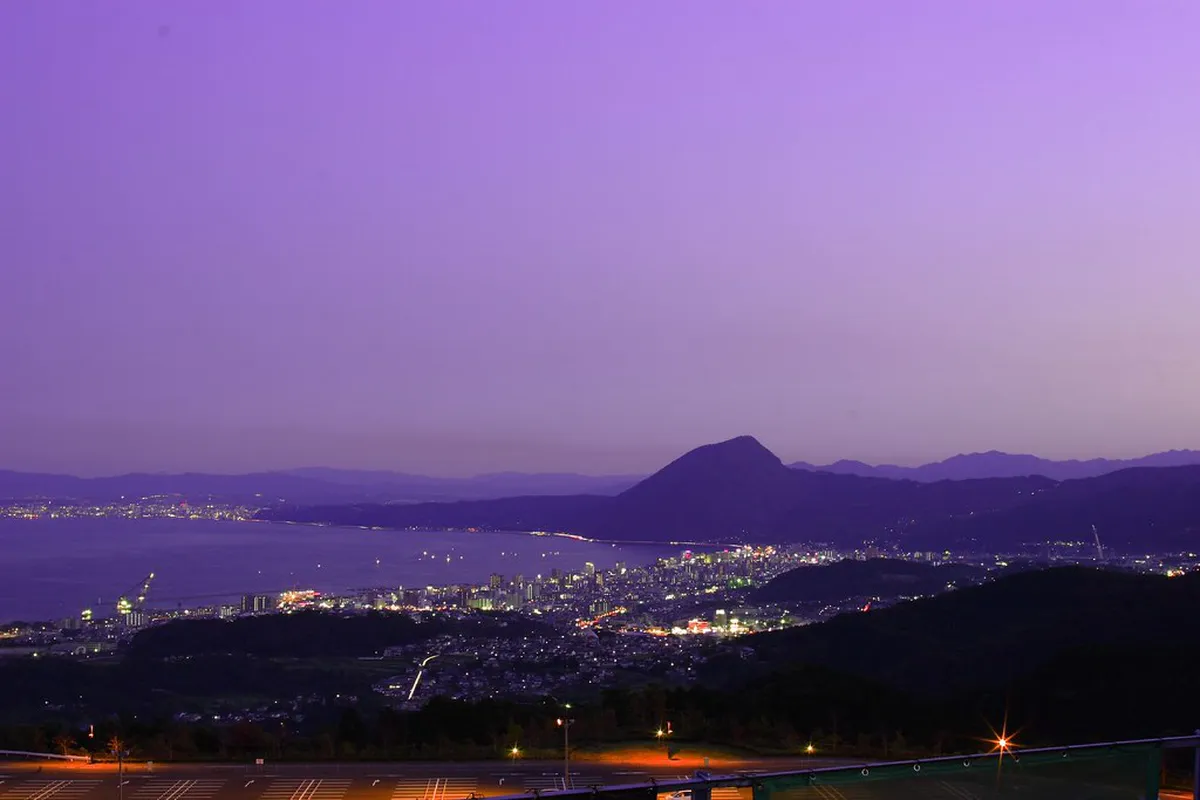
The city hosts a massive Christmas fireworks display every December. Thousands of shells light up the night sky over Beppu Bay. Local parks also feature beautiful light displays during the holiday season.
These illuminations turn the city into a glowing landscape after the sun sets. I recommend arriving early at the beach to secure a good viewing spot. The reflection of the colors on the water is truly a sight to behold.
Winter festivals in Beppu feel more intimate than the crowded summer events. Hot drinks and street food stalls are available to keep spectators warm. It is a festive time that brings the whole community together.
Season Comparison
Choosing the right time to visit depends on your personal travel goals. Each season in Beppu offers a completely different atmosphere and set of activities. Winter provides the best steam views but requires heavy clothing for outdoor walking.
Summer is vibrant with festivals but can be uncomfortably hot and humid. Spring and fall offer mild weather that is perfect for long hiking trips. Use the table below to compare the specific details of each seasonal window.
| Season | Weather | Crowds | Prices | Events | Best for |
|---|---|---|---|---|---|
| Early to mid-May | 20-25°C / 68-77°F | High | High | Flower festivals | Mild hiking |
| July to August | 28-33°C / 82-91°F | Moderate | Medium | Summer matsuri | Nightlife |
| October to November | 15-22°C / 59-72°F | Low | Medium | Autumn leaves | Photography |
| December to January | 3-10°C / 37-50°F | Low | Low | Fireworks | Steam views |
Pick X If
Deciding when to go can be difficult for first-time visitors to Kyushu. Your choice should align with your budget and interest in seasonal events. Families might prefer the festive atmosphere of late December for the fireworks.
Solo travelers often enjoy the quiet peace of the mid-February low season. Budget-conscious visitors should look for deals in early January after the New Year holidays. Luxury seekers will find the best ryokan availability during the colder weekdays.
- Pick late December if you want
- Festive fireworks and holiday lights
- Pick early February if you want
- The best mountain frost views
- Pick mid-January if you want
- Low prices and quiet onsens
- Pick early March if you want
- The first signs of spring
What to Pack
Packing for Beppu requires a mix of heavy outerwear and easy-to-remove layers. You will transition frequently between cold streets and very humid hot spring buildings. A windproof jacket is vital for protection against the gusts from the bay.
Comfortable walking shoes with good grip are necessary if you visit the mountain areas. Do not forget a small towel for the many public foot baths. Carrying a waterproof bag for your wet swimwear is also a very helpful tip.
- Heavy insulated coat
- For mountain summits and coastal walks
- Thermal base layers
- To stay warm during outdoor sightseeing
- Quick-dry travel towel
- Essential for spontaneous foot bath stops
- Lip balm and moisturizer
- To combat the dry winter air
What's Closed in Low Season
The Beppu Ropeway can close temporarily during strong winds — check the base station for current status before buying your ticket. High-altitude hiking trails on Mount Tsurumi are also often closed due to ice in January and February.
Most major attractions like the Hells remain open throughout the winter months. However, some specific outdoor activities and seasonal transport options do take a break. High-altitude hiking trails on Mount Tsurumi are often closed due to ice.
Certain summer-only ferry routes and outdoor water parks stop operating from November. Some smaller family-run tavernas in the hills might close for a winter holiday. Always check the latest schedules on the Japan Travel (Official) website before heading out.
The Beppu-wan breeze can sometimes cause temporary ropeway closures during high winds. Most museums and indoor galleries maintain their regular year-round operating hours. Planning ahead ensures you do not miss any key experiences during your visit.
Essential Logistics for Winter Travel in Beppu
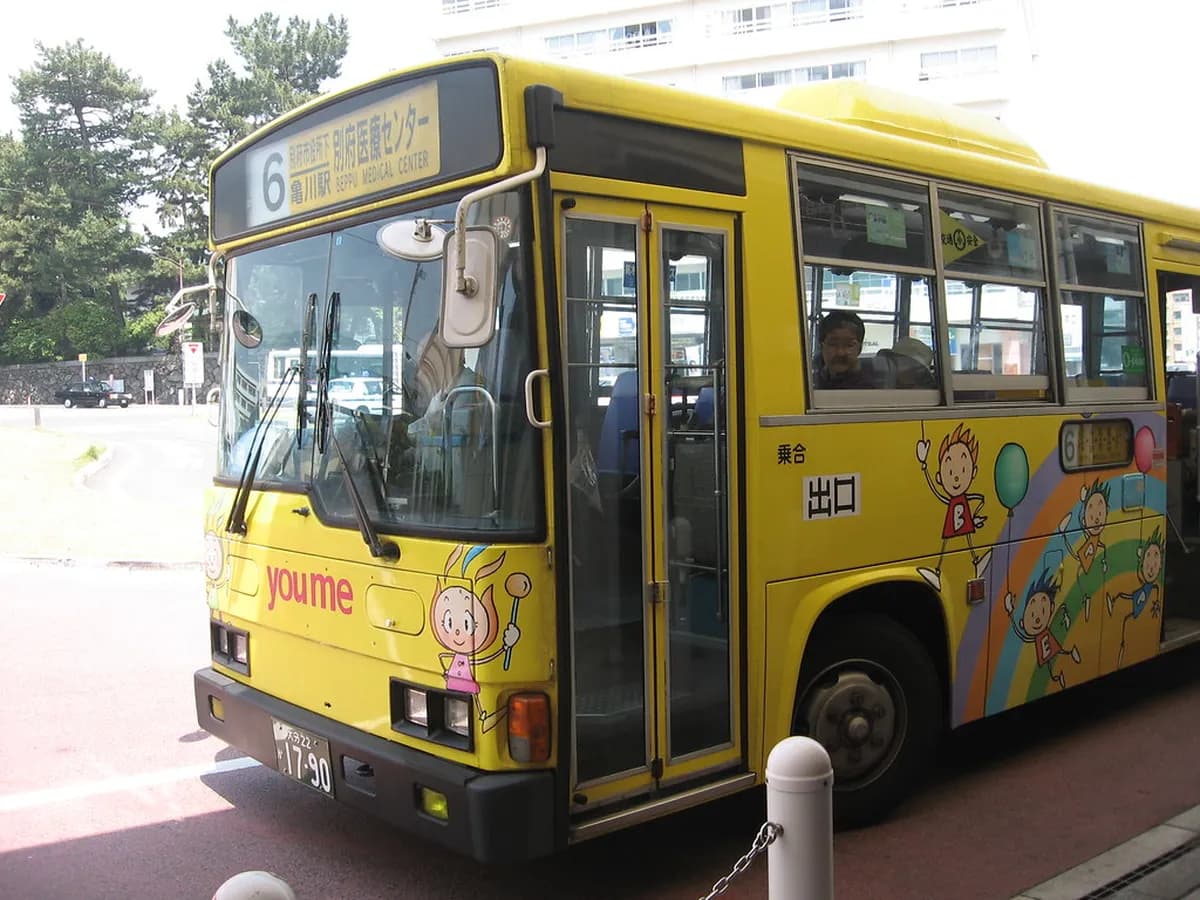
Navigating the city is easy if you use the Beppu transportation guide for bus routes. Buses are heated and run frequently between the station and the hot spring districts. I suggest buying a day pass to save money on multiple trips.
A pass is especially useful when moving between the coastal area and Kannawa. Most travelers find that a three-day Beppu itinerary is perfect for a winter stay. This allows enough time for the Hells, the ropeway, and plenty of soaking.
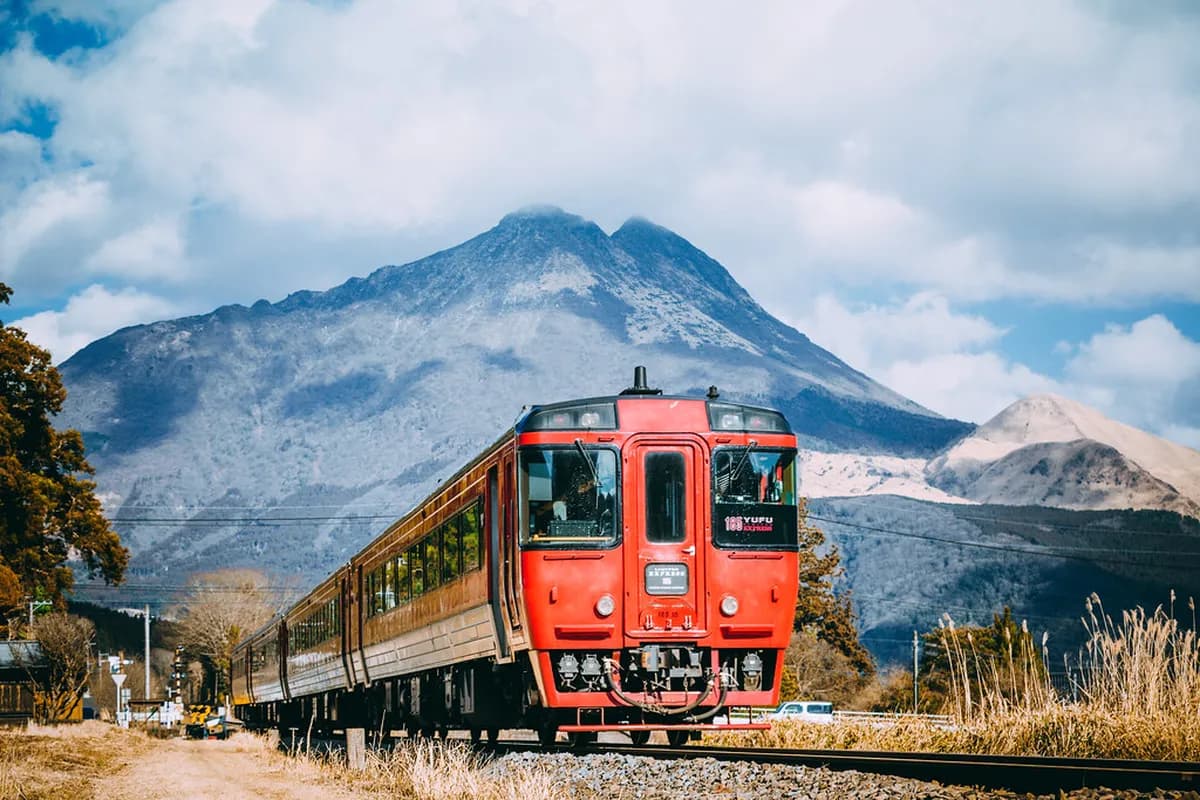
Booking your accommodation early is still recommended for the busy New Year period. The city is well-connected to Fukuoka and Oita by frequent express trains. Winter travel in Kyushu is generally reliable with very few weather-related delays.
Frequently Asked Questions
Is Beppu worth visiting in winter?
Yes, Beppu is excellent in winter because the cold air makes the volcanic steam much more visible. You can enjoy outdoor hot springs comfortably and see rare silver frost on Mount Tsurumi. Crowds are also much smaller than in spring.
Does it snow in Beppu during the winter?
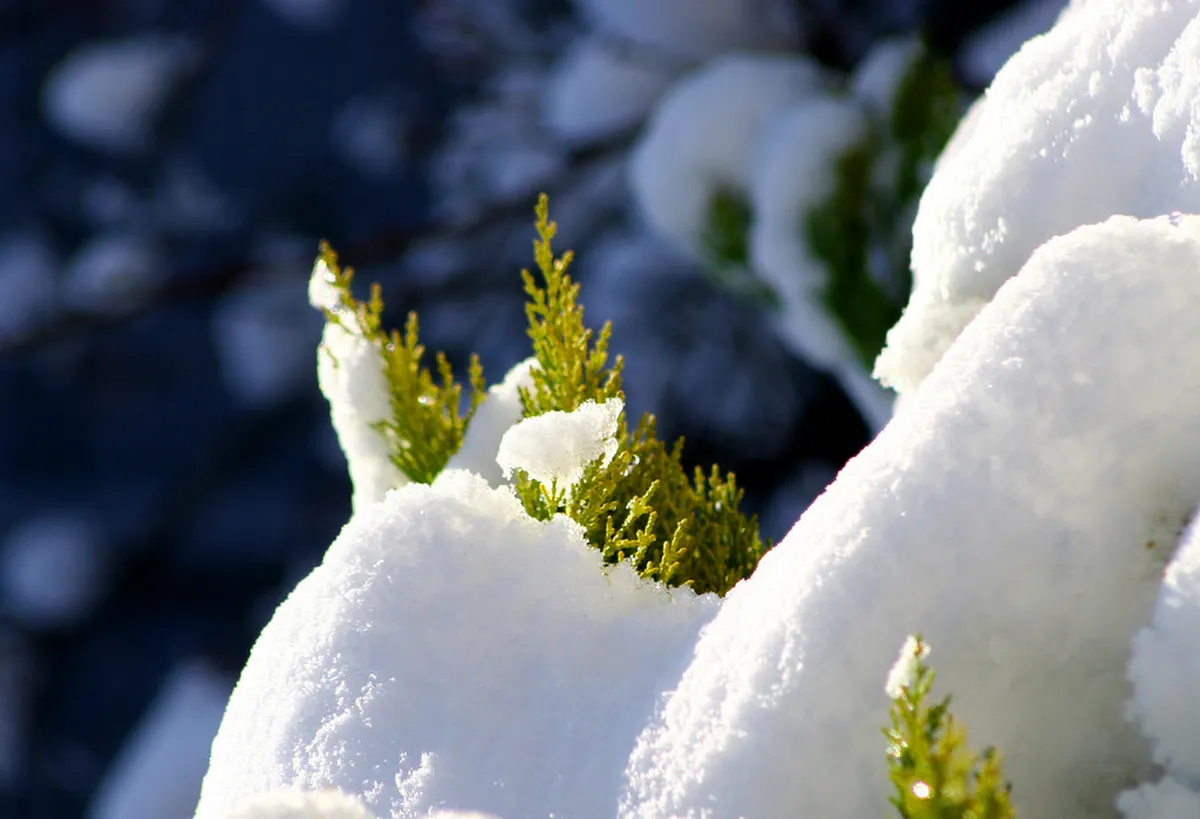
Snow is rare in the city center but frequent on the surrounding mountains. You will likely see snow at the top of the Mount Tsurumi Ropeway. The city streets usually remain clear and easy to navigate on foot.
What is the coldest month in Beppu?
January is typically the coldest month with average lows of 3°C / 37°F. Strong winds from the bay can make it feel even colder. It is the best time for experiencing the most dramatic steam clouds at the Hells.
Beppu in winter is a sensory delight that every hot spring lover should experience. The combination of thick steam, festive lights, and warm food creates a unique charm. I believe the cold season offers the most authentic and peaceful version of the city.
Whether you seek mountain frost or a private soak, this city delivers. Plan your trip today to see why Beppu is Japan's premier winter wellness destination.
Combine this with our main Beppu attractions guide for a fuller itinerary.
For related Beppu deep-dives, see our 10 Best Things to Do in Beppu with Kids: A 2026 Family Guide and Beppu Day Trip From Fukuoka: 10 Essential Stops & Guide guides.
Free: The Beppu Essentials guide
Top things to do, where to stay, a perfect day plan, getting around, and the best time to go — a Beppu mini-guide you can take offline.
You might also like


Continue reading
More guides you'll find useful