Beppu Travel Tips Travel Guide
Plan beppu travel tips with top picks, neighborhood context, timing tips, and practical booking advice for a smoother trip.
On this page
Beppu is a city that literally breathes steam from the ground — over 2,000 hot spring vents pump more geothermal water than anywhere else in Japan. That makes it one of the most extraordinary destinations on Kyushu, but also one that rewards a little advance preparation.
First-time visitors are often caught off guard by the onsen etiquette rules, the cash-heavy local economy, and the surprisingly varied bus network. These Beppu travel tips cover the practical details — what to pack, how to get around, where to stay, and when to go — so you can spend more time relaxing and less time problem-solving.
Onsen Etiquette: Rules Every Visitor Must Know
Every onsen in Beppu operates on the same core rules. You must wash your body completely at the shower stations before entering any shared pool. Soap and shampoo are never used inside the bath itself. Towels stay out of the water — fold yours on your head or set it aside on the edge. For a comprehensive background on onsen etiquette and history, the cultural traditions traced back over 1,300 years remain central to the bathing experience across Japan.
Swimwear is prohibited in traditional communal baths. Men and women use separate areas, though some facilities (particularly rotenburo outdoor baths) offer mixed bathing, which is called konyoku. Check the facility's signage before assuming. For a full breakdown of rules by bath type, the traditional onsen etiquette guide for Beppu travelers explains each step in detail.
Quiet behavior is expected. Avoid splashing, keep conversations low, and never take photos inside the bathing areas. Most facilities also ask visitors to tie back long hair so it doesn't touch the water.
Towels stay completely out of the bathwater. Fold yours and place it on your head or the edge of the pool while you bathe. Most onsen rent small tenugui towels (100–200 yen) at the entrance if you don't have your own. Always carry a small waterproof pouch for your phone and wallet — most lockers near the baths require a 10 yen coin (returned on exit).
Tattoo Policy: What Visitors with Ink Actually Need to Know
Beppu's tattoo situation is more nuanced than the blanket "no tattoos allowed" rule you'll read in most travel guides. The majority of large public onsen still prohibit visible tattoos in shared pools — this applies to facilities like Takegawara and most of the jigoku district bathhouses. The rule exists for historical reasons tied to Japanese organized crime, though enforcement has softened in recent years for foreign tourists.
The practical solution is kashikiri: private or semi-private baths that you rent by the hour. Hyotan Onsen, the only Michelin three-star hot spring in Japan, offers private family baths that tattooed visitors can book without issue. Several smaller neighborhood sento (public bathhouses) in the Kannawa and Myoban districts are also known to be more permissive — ask directly at the front desk before paying. Many proprietors will accommodate foreign visitors with tattoos if you approach respectfully.
If you want certainty, focus on facilities that explicitly advertise kashikiri baths. They typically cost 1,500–2,500 yen per hour for a group rather than per person, which makes them surprisingly affordable for couples or families. Booking in advance is recommended on weekends and during peak season. You can read the the Beppu onsen pass for which facilities include private bath access in their pass programs.
Even though enforcement has softened for foreign tourists in major onsen, visible tattoos remain prohibited in most large public facilities like Takegawara and the jigoku district bathhouses. Never assume you'll be allowed — always ask staff directly before paying. If turned away, your best recourse is a kashikiri (private rental bath), which welcomes everyone regardless of ink.
Cash, Cards, and ATMs in Beppu
Beppu is still a predominantly cash-based city in 2026. Most small onsen facilities, street food stalls, jigoku-mushi restaurants, and local buses only accept cash. Carrying at least 5,000–10,000 yen in notes at all times is a sensible baseline for a full day of sightseeing. Japan's official tourism authority at japan.travel recommends similar cash reserves for independent travel in regional cities.
The most reliable ATMs for foreign cards are at Japan Post offices (Yucho Bank) and 7-Eleven convenience stores. Both accept Visa, Mastercard, and Maestro, and most transactions have a per-withdrawal fee of around 220 yen regardless of your home bank. There is a 7-Eleven near Beppu Station and another in the Kannawa district within walking distance of the main hell cluster.
Larger hotels, major department stores, and chain restaurants increasingly accept IC cards (Suica, ICOCA) and some international credit cards. But don't rely on this — withdraw cash at your first opportunity after arriving and replenish before heading to the Kannawa or Myoban districts where ATM options are limited.
Getting Around: Bus Passes, the Onsen Pass, and Taxis
Kamenoi Bus operates the main network covering Beppu Station, Kannawa (the main hell district), Myoban, and the beaches along Beppu Bay. A day pass costs 900 yen (1,500 yen for a two-day pass) and covers unlimited rides on nearly all routes within the city. Buy it at the tourist information desk inside Beppu Station or directly from the bus driver on your first ride. Beppu's transportation history dates back to 1911, and the city's modern bus network remains one of Japan's most efficient for hot spring district access.
The Sekai no Onsen (World Onsen) pass bundles entry to multiple facilities at a discounted rate and is worth considering if you plan to visit four or more onsen in a single trip. Some versions of the pass include the Kamenoi Bus pass, making it the most efficient single purchase for onsen-focused visitors. Details and current 2026 pricing are covered in the the Beppu onsen pass.
Taxis are metered and available outside Beppu Station. They are worth using at night when bus service thins out, or if you are traveling to Myoban or Shibaseki from the station with luggage. The ride from Beppu Station to Kannawa takes roughly 15 minutes by bus or 10 minutes by taxi. Ride-hailing apps do not operate in Beppu — street hail or call from your hotel. For full route maps and current timetables, see the getting around Beppu.
What to Pack for an Onsen Trip to Beppu
Most onsen facilities rent or sell small towels (tenugui) at the entrance for 100–200 yen, so you don't need to bring a full towel unless you prefer your own. What you do need is a small waterproof pouch for your phone and wallet while you bathe. Lockers are standard at most facilities but lockers near the baths are often coin-operated (10 yen coin returned on exit).
Bring shower-friendly footwear like flip-flops for walking between indoor areas. Many older communal bathhouses have wooden changing rooms with uneven floors. Yukata (cotton robes) are provided at most ryokan and some larger onsen; if you are staying at a business hotel, pack a light layer for the walk between indoor areas in the evenings.
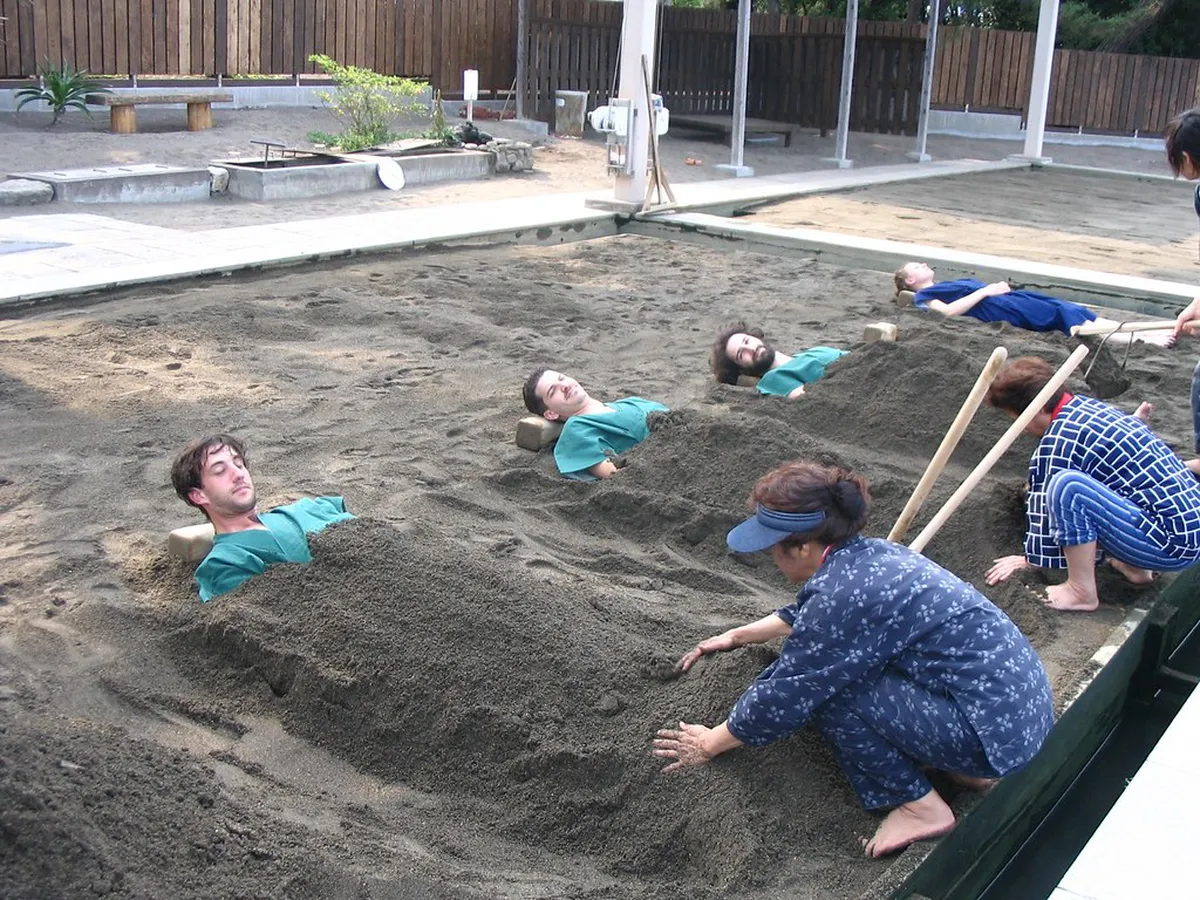
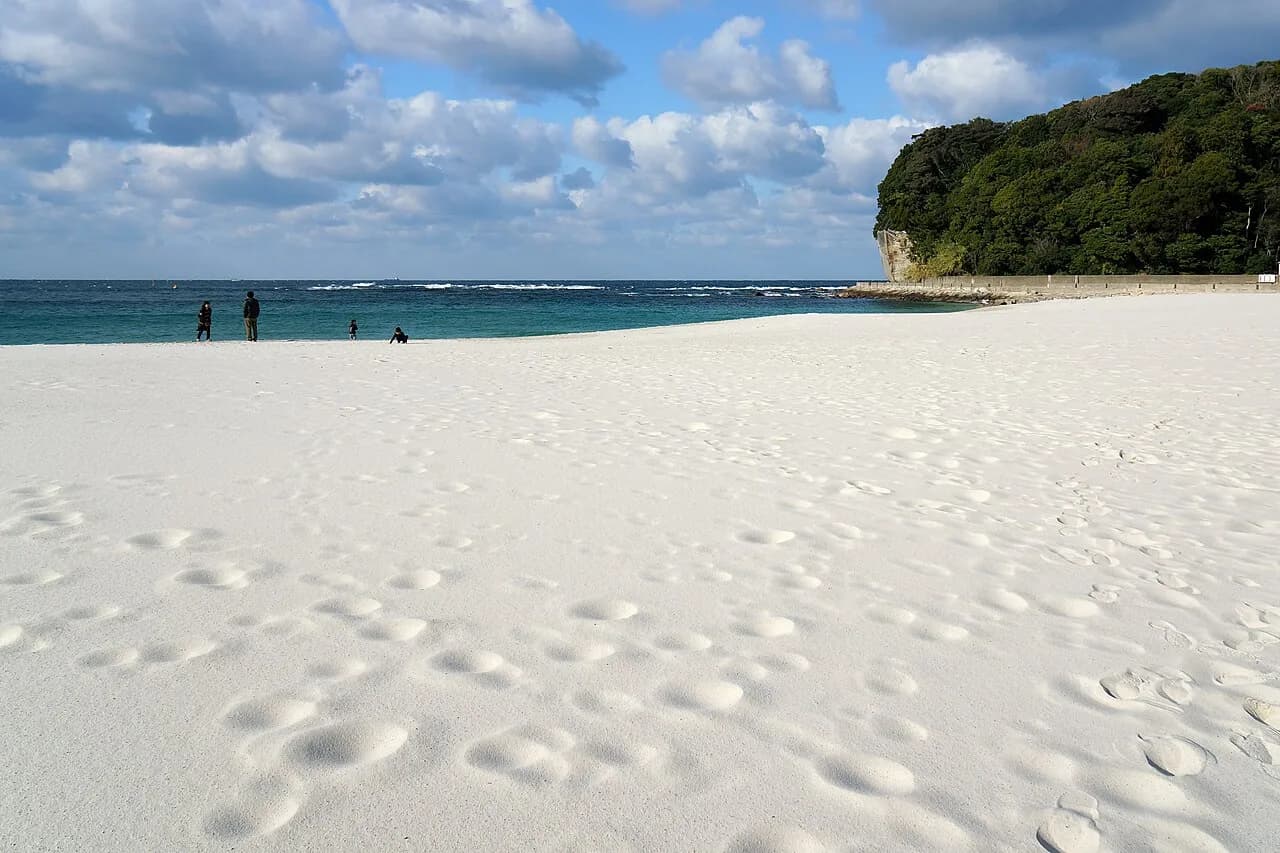
For the Beppu sand bath (sunayu), you need only a swimming costume or underwear — a yukata is provided and worn during the treatment. Sand baths at Shoningahama Beach are the most accessible: the facility opens from 08:30 to 18:00 (October–March until 17:00), costs 1,500 yen, and reservations can be made by phone on the day. Hyotan Onsen's indoor sand bath is an alternative if the beach facility is fully booked.
| Item | Why you need it | Approximate cost |
|---|---|---|
| Waterproof pouch (phone + wallet) | Essential—most lockers are far from baths | 500–1,500 yen if buying in Japan |
| Flip-flops or shower sandals | Wooden changing-room floors are slippery and uneven | 500–1,000 yen |
| Light layer (yukata or thin robe) | For walking between facilities in evenings; ryokan usually provide one | Bring from home |
| Small towel (tenugui) | Facilities rent them at 100–200 yen, but your own is comfier | Bring from home |
| Hair tie | Long hair must be tied back in communal baths | Bring from home |
| 10 yen coins | Most lockers near baths require a coin (returned on exit) | Have 20–30 yen ready |
Connectivity: SIM Cards, Pocket Wi-Fi, and Free Wi-Fi Spots
Free public Wi-Fi is available at Beppu Station, in the main city shopping arcade, and at most major onsen complexes. Coverage in the Kannawa and Myoban hill districts is patchier — some facility waiting rooms have password-protected Wi-Fi that staff will share on request.
For reliable data throughout the day, a tourist SIM card is the cleanest solution. IIJmio and Aeon Mobile tourist SIMs are widely available at Fukuoka Airport (the most common arrival point for Beppu) and at electronics stores in Oita City. A 15-day data-only SIM costs roughly 3,000–4,000 yen and covers Beppu and the surrounding Kyushu region without issue. Pocket Wi-Fi rentals from Japan Wireless or Global Advanced Communications are an alternative if you are traveling with multiple devices that need simultaneous connectivity.
Most hotels in Beppu provide in-room Wi-Fi. Ryokan in the mountain districts (Myoban, Kankaiji) occasionally have slower speeds due to their location, so download offline maps for those areas before leaving the city center.
Where to Base Yourself: The Best Areas to Stay in Beppu
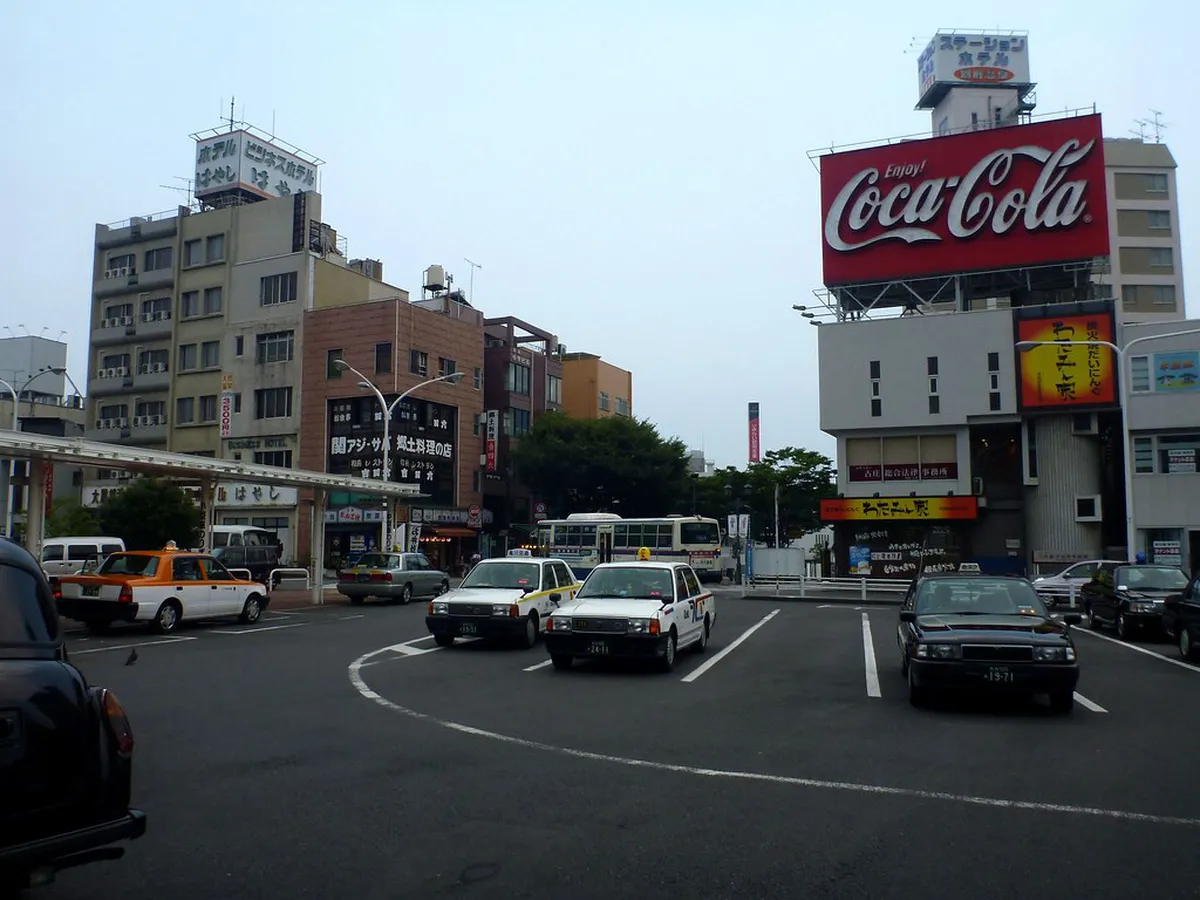
Beppu Station area is the most practical base for first-time visitors. You are within walking distance of the seafront, the city's main tourist information office, and a 15-minute bus ride from the Kannawa hell district. Business hotels here range from 5,000–10,000 yen per night and have the best access to ATMs and convenience stores.
Kannawa is the right base if your trip is entirely onsen-focused. Staying in a ryokan here puts you steps from the jigoku (hells) and several smaller neighborhood sento that locals use. Rates at Kannawa ryokan typically run 12,000–25,000 yen per person per night including dinner and breakfast. The tradeoff is limited nightlife and fewer dining options outside your accommodation.
Myoban is the quietest and most atmospheric of the three zones — it sits in the hills above the city with a cluster of small rotenburo and mud-bath facilities that feel far removed from the tourist circuit. It suits repeat visitors or those coming specifically for the Myoban Yunohana natural mud and sulfur baths. For a full breakdown of neighborhoods and specific hotel picks, the where to stay in Beppu guide covers each district with current 2026 pricing.
Booking Jigoku-Mushi and Sand Baths: Practical Tips
Jigoku Mushi Kobo in Kannawa is the most popular steam-cooking facility in the city and operates on a walk-in basis with no advance reservation required. You purchase ingredients from a vending machine — sets run from 500–1,200 yen depending on what you choose — then use the natural geothermal steam pits to cook everything yourself. Steaming times are posted in English on boards above each pit: eggs take 15 minutes, sweet potato takes 40 minutes. Arrive before 11:00 to avoid peak lunch queues, or after 14:00 when the morning crowds thin out. The facility closes at 21:00 (last orders 20:30). This hell-steamed food experience is one of the most memorable meals you'll have in Japan.
The Beppu sand bath (sunayu) at Shoningahama Beach is operated by the city and does not require advance booking on most weekday mornings — arrive, pay 1,500 yen, and a staff member buries you in naturally heated sand for approximately 15 minutes. Weekend afternoons fill up: arrive by 09:00 or call the facility (+81 977-66-5737) to hold a slot. The sand temperature runs around 50°C and the experience lasts about 20–30 minutes total including dressing time. Avoid the sand bath if you have cardiovascular conditions or low blood pressure, as the heat is intense.
For a more curated introduction to all of Beppu's attractions, the Beppu attractions overview ranks the top experiences by type and logistics.
When to Visit: Seasonal Notes for 2026
Spring (March–May) is the most popular season and arguably the best all-round. Cherry blossoms at Beppu Park peak around the first week of April. Temperatures are comfortable for walking between outdoor sites, and the steam from the hells looks dramatic against cool morning air. Book accommodation 8–10 weeks ahead if you are visiting in early April.
Autumn (October–November) rivals spring for weather. The mountain districts around Myoban turn vivid orange and red in November, and the cooler air makes soaking in outdoor rotenburo genuinely therapeutic rather than uncomfortably hot. This is the window favored by repeat visitors and Japanese domestic travelers.
Summer (June–August) is humid and hot. Indoor onsen feel stifling and the Kannawa district, surrounded by rising steam and 35°C air, can be overwhelming at midday. The beach and seafront are more enjoyable than the hill districts in this period. Winter (December–February) is underrated for onsen travel — the contrast between cold outside air and hot water is at its most satisfying, and accommodation rates drop noticeably after New Year. The only downside is that the outdoor sand bath closes earlier (17:00) in winter months.
Planning Your Day: Practical Logistics for First Timers
Start in Kannawa before 09:00. The Seven Hells open at 08:00, and the first hour is significantly quieter than mid-morning. A combination ticket covering all seven hells costs 2,200 yen and is sold at the Umi Jigoku (Sea Hell) entrance — this is the standard starting point for most visitors and includes the largest and most photogenic of the pools. Allow 90–120 minutes to walk the full Kannawa cluster. The 7 Hells of Beppu guide explains the layout and which hells to prioritize if time is short.
After the hells, walk five minutes to Jigoku Mushi Kobo for lunch. Then take the bus down to Shoningahama for the sand bath in the early afternoon — this sequencing means you reach the beach facility before the post-lunch queue builds. Leave the afternoon for a soak at your onsen of choice. Hyotan Onsen is worth the slight detour for its Michelin-rated facilities; the full visit including the sand pit runs about 2 hours. You can read the Hyotan Onsen guide for what to bring and how the different baths are organized.
Beppu Station area has the widest evening dining options — izakaya along the covered shotengai serve fresh seafood from the bay alongside local Oita specialties like toriten (tempura chicken) and dangojiru (miso soup with flat wheat noodles). Budget 1,500–3,000 yen per person for dinner. Most restaurants close by 22:00.
Budget Tips and Free Things to Do in Beppu
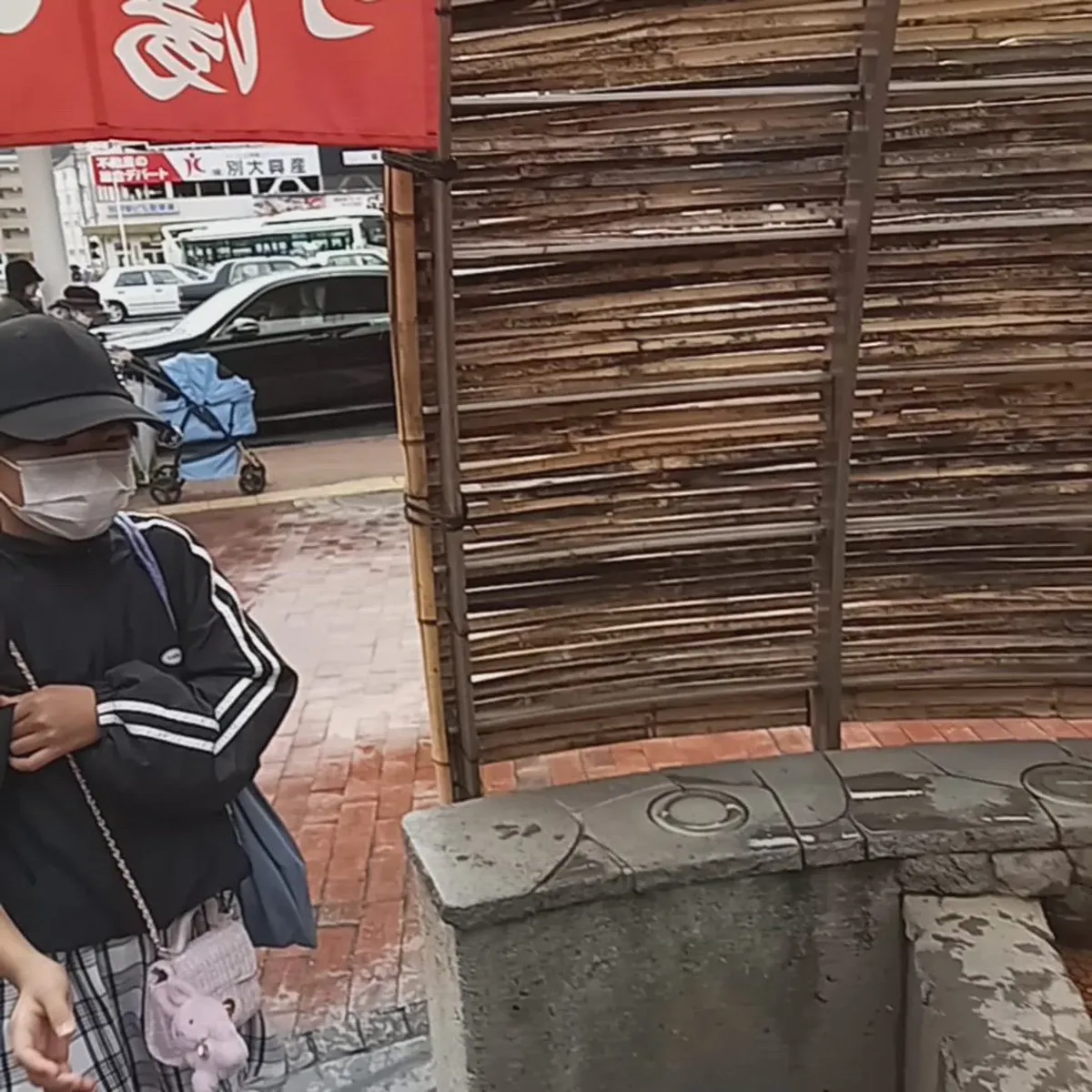
Ashiyu (foot baths) are the best free experience in the city. Around 20 public ashiyu are scattered across Beppu — at the station, along the beachfront, in Kannawa, and near Myoban. Each is a wooden or stone trough fed by natural hot spring water. You sit on the edge, remove your shoes, and soak your feet for as long as you like. Most are open 24 hours. These are genuinely used by locals and feel nothing like a tourist attraction.
You can find the full map of free Beppu activities, including ashiyu locations and free viewpoints, in a dedicated guide. Beppu Park is also free and worth an hour in any season. The bay walking path between Beppu Station and the beach is flat, pleasant, and lined with public art — a good option for evenings or early mornings when you're between onsen sessions.
If you are on a tight budget, the cheapest entry-level onsen experiences are the neighborhood sento in the Hamawaki and Kitahama districts near the station, where locals pay 100–200 yen to soak. These are no-frills facilities but the water quality is exactly the same as the premium onsen complexes — Beppu's underground supply is consistent across the entire city.
Frequently Asked Questions
How many days do you need for beppu travel tips?
Most travelers find that two to three days is the perfect amount of time for Beppu. This allows you to see the Seven Hells, enjoy several hot springs, and visit the African Safari wildlife park. A longer stay lets you explore the nearby mountain town of Yufuin.
What is the best time for beppu hot springs?
The best time to visit is during the spring or fall when the weather is mild and pleasant. Winter is also popular because the steaming vents look more dramatic against the cold air. Summer can be quite humid, making the hot springs feel less refreshing for some visitors.
Is Beppu worth visiting for first-time Japan travelers?
Yes, Beppu offers a unique geothermal experience that you will not find in Tokyo or Kyoto. It provides a look into Japan's volcanic nature and relaxing bathing culture. It is a must-see destination for anyone exploring the island of Kyushu. Check out the top Beppu attractions to plan your route.
Beppu rewards visitors who arrive prepared. Know the etiquette rules before you enter your first onsen, withdraw enough cash at Beppu Station, and buy a Kamenoi day pass to move efficiently between the hill districts and the waterfront.
The city's depth goes well beyond the Seven Hells — the sand baths, the jigoku-mushi steam kitchens, the neighborhood sento, and the free ashiyu foot baths all add up to an experience that genuinely cannot be replicated anywhere else in Japan. Use these Beppu travel tips to build an itinerary that makes the most of every steaming hour. If you are hunting for budget-friendly lodging options, our budget places to stay in Beppu guide walks you through every price tier.
Free: The Beppu Essentials guide
Top things to do, where to stay, a perfect day plan, getting around, and the best time to go — a Beppu mini-guide you can take offline.
You might also like

Continue reading
More guides you'll find useful